
Jun 11
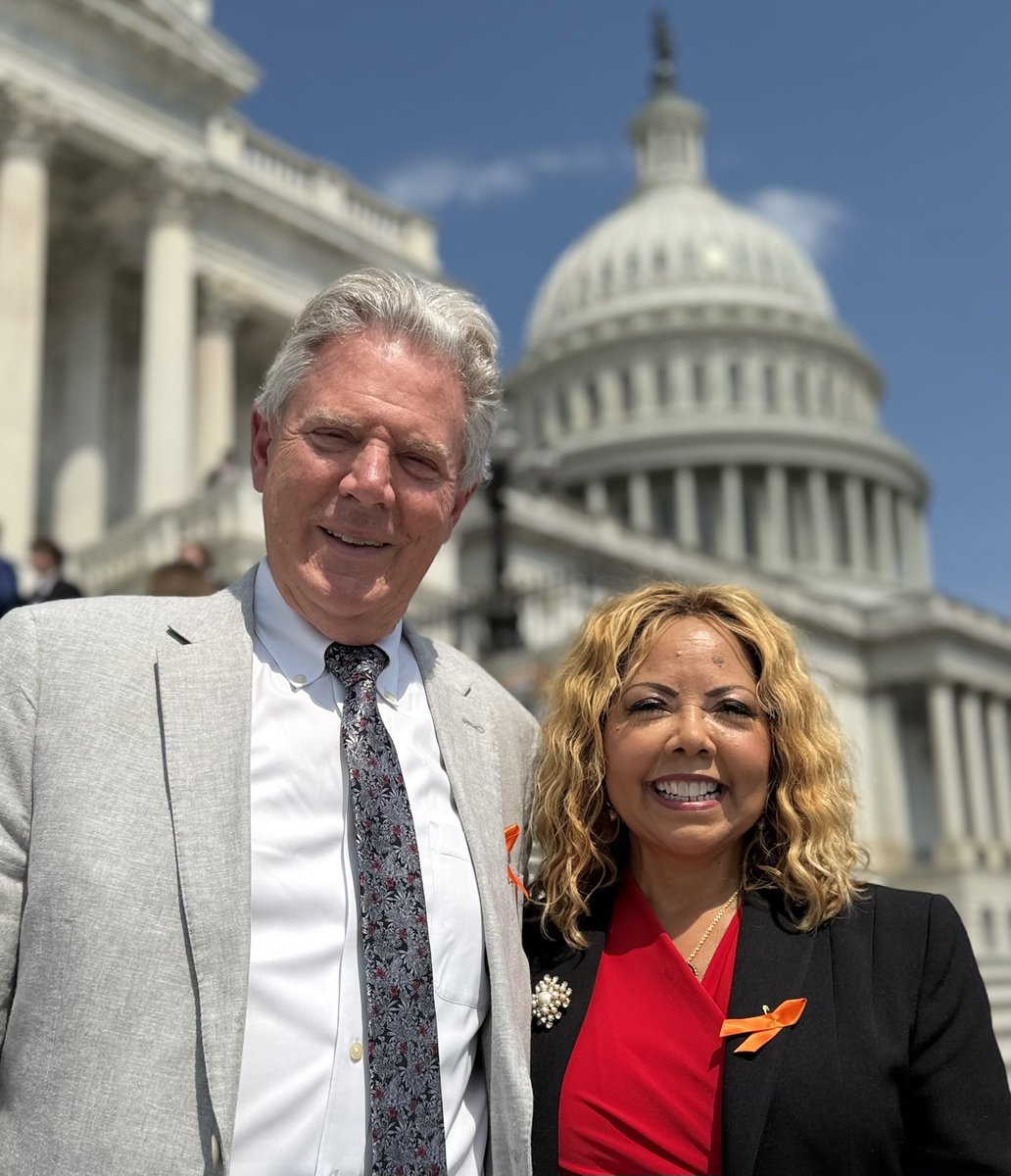
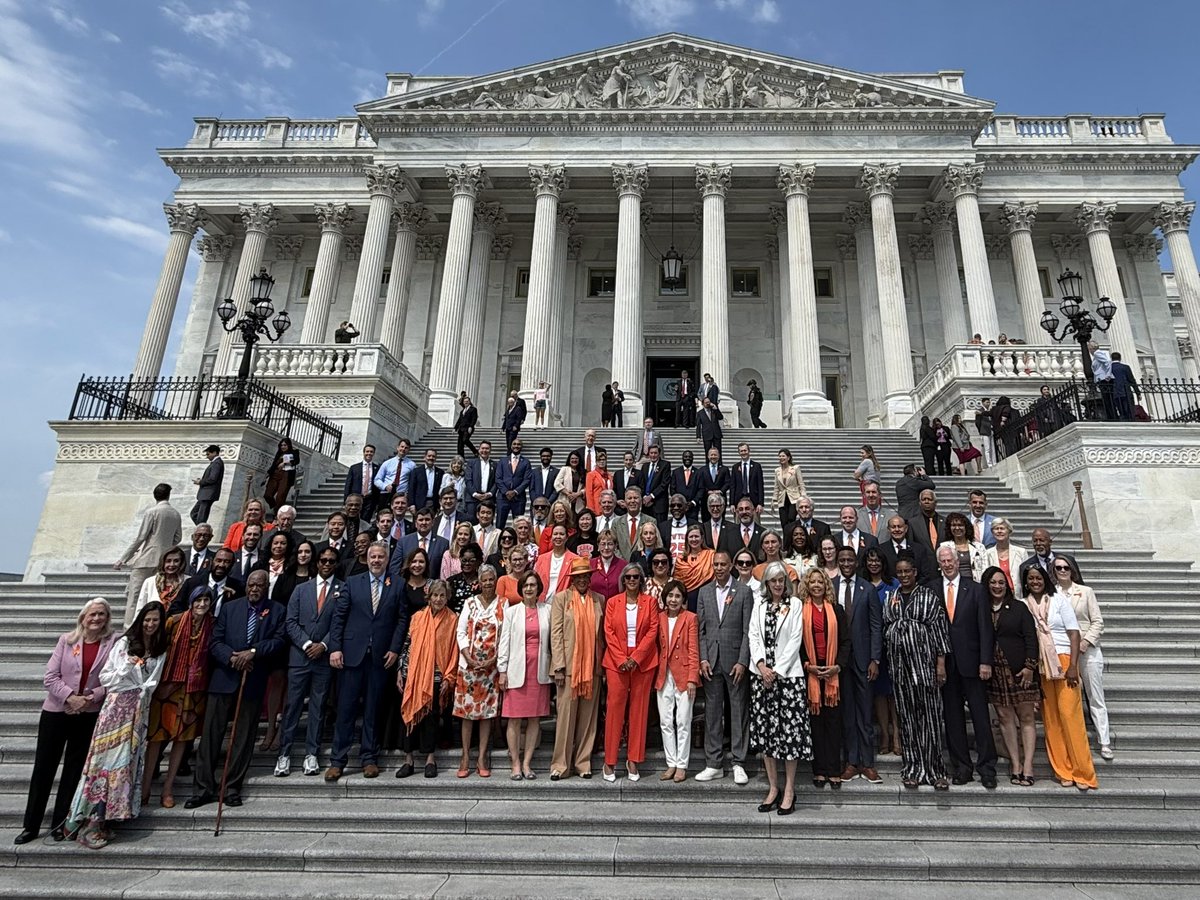
June is Gun Violence Awareness Month, and that’s why I’m proud to #WearOrange and stand with my colleagues against this epidemic in our country. We can start by taking steps to pass concrete legislation like @RepLucyMcBath’s GOSAFE Act to ban dangerous gas-powered assault weapons and keep our communities safe.
39
6
15
1,815
Ron retweeted

Jun 5
Take your anti Constitutional Gosafe Act and shove it up your ass.
4
17
175

Jun 10
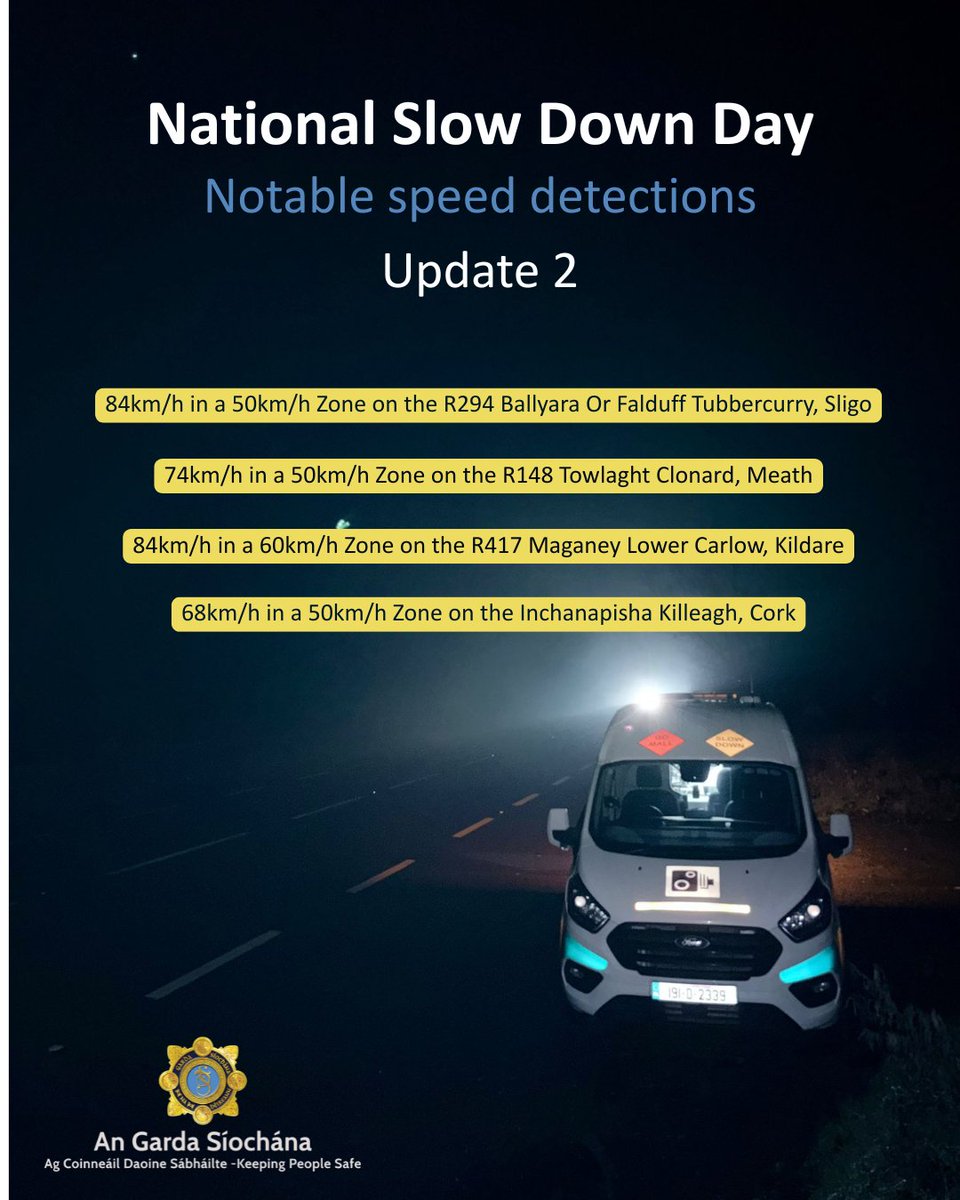
Almost 210 vehicles have been detected travelling in excess of the speed limit today, by members of An Garda Síochána, along with GoSafe mobile and static safety cameras.
Examples of high speeds detected 👉
Please slow down.
#KeepingPeopleSafe
2
16
6,692

RT @GardaTraffic: So far this National #Slowdown Day, members of An Garda Síochána, along with GoSafe mobile and static safety cameras, hav…
2
Jun 10
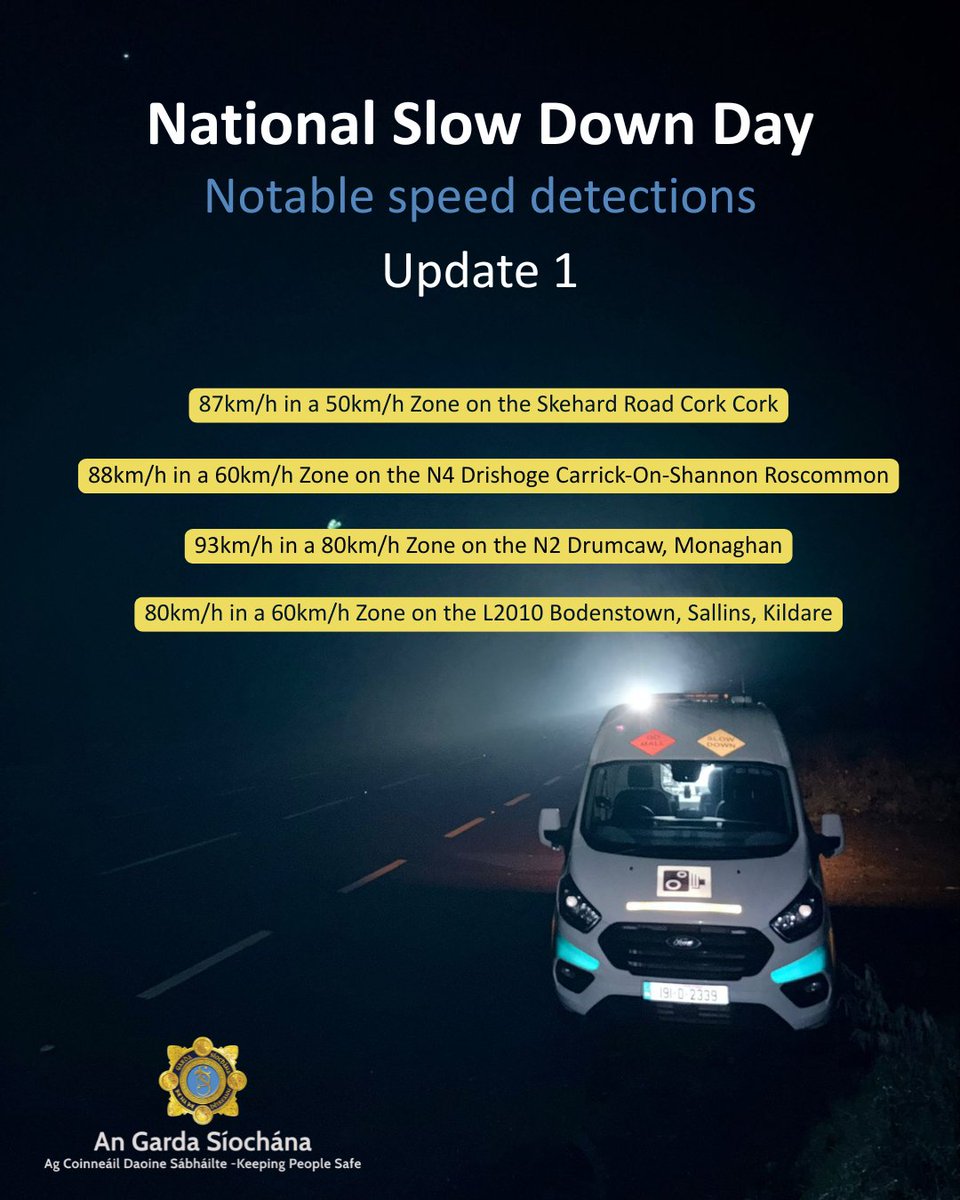
So far this National #Slowdown Day, members of An Garda Síochána, along with GoSafe mobile and static safety cameras, have detected over 40 vehicles travelling in excess of the applicable speed limit.
Examples of high speeds detected 👇
Please slow down.
#KeepingPeopleSafe
2
3
4,366

Jun 9
We're at the National Sheriffs' Association Annual Conference in Omaha! Stop by the GOSAFE booth to see our complete Firearms Management System & learn how agencies are improving firearm security, accountability, and access control. See you there!
#NSA2026 #PublicSafety #GOSAFE

16

GoSafe cameras to be installed at two level crossings in Kerry
radiokerry.ie/?p=486924&prev…
1
464

Jun 5
After an attack on a Jewish woman on the subway, the disgusting Nazi Kirsten Gillibrand @SenGillibrand @gillibrandny doubled down on disarming Jews.
Here's a statement from her I received as constituent earlier today:
Weapons of war and mass destruction have no place in our schools, grocery stores, churches, movie theaters, or anywhere in our communities. I am committed to working with the law enforcement community and people on all sides of this issue to find a solution that safeguards the public. Last year, I was proud to cosponsor the GOSAFE Act, which would regulate firearms based on their inherently dangerous and lethal mechanisms, as opposed to focusing on cosmetic features that manufacturers can easily modify. Additionally, I am proud that my anti-gun trafficking bill was included in the Bipartisan Safer Communities Act and has resulted in more than 3,000 illegal guns removed from our streets.
Furthermore, I lead the Language Access to Gun Violence Prevention Strategies Act to increase in-language translation of firearm safety resources to ensure that all communities have equal access to federal resources and funding for gun safety and gun violence prevention programs. I also cosponsor several bills that seek to implement common-sense measures, including the Assault Weapons Ban Act, 3D Printed Gun Safety Act, the Background Check Expansion Act, Ethan’s Law, among many others.
1
37

May 24
Rough night catching up with you today? 😵💫
Make the smart call and leave the driving to someone else 🚆🚌🚖
Even the morning after, alcohol can still affect how you react❌
#DriveSmart #GoSafe

1
3,079

High Court Quashes District Judge’s Dismissal of Clogheen Speeding Cases Over Apparent Bias and Predetermination
The High Court has ruled that a District Court judge acted unlawfully when he dismissed dozens of speeding prosecutions arising from a notorious speed enforcement zone at Clogheen, near Monasterevin, despite finding that the motorists had in fact exceeded the speed limit. In a strongly worded judgment delivered by Mr Justice Cian Ferriter, the court held that the judge’s remarks and conduct created a reasonable apprehension of bias and amounted to an impermissible predetermination of the cases before him.
The proceedings arose after the Director of Public Prosecutions sought judicial review of orders made in Portlaoise District Court on 19 December 2024. The respondent, Sinead Heneghan, had been detected driving at 75 km/h in a 60 km/h zone at Clogheen in November 2023. Like many other motorists prosecuted at the same location, she failed to pay the fixed charge notice and her case ultimately came before the District Court.
The High Court heard that approximately 40 speeding cases from the same stretch of road were listed before the District Judge on that day. Before hearing any individual case, the judge delivered extensive pre prepared remarks criticising the speed limit and the manner in which prosecutions were being pursued. He described the 700 metre stretch of road as generating an extraordinary volume of fines and questioned how it could produce comparable numbers of prosecutions to entire counties such as Kilkenny, Louth and Mayo.
The judge also referred to recommendations previously made by a senior engineer in Kildare County Council suggesting that the speed limit should be increased to 100 km/h. He stated that the council was “in dereliction of their duties” for failing to review the limits and suggested motorists could reasonably believe they were travelling in a higher speed zone.
Most controversially, the judge declared that the prosecutions “had nothing to do with criminality and little to do with road safety” and were instead “driven not by safety but by targets, statistics and finance”. He accused GoSafe operators of targeting “an unjust speed zone” where they were “shooting fish in a barrel”.
Although the judge stated that he would consider each case on its own merits, he ultimately dismissed approximately 34 of the 40 prosecutions, despite expressly finding the offences proven. In each case he considered it “unjust” to enter a conviction.
The DPP argued that the judge had no legal authority to refuse to convict once the speeding offences had been established. The statutory scheme governing penalty point offences was mandatory and left no room for residual judicial discretion. The High Court accepted that argument. Mr Justice Ferriter pointed to provisions of the Road Traffic Acts which require penalty points to be imposed on conviction and expressly exclude the use of the Probation of Offenders Act in such cases.
The court relied heavily on earlier authorities including Kennedy v Gibbons and DPP v Maughan, both of which confirmed that judges cannot avoid mandatory road traffic penalties by declining to record convictions after the facts have been proved.
Mr Justice Ferriter rejected the District Judge’s attempt to justify his approach by reference to the Supreme Court decision in The People (DPP) v Casey. He held that the passage relied upon by the judge had been taken entirely out of context and concerned a highly specific defence of officially induced error arising from the Anglo Irish Bank prosecutions. It had “no application whatsoever” to routine speeding cases.
The judgment then turned to the broader issue of judicial impartiality. Mr Justice Ferriter stated that the District Judge’s remarks created a reasonable apprehension of predetermination and objective bias. By publicly expressing strong views about the fairness of the speed limit, accusing GoSafe of improper motives, and criticising Kildare County Council before hearing the evidence, the judge had failed to maintain the appearance of impartiality required by the Constitution and by established principles of judicial conduct.
The High Court carried out an extensive review of constitutional principles surrounding judicial impartiality, citing the Supreme Court decision in Kelly v UCD and the Bangalore Principles of Judicial Conduct. Mr Justice Ferriter stressed that judges are required to decide cases solely on the evidence and law before them, “without fear or favour, affection or ill will”.
While the court accepted that the District Judge’s comments had been made bona fide and without misconduct, it held that his role was to apply the law as enacted by the Oireachtas, not to refuse convictions because he disagreed with the policy behind the speed limit.
The High Court ultimately granted orders quashing the dismissals in this and several related cases. However, notably, the DPP did not seek to have the prosecutions reheard in the District Court, a course Mr Justice Ferriter described as sensible in the circumstances.
Director of Public Prosecutions v Sinead Heneghan [2026] IEHC 316
2
5
514

May 3
"The problem for gardaí arises due to GoSafe vans and static cameras – garda cars are going through the checks and then being issued automatically with FCPNs regardless of their emergency service vehicle status."

A specialist firearm garda has been issued with 17 separate speeding notices as a result of driving to emergency call-outs. jrnl.ie/7027748t
1
6
2,965

Apr 16
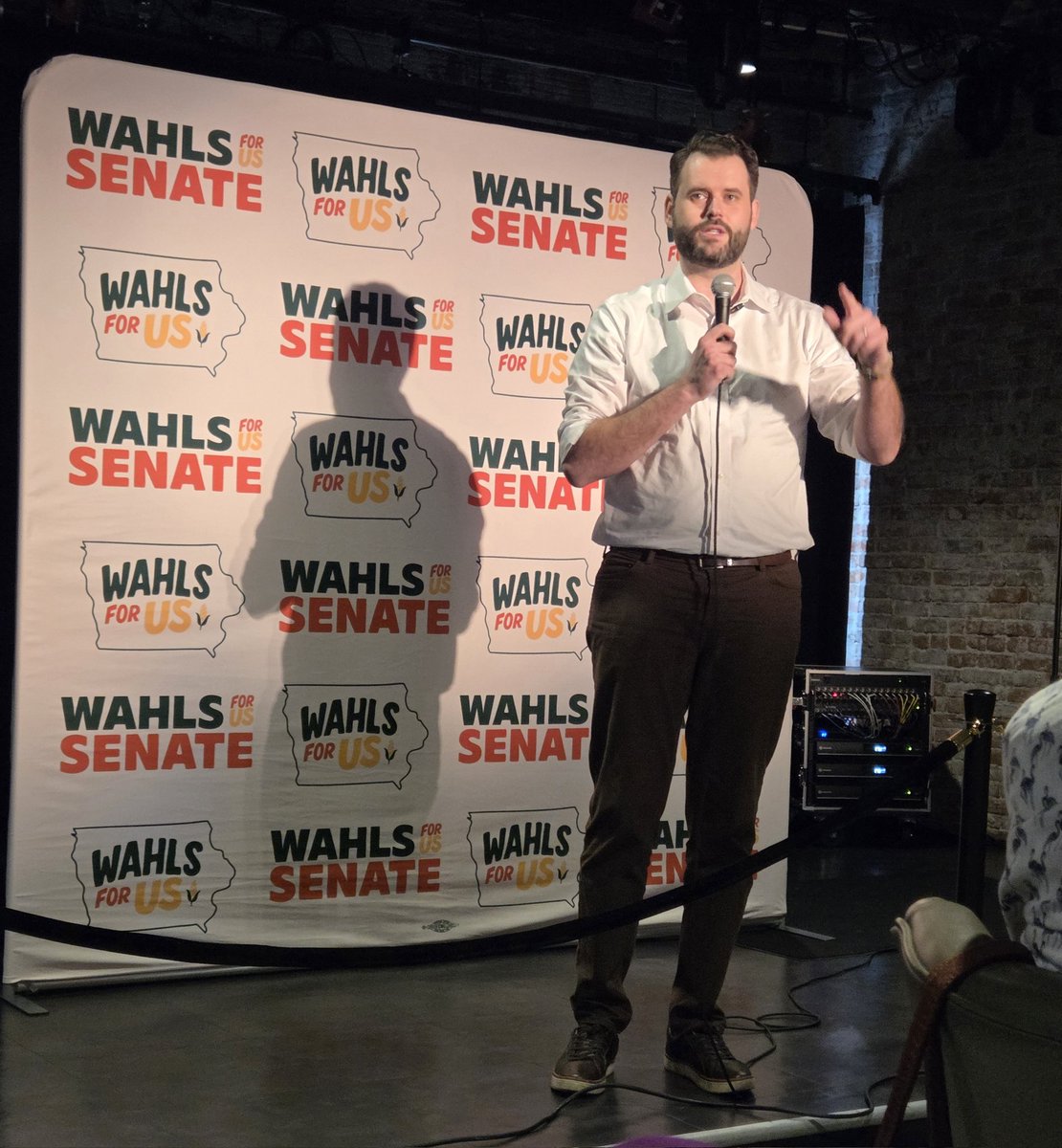
Last night I shared gun violence prevention bills we can't get Iowa's federal legislators to act on: the GOSAFE Act and the Federal Firearm Licensee Act. Added bonus: hanging out with my future door knocking buddy, @Reger6Jackie

1
2
3
86


That would be a gosafe van Paul. Guards don't have speed vans anymore. I'm a pedant
1
1
6
5,492

Apr 6
We want to ensure everyone is safe onboard our services and in stations. We have zero-tolerance for anti-social behaviour – Cut it out #GoSafe
1
1
1,007
Apr 4
We want to ensure everyone is safe onboard our services and in stations. We have zero-tolerance for anti-social behaviour – Cut it out #GoSafe
3
1,063