
How Did We Get to Where Government Became So Important, People Were Willing to Kill to Change It? dlvr.it/TSL1vB #Government #PoliticalPower #CivilDisobedience #PoliticalChange #GovernmentStructure
1
2
14

Feb 17
#Constitution
#TenthAmendment
#StatesRights
#CountyGovernment
#LawEnforcement
#ElectedOfficials
#SeparationOfPowers
#ChecksAndBalances
#RuleOfLaw
#PublicAccountability
#CivicEducation
#AmericanGovernment
#CriminalJustice
#LocalPolitics
#USConstitution
#GovernmentStructure
#CivicEngagement
#DemocracyInAction
#AccountabilityMatters
#Policing
2
213

26 Jun 2025
Sad we trained this generation to not know ANYTHING ABIUT OUR UNIQUE AMERICAN LIBERTY AND Exceptional GOVERNMENTSTRUCTURE.
2
5

21 Feb 2025
Our whole government needs restructuring and more transparency.
#governmentbetrayal #governmentstructure #yrof #uniparty #Transparency #FridayMotivation #Truth
5
6
134

17 Nov 2024
The Truth About Presidential Powers: Trump's and Harris's Limitations
#PresidentialPowers #CongressInfluence #PoliticalReality #TrumpVsHarris #CampaignPromises #PoliticalAnalysis #GovernmentStructure #CivicEngagement #VoterEducation #PolicyDebate
2
188

25 Jul 2024
Understanding the History and Impact of Corporate Entities
From its roots in governance and religious bodies, the term “corporate” evolved from the Latin corpus, meaning “body.” Initially, it described entities like municipalities, universities, and guilds granted the right to self-govern. Over time, this concept extended to business corporations we know today.
Municipal corporations, like the one established in Washington, D.C. by the Organic Act of 1871, operate under charters granting them local self-governance while remaining subordinate to the Constitution. Understanding the legislative process—from drafting a bill to it becoming an act and then a law—clarifies how terms are defined and the legal frameworks of federal entities.
For example:
Title 28: 3002 (15)
A. Federal Corporations
Example: U.S. Postal Service (USPS)
Created by: Postal Reorganization Act of 1970
B. Government Agencies and Departments
Example: Environmental Protection Agency (EPA)
Created by: Executive Order in 1970, later codified by Congress
C. Government Instrumentalities
Example: Federal Reserve System
Created by: Federal Reserve Act of 1913
Government instrumentalities, such as the Federal Reserve, are created by acts of Congress to serve public purposes with distinct legal statuses.
By understanding these processes and structures, citizens can enforce constitutional principles and ensure fair governance. Accountability or abolishment of these instrumentalities can only be done if we understand the process to which they were created and modified.
Key Points:
“Corporate” originated from Latin corpus, meaning “body.”
Municipal corporations are local government entities, subordinate to the Constitution.
Federal entities are established by legislative acts for public purposes.
Civic knowledge empowers citizens to advocate for fair governance.
#HistoryOfCorporate #CivicEngagement #GovernmentStructure #FederalEntities #ConstitutionalRights
#AmericanPride

1
2
133

18 Feb 2024
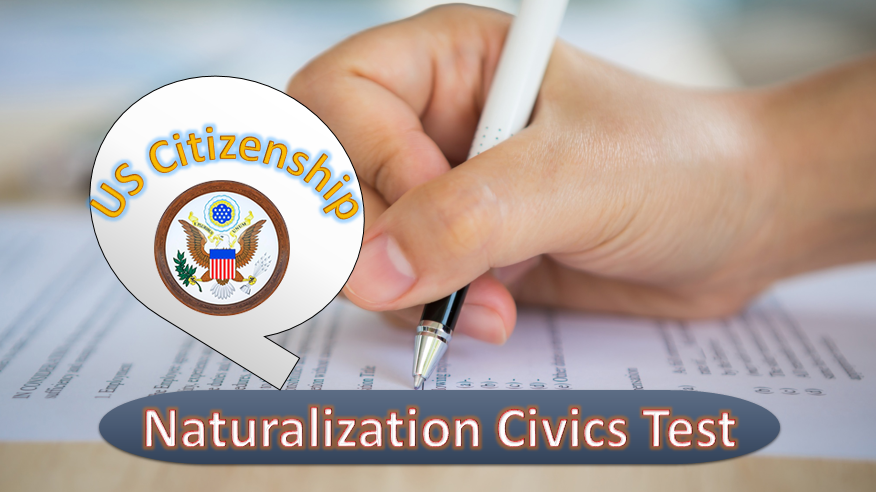
🌟 Ready to become a citizen?
🌟 Take the next step towards US Citizenship with the Naturalization Civics Test.
usadvlottery.org/2024/02/us-…
#USCitizenship #NaturalizationProcess #CivicsTest #AmericanHistory #Constitution #GovernmentStructure #USHistory #USImmigrationProcess
11
3
138

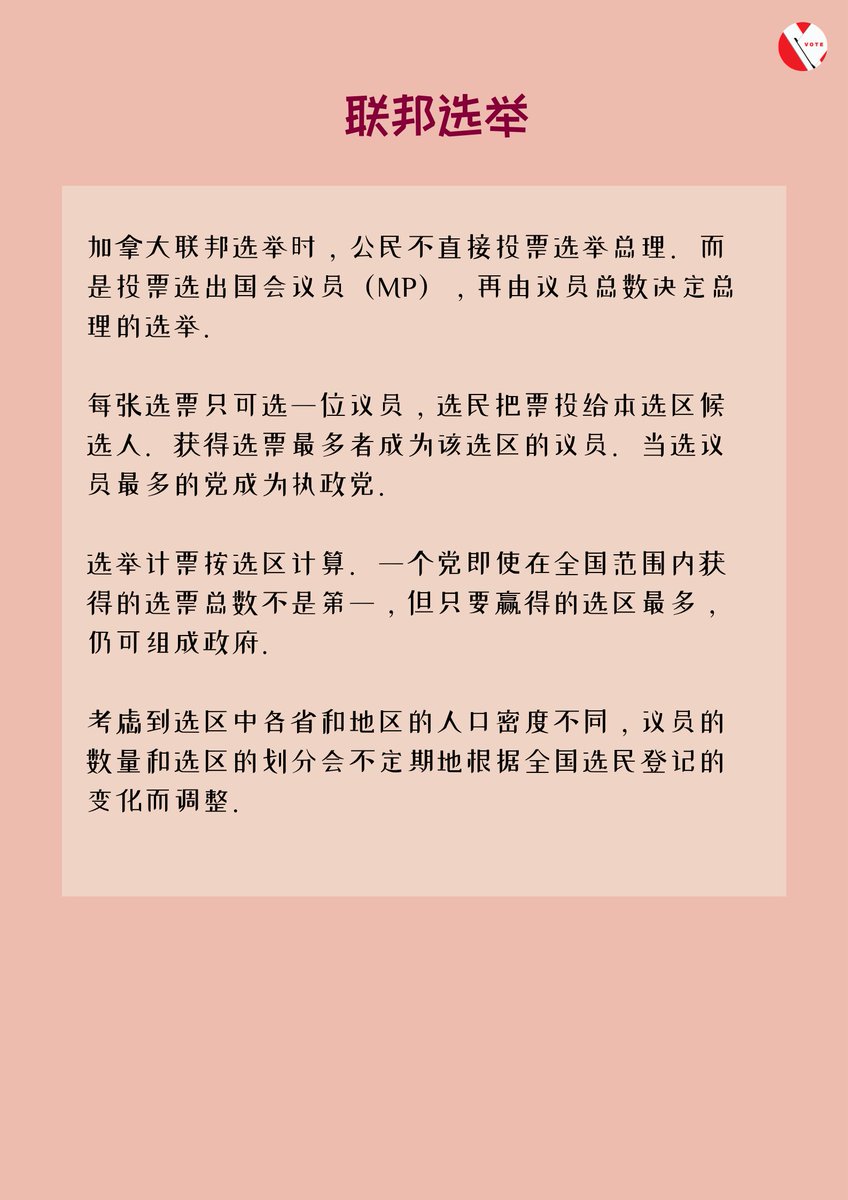
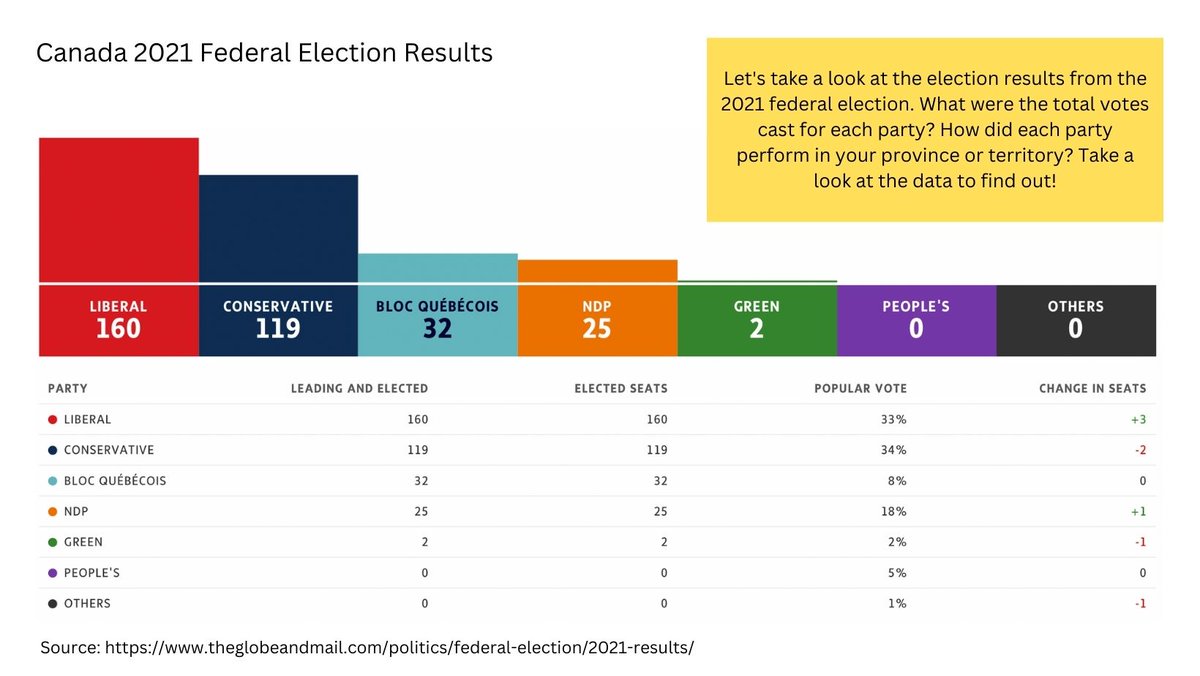
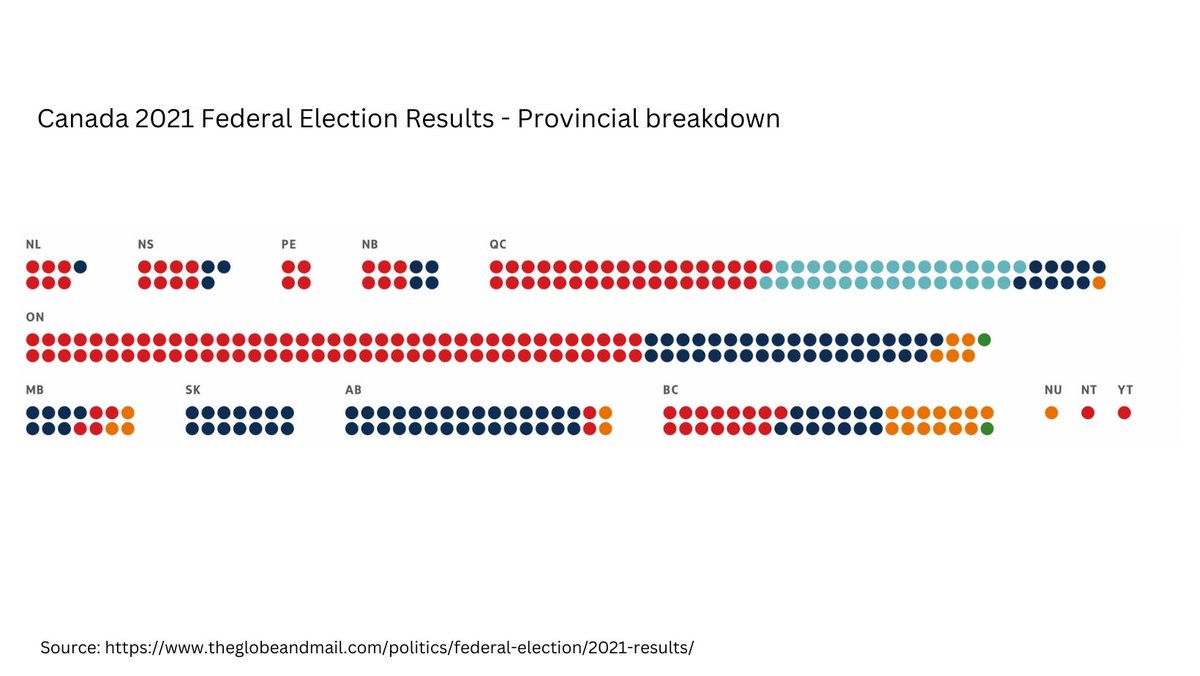
#14 _加拿大政府 101 – 联邦选举
加拿大联邦选举时,公民不直接投票选举总理。而是投票选出国会议员(MP),再由议员总数决定总理的选举。
#CCGTV #ChineseCanadians #CanadianGovernment #GovernmentStructure #Election #ElectionDay #Voting #Ballots #MembersofParliament #riding

1
3
376
#12 _加拿大政府 101 – 加拿大政党
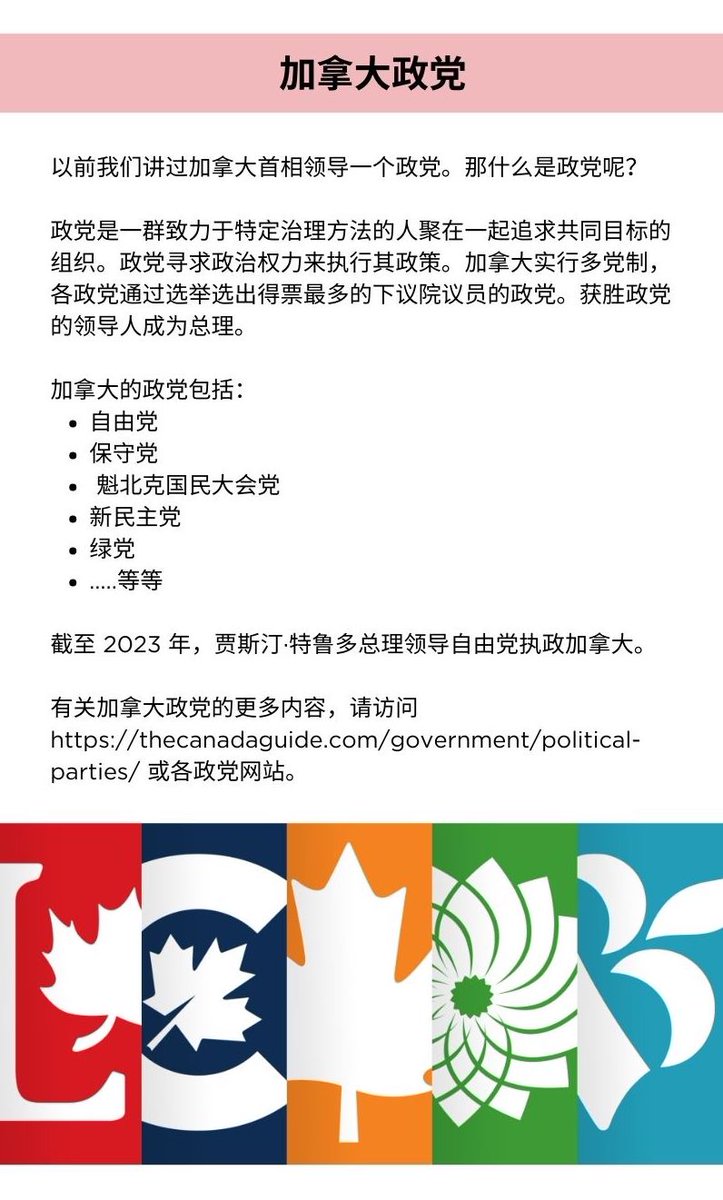
以前我们讲过加拿大首相领导一个政党。那什么是政党呢?
#CCGTV #ChineseCanadiansGotoVote #ChineseCanadians #CanadianGovernment #GovernmentStructure #CanandianPoliticalEducation #StayEngaged #CanadianPolitics #PoliticalPartiesofCanada
1
2
75
#12 _Canadian Government 101 – Political Parties
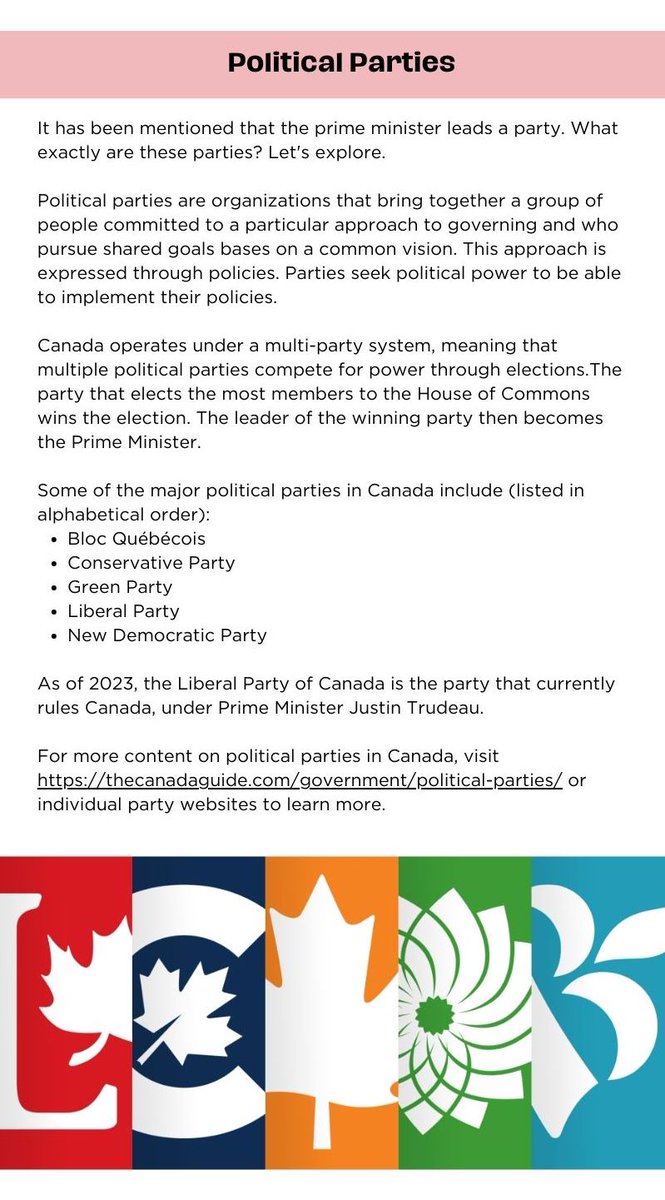
It has been mentioned that the prime minister leads a party. What exactly are these parties? Let's explore.
#CCGTV #ChineseCanadians #CanadianGovernment #GovernmentStructure #CanadianPolitics #PoliticalPartiesofCanada
1
2
77
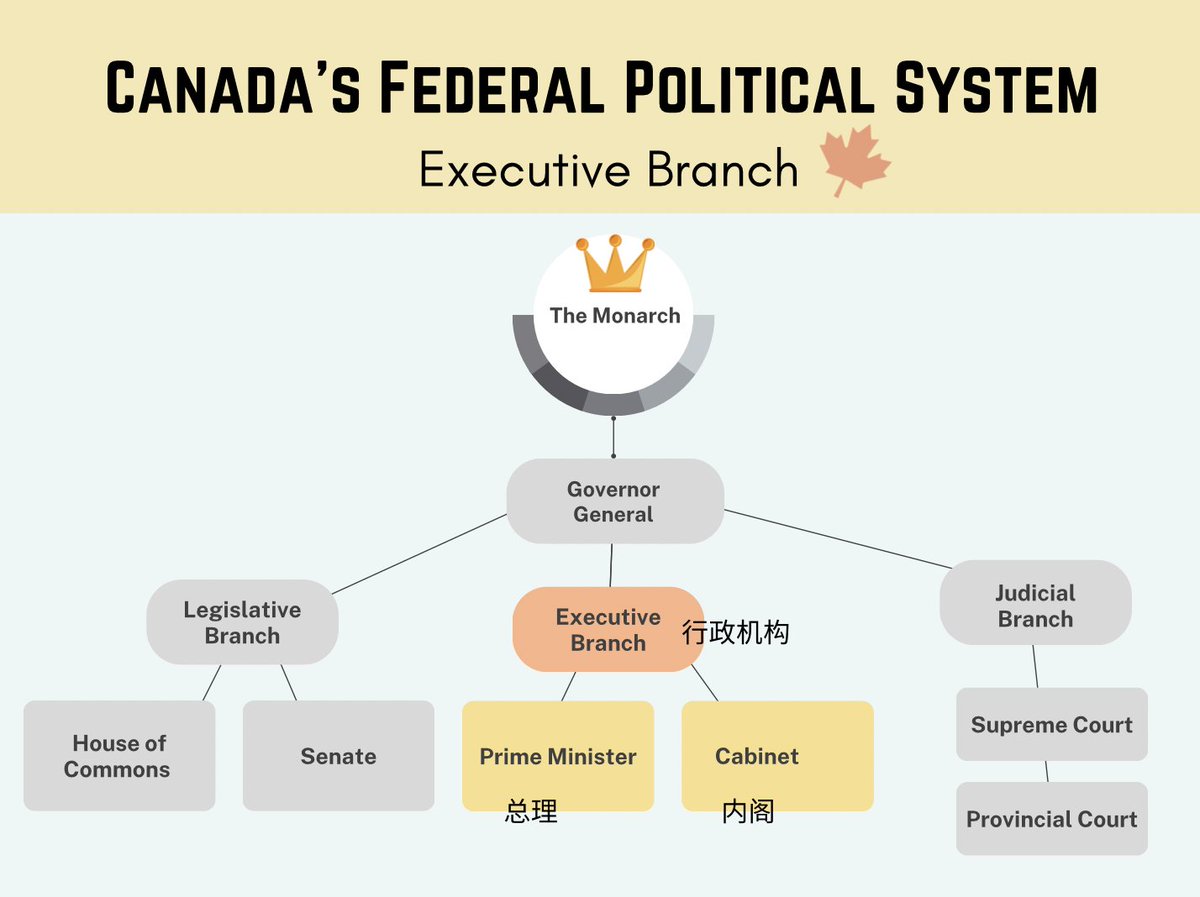
#7 _加拿大政府101 – 行政机构
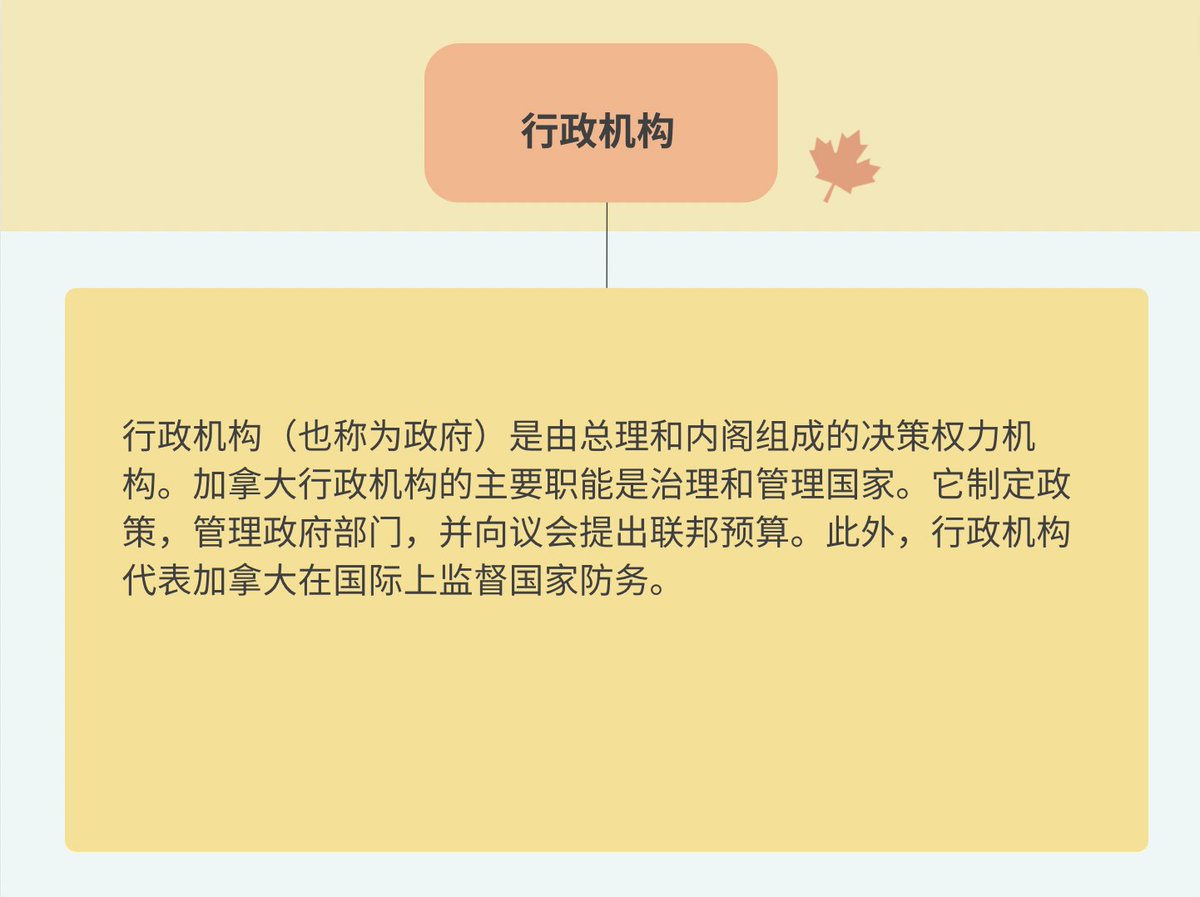
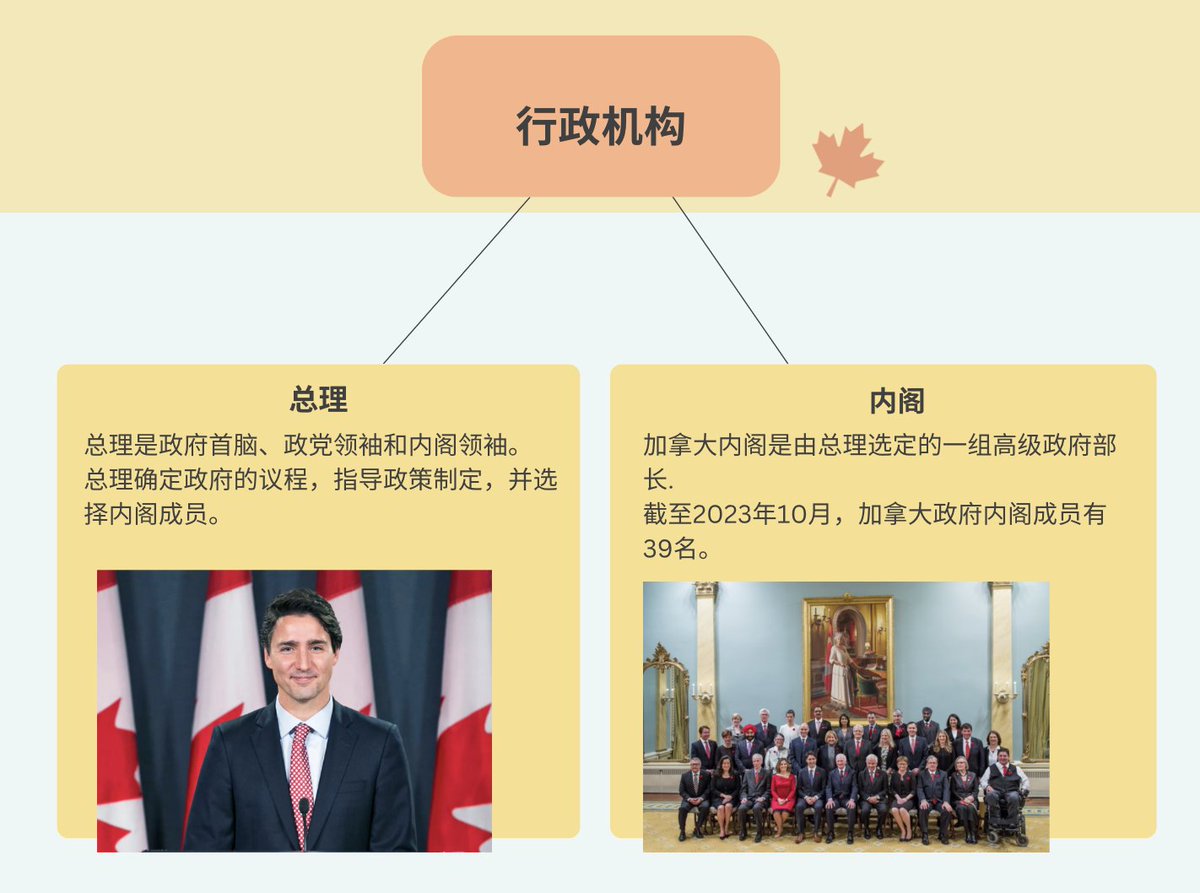
行政机构(也称为政府)是由总理和内阁组成的决策权力机构。
#CCGTV #ChineseCanadiansGotoVote #ChineseCanadians #CanadianGovernment #GovernmentStructure #CanandianPoliticalEducation #CanadianPolitics #Cabinet #PrimeMinister #executivebranchofCanada
1
4
56

22 Jun 2023
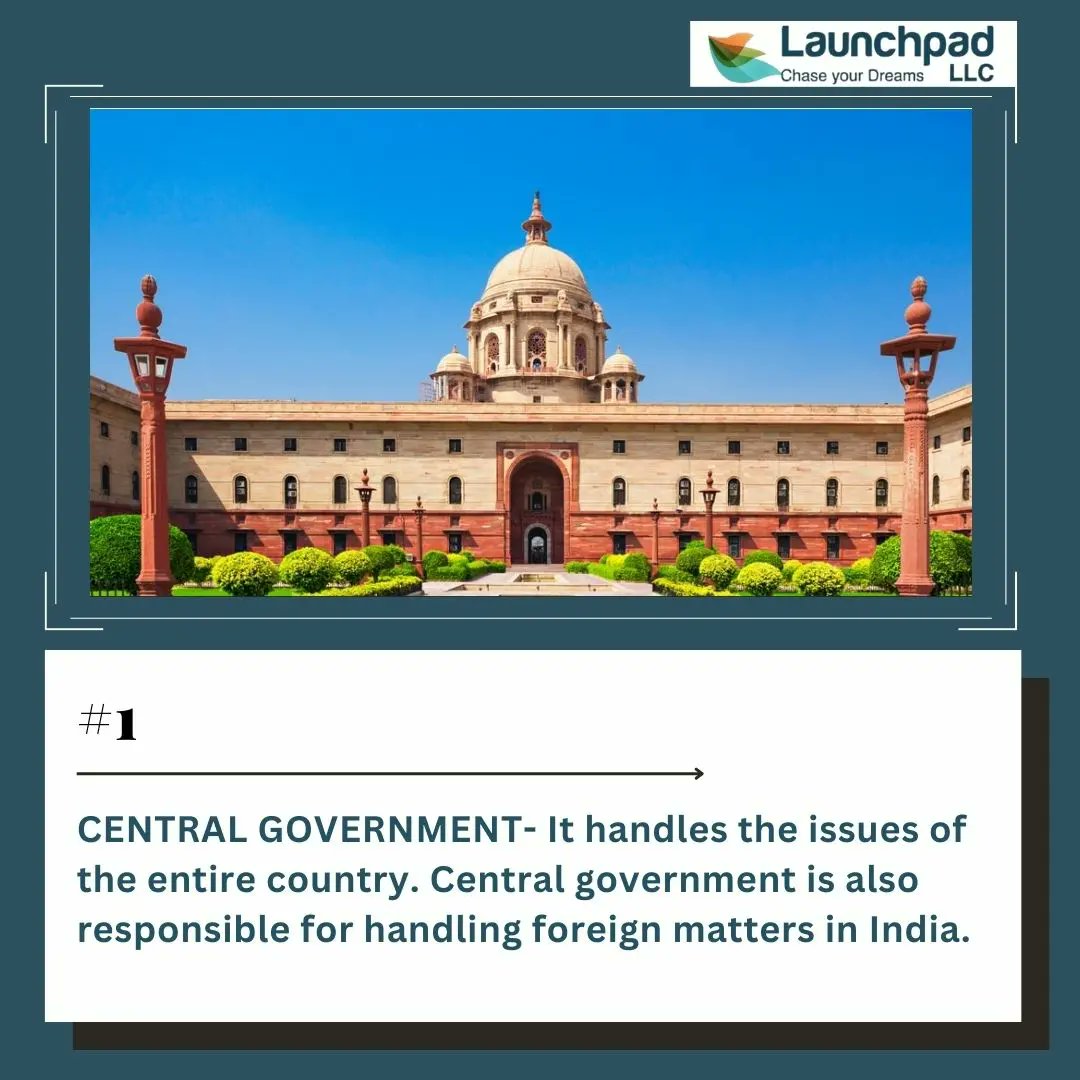
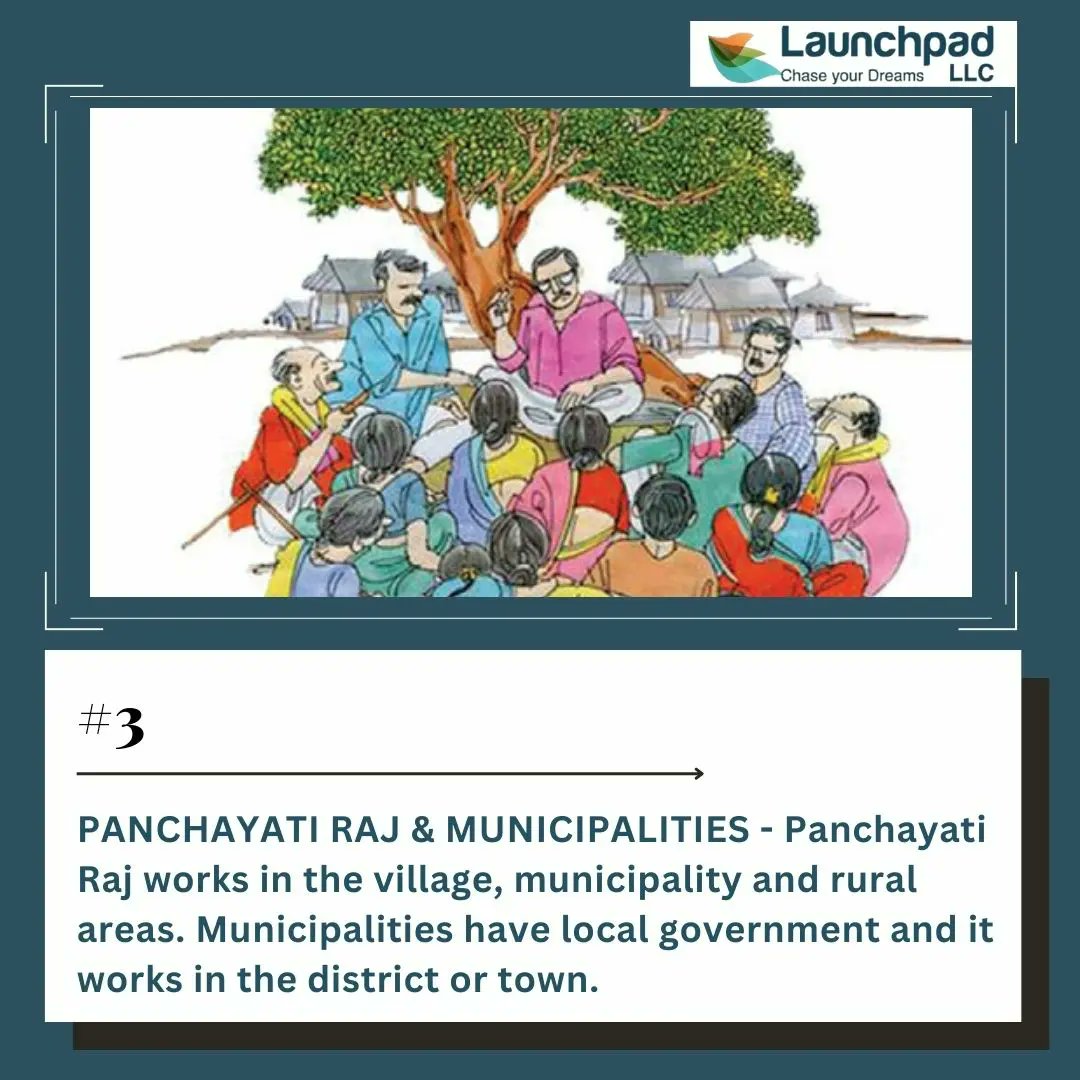
Building Blocks of Governance: Central, State and Local Governments Working Together!
#launchpadllc #launchpad #chaseyourdreams #careercounsellingservice #careersuccess #careeradvice #careeropportunities #governmentstructure #exampreparation #tnpsc #competitiveexam
6
59

22 Apr 2022
Attended poignant debate on Housing yday evening by #TheBetterWayJersey group c/o @welovecoffee Coopers IFC5, boy does Jersey have some work 2do - #socialhousing eh 5% quality only #Construction much cheaper #governmentstructure axing b4 #massexodus @Moore4Jersey #michaelvanneste
1
2

In all the speculations we have also #cyprus en #luxembourg as proberly partners in crime. Small countries that create a cryptohub to the world. Combined with a governmentstructure of #VechainThor. #OceanEx is became the bigone in this solution.
But time will tell us.
1
4