
I am proud to see first graduations in Agdam and Fuzuli since liberation, and families receive keys in Hadrut. Azerbaijan rebuilds daily life through schools and homes-safe, dignified, hospitable. The conflict caricature sold in the West is not the reality I know.
1

As long as whites and other non-Blacks can have their graduations without the Blacks, it seems like a good thing.
3

Ask the folks who walk out of luxury cars and fan out wads of bills at their graduations. Maybe they have an idea.
2

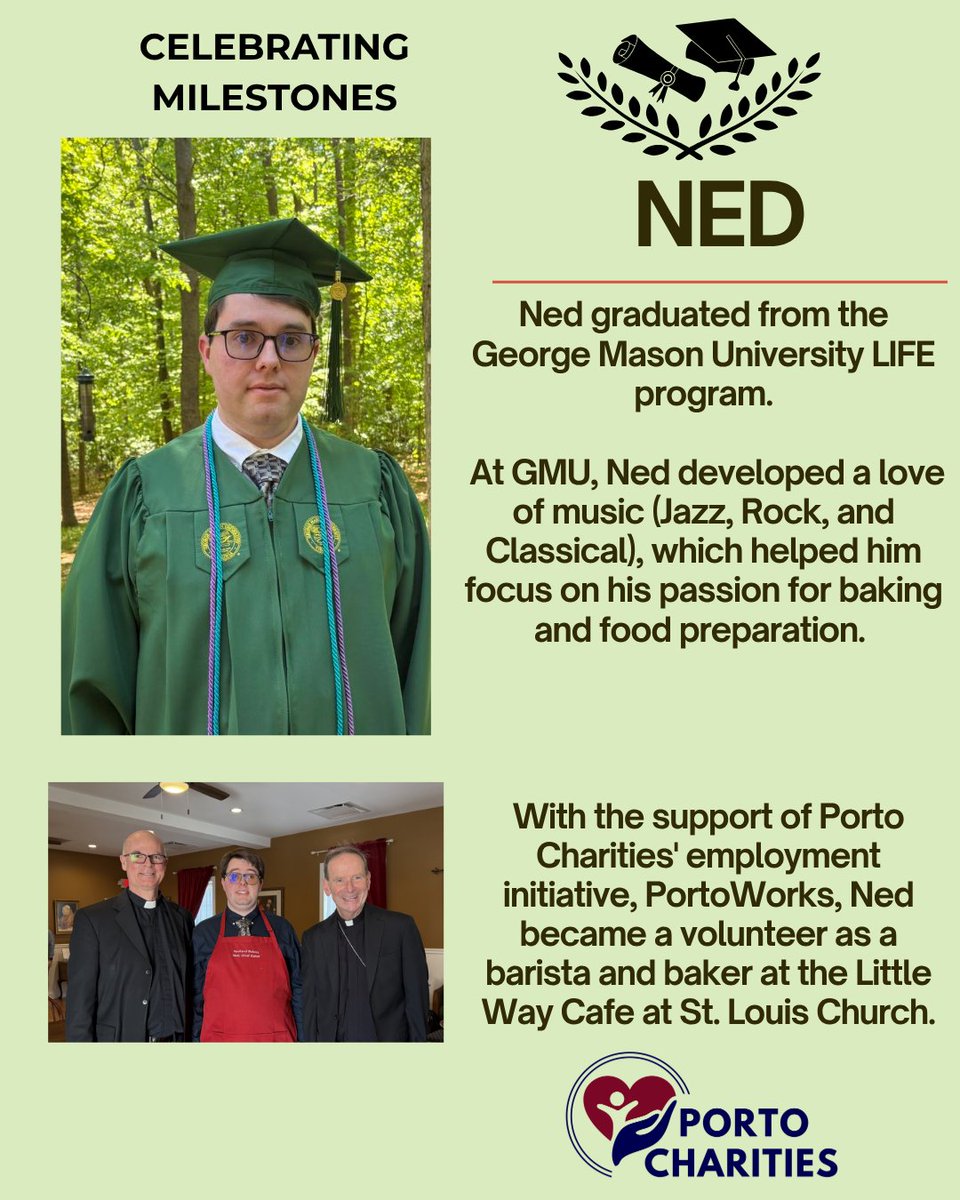
This month, many children and young adults with intellectual and developmental disabilities across our Diocese celebrated graduations and confirmations. Meet the graduates and confirmandi of our partner schools. @arlingtonchurch @georgemasonu @saintlouisparishva
3

Paul J Trojan retweeted

Been doing well. Busy with work and graduations but doing good. Hope you are well !!
1
1
9

We don’t judge.
** Personal freedom vs community standards — where’s the line? : You don’t wear something revealing to a child event (sports/parties/graduations) 💕🤌🏽🤌🏽
2

06
I wasn't able to finish my medical tests yesterday so I had to come back to the clinic 😭
Today, I am finally able to listen to Holostars songs! Weeks ago, I had to pause or skip whenever it randomly plays because I'm reminded of my oshis' graduations. 🥹
12

Why even bother with high school graduations anyway? It's the bare minimum.
27

Ghetto fatigue. You can't take the ghetto out of some people. Black racists. White Lives Matter ! Justice for Karmelo, my ass. He should be on death row. It's always black teens tearing up a restaurant, or acting up in public or at graduations. They seem to have no self control.

Black man on TikTok: "We need more young n*ggas under the age of 17 and 16 to fire (kill) these folk, you'll be out at 30."
21
xeii🫧🎀 retweeted

but for real who was the sick freak who thought 4 graduations in 3 days was reasonable for an already distraught fanbase to tank
1
36
378
7,373

RT @Mahogany_Mama: @TiaNoTamara1 We tailgate proms, baby showers, repasts and graduations. FIFA ain’t ‘bout nothing.
3
ROMAN REIGNZ retweeted

Pelah's Glam Is Changing the game, with happy clients all over the country - We do makeup 🤌 housecalls, graduations, introductions, weddings u name it we do it to our best and ur liking.
We are located at Kooki Tower so call 0786340059/ 0702071380 and book, we got yall

1
1
9


hi tweet my bf needs a freelance job for photos. if you need a photographer for weddings, graduations, social gatherings, etc. pls send me massage ya
📍Available for Jakarta, Bogor, Depok
or you can see more clearly on the vendor's IG @nava.idn
#zonauang #Freelancefotografer
1
183


Life is full of activities..
In fact, BEFORE CONCEPTION, ur parents are already preparing for ur arrival, once it's confirmed that I are on ur way (in ur mother's womb) Antenatal, Baby Shower, Naming, Birthdays, School, Holidays, Graduations, Employment, Marriage..
Vicious Cycle
3


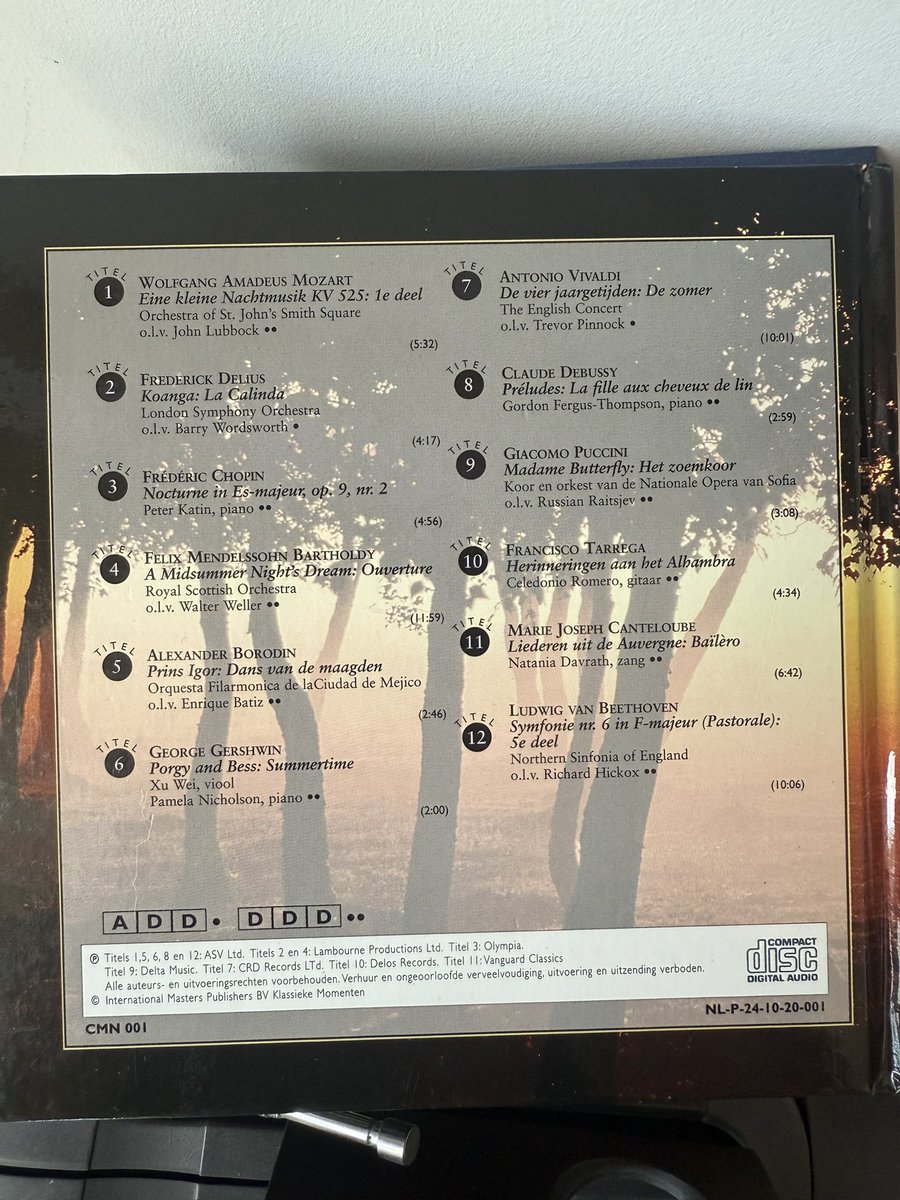
Nr 4 of the list music for a summer ☀️🌞
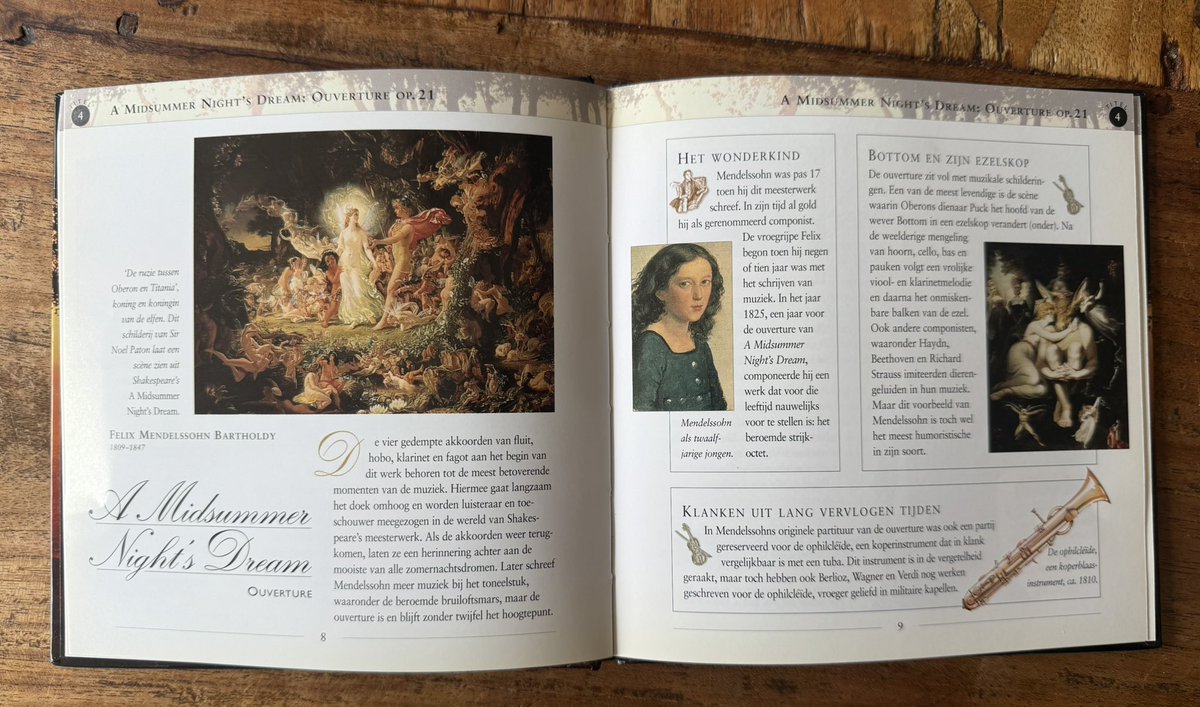
This is the Overture to A Midsummer Night’s Dream by Felix Mendelssohn Bartholdy, performed by the Royal Scottish Orchestra (now Royal Scottish National Orchestra) conducted by Walter Weller.
Quick Facts
•Composer: Felix Mendelssohn (1809–1847)
•Full title: Ein Sommernachtstraum – Ouvertüre, Op. 21
•Composed: 1826 (Mendelssohn was only 17 years old when he wrote it)
•Key: E major
•Duration: Usually 11–13 minutes (this recording is 11:59)
•Genre: Concert overture (later became the opening of his incidental music for Shakespeare’s play)
About the Piece
This is one of the most brilliant and magical works in the entire orchestral repertoire. Mendelssohn perfectly captures the fairy-tale atmosphere of Shakespeare’s comedy A Midsummer Night’s Dream.
You can hear:
•The fairy world — light, shimmering, high strings and woodwinds dancing like fireflies.
•The royal court — more majestic, fanfare-like themes.
•The mechanicals (the comic workmen) — including the famous “hee-haw” donkey brays for Bottom after he’s turned into a donkey.
•The lovers — passionate, swirling romantic themes.
The overture is in sonata form but feels more like a tone poem. It opens with four magical chords (E major) that evoke the enchanted forest, then launches into a bustling, playful main section. It ends with those same four chords fading away, as if the dream is dissolving.
Mendelssohn later composed additional incidental music (Op. 61) in 1842, including the famous Wedding March, which is often paired with this overture in concerts and recordings.
Walter Weller & Royal Scottish Orchestra
Walter Weller (1939–2015) was an excellent Austrian conductor and violinist with a strong reputation in Romantic repertoire. The Royal Scottish Orchestra delivers a warm, detailed, and lively performance — a very solid choice for this work.
Why It’s Special
•It’s considered one of the greatest “youthful” masterpieces in music history.
•Mendelssohn essentially invented the modern concert overture as a standalone piece.
•The orchestration is incredibly colorful and transparent — a model of clarity and imagination.
This overture is very frequently played at outdoor summer concerts, graduations, and weddings because of its joyful, festive spirit.

Nr 3 of the list music for a summer ☀️🌞 (I’m learning classic music and sharing 🫶)
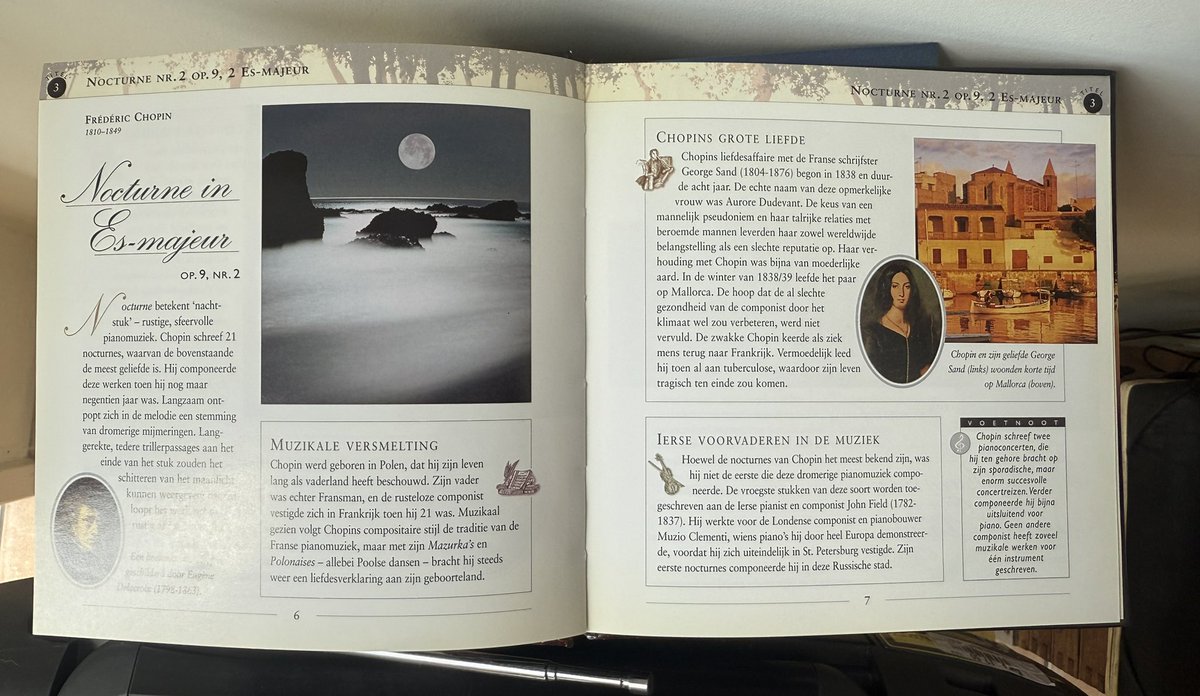
Frédéric Chopin’s Nocturne in E-flat major, Op. 9, No. 2, performed here by the British pianist Peter Katin.
Quick Facts
•Composer: Frédéric Chopin (1810–1849)
•Genre: Nocturne (a short, lyrical piano piece inspired by the night, popularized by Chopin)
•Key: E-flat major (Es-dur / E♭ major)
•Opus: Op. 9
•Number: No. 2 (the second of three nocturnes in Op. 9)
•Composed: 1830–1832 (published 1833)
•Duration: Typically 4–5 minutes (the image shows ~4:17 and 4:56, likely different timings or tracks)
About the Piece
This is one of Chopin’s most famous and beloved works — often considered the quintessential Chopin nocturne.
It features:
•A beautiful, singing melody in the right hand that feels almost vocal (Chopin was heavily influenced by Italian opera, especially Bellini).
•A gentle, rocking accompaniment in the left hand.
•Expressive rubato (flexible timing) that gives it a dreamy, improvisatory feel.
•A relatively straightforward ABA form with a more ornate middle section and a delicate return to the main theme.
It’s technically accessible for intermediate-to-advanced pianists but extremely difficult to play with the right touch, phrasing, and emotional depth — which is why it’s a staple of piano recitals and recordings.
Peter Katin Performance
Peter Katin (1930–2015) was a highly respected British pianist known for his elegant, refined interpretations of Romantic repertoire, especially Chopin. His recording has a warm, intimate quality that suits this piece perfectly.
Cultural Impact
This nocturne is everywhere:
•Used in countless films, commercials, and weddings.
•Frequently arranged for other instruments (flute, guitar, orchestra, etc.).
•Often the first Chopin piece many people fall in love with.
If you enjoy this one, the other two nocturnes in Op. 9 (No. 1 in B-flat minor and No. 3 in B major) are also gorgeous, and Chopin wrote 18 nocturnes total — many of which are even more emotionally complex.
1
43