
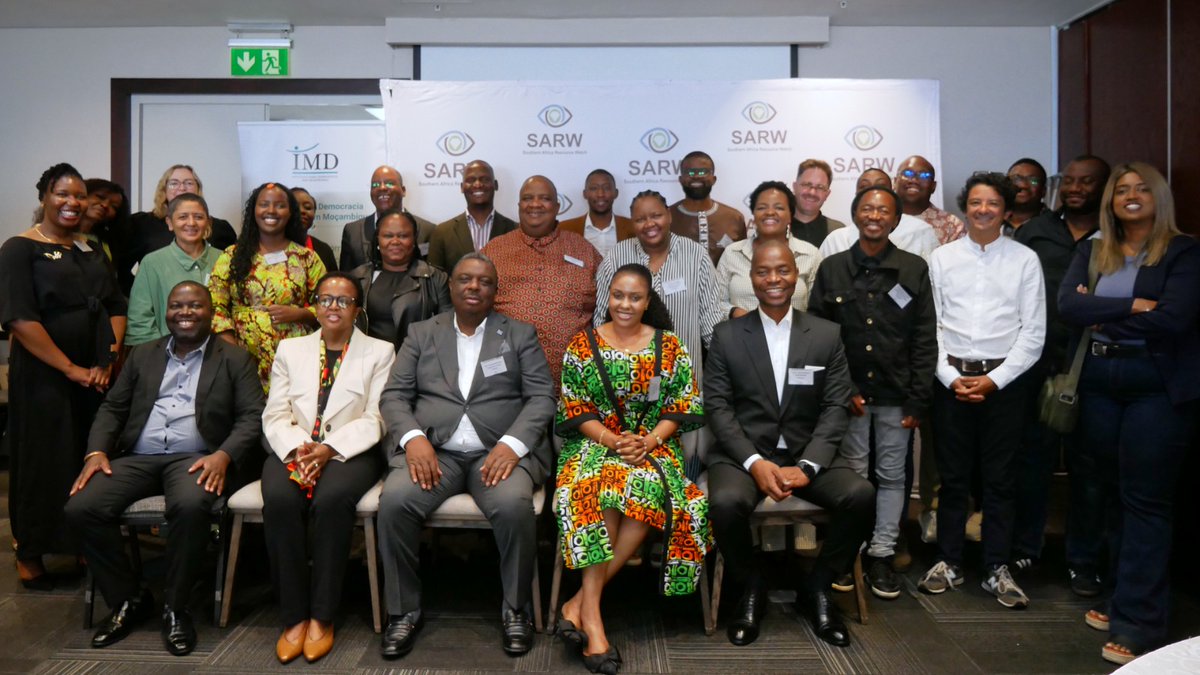
On the sidelines of the 5th Annual Southern Africa Oil and Gas Conference in Cape Town, we concluded our workshop yesterday with one clear message: community voices must be heard and must count for the inevitable energy transition from fossil fuels to renewable energy systems to be just.
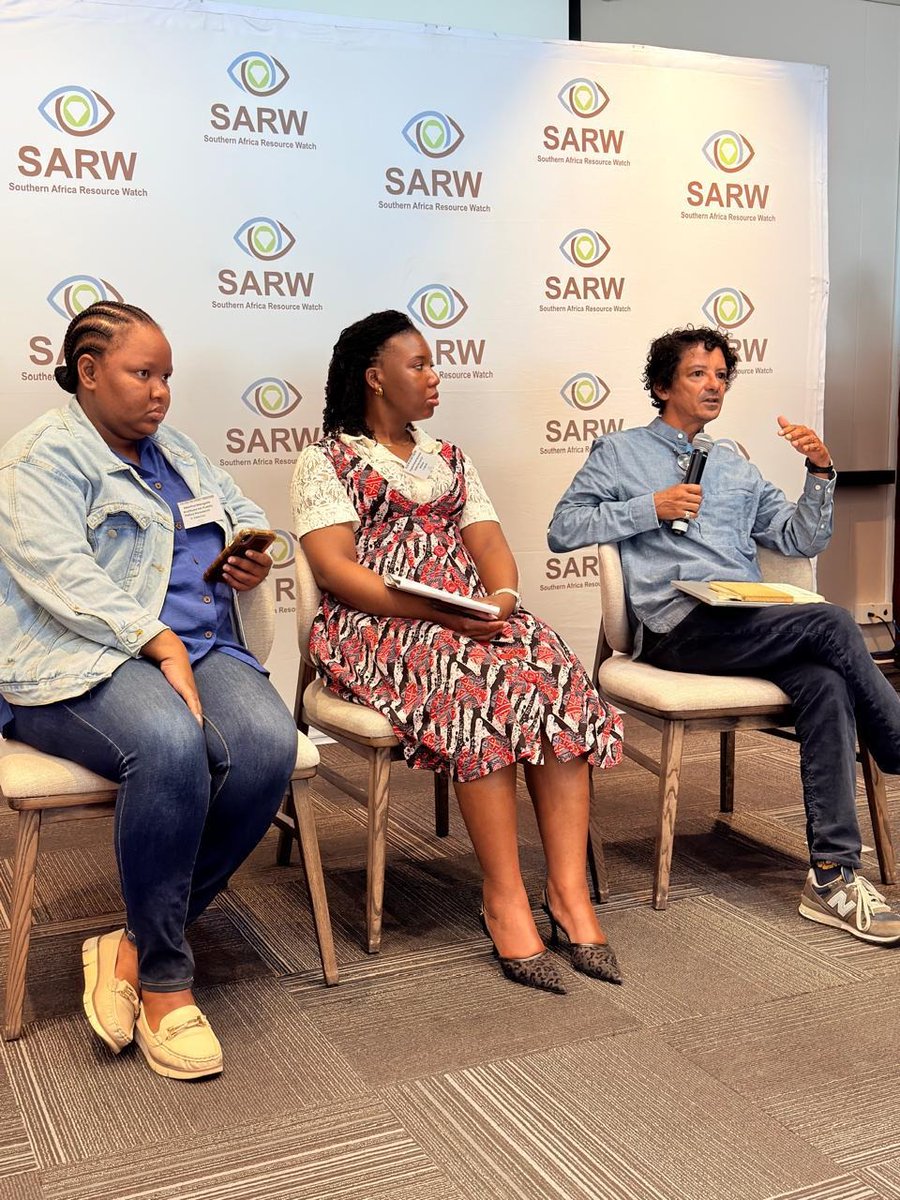
This discussion was deepened during Session 8 on Day 2 — “Policy Architecture in SADC: Is there a just transition pathway?” — which critically examined whether current policymaking is enabling a just transition or locking the region into fossil fuel dependency. Insights were shared by Martha Nangolo (Institute for Public Policy Research), Angela Khanali Mutsotso (Global Gas and Oil Network), and Delme Cupido (Natural Justice).
Offshore oil and gas — the exploration and extraction of hydrocarbons beneath the seabed — is expanding rapidly across the region. From Angola’s ultra-deepwater deals with global companies, to developments in Mozambique’s Cabo Delgado, South Africa’s Operation Phakisa-driven licensing surge, Namibia’s Orange Basin discoveries, and exploration off Muanda in the DRC — the momentum is undeniable.
But so too are the risks. Delme Cupido of Natural Justice noted that Liquefied Natural Gas (LNG) is increasingly recognised as misaligned with the Paris Agreement’s 1.5°C goal — with high emissions, serious dependence, and carbon lock-in risks that could delay Africa’s transition to renewables, while also exposing countries to the very real threat of stranded assets when the transition happens. Methane — a major component of natural gas — is 86 times more potent than CO₂ over 20 years and significantly worsens climate change, public health, and agricultural outcomes.
While the African Union’s Just Energy Transition framework, crafted by the African Energy Council, promotes gas expansion, these concerns cannot be ignored.
As one participant powerfully noted:
"While we are not historically responsible for global emissions, we cannot run away from our responsibility to secure a clean and just future, for the sake of our children and Mother Earth. We have already gone beyond planetary boundaries."
Frontline and coastal communities — whose livelihoods depend on marine ecosystems, including cultural practices — are already feeling the weight of climate anxiety through depleted fisheries, pollution, and the burdens of extreme weather such as floods and droughts. Aggressive expansion of offshore oil and gas projects only exacerbates this precarious livelihood and environmental situation.
The discussions recommended that legislators and other responsible authorities must have the vision to champion a just transition pathway — one that strengthens regulation, centres community voices, avoids carbon lock-in, and accelerates investment in renewable energy for a resilient and equitable future.
More insights and solutions to follow.
Image 1 (From Left to Right):
• Martha Nangolo, Research Associate, Institute for Public Policy Research, Namibia
• Angela Khanali Mutsotso, Energy and Natural Resources Lawyer, #GlobalGasAndOilNetwork
• @delme_cupido, Senior Programme Officer, Defending Rights, Southern Africa, @naturaljustice
@Greenpeace @Greenpeaceafric @AmnestySAfrica @greenconnection @PamojaCMA @ThuliMakama @Enzi_Ijayo @ckiangu
#JustEnergyTransition #ClimateAction #Africa #Renewables #EnergyJustice
3
3
202

3 Dec 2025
US-Rapper @therealredman über CANNABIS aus NEW YORK, Politische Lage mit PFLANZEN in den USA|
GreenConnection
youtu.be/bMyINaTW6vc?si=qCV7…

3
290

15 Sep 2025
A huge win for coastal communities, small-scale fishers & climate justice! Congrats to frontline groups, @GreenConnection & @NaturalJustice, on stopping offshore oil & gas drilling in Block 5/6/7. #PeoplePower wins. #ClimateJustice
naturaljustice.org/offshore-…
1
1
209

20 Aug 2025
.@TotalEnergies hits a legal roadblock as the Western Cape High Court cancels its offshore oil exploration approval. Protests loom as environmental and community concerns intensify.@GreenConnection @NaturalJustice
siwnews.com/2025/08/19/total…
2
32

23 Mar 2025
Tack själv Elias.. grymt jobbat. 💛💚👊 Kommer aldrig bli glömd.. #förevigtföralltid #Greenconnection #björklöven
2
485

29 Oct 2024
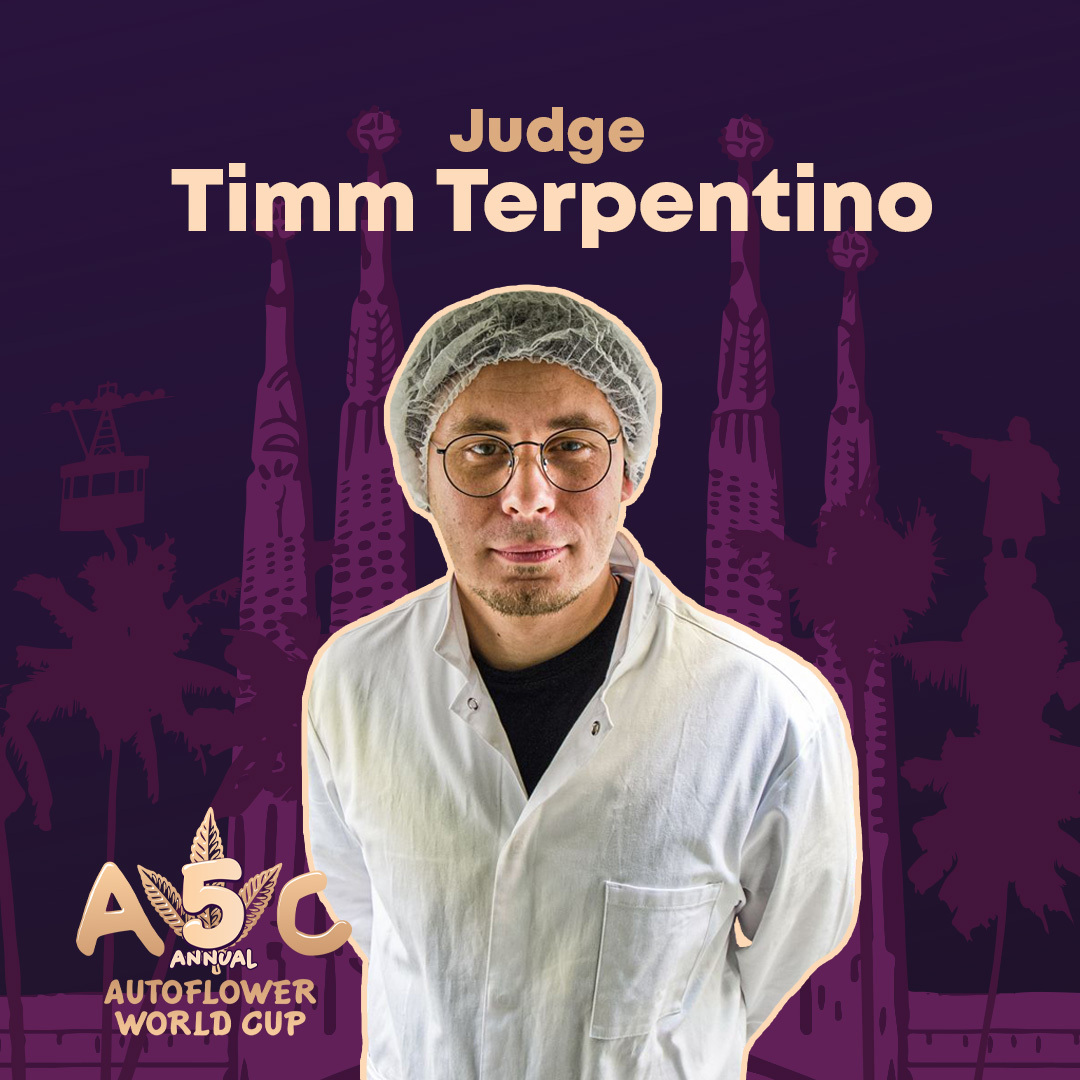
♦️ AWC 5th EDITION JUDGE ♦️
Timm Terpentino is the founder behind GreenConnection, the leading YouTube channel focused on cannabis cultivation and culture in Germany.
💯 With a commitment to authenticity, trust, and professionalism, Timm has earned a reputation as a knowledgeable voice in the cannabis community.
His passion for quality and sustainable growth has helped GreenConnection become a trusted resource for both hobbyists and professionals. 🌿
Let’s grow these champs!! 🔥💪
#AWC #AWC25 #autoflowers #autogrowers #thecompetitionisreal 🌱🏆
8
152

30 Mar 2024
2 2 av Calle Holmner i Piteås storseger över Vimmerby i kvalserien till HA. #Björklöven #greenconnection
1
259

16 Feb 2024
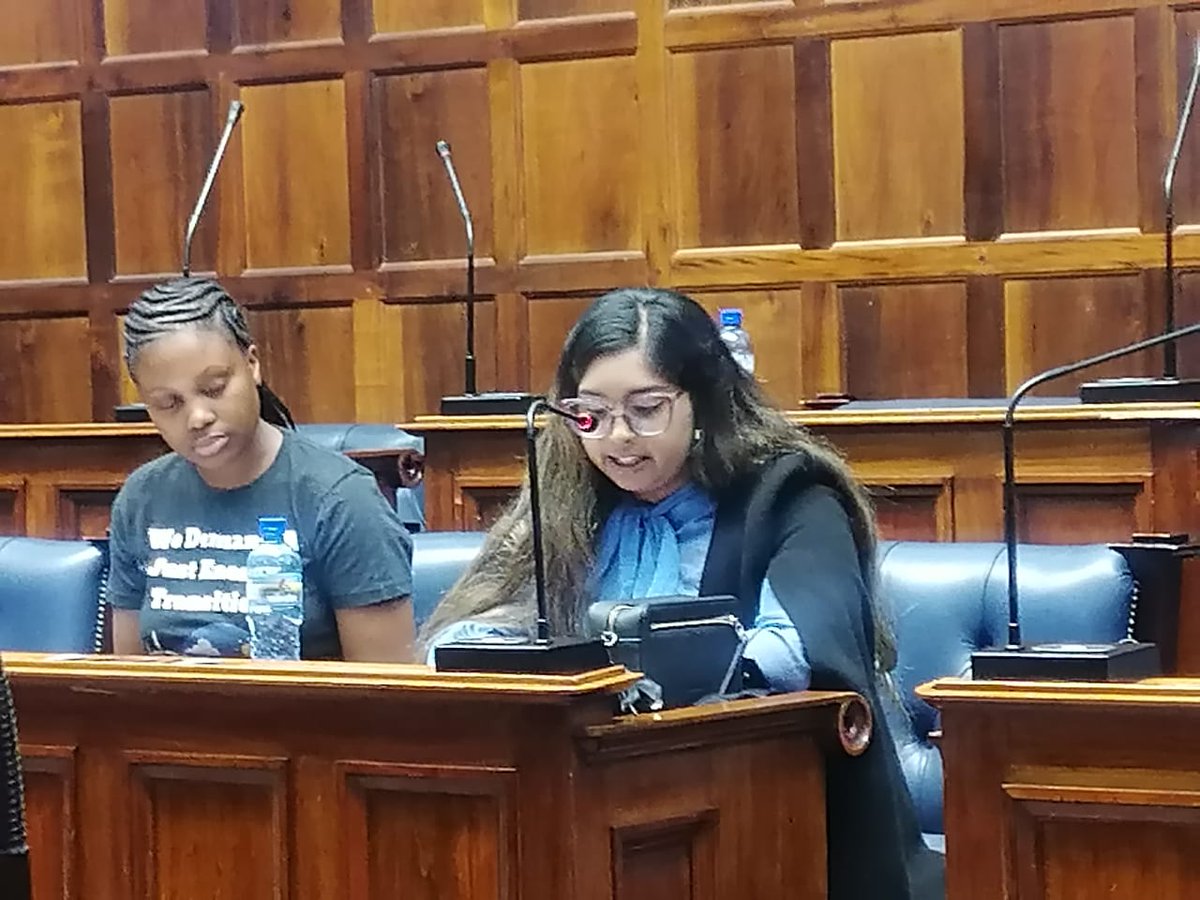
the greenconnection presenting in w.cape parliament.. explaining why laws that promote fossil fuels expansion undermine our future and should be withdrawn
@TheGreenConnect
3
8
240

5 Jan 2024
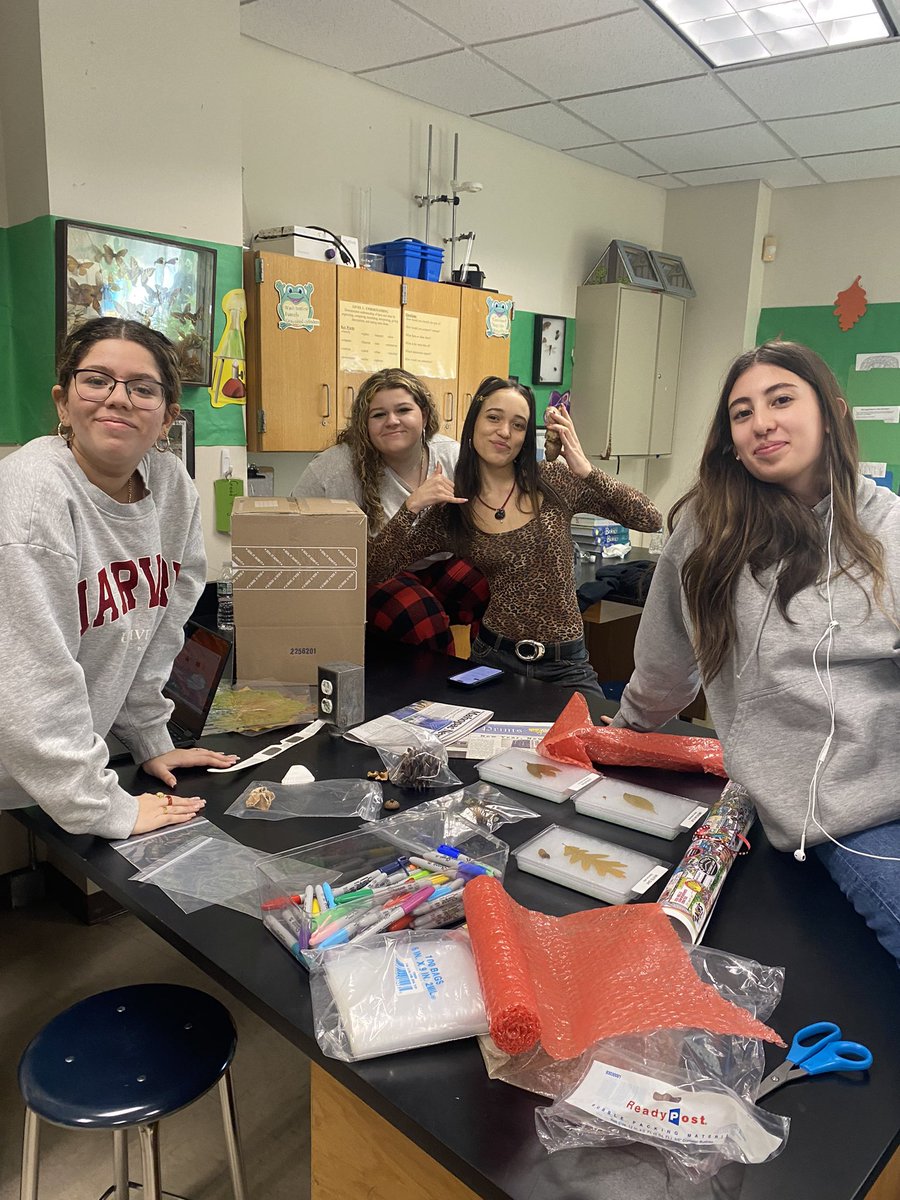
Field bio class packaging their “penpal”environmental box to send to I.S 228 in Bklyn #greenconnection #mahopacschools
2
140

24 Nov 2023
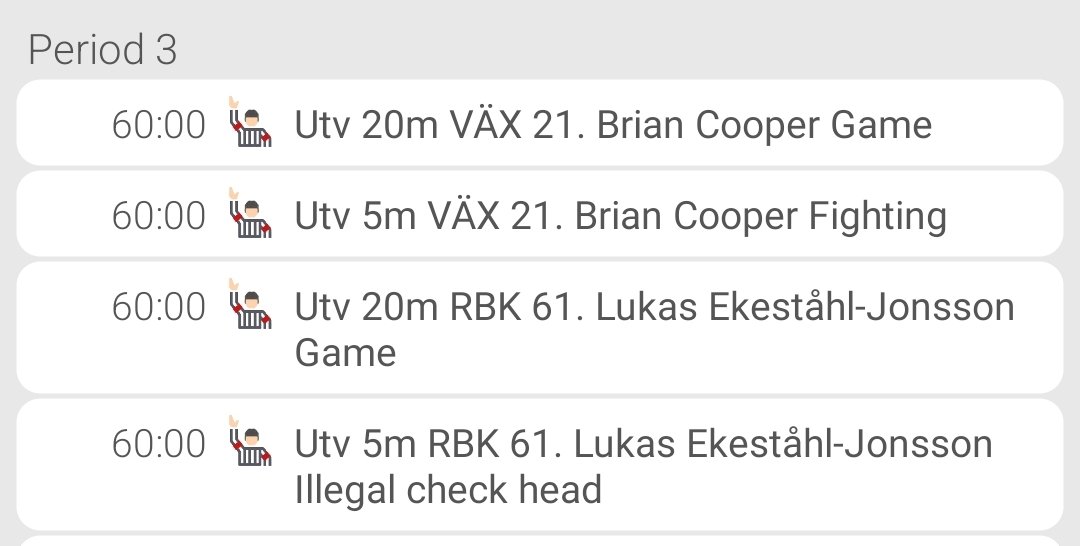
Inte mycket att glädjas åt ikväll, men noterar att Gerry Fitzgerald avgjorde i OT för AIK, Karl Johansson avgjorde i OT för Östersund, William Eriksson satte matchvinnande målet för Almtuna och Simon Åkerström satte två kassar för Tingsryd. #greenconnection #björklöven
1
10
1,450
30 Sep 2023
Idag gratulerar vi forne skyttekungen Tore Ökvist på sin 66:e födelsedag. Hipp, hipp!💚💛 #greenconnection #björklöven #förevigtföralltid
3
2
37
2,464
22 Sep 2023
Sov i ro Micke! Vi ska aldrig sluta... "Stöööd Björklöven..!" #Legend #GreenConnection
22 Sep 2023

Fick precis det tråkiga beskedet att en av Björklövens största profiler genom tiderna har lämnat oss. Vila i frid, Micke. Vi är många som kommer sakna dig.

44
1,352
10 Aug 2023
Idag firar vi exlövet Kevin Lindskoug på sin 31-årsdag, men även Russ Moyer (41 år) och Robert Wallmark (52 år) som firade födelsedag igår. Hipp, hipp! #björklöven #förevigtföralltid #greenconnection
8
1,578
25 Jul 2023
Idag gratulerar vi exlövet Fredrik Davidsson på 45 -årsdagen. Hipp, hipp! 💚💛 #björklöven #greenconnection #förevigtföralltid

14
2,178

27 Apr 2023
27 Apr 2023

NEWS | The Washington Capitals have signed defenseman Hardy Häman Aktell to a one-year, two-way entry-level contract ($775,000/$82,500).
#ALLCAPS
34
3,626
26 Apr 2023
Idag gratulerar vi exlöven Anders "Bosa" Boström (64 år) och Magnus Österby (45 år) på deras respektive födelsedag. Hipp, hipp! 💚💛 #greenconnection #förevigtföralltid

2
10
2,471
19 Apr 2023
Idag gratulerar vi exlövet @ottoaxel på sin 27:e födelsedag. Hipp, hipp! #greenconnection #förevigtföralltid

4
75
8,768
16 Apr 2023
Inte direkt först på bollen, men lyssnade i dag på en fin intervju signerad @Ingospojk med @deilertalex Den var riktigt fin, känslosamt även för fler. Alex, du är för evigt alltid en av oss. Hoppas på d bästa och önskar dig och familjen allt gott. #Björklöven #greenconnection 👊
31 Mar 2023

En lång och känslosam intervju med @deilertalex finns nu via patreon.
En resa från liten grabb till nuvarande tid i AIK.
Hur illa var det egentligen när Alexander fick svår Covid?
Resan tillbaka efter den tuffa hjärnskakningen.
Patreon.com/Radio1970
God lyssning.
3
27
5,885