
Let me use an analogy from the cosmology of Pathfinder, and particularly the interactions between Pharasma and Groetus, because that is basically the drama you are laying it.
Pharasma has no origin, she constantly moves from universe to universe. When one universe is eaten by Groetus, she moves to the next universe. Whenever somebody asks where did Pharasma come from or originate, the answer is always that she came from the previous universe. There is a kind of irrationality about that answer, it does not follow standard logic same as the Abrahamic god. This is because logic entails that there must be a beginning.
Eventhough the pattern is that Groetus eats the universe, Pharasma escapes to the next universe and begins her recursive irrational creation and recreation and judgement again, my pov is that there is a possibility of error within this pattern. Or, variables may interact with one another in unpredictable ways. Maybe there is a very small chance of error, but remember that we are iterating forever so even that small chance of error is guaranteed to happen if you iterate enough.
The error may be realized in different ways. The obvious possibility is that Groetus manages to devour Pharasma before she is able to escape into the next universe. The less obvious possibility is that Groetus never descends to devour the universe, and Urgathoa manages to transform everyone into the undead so that Pharasma no longer has any reign because she cannot recycle the souls, and maybe she is never allowed to escape to the next universe because her recursive escaping is tied up with Groetus's recursive devouring. If Groetus cannot devour, then Pharasma cannot escape.
You may argue that in the latter situation where Groetus never descends and Pharasma never escapes, there is still time. But, I'd ask there is time according to whom? The undead cannot experience time, and if there is nobody there to experience time does time really exist?
1
15

Jun 15
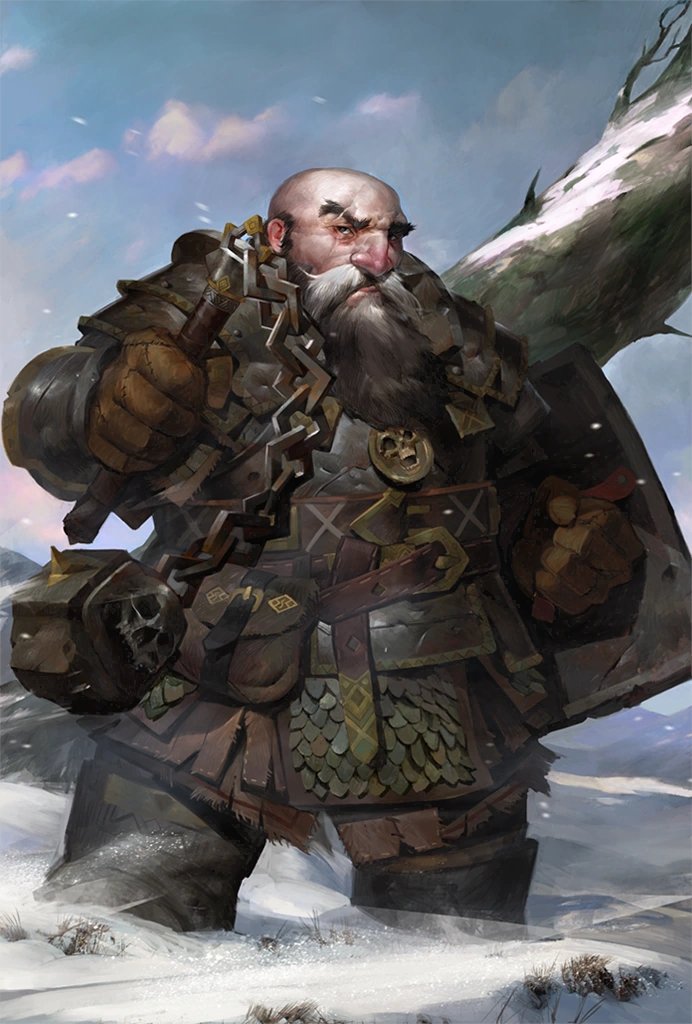
I adore playing as characters that create issues and build story. An evil character in a good party or a good one in an evil party. I like playing as a cleric who turns to the dying party member and says "Give yourself to Groetus of the end times, and I will save you... Otherwise it is the will of your god that must." If a party member wants to survive until the end times, they must give themselves to Groetus.
I am Harrim... The nightmare healer.
11
Mar 4
Would you like to hear some tales of our Lord and Saviour Groetus? No? Your ignorance changes nothing. You won't miss the end of the path anyway. My aim is to make you ready for that. This is the will of Groetus... Your adventure is gonna suck weather Harrim saves you or not! :P
3
28
Feb 27
I have a bland and depressing story... about Groetus.
-No one cares Harrim.
3
87

17 Aug 2025
Lamashtu does naught but accelerate this world to the inevitable end. Groetus is the inly god worthy of praise.
1
3
115

16 Sep 2024
When I say her greatest fear right now is being consumed by her mother's Calling and turning from Pharasma to serve Groetus instead.... yeah.
1
16

23 Jul 2024
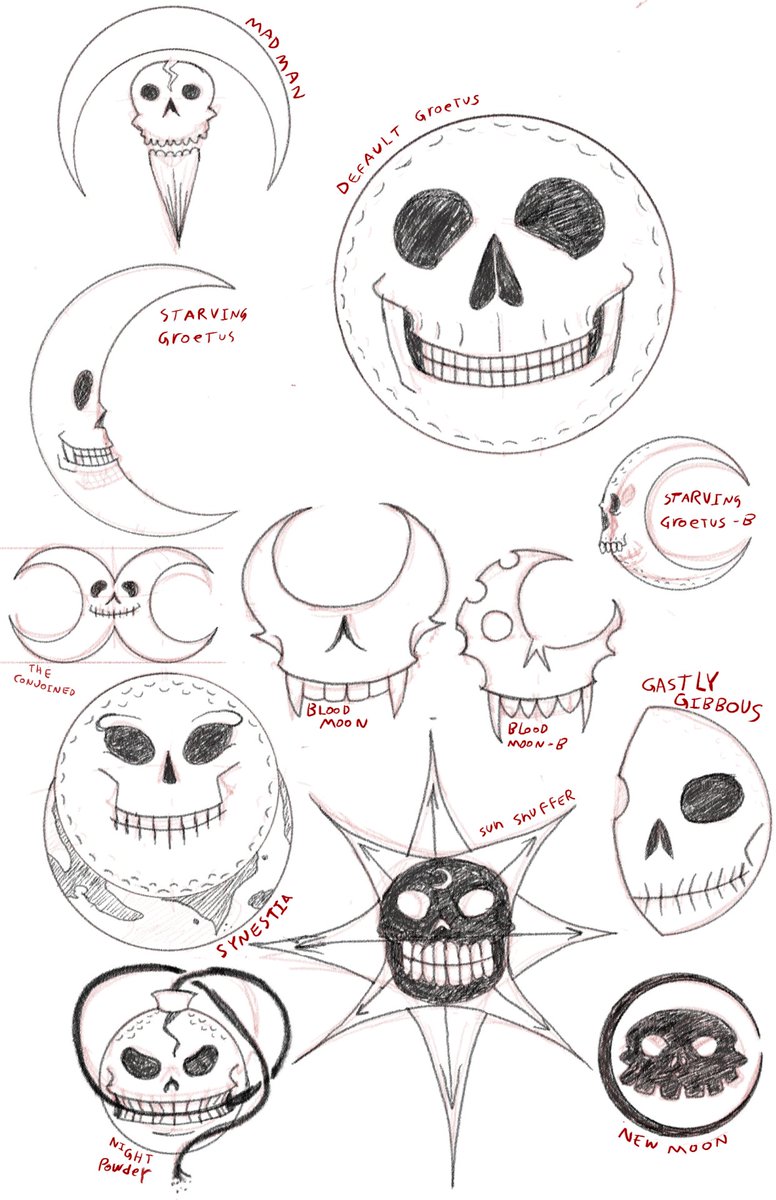
QRT with your art with the moon in it.
Closest I have are these sketches of symbol variants of the Groetus faith from Pathfinder.
1
2
200

20 Jun 2024
3 rounds down. We've befriend Linzi the bard, Haram the cleric of Groetus, and Valery the human fighter. Tartucio remains a tough nut to crack, and this uy Maegar is an enigma. There's also Amiri and this pale lady with a scythe whose name I didn't catch.
1
4
219

19 Mar 2024
“The End Times are near! Finally, the last soul shall pass and Our Lord Groetus will offer us ultimate salvation from suffering! The End Times will end all misery, eradicate that which is Unholy, the world will be renewed! Accept Him into yourself! Accept His ultimate mercy!”
19 Mar 2024

If your church rejoices at the coming of the apocalypse because the leader promises Utopia afterward you're not following Jesus' teachings you've signed onto the kind of doomsday cult that people usually thwart in media.
3
205


listen! I will not accept this heresy from you!...but you are *technically* correct
lovingly hate you PJ lol
1
2
39
1
10
192

31 Dec 2023
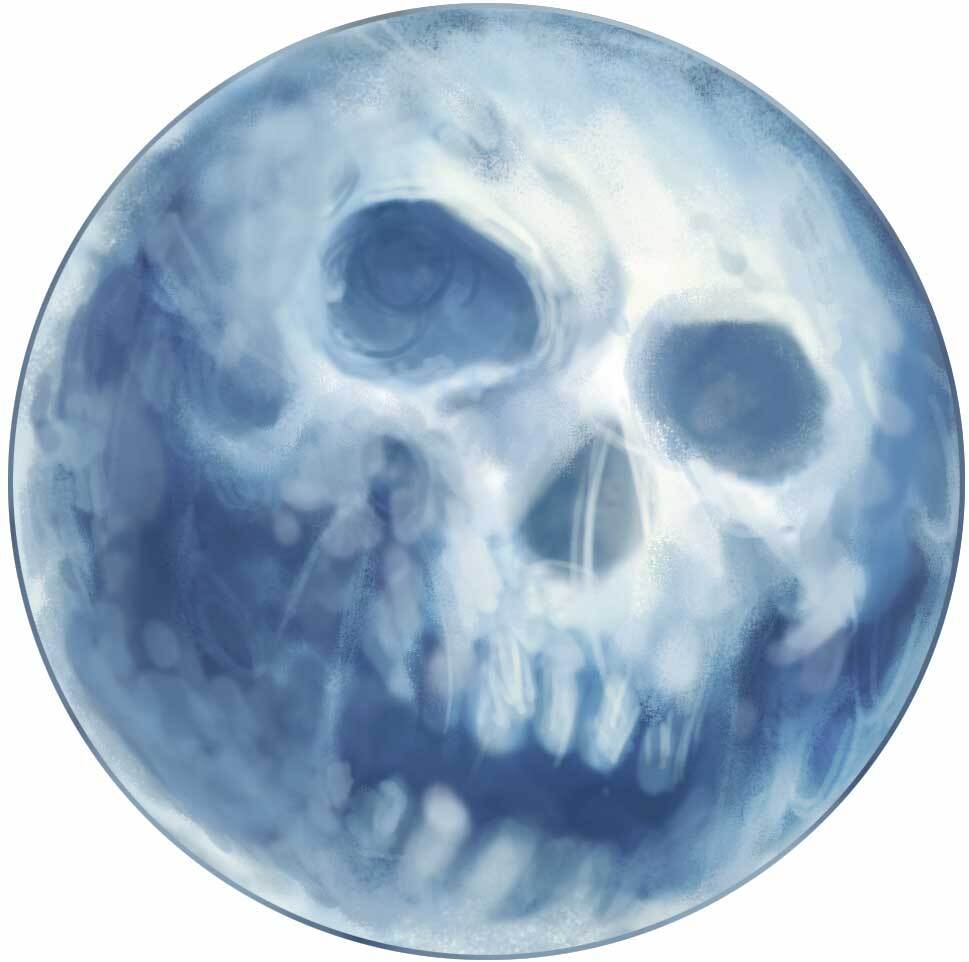
31 Kuthona: The Final Day (#Groetus)
Cultists of @Groetus perform an hour's silence at dusk on the last day of the year seeking guidance from their god about the End Time.
pathfinderwiki.com/wiki/Groe…
9
279


8 Aug 2023
I am team #sarenraewilldie. I don't particularly want her too, but that's who I reckon it will be
2
34
I'm so happy to be a #pathfinder2e player right now
All of my favorite deities are safe from being killed! @Groetus and Casandalee are both completely safe
Can't say i'm going to be happy if @Calistria2 get's the axe tho
1
19
632