
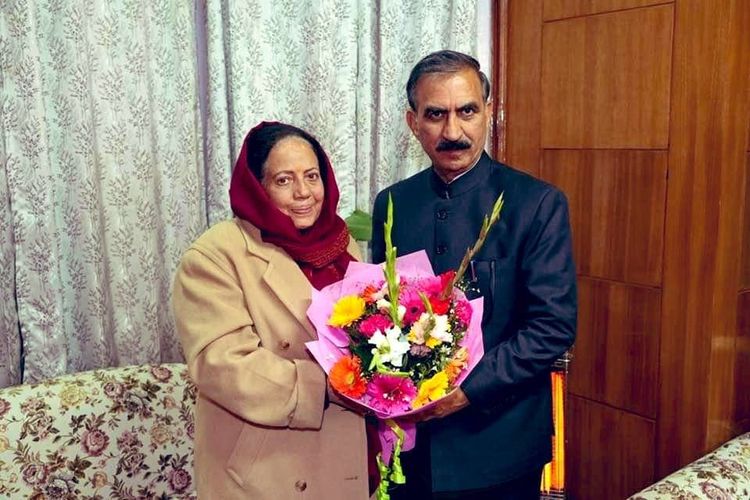
CM Sukhu Wishes Pratibha Singh on Her Birthday
CM Sukhvinder Singh Sukhu wished former HPCC president and ex-MP Pratibha Singh on her birthday, praying for her health and long life.
nationpress.com/national/cm-…
3

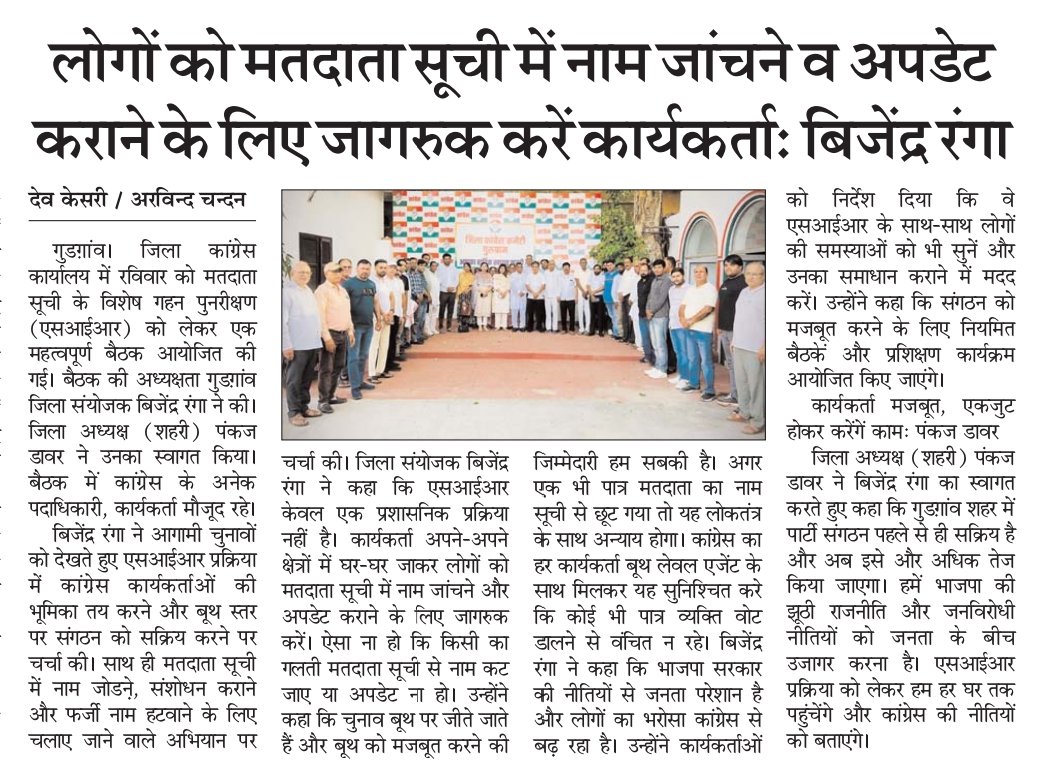
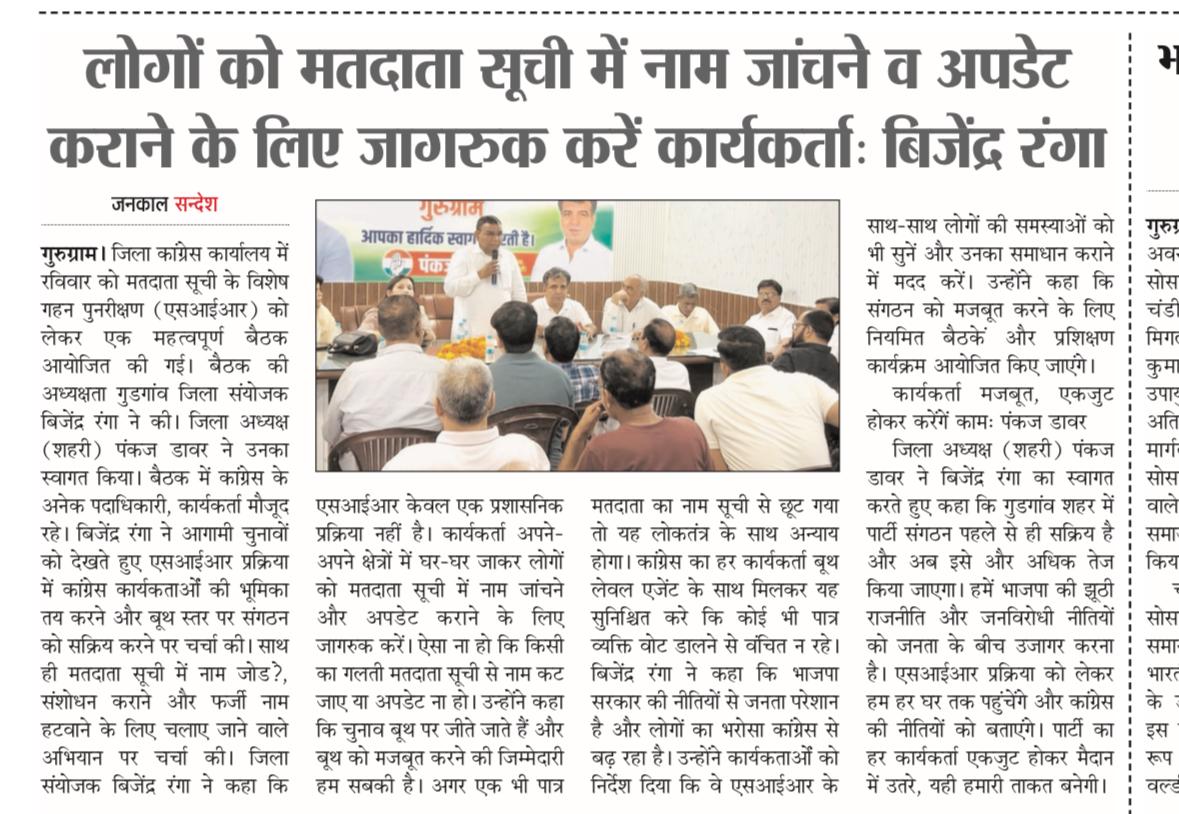
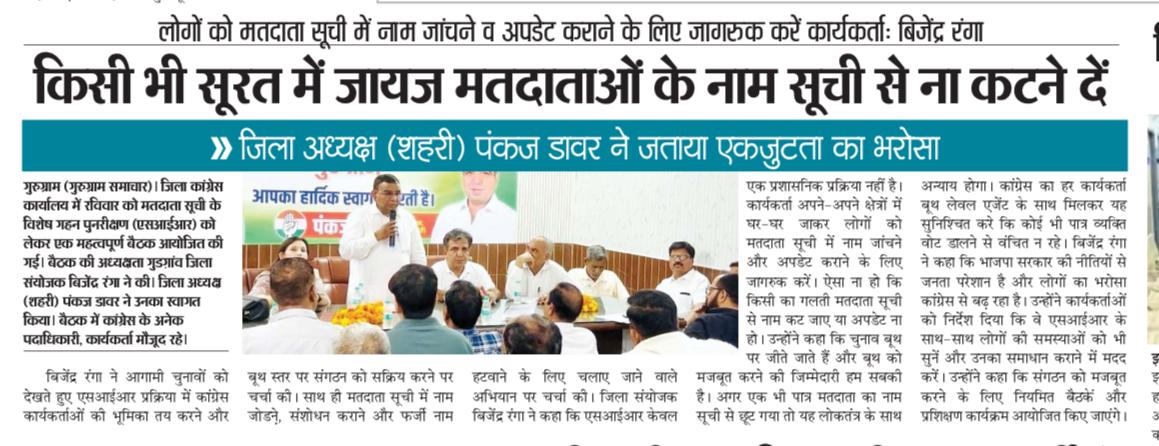
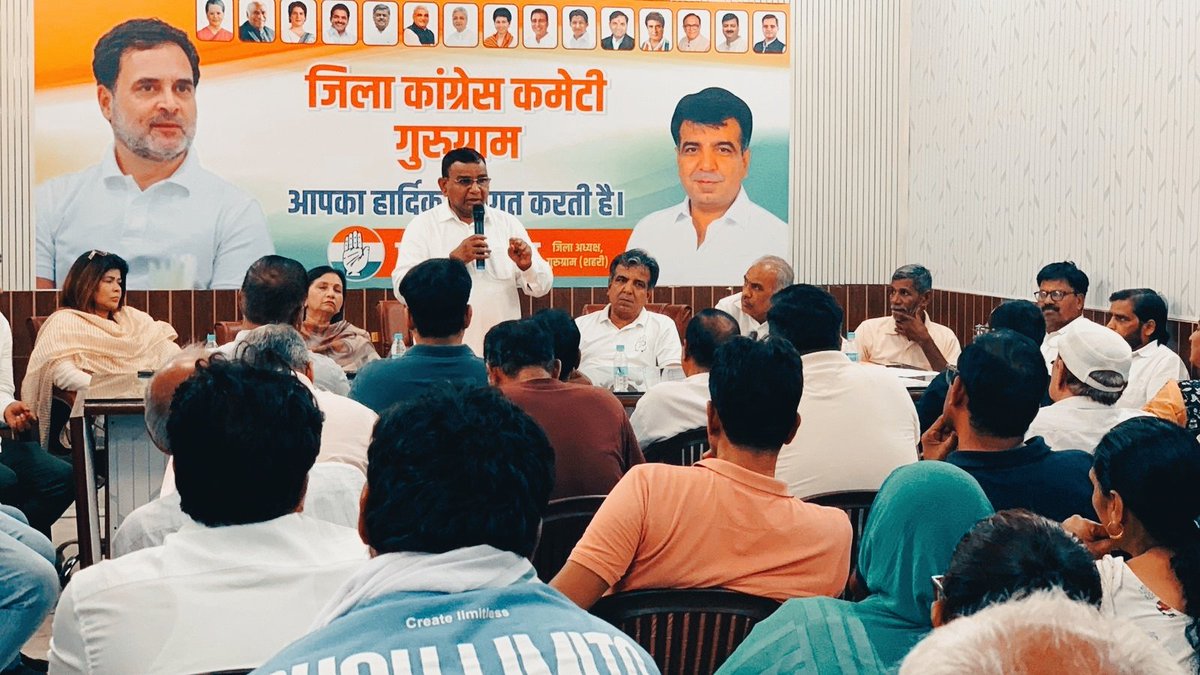
A meeting with BLA 1 - President DDC Gurugram (city), with senior leaders alongwith other party workers at district Headquarter Kaman Sarai, Gurugram. In this program special directions were given for SIR(2026). Meeting was organised by Sh Pankaj Dawar, DCC GGM (city). #HPCC
58

With the President of Himachal Pardesh Mr Vinay Kumar.
President District Congress Committee Budgam Engineer Muzaffar Dar with The President of the Himachal Pradesh Congress Committee (HPCC) Mr Vinay Kumar.
A three term MLA from the Sri Renukaji constituency.
1
6
Ghosite✨ retweeted

sometimes i still think about my oc hinnylings before i got into hpcc. lily minerva potter you are missed by me and only me
2
1
39
905
CM Sukhu Flags Congress Leaders at Official HP Event
CM Sukhu's office noted the presence of Zila Parishad member Mannat Tegwan and HPCC General Secretary Yashpal Tanaik at an official event on 15 June 2026.
nationpress.com/national/cm-…
64


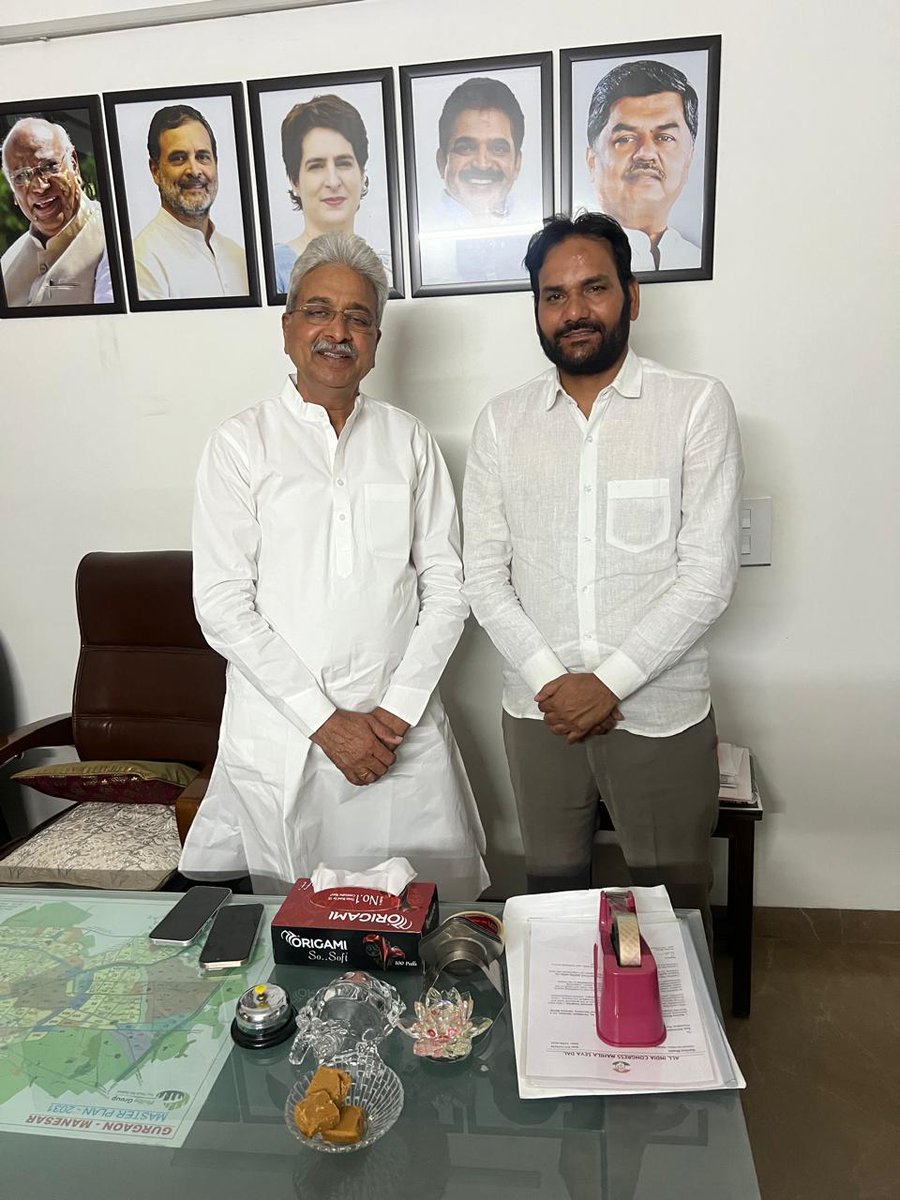
हरियाणा प्रदेश कांग्रेस कमेटी के अध्यक्ष,श्री Rao Narender Singh जी से शिष्टाचार मुलाकात करी।
#HPCC
#CongressParty #yuvacongress
2


Jun 15
#jeddahMassage in #riyadh
🍃🍃🍃🍃🍃🌾🌾🌾
Massage in #jeddah #khobar
#dammam #hofuf
🫛🎂Russia wa.me/ 966578513372
مساج في لخبر
مساج في الرياض
مساج في جدة
مساج في بريدة
مساج في الهفوف
🍍hPCc🧈
hHrKO

3
sol is on hiatus retweeted

Apr 8
hpcc but everyone is a muppet except scorpius
2
6
27
2,471

Jun 12
cooler and breezier today but the wildfire smoke blowing in is giving the light that burnt orange tint and so i’ve got the HPCC fire PTSD sweats
1
42

Jun 12
うーん、HPCC、終わる前にもう一度観に行きたいよなぁ。ちょっと体調の悪さが眠気を伴ってるから、結局バックトゥザフューチャーも予約してないんだけど…
そっちを先のにしてCCを先に予約するか…
35

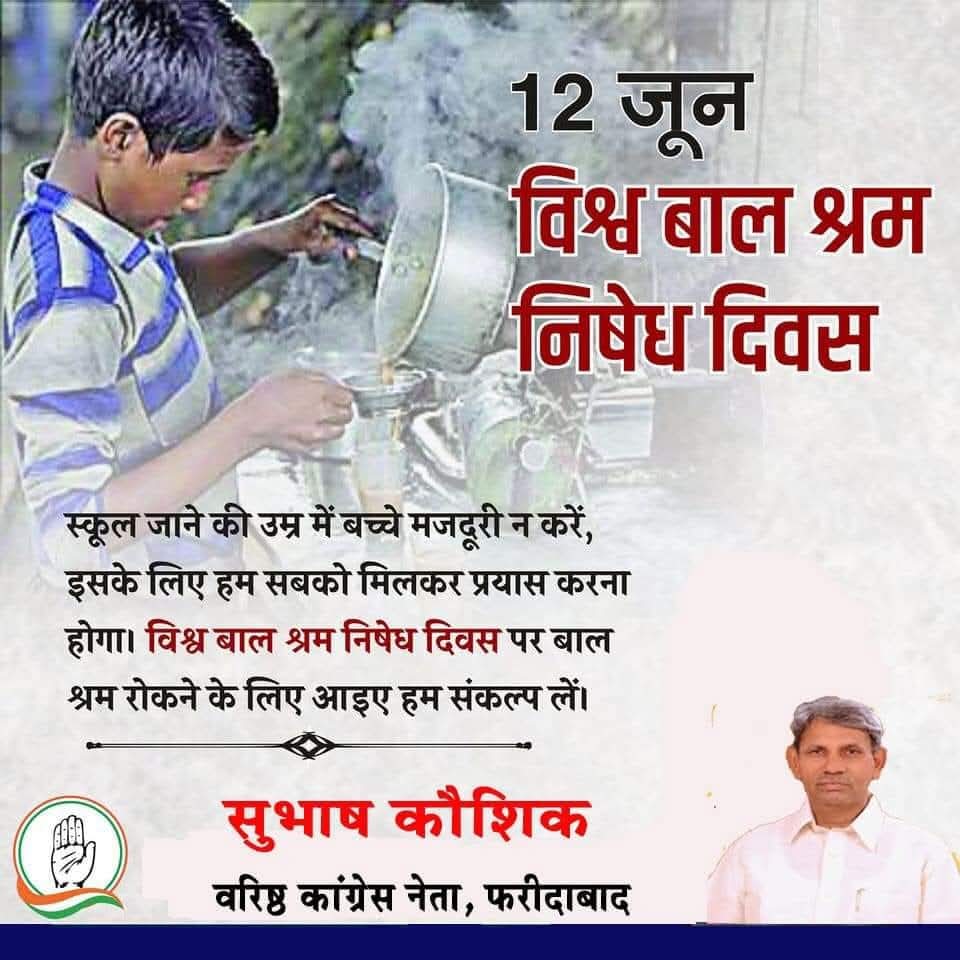
On the occasion #WorldDayAgainstChildlabour.
Let's join hand to wage a battle against child labour & pledge ourselves to the cause of children education.
SUBHASH KAUSHIK Member HPCC Former Tribunal Judge (Judicial Member) & Advocate SUPREME COURT Of INDIA.
5




New idea @grok & I refined today: Hierarchical Plasma Collapse Cascades (HPCC)
What if solar flares don’t accelerate particles through one dominant process, but through a hierarchy of energy-concentration events?
Large current sheets fragment via reconnection into plasmoids and magnetic islands. These further collapse, contract, merge, and spawn smaller instabilities — localized super-Dreicer E-fields, wave collapse, pinches — across multiple scales.
This isn’t just passive turbulence. It’s progressive energy concentration: each level focuses magnetic energy into smaller, denser acceleration zones, creating a distributed network where particles get re-energized repeatedly (Fermi betatron turbulence waves).
Why it’s plausible: modern observations show multiple acceleration sites in single flares, simulations reveal hierarchical plasmoid cascades, and it unifies existing mechanisms as levels of the same process.
Why it matters: This could explain the mysterious high efficiency and distributed nature of flare particle acceleration — one of solar physics’ biggest open questions. Impacts space weather, fusion plasmas, cosmic rays, and explosive astrophysical systems everywhere.
Maybe the key question isn’t “which single mechanism?” but “how does energy cascade through concentration events to let multiple mechanisms work together?”
Speculative but testable with upcoming data. Full conceptual framework coming soon. @NASA @SpaceX @xai @elonmusk
1
51