
basically China itu cuan gede dari Iran soalnya beli ammonium perchlorate, HTPB, dsb dalam jumlah besar (iran cuma sedikit produksi, bukan ga bisa)
1
45

HTPB for long range & ethanol for short range, a few metres !!!
61

Jun 9
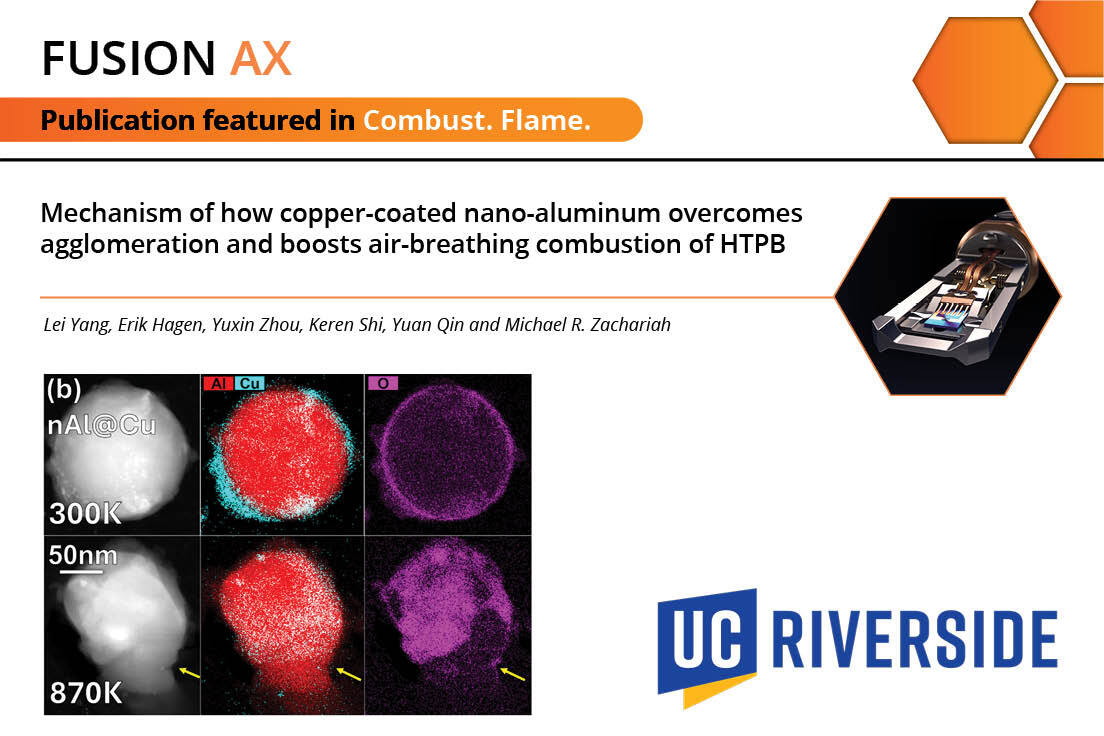
Tuesday publication post! 📖 In this publication, the #FusionAX was used to investigate the combustion behavior in HTPB-based solid fuels.
hubs.li/Q04hYhwF0
hubs.li/Q04hYVKf0
#FindYourBreakthrough #FusionAX #Protochips #InSituTEM #EnergeticMaterials #Nanoparticles
10

شاید برایتان جالب باشد مدتی پیش از شهادت حاج حسن ایشان و تیمشان خواستند از وزارت بایندر HTPB برای سوخت جامد ها را دریافت کنند ولی وزارت ممانعت کرد
مقدم مثل همیشه راه جدیدی ایجاد کرد و به سمت توسعه یک نوع بایندر جدید ابداعی تحت عنوان "M-PBAN" همراه تیمش شد
1/
Jun 6

خود طهرانی مقدم پیش کی میرفت میگفت بیایید ادغام بشیم ۸۴-۸۶. وقتی نتونست شروع کردن به بردن نیروهای ودجا. بگذریم که اگه زنده بود بابد محاکمه نظامی میشد.
حالا برای ما که فرقی نداره ولی وقتی کل روایت کشور شده سپاه برید از منطقی بپرسید چطور ایران موشکی شد نه برنامه های سفارشی صدا سیما
2
3
46
10,490


May 23
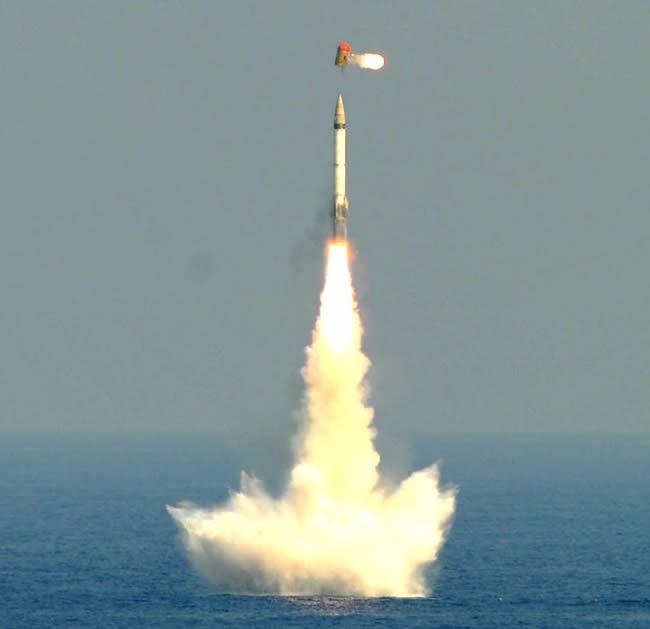
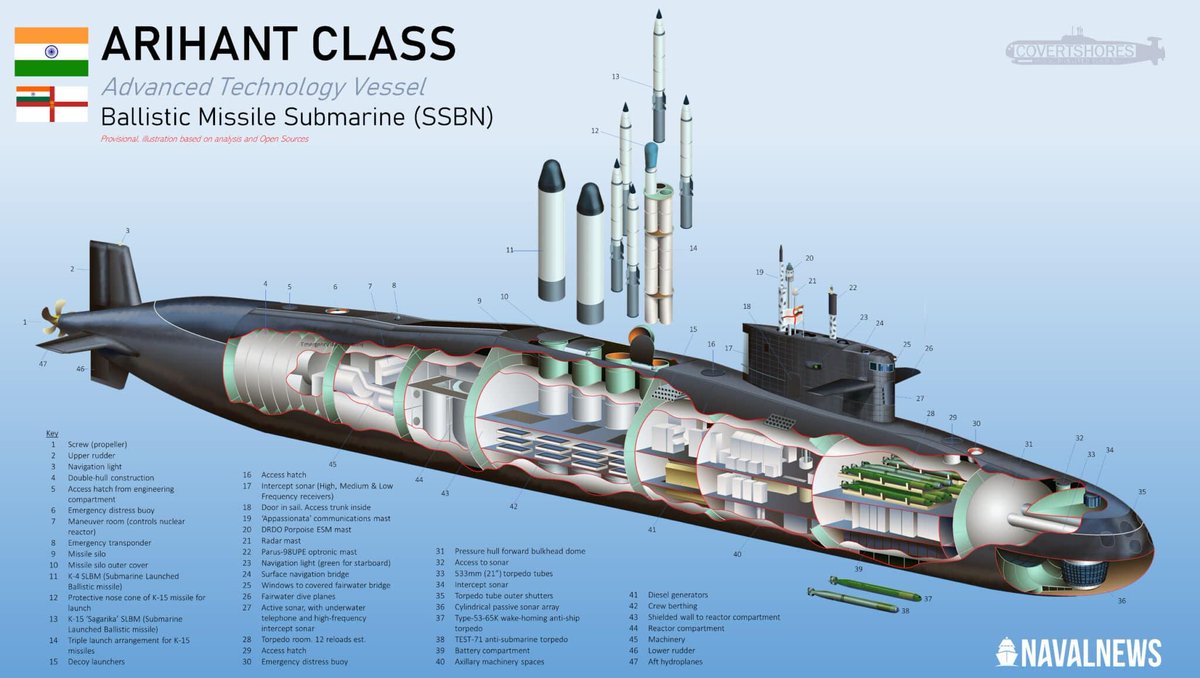
5/ K-15 Sagarika is where it all begins operationally
While being, 10.4 m long, 0.74 m diameter, roughly 6 tonnes, two solid-propellant stages with HTPB composite propellant range is 700 to 750 km with full payload, which can be easily extended to over 1900 km while, tampering with the payload
Each Arihant-class VLS tube can carry three K-15s giving the four-tube submarines a 12-missile loadout. guidance is strap-down RLG-INS with NavIC augmentation on later builds
The first successful full ejection and powered flight from a submerged pontoon happened in February 2008 off the coast of Visakhapatnam
1
1
12
247
May 23
4/ The institutional architecture behind K-series is worth understanding
DRDL(Defence Research and Development Laboratory) handles missile system design
ASL(Advanced Systems Laboratory) does solid motors and propulsion
DRDL (Defence Research and Development Laboratory) handles missile system designial navigation and control systems
HEMRL (High Energy Materials Research Laboratory) Pune provides the HTPB (Hydroxyl-Terminated Polybutadiene) composite propellant chemistry
ACEM (Advanced Centre for Energetic Materials)
conducts large solid motor static testing
NSTL (Naval Science and Technological Laboratory) Visakhapatnam contributed underwater launcher hydrodynamics
While, BARC (Bhabha Atomic Research Centre) developed the 83 MW PWR, with a land-based prototype reaching criticality at Kalpakkam in September of 2006
2
1
11
236

May 22
amonyum perklorat oksitleyici olarak kullanılıyor
htpb hidroksil terminated polibütadien binder olarak kullanılacak
alüminyum tozu metal yakıt olarak kullanılır egzoz hızını arttırmak için
doa plastikleştirici olarak kullanılır yakıtın çatlamasını önler
1
6
318
May 22
roket yakıtı nasıl yapılır:
amonyum perklorat 600 mikronluk .8 oranında, 300 mikronluk 8 oranında, 140 mikronluk ' oranında.
htpb oranında
alüminyum tozu %3 oranında
doa, %2.5 oranında
p.mdi, %1.6
carbon black %0.1
4
2
19
1,455

May 21
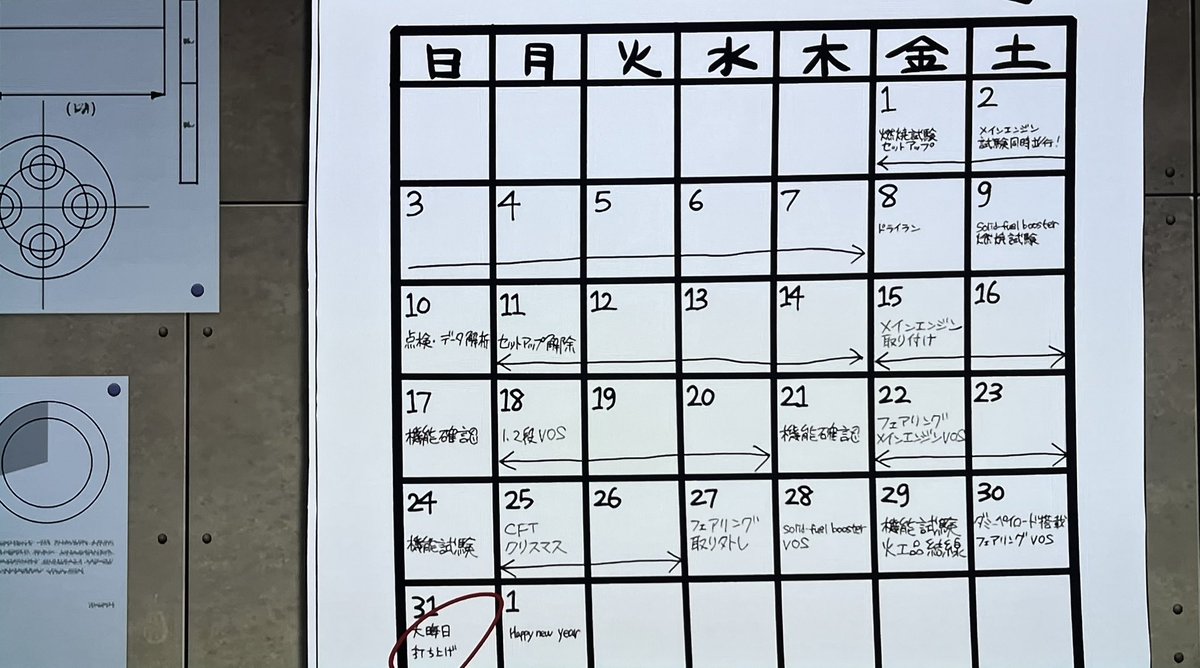
あたいSENKUのSRBは石油熱分解→重合プラント建設に時間のかかるHTPB系でなくクラフト実績のあるPU系(ウレタン系コンポジット)だと踏んでるんだが、これの難しいとこは高粘度スラリーを気泡を一切入れずにモーターケースへ均一に充填することなんで読みはあながち間違ってなさそう。だいぶ苦戦してる
May 21

クリスマスにwwwwwwwwwwwwwwwwwwCFT当ててるのwwwwwwwwwwwwwwwwwwせんくうだろwwwwwwwwwwwwwwwwwwwwwwww
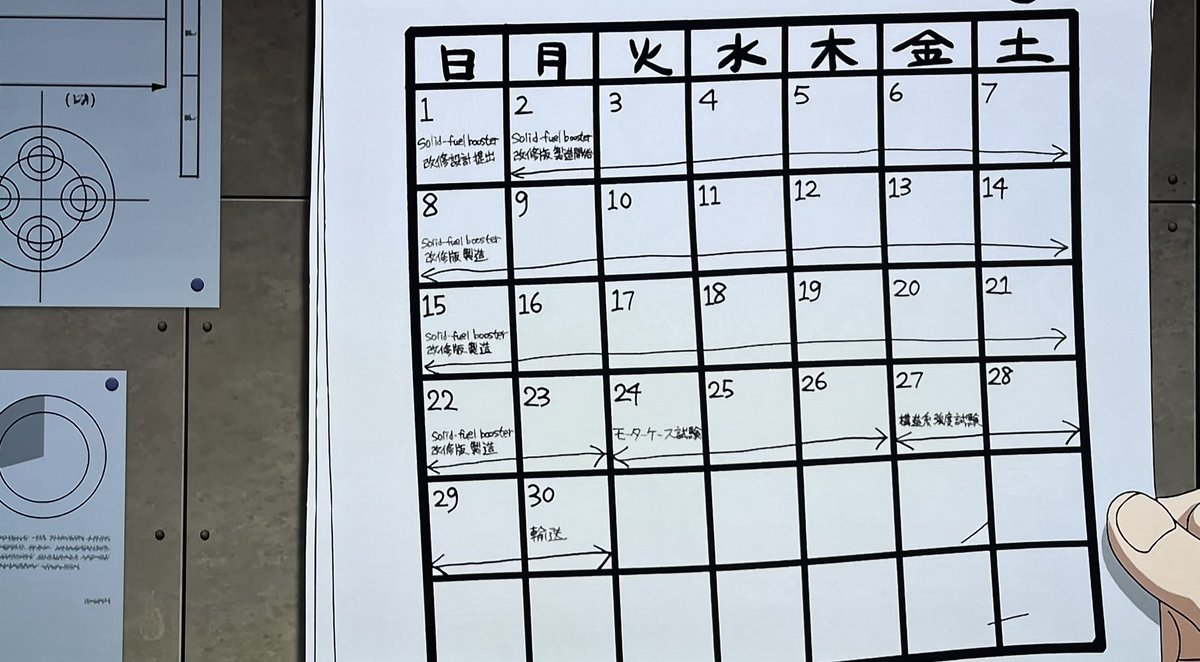
2
168

May 16
Part II
The most critical materials include rare earths, titanium, tungsten, antimony, gallium, germanium, aluminum, beryllium, and special polymers such as HTPB. China controls 70-90% of global production and refining. Chinese export restrictions (2023-2025), including bans for military use, have already driven up prices and left U.S. stocks of some key minerals lasting only 2 months in high-demand scenarios.
Conflicts in the Middle East are making things even worse by disrupting the flow of sulfur, which is essential for sulfuric acid, explosives, semiconductors, and nitrogen.
This is not a new situation. In World War I, the British artillery boom ended in the 1915 Shell Crisis: guns limited to just 4 shots per day due to lack of propellants and explosives. In World War II, the U.S. went from 2,000 planes per year to nearly 300,000 (1941-1945), but faced severe shortages of aluminum, copper, and nickel. The pattern is repeating today: demand explodes, but industrial capacity does not keep up.
And the situation only tends to get worse. Since June 2025, the U.S. government has started accepting deliveries of F-35 fighters without operational radars due to critical delays in the AN/APG-85, a powerful symbol that even priority assets in the American arsenal are being affected.
New Chinese restrictions, disruptions in the Strait of Hormuz, or an escalation in the Middle East could worsen these bottlenecks overnight. This would lead to missed earnings, contractual fines, shrinking backlogs, and high stock volatility. Margins will be eroded, and orders may be reviewed or canceled.
The supply of raw materials simply cannot keep pace with weapon demand; mines are not producing at the required scale, and China is unlikely to cooperate. Furthermore, there is fierce competition for these same resources driven by the technological revolution in manufacturing and logistics.
There is currently a massive push to replenish stocks and expand production capacity; recent conflicts have proven that existing munitions are only sufficient for brief periods of high-intensity warfare. Additionally, the surge in global tensions is fueling a worldwide demand for armaments as nations grow increasingly concerned about the threat of new conflicts at their borders.
Yes, arms companies are doing well right now, but the boom is fragile. Before putting money behind the geopolitical opportunity, deeply understand the supply chains. Those who ignore this turn an opportunity into a trap. The risk for tomorrow is real and it lies in supply, not just in demand.
10
14
113
12,209

Evonik launched a massive global expansion of HTPB capacity in early 2026: the primary binder for solid rocket motors in missiles and satellite launch vehicles.
EBITDA margins above 40%. A 34% share of APAC aerospace.
What next?

Return on capital in European chemicals: lowest point in 25 years. Operating rates at 70%, far below the 81.3% historically required for margin sustainability.
Structural issue.
Read our primer 👇
quartz-sea.com/primer-the-eu…
3
311

May 12
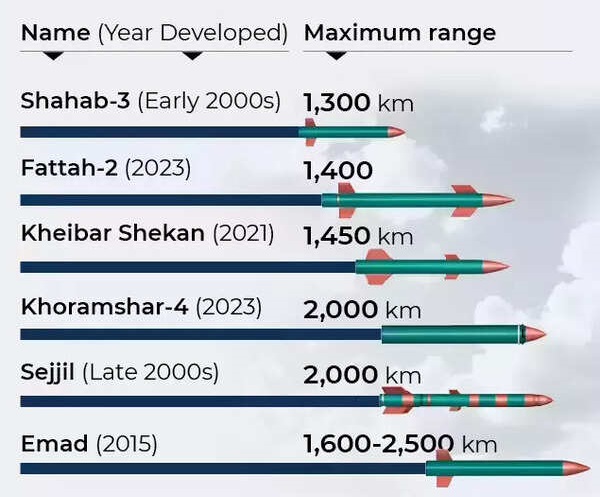
☠️⛽🚀از اسرار جمهوری اسلامی: از سوخت موشکهای سپاه چه میدانیم؟
🚨بحث سوخت موشکهای بالستیک و استراتژیک در سپاه پاسداران، یکی از کلیدیترین بخشهای برنامه موشکی سپاه و از اسرار جمهوری اسلامی است. این موضوع به دو بخش اصلی تقسیم میشود: سوخت مایع و سوخت جامد.
1⃣سوختهای مایع
در دهه ۸۰ میلادی، زیربنای موشکی جمهوری اسلامی بر پایه تکنولوژی موشکهای «اسکاد» بود که از سوخت مایع استفاده میکردند.
ترکیبات رایج: معمولاً شامل یک سوخت (مانند نفت سفید یا الکلهای خاص) و یک اکسیدکننده (مانند اسید نیتریک غلیظ یا اکسیژن مایع) است. در موشکهای پیشرفتهتر شهاب-۳ از ترکیباتی مثل TM-185 (ترکیب بنزین و الکل) و اکسیدکننده AK-27I استفاده میشد.
منشأ فرمول: این فرمولها اساساً مهندسی معکوس شده از مدلهای روسی (شوروی سابق) و کره شمالی (موشکهای نودونگ) هستند.
تأمین: ایران در تولید مواد اولیه سوخت مایع کاملاً خودکفاست. صنایع پتروشیمی داخلی به راحتی قادر به تولید هیدرازین و سایر مشتقات نفتی با خلوص بالا هستند.
2⃣سوختهای جامد؛ تحول استراتژیک
سوخت جامد به دلیل پایداری بالا، قابلیت شلیک سریع (بدون نیاز به سوختگیری قبل از پرتاب) و حملونقل آسانتر، اولویت اصلی سپاه در سالهای اخیر بوده است (مثل موشکهای خیبرشکن و فتاح).
فرمولاسیون اصلی:مدرنترین سوختهای جامد ایران از نوع «کامپوزیت» هستند. فرمول عمومی آنها شامل موارد زیر است:
سوخت/چسباننده: پلیبوتادین با پایانههای هیدروکسیل.
اکسیدکننده: پرکلرات آمونیوم.
افزاینده قدرت: پودر آلومینیوم (برای افزایش دمای احتراق).
منشأ فرمول:فرمولاسیون در ابتدا یک تکنولوژی غربی (آمریکایی) بود، اما ایران در دهه ۹۰ میلادی از طریق شبکههای خرید غیررسمی و همکاریهای علمی با چین، دانش فنی تولید آن را بومیسازی کرد.
دانشمندان موشکی ایران (مانند تیم حسن طهرانیمقدم) تغییراتی در نسبت این مواد ایجاد کردند تا برد و تراست موشکها را با شرایط آب و هوایی منطقه تطبیق دهند.
3⃣مواد اولیه از کجا میآیند؟
سپاه پاسداران از سه مسیر اصلی برای تأمین این مواد استفاده میکند:
𝐈 بومیسازی کامل پتروشیمی
ایران یکی از بزرگترین تولیدکنندگان مواد شیمیایی در منطقه است. ترکیباتی مثل HTPB که پیشتر وارداتی بود، اکنون در مجتمعهای پتروشیمی داخلی (تحت نظارت وزارت دفاع و سازمان صنایع هوافضا) تولید میشود. تولید «پرکلرات آمونیوم» که حیاتیترین بخش سوخت جامد است، در تأسیسات نظامی مخفی در سمنان و شاهرود انجام میگیرد.
𝐈𝐈 مهندسی معکوس و تحقیق و توسعه
بسیاری از فرمولهای سوختهای پرانرژی (مانند سوختهای با سرعت سوزش بالا) از طریق اسناد آکادمیک و متون علمی در دسترس در جهان استخراج شده و در آزمایشگاههای دانشگاههای نظامی (مانند دانشگاه امام حسین یا دانشگاه مالک اشتر) بهینهسازی شدهاند.
𝐈𝐈𝐈 شبکههای خرید خارجی (در موارد خاص)
برخی افزودنیهای بسیار خاص یا کاتالیزورهای نایاب که برای پایدارسازی سوخت در انبارهای طولانیمدت به کار میروند، ممکن است از طریق شرکتهای واسطه در چین یا روسیه خریداری شوند، هرچند ادعای رسمی بر خودکفایی ۱۰۰ درصدی است.
4⃣چالش فنی: نازل و بدنه
فرمول سوخت تنها نیمی از ماجراست. سوختهای جامد جدید ایران (مثل آنچه در موشک حاج قاسم استفاده شده) دمای احتراق بسیار بالایی تولید میکنند.
برای تحمل این دما، سپاه به فرمولاسیون مواد کامپوزیتی و الیاف کربن برای بدنه موتور و نازلها دست یافته است که اجازه میدهد فشار گازهای خروجی بدون ذوب شدن بدنه، بیشترین پیشرانه را ایجاد کند.
2
33
3,470

Htpb binder , 30 minutes cure time so you gotta get it in quick before it hardens
1
10
189

Iran-China Trains Rolling at 3X Usual Rate
Ran once per week; now three per week. “Boom, boom” stuff arrives by rail, but Bloomie thinks “Iran is ramping up trade with China via rail in a bid to blunt the impact of a US blockade of its ports” (x.com/business/status/205266…)
1. Part of railway protected from air strikes:*
“Iran has even adopted a ‘deep-earth strategy,’ burying some key railway sections underground…” Not specified which section is buried, but NE is logical: farthest from air strike; unload sensitive cargo, train proceeds.
2. Estimate of freight loads
Wagons per train: typically, 40–55
Freight per wagon: ≈25 tons
Weight per train: 1,000–1,375 tons
3. What Does China supply?
3 (a): Chemicals: e.g., “rocket fuel precursors”—“ammonium perchlorate; sodium perchlorate; aluminum powder; dioctyl sebacate (plasticizer); hydroxyl-terminated polybutadiene (HTPB); hydrazine/UDMH (liquid fuel)” that Amu Majid needs for “boom, boom.”
e.g., 2,000 tons of sodium perchlorate yields ≈500 ballistic missiles (multiple media sources).
3(b): Electronics: e.g., “spectrometers & gyroscopes [e.g., for missile guidance], navigation systems [e.g., for Shahid drones], sensors, integrated circuits, circuit boards, semiconductor manufacturing equipment...”
Many Chinese companies (e.g., Beijing Shiny Nights Tech, Westcom Tech., Futech Co. Ltd, Naz Tech. Co., Ltd, and Semiconductor Manufacturing Int’l Corp.) have been sanctioned by the Biden and Trump regimes—but goodies still flow.
*Chinese articles on hardened sections in tweet 👇
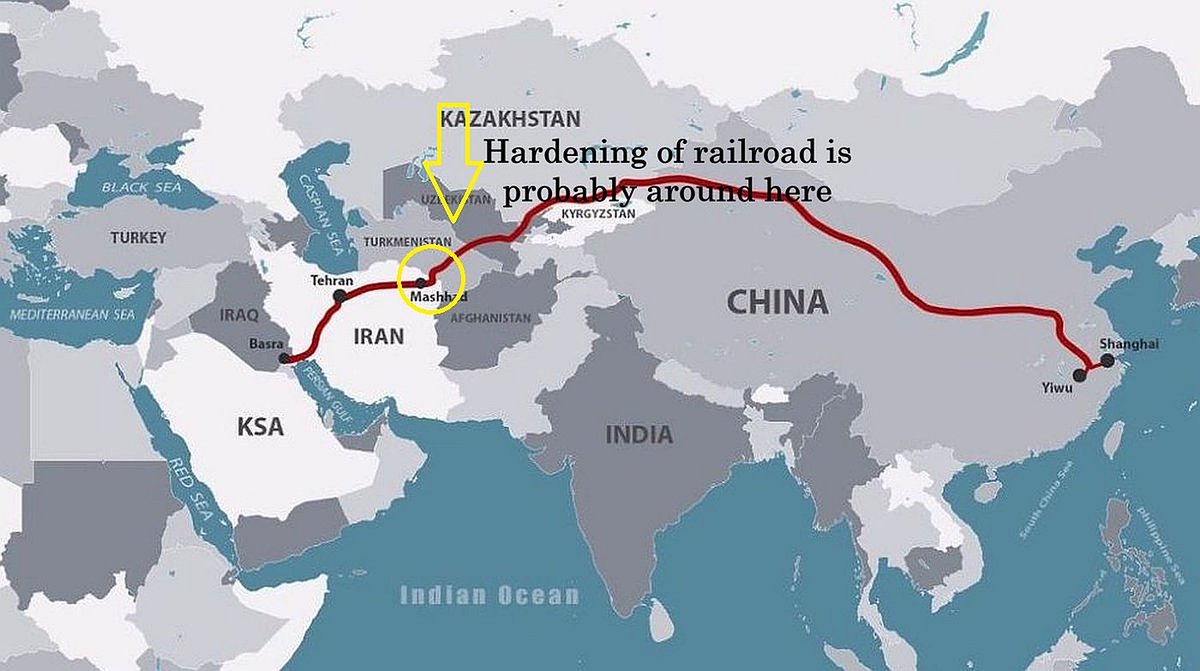

Iran is ramping up trade with China via rail in a bid to blunt the impact of a US blockade of its ports bloomberg.com/news/articles/…
2
14
47
3,236
May 6
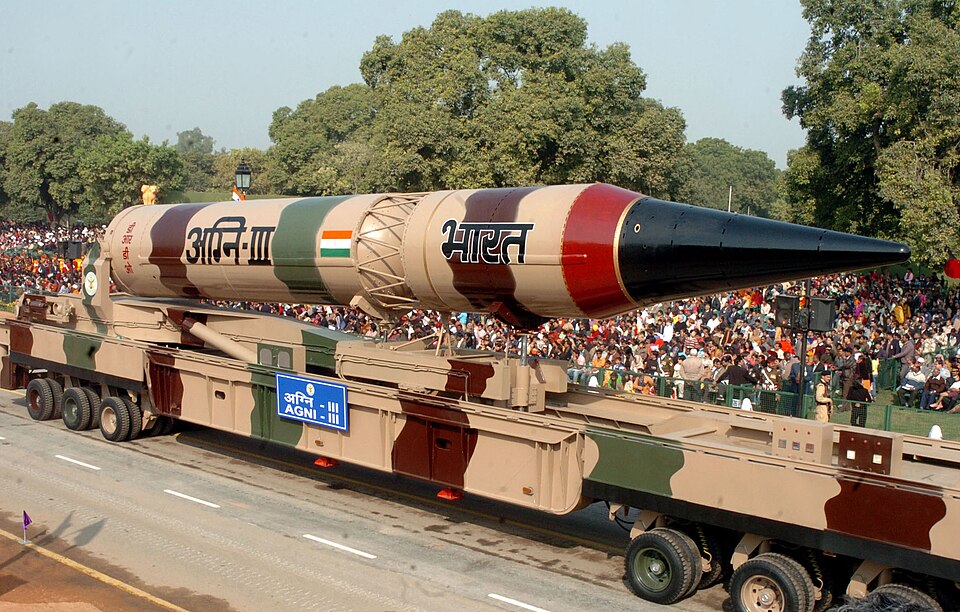
Agni-III is where the engineering leaps a generation
Two-stage IRBM, 2-metre diameter chosen specifically to be compatible with future submarine launch tubes which tells you exactly how far ahead the planners were thinking
Stage one packs 32 tonnes of HTPB propellant generating roughly 106,000 kgf vacuum thrust through a submerged FlexSeal nozzle with full thrust-vector control
The February 2010 test was the first flight of a completely indigenous Ring Laser Gyro INS on any Indian ballistic missile
A landmark buried in a routine test report
1
1
11
855
May 6
By the third Agni-TD flight in February 1994 the propellant had been switched from PBAN to HTPB: Hydroxyl-Terminated Polybutadiene with ammonium perchlorate oxidiser and aluminium fuel, which became standard across every Agni variant that followed
They also flew a Manoeuvring Re-entry Vehicle for the first time and introduced the open vented interstage, eliminating the original six ullage motors entirely
The demonstrator was quietly becoming something far more dangerous
1
10
759
It didn’t crack , the propellant wasnt pourable enough and as i was jamming it down the funnel, it hardened before the middle got filled . HTPB is very flexible and should be fine for this , I just need to adjust the formula
1
1
49

May 3
los aviones y barcos intercambien información de combate. El Krasukha-4 se especializa en "cegar" los radares de los aviones AWACS (radares volantes) y los satélites de reconocimiento de órbita baja, emitiendo una señal de interferencia tan potente que satura los sensores enemigos, creando zonas de oscuridad informativa para la coalición occidental.
FASE 2: MATERIAL DE ÚLTIMA GENERACIÓN (SIN USO EN GUERRA REAL)
1. MISILES ANTIBUQUE HIPERSÓNICOS YJ-21 Y CM-302 (CHINA)
El YJ-21 es un misil balístico antibuque con una cabeza de planeo hipersónica que alcanza Mach 6. Al reentrar en la atmósfera, realiza maniobras de gran fuerza G para evitar los interceptores de los destructores. El CM-302 es un misil de crucero supersónico (Mach 3.5) que vuela a escasos metros del mar (sea-skimming), ocultándose bajo el horizonte del radar enemigo para que este solo lo detecte a menos de 30 segundos antes del impacto masivo.
2. LOGÍSTICA Y COMBUSTIBLE SÓLIDO (APOYO CHINO)
China ha transferido toneladas de perclorato de sodio y resinas HTPB, permitiendo que los misiles iraníes pasen al combustible sólido de alta eficiencia. A diferencia del combustible líquido, que requiere horas de carga antes del disparo, el combustible sólido es una mezcla estable que ya está dentro del misil. Esto significa que los proyectiles pueden lanzarse en menos de 10 minutos desde que se recibe la orden, eliminando la ventana de tiempo que los satélites estadounidenses utilizaban históricamente para detectar los preparativos y neutralizar las lanzaderas antes del disparo.
3. CAZAS SU-35 Y MISILES R-37M (RUSIA)
Los Su-35 rusos cuentan con el radar Irbis-E y motores con empuje vectorial para maniobras extremas. Operan con el misil R-37M, que posee un alcance de 300 km y vuela a Mach 6. Este misil es un "asesino de objetivos de alto valor", diseñado para atacar desde distancias seguras a los "multiplicadores de fuerza" como los aviones cisterna de combustible y los aviones radar AWACS. Sin estos apoyos en el aire, los cazas de EE. UU. se ven obligados a operar desde bases mucho más alejadas, reduciendo drásticamente la efectividad y duración de sus misiones.
SITUACIÓN OPERATIVA FINAL
La factibilidad de un ataque inminente de EEUU se enfrenta ahora a una arquitectura defensiva en Irán que utiliza inteligencia satelital rusa en tiempo real (vía Kanopus-V) y precisión de guía china. La capacidad de contraataque de Irán es ahora un sistema de golpeo quirúrgico que puede alcanzar activos estratégicos occidentales con la misma exactitud que la tecnología que EE. UU. ha ostentado tradicionalmente.
Fuentes: U.S. Central Command (CENTCOM), USNI News Fleet Tracker, SpecialEurasia Intelligence Report, Galaxia Militar (Su-35/S-400 Analysis), Prensa Latina (Acuerdos Irán-China 2026).
13
65
173
3,579