

1 May 2025
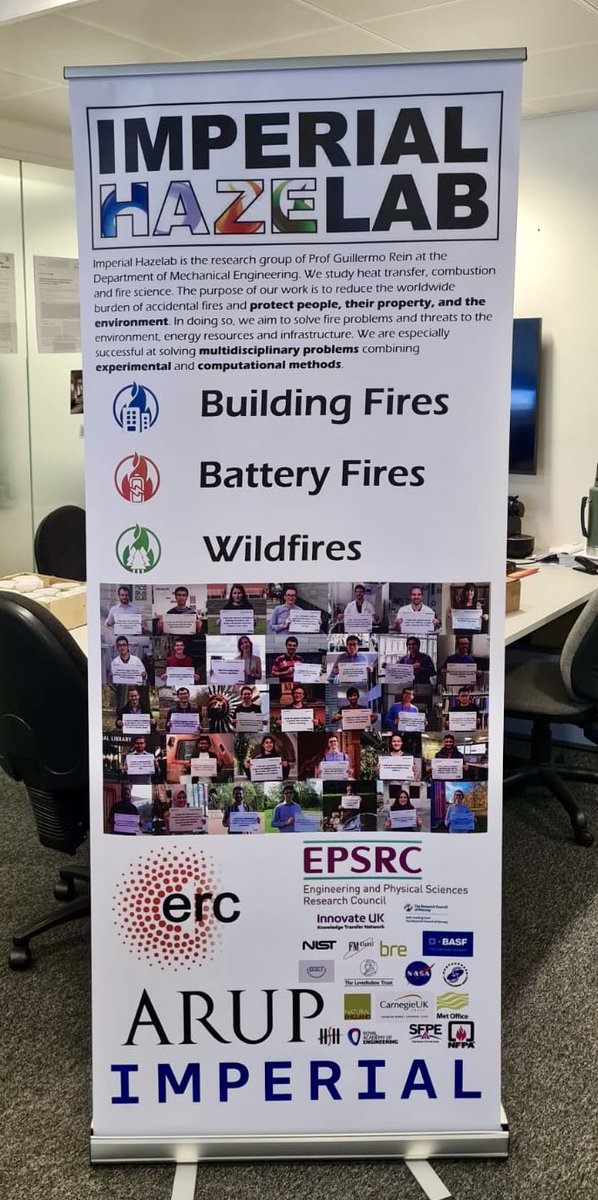
Tomorrow 35 Hazelab alumni who conducted research and their PhDs in fire science with me at Imperial are coming back to their alma mater. It is such a diverse, kind, smart and fascinating group of amazing people.
1
3
23
491
31 Dec 2024
To our colleagues, collaborators, sponsors and friends: Wherever you are, Imperial Hazelab wishes you a Happy New Year. Let 2025 be a year when we meet again during visits, meetings, or conferences. Or at least online!

1
2
31
955

7 Aug 2024
From the United Kingdom🇬🇧, the Imperial College and HAZELAB research Group of Prof. Guillermo Rein, leading SEMEDFIRE's Work Package 2 - Fire Modelling and Evacuation Tools
@imperialcollege @ImperialHazelab @GuillermoRein
imperial.ac.uk/hazelab/
1
6
81

25 Jul 2024
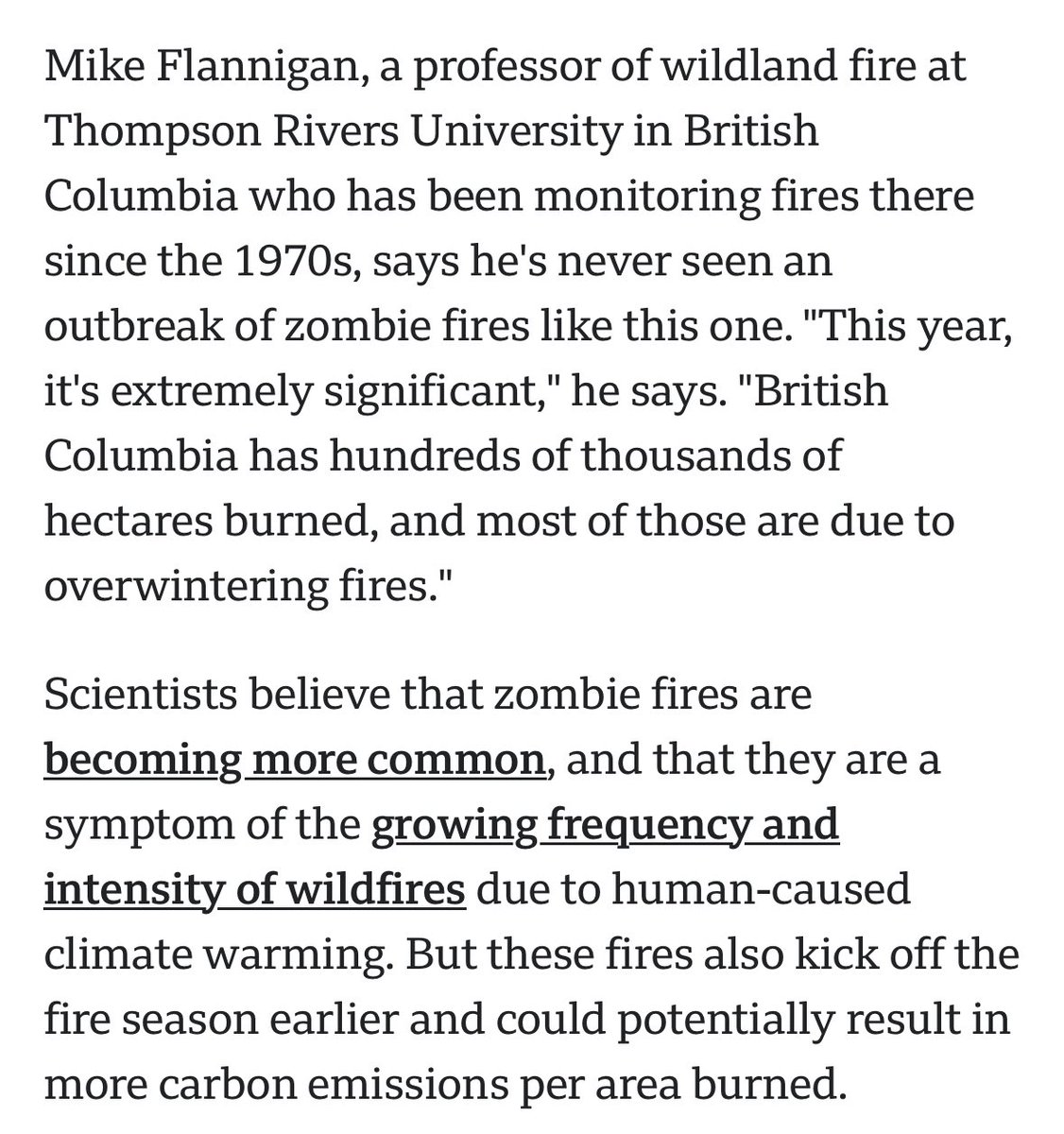
Zombie fires burn even in -20°.
—
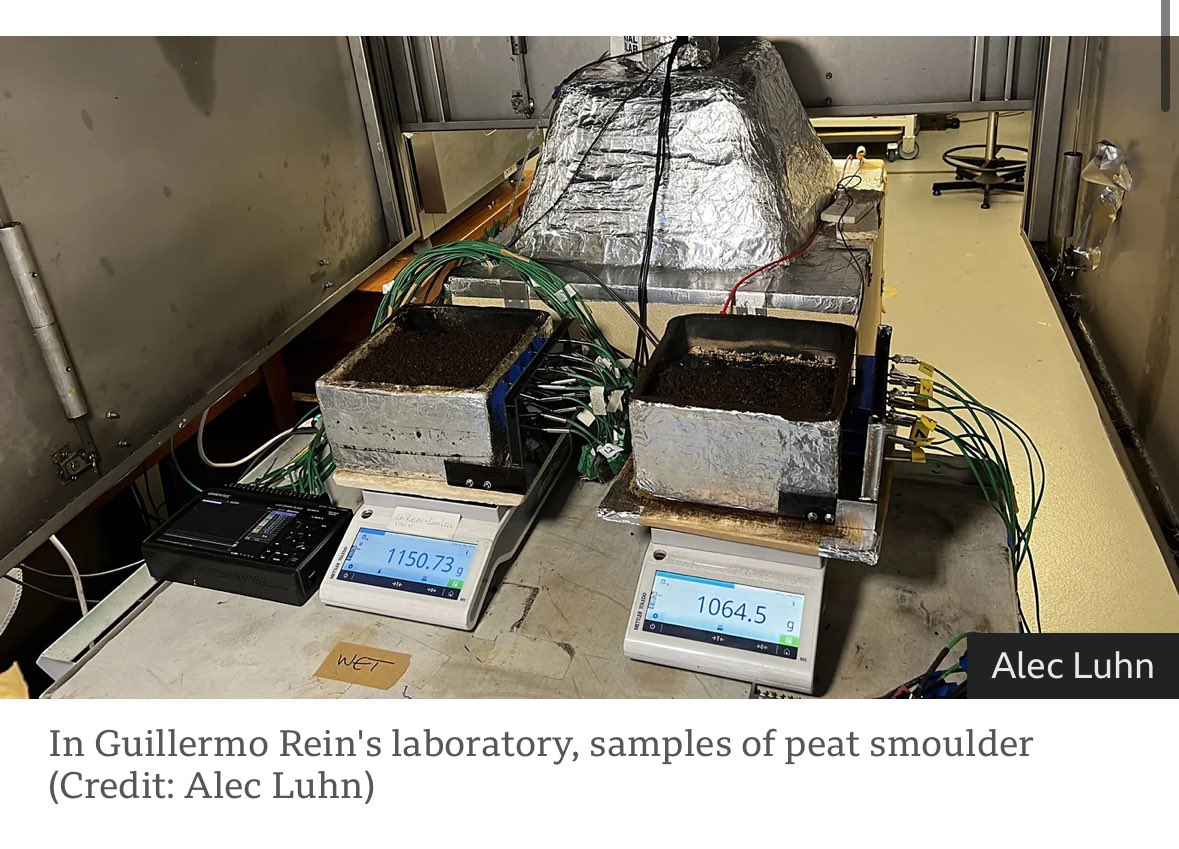
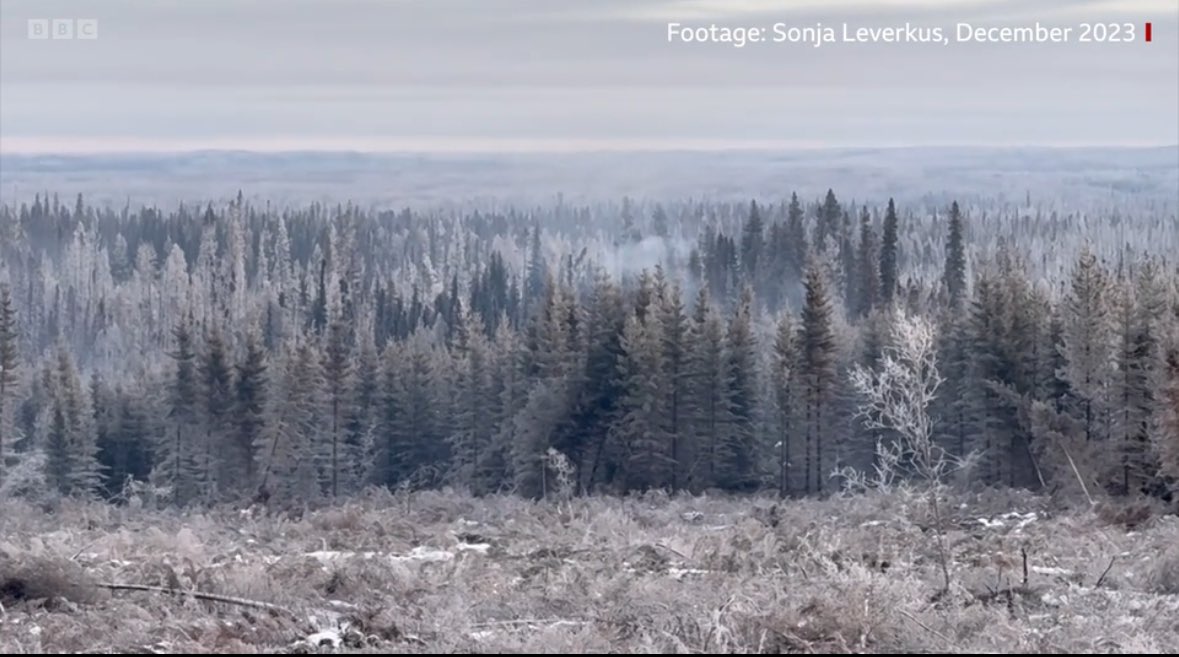
It's the same situation in drought-stricken western Canada. As last year's gigantic fires – some started by humans, some by lightning – burned through the forests, they ignited dried-out peat below. And once peat starts burning, it can go for months, burning up to five metres (16.4ft) below the surface and creeping through the soil. Normally, firefighters in the remote expanses of Alaska, Canada and Siberia rely on the icy grip of winter to put out wildfires. But in peat, winter doesn't always stop the burn. Behind the two ceramic containers in Hazelab is a glass-doored refrigerator where Rein has performed similar peat-burning experiments. "It doesn't care about the cold weather," he says. Even at -20C (-4F), the fire keeps smouldering.
"It's very scary, actually."
1
3
26
25 Jul 2024
The Power of Peat
Behind two sets of thick metal doors in Imperial College London, there's a race on, and the dried peat is winning. Peat is the dark, damp soil that forms when dead plant matter piles up in waterlogged, oxygen-poor environments like the bogs of Canada, or Scotland. Because this matter can't fully decompose, it's rich in carbon, making it potentially potent fuel for zombie fires. It just depends on how wet it is.
In their "Hazelab," Guillermo Rein, a professor of fire science, and his graduate students have filled two square, foil-wrapped ceramic containers with Canadian peat and ignited the back ends with glowing hot wires.
Because of the limited oxygen content within the soil, they're smouldering, or burning without a flame.
White smoke wafts out as the fire creeps forward through the brown peat. The lab takes on a smell like Scotch whisky.
The peat in the container on the left is unaltered, with a moisture content of about 100%.
The peat on the right was dried out in an oven to less than 1% moisture.
After about two hours of burning, only a quarter of the moist peat has burned, versus more than half of the dry peat. "This is the natural, pristine condition," Rein says, pointing to the moist peat. "It can still burn, but it's relatively easy to stop because it's propagating so slowly."
Next he gestures to the dry peat. "Now imagine that someone has drained the peatland, or that climate change has arrived and it's a really, really dry year. And this is the situation."
1
1
3
108
15 Jul 2024
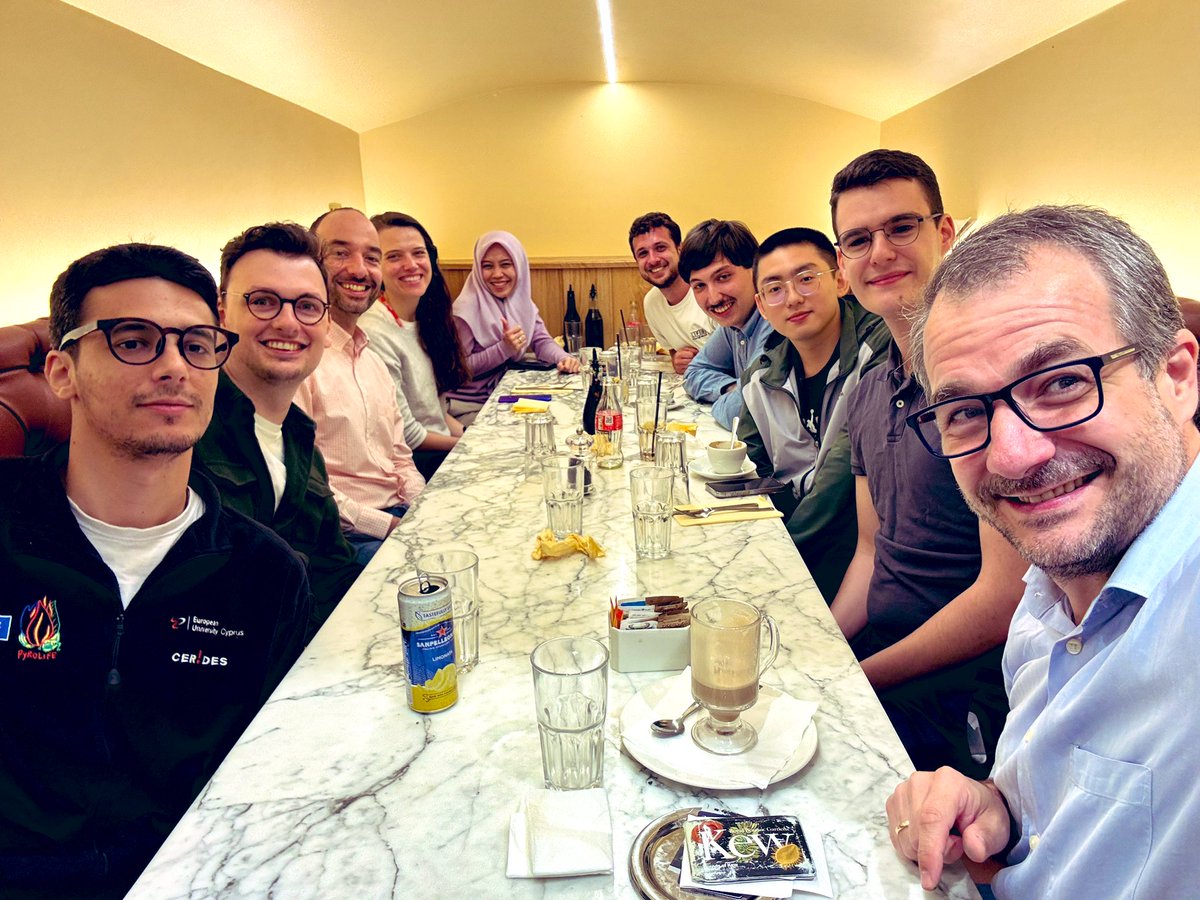
Great to get Hazelab together today to welcome Fernando from ETH for a short visit, and the return of Dimitra from TUC for a second stay with us. Oh! And I am back from China.
2
37
1,136
21 Jun 2024
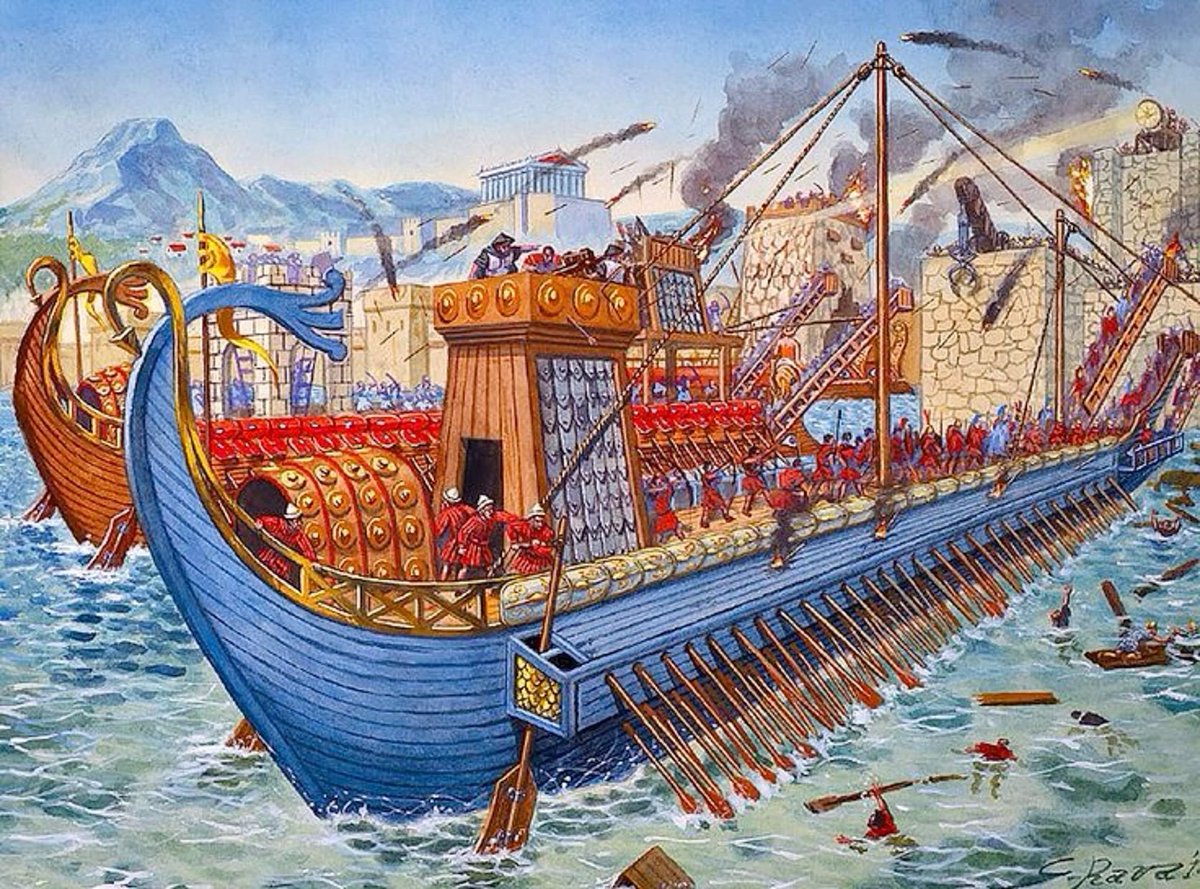
I just saw this painting. Roman ships attacked Siracusa in the year 212 BC, but Archimedes knew that wood is flammable and that mirrors concentrate solar radiation. Fitting story for Hazelab, our fire research group at @ImpEngineering.
21 Jun 2024

Asedio de Siracusa por los romanos (212 a.C), por Giuseppe Rava.⬇️
2
8
860

30 May 2024
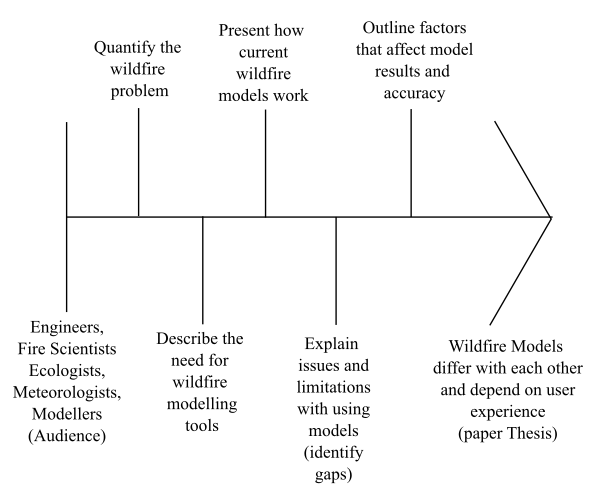
The fishbone technique to write paper sections at Hazelab.
28 May 2024

Writing an introduction for a paper on wildfires is very difficult since the field is so diverse.
Here is how we use a systemic approach in @ImperialHazelab to outline our paper introductions.
5
383
10 May 2024
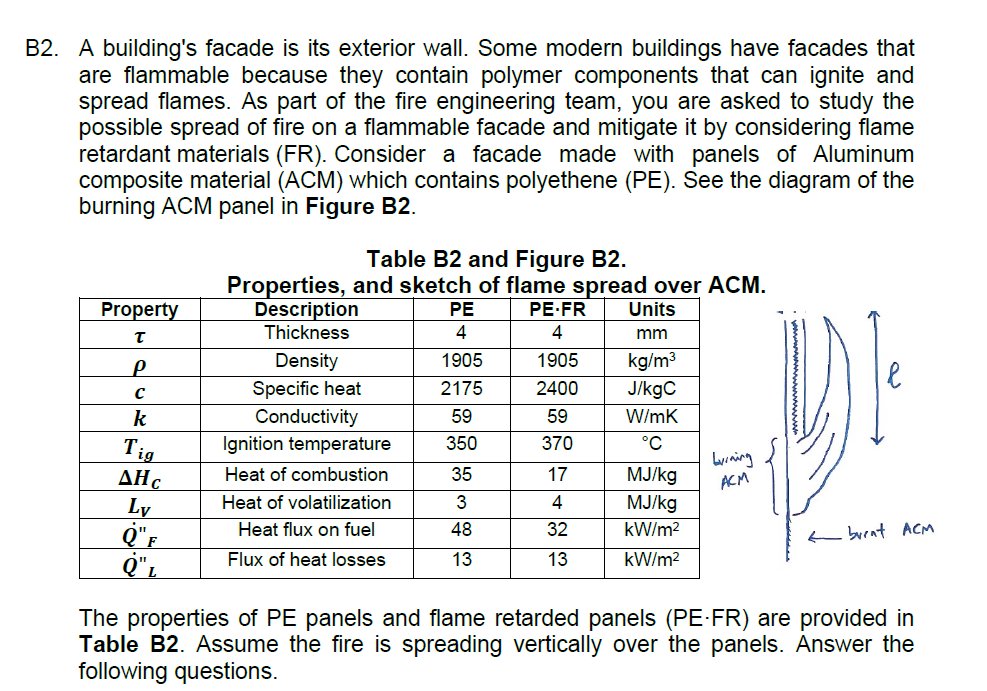
As a scientist, I've learnt a lot about facade fires since 2015 with Matt, Ben and Francesca of Hazelab (even more learning after 2017 for tragic reasons). After years of research, time has arrived for facade safety to be part my exam of fire dynamics. I wrote this ACM question:
1
1
21
962
30 Apr 2024
I love the mega desk that Hazelab has put up. It is now our favourite meeting place.
30 Apr 2024

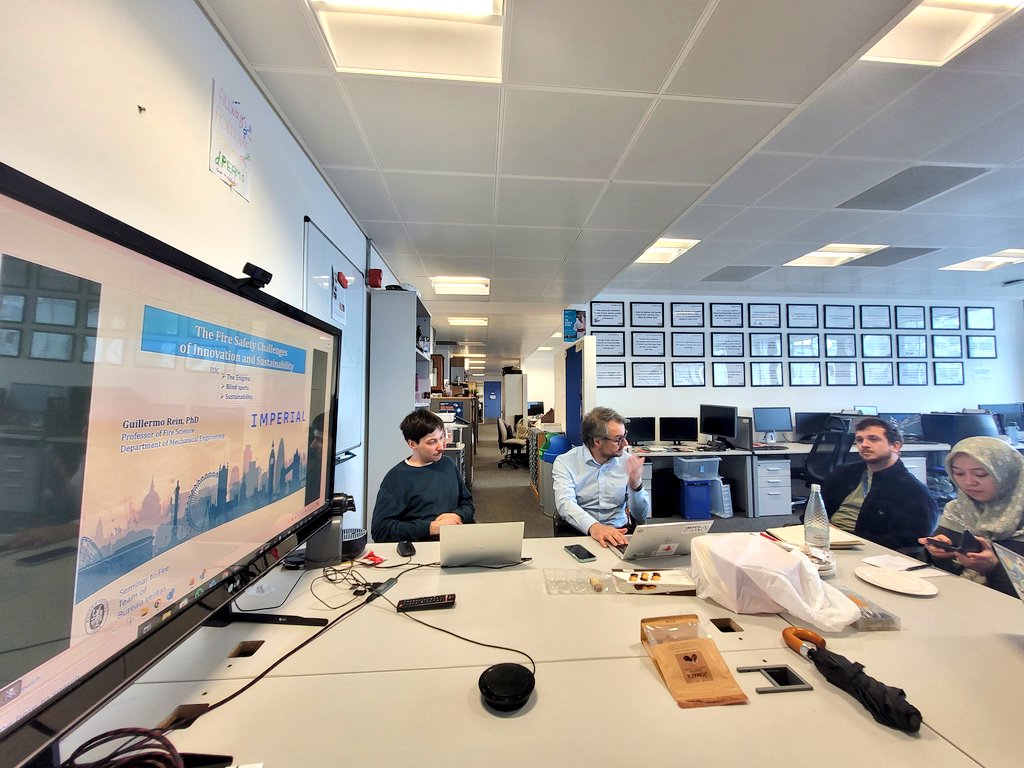
Cake and a presentation by your supervisor!? Not a bad day at the office at all 🔥
Thanks to @GuillermoRein for his great presentation on sustainability and innovation blind spots in fire!
@ImperialHazelab
2
13
1,019
30 Apr 2024
Thank for listening and for the cake. I love Hazelab 🥰
2
129
9 Apr 2024
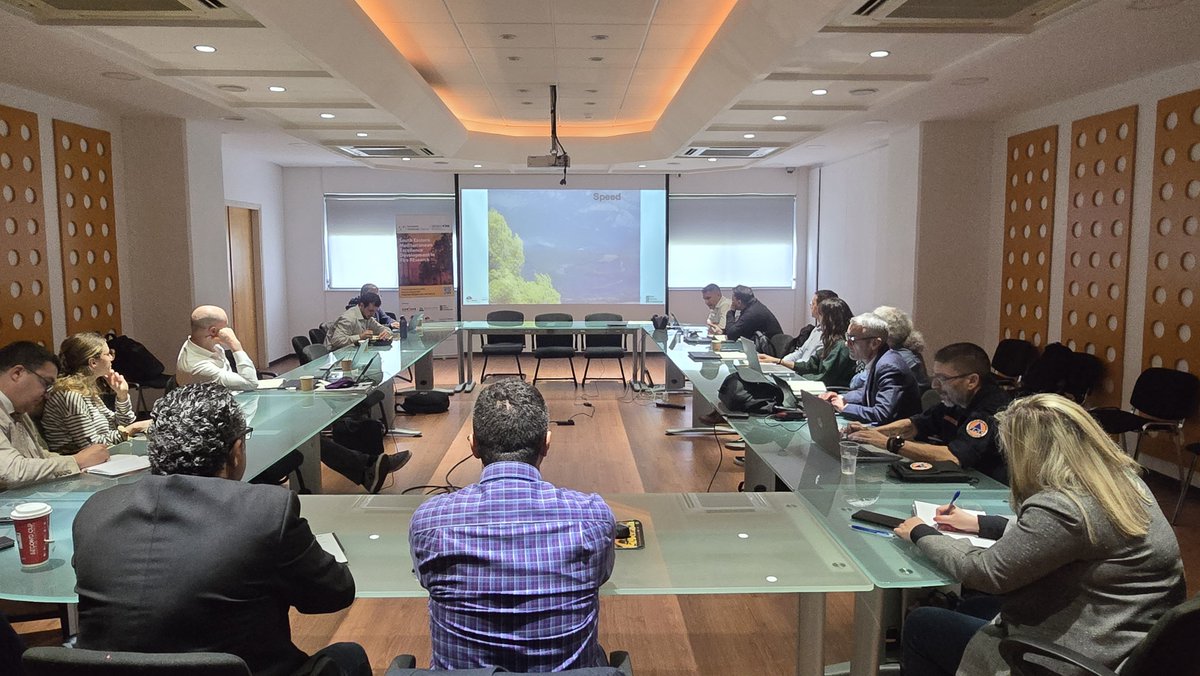
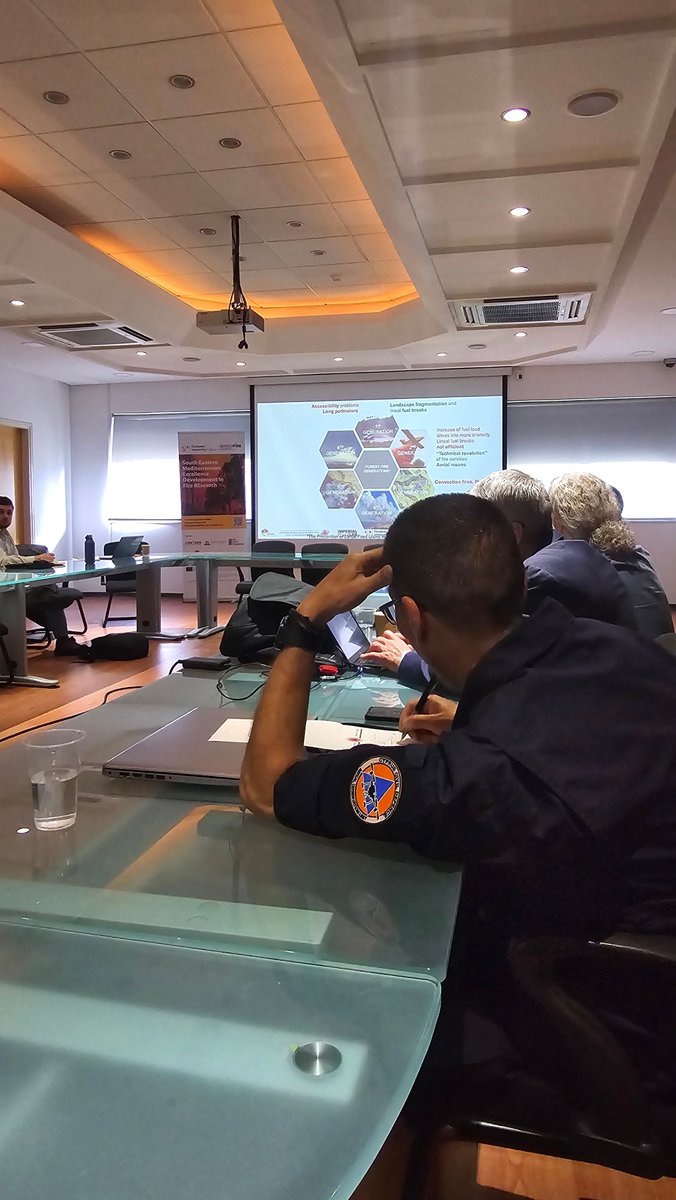
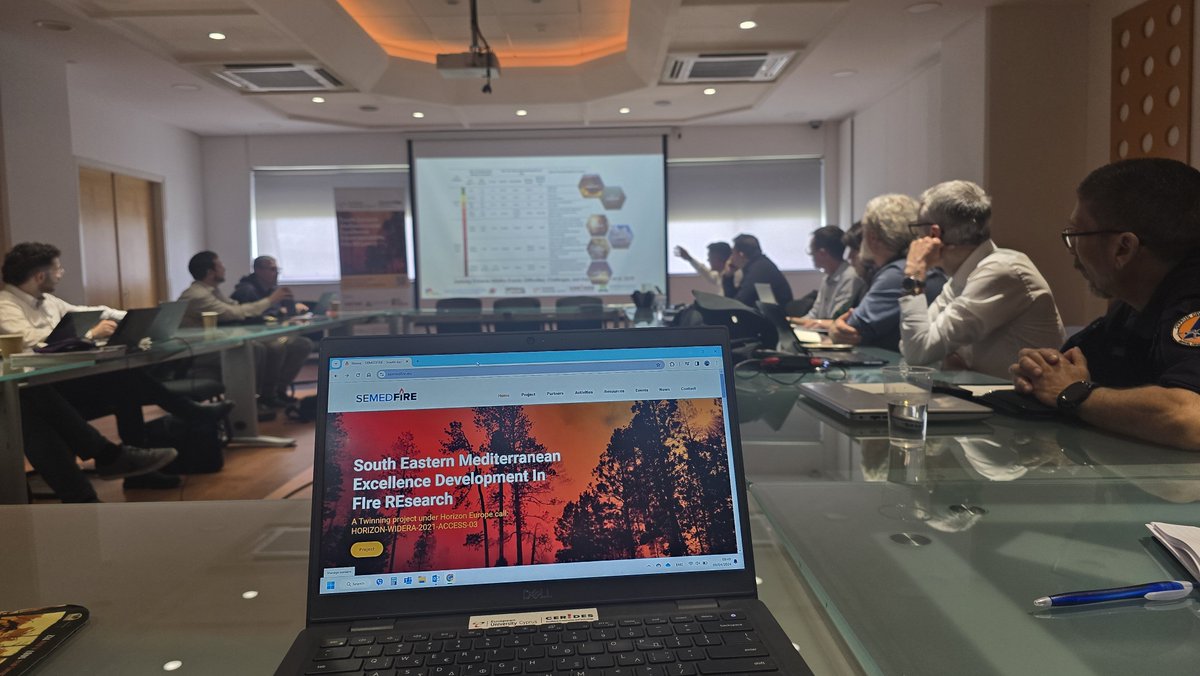
Imperial Hazelab is delighted to work with our European colleagues in Cyprus et al. to tackle wildfires in a way that goes well beyond suppression but includes actual understanding of the hazard and more ways to provide protection to people, communities and the environment.
9 Apr 2024

#HappeningNow
Landscape Resilience and Integrated Fire Management events kick-off today with a working session on Wildfire strategic areas by @PauCostaF. Experts from Cyprus, Spain, France, the UK and the Netherlands are joining forces in wildfire research EU projects.
8
25
1,559

15 Feb 2024
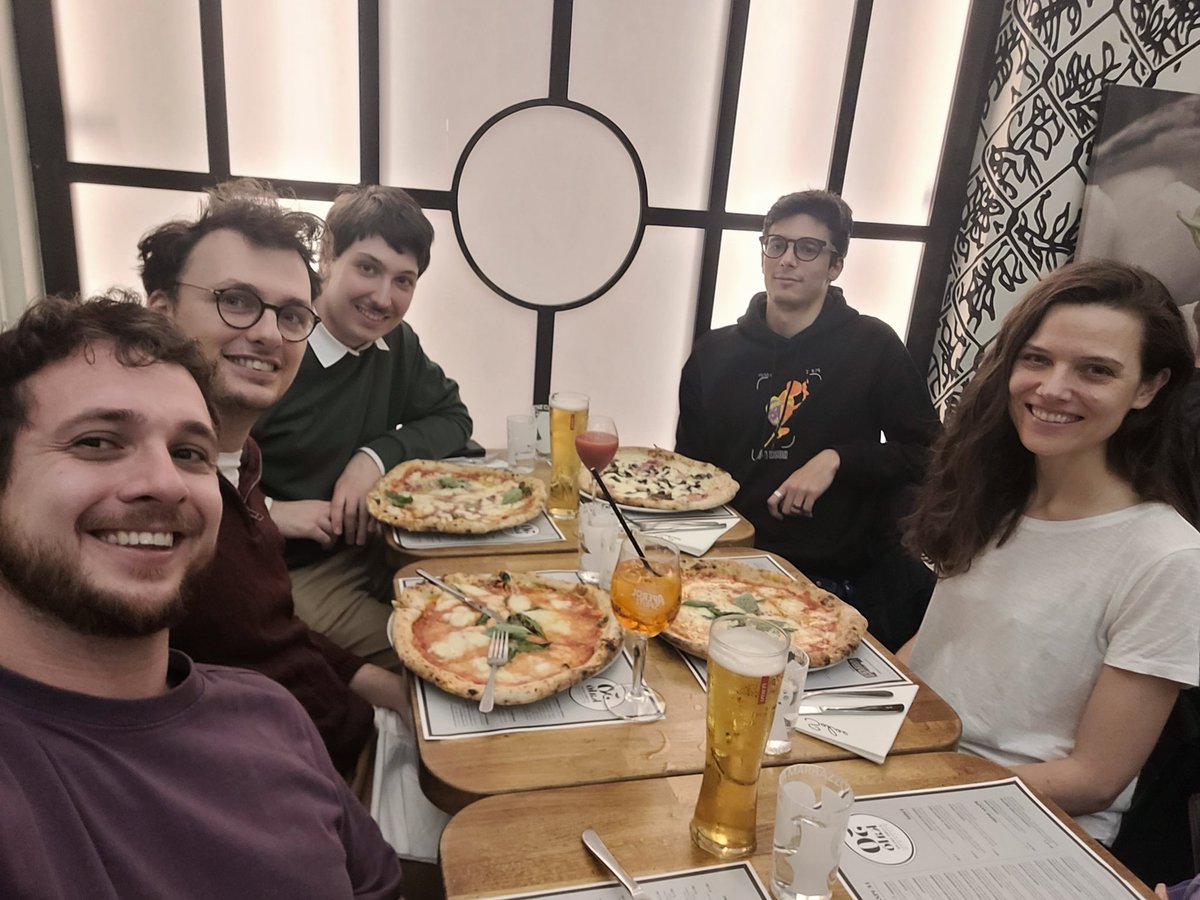
Hazelab pizza night! Thank you to Alex for the expert pizza place recommendation 😁🍕
2
6
633
2 Feb 2024
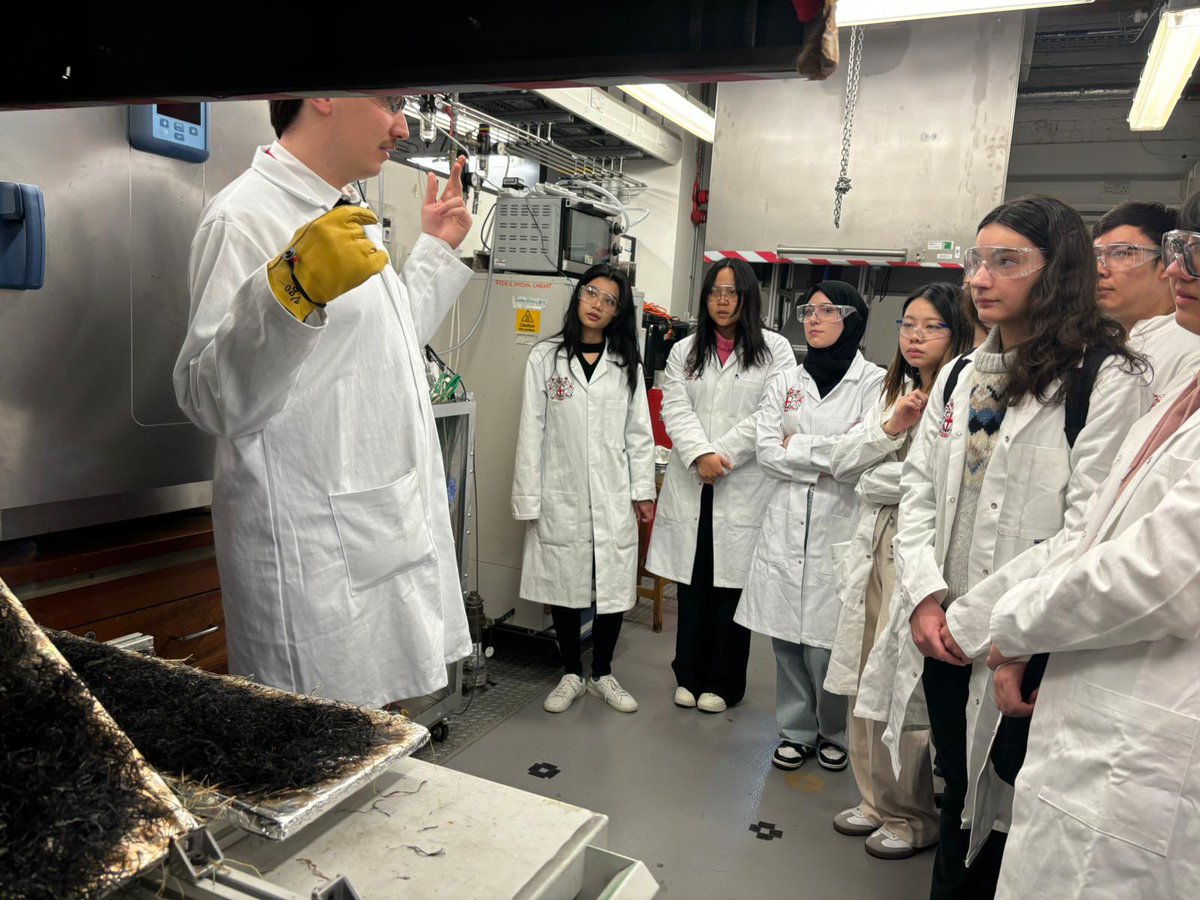
About 20 of our MEng students of the Fire Dynamics module visited the fire lab today ✨. They observed a swirling turbulent flame, fire spread over a porous fuel bed, and smouldering combustion of peat. So many questions!
Thank you Hazelab 🙏🏻
1
1
22
850
25 Jan 2024
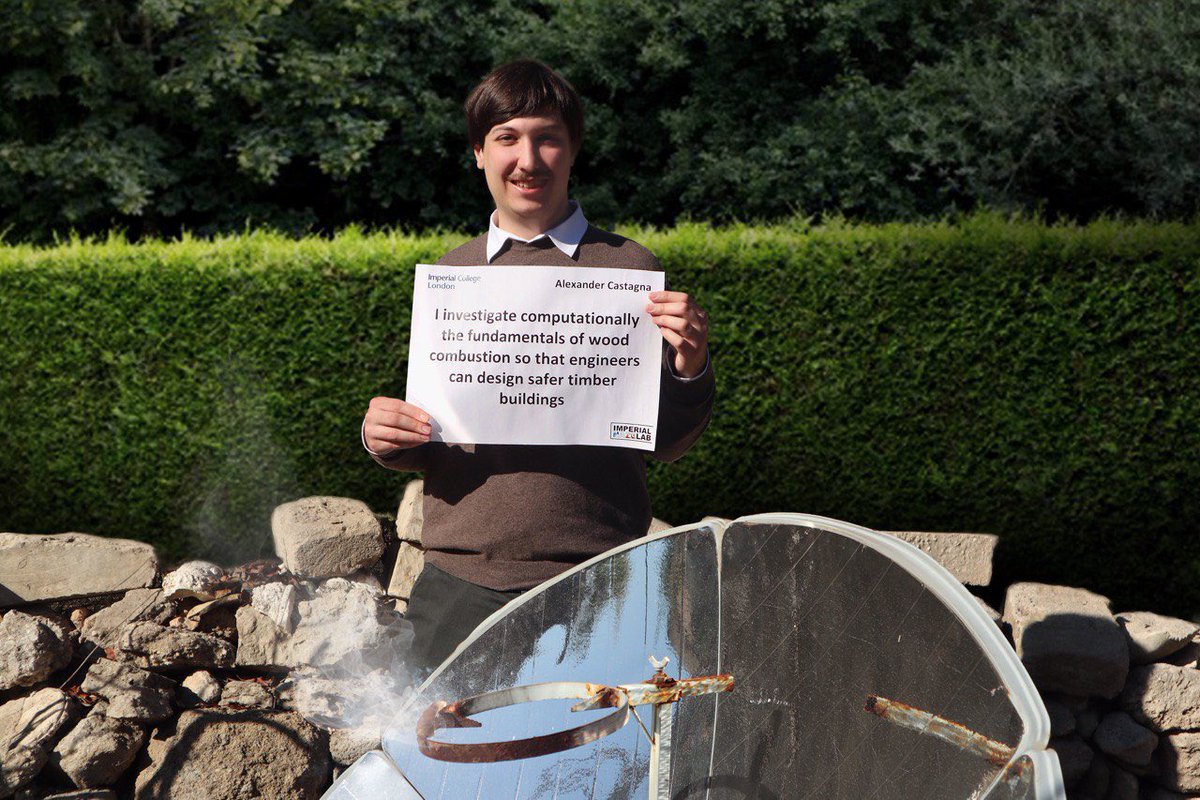
Welcome Alexander to Imperial Hazelab. He starts his PhD studies on timber fires and wants to help engineers design a safer buildings. His research is funded by Arup and EPSRC. He graduated last summer from Imperial College in Mechanical Engineering. He is from Siracusa!
1
2
32
1,712
15 Dec 2023
This week Hazelab showed our wildfire research at the Imperial reception celebrating that UK has rejoined EU Horizon. We showed Sirocco, a live demo of wind and fire dynamics. We talked about peat fires, and wildfire protection of communities.
imperial.ac.uk/news/250078/i…
1
5
496

6 Dec 2023
I am no expert, but am copying one on this response. He is worthy of a follow. @GuillermoRein from Imperial Hazelab, UK.
2
2
39

6 Dec 2023
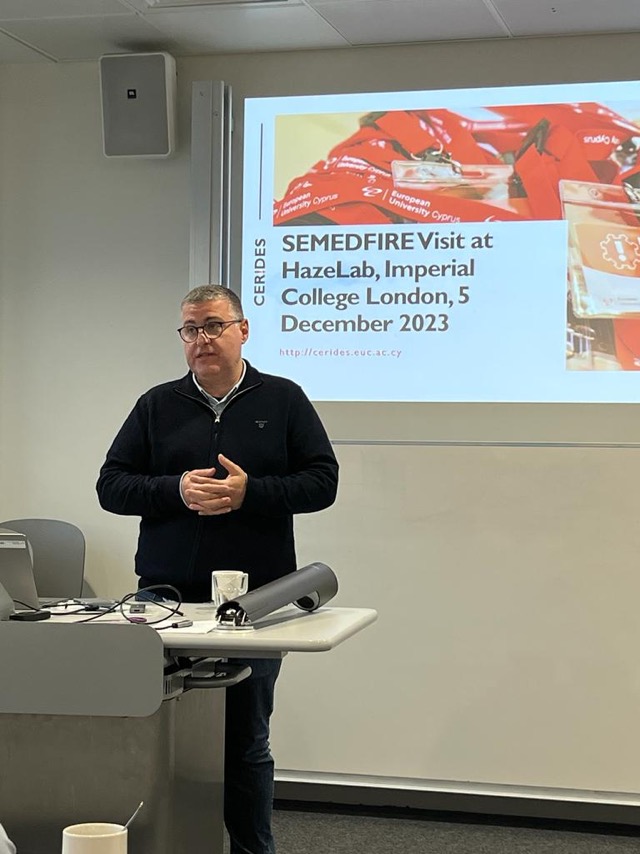
Prof Rein and Prof Boustras both stressed that the collaboration between Hazelab and CΕRIDES has exceeded expectations and acknowledged that the @semedfire project has laid the foundation for further collaborations in #wildfires and buildings fire research.
4
51
6 Dec 2023
It was also agreed that the Hazelab team and Prof Guillermo Rein would continue to receive updates from the other project WPs, participate in meetings and support future project activities.
1
3
43