🇮🇳Dashrath prasad yadav🇮🇳 satyamev jayate🇮🇳 retweeted

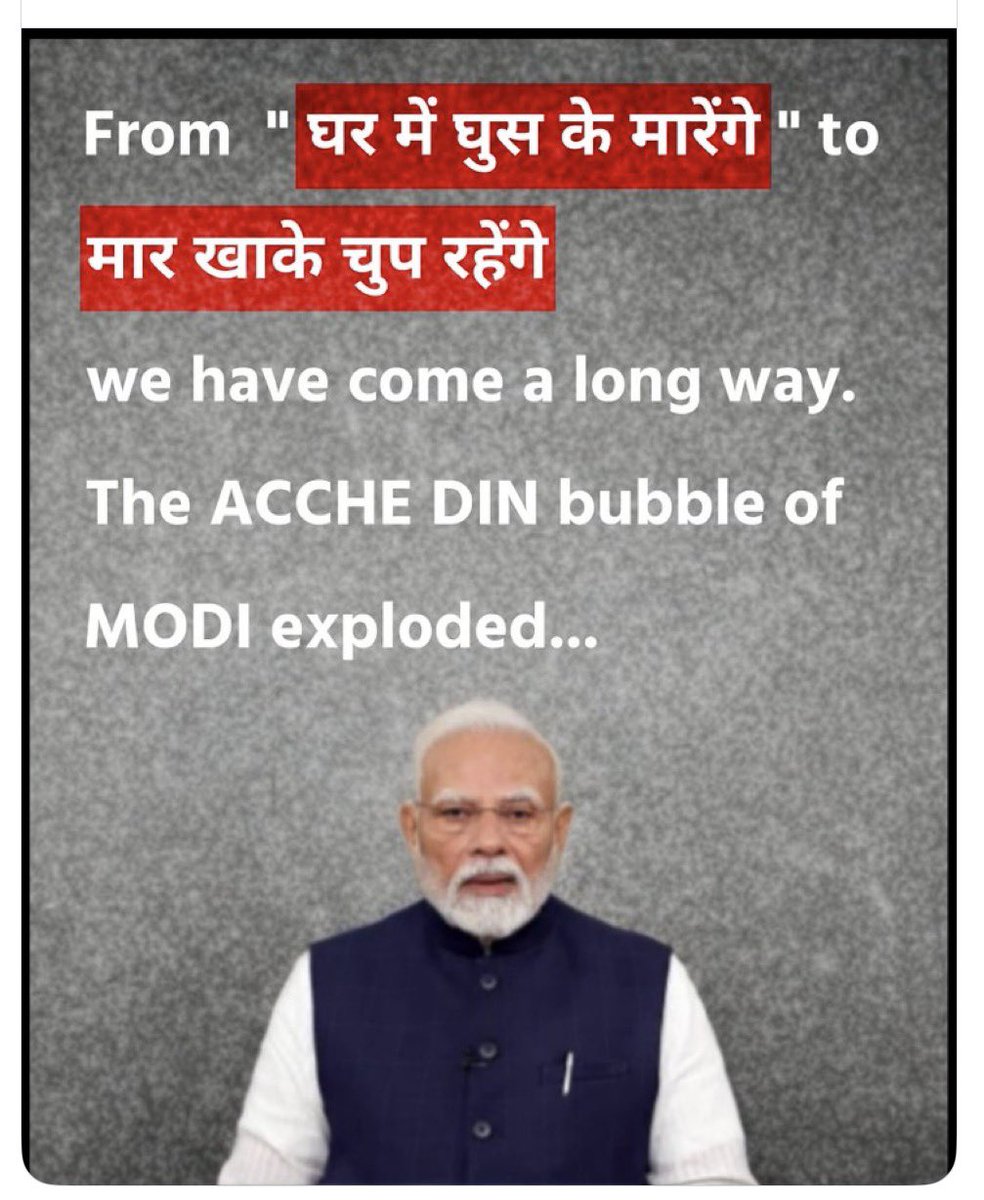
Modi On Mute? | Govt Helpless As America Kills Three Indian Sailors In H...
youtu.be/2WRLC73nBDQ?si=qRWi… via @YouTube
58
948
2,645
23,894

 sherms ᯓ★
✮𝐑𝟗𝟑_𝐊𝐘⚓ retweeted

Moments when goalkeepers are helpless: Flawless free kicks
18
192
52,487

It’s people like you who are responsible for countless deaths around the world because you treat them like they are helpless little children and their US government Daddy has to take care of them. You own any such deaths, if they exist as the studies cited are garbage.

55s
RT @OurFavOnlineDoc: This is what terrorists do to their victims. This is a helpless woman brutalised and beaten like a wild animal in this…
178
𝒢𝑜𝒹𝒹𝑒𝓈𝓈 𝓈𝒶𝓃𝒹𝓇𝒶 retweeted

Another challenge for you helpless goonies
Make sure to obey every command obsessively and spray that load harddd for mommy
Hopelessly losing each braincell, becoming forever addicted with no chance of recovery✨
DMs open for goon sessions💖Telegram :
t.me/DAddyforyou32
48
34
1,080

RT @OurFavOnlineDoc: This is what terrorists do to their victims. This is a helpless woman brutalised and beaten like a wild animal in this…
178
Promo&RT🐷 retweeted

Adrian and Dave get deliciously wicked with helpless Craig, whipping his ass and feet, hosing out his guts and then swapping cocks in his ass. Devilish fun!
straighthellvideos.com/slave…
7
120
1,382
34,602

went to the bars tonight
got so drunk and helpless and now im laying here sad and unused
1

If, they're realy in need .
Sought for the help indeed.
Kindly help. ( if they r innocent and helpless ).
ધોરણ-12 પાસ કર્યા પછી સીધી 'લૂંટ'ની પ્રેક્ટિકલ પરીક્ષા આપવા પહોંચેલી 2 સહેલીઓનું પેપર ફૂટી ગયું!
dhunt.in/14F6ih
By Trishul news via Dailyhunt



1 Corinthians 15:43 Commentary
Verse Quoted in KJV
“It is sown in dishonour; it is raised in glory: it is sown in weakness; it is raised in power:” (1 Corinthians 15:43)
Detailed Exegesis of Each Phrase
“It is sown in dishonour;”
The “it” is still the body. Paul has not left the subject of bodily resurrection. He is not talking about a vague spiritual idea, a religious feeling, or a poetic afterlife. The body is sown. The same body that is laid down in death is the body God will raise, but it will not be raised in the same condition in which it was buried. In verse 42 it was “sown in corruption.” Now Paul says it is “sown in dishonour.”
Death brings dishonour to the body because death is the visible result of sin. The body that once moved, spoke, worked, loved, laboured, and lived is laid down silent, helpless, and humbled. There is no pride left in the grave. No man struts in a coffin. No flesh boasts when death takes over. The body is sown in dishonour because death exposes man’s fallen condition under Adam.
This does not mean the believer’s body is worthless or should be despised. The body belongs to God, was bought with a price, and will be redeemed. But in death, the body is laid down under the shame and humiliation of mortality. The grave is a dishonourable place because death itself is an enemy. The body is sown in dishonour, but that dishonour is not final.
“it is raised in glory:”
Here is the divine contrast: the body sown in dishonour is raised in glory. The grave receives dishonour, but God raises glory. Death lays the body low, but God brings it up in splendour. The body that was humbled under mortality will be raised in a condition fit for the victory of Christ. Glory answers dishonour the same way incorruption answers corruption.
This glory is not earthly vanity. It is not fleshly glamour. It is not the temporary beauty of Adam’s race. It is resurrection glory. It is God-given, Christ-secured, Spirit-wrought glory. Philippians 3:21 says the Lord Jesus Christ “shall change our vile body, that it may be fashioned like unto his glorious body.” That is the glory Paul is pointing toward. The body will be raised in a condition suited to the risen Christ.
The believer’s future body will not carry the shame of the grave. It will not bear the humiliating marks of Adam’s defeat. It will not be raised for another round of weakness and dying. It will be raised in glory. Death may strip the body of honour temporarily, but God will clothe it with glory permanently.
“it is sown in weakness;”
The body is also “sown in weakness.” Death is the ultimate display of bodily weakness. The body can no longer stand, speak, see, hear, breathe, labour, or resist. It is completely helpless. Even before death, the body shows weakness through sickness, pain, aging, fatigue, injury, and limitation. The strongest body is still weak compared to death. One heartbeat can stop it. One disease can weaken it. One accident can break it. One breath can be the last.
Weakness is part of the present body under the curse. The body is not yet redeemed in experience, though redemption is promised. Romans 8:23 says believers are “waiting for the adoption, to wit, the redemption of our body.” Until then, the body is subject to weakness. Even faithful saints get tired. Even strong preachers die. Even prayer warriors age. Even godly people suffer. The body is sown in weakness.
This phrase also rebukes the flesh-worshipping spirit of the age. Man spends his life pretending he is strong, independent, permanent, and in control. Death proves otherwise. The body sown in weakness testifies that man is not God, flesh is not sovereign, and Adam’s race is under sentence.
“it is raised in power:”
The final contrast in the verse is tremendous: “it is raised in power.” The body sown in weakness will not be raised weak. It will be raised in power. That means the resurrection body will no longer be subject to the frailty, exhaustion, decay,
1
12
Dylan Torres retweeted

Final sneak peek at this weeks JFF update, how helpless does @Knot_nuts look 😈
3
16
268

𝐍𝐄𝐌𝐀 𝐝𝐢𝐝𝐧'𝐭 𝐝𝐢𝐬𝐩𝐥𝐚𝐜𝐞 𝐬𝐩𝐢𝐫𝐢𝐭𝐬 𝐢𝐧 𝐁𝐮𝐬𝐚𝐛𝐚𝐥𝐚. 𝐈𝐭 𝐝𝐢𝐬𝐩𝐥𝐚𝐜𝐞𝐝 𝐚 𝐩𝐫𝐢𝐦𝐢𝐭𝐢𝐯𝐞 𝐛𝐮𝐬𝐢𝐧𝐞𝐬𝐬 𝐦𝐨𝐝𝐞𝐥 𝐢𝐧 𝐬𝐡𝐫𝐢𝐧𝐞𝐬. 𝐓𝐡𝐞 "𝐜𝐮𝐫𝐬𝐞" 𝐢𝐬 𝐚𝐧 𝐢𝐧𝐟𝐨𝐫𝐦𝐚𝐥 𝐩𝐫𝐨𝐩𝐞𝐫𝐭𝐲 𝐫𝐢𝐠𝐡𝐭 𝐜𝐥𝐚𝐢𝐦 𝐦𝐚𝐝𝐞 𝐛𝐲 𝐭𝐡𝐨𝐬𝐞 𝐰𝐡𝐨 𝐨𝐰𝐧 𝐧𝐨 𝐥𝐞𝐠𝐚𝐥 𝐭𝐢𝐭𝐥𝐞𝐬 𝐥𝐢𝐤𝐞 𝐉𝐣𝐚𝐣𝐣𝐚 𝐁𝐚𝐦𝐰𝐞𝐲𝐚𝐧𝐚. 𝐄𝐯𝐞𝐫𝐲𝐭𝐡𝐢𝐧𝐠 𝐲𝐨𝐮 𝐚𝐫𝐞 𝐡𝐞𝐚𝐫𝐢𝐧𝐠 𝐚𝐛𝐨𝐮𝐭 "𝐞𝐯𝐢𝐥 𝐬𝐩𝐢𝐫𝐢𝐭𝐬" 𝐢𝐬 𝐣𝐮𝐬𝐭 𝐜𝐥𝐚𝐬𝐬-𝐛𝐚𝐬𝐞𝐝 𝐩𝐬𝐲𝐜𝐡𝐨𝐥𝐨𝐠𝐢𝐜𝐚𝐥 𝐰𝐚𝐫𝐟𝐚𝐫𝐞.
✅1️⃣ The recent panic engineered by traditional healer Jjajja Bamweyana (claiming his evicted "evil spirits" are now terrorising residents) is not a supernatural event. It is a clinical demonstration of mediaeval social control mechanisms attempting to survive in a 21st-century economy.
✅2️⃣ Look at the structural mechanics of what is actually happening. The modern state operates on legal-rational parameters: environmental science, data-driven wetland conservation, and formal property titles. When enforcement occurs, a marginalized underclass, (which is completely shut out from the knowledge economy due to a lack of formal education and capital) finds itself entirely powerless to compete or defend its space.
✅3️⃣ They cannot hire corporate lawyers, and they cannot buy land titles. So, how do they fight back against a technologically and institutionally dominant order? They shift the battlefield to a theater where they hold a total monopoly: metaphysical fear.
✅4️⃣ Just like predatory evangelical pastors who manufacture miracles to extort financial and social resilience from vulnerable congregations, traditional mystics weaponize ancestral anxiety to carve out a lucrative social niche. The narrative of rogue spirits is pure psychological warfare. It is a desperate, asymmetric defense mechanism deployed by helpless squatters to hold modern institutions hostage to primitive cultural codes.
✅5️⃣ Let’s be entirely clear: there are no angry spirits hounding Busabala after the evictions. There is only the economic panic of an obsolete authority structure realizing it has absolutely no future in an organized, evidence-driven world.
✅6️⃣ When a population lacks the education to litigate, the wealth to buy land titles, and the technology to build capital, they will weaponize superstition to freeze institutional progress.
✅7️⃣ By shifting the conflict from environmental law to metaphysical terror, traditional healers attempt to manufacture leverage they cannot achieve through capital or litigation, turning superstition into a desperate tool for territorial sovereignty and economic survival against state modernization.
2

RT @OurFavOnlineDoc: This is what terrorists do to their victims. This is a helpless woman brutalised and beaten like a wild animal in this…
178
Baby D retweeted

Make sure to bust those worthless little balls as you condition yourself into my helpless pussyfree pet 🤭🖤🤏🏻
Dm for sessions♠️,owned also caged😈 and to start your sissy training journey📥
10
59
1,700

RT @OurFavOnlineDoc: This is what terrorists do to their victims. This is a helpless woman brutalised and beaten like a wild animal in this…
178

RT @OurFavOnlineDoc: This is what terrorists do to their victims. This is a helpless woman brutalised and beaten like a wild animal in this…
178

RT @OurFavOnlineDoc: This is what terrorists do to their victims. This is a helpless woman brutalised and beaten like a wild animal in this…
178