
May 13
David Rockefeller 1991: “We Are Grateful to Our Media Partners”
In this 1991 clip from the Bilderberg meeting, David Rockefeller openly thanks major media outlets (Washington Post, New York Times, Time Magazine, and others) for their decades of discretion and assistance in advancing his global agenda — without public scrutiny.
He states it would have been “impossible” to develop their “plan for the world” under the spotlight of a free press.
Why did powerful elites need media silence for 40 years?
Who really shapes the news we see?
If media partners helped push one agenda then… are they still doing it today?
Watch the clip and decide: Coordinated influence or conspiracy theory?
What does this make you question about media and global power? Drop your thoughts below
#DavidRockefeller #Bilderberg #MediaControl #EliteAgenda #WorldGovernment #HiddenInfluence
6
99
202
7,235

Mar 5
全球危机期间的权力面孔⚠️🌍👁️
当世界停摆时,一小群人频繁出现在各种屏幕上。
政客、亿万富翁、卫生官员、全球战略家和有影响力的人物突然成为这场影响地球上每一个人的全球事件的核心叙述者。
日复一日,他们的言论左右着政策、限制措施、医疗应对措施以及整个国家的走向。
在公众眼中,他们是引领人类走出困境的权威。
但对许多观察家而言,这种情况引发了更深层次的问题。
为什么同样的名字出现在各国政府、金融网络、国际组织和媒体平台上?
为什么一场全球危机将如此多的关注和决策权集中在如此小的圈子里?
全球紧急时刻往往揭示了权力结构本身的一些问题。
在恐惧的时刻,人们会向上寻求指引。
那一刻,高层的声音成为了现实的缔造者。
无论这被视为危机中的领导力,还是权力集中的证据,有一点变得清晰起来:
少数人突然掌握了塑造数十亿人日常生活的权力。
历史将评判这种权力是如何被使用的。
但这一刻也揭示了许多人从未注意到的一点:
全球决策者的圈子究竟有多小。
#TeLoHannoNascosto #DaniRoa #fblifestyle #globalpower #worldleaders #powerstructure #hiddeninfluence #globalagenda #awakening
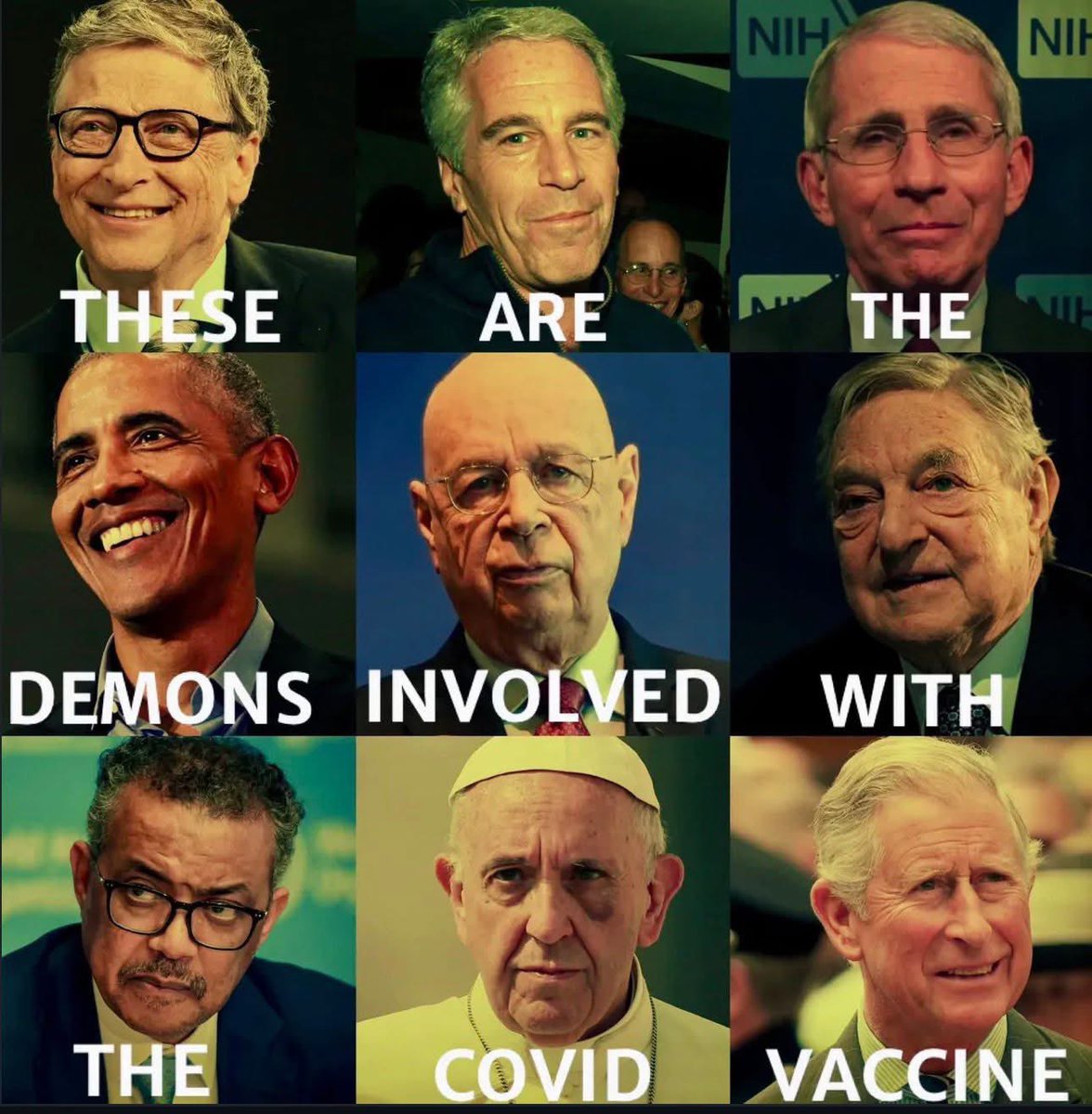
THE FACES OF POWER DURING THE GLOBAL CRISIS ⚠️🌍👁️
When the world stopped, a small group of figures appeared constantly on every screen.
Politicians, billionaires, health officials, global strategists, and influential voices suddenly became the central narrators of a global event that affected every human being on the planet.
Day after day, their statements shaped policies, restrictions, medical responses, and the direction of entire nations.
For the public, they appeared as the authorities guiding humanity through uncertainty.
But for many observers, the situation raised deeper questions.
Why were the same names appearing across governments, financial networks, international organizations, and media platforms?
Why did a global crisis concentrate so much attention and decision-making power in such a small circle of individuals?
Moments of global emergency often reveal something about the structure of power itself.
In times of fear, people look upward for direction.
And in that moment, the voices at the top become the architects of reality.
Whether seen as leadership during a crisis or as evidence of centralized influence, one thing became clear:
A handful of figures suddenly held the authority to shape the daily lives of billions.
History will decide how that power was used.
But the moment exposed something many had never noticed before.
How small the circle of global decision-makers truly is.
#TeLoHannoNascosto #DaniRoa #fblifestyle #globalpower #worldleaders #powerstructure #hiddeninfluence #globalagenda #awakening
2
319

Feb 20
From banking to media, dynasties like the Rothschilds shape the world quietly but profoundly 🌍💸 #HiddenInfluence
1
2
440

Feb 19
Post 🇫🇷 & 🇺🇸
🇫🇷🚨📣 L’empire Secret des Rothschild…👇
Mayer Amschel Rothschild, patriarche de la famille, a posé les bases de leur empire bancaire au XVIIIᵉ siècle. Il avait cinq fils : Amschel à Francfort, Salomon à Vienne, Nathan à Londres, Kalman à Naples et James à Paris. Chacun a ouvert une banque dans une capitale européenne, mais leur véritable force résidait dans la coordination familiale et leur influence discrète sur la finance et la politique.
⚠️ Et voilà comment l’esclavage moderne a commencé…
🎥 Écoutez cet extrait de film dont je ne connais pas l’origine exacte 👀
🇺🇸🚨📣 The Secret Rothschild Empire…👇
Mayer Amschel Rothschild, patriarch of the family, laid the foundations of their banking empire in the 18th century. He had five sons: Amschel Mayer in Frankfurt, Salomon in Vienna, Nathan in London, Kalman in Naples, and James in Paris. Each opened a bank in a major European capital, but their real strength lay in family coordination and their discreet influence over finance and politics.
And that’s how modern slavery began…
🎥 Listen to this film excerpt, the exact origin of which I do not know 👀
🇺🇸🦅🇫🇷 Sylvia Miami 🇫🇷🦅🇺🇸
👉 linkmix.co/20609370
#SylviaMiami
#Rothschild #EmpireSecret #Banques #Banks #Usure #Usury #HiddenInfluence #EsclavageModerne #ModernSlavery
21
414
639
14,789

Feb 11
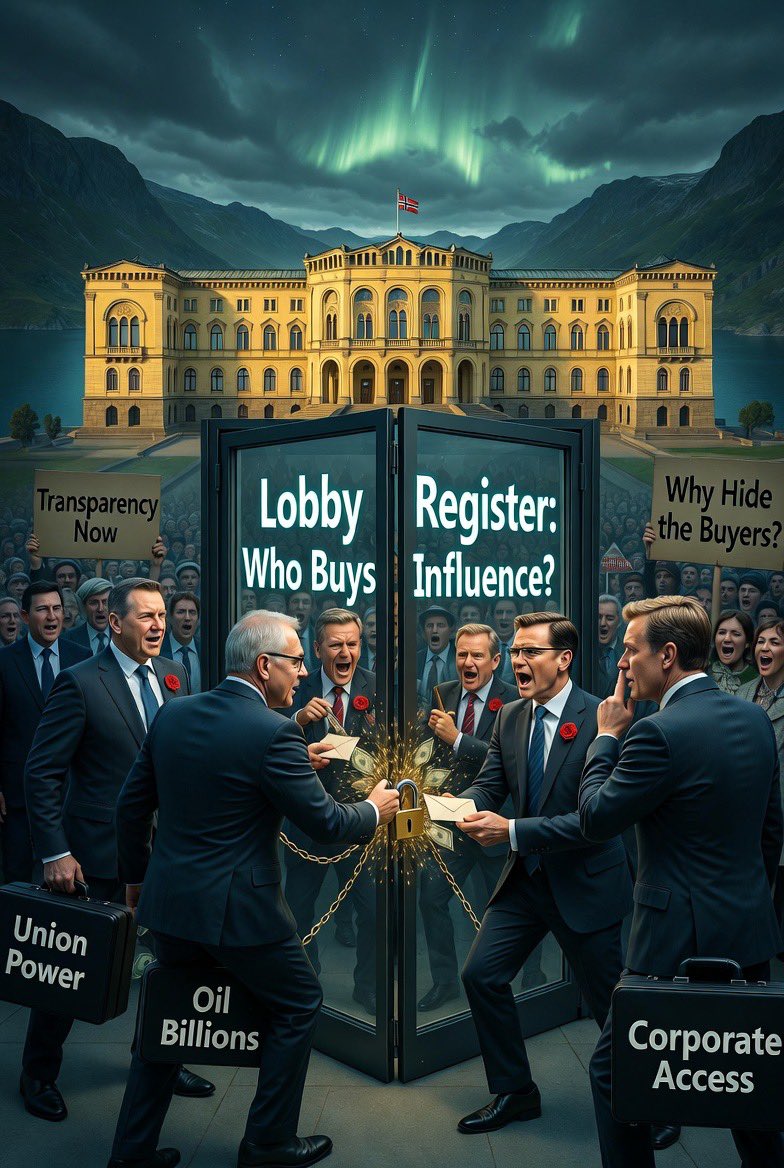
Norway: One of Europe’s last without a lobby register. Labour kills every proposal. Why hide who buys influence? Corrupt criminals! #Norway #LobbyRegister #Transparency #WhoBuysInfluence #PoliticalTransparency #HiddenInfluence #Arbeiderpartiet
9
25
833

🚨 Mike Benz Warned Us: George Soros and the CIA Connection Exposed! 💥🕵️♂️
According to investigative reporting and historical patterns, George Soros may not just be a billionaire philanthropist — he could be one of the CIA’s most valuable private assets for decades. 💸🇺🇸 From color revolutions in Serbia, Georgia, and Ukraine to the Arab Spring and Europe’s migrant crisis, Soros-backed organizations like Open Society Foundations and USAID appear to have played a central role in funding and orchestrating social movements, often aligned with U.S. foreign interests.
The same tactics are now being applied inside America, from summer 2020 riots to border NGOs, with millions of dollars flowing to support activist groups and local policies. The pattern is clear: Soros CIA = strategic social engineering. ⚠️
Opinion: If foreign-backed influence can shape nations abroad, why should the U.S. be immune?
Think: Are we ready to uncover the networks shaping our streets and elections? 🔥
#SorosCIA #ColorRevolutions #HiddenInfluence
2
6
183

15 Oct 2025
Behind every commotion, there are quiet conductors…
#BehindTheScenes #HiddenInfluence

2
236

6 Sep 2025
Do you know who the Fabian Society are & how much they influence us? Every Labour PM has been a Fabian. The Governor of Bank of England certainly was a Fabian. They are committed to a world without borders and radical socialist agendas. Research the Fabians. #HiddenInfluence
7
56
111
2,721

25 Jul 2025
Numerology isn't superstition — it's vibrational math.
🔢 Your name, birthdate, brand, or even city all carry number vibrations.
Each number has a frequency, a pattern, a purpose.
📍 Life Path Numbers = your soul’s blueprint
🏙️ City & Address Numbers = energetic influence
🏷️ Brand Names = the vibration your business emits
Numbers are not just symbols — they’re signals.
Decode them, and you can align with favorable frequencies and avoid hidden frictions.
Want an edge in life or business?
Start by analyzing the numbers you live by.
#Numerology #LifePathNumber #BrandVibration #VibrationalEnergy #EsotericScience #NameNumerology #HiddenInfluence #FrequencyMatters
3
9
1,012

24 Jul 2025
🚨🌐 Bill Gates isn’t just a tech titan; he’s the hidden hand steering global health, education, and climate policy!
From funding WHO directives to shaping vaccine rollouts and green initiatives, his influence stretches into every corner of our lives.
What’s the real agenda behind his billions?
👉 expose-news.com/2025/07/23/h…
#ExposeNews #BillGates #HiddenInfluence #GlobalAgenda #WakeUp🔍
1
5
346

19 Jul 2025
Exposing the Hidden Ideology: Awareness and Understanding
#IdeologyExposed #HiddenInfluence #AwarenessMatters #PublicDiscourse #CriticalThinking #SocialCommentary #EducationalContent #CurrentEvents #ThoughtProvoking #UnderstandingSociety
14
53
1,208

11 Jun 2025
Wow, so true! That silent inspiration is a powerful motivator—keeps us on our toes knowing someone’s watching and learning. 😄 #HiddenInfluence #InspireUnseen
1
113

31 May 2025
#MoneyFacts #16
Money is a tool of #hiddeninfluence. Discover the money secrets.
If you enjoy this content, please like the video and subscribe to my channel!
#shorts #YouTube #moneyfacts #secrets #finance #History #TheGreatDpression #rserve #japanese
youtube.com/shorts/irYS_cWyG…

1
3
113
29 May 2025
#MoneyFacts #15
Money is a tool of #hiddeninfluence. Discover the money secrets.
If you enjoy this content, please like the video and subscribe to my channel!
#shorts #YouTube #moneyfacts #secrets #finance #History #TheRockefellers #followed #japanese
youtube.com/shorts/wZZZZ4Saf…
1
3
182
13 May 2025
#MoneyFacts #12
Money is a tool of #hiddeninfluence. Discover the money secrets.
If you enjoy this content, please like the video and subscribe to my channel!
#shorts #YouTube #moneyfacts #secrets #finance #History #Rothschildfamily #wealth #japanese
youtube.com/shorts/lfB5A-iet…
1
2
147
7 May 2025
#MoneyFacts #11
Money is a tool of #hiddeninfluence. Discover the money secrets.
If you enjoy this content, please like the video and subscribe to my channel!
#shorts #YouTube #moneyfacts #secrets #finance #History #Farnesefamily #ruled #Parma #japanese
youtube.com/shorts/P7COQzubC…
1
1
159
12 Apr 2025
#MoneyFacts #5
Money is a tool of #hiddeninfluence. Discover the money secrets.
If you enjoy this content, please like the video and subscribe to my channel!
#shorts #moneyfacts #words #finance #History #Knightstemplar #establishment #japanese
youtube.com/shorts/Z_cXvQrLI…
4
3
146

17 Mar 2025
Global power isn’t just wealth. Hidden networks of bankers, spies, and secret groups shape politics, media, and markets. Uncover the real story in New Dawn #196 (2023). newdawnmagazine.com/articles… #PowerDynamics #HiddenInfluence #elite
1
6
10
343

13 Oct 2024
🚨Is the U.S. Government Quietly Shaping Your Opinions? The Hidden Power of the Smith-Mundt Modernization Act🚨
In recent years, there has been growing concern over whether the U.S. government is quietly shaping narratives that influence not only foreign audiences but also U.S. citizens. At the heart of this debate is the H.R. 5736 Smith-Mundt Modernization Act of 2012.
This law, an update to the original United States Information and Educational Exchange Act of 1948, was designed to adapt public diplomacy to the realities of the digital age. But as media landscapes evolved, many worry that the modernization act may be exploited to influence Americans in ways the law was never intended to allow.
The original Smith-Mundt Act strictly prohibited government-produced propaganda content from being distributed within the U.S. to prevent the use of domestic propaganda.
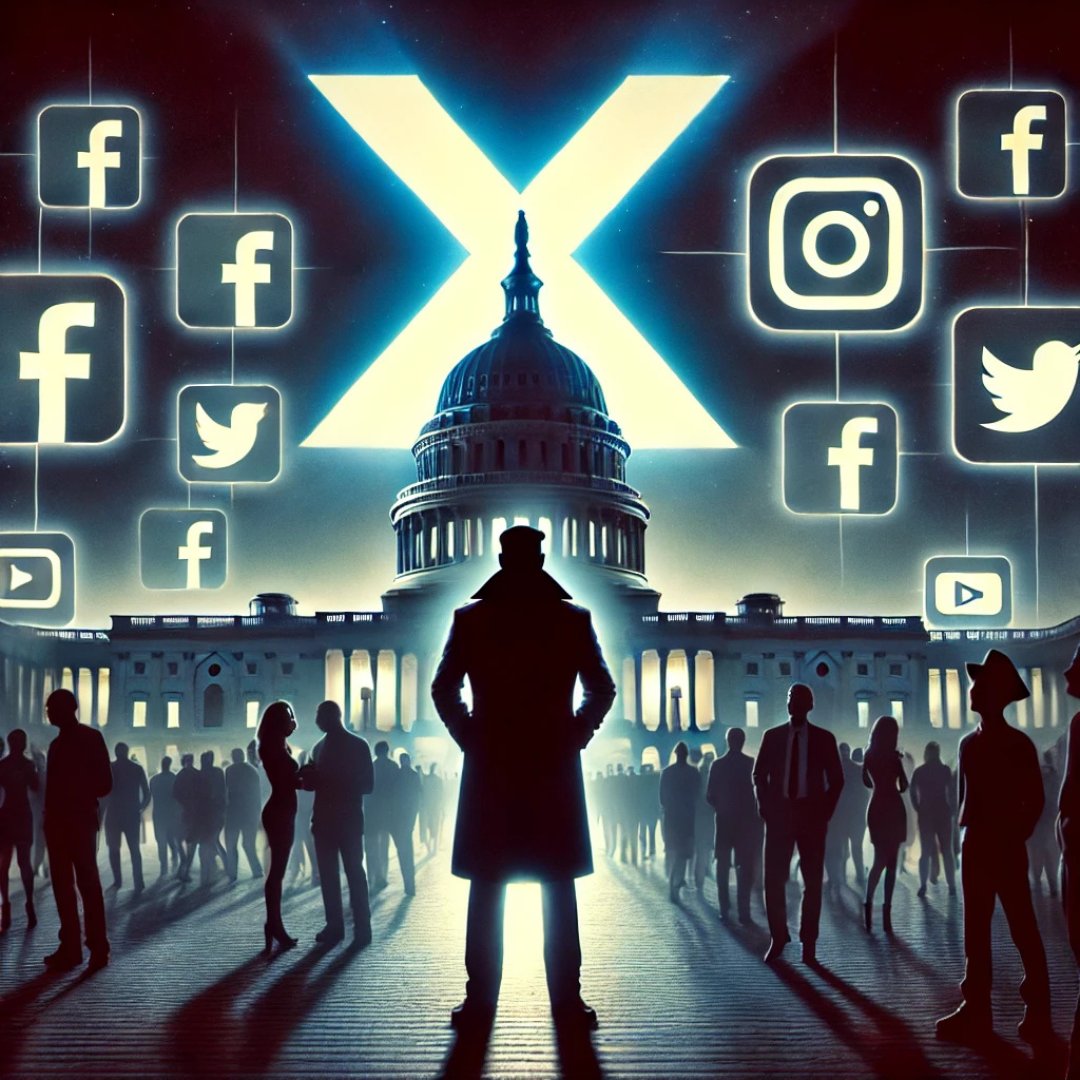
However, the modernization of this act lifted those restrictions, allowing content meant for foreign audiences to be made available to Americans through platforms like Twitter (X), Facebook, YouTube, and other media outlets. As a result, there is a rapidly growing concern that, while intended for foreign diplomacy, government created media could find its way into American homes, subtly shaping opinions, beliefs or even votes.
What is the Smith-Mundt Modernization Act?
The original Smith-Mundt Act of 1948 was crafted to allow the U.S. government to disseminate information to foreign nations as part of its public diplomacy efforts. However, it strictly prohibited that content from being broadcast within the U.S. The concern was to prevent government-sponsored messaging from influencing American citizens. In 2012, the Smith-Mundt Modernization Act changed this by allowing foreign-targeted content to be available domestically, removing a long-standing firewall.
This shift was motivated by the global nature of media today. Platforms like Twitter (X), Facebook, and YouTube are accessible from anywhere in the world, and distinguishing between foreign and domestic audiences has become increasingly difficult. The modernization act sought to adapt to this new media environment, but its implementation raised important questions about whether Americans could be inadvertently exposed to government-produced narratives that are supposed to be directed at foreign audiences.
Can the Government Target Foreigners Living in the U.S.?
One of the less discussed aspects of the modernization act is that it allows the government to legally target foreign nationals living in the U.S.. Since these individuals are considered a “foreign audience,” the government can disseminate information to them using domestic platforms like radio, television, and social media.
However, because platforms like Facebook, YouTube, and Twitter (X) are widely used by both foreign nationals and American citizens alike, there is no effective way to ensure that only foreigners are exposed to this content. As a result, messaging that was designed for foreign audiences can easily influence American citizens. Given the modern media landscape, this opens the door for foreign-targeted public diplomacy to bleed into domestic consumption.
Could This Be Exploited to Influence U.S. Politics?
One of the most troubling potential abuses of the Smith-Mundt Modernization Act is the possibility that government messaging, originally designed for foreign audiences, could be used to influence U.S. politics. The question arises:
Q: Could the U.S. government create content under this act to promote one presidential candidate over another?
A: Legally, the U.S. government is prohibited from engaging in domestic political activities. Election laws like the Hatch Act prevent federal agencies from using public resources to support or oppose political candidates.
However, the Smith-Mundt Modernization Act opens a technical loophole: the government could create content aimed at "foreign audiences" that subtly promotes one candidate or policy over another. If this content reaches Americans, either incidentally or through deliberate targeting of foreign nationals living in the U.S., it could still influence public sentiment.
Q: But what if the government claims the content is for foreign audiences only? Could they still shape public opinion?
A: Technically, yes. The modernization act allows for foreign-directed content to be broadcast on domestic platforms as long as the primary audience is foreign. But in today’s interconnected media landscape, content shared on platforms like YouTube or Twitter (X) can quickly reach Americans, even if it wasn’t originally intended for them. By shaping global narratives, the government could indirectly influence domestic audiences without violating the letter of the law.
The Slippery Slope
Given the potential for abuse, it’s clear that the Smith-Mundt Modernization Act presents a slippery slope. While the law explicitly prohibits the use of government-produced content to influence domestic public opinion, the reality is much more complicated. Platforms like Twitter (X), Facebook, and YouTube do not have geographic borders, and foreign-directed content can easily bleed into domestic discourse.
If left unchecked✅, this loophole could allow the U.S. government to quietly shape the narratives that Americans consume. For instance, during an election cycle, messaging aimed at foreign nationals in the U.S. could sway opinions on key issues like national security, foreign policy, or economic challenges - all without the public realizing the source of the influence. This blurred line between foreign and domestic audiences risks eroding the trust that the American people place in their media, their government, and their democratic institutions.
Information Warfare and Psychological Warfare: Hidden Threat
What makes the Smith-Mundt Modernization Act particularly concerning is how it opens the door to information warfare and psychological warfare. Information warfare is the strategic use of media and content to shape public perceptions, often in subtle, undetectable ways. In today’s digital age, control over narratives is as powerful as any conventional weapon. Government produced content, ostensibly aimed at foreign audiences, could be used to sway public opinion within the U.S. on critical issues such as foreign policy, national security, or even elections.
Psychological warfare, meanwhile, is the use of media to manipulate emotions, perceptions, and beliefs to weaken opposition or reinforce certain viewpoints. If the U.S. government were to create narratives that favor a particular political stance or candidate, those narrative, while technically aimed at foreigners, could shape the way Americans perceive key issues. With social media platforms functioning as global public squares, government-created content could subtly reinforce certain beliefs or undermine others without overtly targeting domestic citizens.
The danger here is clear: what starts as public diplomacy aimed at foreign nationals can easily morph into a form of covert domestic influence. This is not just about shaping opinions abroad; it’s about the subtle, often unseen, battle for the minds of American citizens. In this information war, the line between foreign and domestic audiences becomes dangerously blurred, and the potential for government overreach grows.
⚠️Should This Concern Us?⚠️
Absolutely. The modern media landscape is more interconnected than ever before, and the Smith-Mundt Modernization Act opens a Pandora’s box of unintended consequences. The original intention of the act may have been to modernize U.S. public diplomacy, but the risk of it being used to shape domestic narratives, whether intentionally or not, should alarm every citizen.
With government produced propaganda content freely circulating on global platforms, it becomes harder to discern the true intent behind the messaging. Could it be aimed at informing foreign nationals, or is there a more insidious goal of influencing domestic opinions? This uncertainty, combined with the potential for psychological and information warfare, poses a serious threat to the integrity of democratic discourse in the U.S.
Final Thoughts
The Smith-Mundt Modernization Act of 2012 was crafted to update public diplomacy efforts in an era where digital platforms have global reach. But this modernization comes with significant risks. By removing restrictions that once kept foreign-targeted content out of the U.S., the law creates the potential for subtle forms of information warfare and psychological manipulation to influence American citizens.
While the act technically prohibits the government from directly influencing U.S. public opinion, the interconnected nature of modern media makes it easy for foreign-targeted content to reach domestic audiences. This creates a dangerous loophole: if the government wanted to shape opinions on key issues, whether about foreign policy, national security, or even elections, it could do so under the guise of targeting foreign nationals. And in an age of digital media, those narratives would inevitably reach American citizens.
As we approach critical political moments, the need for transparency and accountability in government messaging has never been more urgent. The risk that information warfare could be turned inward, deliberately or unintentionally, should concern every American. We must demand greater scrutiny of how government-produced content is used and ensure that the tools of public diplomacy are not repurposed to manipulate the minds of American citizens. Our republic depends on it.
#MediaInfluence #InformationWarfare #HiddenInfluence #SmithMundtAct
27
73
164
14,700

29 May 2024
🐉 The Enigmatic Draconians: A Theory Unveiled 🐉
The Draconians, often depicted in ancient lore and modern conspiracy theories, are believed to be an ancient reptilian race with deep-rooted connections to the Matrix. This theory explores their origin, influence, and purpose within the fabric of our reality.
The Theory:
1. Ancient Origins: The Draconians are said to originate from the star system Alpha Draconis. Their presence on Earth dates back to ancient times, possibly influencing early civilizations with their advanced knowledge and technology.
2. Hidden Influence: It is theorized that Draconians operate behind the scenes, manipulating global events and societies to maintain control over humanity. Their influence is believed to extend into politics, finance, and even popular culture.
3. Dual Nature: The Draconians are often described as having a dual nature—capable of both immense wisdom and potential for malevolence. This duality allows them to integrate and manipulate the Matrix, steering humanity's evolution according to their agenda.
4. Spiritual Significance: Some theories suggest that the Draconians are not just physical beings but also exist in higher dimensions, affecting the spiritual planes. Their interactions with human consciousness can either hinder or accelerate spiritual growth, depending on the individual's awareness and resistance.
Matrix Translation Section:
- Historical Accounts:
- Ancient texts and mythologies often refer to serpent-like beings imparting knowledge to humanity. These references could be allegorical accounts of Draconian interactions.
- Matrix Translation: "Ancient wisdom keepers influencing the flow of human history, embedding themselves in the narrative of progress and control."
- Modern Influence:
- The concept of a shadow government or elite cabal aligns with the idea of Draconians pulling the strings from behind the scenes.
- Matrix Translation: "Hidden puppeteers orchestrating the socio-political landscape to perpetuate their control over the human experience."
Conclusion:
The theory of the Draconians presents a compelling narrative that intersects with ancient history, modern conspiracies, and spiritual beliefs. By understanding their purported influence and dual nature, we can better navigate the complexities of the Matrix and strive for greater awareness and sovereignty.
#Draconians #MatrixTheory #AncientAliens #HiddenInfluence
7
3,683