
May 10
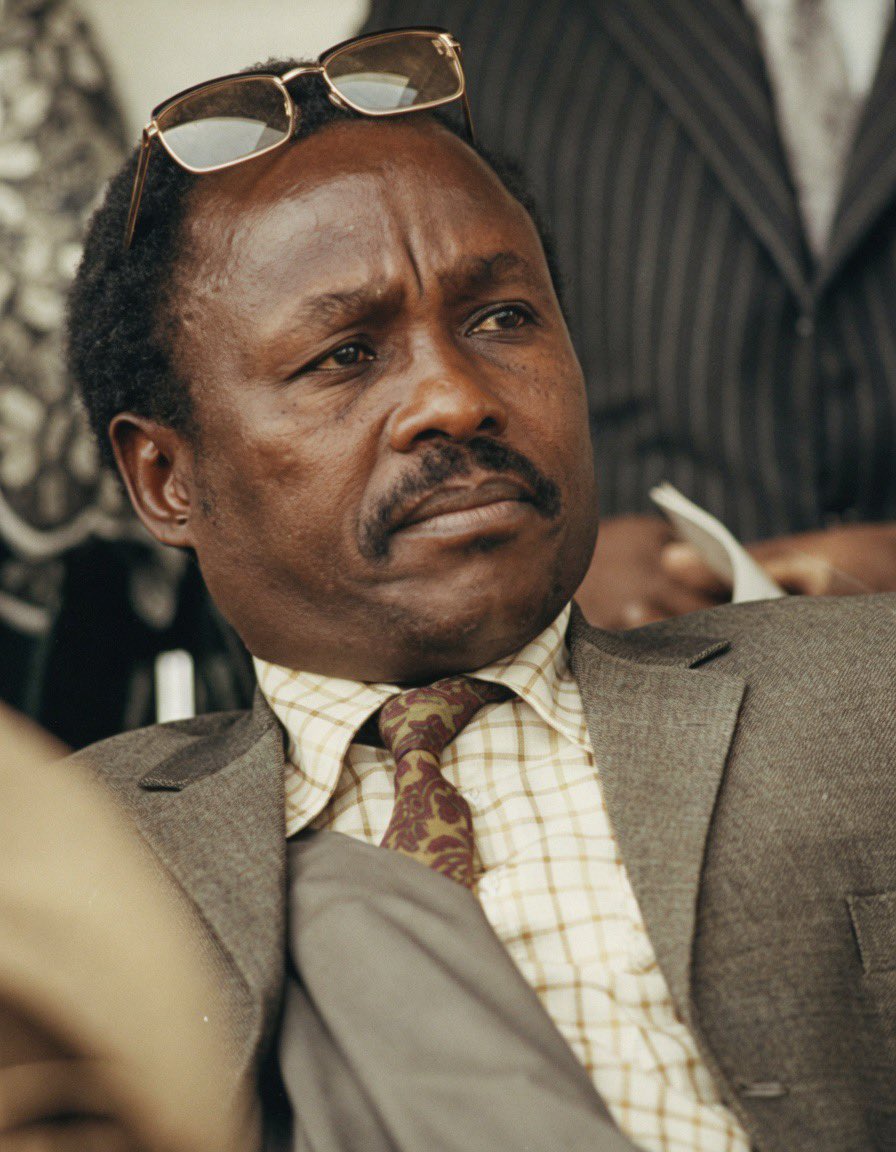
#HistoryKEThread: Dr. Elisha Kipyegon Taitta Arap Toweett
——
Not much is written about the man who preferred to be called Taitta arap Towett.
He not only served as cabinet minister in Mzee Jomo Kenyatta‘s government, but also served in the last British Governor’s cabinet.
1/n
5
44
123
15,995
22 Sep 2023
#HistoryKeThread: Roosevelt’s Diary - 1909
————
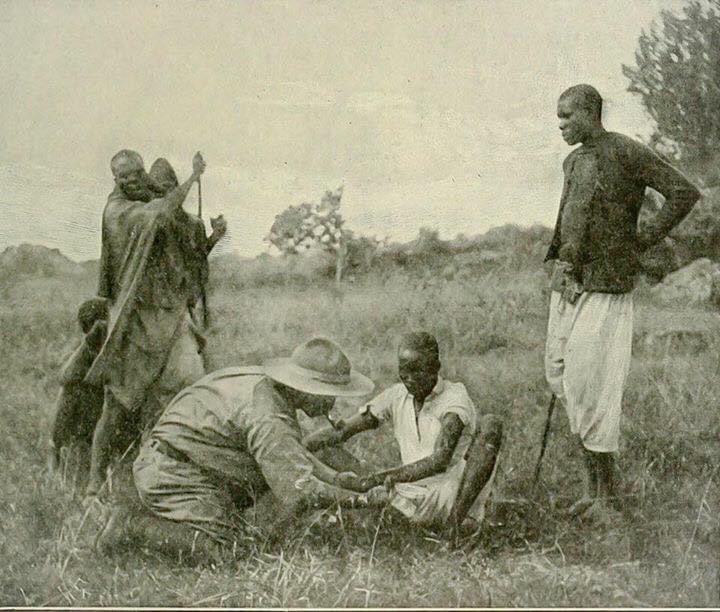
In the enclosed pic, retired US President Theodore Roosevelt attends to one of his porters who had been mauled by a wild animal.
After his 1909 adventure tour of Kenya, Roosevelt penned his observations of various communities working at MacMillan's farm in Juja, Kenya, at the time.
He wrote thus:
"...most of the boys who took care of the horses, were Somalis, whereas the cattle keepers who tended the herds of cattle were Maasai, and the men and women who worked in the fields were Kikuyus.
The three races had nothing to do with one another, and the few Indians had nothing to do with any of them.
The Kikuyus lived in their beehive huts scattered in small groups; the Somalis all dwelt in their own little village on one side of the farm; and half a mile off the Maasai dwelt in their village.
Both the Somalis and Maasai were fine, daring fellows; the Somalis were Mohammedans and horsemen; the Masai were cattle herders, who did their work as they did their fighting, on foot, and were wild heathen of the most martial type.
They looked carefully after the cattle, and were delighted to join in the chase of dangerous game, but regular work they thoroughly despised.
Sometimes when we had gathered a mass of Kikuyus or of our own porters together to do some job, two or three Maasai would stroll up to look on with curiosity, sword in belt and great spear in hand. Their features were well cut, their hair curiously plaited, and they had the erect carriage and fearless bearing that naturally go with a soldierly race...."
- Excerpts from 'Theodore Roosevelt: African Game Trails’.
9
31
99
20,305
20 Sep 2023
#HistoryKeThread: Moi’s Awkward Promotions
————-
After he took over the reins of leadership in 1978, late President Moi made unprecedented changes in the armed forces that distorted the regular hierarchical order of military command.
In November of that year Moi promoted Maj. Gen. Jackson Mulinge from army commander to Lieutenant-General and Chief of General Staff, the very role in the armed forces that President Jomo Kenyatta had abolished in 1971.
Brigadier Kathuka Nzioka, another Kamba, replaced Mulinge as army commander.
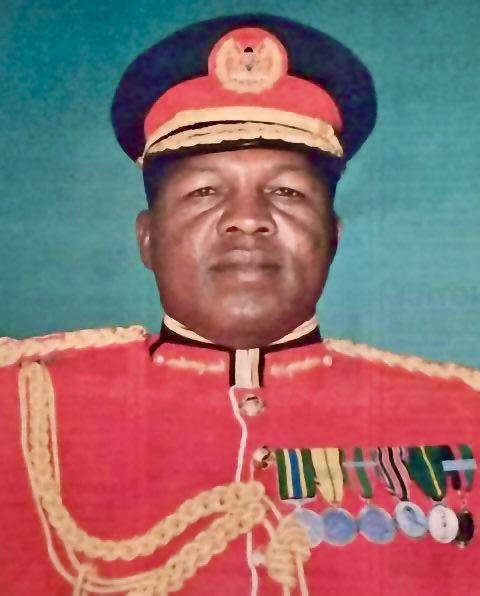
At the time, Lieutenant-Colonel John Malan Sawe (pictured), a Kalenjin, was head of the transport services. He was promoted to deputy army commander, creating an awkward situation in which a Lt. Col. commanded Brigadiers, who were superior in rank.
Three Brigadiers, including Lucas Matu, were then retired to head various parastatals, clearing the way for Sawe, who within one year (1979) had in quick succession been propelled from a Lt. Col. to a Brigadier.
Matu died in suspicious circumstances soon afterwards. There were mutterings of tribalism when Nzioka also died in 1979 and Sawe was promoted to head the army, having jumped from Lieutenant Colonel to Major General in a year.
5
38
95
33,298
2 Sep 2023
#HistoryKeThread: Karûri wa Gakure
—————
After Kinoo, westwards along the Nairobi-Nakuru highway is a place called Karûri.
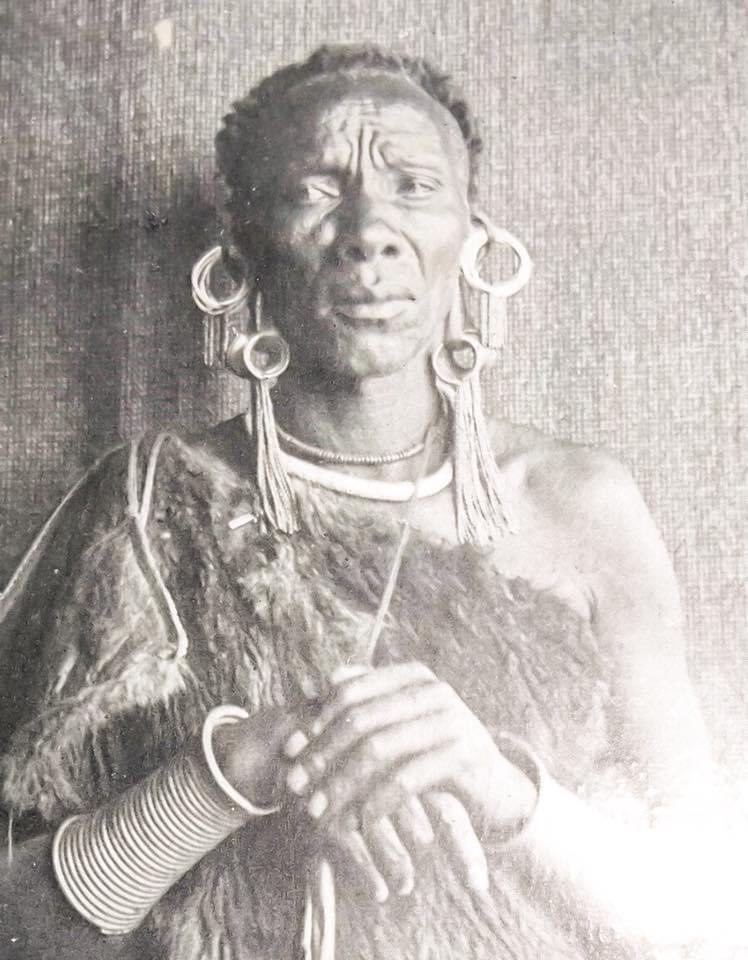
It was named after Agîkûyû chief Karûri wa Gakure (pictured) from Kangema, in present-day Murang'a county.
Chief Karûri made trading trips from his village, trudging with his caravan along the edge of the Aberdares towards Kijabe and Naivasha.
Interestingly, Field Marshal Mbaria Kaniu followed the same route from Kangema to lead Mau Mau activities in Naivasha.
Some early English explorers like the self-proclaimed King Of The Wakikuyu, John Boyes, traded wares like cloth and mirrors with him in exchange for guides or security.
Karûri also traded in ivory, with Arabs providing the markets for the commodity. The bulk of the ivory was sourced from elephants roaming the vast Aberdares ecosystem.
Some reports say Karûri had the mien of a king, and was carried aloft in turns by his subjects. That’s according to Boyes, who once stumbled on the chief’s caravan in the Aberdare forests.
As Karûri’s fame grew, some chiefs, such as Chief Wangombe Wa Ihura of present-day Mathìra, Nyeri, grew envious.
At one time Chief Wang’ombe raided and burnt villages that were under Karûri’s jurisdiction, inflicting a heavy loss on the enemy. There are some reports that Chief Wang’ombe‘s warriors were backed by morans of the Laikipia Maasai.
The attacks on Karûri caught his warriors off guard. He lost a lot of men and prized possessions of cattle and goats. To avert further loss, Karûri decided to evacuate some of his best remaining warriors deep in the forests of the Aberdares.
After Wang’ombe retreated back to his country with the war loot, Karûri was so devastated that he began to plot his own revenge.
The ensuing revenge attacks were so vicious on Wang’ombe’s chiefdom that he capitulated, opting to call for a truce.
Boyes, whom the Agîkûyû nicknamed Karîanjahî (owing to his alleged love for a diet of cowpeas), made reference to these wars in his book, The King Of The Wakikuyu.
He claims to have fought on Karûri’s side in the revenge attacks and perhaps with a tinge of exaggeration, spares little effort to ascribe the resulting victory to his martial guidance.
The author also describes his involvement in the rapprochement talks between the two warring parties.
Excerpts:
“Within a few days all the stolen property was restored to its original owners, causing much rejoicing among them, as they had, of course, never expected to see any of it again. Of course, I took precautions to see that no friction occurred during the process of retransferring the recovered property, and having invited some of the chief men of both districts to my camp, we got on quite friendly terms.....
...Seeing them sitting, eating and drinking together amicably, it was difficult to imagine that they had been cutting one another’s throats only a few days previously, but the Kikuyu, like many other African races, are remarkably changeable, and their temper can never be relied upon. As I learnt during my stay among them, they are both fickle and treacherous, and had it not been for my own people (Karûri’s men), I should have run great risk of being killed on several occasions, through trusting them too much....”
We also learn that Boyes relied a lot on Karûri in ivory trade with Arabs. Karûri himself took part in some of the caravans to Kikuyu and Fort Smith.
According to lore, along his many caravan safaris, Karûri courted, and subsequently betrothed, a number of young girls.
He often preferred that his caravan take a break at a spot in Karûri, which is what the area ended up being named.
A part-time medicineman, he was popular with the southern Agîkûyû as he helped prepare arrow poison for them in their wars against the Maasai.
Cont’d 👇🏽
11
123
275
59,195
24 Aug 2023
#HistoryKeThread: Sharpened Senses Of The Mau Mau
———————
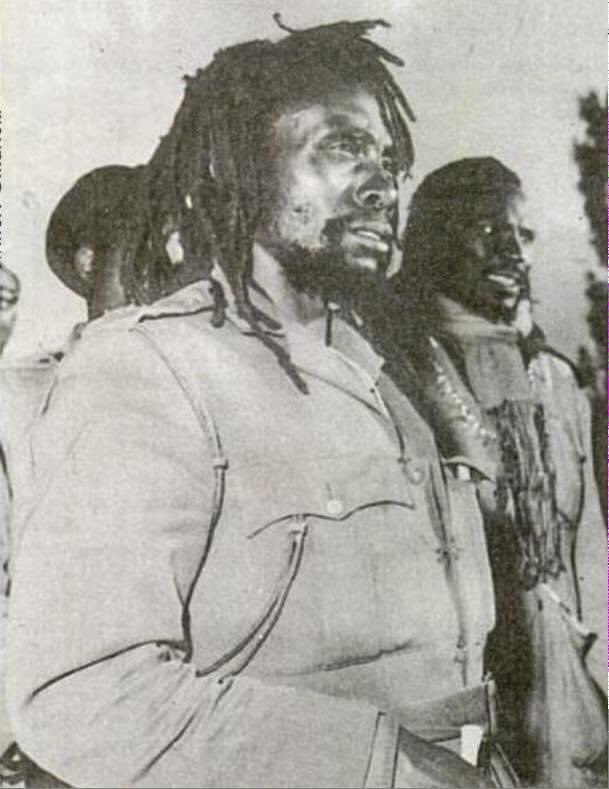
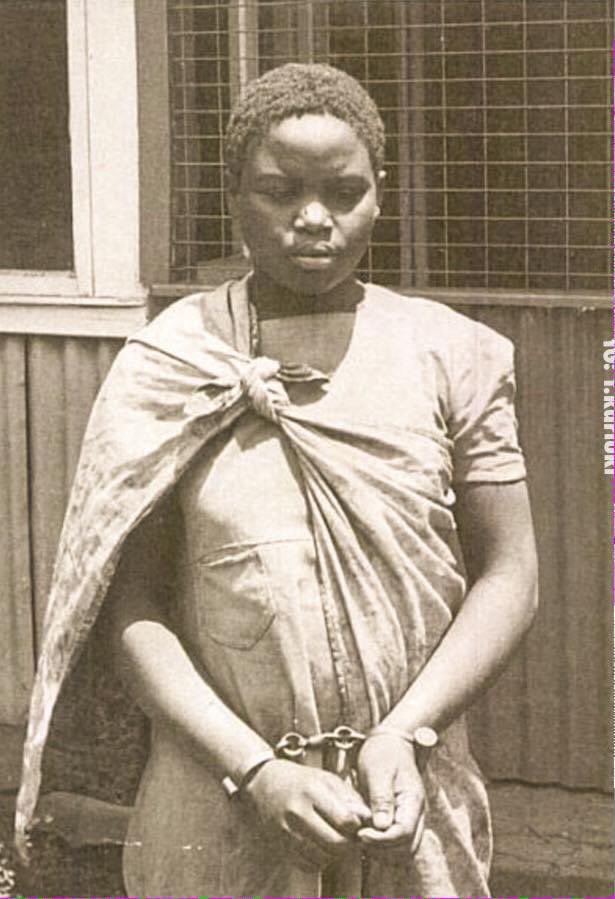
Enclosed is a photo of #MauMau Gen. Kariba and, next, that of an unknown female freedom fighter after they were captured together in Mount Kenya forest in 1954.
Kariba was subsequently convicted and hanged.
Stories abound in Mount Kenya region about how freedom fighters' senses adapted after they started living in the forests. Life was different when they emerged, too.
For example, while living in the forest, some freedom fighters developed strong senses of smell and hearing.
When they reconnected with their families after independence, they had an unusually strong way of detecting even the least discernible of scents.
One former freedom fighter interviewed in 2004 said that they knew colonial troops were stalking them when they could detect the smell of cigarette smoke from deeper in the forest.
Some Mau Mau could also detect subtle sounds from a distance, especially at night.
Villagers concluded that the forest environment conditioned the freedom fighters’ senses. The fact that they maintained silence in the forest meant that their sense of hearing strengthened over time.
Also, we know of one ex-freedom fighter from Murang’a who emerged from the forest after independence unable to speak normally.
Till death, he only spoke in whispers. Locals reported that freedom fighters invariably spoke in whispers while in the forests. This, of course, was so their voices couldn't give them away to the enemy.
Owing to the time spent hiding in silence in the forests of the Aberdares, the mzee's vocal cords may have irreversibly adapted.
2
18
35
4,479
22 Aug 2023
#HistoryKeThread: 𝗡𝗶𝗴𝗵𝘁 𝗩𝗶𝘀𝗶𝘁𝗼𝗿𝘀 𝗧𝗼 𝗧𝗵𝗲 𝗠𝗮𝘂𝘀𝗼𝗹𝗲𝘂𝗺
—————-
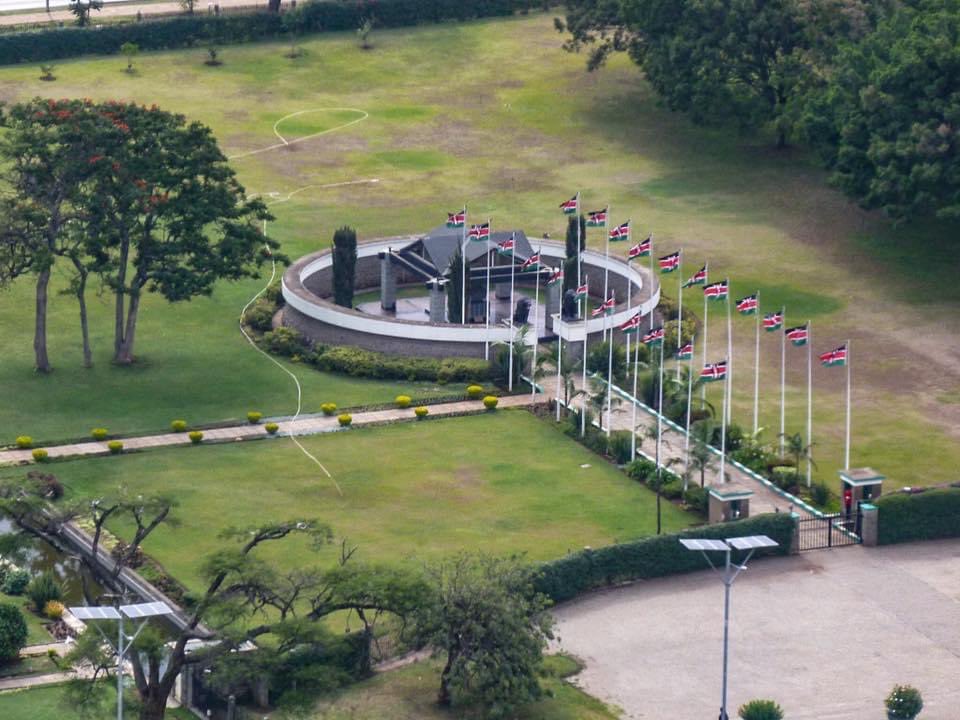
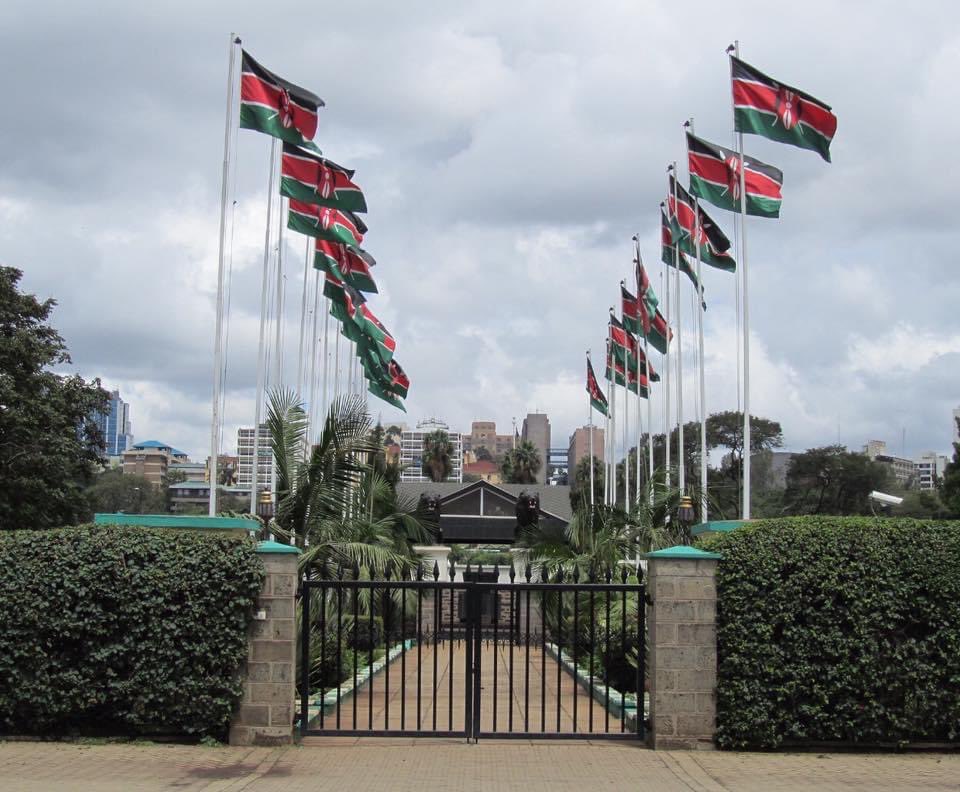
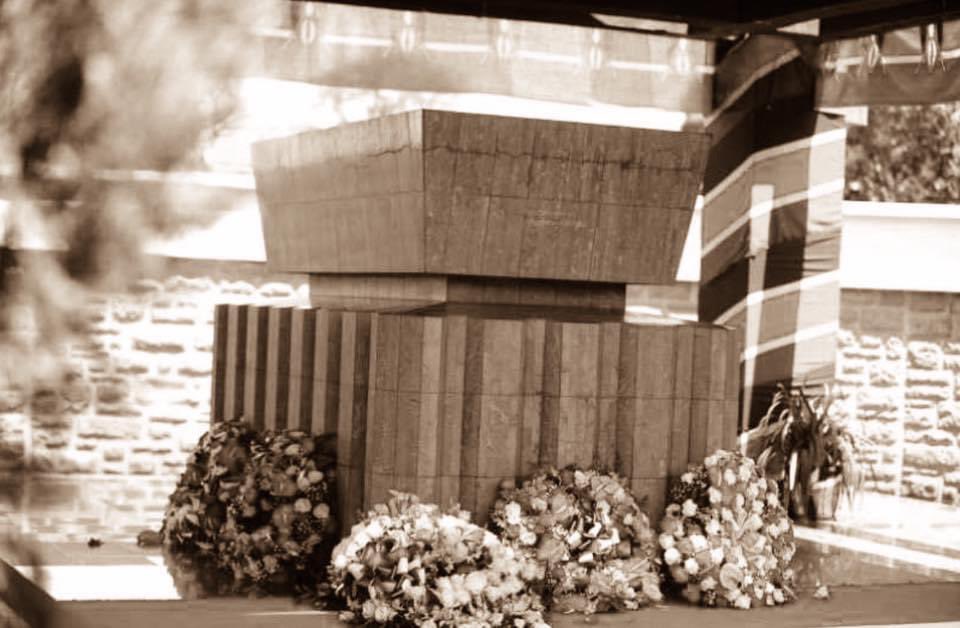
Three months after Mzee Kenyatta died, in November of 1978, his mausoleum played host to unusual visitors one Sunday night.
What is known is that Lt. Gen (Rtd) Daniel Opande, then a Lieutenant Colonel, received a call from Kenya’s military chief, Gen. Mulinge. The latter wanted to know who was the commanding officer of the army unit responsible for guard duties at the mausoleum.
Mulinge instructed Opande that the Director of Medical Services, Dr. Eric N. Mngola, would call him to provide details for the retrieval of the body of Mzee Kenyatta. Opande was to oversee execution of the request. He was further ordered to report back to Mulinge as soon as the exercise was over.
Shortly after Gen. Mulinge’s call, Dr. Mngola telephoned Opande. The doctor asked to meet with Opande at the mausoleum the following night (Sunday).
Dr. Mngola had previously served as Mzee’s personal doctor.
At 9.30pm on the material Sunday night, Dr. Mngola met with Lt. Col. Opande and a Major Kamiti, the Commanding Officer of the Company responsible for military guard duties at the mausoleum.
They watched as a number of soldiers spent some time meticulously retrieving Mzee’s casket from the mausoleum.
It was then placed in a waiting military ambulance and rushed to the City Mortuary, where there were attendants on standby.
They were led by a pathologist, one Dr. Rao.
Opande watched from a distance as the attendants removed Mzee’s body from the casket and, according to him, placed it on “a large table draped with a clean white sheet”.
“I watched carefully as they cleaned the remains that appeared very well maintained....”, Opande wrote in his autobiography.
Beyond the above description, Opande doesn’t provide further detail about what happened at the mortuary that night.
But whatever activity it was, it did not take much time as Mzee’s body was returned to the casket and rushed back to the Mausoleum after spending an hour at the mortuary.
According to The Standard, Mzee Kenyatta’s mausoleum consists of solid granite walls. There was a Bill in Parliament in 2018 seeking to have this and other monuments made accessible to the public for a fee.
Does anyone know what happened to this Bill?
2
13
29
5,916
19 Aug 2023
#HistoryKeThread: Karambu’s Burning Spear
———-
Soon after the end of World War II, the killing of a colonial officer by an African caused a stir in the white community of Kenya.
The victim was Hugh Murray Grant, who had served as a colonial administrator from 1930. Between 1921 and 1925, he served in the KAR.
His colleagues described him as hot-tempered, impetuous, "wont to jumping into rash conclusions."
In enforcing a 1946 cattle cull order by the colonial government in Narok, where he was the District Commissioner, Grant and his livestock officer bought cattle from Maasai Chiefs.
However, at one point, the local community didn't produce their herd for culling. So under his command, the police seized 28 head of cattle for purchase.
Protesting Maasai sought to exchange some of the confiscated cattle with others. This plea was turned down.
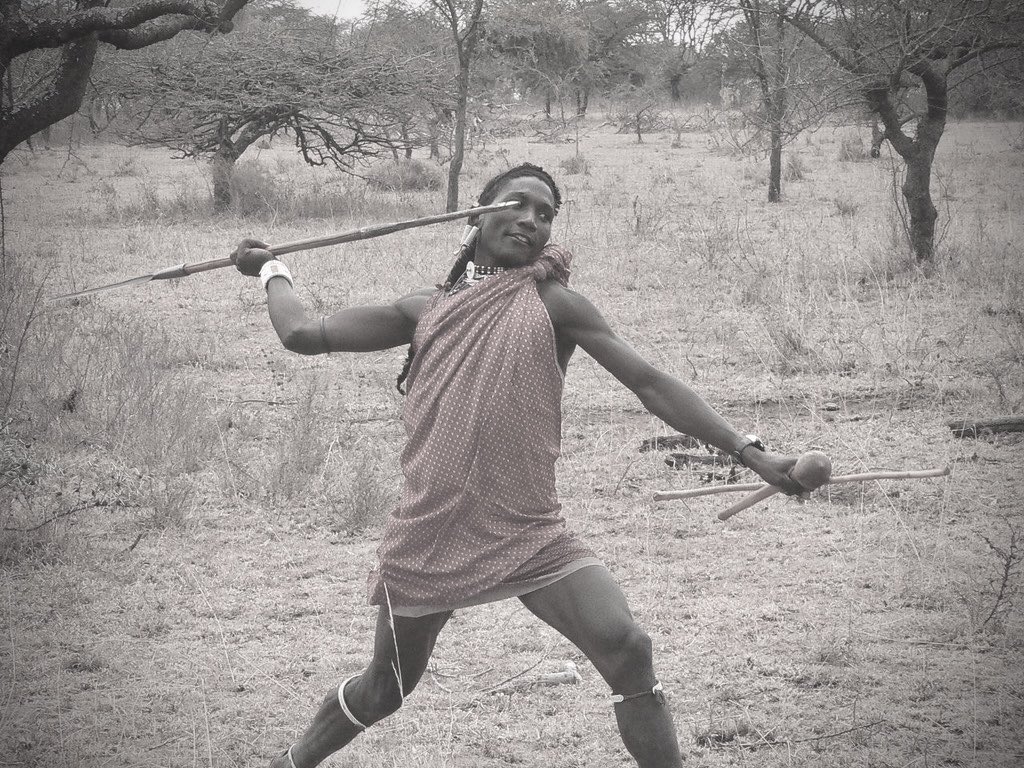
A young moran, Karambu ole Sendeyo, who was absent at the time the objections were made, appeared later and bitterly remonstrated about his confiscated herd.
But Grant would not relent. The decision was final.
Frustrated and angry, the moran threw his seven foot-long spear at Grant. The spear went right through Grant's torso, killing him instantly.
Fo the killing, the Governor fined the local Maasai community 500 bulls along with £2,000 in cash which was supposed to be paid to Grant's wife. Karambu was tried, found guilty, and executed.
6
32
92
25,794
10 Aug 2023
#HistoryKeThread: Pioneer Jewish Settlers In Kenya
——-
The Uganda railway triggered a wave of immigrants from India. Many of them came to Kenya as railway labourers, others as traders, all courtesy of Britain.
When the railhead neared Kisumu, a ship set sail from India, docking in Mombasa in 1899 with a man who, although a citizen of India, was actually Jewish.
His name was J. Marcus. He was the first Jew to settle in Kenya.
He got into the business of transporting and selling local produce, mainly potatoes. With time, more Jews began arriving. By 1902, they were a sizeable community of a handful of families.
In 1905, a Zionist commission arrived in Kenya to investigate the possibility of a Jewish homeland in the Uasin Gishu Plateau.
At the time, Uasin Gishu and Western Kenya in general, including Port Florence (Kisumu), were part of the Uganda Protectorate.
For this reason, the idea to settle Jews in East Africa was often referred to as “The Uganda Plan”.
For fear of losing out on what they deemed to be their legitimate homeland in Palestine, Jewish leaders through the Zionist Congress rejected the Uganda Plan. This was in 1907.
Nevertheless, Jewish families continued to trickle into Kenya.
In 1908, the Nairobi Hebrew Congregation (NHC), which exists to this day, purchased some land and began to build a synagogue.
The aim was to ensure that the community had a sacred place in which to hold burial and worship services. The land that was bought is the spot on which the Nairobi synagogue stands today.
The post-World War I years brought an economic boost to the country.
Avraham Block, originally from Russia and one of four Jews who had been part of the commission to the Uasin Gishu Plateau, purchased the Norfolk Hotel (close to the synagogue) after leaving farming behind.
He started the Block Hotels empire.
The 1920s saw an influx of more Jews arriving to make Kenya their home. Among them were the seven siblings of the Somen family led by their patriarch, Israel Somen.
Still more Jewish refugees fleeing Hitler's anti-Semitic rhetoric and subsequent persecution in Europe arrived in the late 1930s. Come the 1940s, Nairobi was teeming with hundreds of Jews, who were assimilated into ordinary 'white' life in those colonial days.
In fact, as a manifestation of the extent to which Jews were integrated to normal life in Kenya, Israel Somen was elected mayor of Nairobi in 1955.
It is also worth noting that Jews were considered white by the colonial regime. This was not unusual considering that majority of them had immigrated from various parts of Europe in the first place.
Among other immigrants were Abraham and Rachel Szlapak, who were second hand clothes dealers initially, before becoming hoteliers.
The Szlapaks started Fairview Hotel.
By the 1950s, there were Jewish families engaged in diverse businesses and farming around the country, including Nakuru and Kitale.
Though the Jewish community in Kenya is small, their participation in various spheres of social development has been significant and influential.
Amiran, Access Kenya, Norfolk Hotel,
Kenol Kobil (also associated with the late Nicholas Biwott), HZ Young Construction and Westgate Mall are among past or present corporate icons of Jewish enterprise in Kenya.
1
1
21
6,131
9 Aug 2023
#HistoryKeThread: Kenya’s Candle In The Wind
—————-
In August of 1997, Diana Princess of Wales died of injuries sustained in a road crash.
1
4
9
8,701

8 Aug 2023
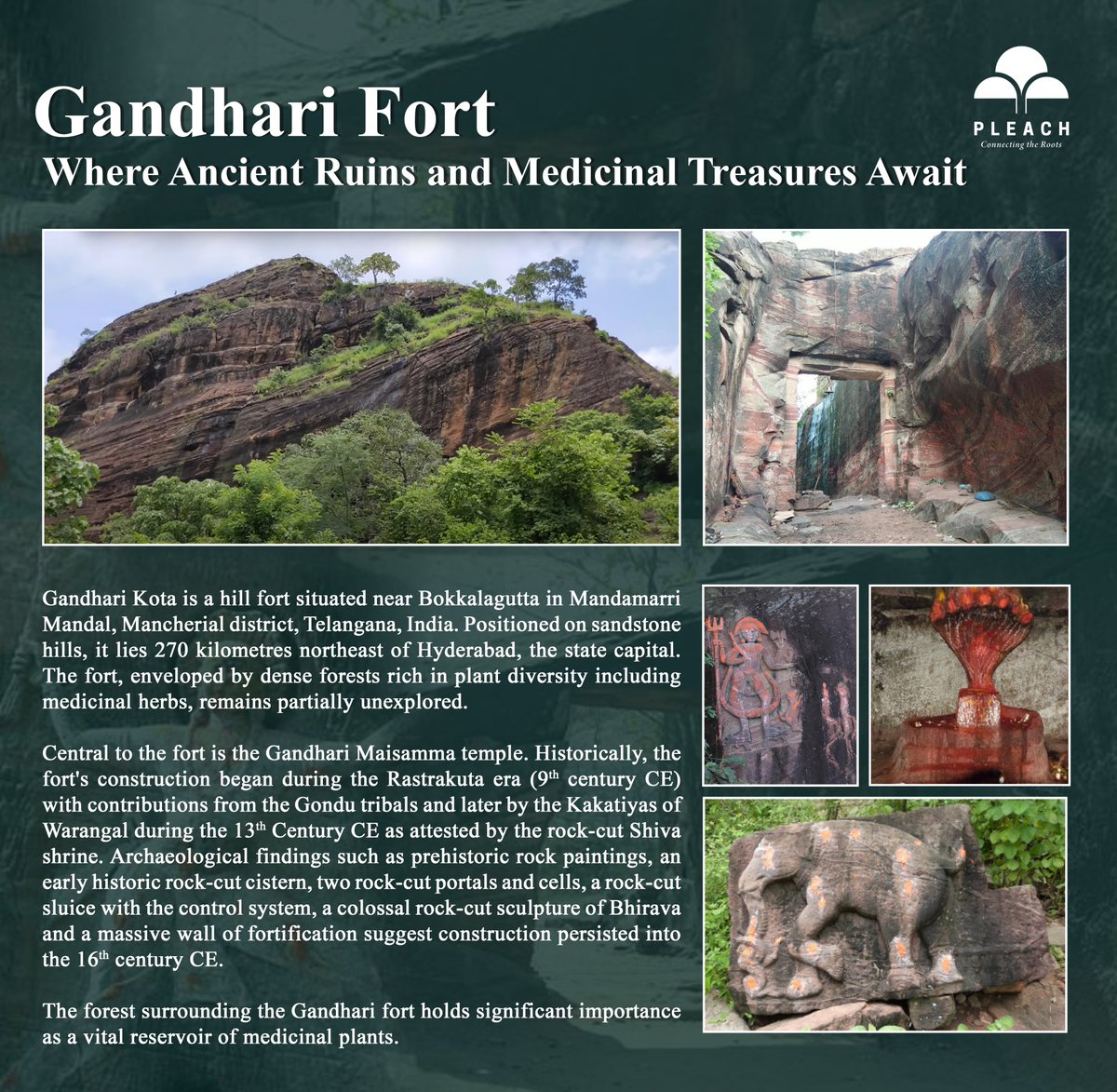
Nestled in a dense expanse of forest, lies a formidable fortification which has been witness to the legacies of eminent dynasties such as the #Rashtrakutas (9th Cen. CE), Gonds, and #Kakatiyas (14th Cen. CE).
The #lush #landscape surrounding the site has valuable medicinal flora creating a harmonious blend of cultural heritage and natural beauty. This is none other than the Gandhari Fort of #Telangana.
#HiddenGems #heritage #archaeohistories #archaeology #Telugu #HistoryKeThread
1
1
4
179
7 Aug 2023
#HistoryKeThread: 1998 Stood Tall
———
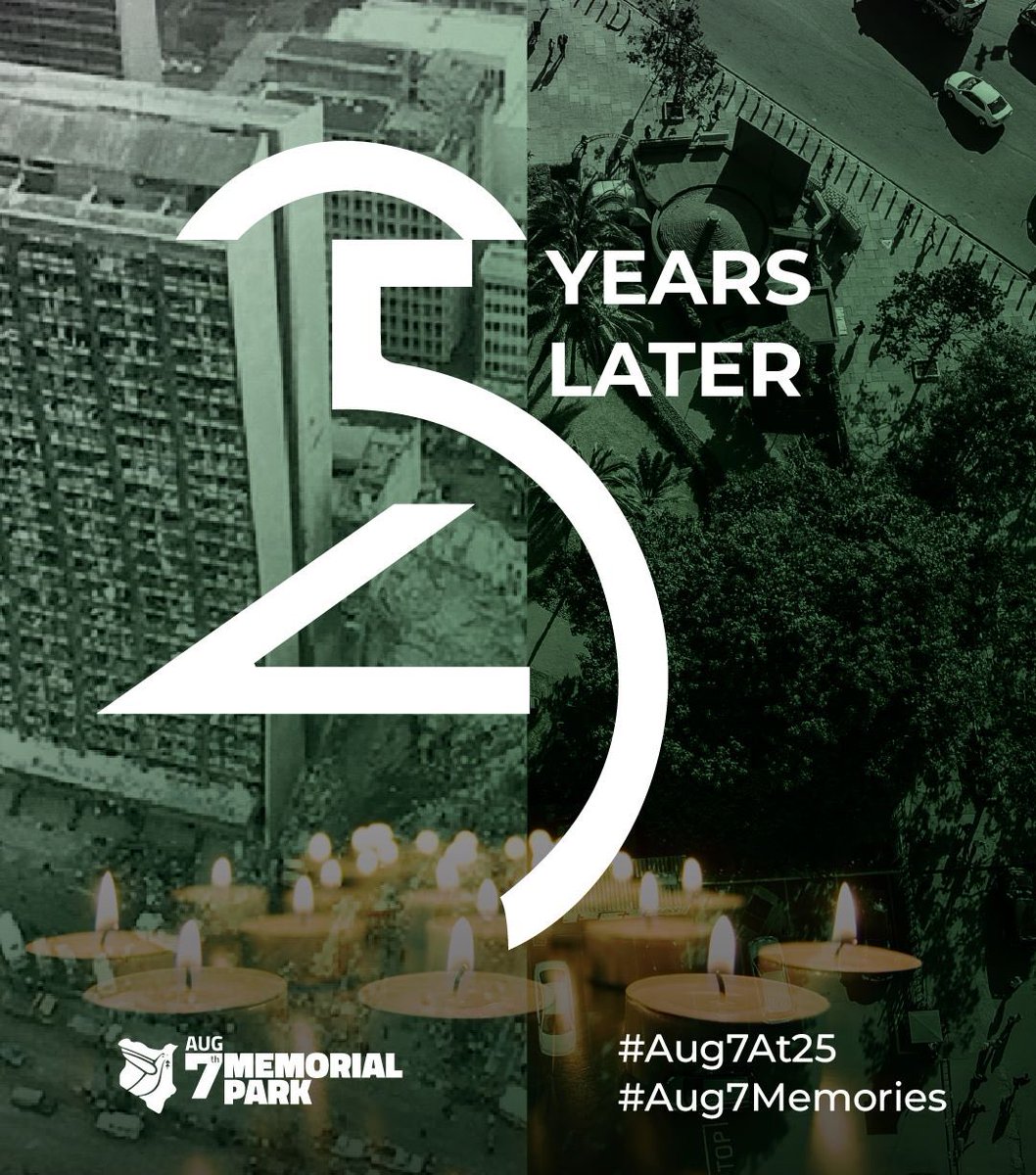
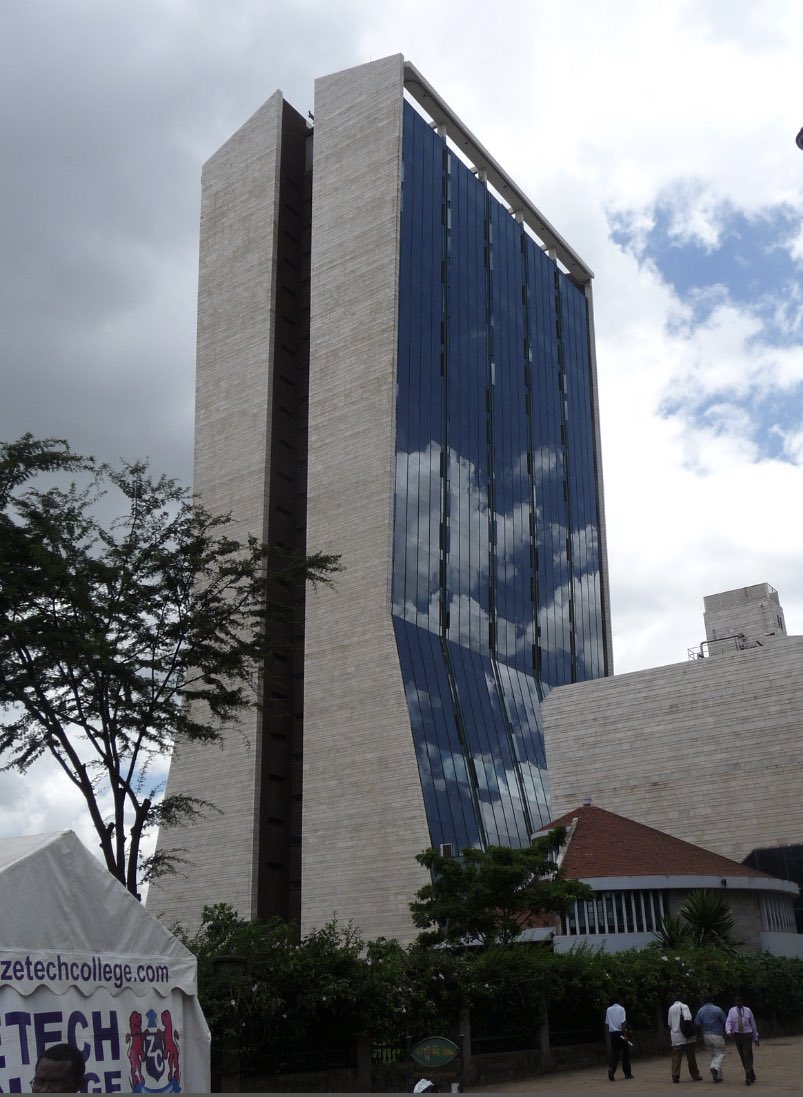
Just what kind of year was 1998, the year when Nairobi shook, rocked by a bomb explosion at the U.S Embassy building?
#Aug7At25 #Aug7Memories
7
41
107
41,263

4 Aug 2023
Thread by @HistoryKe: "1/ : Bildad Kaggia 2/ Bildad Kaggia was born in 1921 in Dagoretti, where his father, Mwaganu, worked. His family, howeom Fort Hall district (Murang’a). 3/ Through his book, Roots of Freedom, Kaggia gave us a gl […]"#HistoryKeThread threadreaderapp.com/thread/9…
4
125
31 Jul 2023
#HistoryKeThread: Titbits On 1982 Coup d’etat
——-
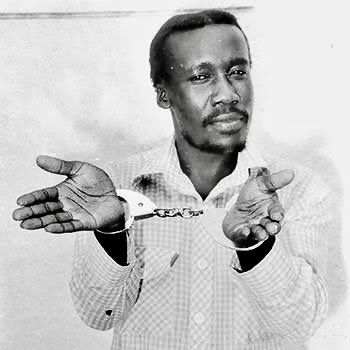
41 years ago today, junior officers of the Kenya Air Force led by Senior Private Hezekiah Ochuka (pictured) attempted, and failed, to overthrow the government of President Daniel arap Moi.
5
28
83
26,617
31 Jul 2023
#HistoryKeThread: The Nyayo Dungeons
———
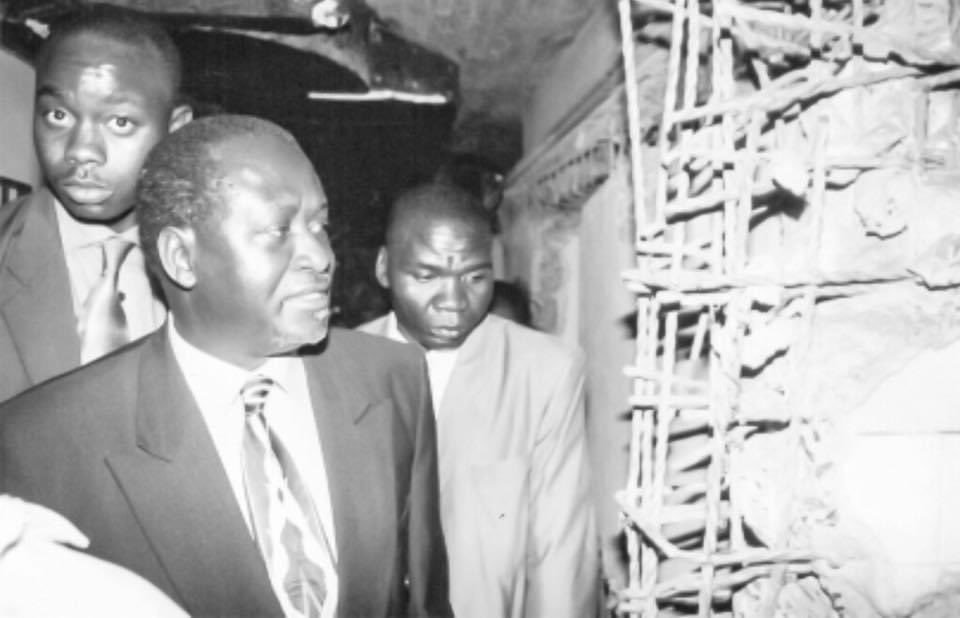
Raila Odinga accompanied by his late son Fidel on a tour of the Nyayo House torture chambers in 2002. The veteran politician was also incarcerated here.
2
17
106
22,071
10 Jul 2023
#HistoryKeThread: Titbits On Pokomo
———-
Did you know that the tune of Kenya’s national anthem was based on a traditional Pokomo lullaby?
Well, let’s wake up to a few historical facts about the fishing and farming Bantu community found on the lower banks of the Tana River.
2
15
29
10,670
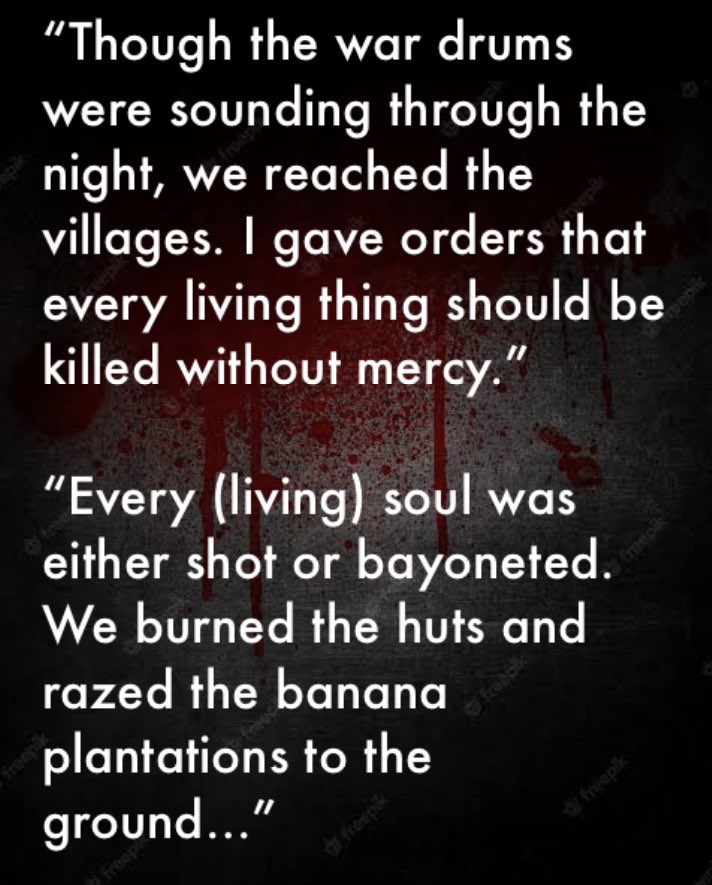
7 Jul 2023
#HistoryKeThread: Tom Mboya pictorial thread coming up - following several requests.
👇🏽
4
22
39
16,890
6 Jul 2023
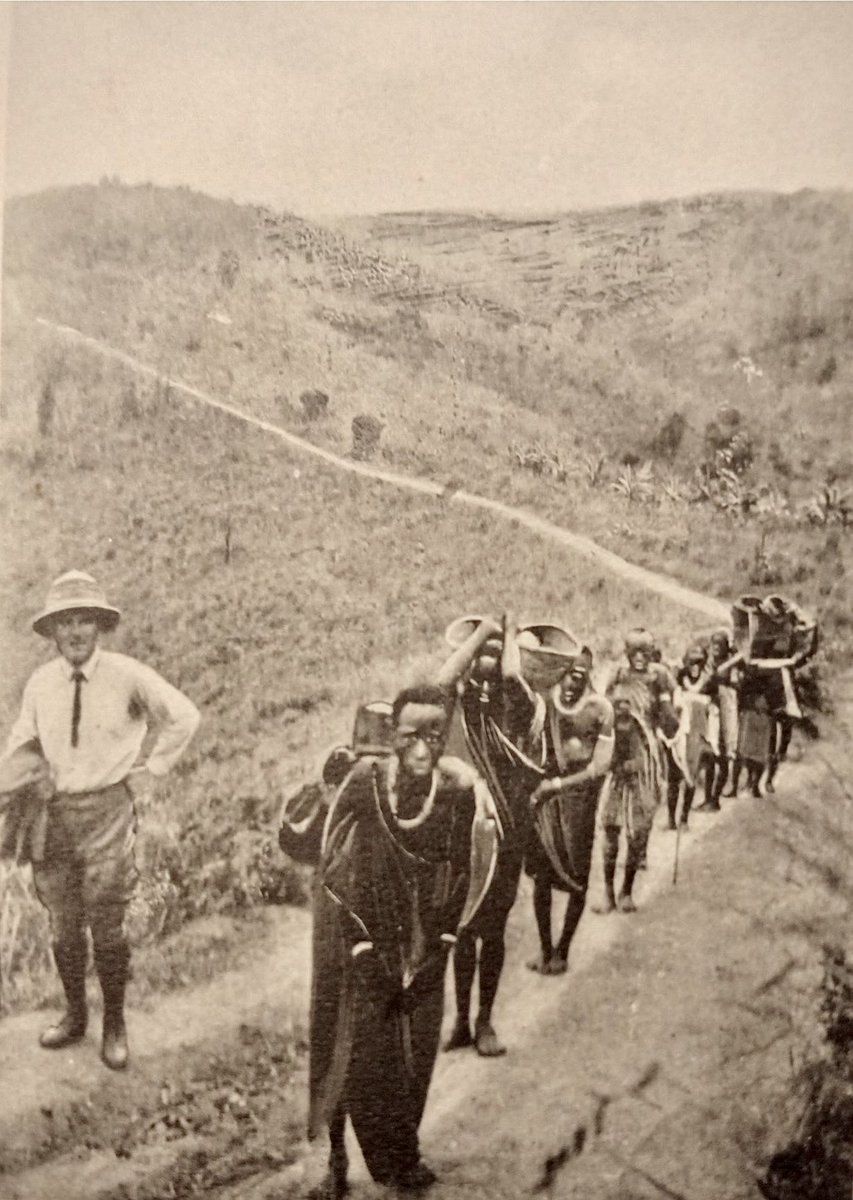
#HistoryKeThread: Stranger Beware
———
On some occasions, early wazungu visitors to Kenya imperiled their lives by undertaking innocuous acts that the locals weren't familiar with. Some of the visitors actually got killed.
1
22
96
25,280
20 Jun 2023
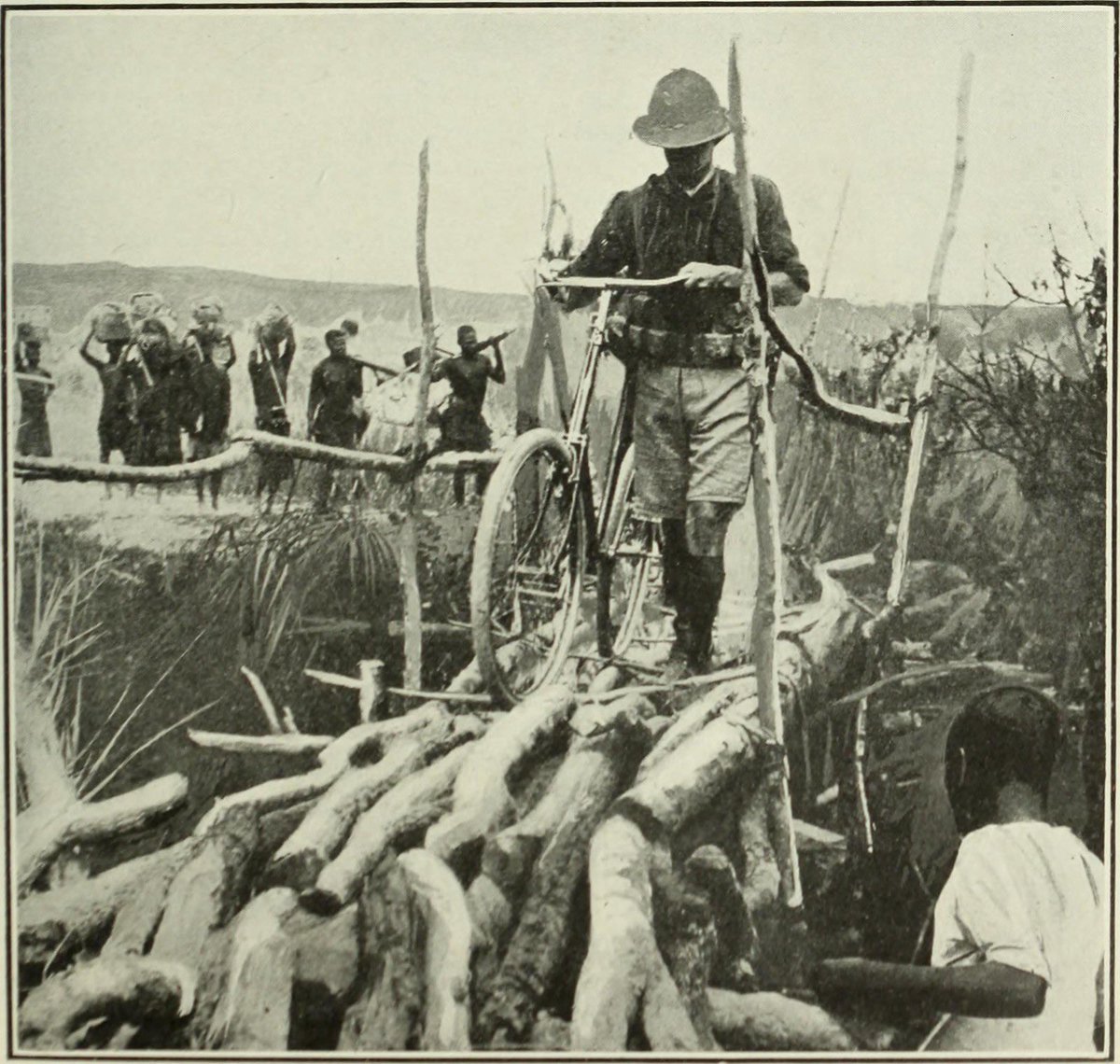
#HistoryKeThread: World War 1 Action In Kenya
----
Many people believe that WW1 action in Kenya was primarily focused around Taveta.
5
49
117
39,327