
Most roof problems don't start with a leak.
They start long before you can see them.
That's why staying proactive matters.
📍PA License #PA36262
🌐 greenawaltroofing.com
#GreenawaltRoofing #DidYouKnow #RoofingTips #ProtectWhatMatters #HomeownerTips #PennsylvaniaHomes
3

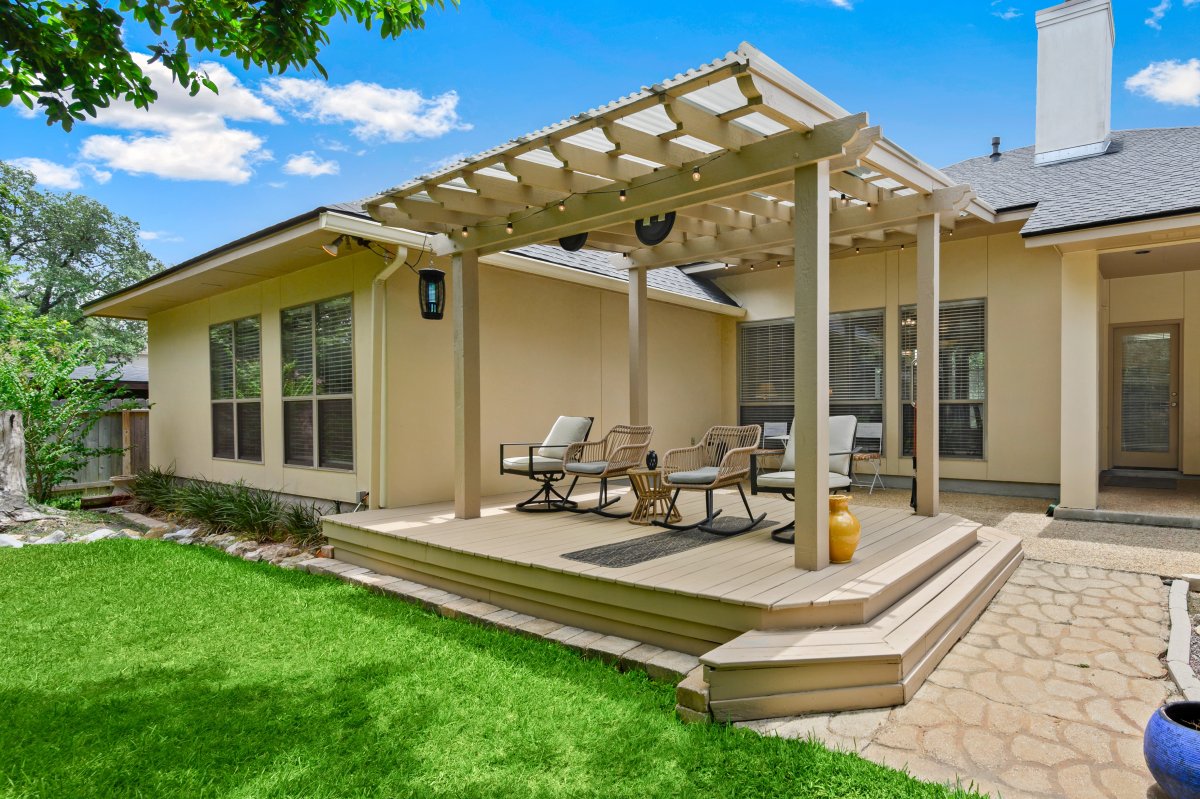
4 Imperative Things to Think About Before Buying a House With a Deck dlvr.it/TT2KMt 👉 Reveal Your ROI bit.ly/MyHomeAI 👈 #HomeBuying #RealEstate #DeckInspection #PropertyValue #HomeOwnerTips
1
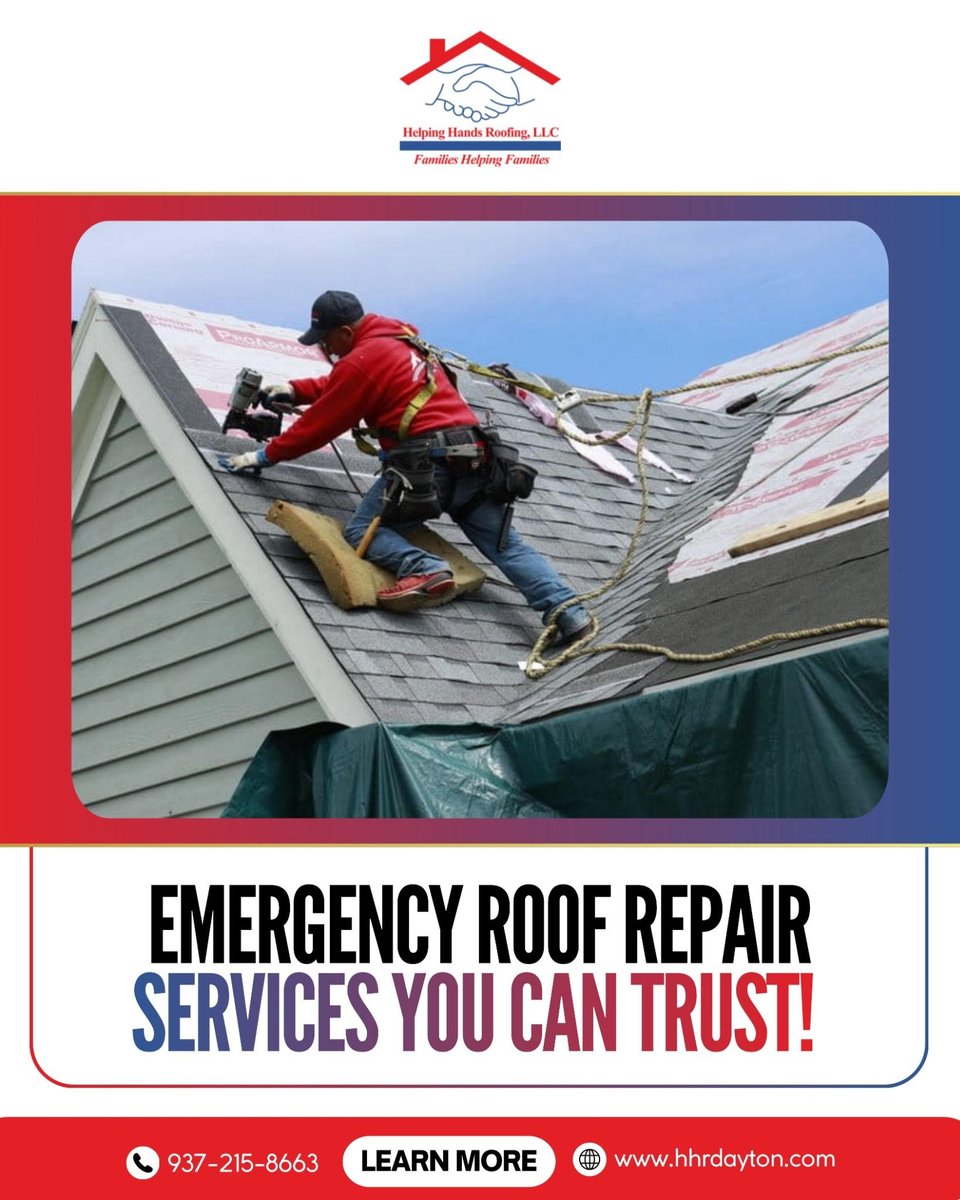
Did you know Helping Hands Roofing delivers emergency roof repair services protecting homes from leaks and storm damage anytime?
.
#RoofRepair #RoofReplacement #RoofDamage #HomeMaintenance #HomeownerTips #RoofInspection #LeakingRoof #RoofingContractor #ProtectYourHome
10

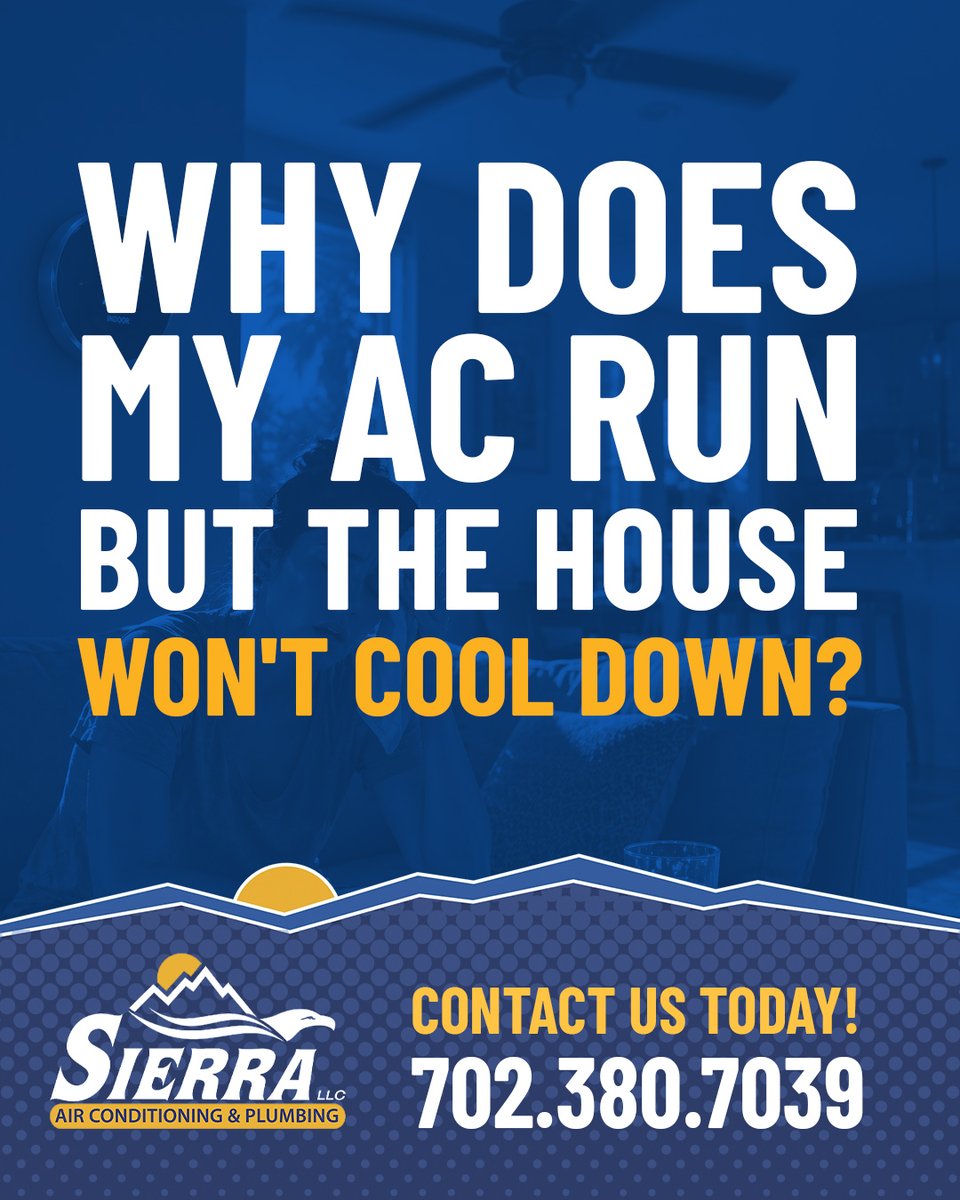
This is one of the most common calls we get. From dirty air blocking the airflow to duct leaks, each one has a fix. Don't just suffer through it.
Call us for a diagnostic, same day available!
📞 702.380.7039
#HVACProblems #LasVegasHVAC #ACRepair #HomeOwnerTips
7

Florida homeowners: your insurance may NOT cover tree damage if the tree was already dead or diseased before the storm. Regular maintenance protects more than just your yard. 🌳 protreetrim.com #HomeownerTips #FloridaInsurance #TreeRemoval
4

3 things every homeowner should know:
🏠 Track your mortgage renewal date
🔧 Fix small issues before they become big ones
💰 Know how much equity you've built
A little planning today can save a lot of stress tomorrow.
#HomeownerTips #Homeownership #MortgageTips

Jun 12
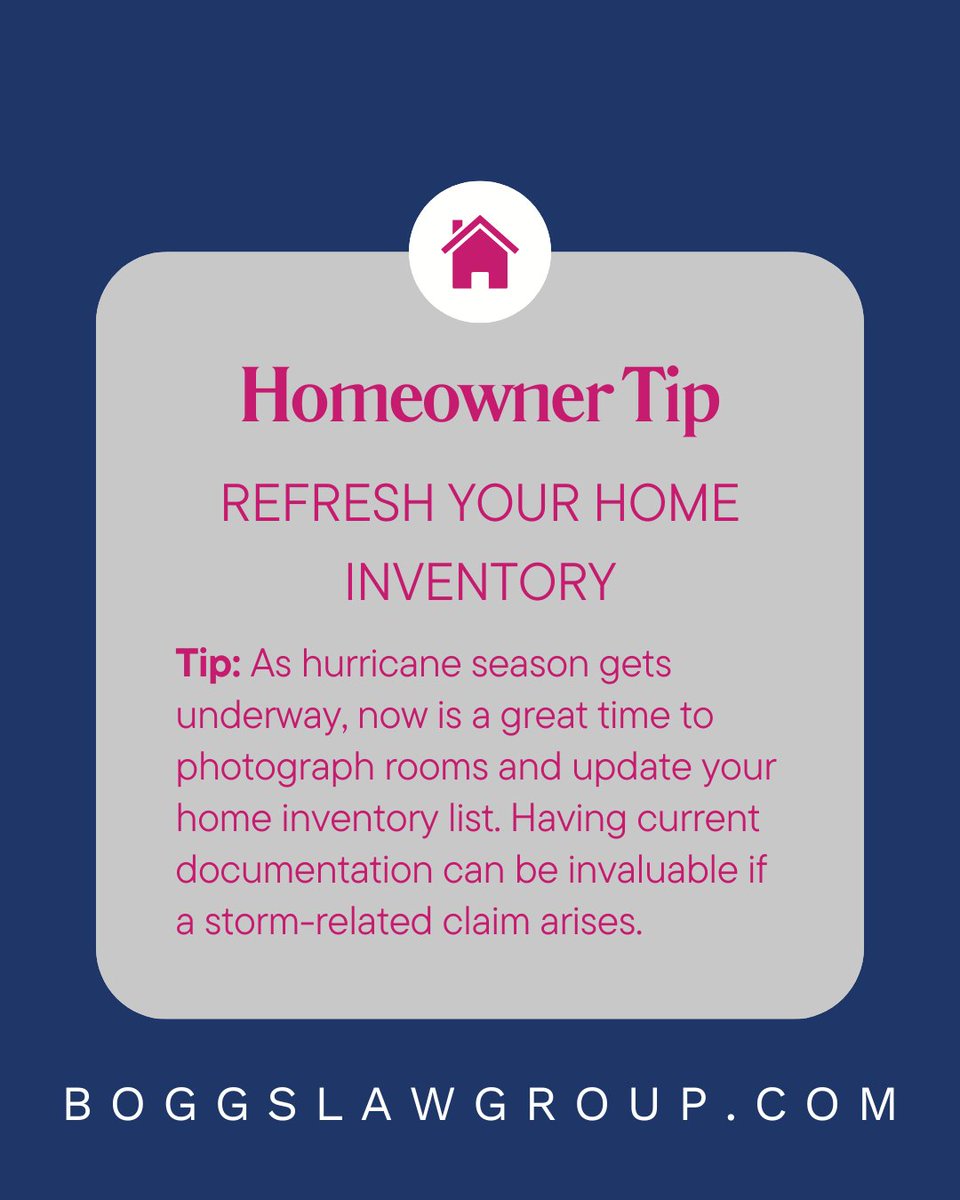
☀️ Homeowner Tip: Is your home inventory ready for summer?
Snap photos of each room, update your list, and document valuables now. Accurate records can make all the difference if you need to file a storm-related claim.
#HomeownerTips #StormPreparedness #HomeInventory
3

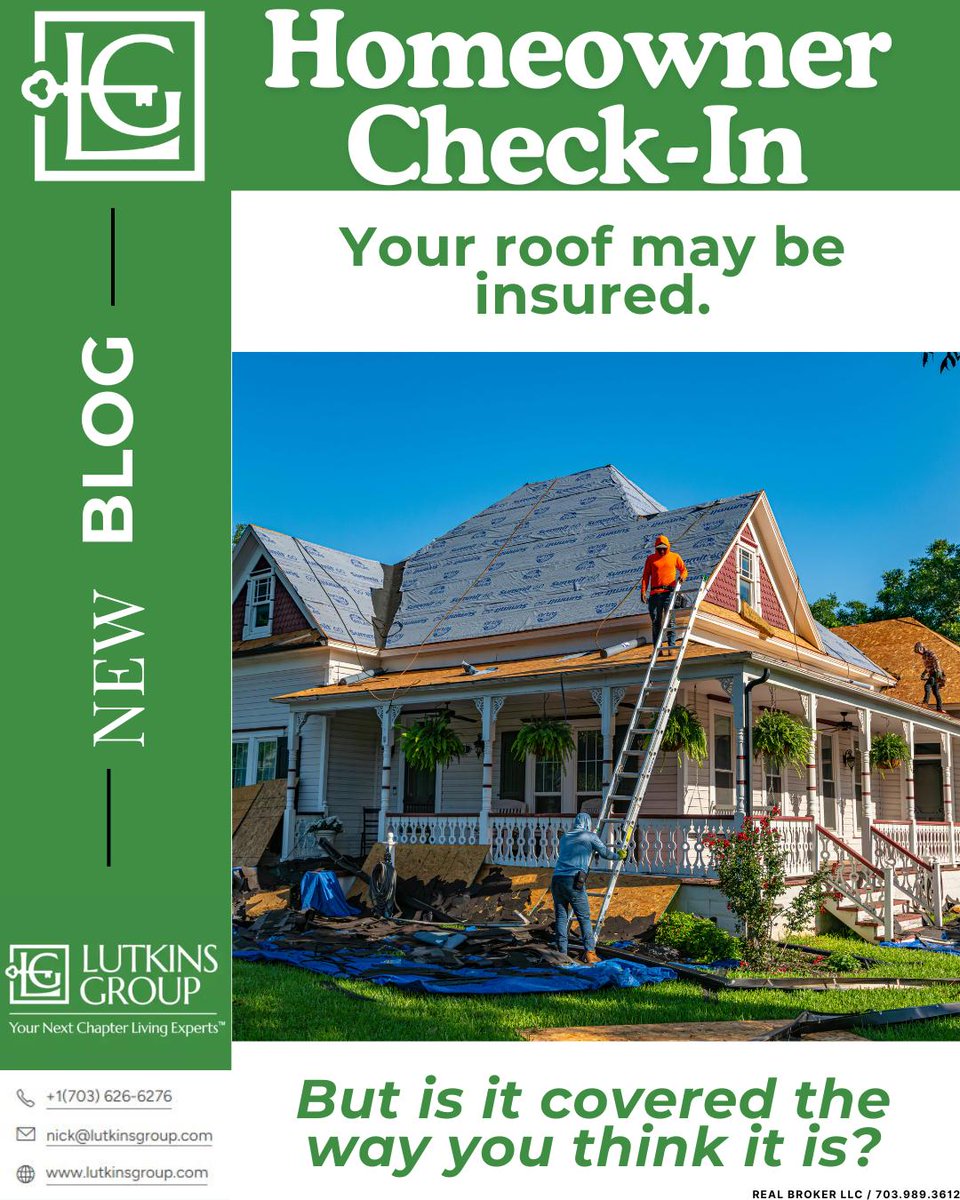
Your roof may be insured, but is it covered the way you think?
Roof age, deductibles, storm damage, replacement cost, and actual cash value can all matter.
A good reminder: review your policy before there’s a problem.
#HomeownerTips #NorthernVA
lutkinsgroup.com/blog
4

Jun 12
From precision fitting and proper drainage planning to long-term durability and warranty protection, professional installation safeguards your home from costly water damage.
.
#RoofingTips #RoofRepair #RoofReplacement #RoofDamage #HomeMaintenance #HomeownerTips #RoofInspection



4

Jun 12
🚨💧 EPISODE 5: EMERGENCY AT 2AM
A pipe bursts.
Water is everywhere.
Panic sets in.
Do you know what to do next?
✅ Shut off the water
✅ Stop the source if safe
✅ Avoid electrical hazards
✅ Call a plumber
🎬 The Water Guardians are ready when disaster strikes.
📞 980-217-1113
🌐 WinnsPlumbing.com
#TheWaterGuardians #EmergencyAt2AM #BurstPipe #EmergencyPlumbing #WinnsPlumbing #HomeownerTips

5

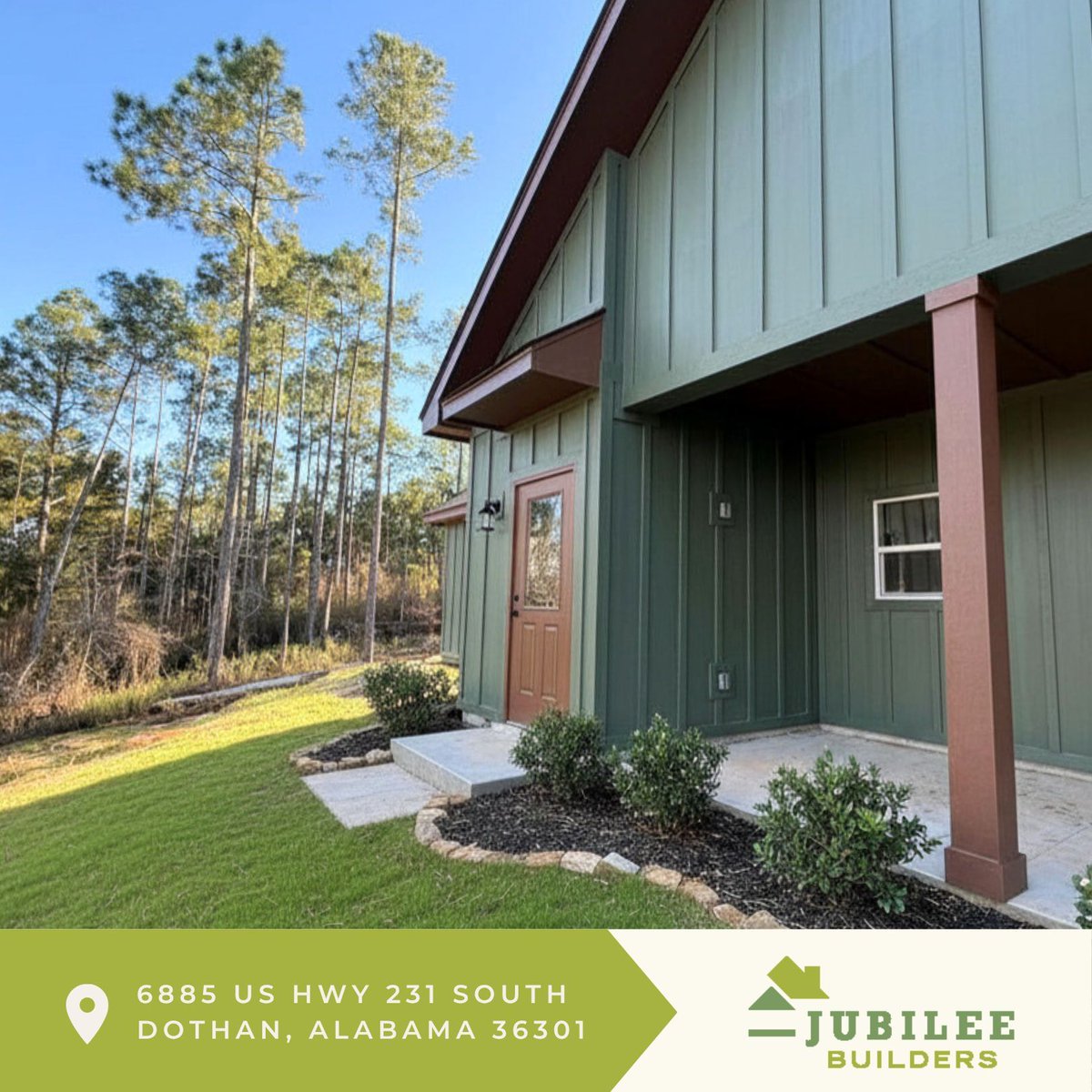
Have questions about the building process? Ask us in the comments below! 👇
#HomeBuildingTips #ConstructionTips #HomeOwnerTips #JubileeBuilders #BuildingProcess

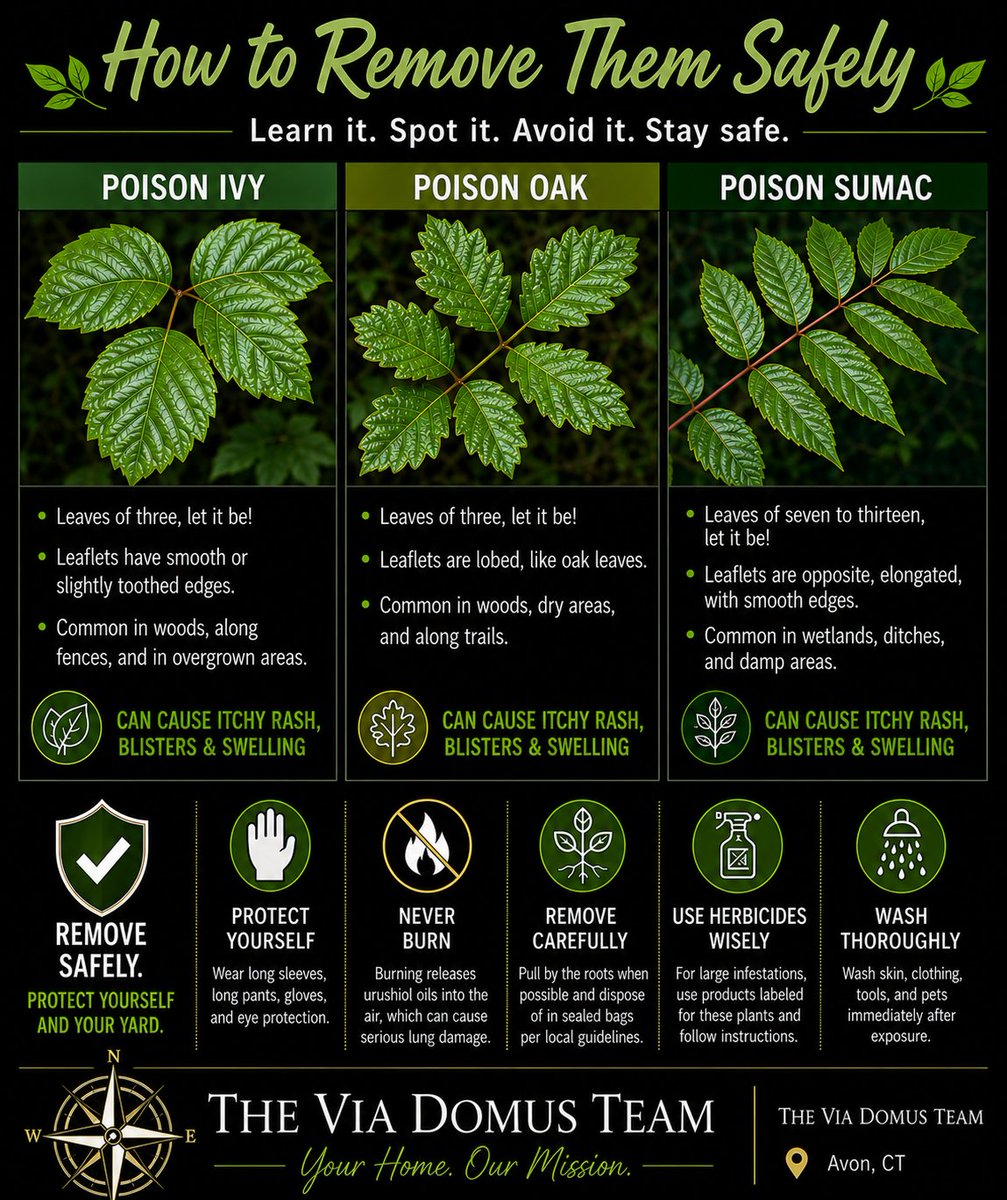
POISON IVY, POISON OAK & POISON SUMAC: Know How to Remove Them Safely 🌿
As the weather warms up, many homeowners are spending more time outdoors working in their yards. Before you start trimming, clearing brush, or landscaping, make sure you know what you're dealing with. Poison ivy, poison oak, and poison sumac can cause painful skin irritation and allergic reactions if handled improperly.
✅ Wear long sleeves, long pants, gloves, and eye protection when working in areas where these plants may be present.
✅ Never burn poison ivy, poison oak, or poison sumac. The oils can become airborne in smoke and cause serious respiratory issues.
✅ For small infestations, carefully remove the plants by the roots while wearing protective gear and dispose of them in sealed bags according to local guidelines.
✅ For larger infestations, consider using an appropriate herbicide specifically labeled for poison ivy, poison oak, and poison sumac control. Always follow the manufacturer's instructions.
✅ Wash tools, gloves, clothing, and exposed skin immediately after working in affected areas. The plant oil (urushiol) can remain active on surfaces for years.
The best defense is learning how to identify these plants before you start any outdoor project. A little knowledge can save you from weeks of itching and discomfort.
Stay safe, stay informed, and enjoy your outdoor spaces this season! 🌳
Have you ever had an encounter with poison ivy, poison oak, or poison sumac? Share your experience below!
theviadomusteam.com
#PoisonIvy #PoisonOak #PoisonSumac #YardSafety #HomeownerTips #OutdoorLiving #LandscapingTips #PropertyMaintenance #TheViaDomusTeam #WilliamRaveis #AvonCT #Realtors
13

The most expensive home repairs usually start as small problems.
A clogged gutter.
A small leak.
Poor drainage.
The earlier you catch them, the cheaper they are to fix.
🏠 Protect your home before problems become emergencies.
#HomeownerTips #PropertyProtection
4
Dario Vannini retweeted

Jun 11
Privacy hedges 🌲👩🌾🌲 Best investment to date 💰 #leylandcypress #homeownertips #pnwliving #beforeandafter
5
3
45
1,131

Jun 11
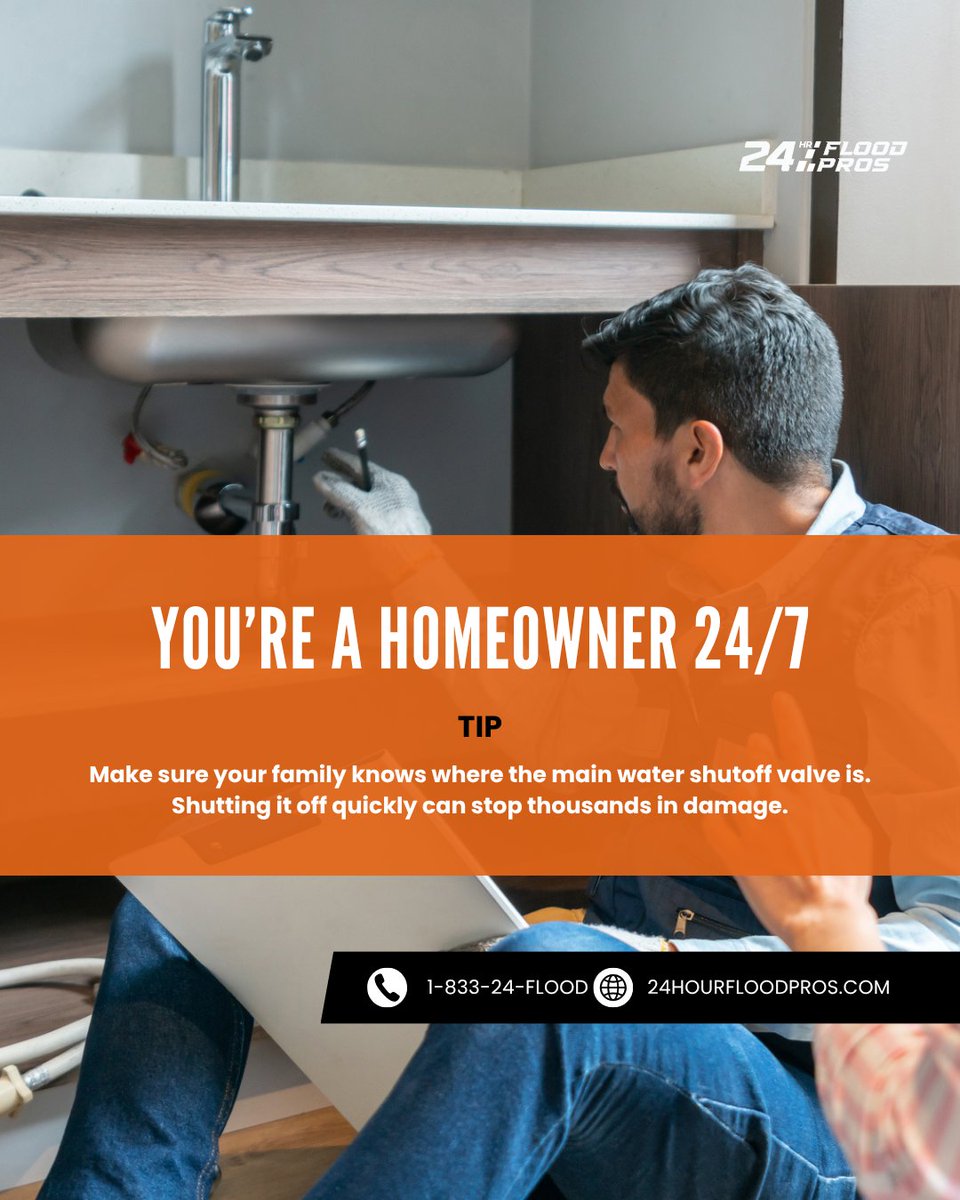
Essential homeowner tip: Ensure your family knows the main water shutoff location to prevent costly damage. Stay prepared with 24Hour Flood Pros!
#24HourFloodPros #HomeownerTips

Jun 10
Mother raccoons will actually carry babies one by one to new nesting spots if they feel unsafe. 🦝
That’s why attic noises sometimes “move” around the house.
Most homeowners have no idea this happens.
#RaccoonRemoval #WildlifeControl #EcoProServices #HomeownerTips
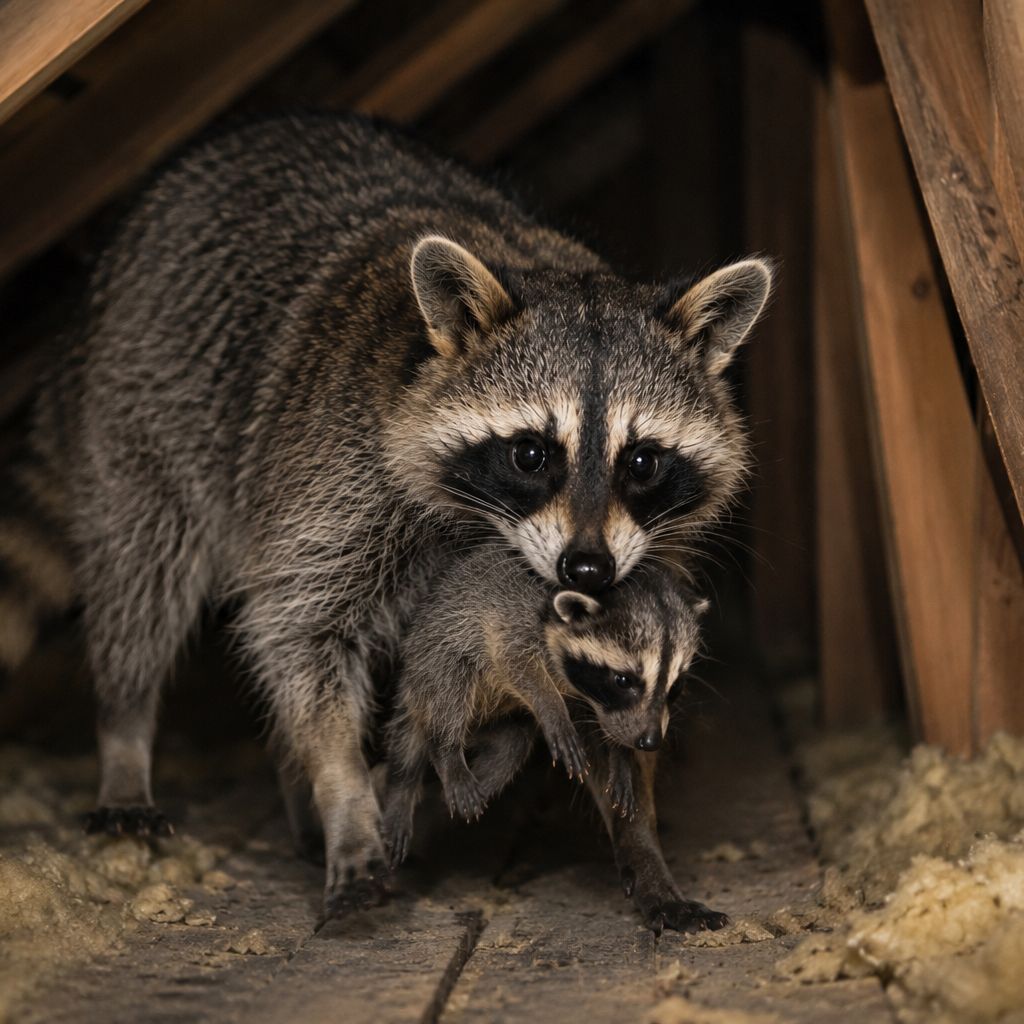
ALT Mother raccoon carrying her baby through a residential attic while relocating the nest to a safer area.

Jun 10
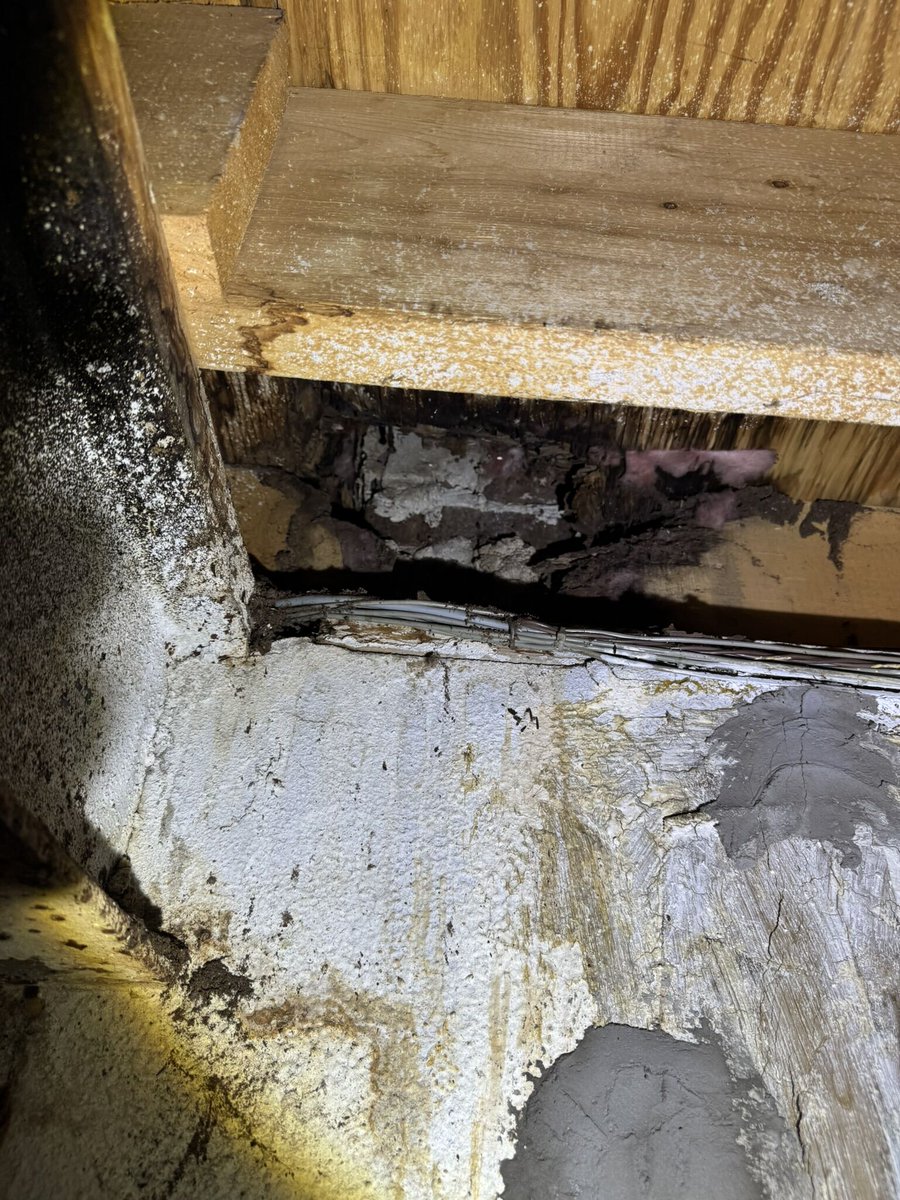
🤔 "How bad can mold really get?"
This bad. ⬆️
What started as a moisture problem turned into extensive mold growth and wood rot hidden behind the surface. By the time visible signs appear, the damage underneath can be far worse than most homeowners realize.
Mold doesn't take days or weeks off. If moisture is present, it will continue to grow, spread, and damage building materials over time.
#MrMold #MrMoldRemediation #MoldDamage #HiddenMold #WaterDamage #MoldInspection #MoldRemediation #WoodRot #HomeMaintenance #HomeownerTips
3