
May 23
Deaf children of hearing parents who lack a shared sign language often invent their own systems, called homesign. These systems show consistent grammar that no one taught them. Language structure appears to emerge from the learner, and from the input.
1
20

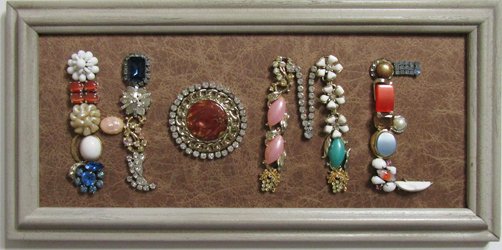
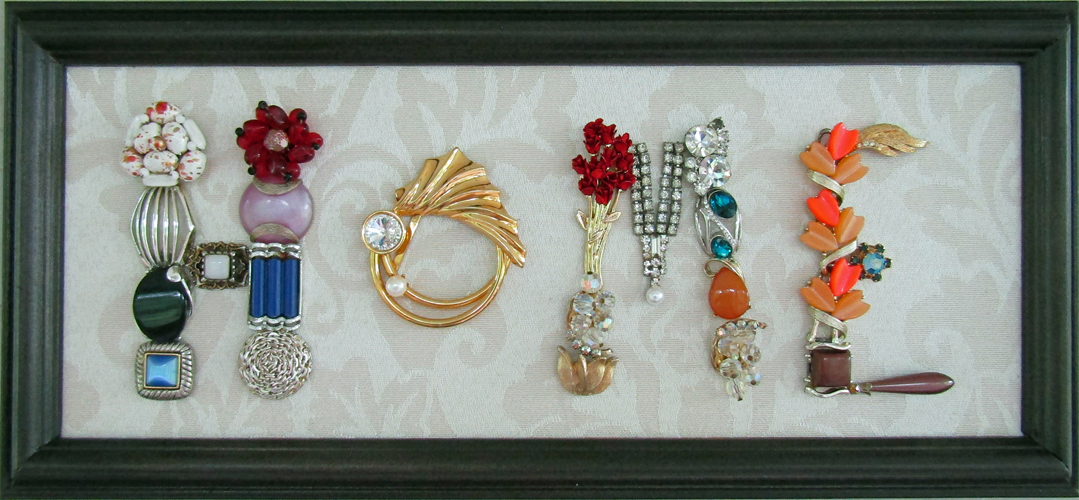
Framed Jewelry Art Sign Home #1 #Handcrafted #OOAK #MomSisGift #Collectible #Original #JewelryWordArt #HomeSign #Repurpose #decor #UniqueGift ttps://etsy.me/42rqTm6 via @Etsy
19

Apr 19
Capricorn and Sagittarius respectively.
So that mutual reception between Neptune Cap and Saturn Pisces as well as Jupiter in homesign of Sagittarius is a big deal for me.
And overall, astrology has a lot to do with pattern recognition.
1
54
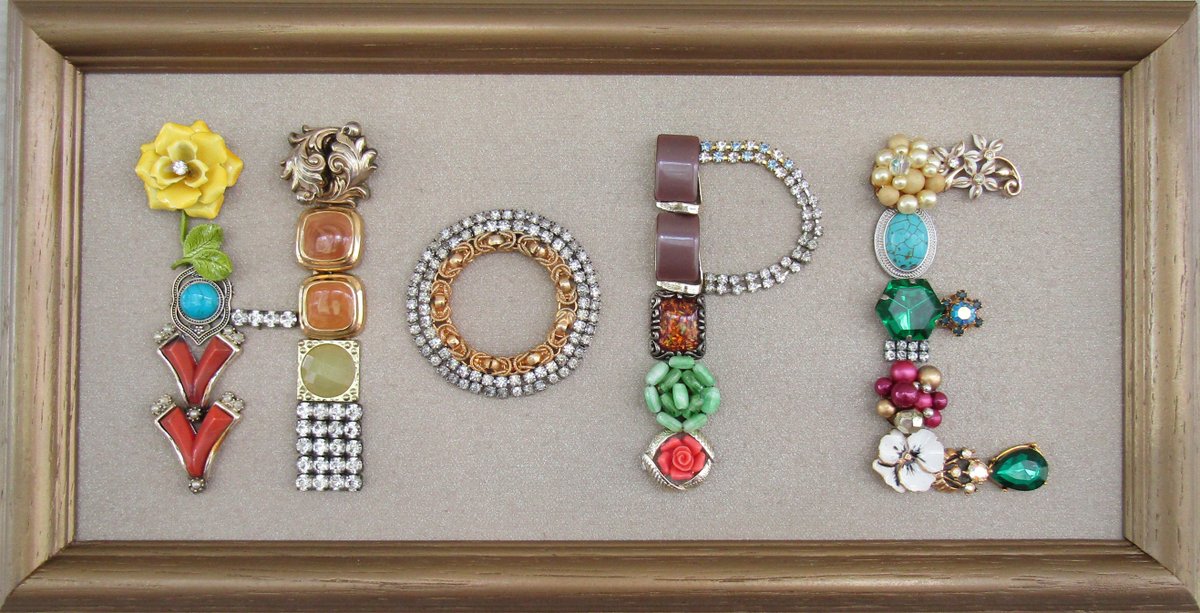
Framed Jewelry Art Sign Hope #2 #HomeSign #VintageJewelry #FramedJewelryArt #OOAK #UniqueGift #MomSisGift #Original #Handcrafted etsy.me/41pGouj via @Etsy
1
6
4
39

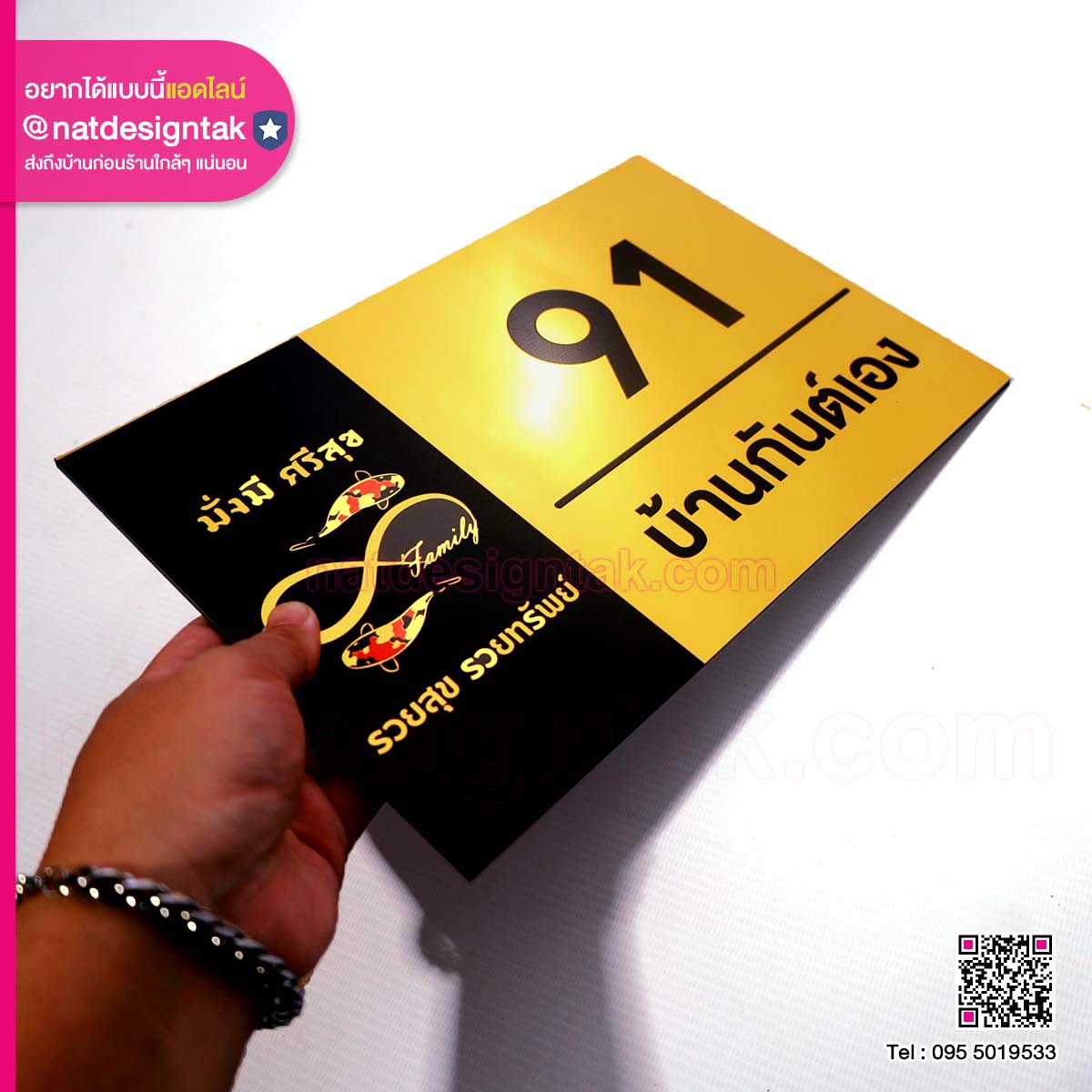
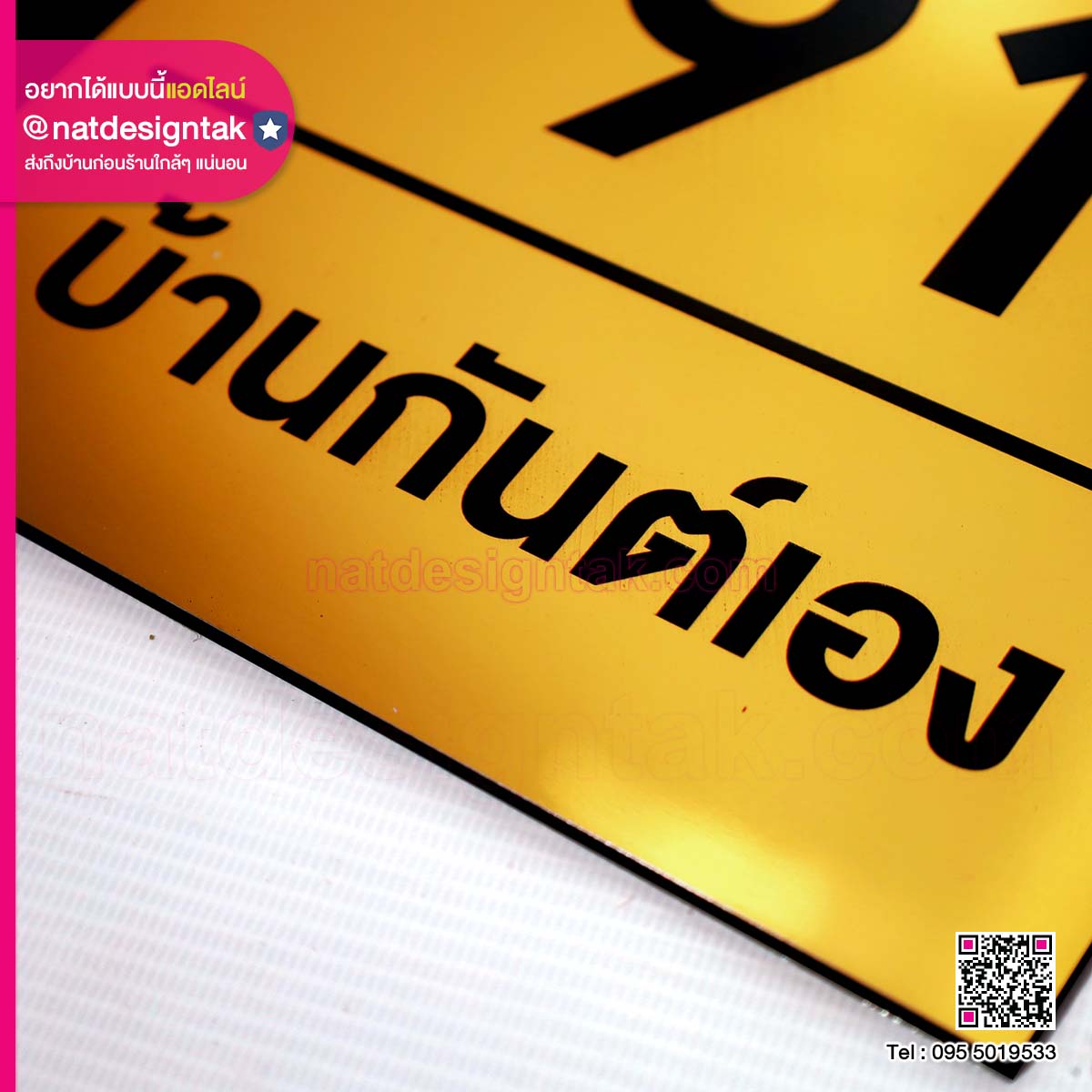
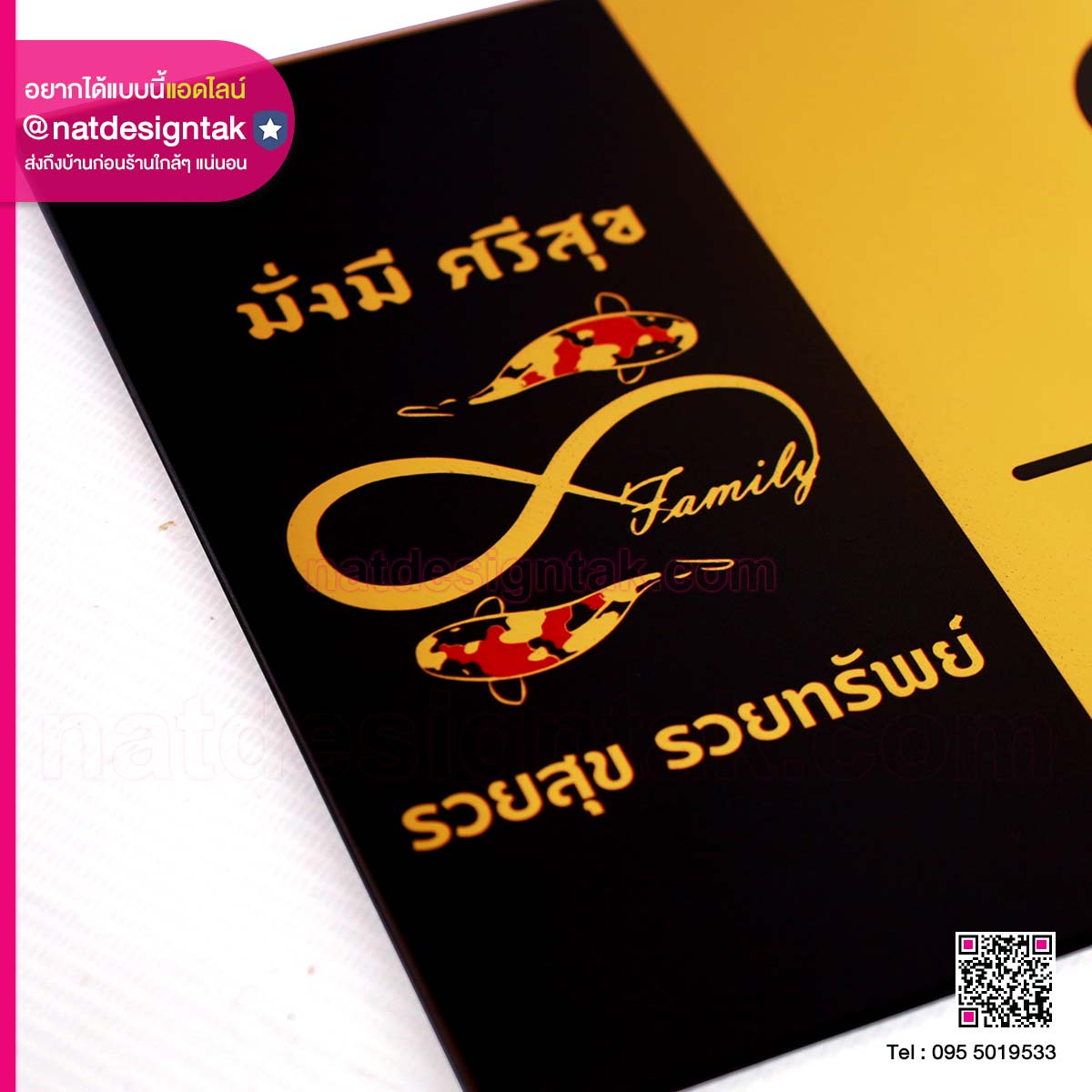
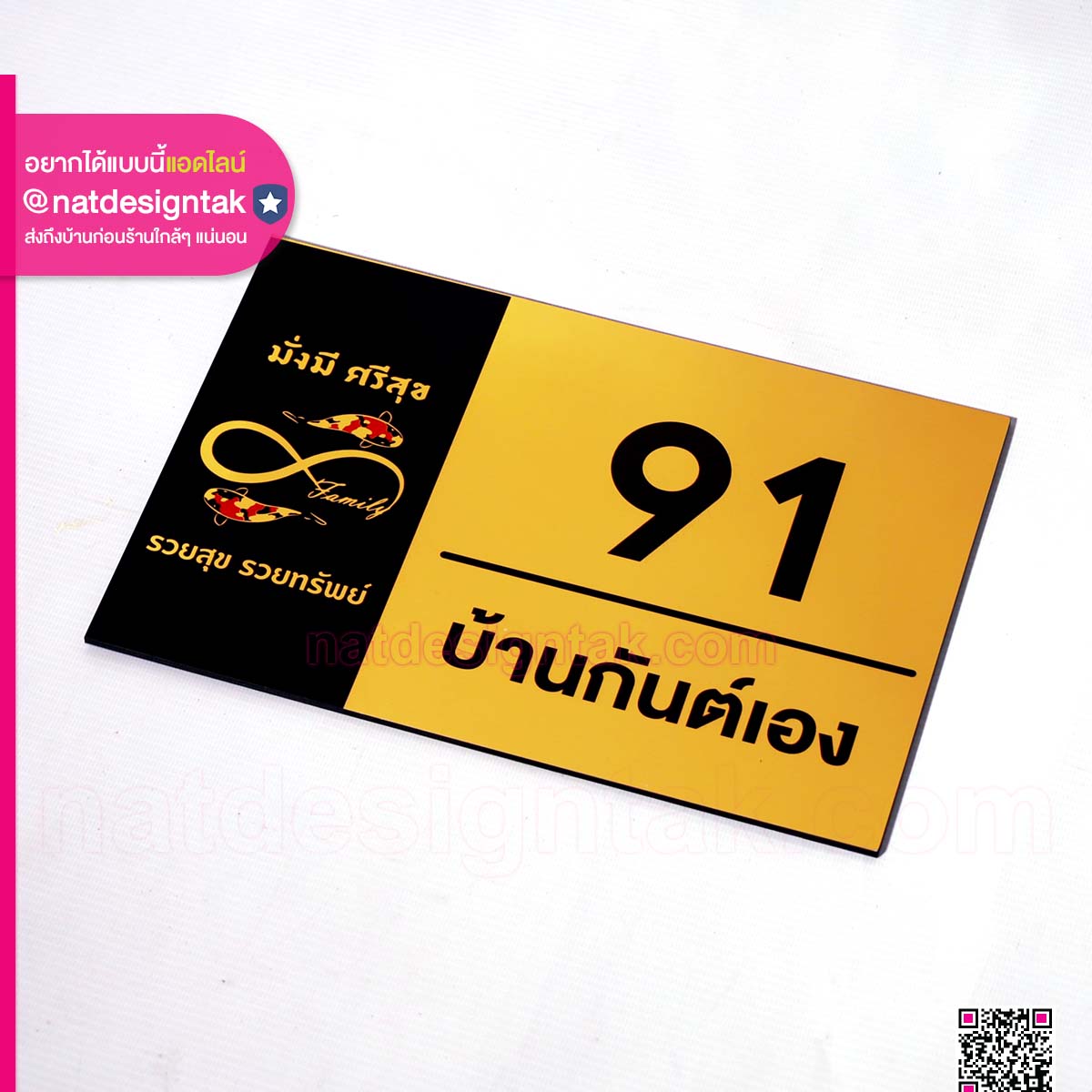
ป้ายบ้านเลขที่สีทอง สะดุดตาค่ะ
ทำไมถึงต้องมีไว้หน้าบ้าน?
ตัวแผ่นคอมโพสิตสีทอง
ลายปลาและตัวเลขพิมพ์ด้วยระบบ UV
ทนแดดทนฝน
สนใจทักมาคุยกันได้น้าา
✅LineID : @natdesigntak
#housesign #homesign #composite #uvprint #uv #ป้ายบ้านเลขที่ #ป้ายมงคล #แต่งบ้านสีทอง #ณัฐดีไซน์ #งานพิมพ์UV
1
28

7 Dec 2025
Our framed family name signs are built with dimension—mirror acrylic and wood texture that stands out. #acrylicart #homesign
19
23 Nov 2025
Celebrate your family name in style—mirror acrylic over beadboard framed in wood for a high-contrast design. #homesign #laserwork
3

18 Nov 2025
Women are indeed underrepresented in computer science and mathematics, and meta-analyses confirm moderate average sex differences in occupational interests (women tending slightly more toward people-oriented and men more things-oriented, with a Cohen’s d of roughly 0.7–1.0 and very large overlap). However, the assertion that “most women in computer science do not write programs because they enjoy solving puzzles” or that there are “almost no women in math” is demonstrably false.
Women earn 40–45 % of mathematics bachelor’s degrees in the United States and a majority in several other countries, and surveys of female programmers show that intellectual challenge and puzzle-solving remain strong motivators, only marginally less so than for men.
The companion claim that men universally find elaborate social relations boring and therefore lack social cognition is an equally exaggerated reversal of the empathizing–systemizing framework. Average differences exist, but individual variation is far larger than group averages, and many men excel at social cognition.
Portraying Chinese culture as defined by an “inordinate” obedience to authority rooted in fear of being killed ignores both historical nuance and contemporary reality, including high levels of entrepreneurship and private dissent.
Similarly, explaining Jewish innovative success primarily through “intellectual independence and anti-authoritarianism” while implying Asian cultures lack these traits recycles old antisemitic and Orientalist tropes.
When population size and opportunity are controlled, recent East Asian achievement in mathematics, physics, and patent production matches or exceeds historical Jewish overrepresentation in many domains.
The linguistic section rejects Chomsky’s strong nativist position (already heavily critiqued in modern linguistics) but replaces it with an equally unsupported alternative: that complex grammar arises purely from a motivational urge satisfied by general learning mechanisms, akin to those in gorillas.
Decades of research on child language acquisition, creolization, homesign systems, and failed ape-language projects continue to show that humans possess biological adaptations for recursive syntax that other species lack, even when motivation and training are maximal.
1
3
339

13 Nov 2025
Fall 2025 Design Trend: Rooms Make a Loud Statement via nar.realtor/blogs/styled-sta… #realtor #realestate #Maryland #homebuying #homeselling #realestateexperts #sellMDHomeFast #sellHouseAsIs #cash4myHouse #mortgage #homesign
1
11

26 Oct 2025
them essentially developing something similar to a homesign oh my god………… /pos i will be thinking so much about this
1
17

25 Oct 2025
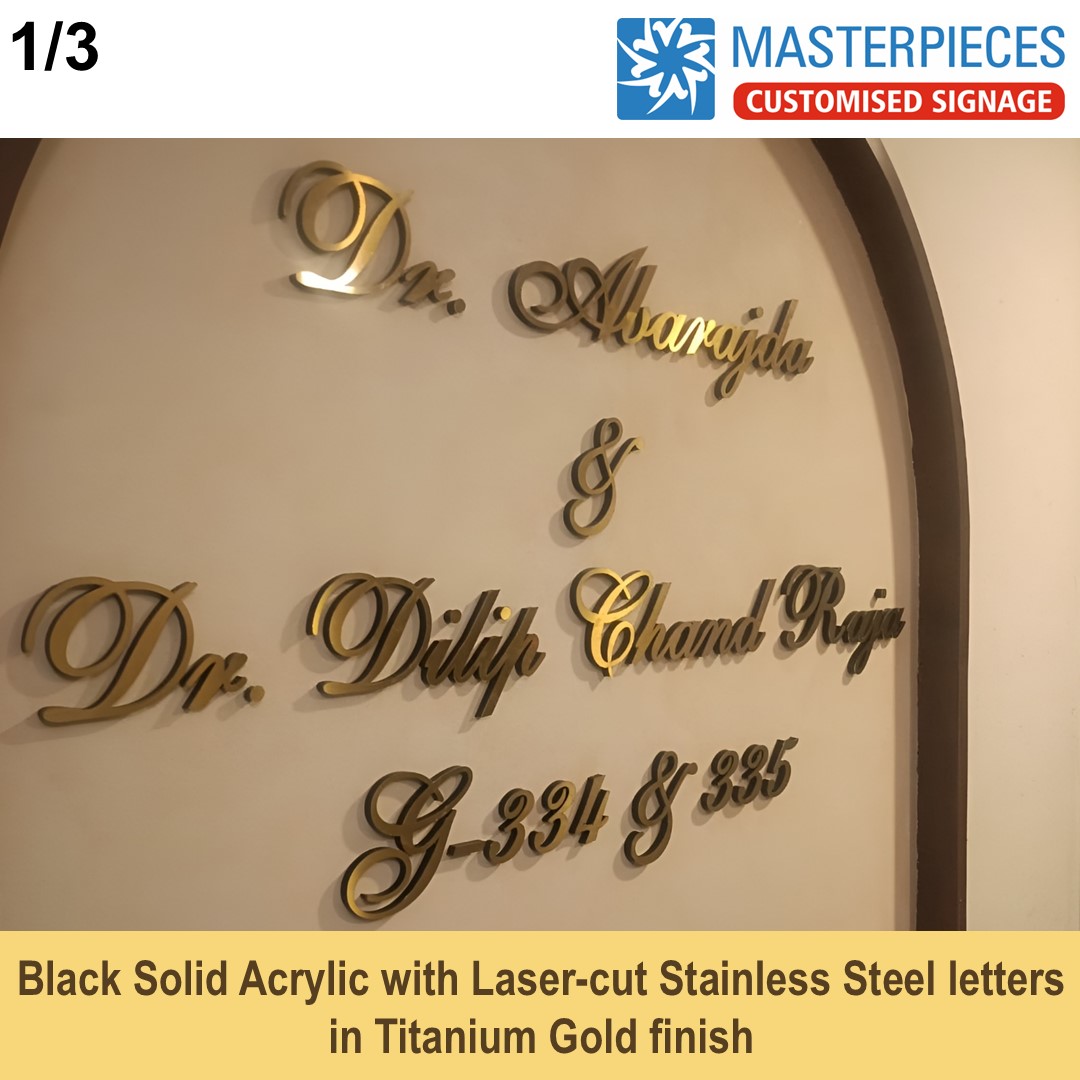
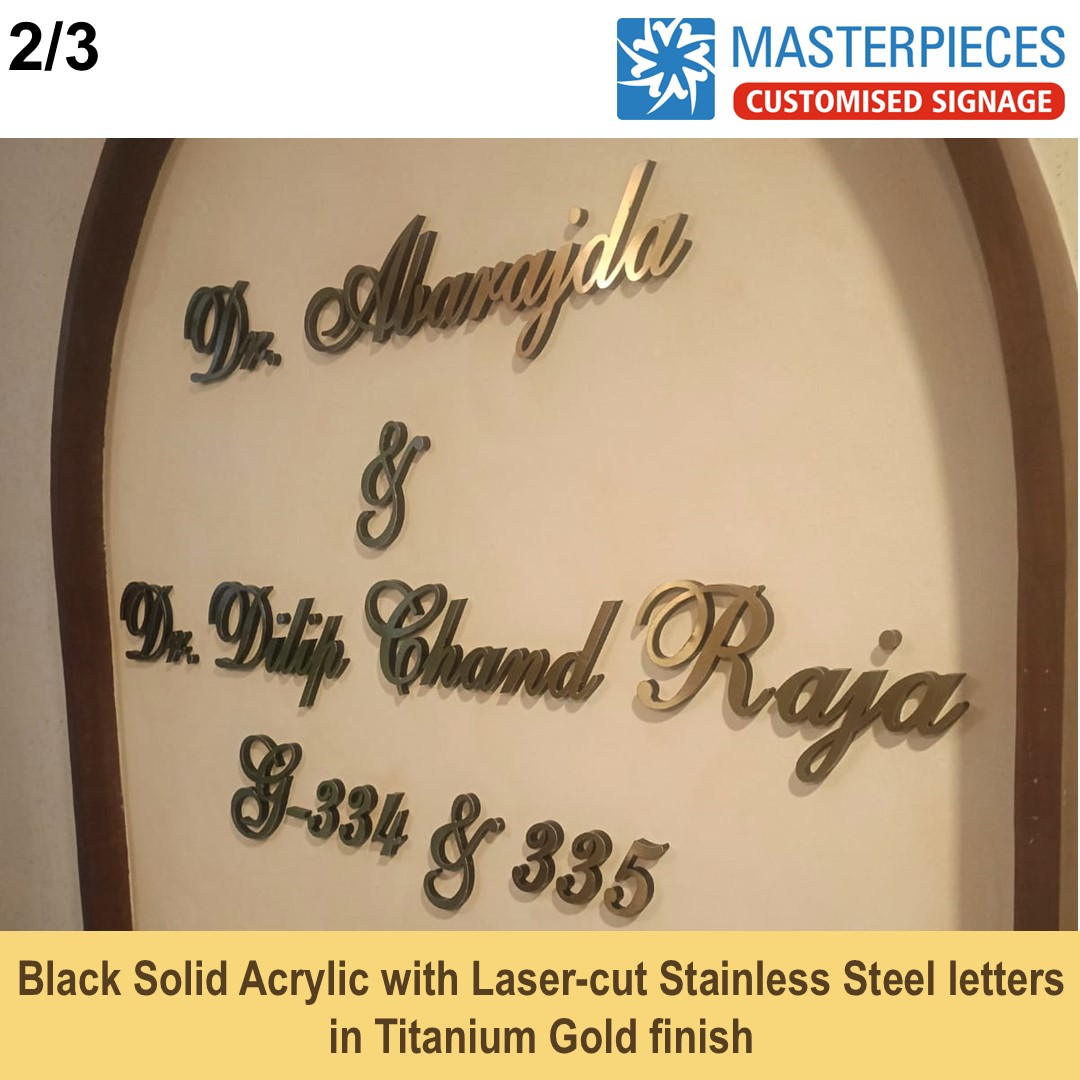
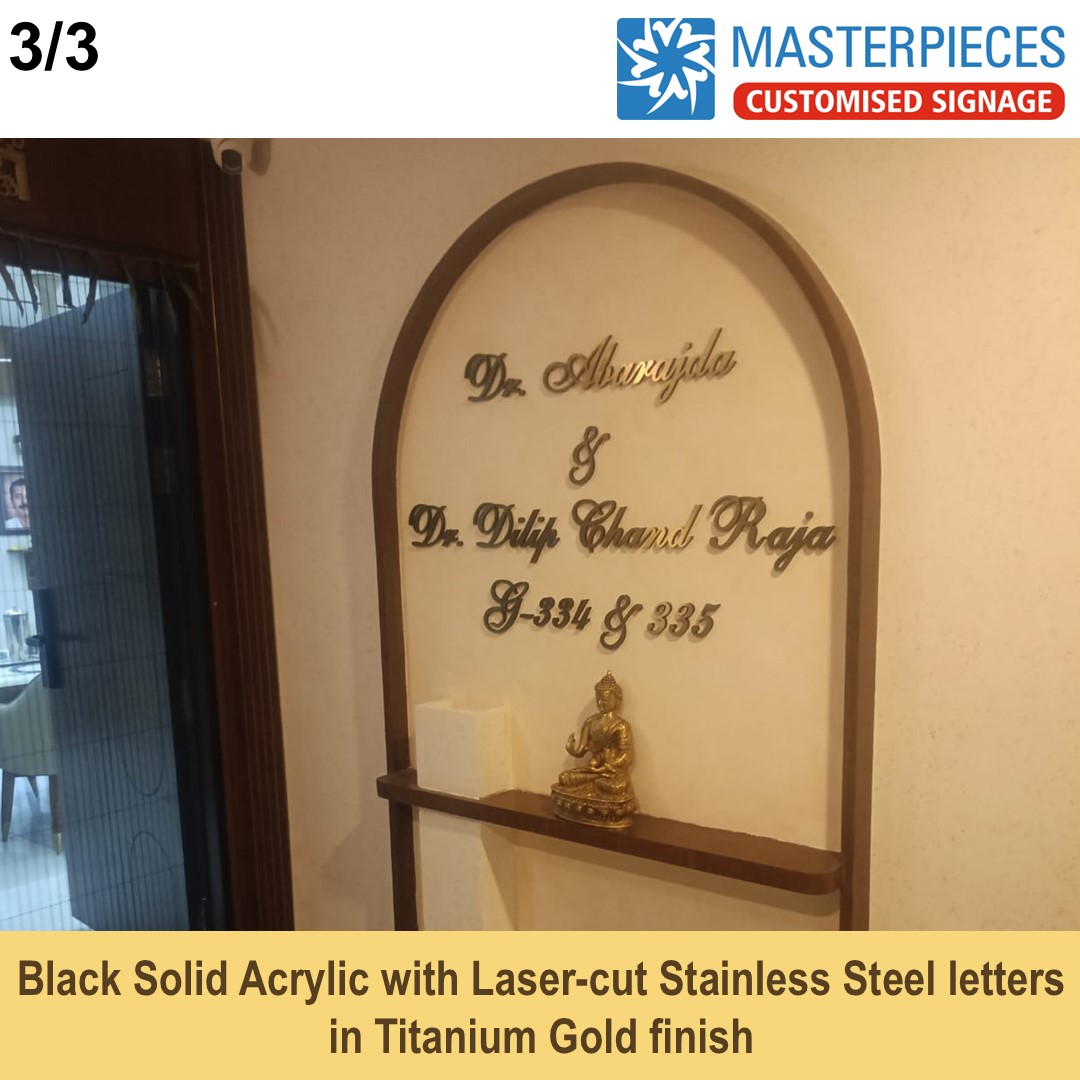
Black Solid Acrylic with Laser-cut Stainless Steel letters in Titanium Gold finish,📞9500005749. #MasterpiecesSignage #HomeSign #HomeNameBoard #PersonalizedSignage #TitaniumGoldFinish #BlackAcrylicDesign #LaserCutLetters #StainlessSteelSignage #AcrylicSignage #PremiumSignage
14

22 Sep 2025
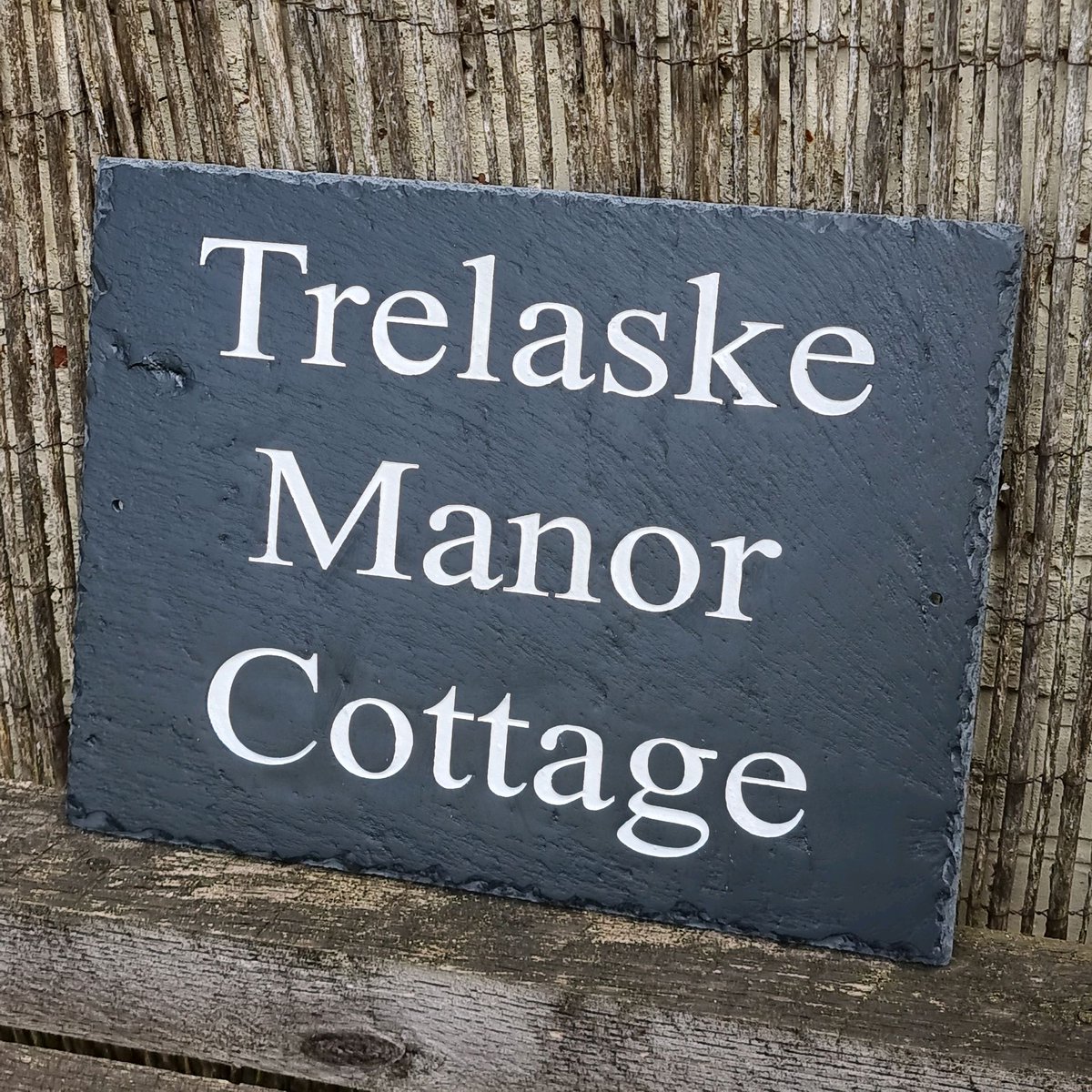
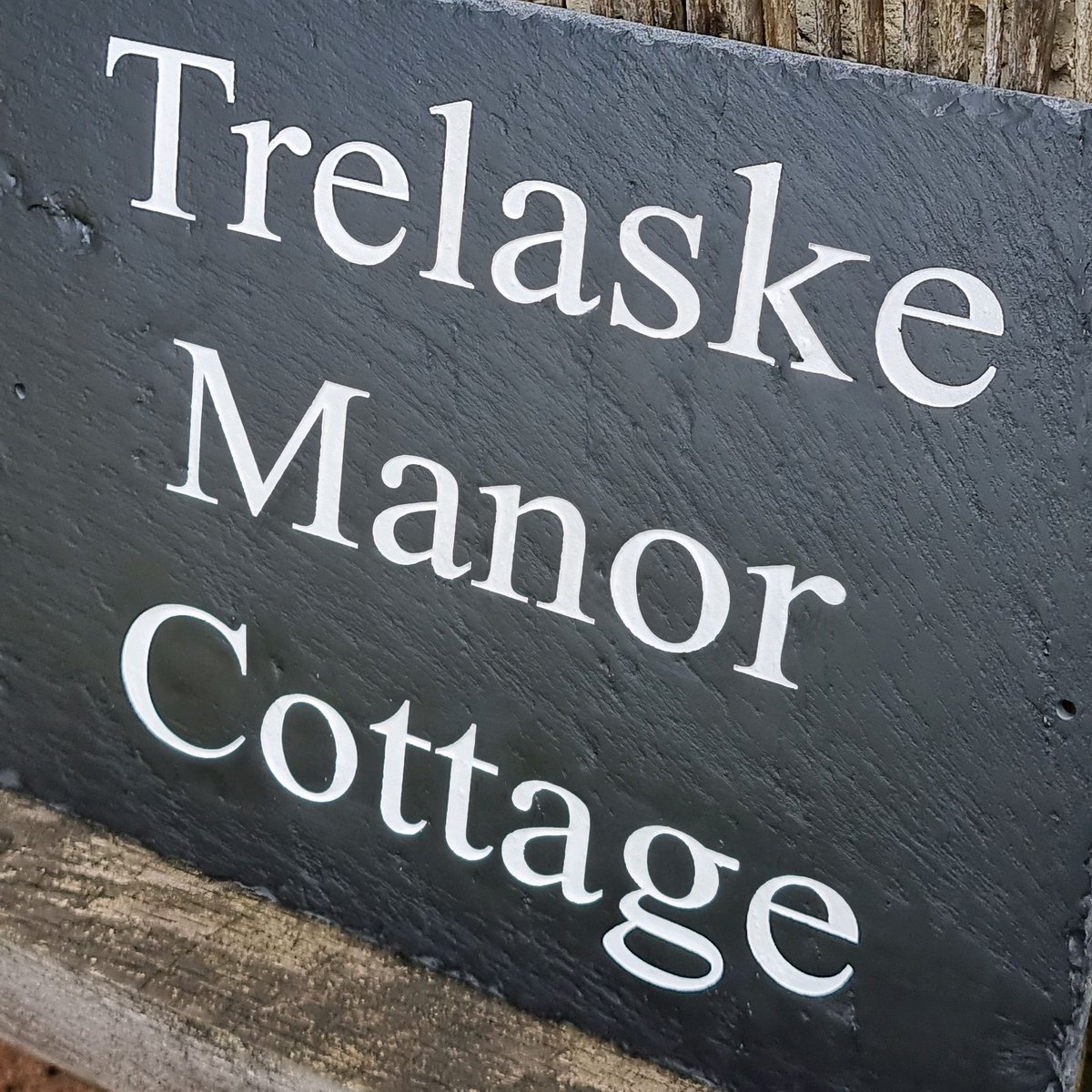
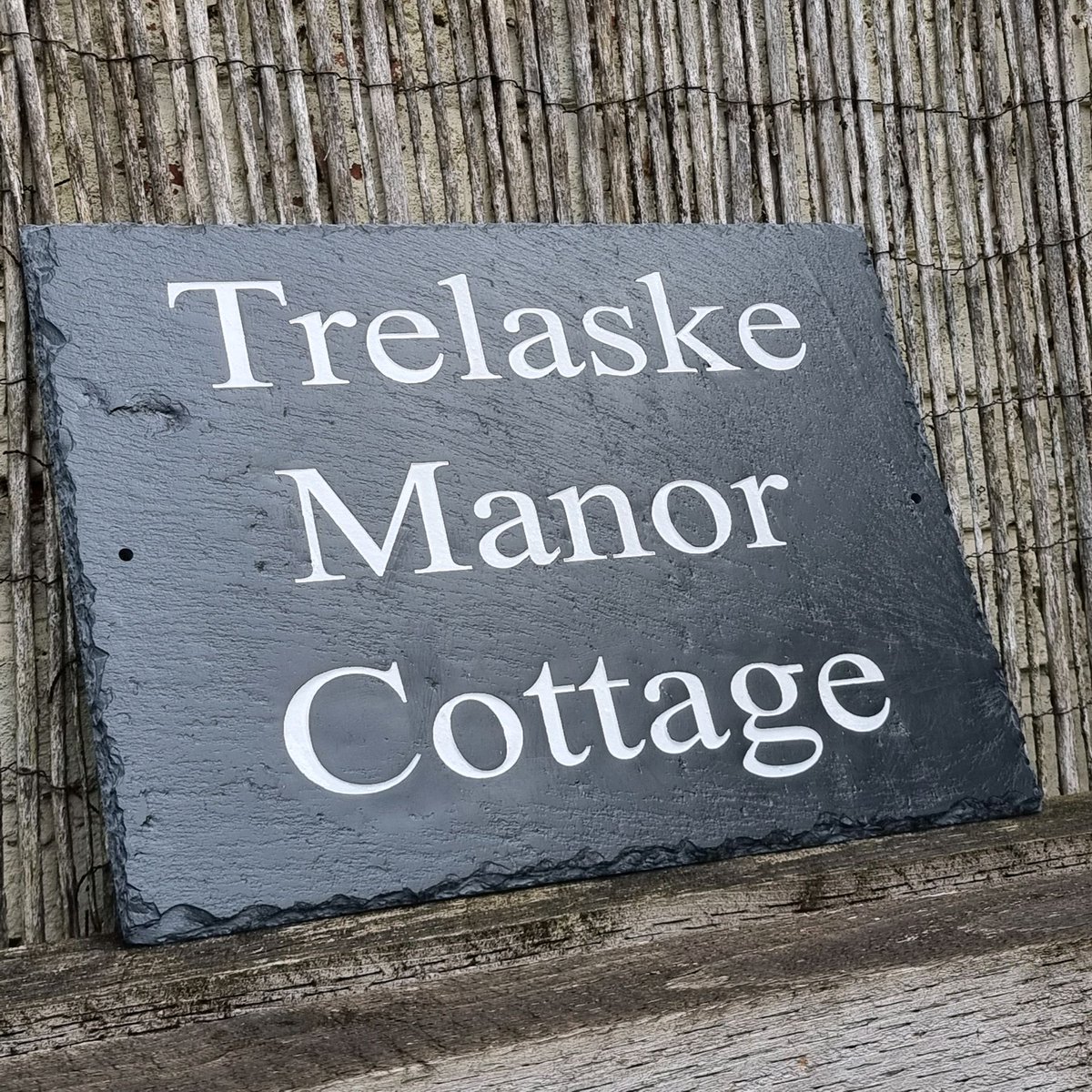
Large 50 x 38cm dark chiselled edge slate sign off to Cornwall
More unique gifts available on our website
🌐Website shop and socials🌐
🔗🔗🔗
linktr.ee/LeadDIYshop
#SlateHouseSign #HouseSign #CustomHouseSign #PersonalisedHouseSign #HomeSign #leaddiyshop
13
21 Sep 2025
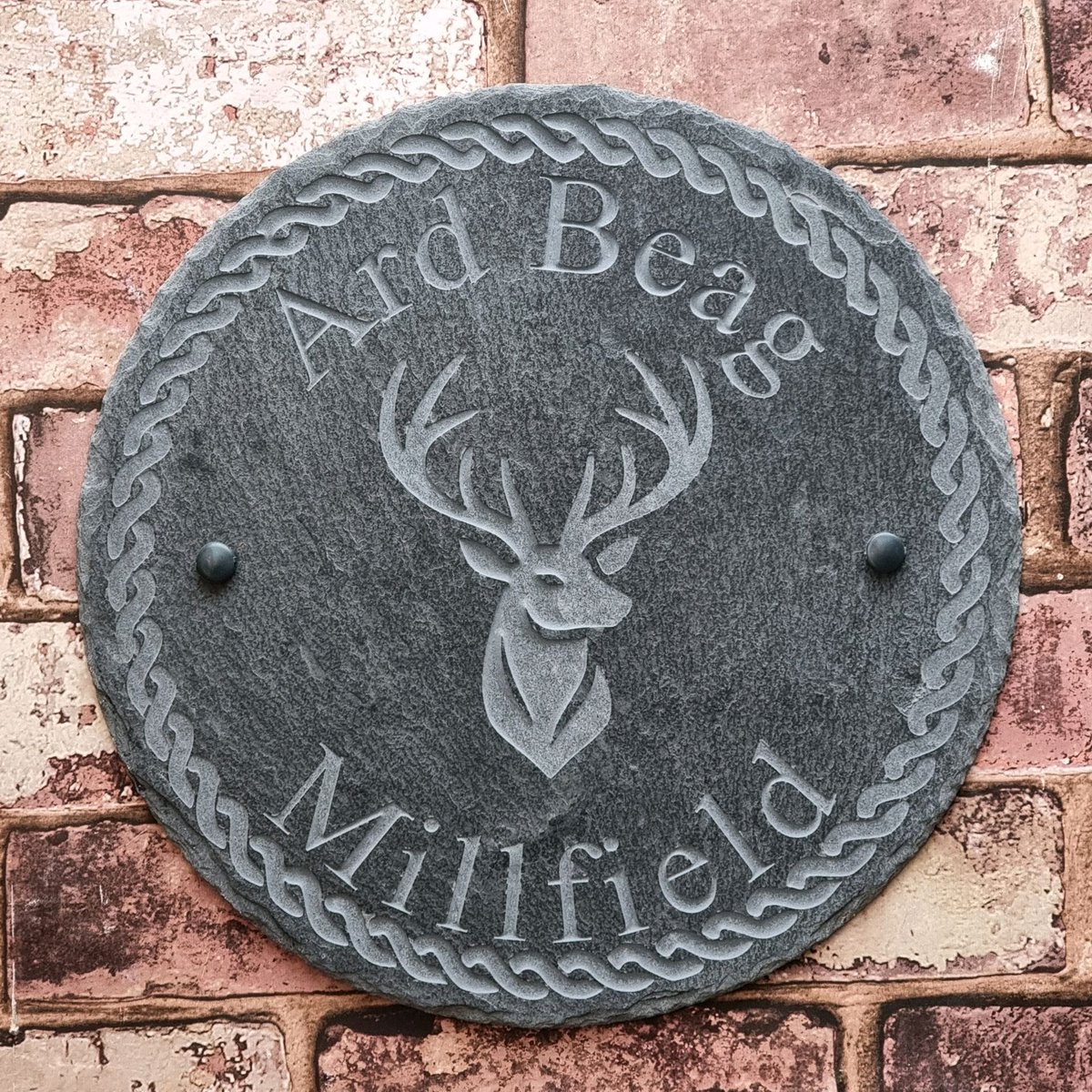
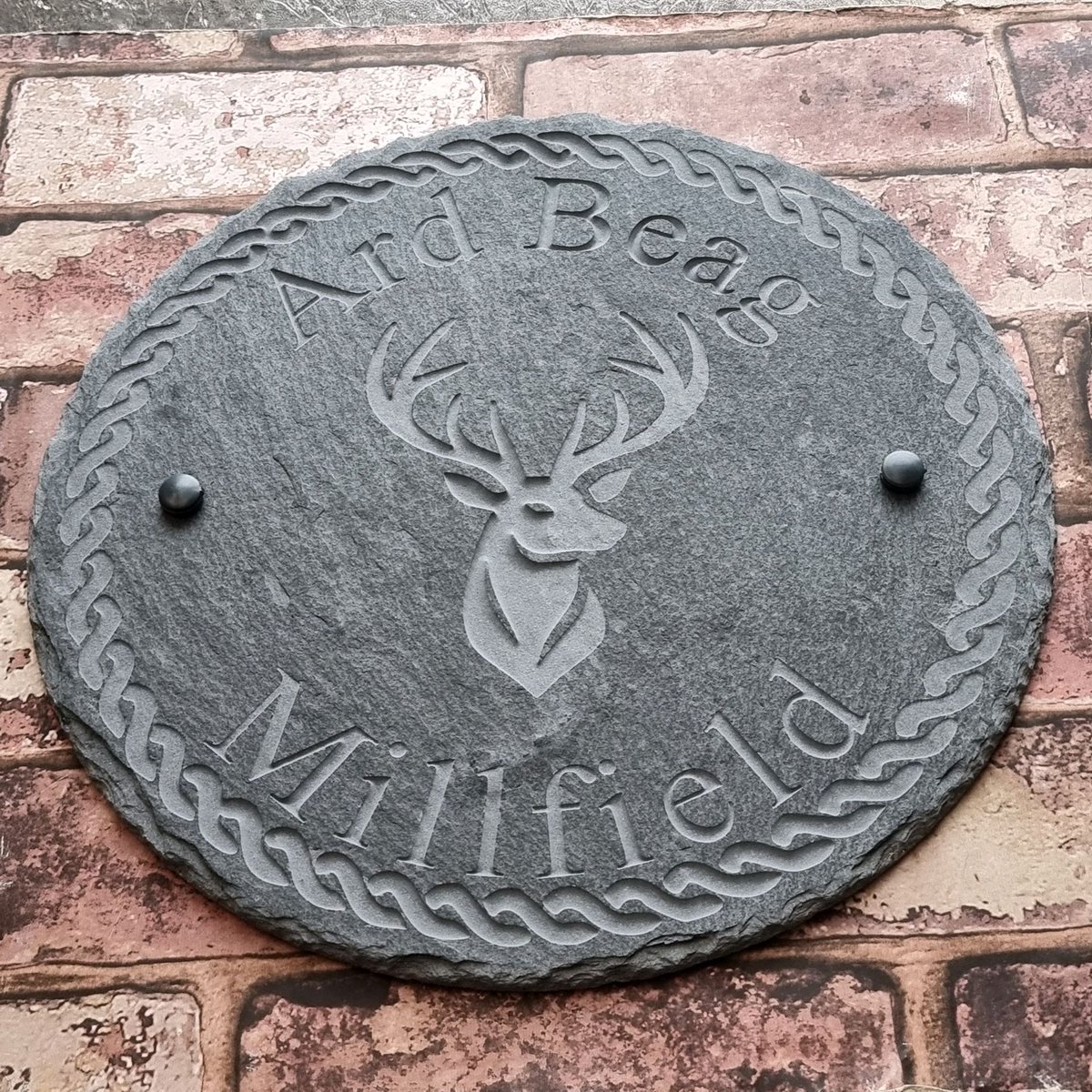
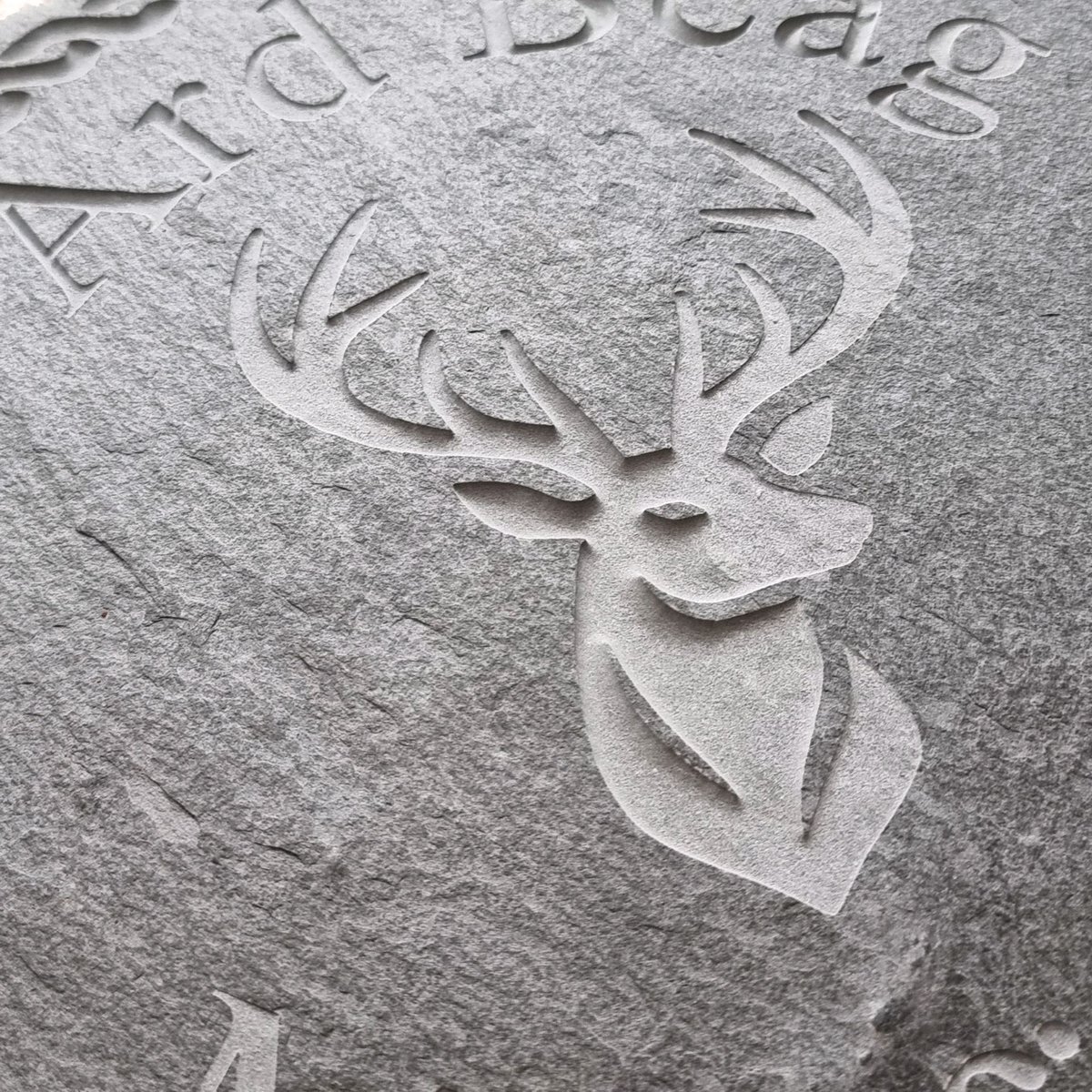
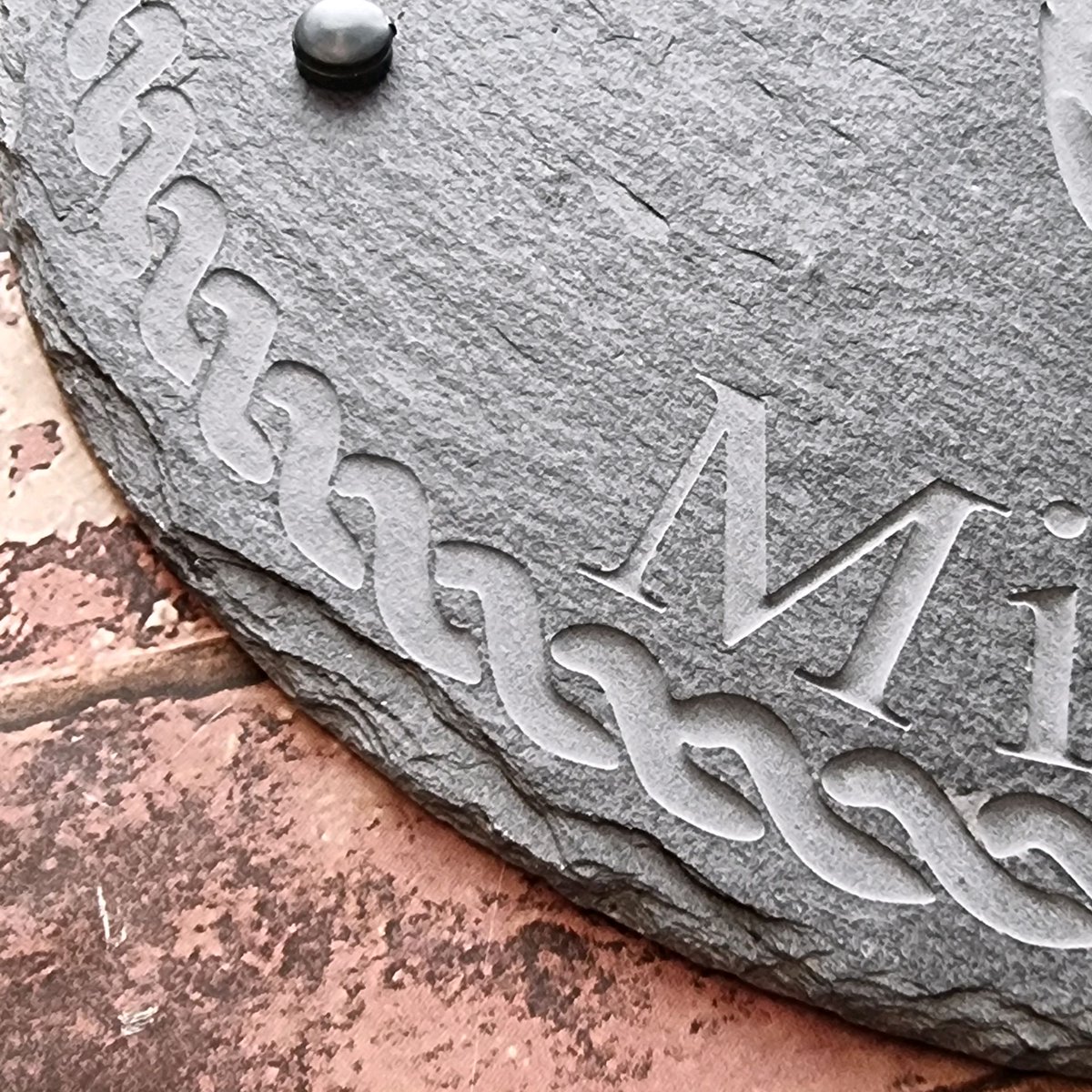
A deep engraved 30cm slate sign off to the shores of Loch Ness.
More unique gifts available on our website
🌐Website shop and socials🌐
🔗🔗🔗
linktr.ee/LeadDIYshop
#SlateHouseSign #HouseSign #CustomHouseSign #PersonalisedHouseSign #HomeSign #HouseNumberSign #AddressSign
3

19 Sep 2025
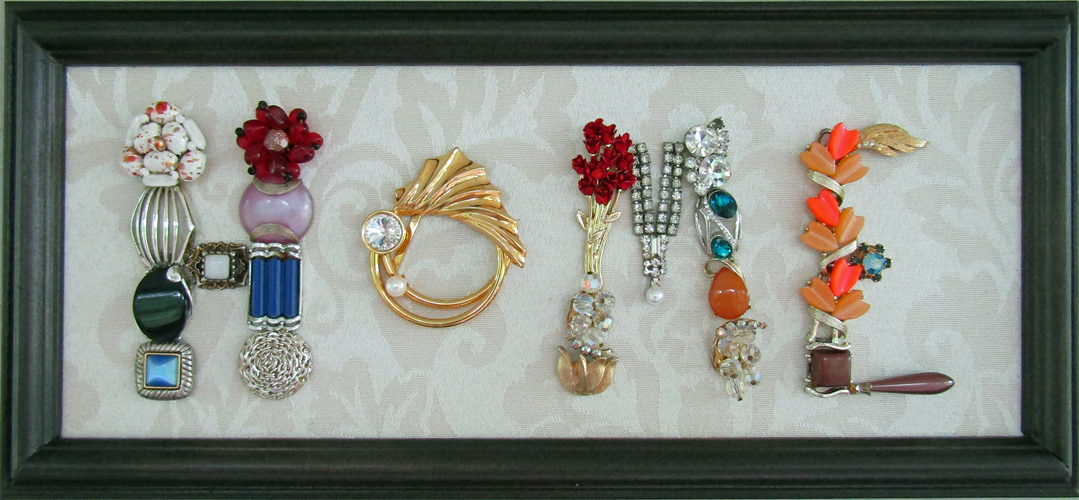
Framed Jewelry Art Sign 'Home' #2 #InspirationalWord #Handcrafted #FramedJewelryArt #VintageJewelry #HomeSign #OOAK #Collectible #Decor bartlettpairart.com/product/… via @jimmiesart
1
1
20
16 Sep 2025
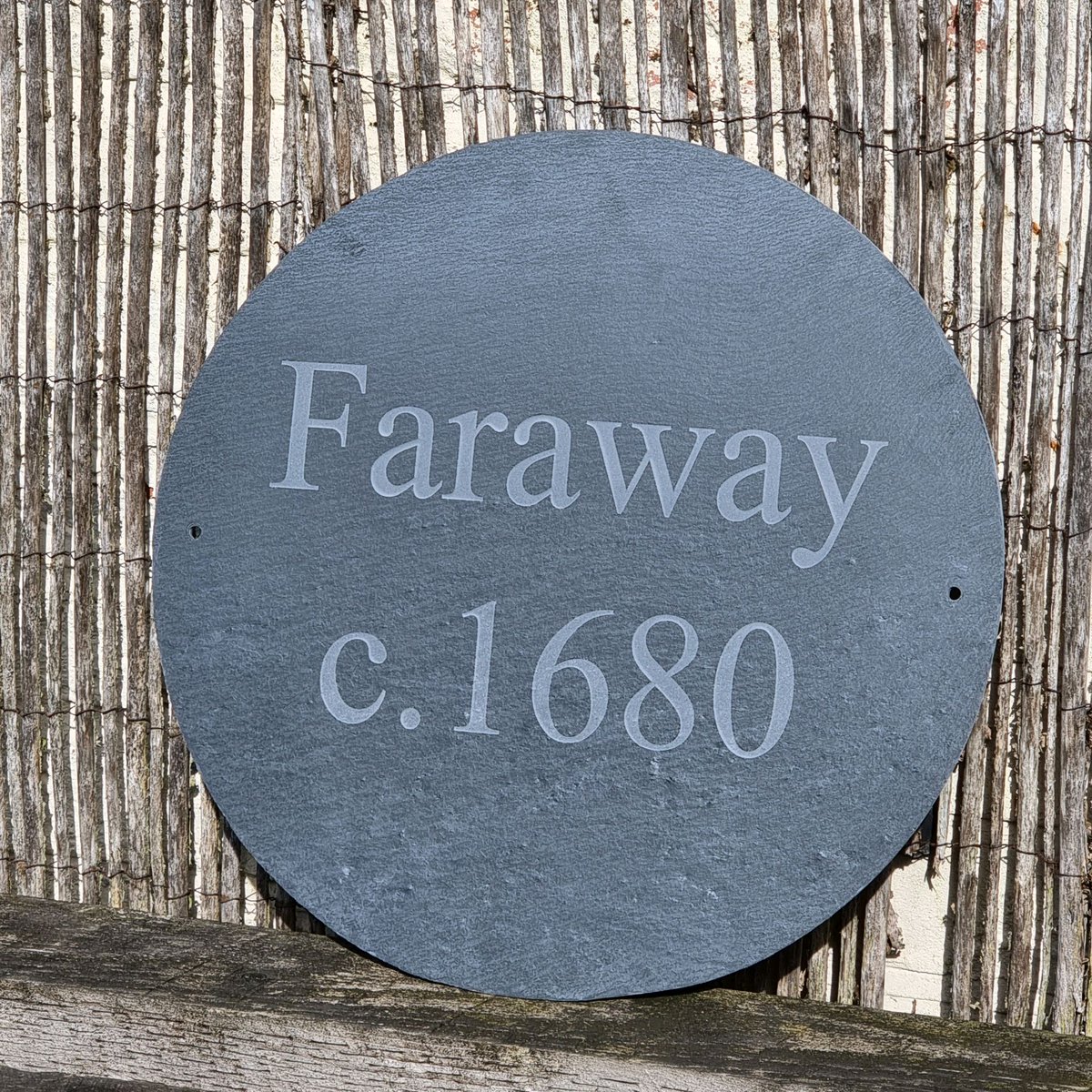
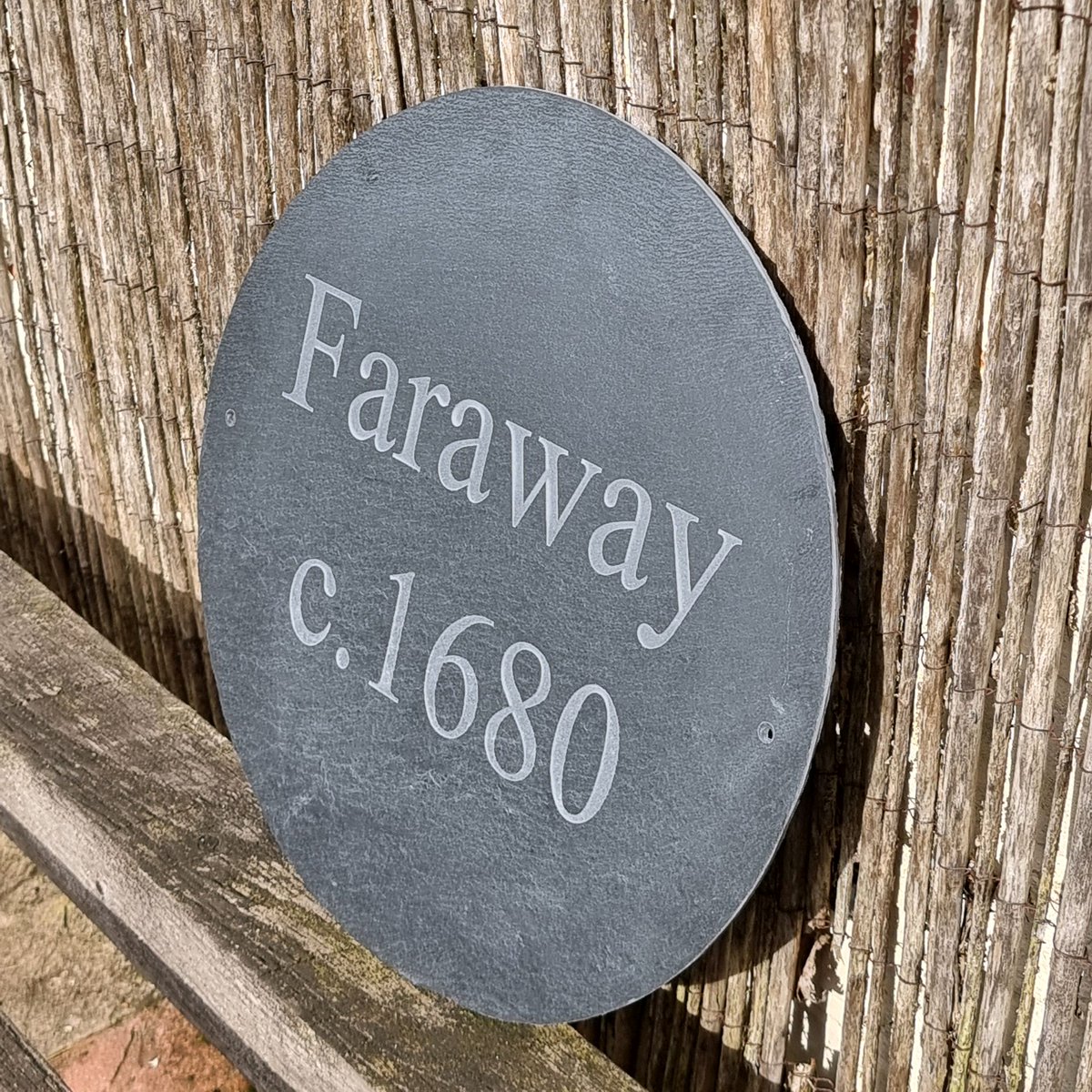
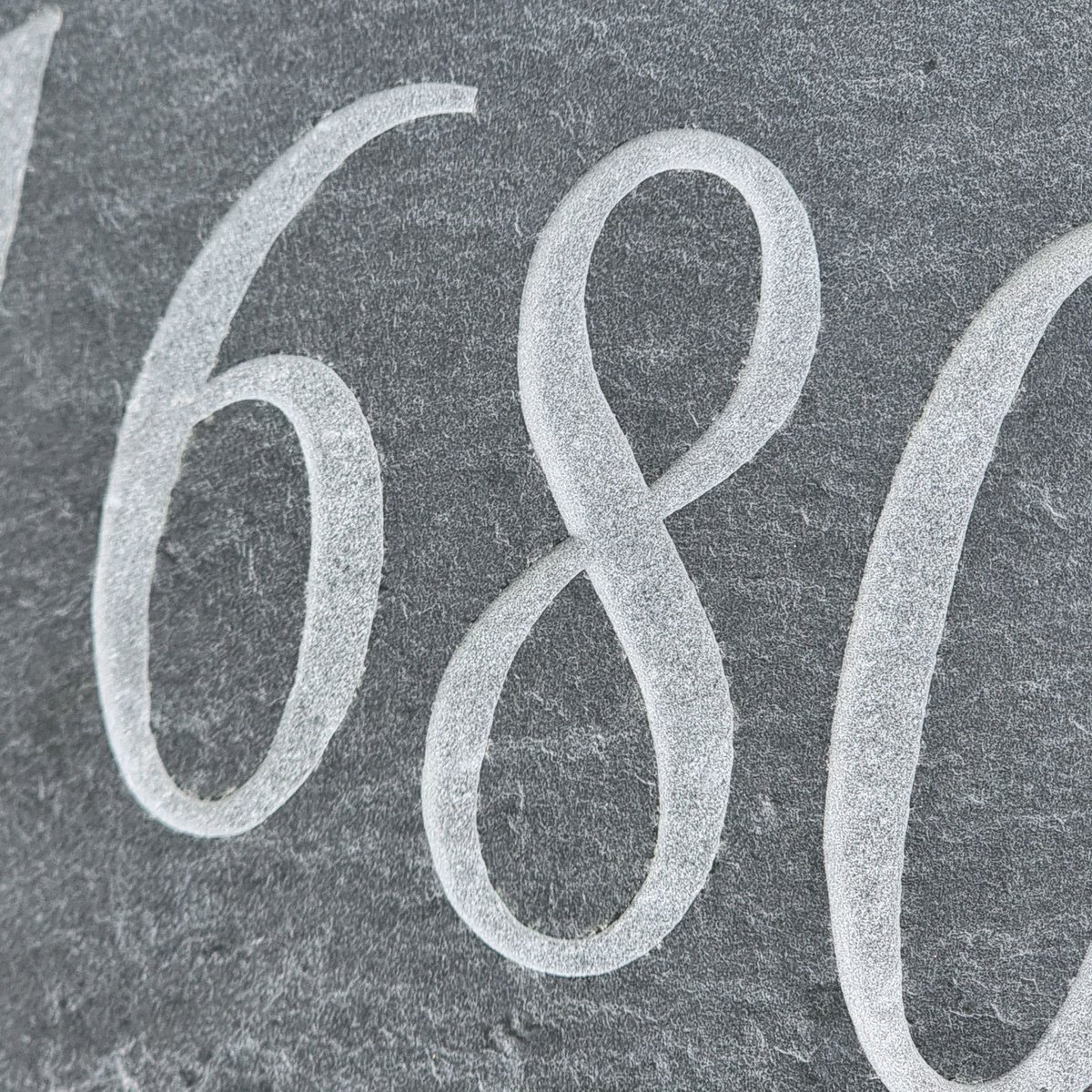
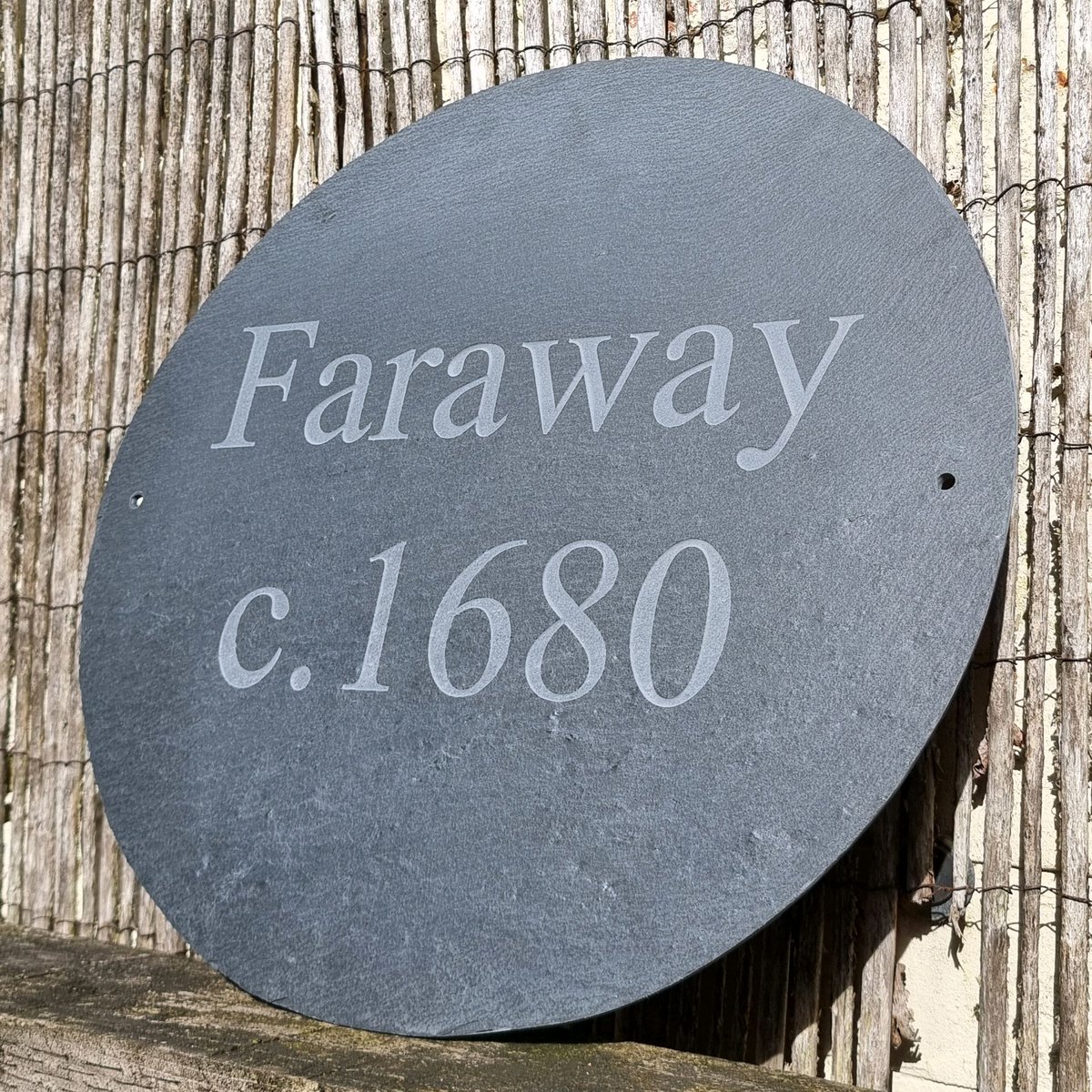
At 45cm this deep engraved sign will get noticed.
More unique gifts available on our website
🌐Website shop and socials🌐
🔗🔗🔗
linktr.ee/LeadDIYshop
#SlateHouseSign #HouseSign #CustomHouseSign #PersonalisedHouseSign #HomeSign #HouseNumberSign #AddressSign
3
14 Sep 2025
Turn your last name into wall art! Mirror acrylic letters shine against matte beadboard and a black gloss frame. #acrylicname #homesign
9
11 Sep 2025
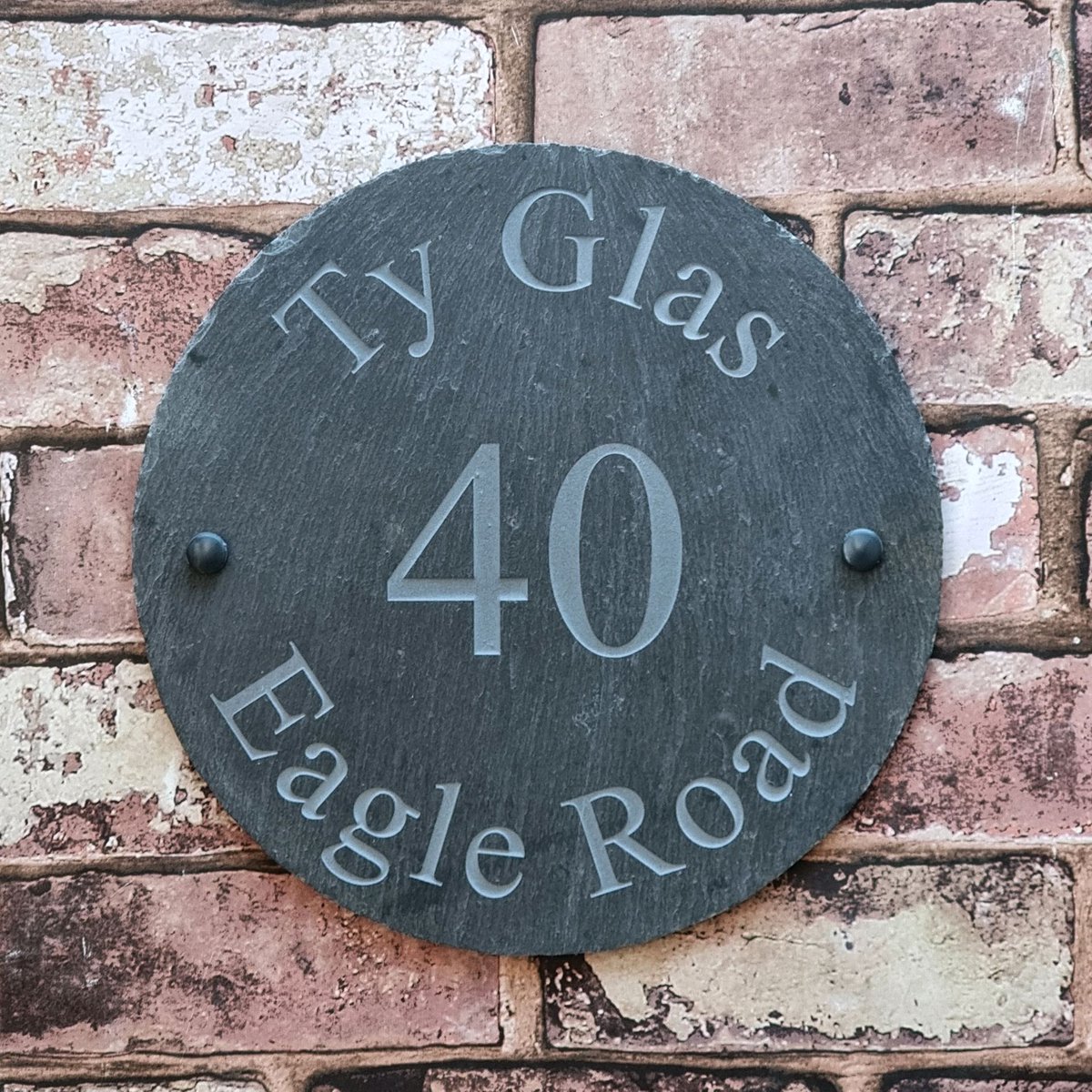
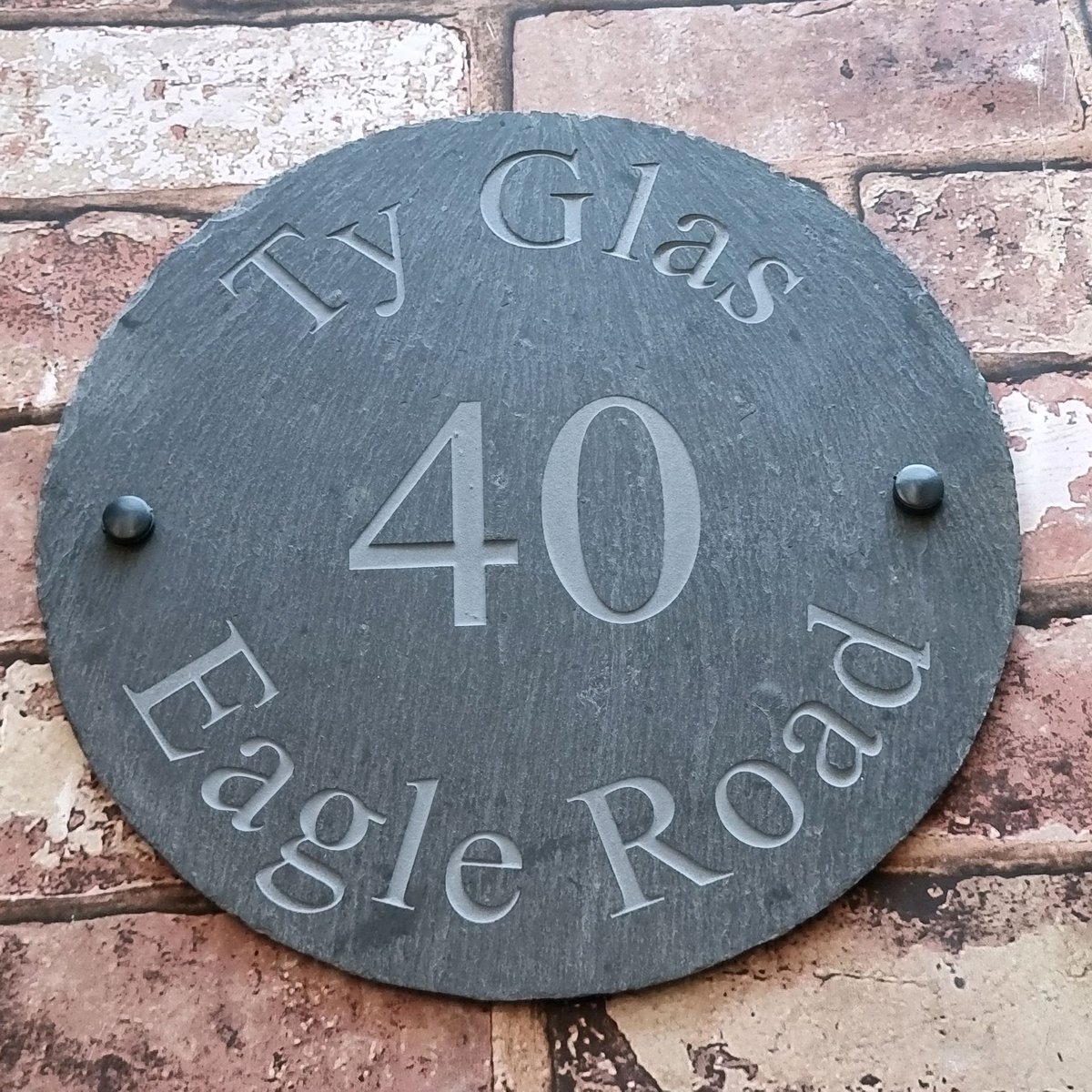
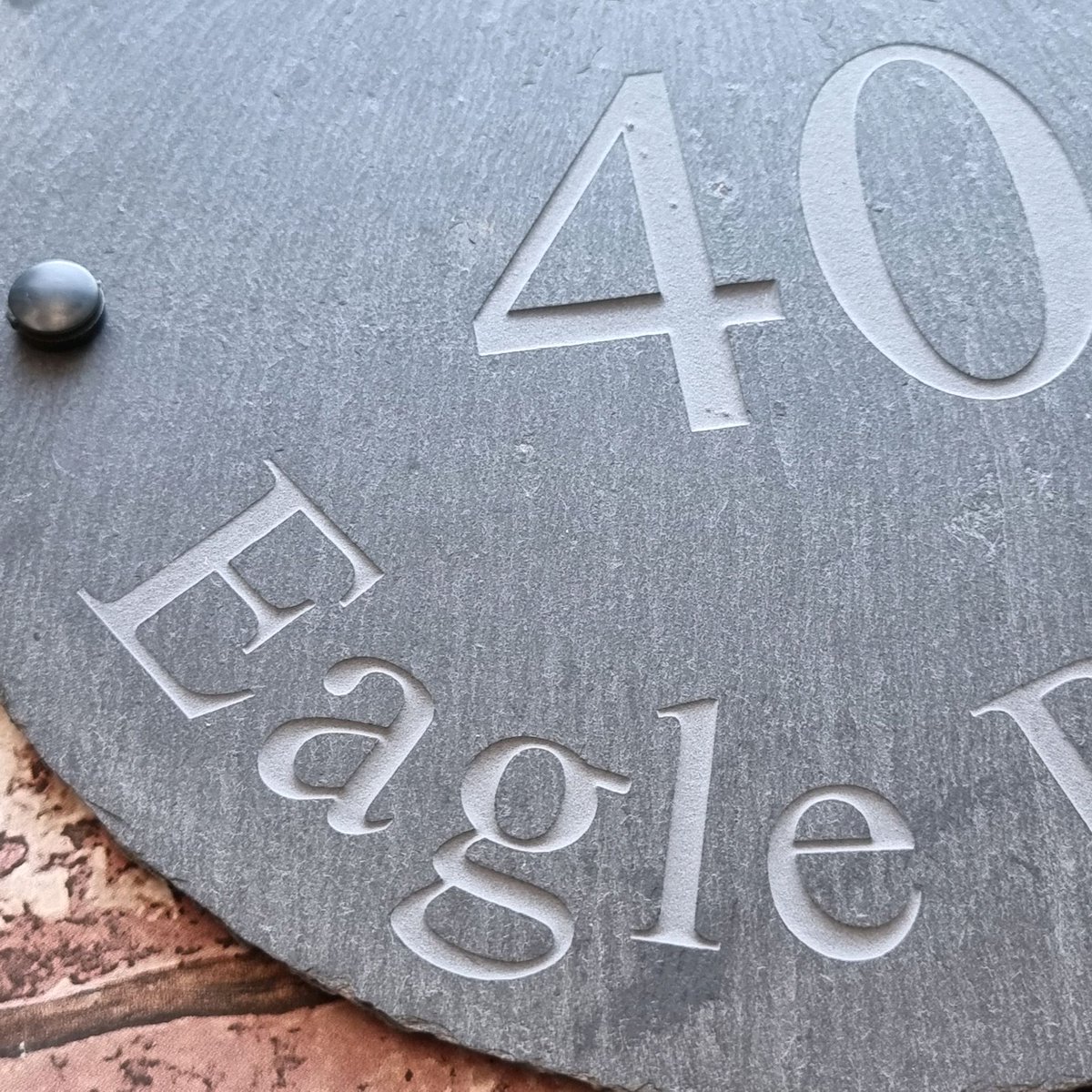
25cm natural slate house signs deep engraved for the original aged look.
leaddiyshop.com/house-signs
#SlateHouseSign #HouseSign #CustomHouseSign #PersonalisedHouseSign #HomeSign #HouseNumberSign #AddressSign
1

21 Aug 2025
PS: Again HomeSign.
From 1981 I studied under KOUNOSUKE at every IZU Summer Weekend with new 100 his books.
After consulted with OGAMA I founded YOKOHAMAISM in YOKOHAMA at 1984.
After a few months DAISAKU came to meet hand greeting with his black luxury car in ITABASHIKU.
40
20 Aug 2025
Framed Jewelry Art Sign 'Home' #2 #Handcrafted #Decor #FramedJewelryArt #HomeSign #MomSisGift #Repurpose #OOAK #UniqueGift #Collectible bartlettpairart.com/product/… via @jimmiesart
13
10
84