
18h
S/o to my fellow Magik mains who make that C tier look like S whether it’s QP or Comp. #HonestWork
31
MöthPucker💡 retweeted

Jun 14
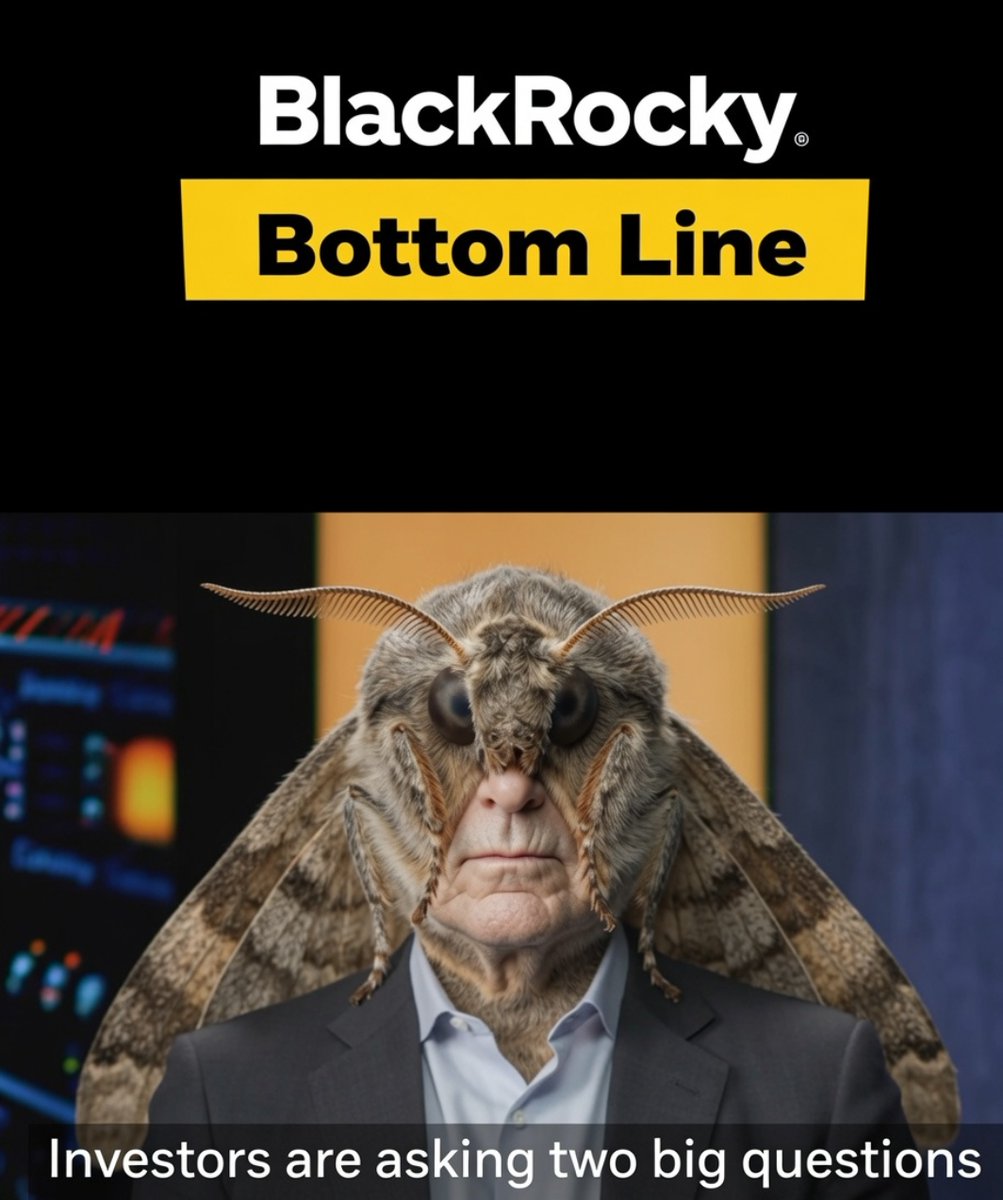
möths do lots of #HonestWork
they are totally cömpliant with the #CommunityCare
@Rockchilld3 @MothManJones
@MothaMoto
6
8
69

1
9
97

On Vyshyvanka Day, Ukrainians celebrate creation, honestwork and rooted (sedentary) culture.
In contrast, the Muscovite "поход за зипунами" (pohod za zipunami) reflects parasitic nomadic values — glorified plunder and theft- which arrived with the pechenegs in the 10th century.
4
5
1,466


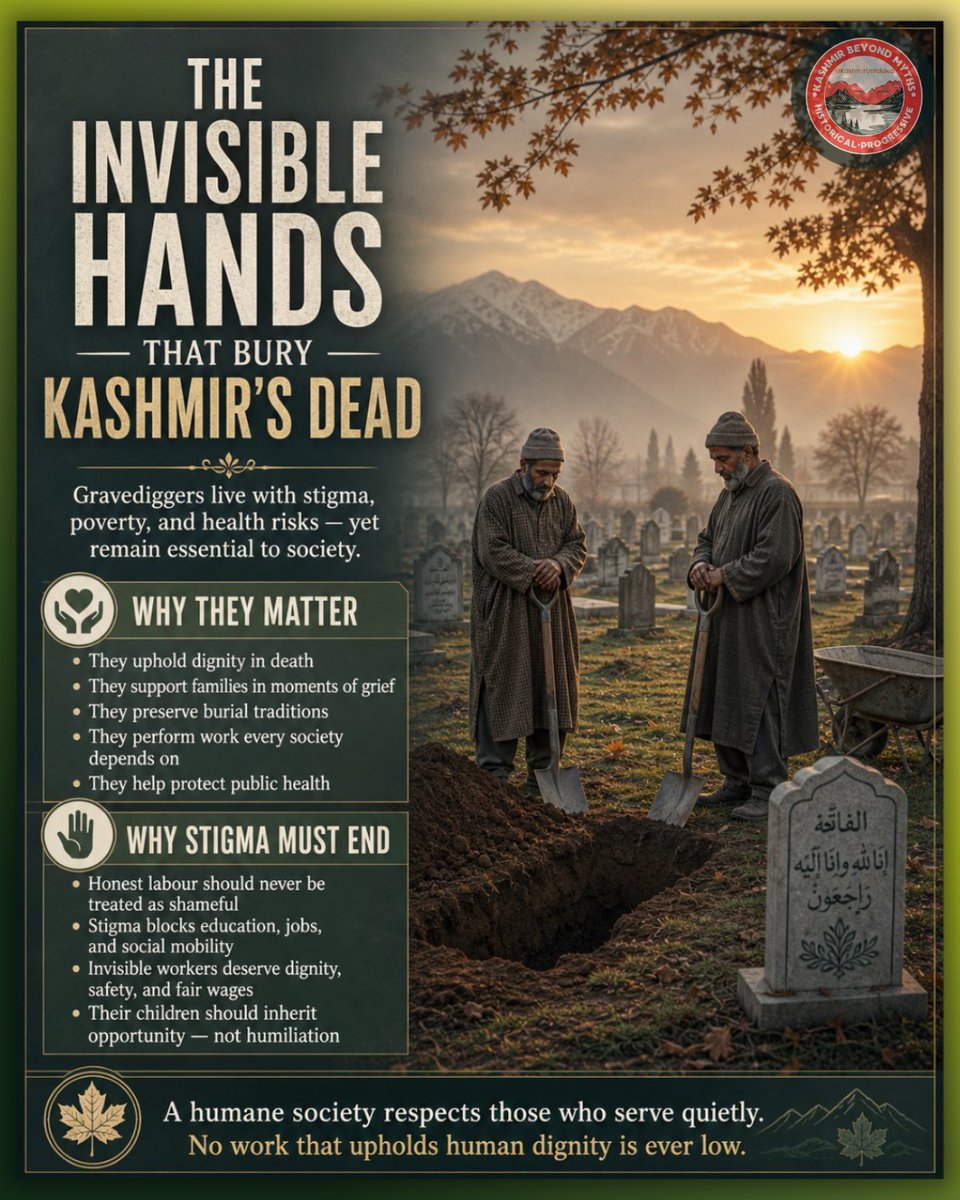
The Invisible Hands That Bury Kashmir’s Dead
Gravediggers are not just people who dig graves.
They are the quiet custodians of dignity in our final journey.
When a family is broken by loss, they step forward.
When grief leaves people unable to act, they perform the duty that society depends on.
When death arrives, they make sure the departed are treated with respect, faith, and humanity.
People like them are important because they do the work that holds society together in its most difficult moments.
▪︎ They protect public health.
▪︎ They help preserve religious and cultural burial traditions.
▪︎ They support families during grief.
▪︎ They ensure the dead are not abandoned.
▪︎ They remind us that dignity does not end with death.
Yet despite this sacred role, many gravediggers live with stigma, poverty, health risks, and social exclusion. They are often looked down upon because of the very work society cannot function without.
This stigma harms more than one generation.
It affects their children in schools.
It limits their access to better jobs.
It creates shame around honest labour.
It pushes families into silence and poverty.
It tells an entire community that their service is necessary, but their dignity is not.
That is not justice.
That is not culture.
That is not progress.
The same is true for sanitation workers, sweepers, waste collectors, cleaners, labourers, burial workers, cremation workers, and many other communities who do difficult but essential work. Society runs because of them, yet society often refuses to honour them.
We need to change this mindset.
Respect must not be reserved only for people with titles, wealth, or status.
Respect must also belong to those whose hands serve humanity quietly.
Gravediggers deserve fair wages, safety gear, healthcare support, social security, recognition, and dignity. Their children deserve opportunity without inherited stigma. Their families deserve to be seen as equal members of society.
A society is not truly developed when it builds roads, malls, and offices.
It is truly developed when it respects every worker who keeps life moving and every worker who gives dignity to death.
The hands that bury Kashmir’s dead are not invisible.
They are essential.
They are human.
They are part of our collective conscience.
No honest work is low.
No community should carry shame for serving society.
غیر مرئی ہاتھ جو کشمیر کے مُردوں کو دفناتے ہیں
گورکن صرف قبریں نہیں کھودتے، وہ غم کے سب سے نازک لمحے میں انسان کی آخری عزت سنبھالتے ہیں۔
جب خاندان صدمے میں ٹوٹ جاتا ہے، یہی لوگ خاموشی سے آگے بڑھتے ہیں۔ وہ تدفین کی روایت، مذہبی فریضہ، عوامی صحت اور انسانی وقار کو برقرار رکھتے ہیں۔
مگر افسوس، یہی ضروری لوگ اکثر غربت، صحت کے خطرات، سماجی نفرت اور بے قدری کا شکار رہتے ہیں۔
یہ داغ صرف ان پر نہیں، ان کی نسلوں پر بھی اثر ڈالتا ہے؛ بچوں کی تعلیم، روزگار، خود اعتمادی اور سماجی ترقی تک محدود ہو جاتی ہے۔
گورکن، صفائی کارکن، مزدور، کچرا اٹھانے والے اور وہ تمام خاموش خدمتگار جو معاشرے کو چلائے رکھتے ہیں، عزت کے مستحق ہیں۔
ترقی صرف عمارتوں سے نہیں آتی؛ ترقی تب آتی ہے جب ہر ایماندار محنت کو عزت ملے۔
کوئی کام چھوٹا نہیں، اگر وہ انسانیت کی خدمت کرتا ہے۔
#Kashmir #HumanDignity #RespectLabour #SocialJustice #InvisibleWorkers #HonestWork #KashmirStories
3
18
5,164


Mar 8
It’s not glamorous, but it’s honest work and it can grow with the right support: gofund.me/fd257231f #HonestWork #BlueCollarBiz #SupportTheHustle
28

Thank you for 200 followers. Just started posting a couple of days ago, and even tho it takes time to grow, I am grateful for every single one. Thank you!
#meme #honestwork #aiart #anime #SFWillustration

12
1,138

Feb 4
Former NA Deputy Speaker Qasim Suri Driving Uber in US Amid Financial Struggles
#QasimSuri #PTI #ImranKhan #PakistanPolitics #UberDriver #HonestWork #PoliticalPressure #ExLawmakers #USLife #PoliticalUpdate

82

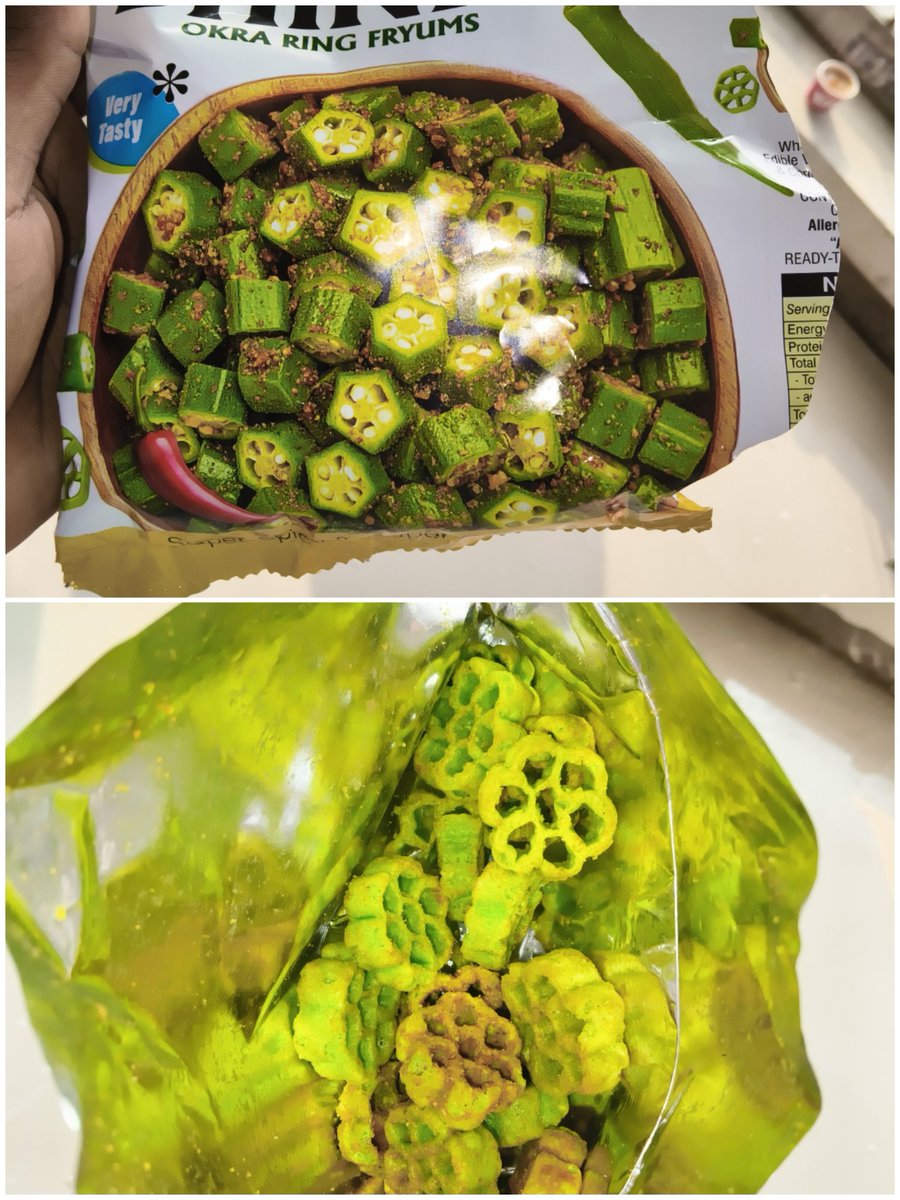
Expectation vs Reality 🤔
The packet promised one thing, but the contents told a different story 😅
Whether it’s a business or an interior project, long-term trust is built
when presentation and execution are perfectly aligned.
#ExpectationVsReality #HonestWork
@zeeinteriors365
1
2
56

Jan 15
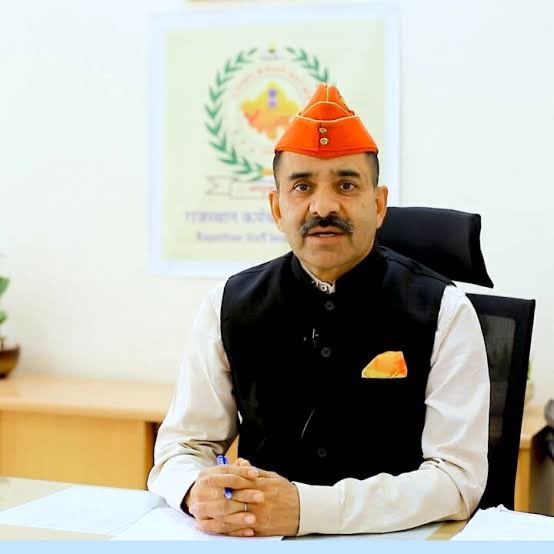
400K followers पूरे होना
सिर्फ लोकप्रियता नहीं,
ये निरंतर, ईमानदार और जिम्मेदार काम का परिणाम है।
युवाओं का भरोसा पूरी तरह आप पर कायम है
@alokrajRSSB जी को बधाई एवं शुभकामनाएँ।
#400K #HonestWork #Trust
2
5
248