
Yes-Back to the SEX-Read First
“Where intelligence meets seduction—of ideas.”
The Shoelace Will Outlast Us. Will Our Thinking?
Why human adaptability matters more than any invention we create
David Sable ( LinkedIn) recently asked a provocative question: What technologies will survive 500 years from now?
His answer? The wheel. Shoelaces. Simple tools that solve enduring human problems.
But here's what struck me when I read his thought experiment about running from a predator with untied shoes:
I'd adapt. I'd run barefoot.
Because what actually survives isn't the shoelace. It's the problem-solving mind that invented it—and the one that could abandon it when necessary.
That's what worries me about our current moment.
The Great Cognitive Outsourcing
Since COVID, we've watched a global experiment unfold. Education moved online. Libraries emptied. Attention fractured. Real research—the kind that requires patience, uncertainty, and synthesis—became something delegated to algorithms rather than developed as a skill.
Information became something delivered to us rather than something we sought out.
We optimized for convenience and called it progress.
In my clinical psychology training, we learned that cognitive capacity is use-dependent. The neural pathways for critical thinking, for sustained attention, for tolerating ambiguity—these don't maintain themselves. They require practice. Challenge. Discomfort.
Comfort doesn't build adaptable minds. Friction does.
The tools Sable celebrates lasted because they solved real problems for people who still knew how to think without them. People who read. Researched. Debated. Failed and rebuilt.
What happens when we stop developing those people?
The Leadership Implication
I work with executives navigating reinvention—people rebuilding careers after burnout, identity shifts, organizational collapse.
The ones who struggle most aren't those who lack resources or connections. They're the ones who spent years in systems that thought for them.
Algorithms that curated their information. Teams that filtered their decisions. Processes that removed the need to tolerate uncertainty.
When those systems disappear—through job loss, market shift, life disruption—they discover their problem-solving muscle has atrophied.
Not their intelligence. Their adaptability.
The Real Question
Sable closes with Douglas Adams: "We are stuck with technology when what we really want is just stuff that works."
I'd reframe it:
We're stuck with technology when we forget how to think without it.
The shoelace will probably last another 5,000 years. The question is whether humans will still be capable of inventing the next one—or recognizing when we don't need it.
Technology doesn't worry me. Atrophied critical thinking does.
AI isn't the threat. The threat is humans who've traded the discomfort of independent thought for the convenience of outsourced cognition.
The shoelace lasted because humans kept adapting around it, with it, beyond it.
That's the capability worth protecting.
Mermaid is a Life Architect and founder of Mermaid MILF Studios. I specializes in reinvention coaching for executives navigating career transitions, identity shifts, and rebuilding after disruption. Psychology-informed. Battle-tested.
Read more:MermaidMilfStudios.com
Book a confidential session:doxy.me/mermaidcoaching
#HumanAdaptability
#FutureOfWork
#LongTermThinking
#HumanCenteredDesign
#InnovationMindset
#SystemsThinking
#StrategicThinking
#CriticalThinking
#LeadershipDevelopment
1
9
7,457

23 Jul 2023
"From Stone Age to Space Age, humans have come a long way, proving our remarkable adaptability! 💪🌍✨ Whether it's conquering new frontiers or navigating through challenges, we keep evolving and thriving. 🚀💥 Adaptability truly defines our species. #HumanAdaptability
2
151

23 Mar 2021
The 3 ups from the 5pm - 5am curfew was:
- Waking up super early
- Sleeping early
- Challenge accepted by local businesses by adapting & thriving to random changes that's being thrown at them.
P.S all the above can be done without curfews.
Us 1 - 0 Govt
#HumanAdaptability
2

17 Apr 2020
Our weekly reach out to clients and colleagues, including a video with my thoughts of encouragement and human adaptability. #coronavirus #quarantine #WFH #humanadaptability
👇🏻☀️❤️😊👇🏻☀️❤️😊
17 Apr 2020

We're here for you - mailchi.mp/b39be113411f/week…
1
3

13 Dec 2019
Why commit to a line that’s most often wrong? I’ve done the testing and most under-read putts, yet compensate by starting the ball higher than their low read. #humanadaptability
5
3

9 Mar 2019
Well I’m sure eating chickens, oysters, pigs, prawns were thought of in the same regard once upon a time...#Evolution #HumanAdaptability
1
1

9 Oct 2018
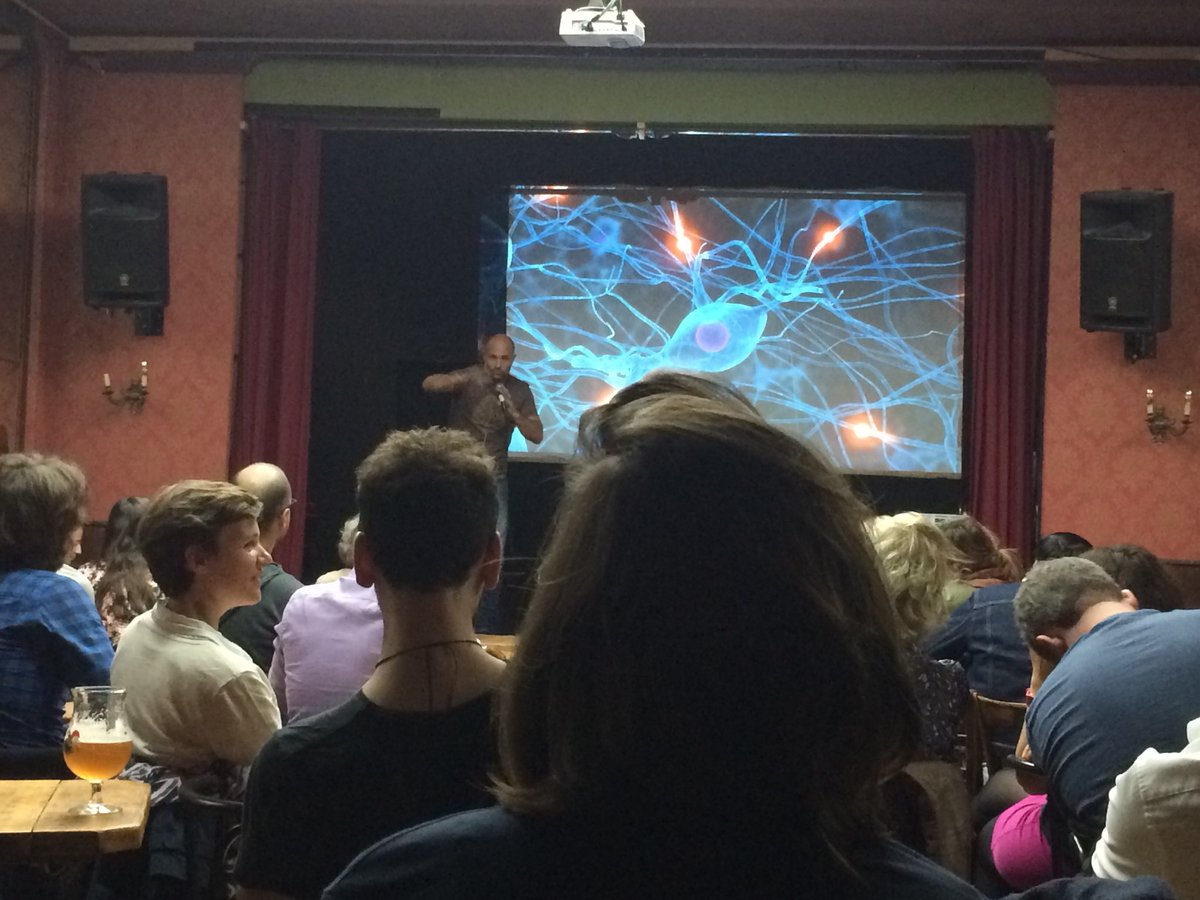
[#FeteDeLaScience] Allocation / variabilité corticale, protocole réflexe, stratégie d’ajustement... @ChristianClot explique facilement les secrets du #cerveau... #HumanAdaptability @pintofscienceFR
2
9 Oct 2018
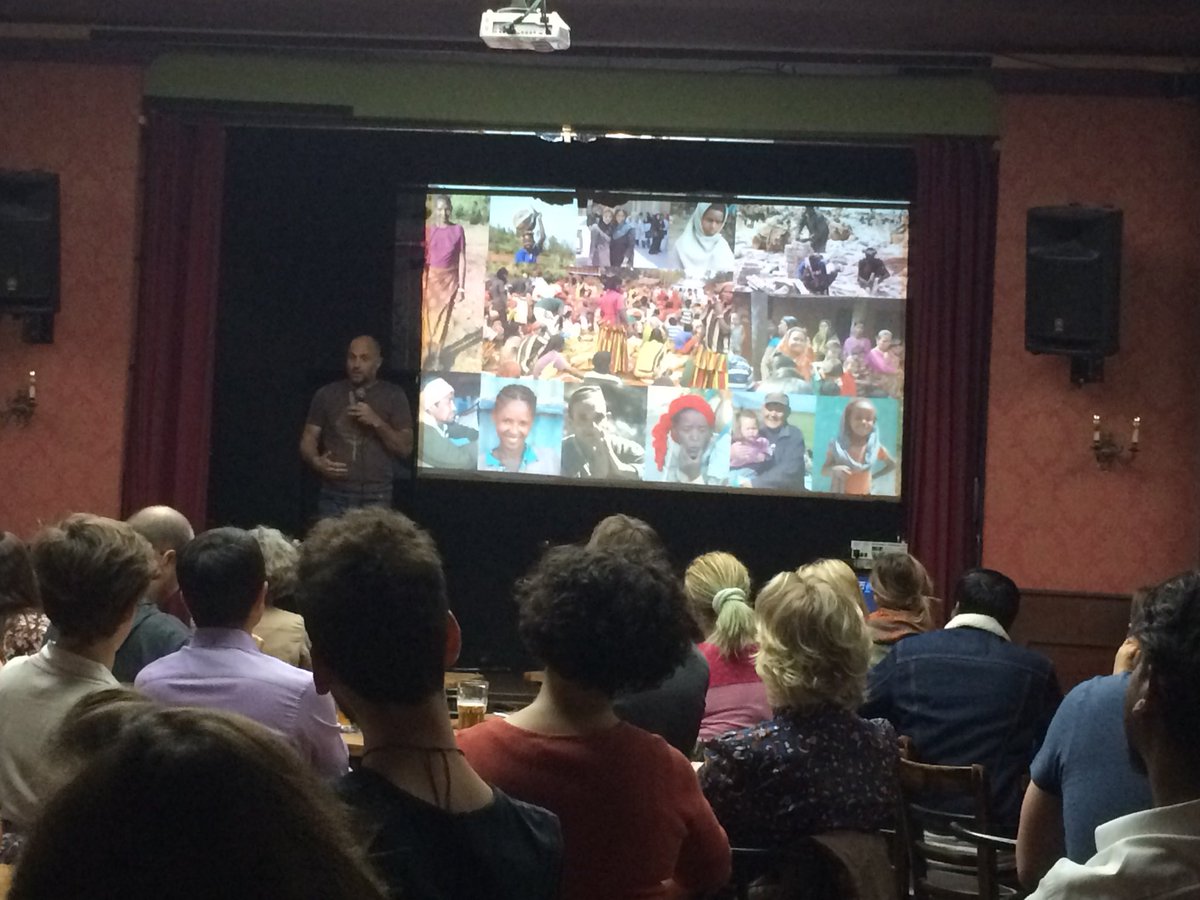
[#FeteDeLaScience] Salle comble pour le café autour @ChristianClot organisé par @pintofscienceFR. L’explorateur chercheur, parrain @FeteScience explique les différences entre perception et réalité et le projet #HumanAdaptability
2

5 Jun 2017
#DanielRye shares powerful lessons about #humanadaptability in extreme situations & #challenges of his own identity
youtube.com/watch?v=ClCzZGms…
2

1 Jun 2017
[#Conférence] Ce soir @ChristianClot raconte #AdaptationExpé... @ANAJ_IHEDN est partenaire ! adaptationexpe.com/fr/confer… #humanadaptability
1
1

2 Mar 2016
Mr. Factory Robot: Meet Your New Co-Worker. It's a Human. @MarkGraban #HumanAgility #HumanAdaptability
2 Mar 2016

“human workers, with all their flexibility and dexterity, are reclaiming space on Mercedes-Benz’s assembly lines.” forbes.com/sites/joannmuller…
1