
Jun 10
Watch me on Twitch! I'm playing some #Destiny2 #Nonmanssky #Conanexiles #Callofduty. Yes there is off key singing lol #hunterclass #chillvibes #supportsmallstreamers
🌞twitch.tv/heyitssweeets
1
2
109

#F110 #Bonifaz #HunterClass #Type26 #Navantia #BAESystems #Fragatas #ArmadaEspañola #RoyalAustralianNavy #GuerraAntisubmarina #Aegis #SPY7 #CEAFAR2 #SCOMBA #IndustriaNaval #DefensaNaval #España #Australia #ÁlvaroDeBazán #RoyalNavy #IndoPacífico #ASPI #StrategicAnalysisAustralia @robeslo @blog_naval @AlonsodeLanzos @SebasHidalgomz @Juancdz_ @GonzaloVzquezO1 @FSupervielleB @CarderoMan95 @Armada_esp @A_Malaspina1754 @xaviervav @Xlegio10Lexx @TercioNorte1 @juliomaizsanz
3
2,177

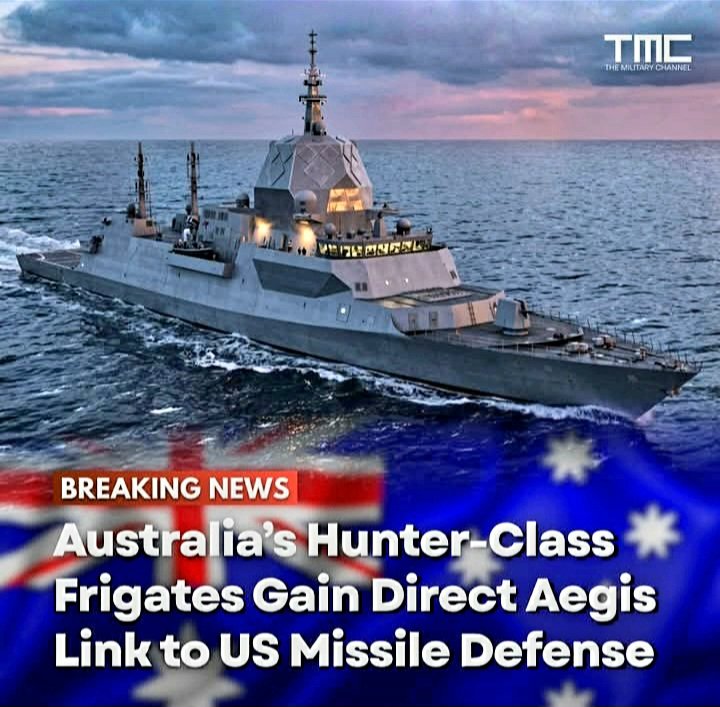
Naval integration between AUKUS partners, the Royal Australian Navy (RAN) has successfully demonstrated a direct, high-speed data link between its future Hunter-class frigate combat architecture and the United States’ Aegis Ballistic Missile Defense (BMD) system.
The milestone, achieved on March 11, 2026, during a series of complex simulation trials at the Osborne Naval Shipyard, confirms that the Hunter-class will not merely be a standalone anti-submarine platform, but a fully integrated node in a global, multi-domain defense shield.
While the Hunter-class is based on the British Type 26 design, Australia has fundamentally redesigned its combat "brain." The frigate marries the American Aegis Combat Management System (Baseline 9 or higher) with the world-leading, Australian-made CEAFAR2 Phased-Array Radar.
The recent trials validated the Cooperative Engagement Capability (CEC), a sensor-netting technology that allows a Hunter-class frigate to "see" a threat, such as a supersonic cruise missile or a theater ballistic missile, and share that precise tracking data in real-time with a U.S. Navy destroyer or an Australian Hobart-class destroyer. Crucially, this allows one ship to engage a target using the radar data of another, effectively creating a "distributed" defense net across thousands of miles of ocean.
Originally optimized for anti-submarine warfare (ASW), the Hunter-class is now being positioned as a powerful multi-mission combatant. With the Aegis link firmly established, the fleet will be capable of fielding an advanced missile portfolio across its 32-cell Mk 41 Vertical Launch System (VLS): 🔻
📌 SM-2 and SM-6 Missiles: For long-range air defense and terminal ballistic missile defense.
📌 Tomahawk Cruise Missiles: Providing a potent long-range land-strike capability, recently prioritized under the 2024 National Defence Strategy.
📌 RIM-162 ESSM Block 2: For point defense against highly maneuverable anti-ship missiles.
The project is being delivered by a "powerhouse alliance" of BAE Systems Australia, Lockheed Martin Australia, and Saab Australia. By developing a sovereign "Australian Interface" for the Aegis system, New Delhi and Canberra ensure that the RAN can customize its combat software to meet specific regional threats without waiting for updates from international suppliers.
"This is about more than just a new ship; it’s about a new level of deterrent power," said a spokesperson for the Australian Department of Defence. "A Hunter-class frigate operating in the Indo-Pacific will now be digitally tethered to every Aegis-equipped vessel in the Allied fleet, from Japan to the United States."
As construction on the first three ships, HMAS Hunter, HMAS Flinders, and HMAS Tasman, accelerates at the Osborne shipyard, this digital breakthrough ensures that by the time the first vessel enters service in the early 2030s, it will be one of the most technologically advanced and "connected" warships on the planet.
#HunterClass #Aegis #RoyalAustralianNavy #BAESystems #LockheedMartin #MissileDefense #AUKUS #MaritimeSecurity #IndoPacific #DefenseNews
2
6
30
989

8 Dec 2025
The Royal Australian Navy needs to stop modifying vessels and follow the Norwegian Navy’s interchangeable approach. #Australia #AusNavy #UK #RoyalNavy #Norway #NorwegianNavy #Type26Frigate #HunterClass youtube.com/watch?v=T_Dkoumh…
2
2
63

28 Nov 2025
Many thanks to Alan Bardos for kindly sending a copy of Hunter Class book two in the Daniel Nichols spy thriller series, looking forward to reading @BardosAlan #HunterClass

2
3
133
13 Aug 2025
Join Me in some Late Night Gaming
💜Twitch.tv/Heyitssweeets
💚Kick.com/Heyitssweeets
#xbox #destiny2 #hunterclass #dredgen #twitch #KickStreaming #streamer #girlgamer #latenight
1
1
8
377

12 Aug 2025
🚢 Exciting news! Rohde & Schwarz Australia has awarded STS Defence a contract to deliver integrated communications masts for the Royal Australian Navy's Hunter Class Frigates. This partnership enhances naval capabilities with advanced NAVICS MLS systems! 💪🇦🇺 #RAN #HunterClass…
2
112
18 Dec 2024
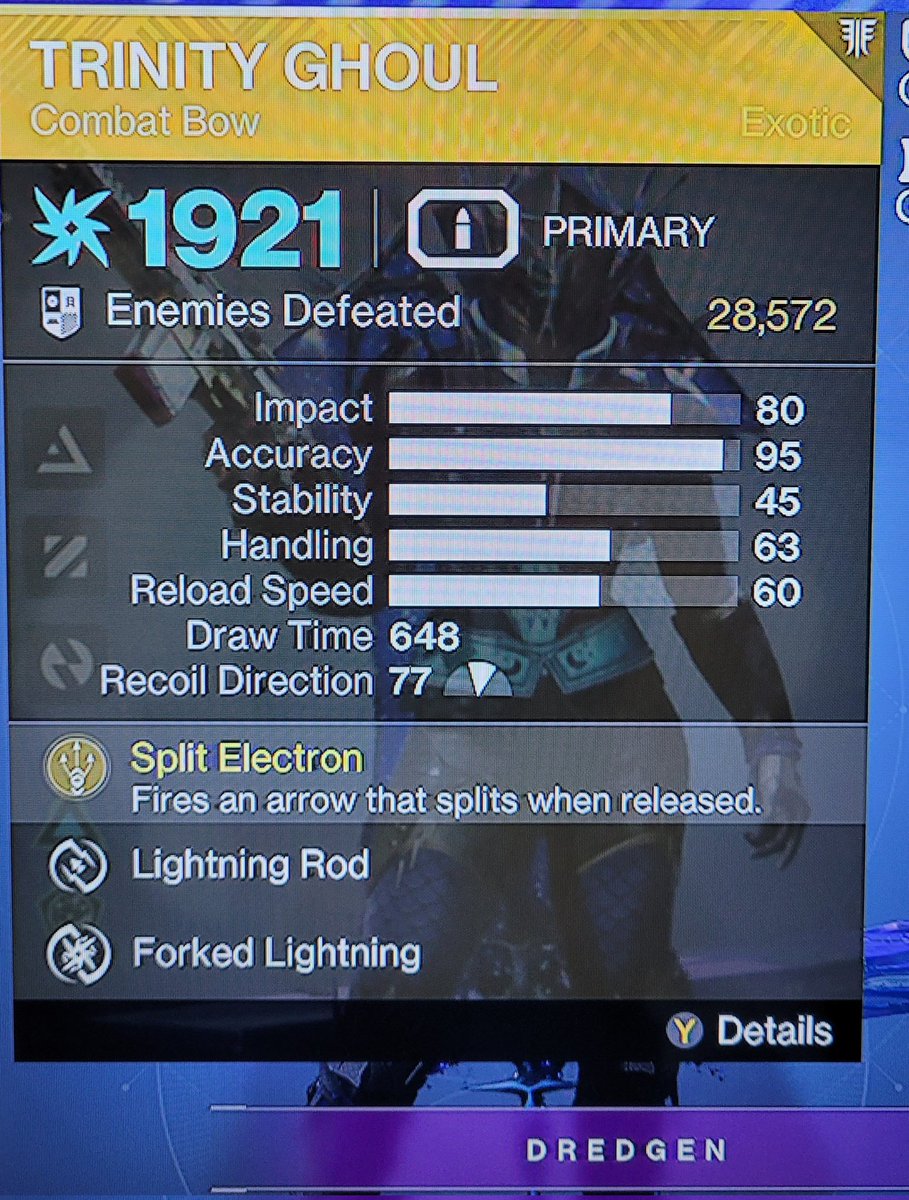
I think I like this Bow @DestinyTheGame
🎄Happy Holidays🎄
🎁Twitch.tv/Heyitssweeets
🎁Kick.com/Heyitssweeets
#Drops #twitch #girlgamer #hunterclass #livenow #streamer #SupportSmallStreamers
1
2
51

17 Dec 2024
الجزائر تتسلّم ثاني طائرة برمائية من طراز Be-200ES من روسيا
#فرقاطات #أستراليا #تقنية #بحرية #دفاع #ملاحة #SYNAPSISNAVAL #تكنولوجيا_عسكرية #تصنيع_حربي #أخبار_دفاعية #صناعة_السفن #Anschutz #HunterClass
defensearabia.com/2024/12/%d…
1
23
1,211
17 Dec 2024
شركة Anschütz تنجح في اجتياز المرحلة التالية من برنامج الفرقاطات الأسترالية فئة Hunter
#فرقاطات #أستراليا #تقنية #بحرية #دفاع #ملاحة #SYNAPSISNAVAL #تكنولوجيا_عسكرية #تصنيع_حربي #أخبار_دفاعية #صناعة_السفن #Anschutz #HunterClass
نجحت شركة Anschütz في تجاوز المرحلة الأولى من تصميم نظام الملاحة المتكامل للفرقاطات الأسترالية من فئة Hunter.
قدمت الشركة تصميمًا متطورًا يلبي أعلى المعايير العسكرية، وحددت جميع المتطلبات الفنية.
سيتم تزويد الفرقاطات بنظام SYNAPSIS NAVAL الذي يوفر صورة بحرية متكاملة ويسهل عمليات الملاحة والتكتيكات.
تهدف الشركة إلى تقديم نظام ملاحة قوي ومصمم خصيصًا ليعزز قدرات البحرية الأسترالية.
التفاصيل: defensearabia.com/2024/12/%d…

1
3
658

21 Jun 2024
#goodmorning from #Adelaide!
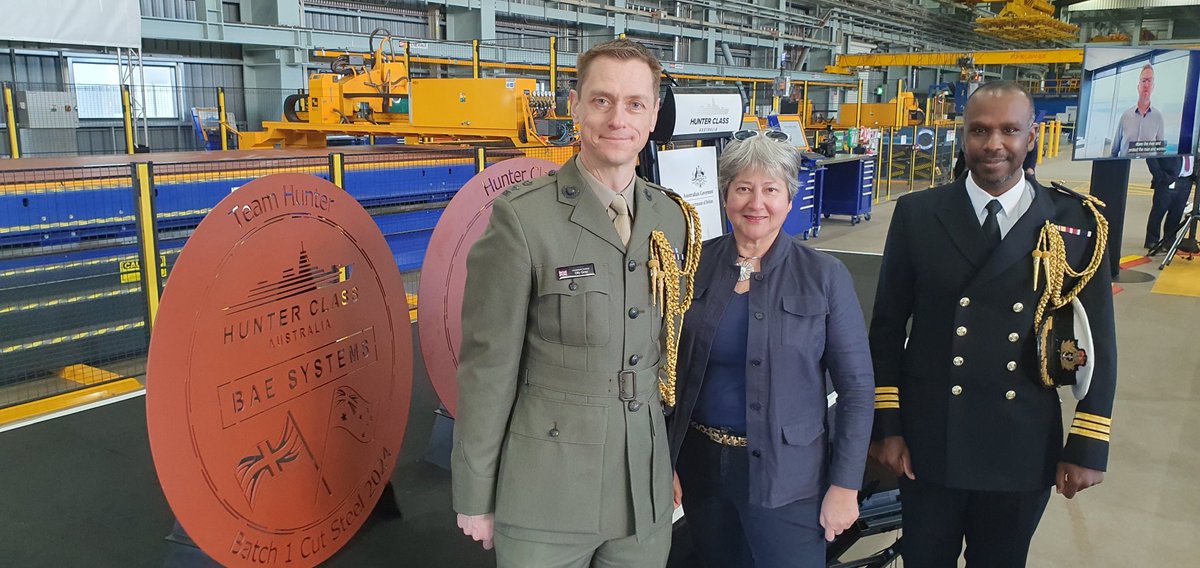
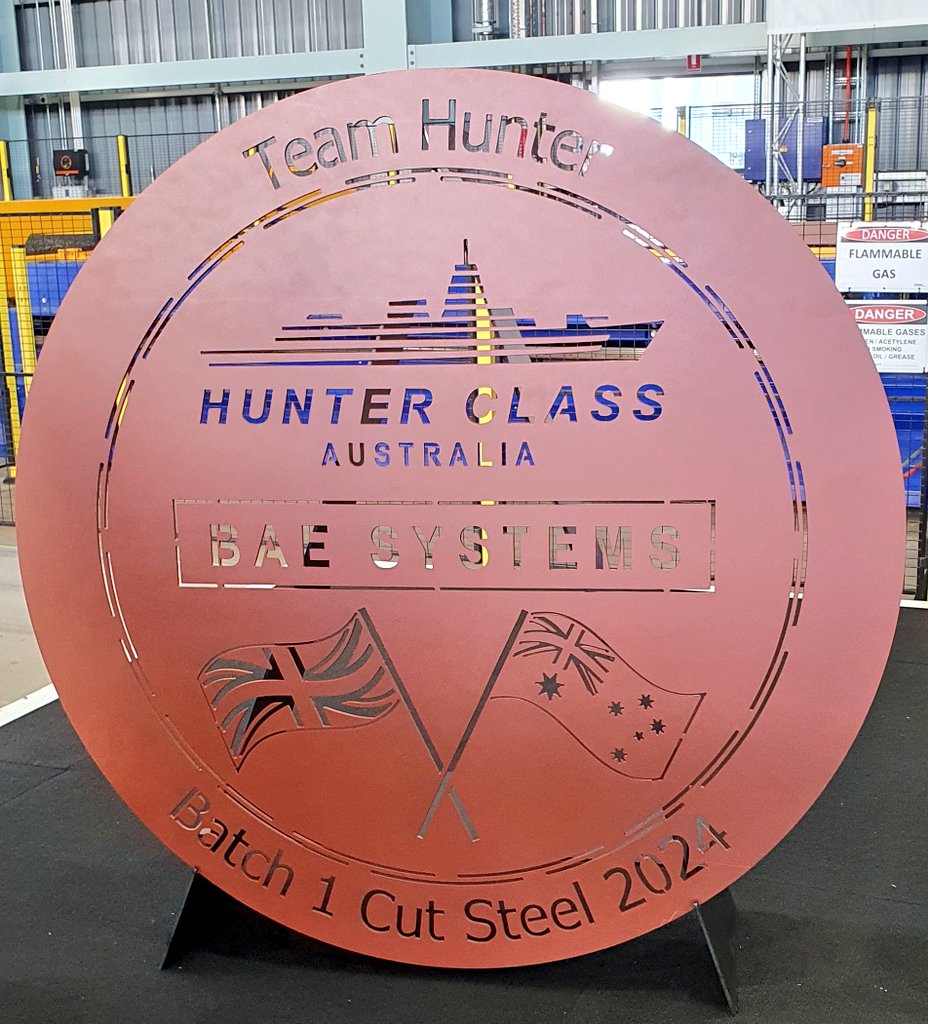
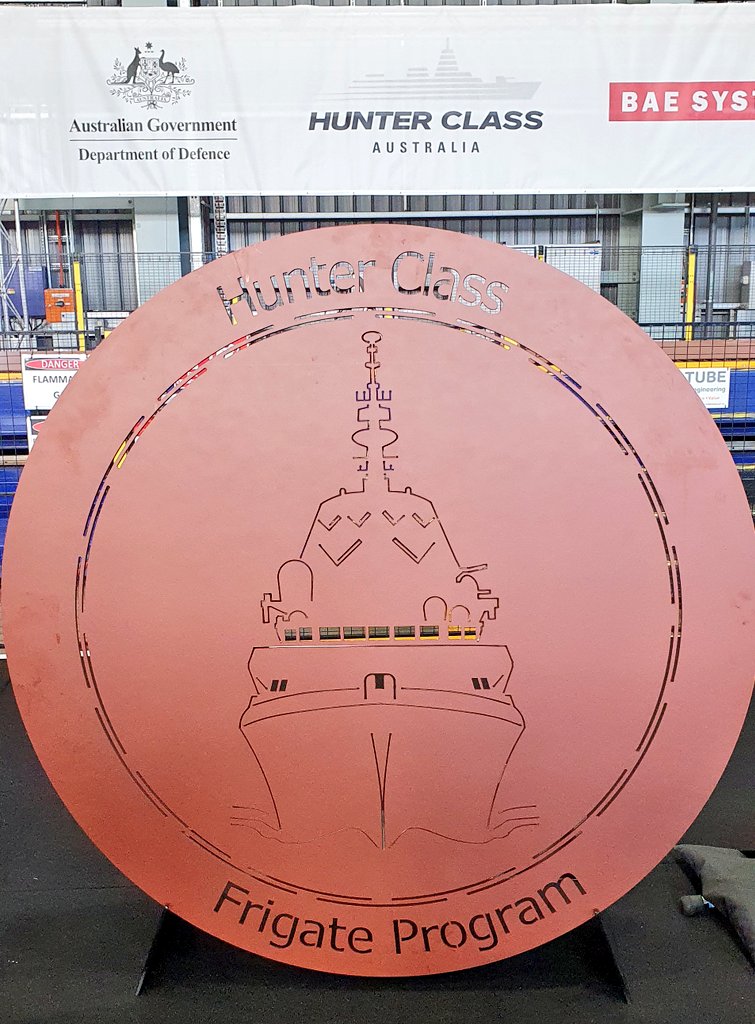
Here for the #HunterClass Frigate Program Cut Steel Event. A big day for the Osborn Naval Shipyard & for the UK/Australia relationship.
Attending with @ukinaustralia's top @RoyalNavy team.
1
6
646

8 Apr 2024
1
8
1,609
24 Mar 2024
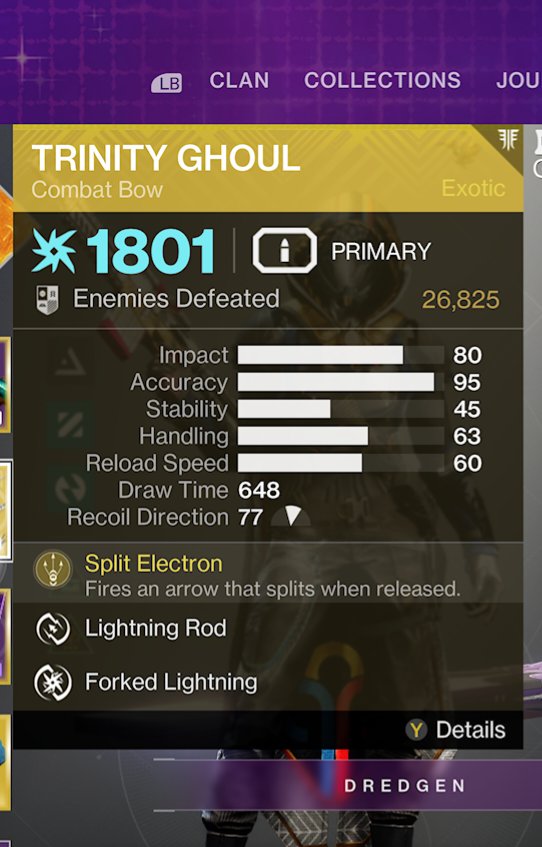
@DestinyTheGame @Bungie What's your favorite bow? I will go first, and that number is still growing 😉
#destiny2 #hunterclass #gaurdiangames #xbox
1
1
71
18 Mar 2024
🍀Happy St. Patrick's Day, I hope you are wearing green!🍀
#xbox #twitch #kickstreaming. #girlgamer #Otaku #destiny2 #guardiangames #hunterclass #streamer #streamlabs #soundalerts #lucidsound #SupportSmallStreamers
🍀Twitch.tv/Heyitssweeets 🍀
🍀Kick.com/Heyitssweeets 🍀
1
2
314

The #AdventuresintheRealm continues w/ a current look to #RealmRoyale!
Realm Royale: Reforged [XBOX One] 10 Min. in the Realm (2024) [Hunter/Trios]
youtu.be/VAEw4Or0bcc
#RealmRoyaleReforged #XBOX #XBOXShare #10Minutesgameplay #RealmRoyale2024 #Hunterclass #gameplay #Paladins
1
1
2
86

6 Dec 2023
Coming soon..
Bungie Store Exclusive GITD Golden Gun Cayde 6.
@Bungie @IFrostBolt #HunterClass #Destiny2Art #DestinyTheGame

7
2
18
3,158

5 Dec 2023
Hey ya'll. I'll be going live at 10:30am with more Destiny 2: Lightfall. #Destiny2 #Destiny2Lightfall #hunterclass
twitch.tv/Alizzler?sr=a
2
143
4 Dec 2023
3
15
1,600
16 Nov 2023
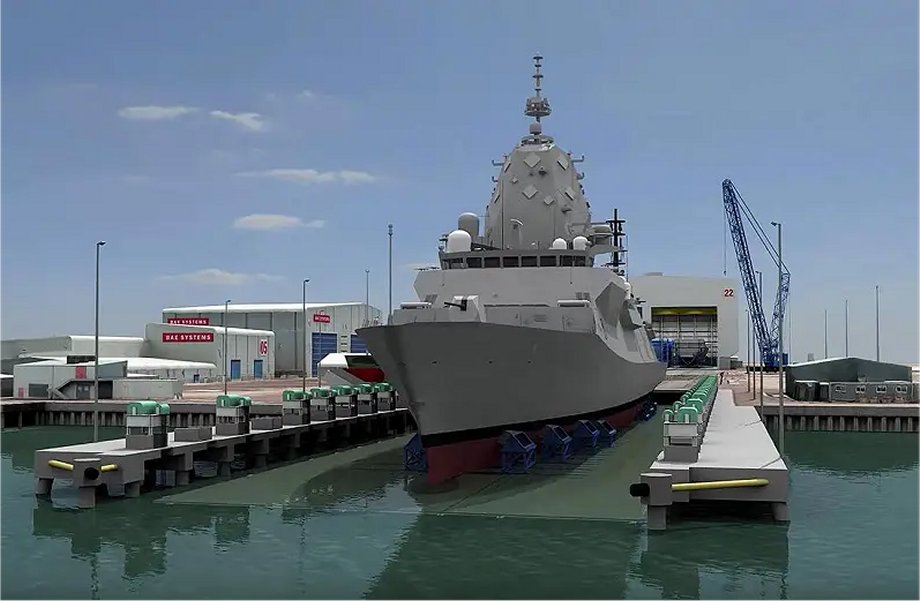
#BAESystems secures contract to equip #AustraliaNavy 's #Hunterclass #frigates with #MK45 #navalguns
navyrecognition.com/index.ph…
5
14
2,842