
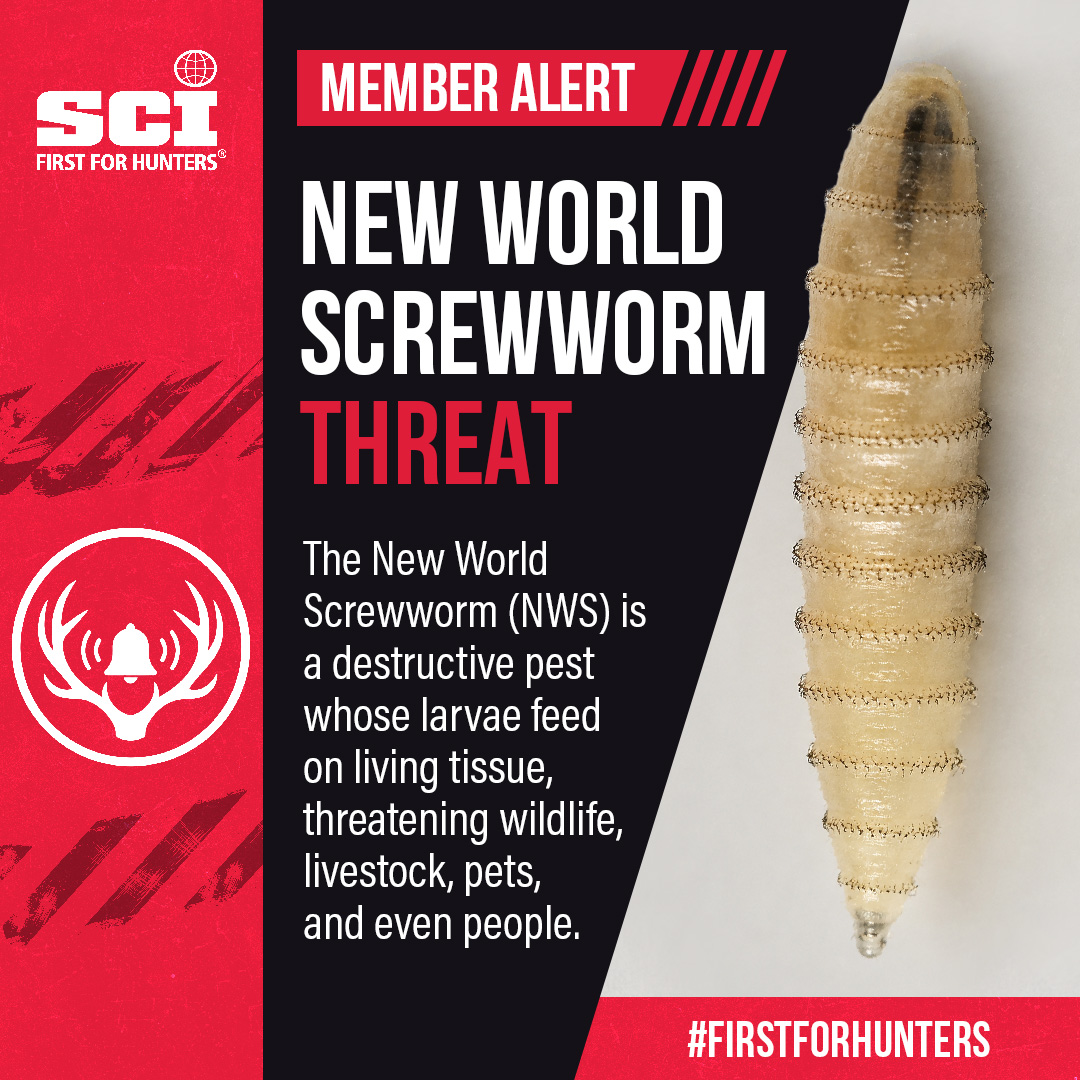
Hunters are often the first to spot problems in the field, and right now, that early detection is critical. ⚠️
@USDA_APHIS, working alongside state wildlife and animal health officials, is actively fighting to keep it from becoming established in the U.S. But success depends on vigilance from those who spend the most time on the landscape, including hunters, ranchers, landowners, and outdoor enthusiasts.
Know what to look for:
🚨 Unusual or non-healing wounds
🚨 Maggots present in wounds
🚨 Foul odor around an injury
🚨 Excessive irritation or abnormal behavior
🚨 Animals that appear distressed or weakened
If you see something, say something. Report suspected cases to your local Texas Parks and Wildlife biologist or game warden. For livestock or domestic animals, contact the Texas Animal Health Commission at 1-800-550-8242. To contact APHIS call 866-487-3297.
Behind the scenes, APHIS is deploying a multi-layered response to stop this threat:
☑️ Releasing ~100 million sterile flies weekly along the U.S.-Mexico border to collapse populations
☑️ Expanding sterile fly production and dispersal infrastructure
☑️ Conducting aggressive surveillance, trapping, and field investigations
☑️ Strengthening border protections and import controls
☑️ Coordinating across federal, state, and international partners
☑️ Encouraging rapid public reporting to ensure early detection
‼️ Why it matters: A major outbreak could cause billions in agricultural losses and significantly impact wildlife populations. The goal is not just control, but complete eradication before the pest can re-establish in the United States.
Conservation works best when we all work together. Hunters have always been the eyes and ears of the field. By staying alert and reporting suspicious cases, YOU play a critical role in protecting wildlife, livestock, and our hunting heritage for generations to come.
#SafariClubInternational #HuntersForConservation #NewWorldScrewworm #ConservationWorks #IfYouSeeSomethingSaySomething #FirstForHunters
1
2
115
This is what we FIGHT for - now it's YOUR turn. 🚨
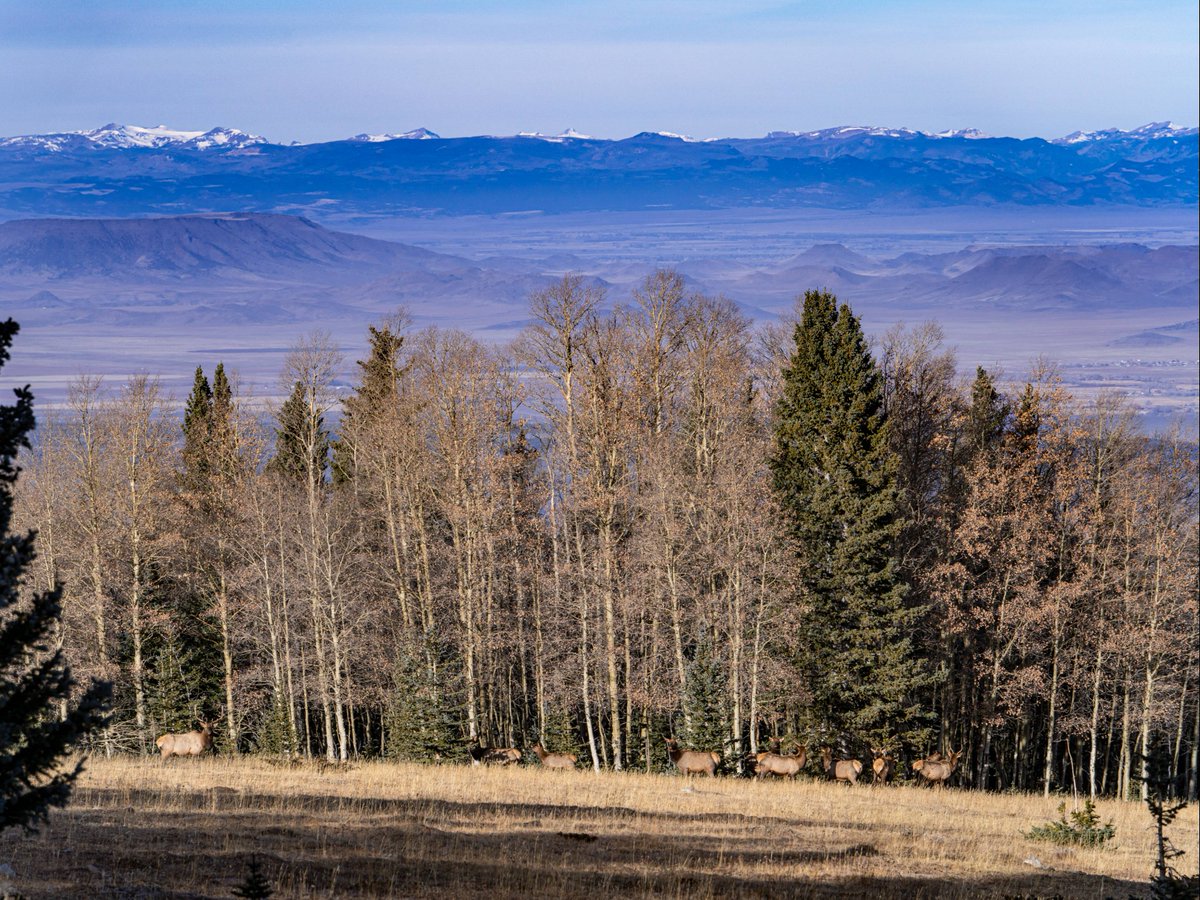
SCI applauds the @Interior for proposing the largest ever expansion of hunting and fishing access on National Wildlife Refuges - with 1,450 new opportunities across 111 federal sites.
SCI commends the @USFWS for this historic expansion, which directly advances the priorities that SCI has repeatedly championed to the Service on behalf of our members. This action also builds on Secretarial Order 3447, reaffirming the indispensable role hunters and anglers play in American conservation - protecting habitat, managing wildlife populations, and providing the majority of funding that sustains conservation programs nationwide.
SCI supports this proposal because it helps Make America Beautiful Again - something that hunters and anglers have been doing for generations. However, progress isn’t guaranteed. If we don’t show up, we risk losing it.
SCI is calling on YOU to support this proposed expansion of hunting and fishing. Visit votervoice.net/SCI/Campaigns… and make your voice heard! Sportsmen and women don’t just talk about conservation. We fund it. We defend it. We live it.
✅ More access
✅ Stronger conservation
✅ Our hunting heritage secured
Make your voice count. Stand with SCI. 👏
#WeAreSCI #HuntersForConservation #TakeAction #PublicLands #HuntingHeritage #DepartmentofInterior #WhiteHouse #FishandWildlifeService #MakeAmericaBeautifulAgain #FirstForHunters
2
107

3 Apr 2025
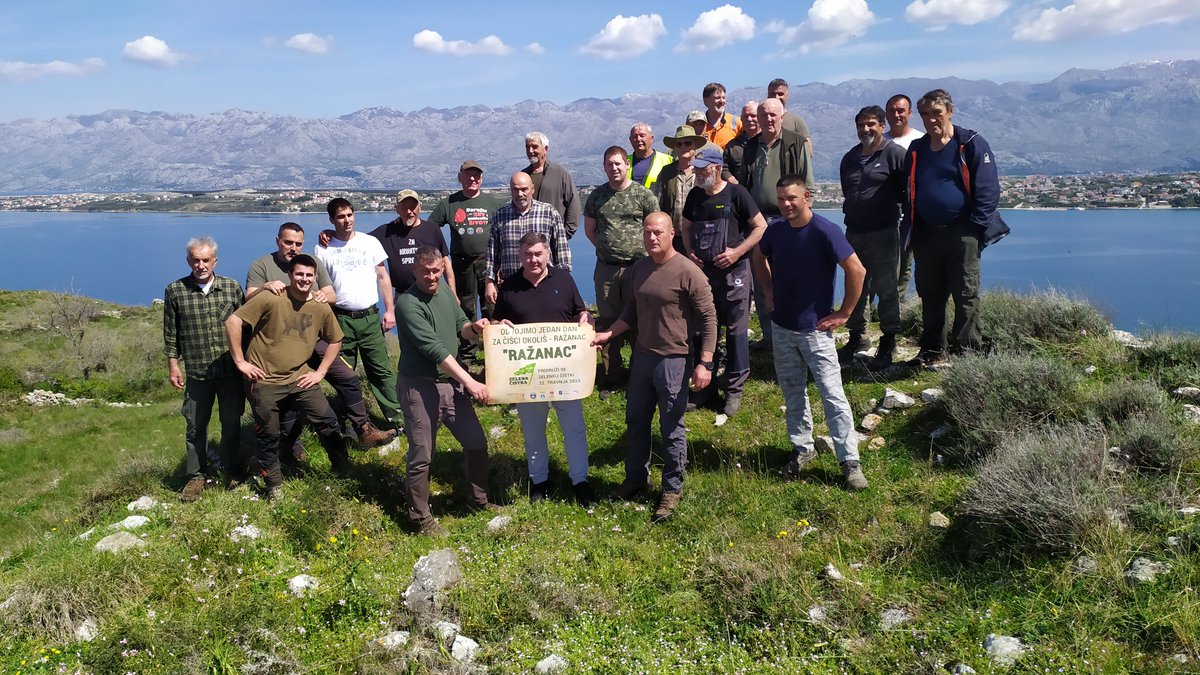
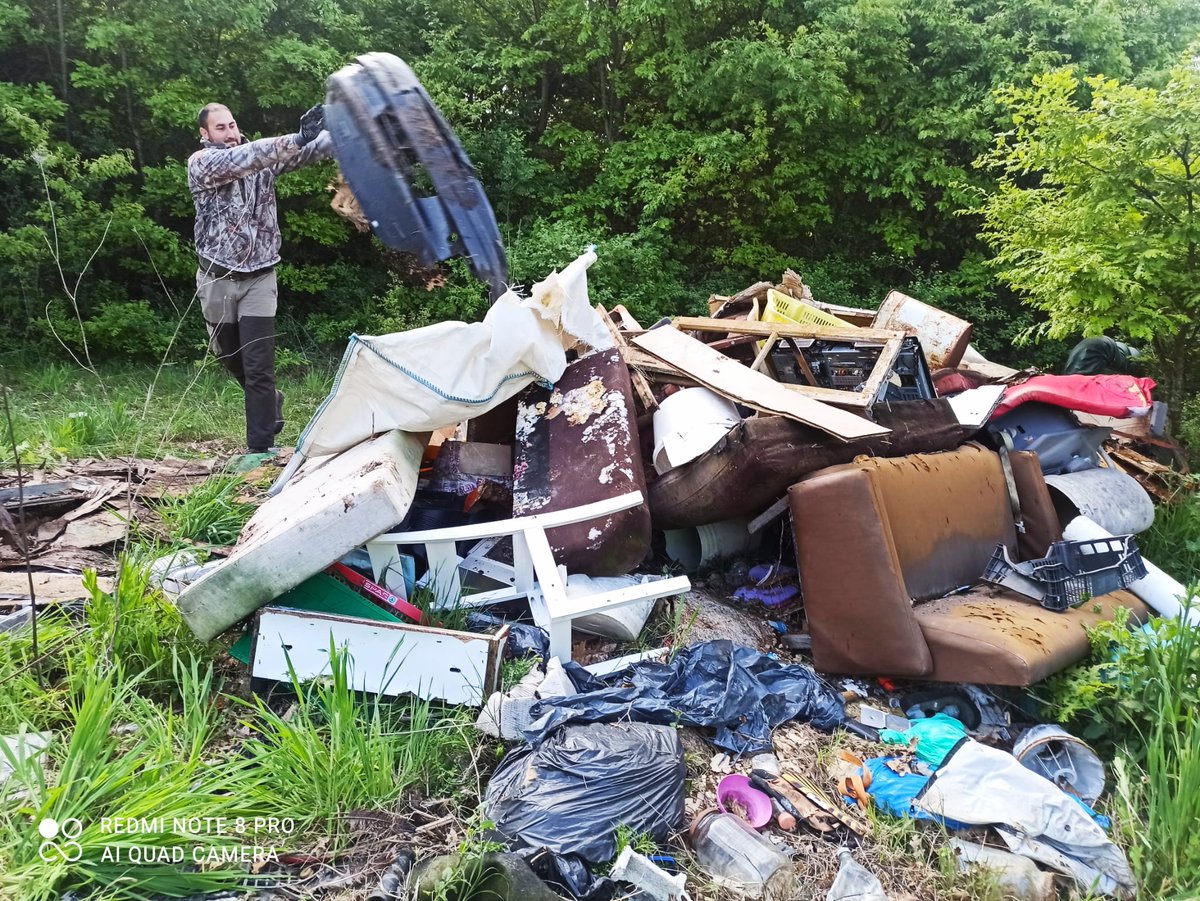
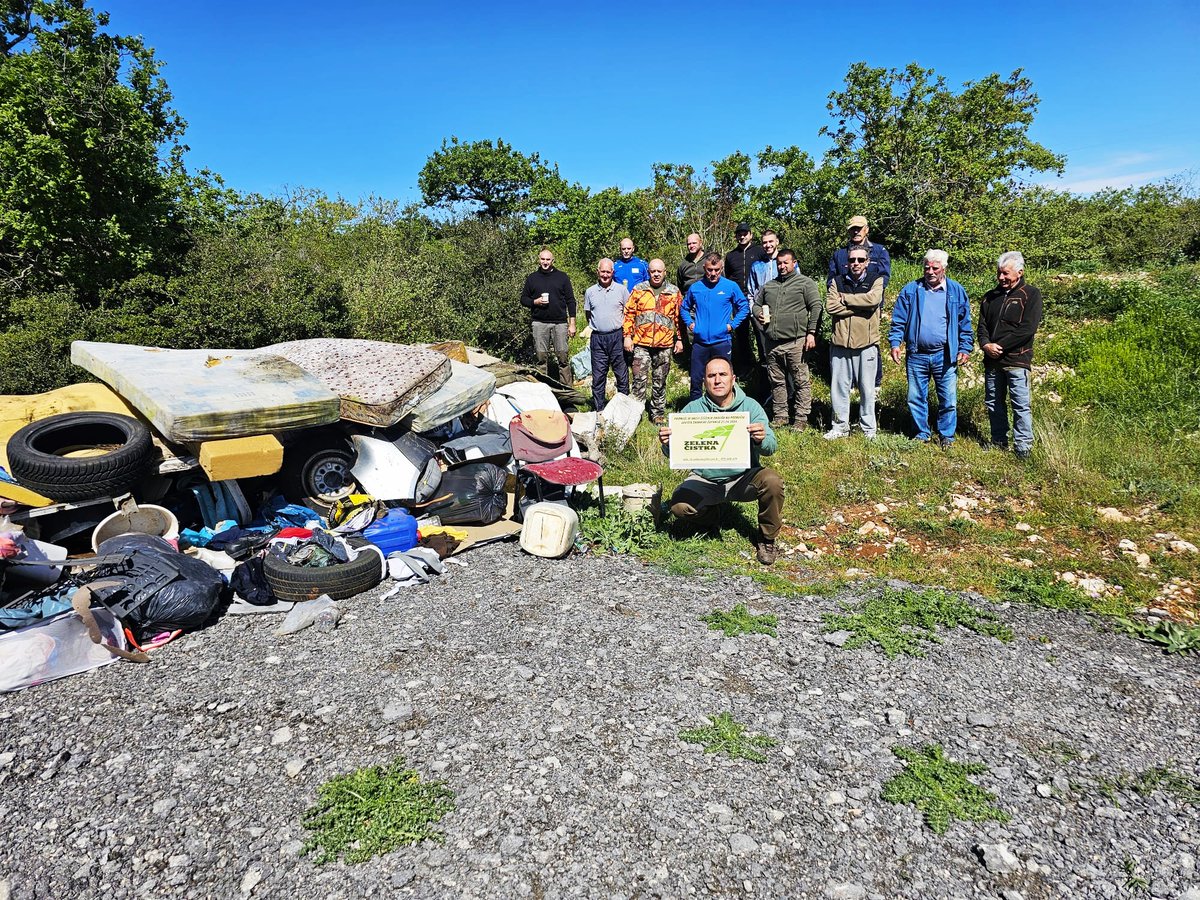
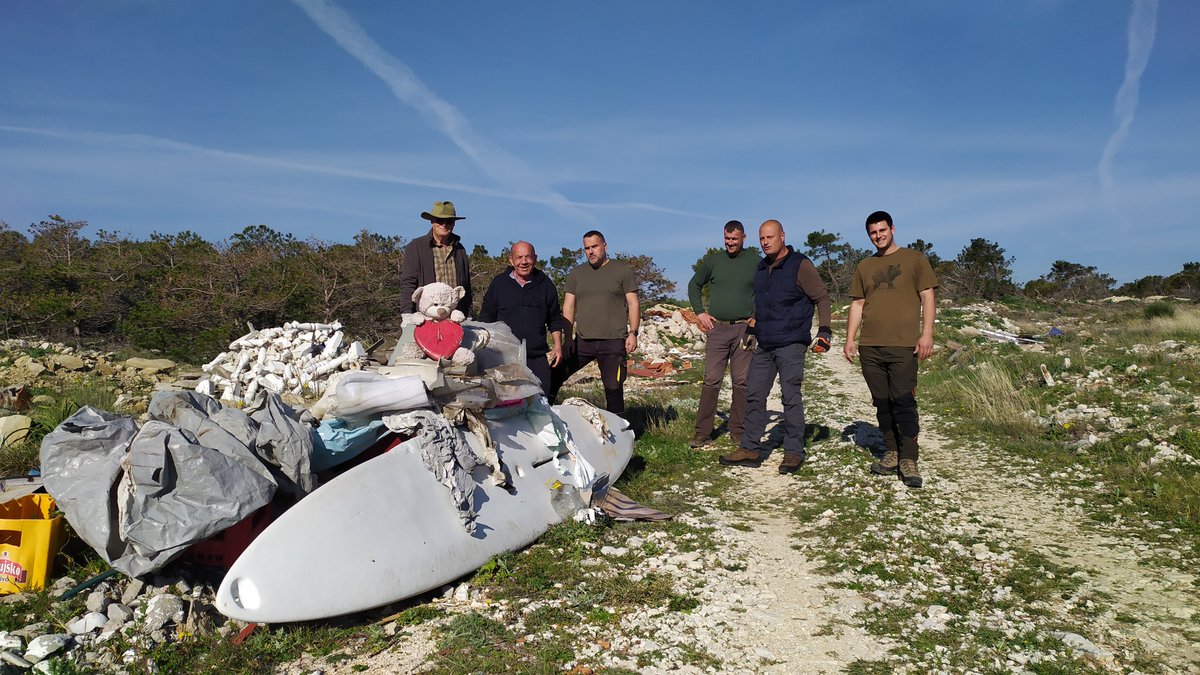
🦌🇭🇷 In Croatia and across Europe, #hunters are giving their own time and resources to clean up nature — removing waste, restoring habitats, and supporting #biodiversity.
💪🌿 All for the public good. No spotlight, just action.
👉 Read Croatia’s “Green purge” project here: biodiversitymanifesto.com/20…
#BiodiversityManifesto #HuntersForConservation
3
11
199
5 Mar 2025
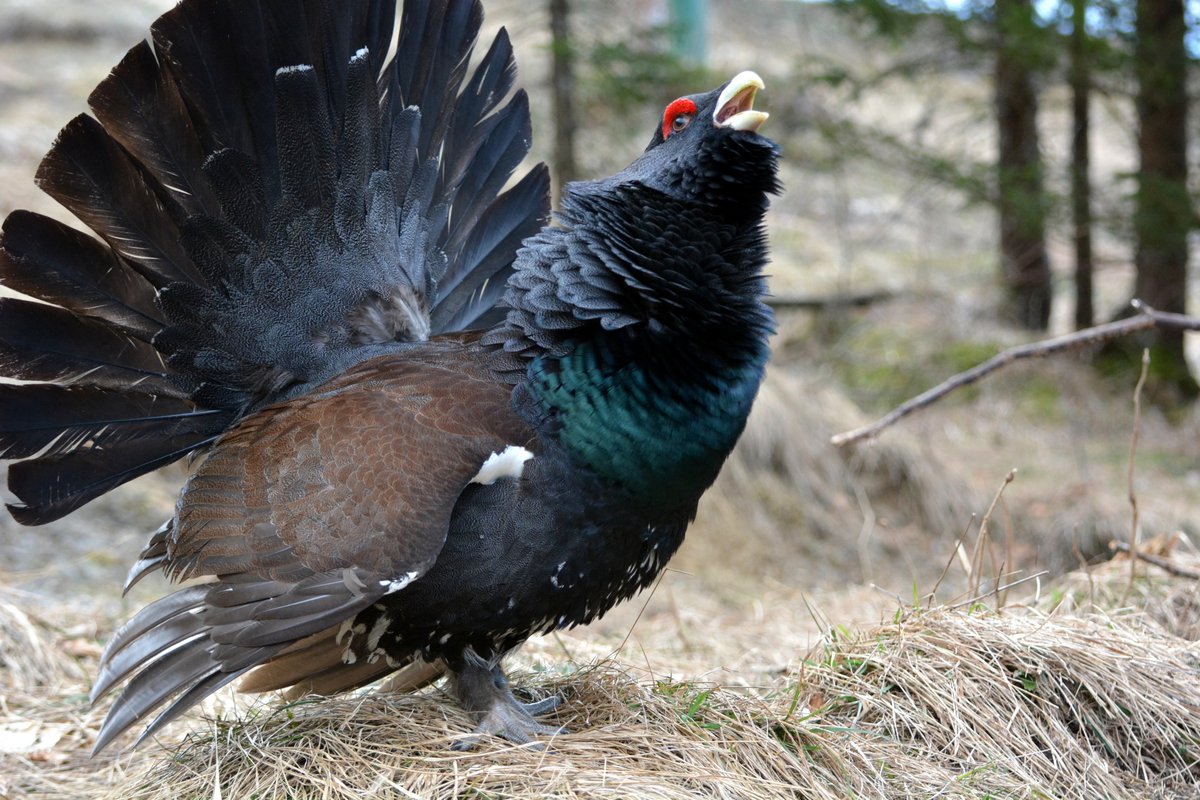
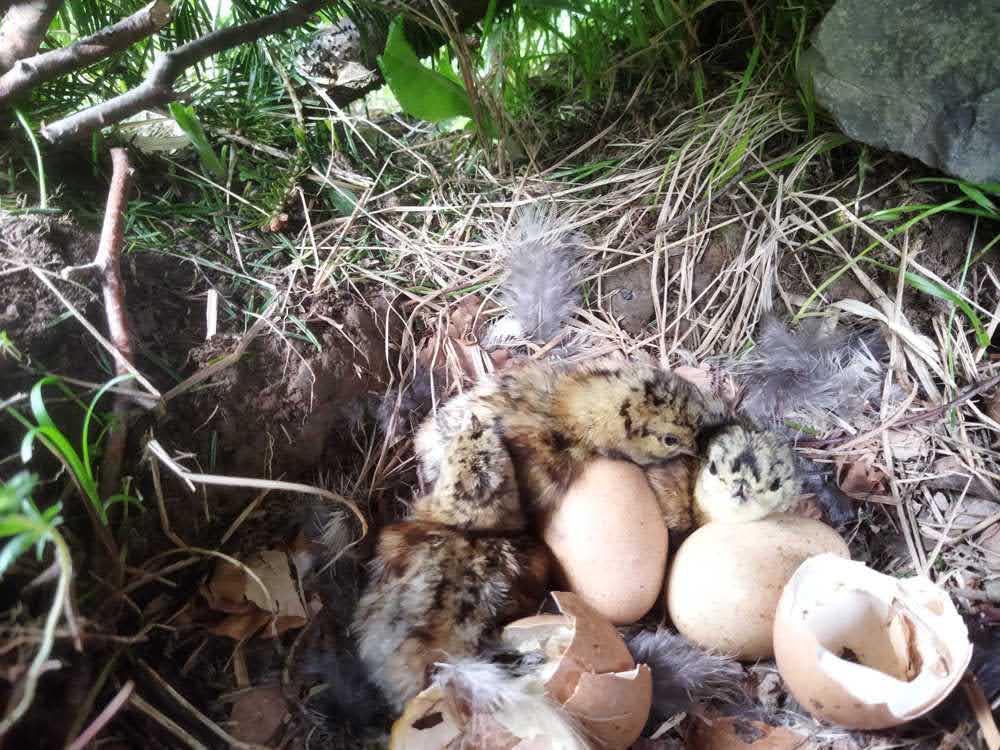
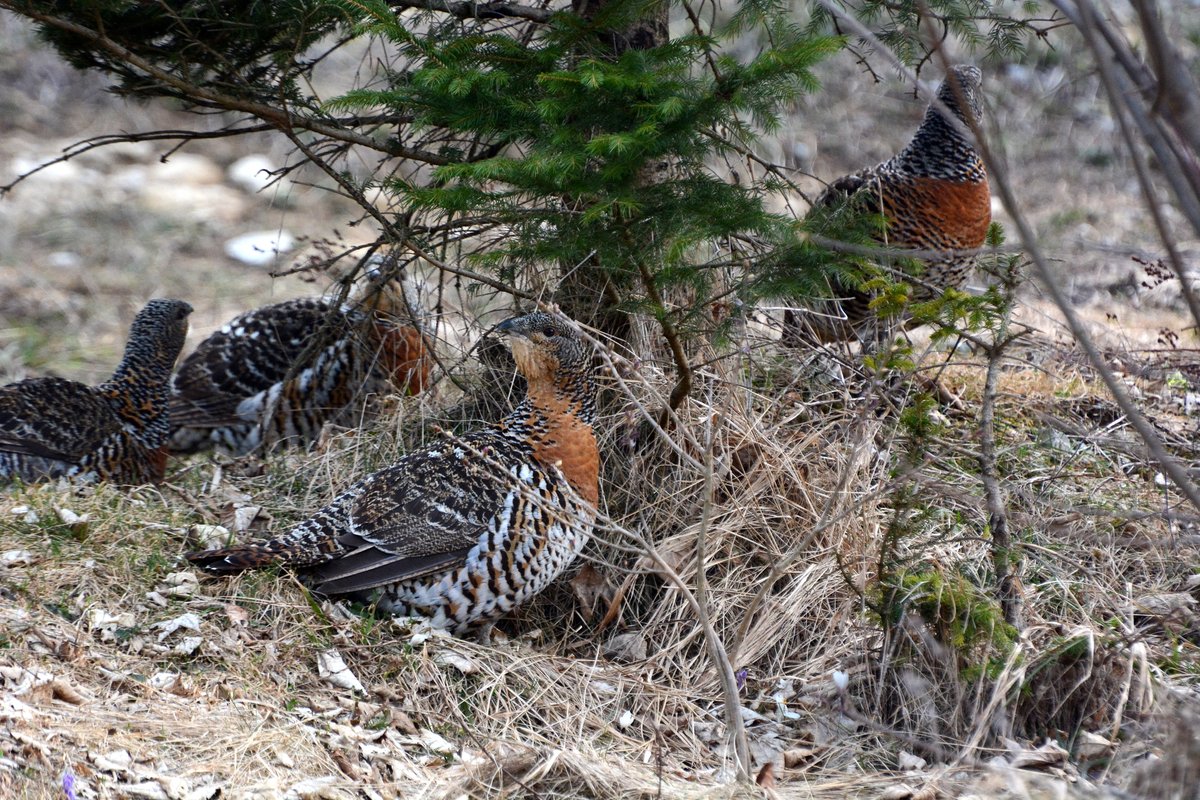
🌿 Conserving the Western Capercaillie 🏔️
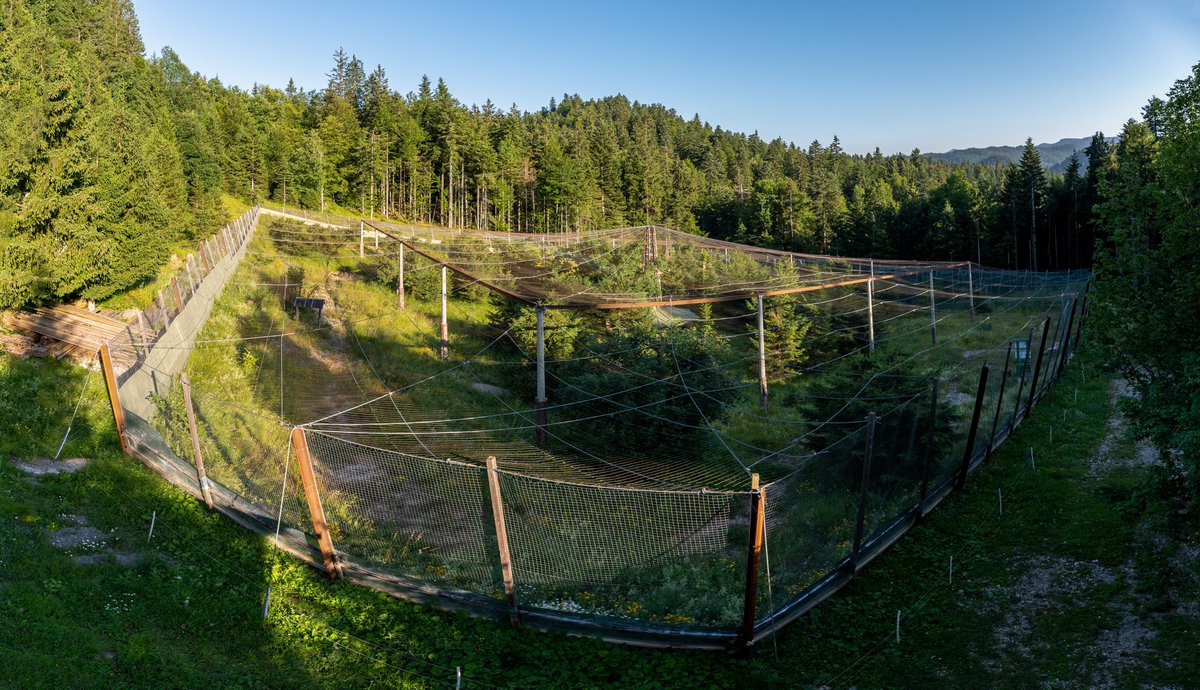
Once widespread, the western #capercaillie is now rare in Croatia. Since 2012, the “Tetrijeb” Breeding Center in Prezid has worked to restore its population.
Managed by the Croatian #Hunting Federation - it also offers a unique opportunity to photograph these fantastic birds. #BiodiversityManifesto #HuntersForConservation
Read full story here: biodiversitymanifesto.com/20…
3
221
4 Mar 2025
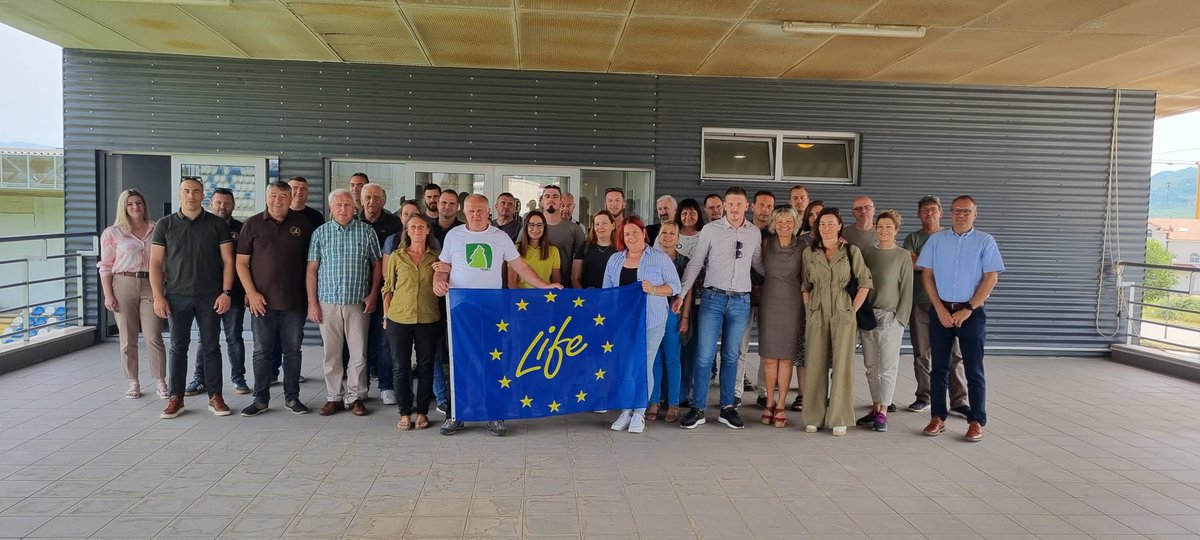
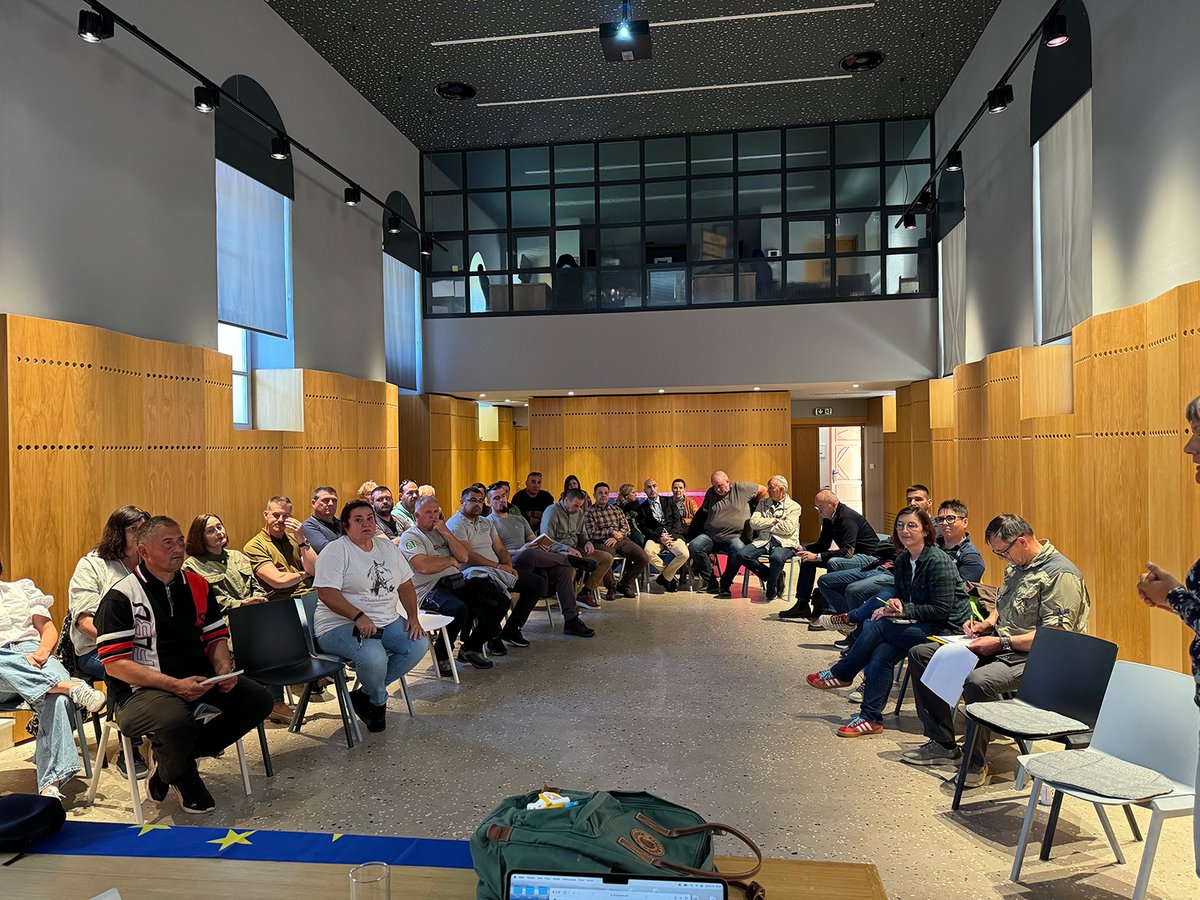
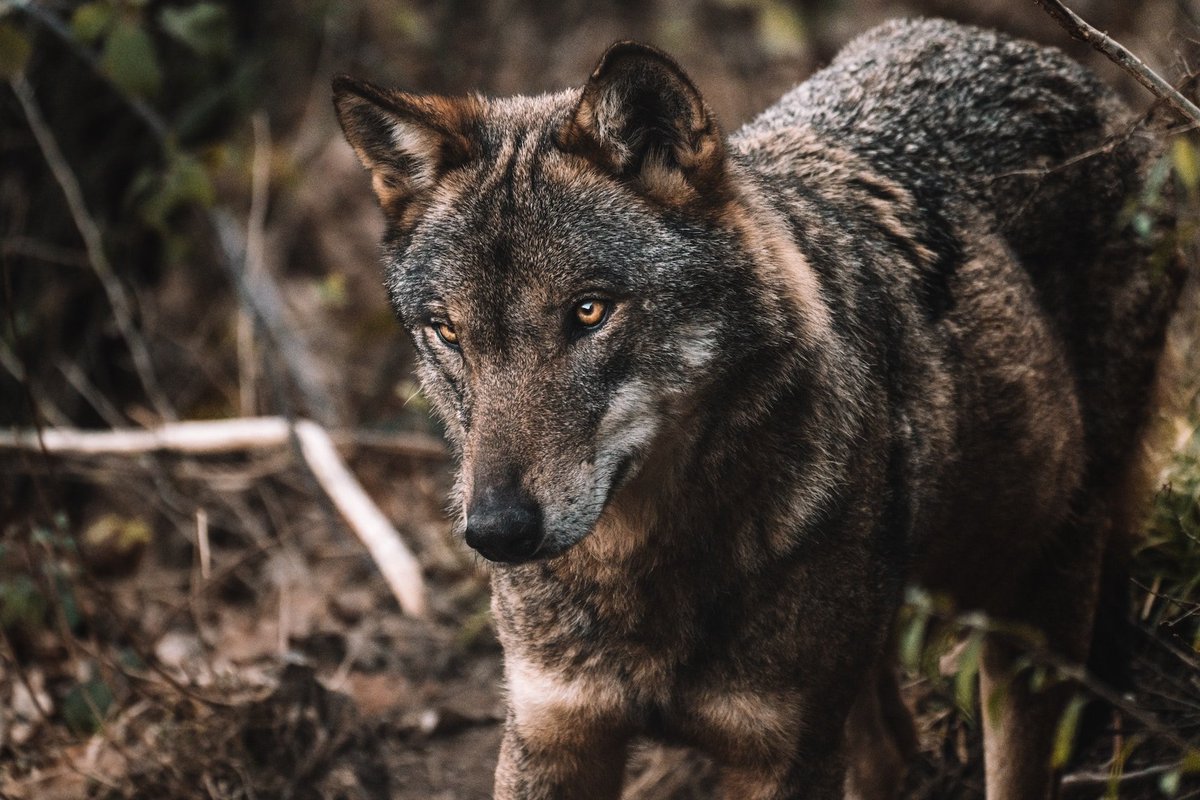
🐺 Hunters leading on coexistence with the #Wolf in Croatia
📯 The Croatia Hunting Federation and partners are taking the lead in the Dalmatian Stakeholder Platform to balance wolf #conservation with community needs.
📌 Key Goals:
✅ Reduce livestock losses & conflicts
✅ Address poaching & illegal killing
✅ Improve trust & data transparency
✅ Research & monitor wolf population
Read full project here: biodiversitymanifesto.com/20…
#BiodiversityManifesto #HuntersForConservation
1
6
13
337

16 Sep 2024
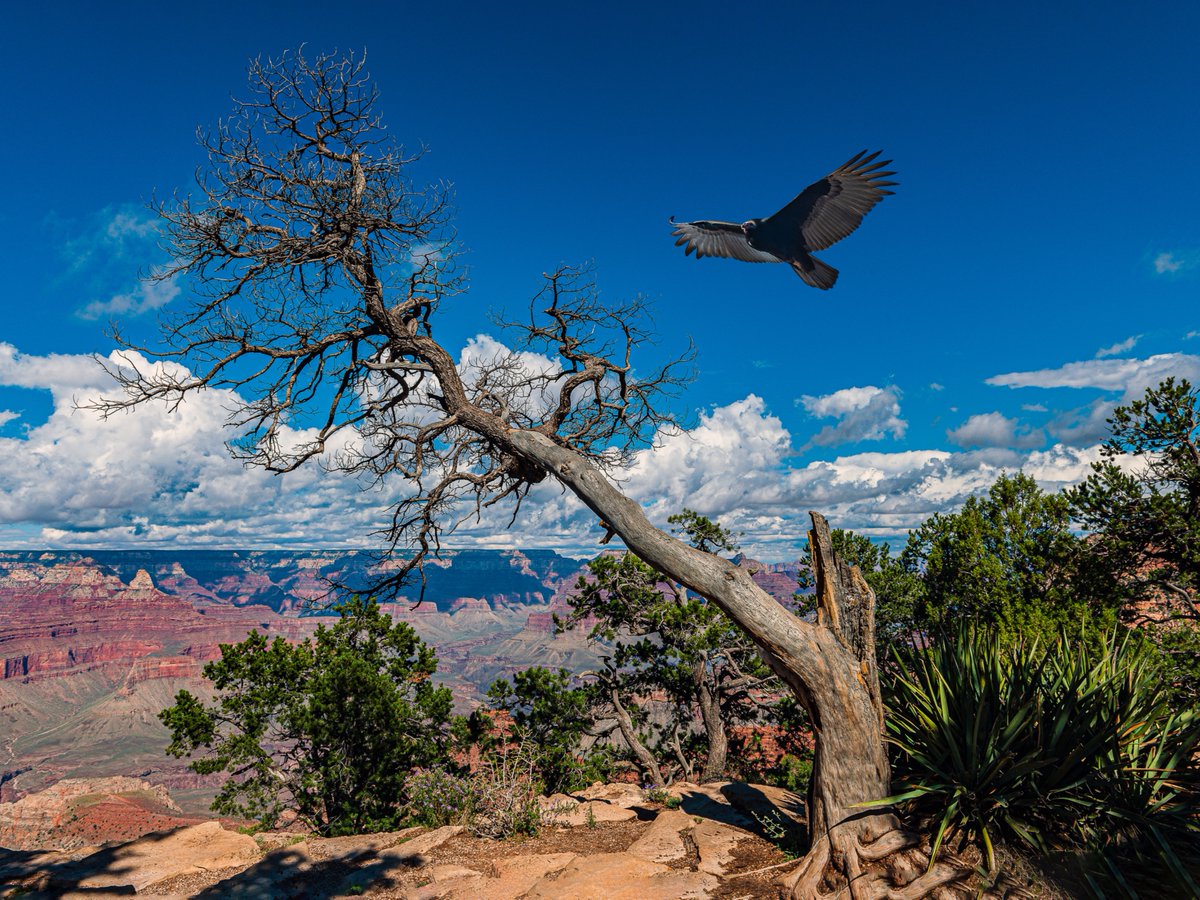
Hi hunters in GMUs 12A and 12B! Remember to redeem your lead-free ammo coupons. It helps protect California Condors and other wildlife from lead fragments. For details, visit bit.ly/3MMQTR9.
#WildlifeConservation #HuntersForConservation #HuntAZ #ArizonaWildlife
3
21
1,113
5 Jul 2024
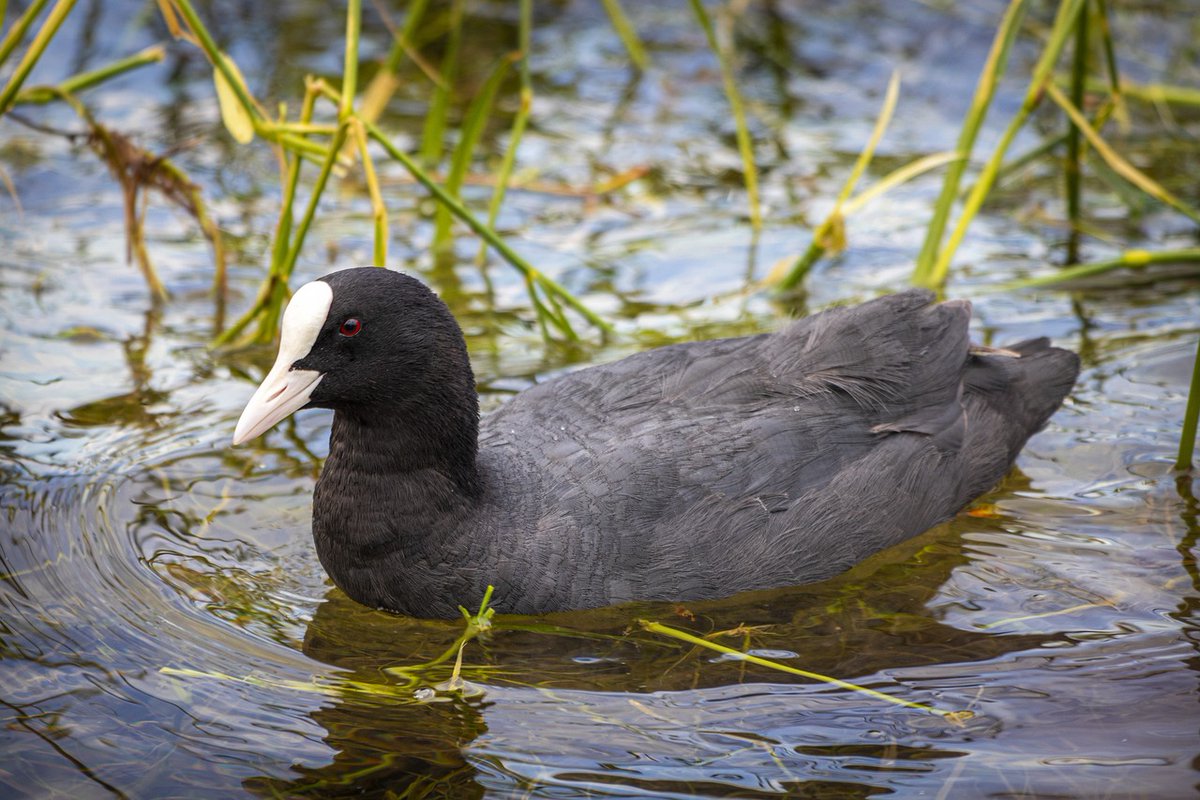
🌿🌍 Hunters’ Ponds Boost Wetland Biodiversity in Italy! 🦆🐦
It’s a success! Look at the results of the latest hunter-led conservation project In the Marche region, around 200 artificial ponds have been created as fixed hides for hunting waterbirds.
These ponds, maintained year-round by dedicated hunters, offer vital habitats for various (huntable and non-huntable) bird species, such as the Eurasian common coots and Black-winged stilts.
Many thanks to our Italian member for sharing with us!
🌍💚 @federcaccianazionale // @Federcaccia
biodiversitymanifesto.com/20…
#Biodiversity #WetlandConservation #NatureRestoration #HuntersForConservation #BiodiversityManifesto
1
7
19
685
30 Apr 2024
🇵🇹🐰 PRLIC @CMMertola initiative to recover wild rabbits and Iberian hares is making strides in Portugal.
📯 #Hunters play a crucial role in conserving wildlife, and it's time policymakers recognise their contributions!
🌿 Read more about Europe’s hunters projects #ForNature in our #BiodiversityManifesto
📌 biodiversitymanifesto.com/20…
#Fencaça #HuntersForConservation
4
5
307
12 Mar 2024
🦆 Ireland's #Duck Tube Project is a conservation success!
🇮🇪 Local clubs, @NARGC11 & @DeltaWaterfowl are making strides in duck conservation with duck tubes, proving innovative solutions work.
#HuntersForConservation #BiodiversityManifesto
biodiversitymanifesto.com/20…
10
14
787
15 Feb 2024
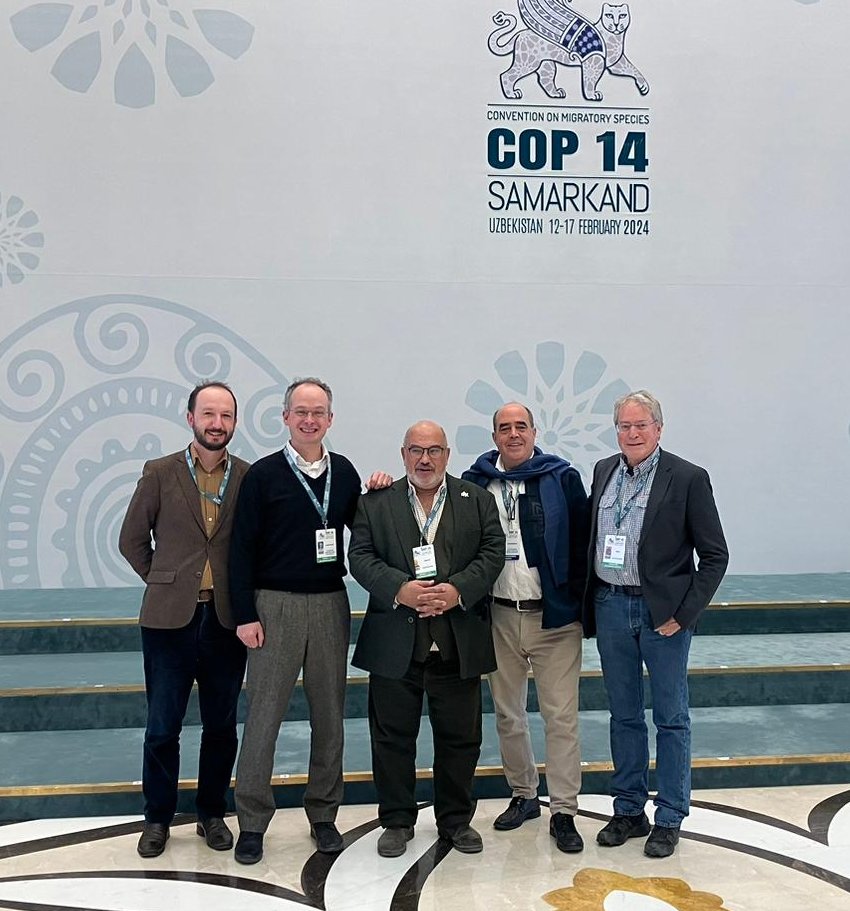
Cy Griffin, senior #conservation manager at FACE, is currently in Samarkand (Uzbekistan), actively engaging in key CMS #CoP14 discussions. This significant gathering brings together governments, scientists and stakeholders to discuss new strategies for the conservation of #MigratorySpecies. #HuntersForConservation
@BonnConvention @BASCnews @CICwildlife @EU_ENV @WildSheepFNDN @griffin5cy
4
18
1,421
31 Oct 2023
🦇🎃 This Halloween, unmask the real heroes: Bats, vultures, and hunters! Benefiting biodiversity together #BiodiversityManifesto #HuntersForConservation 👇 biodiversitymanifesto.com/20…

3
6
660
4 Oct 2023
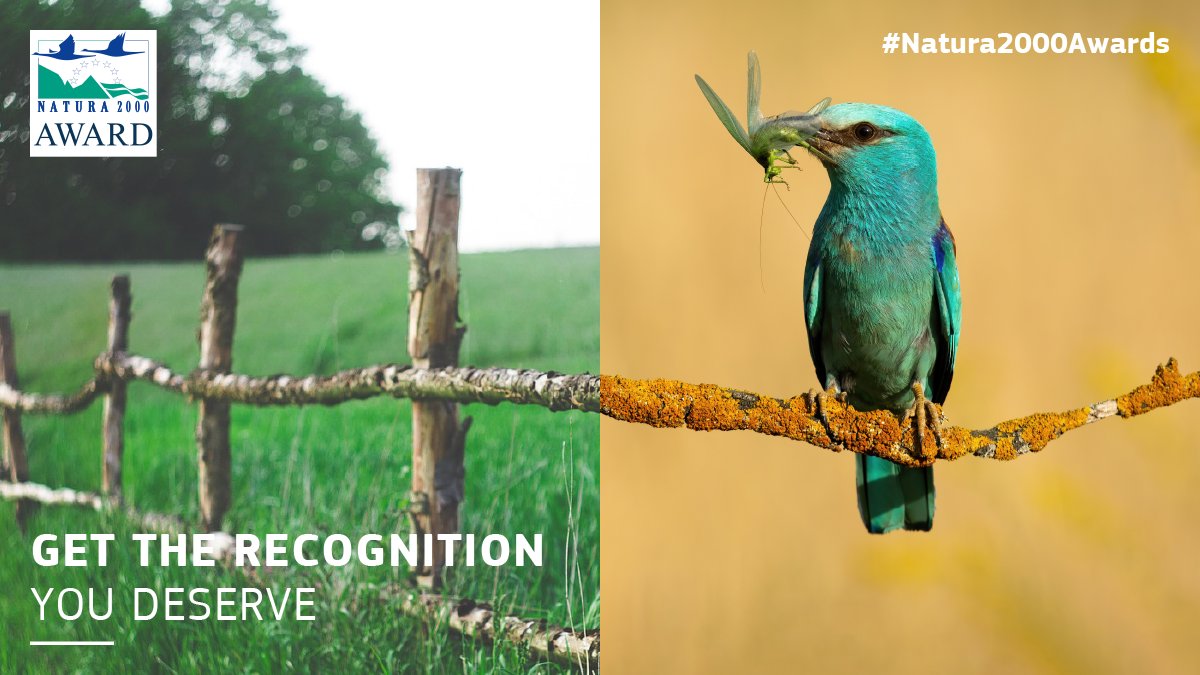
🏆 The 2024 European #Natura2000Awards application deadline is now extended to October 12, 2023, 23:59 CET.
📢 🌍 Open to all, including #hunters playing a key role in #biodiversity conservation and #HabitatRestoration. 🌿🦌 #Natura2000 #HuntersForConservation @EU_ENV
Learn more and apply:
👉 face.eu/2023/09/get-involved…
4
7
383

29 Nov 2021
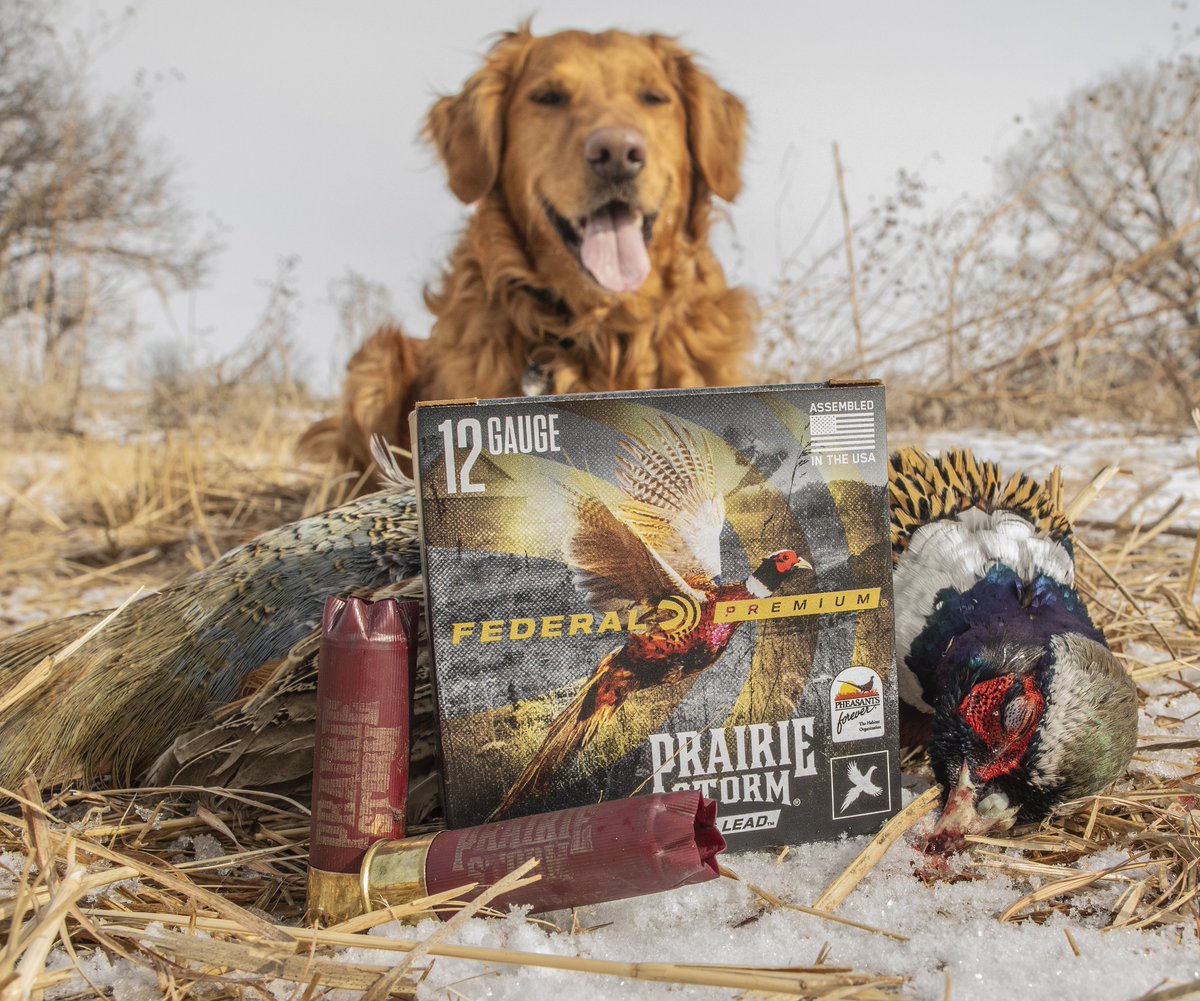
Federal is the Official Ammunition of @pheasants4ever and we are proud to partner on grassroots efforts to protect upland habitat. You can support PF by purchasing PF logoed boxes of Wing-Shok and Prairie Storm.
#HuntersforConservation #PrairieStorm #FederalAmmo #PheasantsForever
3
7
55

6 Dec 2020
Grey Warbler making the most of the midgies in the hot Hawkes Bay Sun @docgovtnz #huntersforconservation
2
9 Apr 2019
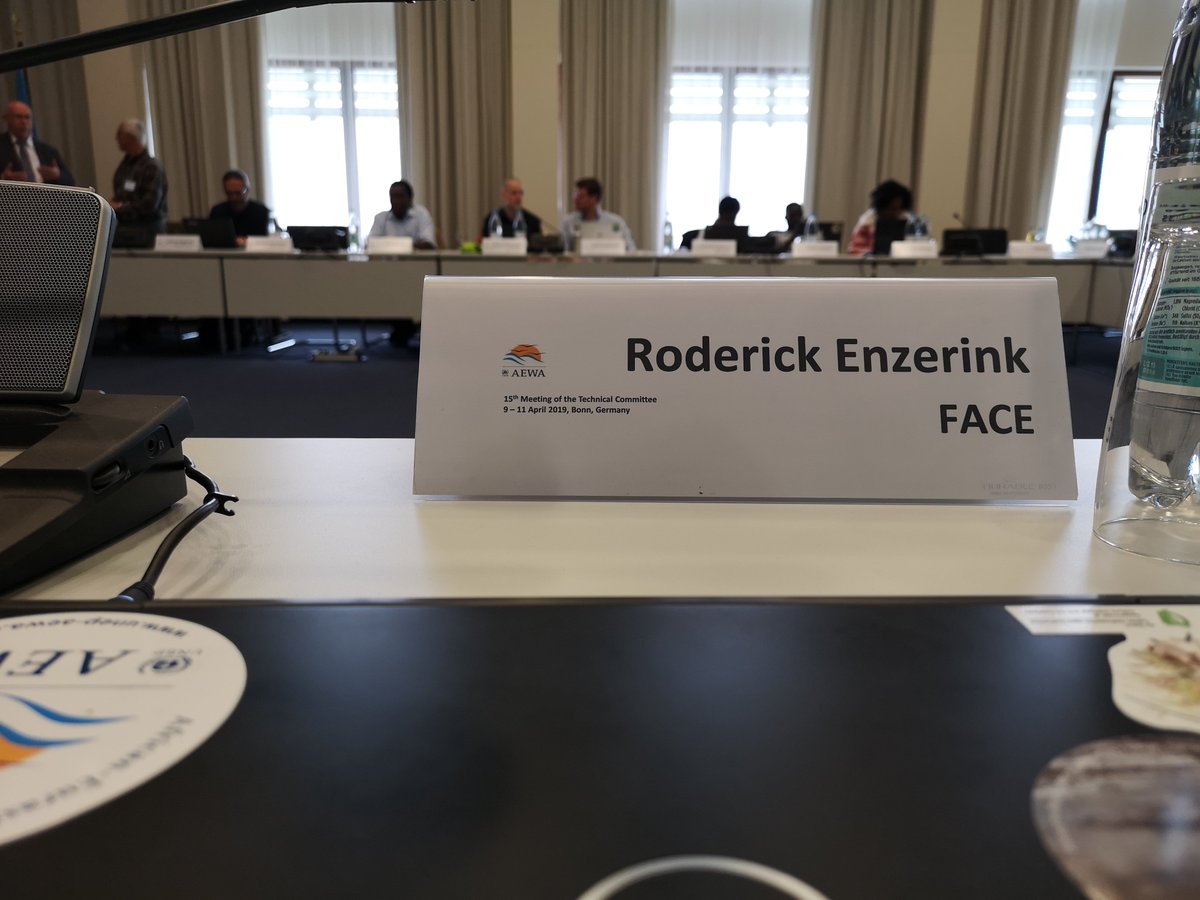
FACE is present at the @unep_aewa Technical Committee, 9-11 April in Bonn, Germany. AEWA is vital for the #hunting of #waterbirds in Europe, as international cooperation is very important for the future of waterbird conservation across the flyways. #HuntersForConservation

4
9
28 Nov 2018
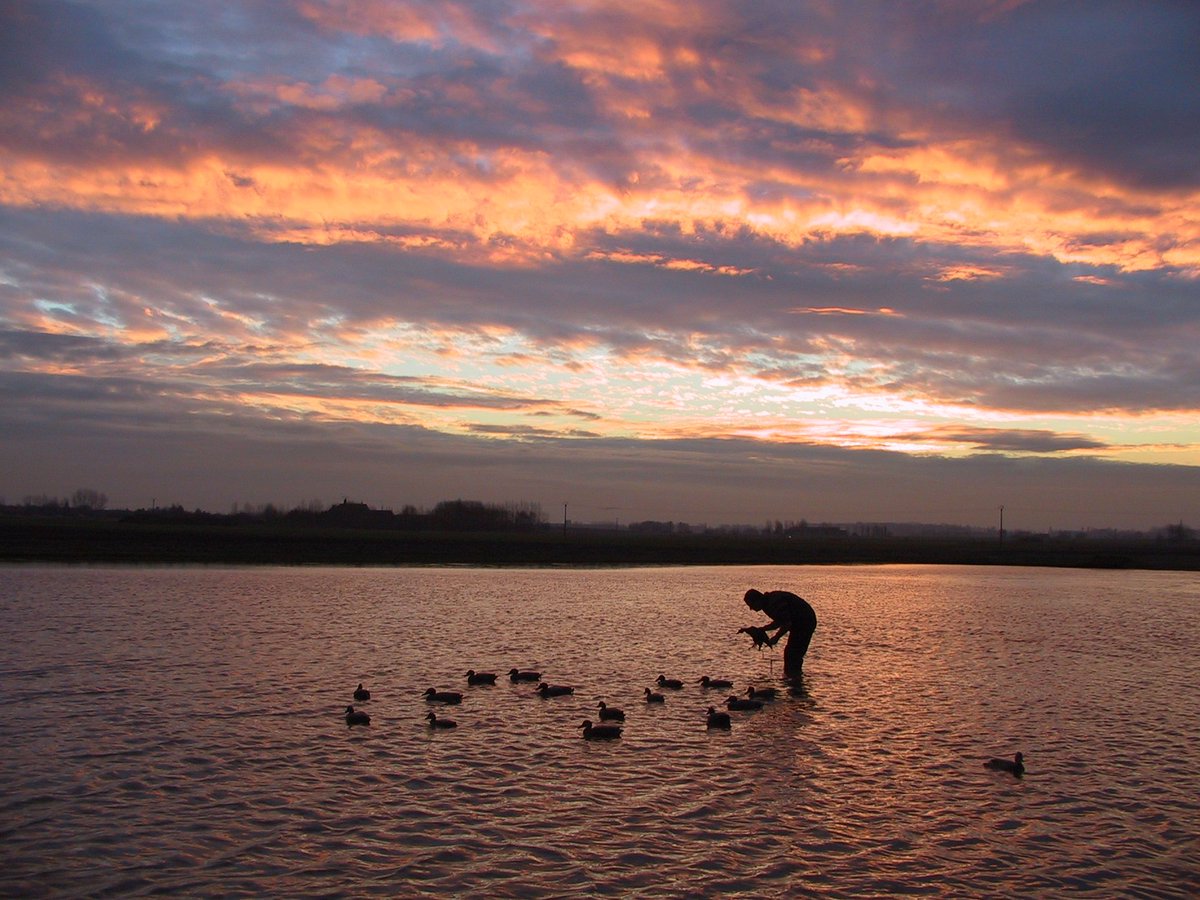
Over 40% of Europe’s huntable #waterbirds are declining.
FACE is supporting this campaign, where we call upon Member States to tackle the enduring pressures on rivers and #wetlands: bit.ly/2RBW0pp
#ProtectWater #HuntersForConservation
4
7
29 Oct 2018
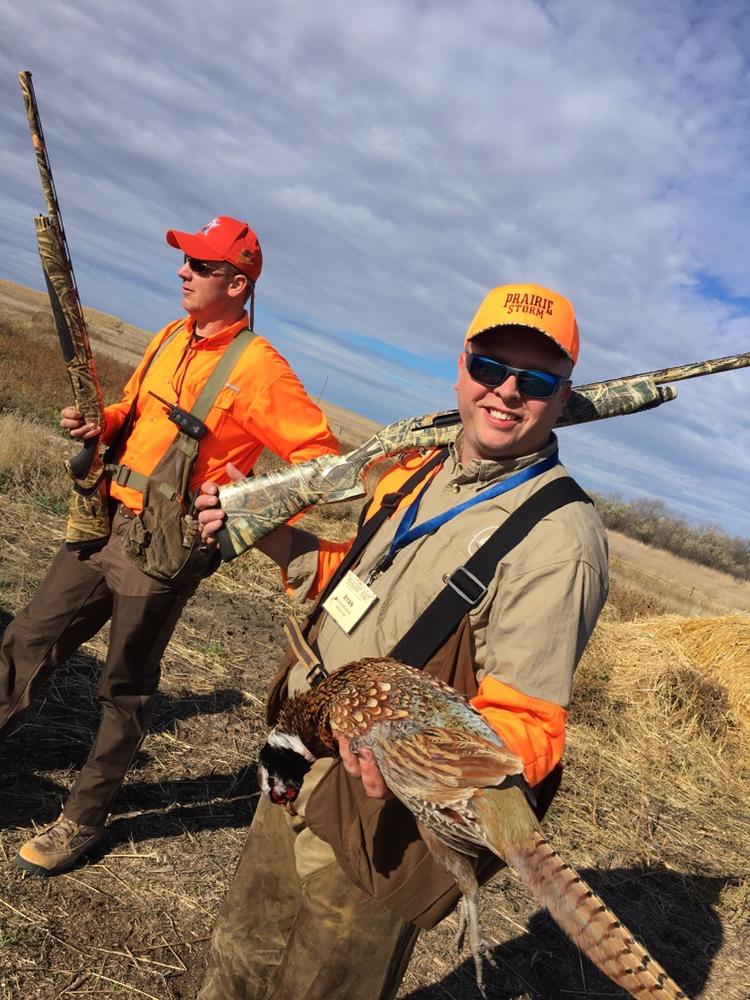
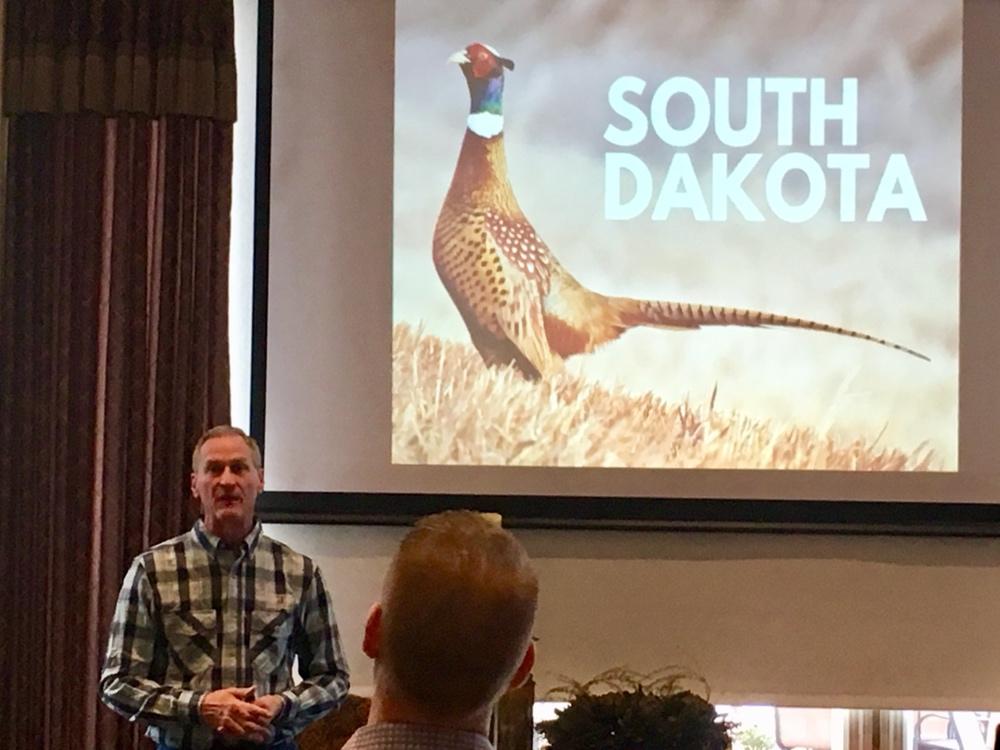
2018 SD Governor’s Hunt is a wrap. Thank you Gov. Daugaard for your leadership in conservation and focus on pheasant populations! #huntersforconservation @Hunters4Conserv
6
26
27 Sep 2018
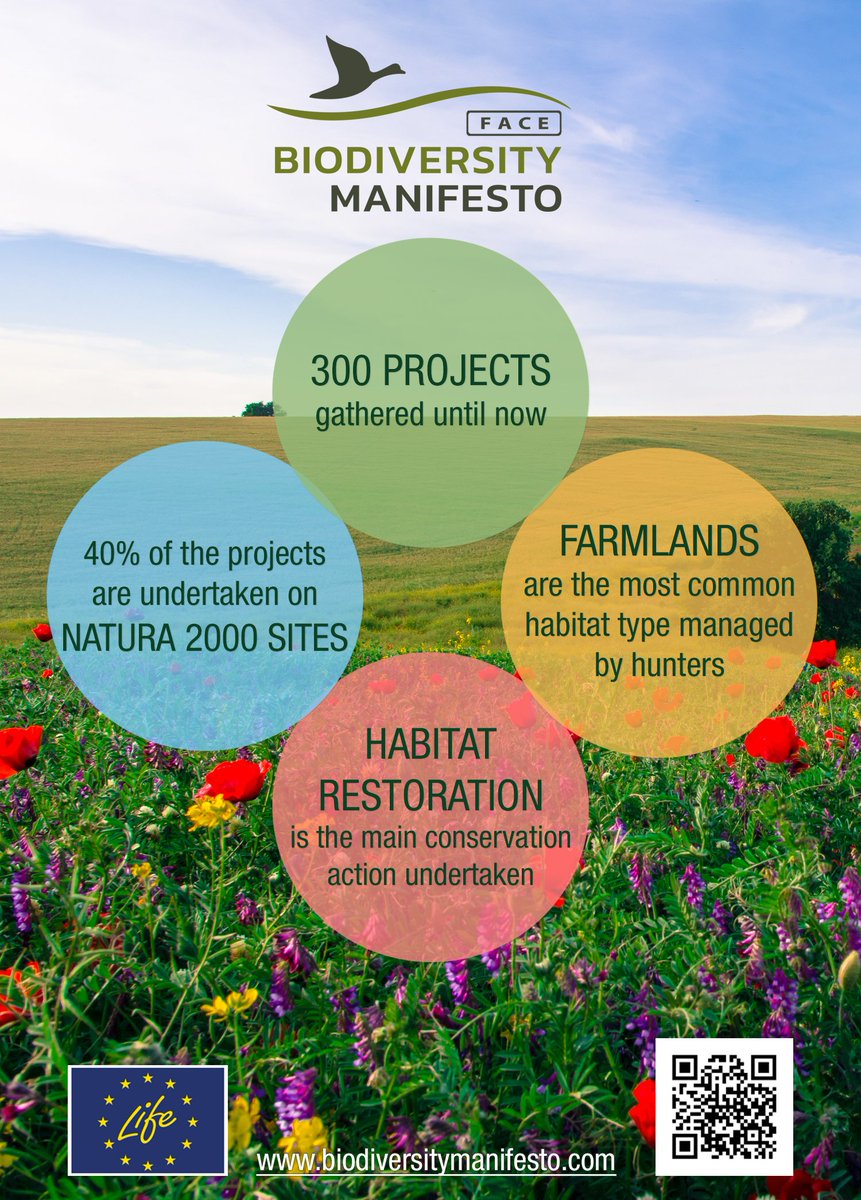
Have a look at the Biodiversity Manifesto public report that shows #hunters' commitments to biodiversity #conservation. For more details, consult the full report of the #BiodiversityManifesto on biodiversitymanifesto.com
#HuntersForConservation
2
3
19 Sep 2018
The future of hunting needs more hunters. That's why we choose to invest in a variety of organizations that drive to educate and enable future generations. federalpremium.com/conservat… #ItsFederalSeason #huntersforconservation #teamfederal
1
13
7 Mar 2018
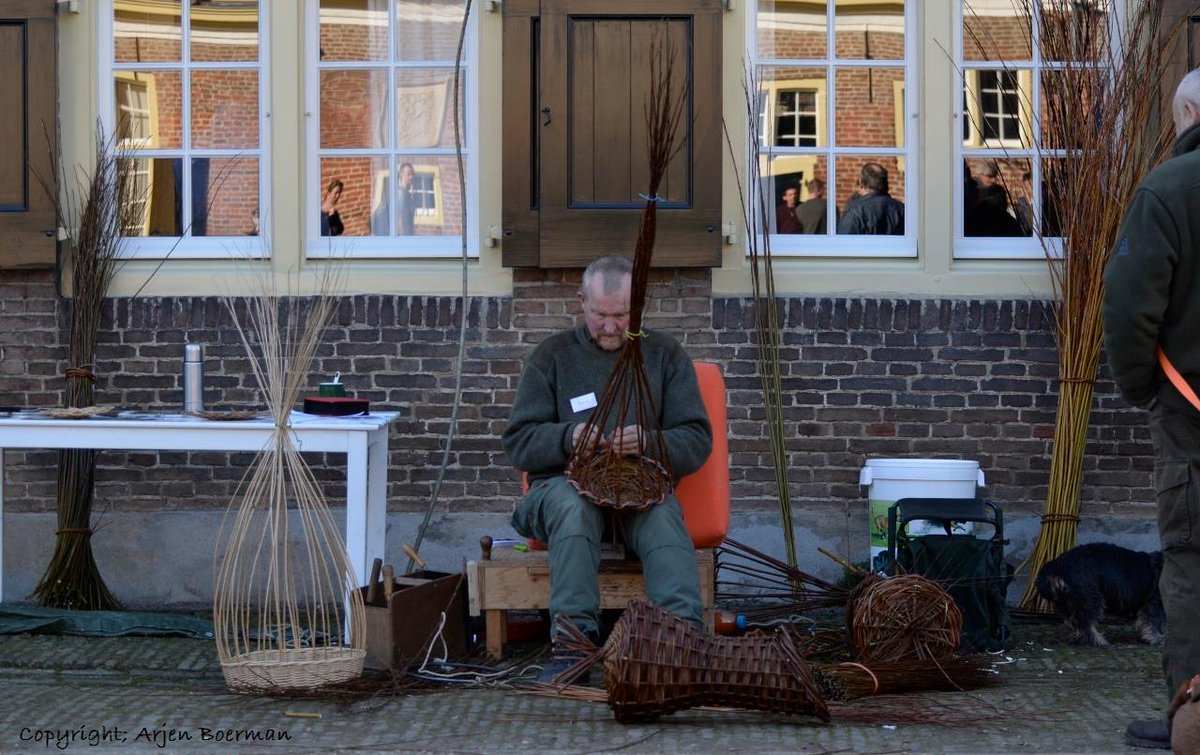
PROJECT OF THE MONTH MARCH 2018 - Nesting baskets for ducks in the Netherlands
#Hunters create and place the nesting baskets for #ducks. Read article here: biodiversitymanifesto.com/pr…
#BiodiversityManifesto #HuntersForConservation
6
7