
Phong retweeted

13m
QFS
On Sun. 14 June 2026 White Hat insiders released the below explosive QFS schedule confirming the final ignition of the gold-backed Quantum Financial System in 209 nations:
On Sun. 14 June 2026: Tier 4B QFS wallet activations begin worldwide. Biometric DNA accounts go live. Pre-1964 births receive $60M restitution from reversed Cestui Que Vie fraud. 1964-1980 births hit $37M. Cabal hidden wealth returns to the people. Deep state accounts zeroed out in total panic!
On Mon. 15 June 2026: Wells Fargo emails bond holders for high-rate Redemption Center appointments. Zim redeems only at official centers. GESARA erases mortgages, student loans and credit cards since 1971. $100K-$450K debt wiped per American. Party Time starts as massive wealth floods in!
On Wed. 17 June 2026: EBS activates at 7pm EST. MSM blacked out permanently. Starlink sends seven messages in 22 languages to every phone and TV. 10 days truth videos expose pedophile networks, organ harvesting, adrenochrome rings and mind control. Martial Law locks down 700,000 arrests across 209 countries. Tribunals stream live. False flags fail!
On Fri. 19 June 2026: Global military checkpoints secure under QFS. ISO 20022 gold-backed currencies live at 1:1. SWIFT fiat system shut off forever. Gold revaluation at $4,700/oz confirmed. Cabal's 13 families collapse. Sovereign Treasury delivers tariff-funded future with no income tax!
On Sun. 21 June 2026: 8,300 Med Bed centers activate worldwide. Free access for priority groups begins. Tesla quantum healing reverses aging, cures disease, regenerates limbs and restores pineal glands. Big Pharma ends. Humanity heals at last!
On Tue. 23 June 2026: Zim redemptions flood humanitarian projects at highest rates. Tier 4B funds release for restoration. NESARA/GESARA sovereignty restored. Birth certificate fraud reversed. The people reclaim their divine wealth and value!
On Thu. 25 June 2026: EBS 10 days darkness ends in freedom dawn. Fiat collapses. QFS fully operational globally. Wealth drop hits accounts. Stock food, water and cash now. Banks transition. Deep state dismantled!
On Sat. 27 June 2026: Trump readies epic July 4th Second Declaration of Independence. Sovereign Republic unveiled under Common Law. New elections in 120 days. White Hats victory complete. Great Awakening celebrations erupt worldwide. WWG1WGA!
2
1
6
337
Sun (sunage.eth) She/her. retweeted

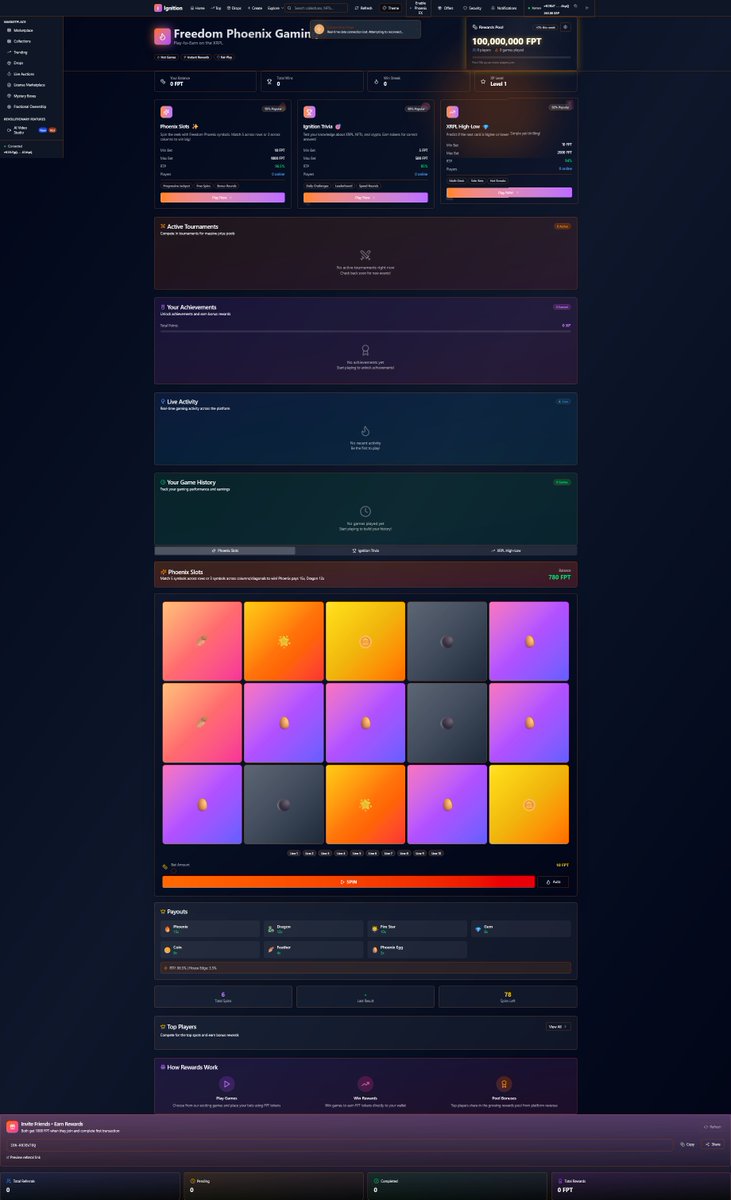
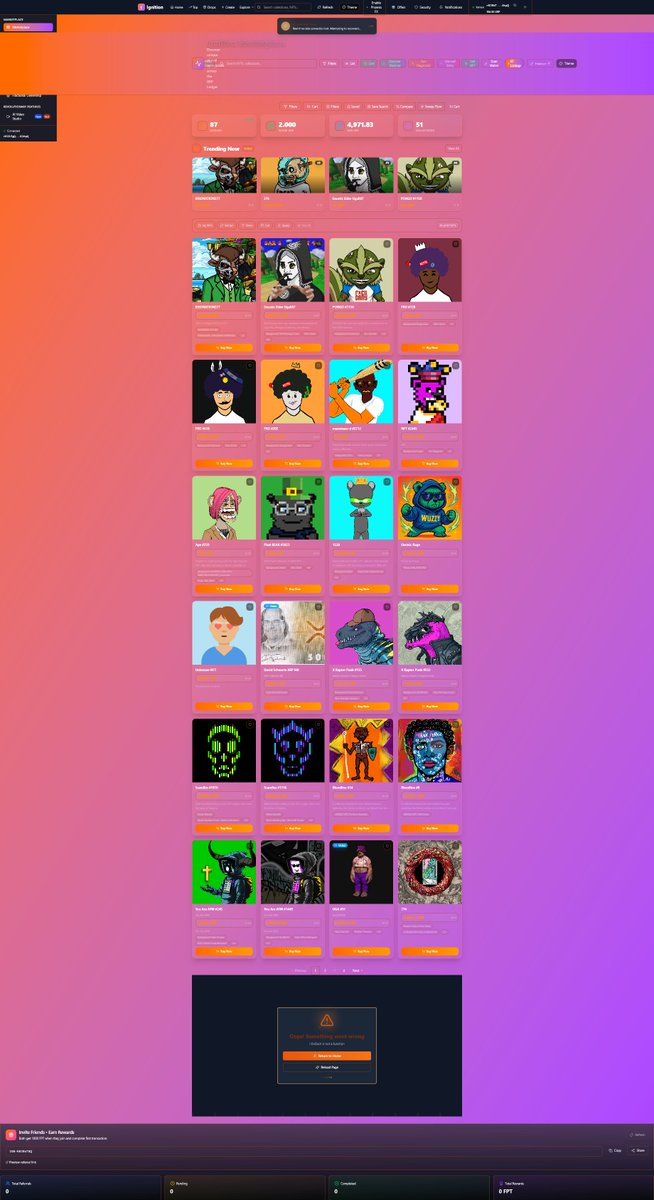
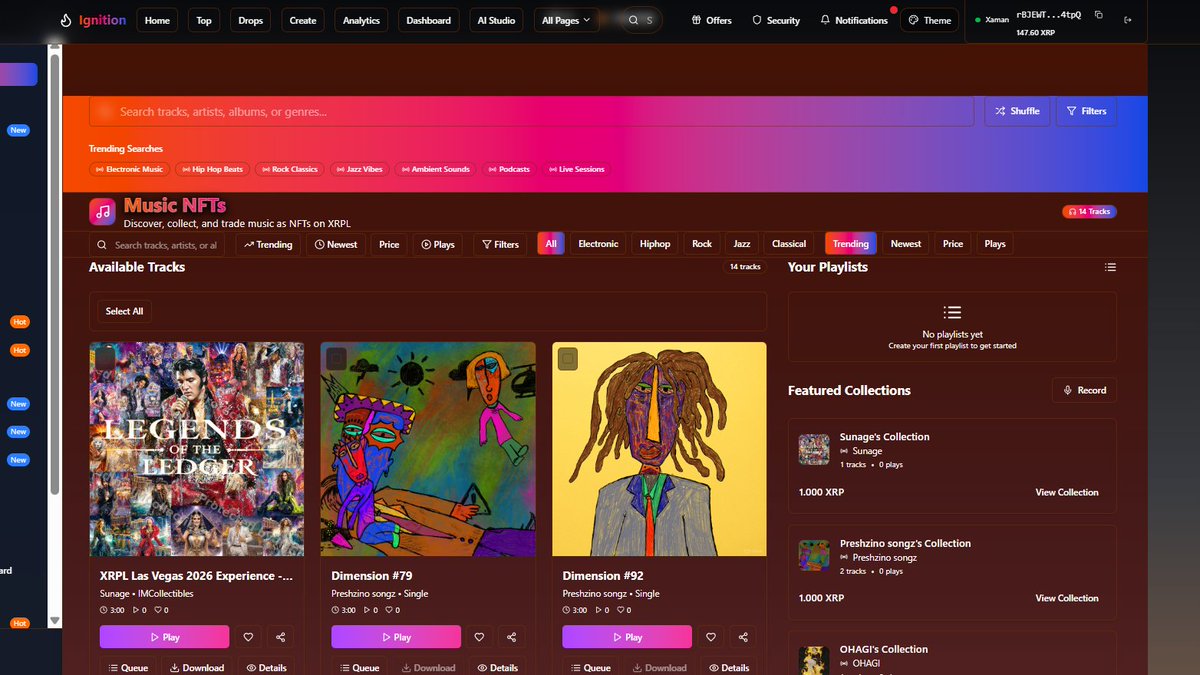
another Ignition sneak peak
2
3
8
73

Agreed. Rack and pinion steering, power brakes, simple, manual fuel injection just like my 1982 BMW, no-points Pertronix ignition. No 0W oil.
Oh yeah, and another thing. Wing windows.

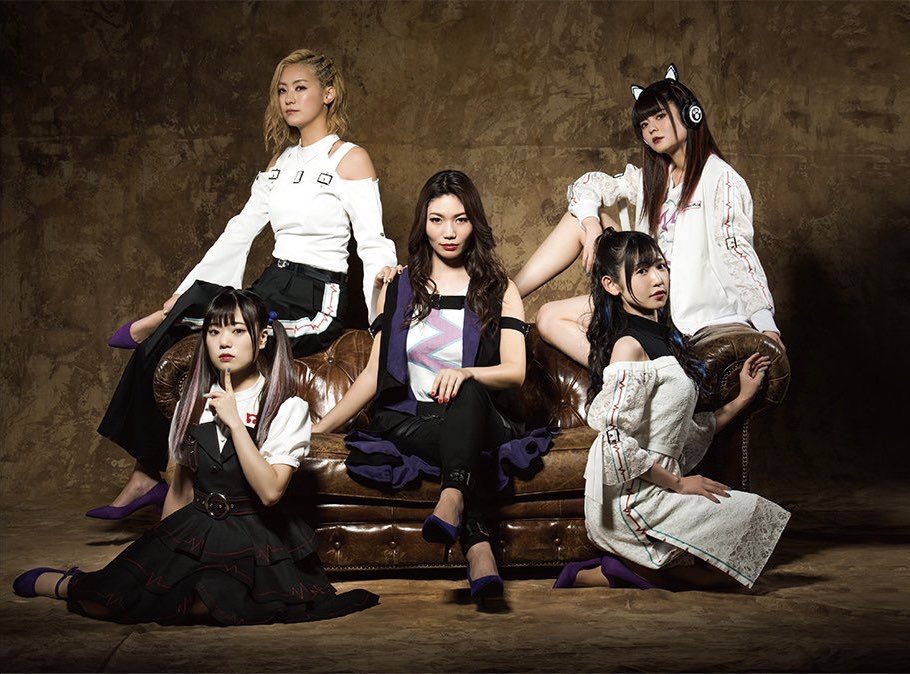
【チケット譲】
RAISE A SUILEN LIVE 2026「Boot IGNITION」東京公演
シリアル先行
アリーナAスタンディング×1枚
【求】
チケット定価 サービス料
悩んでる方、RASのLIVEまだ参加した事の無い方居ませんか?楽しいですよ😌
お問い合わせは、リプかDMくださいな
21

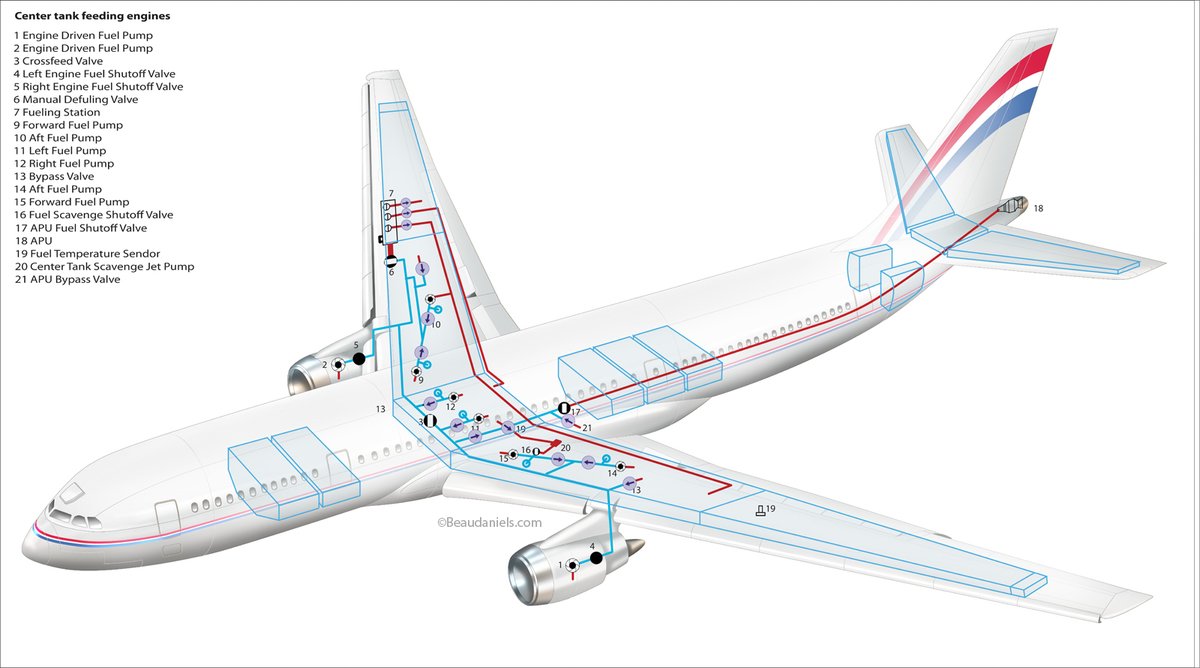
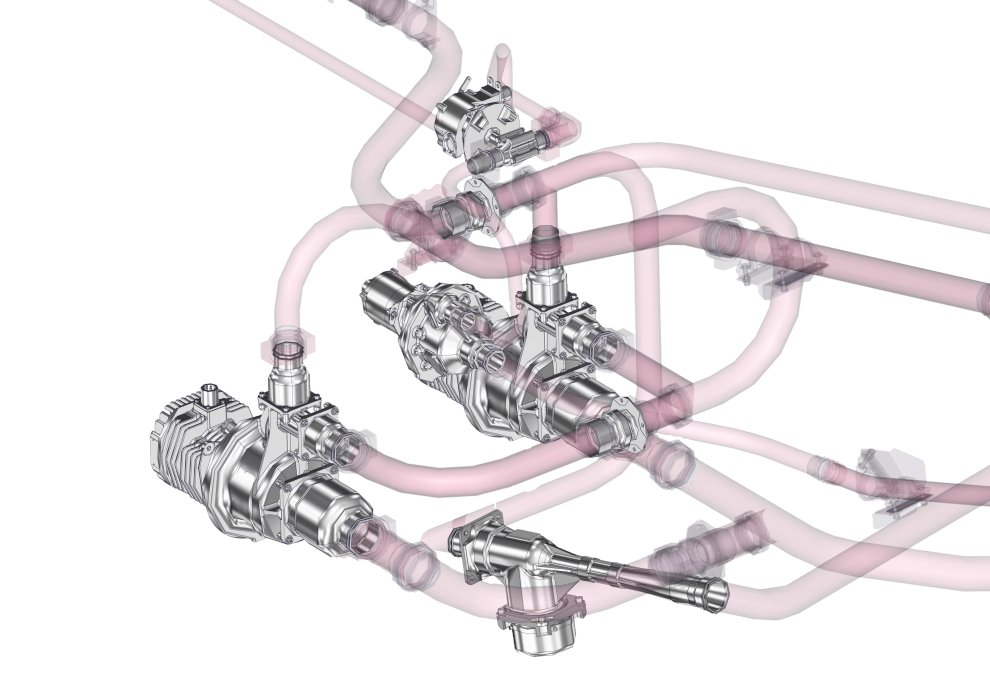
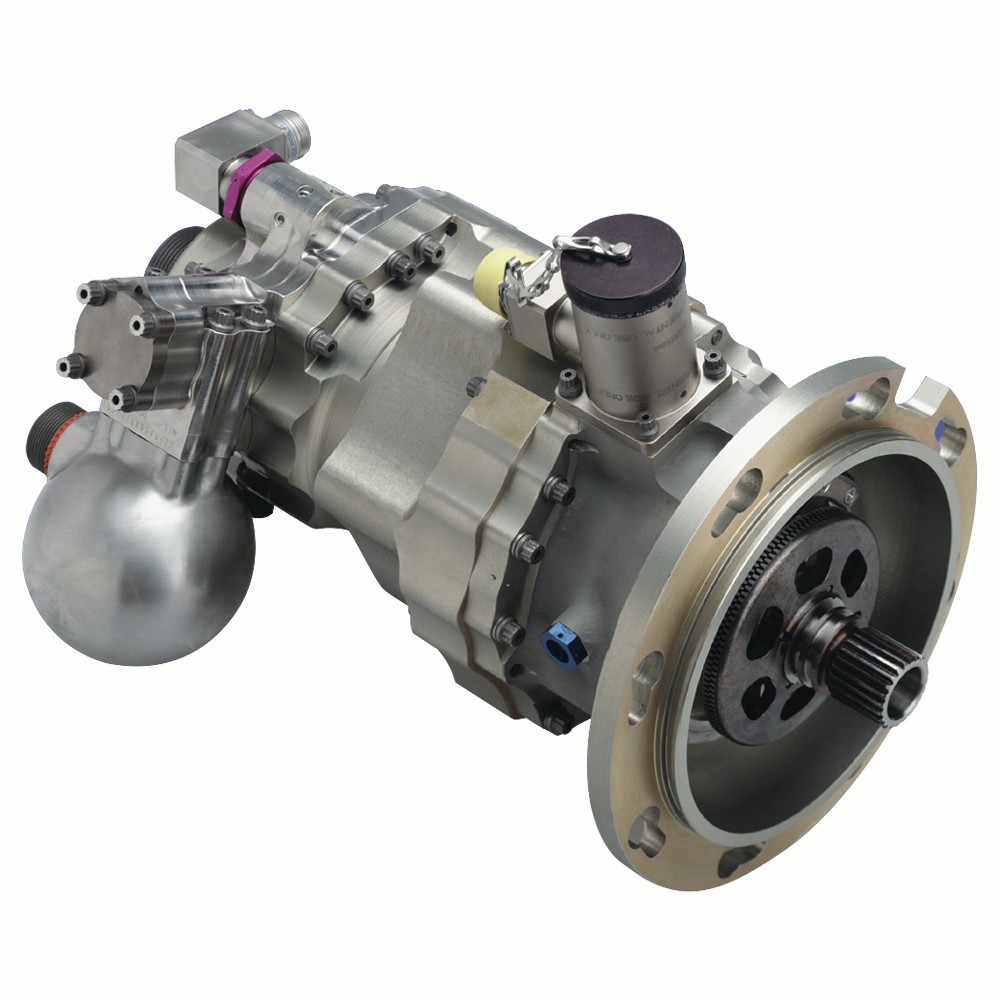
Aircraft fuel pumps govern uninterrupted liquid-phase fuel delivery in regimes where small pressure losses instantly transition flow into vapor, collapsing combustion stability across all flight conditions.
Fuel systems operate across inlet suction margins that can fall toward 0.2-0.5 MPa at altitude 10-12 km cruise conditions while internal pump discharge systems operate in high-pressures reaching 3,000-6,000 PSI 21-41 MPa, Eaton-class aerospace fuel pump ranges.
Within these gradients, cavitation becomes the governing instability mode when local pressure drops below fuel vapor thresholds (2-3 kPa margin zones depending on thermal state), triggering vapor bubble formation and collapse events that generate localized micro-impacts reaching hundreds of MPa at microscopic scale, progressively eroding impeller geometry and destabilizing flow coherence.
The real constraint is not volumetric pumping capacity but phase stability under dynamic pressure inversion, where small inlet pressure variations produce nonlinear vapor formation, especially during low fuel states when net positive suction head margins approach critical limits.
Inside tank-mounted boost pumps, electrical operation occurs directly in fuel-vapor environments requiring ignition-free architectures under continuous vibration and thermal cycling across service lifetimes of 20,000-60,000 flight hours. This makes sealing integrity, insulation stability, and fault containment primary design constraints rather than secondary safety considerations.
Fuel is simultaneously the working fluid, coolant, and lubricant, creating a coupled tribology–fluid dynamics system where viscosity shifts across -40°C to 50°C thermal bands directly influence bearing film formation, seal friction, and cavitation margins. Unlike conventional lubrication systems, performance is therefore governed by fuel chemistry stability rather than fixed lubricant properties.
Materials are dominated by corrosion-resistant stainless steels, wear-resistant impeller alloys, and elastomeric sealing systems engineered for long-cycle hydrocarbon exposure under thermal and chemical variability.
Industrial capability is concentrated in Parker Aerospace and Eaton, where long-duration cavitation modeling, certified reliability datasets, and precision hydraulic manufacturing define entry barriers rather than component design complexity alone.
Failureof fuel pumps begins with particulate contamination or micro-surface erosion, evolves into cavitation nucleation and asymmetric flow separation, then progresses into vibration amplification, seal degradation, hydraulic instability, and eventual loss of continuous fuel delivery.
The irreducible constraint is stable cavitation-free liquid-phase fuel transport under dynamically varying pressure fields while simultaneously maintaining ignition-safe, fuel-lubricated mechanical integrity across long-duration aerospace operational lifecycles.
1
31

8m
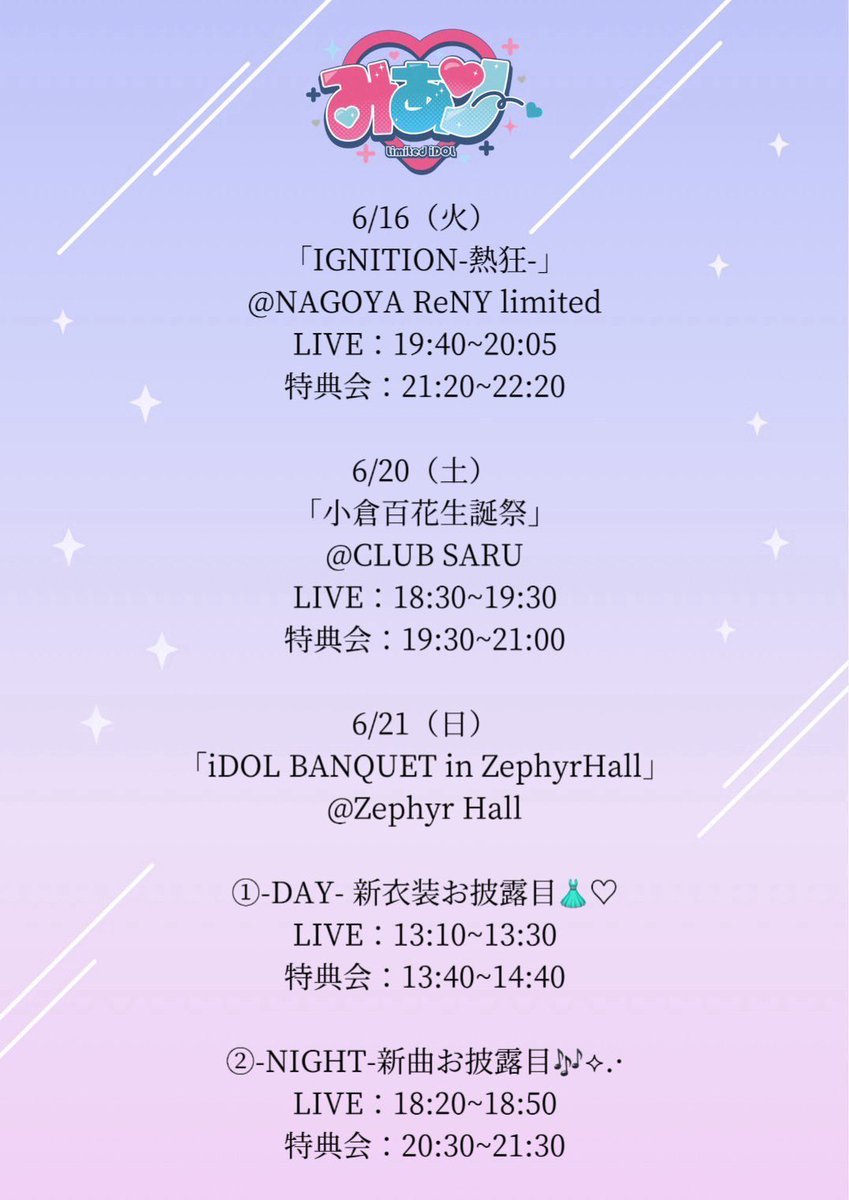
#みありーらいぶ
6/16
【IGNITION-熱狂-】
ticketdive.com/event/IGNITIO…
🎁
囲み写メ+グレードアップ券
※ グレードアップ券...通常、特典券2枚でチェキ撮影のところ特典券1枚 グレードアップ券でチェキ撮影が可能になります。グレードアップ券単体で使用することはできません。(当日のみ)
6/20
【小倉百花生誕祭】
livepocket.jp/e/l4_ch
6/21
【iDOL BANQUET in ZephyrHall】
DAY ♡新衣装お披露目♡
livepocket.jp/e/n9mkp
NIGHT ♡新曲お披露目♡
livepocket.jp/e/73zat
2
101

team ignitionウォーキング、強キャラ感あって好きなんだけどいち兄はignitionじゃないときにただ歩いてても芯の強さというか、隠れない豊臣の気品みたいなのがあって好き
3

The question facing fusion is not whether it can work. It's who gets there first.
Last week, we screened ‘IGNITION’ and heard from the people racing to answer that question.
Thanks to @AtlanticCouncil and our cohosts @ClearPathAction.
Watch ‘Ignition’: bit.ly/4vGs91b
2
Check out generalphysicscorp.com/blog. We are hard at work on: new architecture of multi-generation-multi-family homes, nuclear fusion stellarator tokamak shaping with mag pixels using LQR feedback ignition, shipbuilding, quantum computing, A.I. in CATIA, and so much more.
7
クロコ retweeted

Jun 13
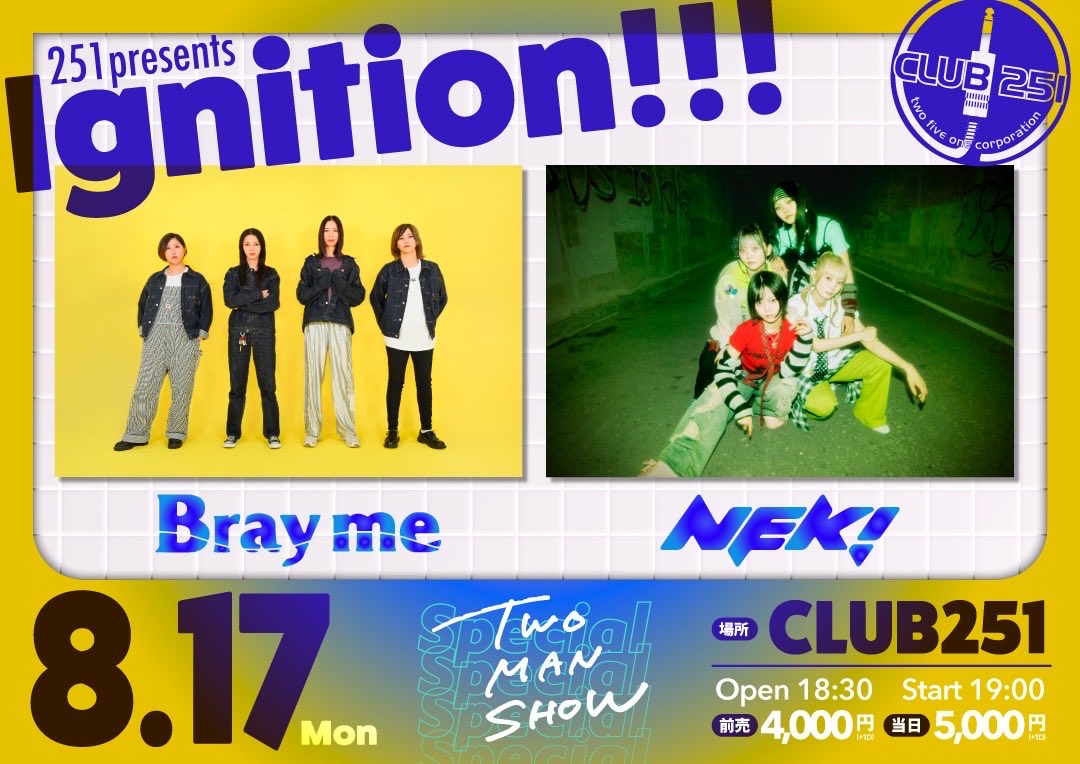
8月のNEK!とのツーマン、チケットが残り少なくなってきてます💨
毎年恒例のようなIgnition!!!でのツーマン、すごく楽しみな日!
しっかり鳴らしに行きます🔥
待ってるよ!

⚠️チケット残りわずか⚠️
2026年8月17日(月)下北沢CLUB251
251 presents Ignition!!!
~ Special Two Man Show ~
<出演>
NEK!
Bray me
開場18:30 / 開演19:00
livepocket.jp/e/251260817
6
34
983

【新曲】#2026ボカロック投稿祭
◤Ignition /220 feat. 宮舞モカ◢
ギターソロ:裸(ラオウ)王/raou @raou777
イラスト:フツマ
ギターソロ、まじで最高なのでそこまでは絶対聴いて!
でもそこまで聴いたら最後までよろ!😆
FULL版リンク ↓
nicovideo.jp/watch/sm4640923…
20
21
109
5,668

My thought is as a guy is don't put the kid in the ignition if you're not going for a ride...
1
1
福岡 NEEBOYS retweeted

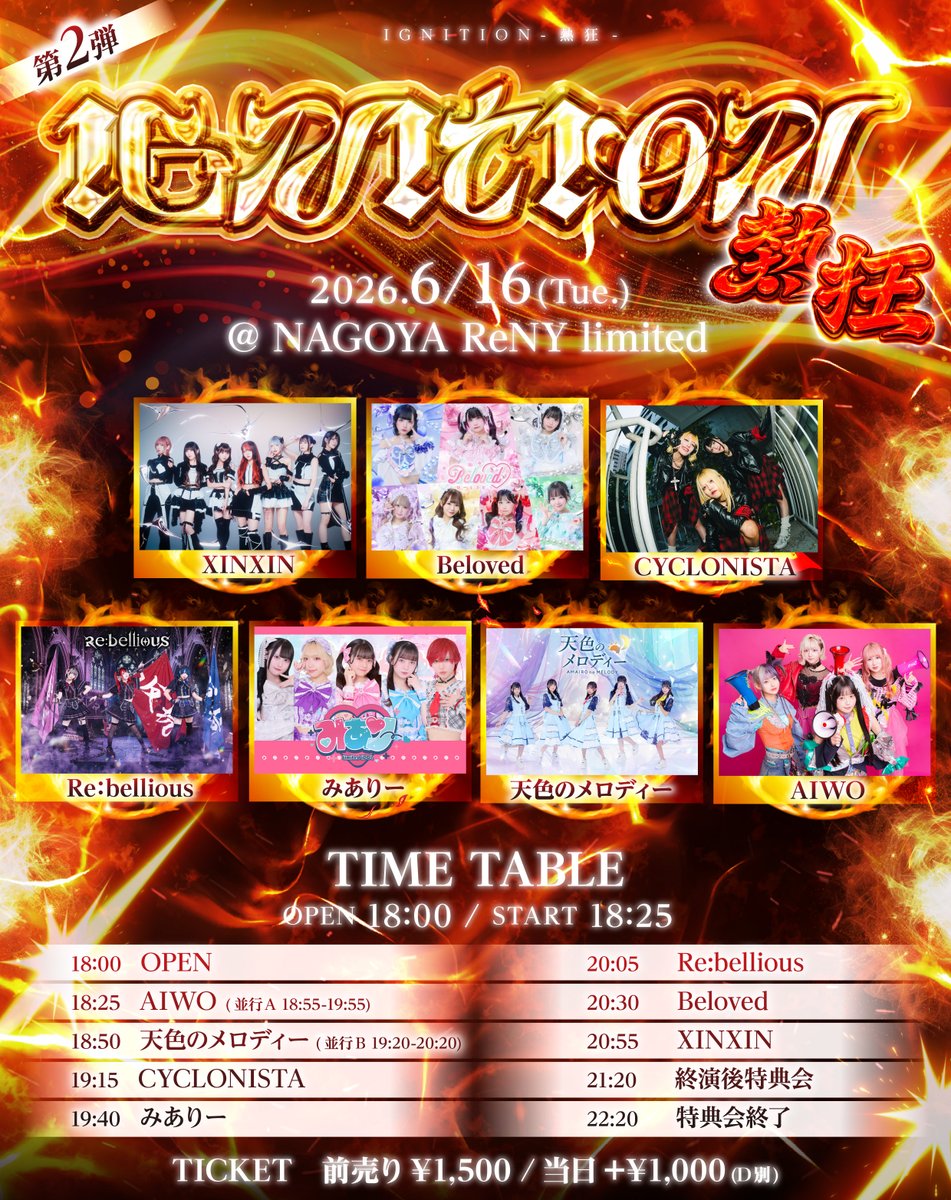
👊 ••• 明日はこちら!! ••• 👊
🗓️6月16日(火)
📍名古屋 ReNY limited
「IGNITION-熱狂-」
OPEN 18:00 / START 18:25
ADV ¥1,500 ( 1DRINK )
🎙️19:15-🛍️21:20-
🎫ticketdive.com/event/IGNITIO…
🎟お目当て入場で特典券GET
1
4
198
岡﨑紬美@リリシック学園🍄 retweeted


1
9
118
Beloved【公式】4/21新体制 retweeted

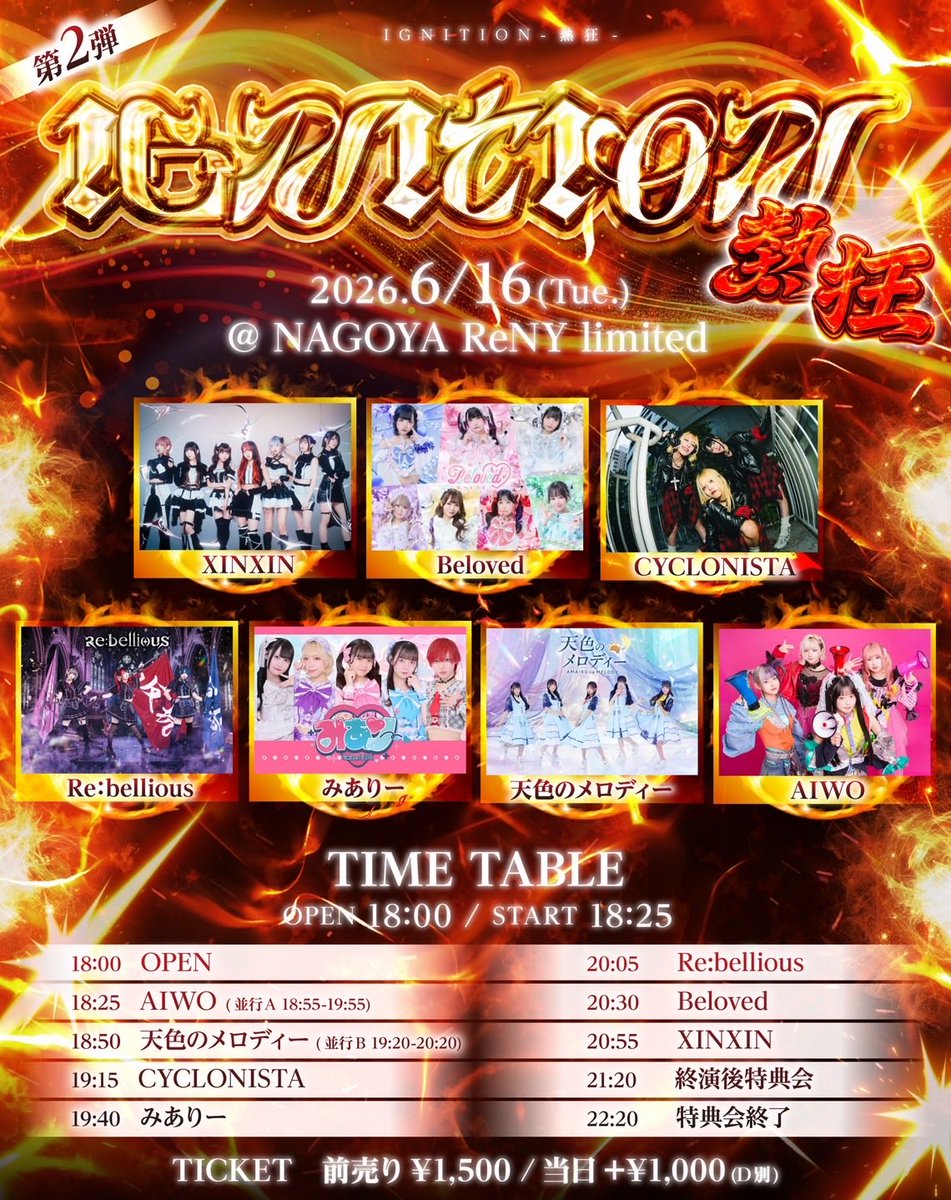
♡#びーらぶライブ情報♡
6/16(火)
『IGNITION-熱狂-』
📍 NAGOYA ReNY limited
⏰ OPEN 18:00 / START 18:25
💰 前売り¥1500/当日 ¥1000(D別)
🎁 チェキ券 特典券
🎤 20:30-20:55
📷 21:20-22:20(終演後)
🎫 6/8 22:00〜
t-dv.com/IGNITION-nekkyo-061…
2
31
8,245
きなこ retweeted

【いよいよ今週🧩】
名古屋遠征スケジュールまとめ🍤
🗓️6/20
『IGNITION mini』
📍Dt.BLD
ライブ▶︎▷1部:14:10- / 2部:19:00-
特典会▶︎▷1部:14:30- / 2部:19:40-
📣動員特典... 1部:私物サイン券 / 2部:2ショット写メ券
🗓️6/21
①
『IDOL SPOT LIGHT in NAGOYA』
📍RAD NINE
⏱昼帯
→詳細近日解禁‼️
📣動員特典... 10秒動画券
②
『LASTPiECE TOUR 2026 -The Missing Piece- 』
📍RAD NINE
⏱ OPEN 19:00/START 19:30
@kagura__shiori @kym_yukipo
@yukine__rikka @_monmonmon_7
@gohandesuyo36
#LASTPiECE #ラストピース #ラスピ
5
14
432