himmy neutron ⚛️✳️ retweeted

🔥🚨LATEST: This DJ is going viral due to his amazing self restraint as he focused on the music and ignored the demonic distractions behind him.
 Arthur🇳🇬🇬🇧🇸🇳
527
431
13,668
2,326,961

I ended a 25 year marriage in 2020. In my learned experience, I found it best to articulate my expectations rather than assume my husband could read my mind. Clear communication makes it easier to navigate and also keeps the resentment to a minmum. No one wants to feel ignored.

For years, Fentanyl Families were ignored. Today, they finally have an administration willing to listen, elevate their voices, and take meaningful action against the deadliest drug crisis in American history.

12s
Worst manager in baseball. I screamed all last summer he was awful and shouldn’t even get a chance at the full time gig. Everyone just ignored the clear evidence and clamored for him because he’s from here. Dude is HORRIBLE.
THEE Discowitch Fellina 🏳️🌈🏳️⚧️🇨🇦🇺🇸🇺🇦 retweeted

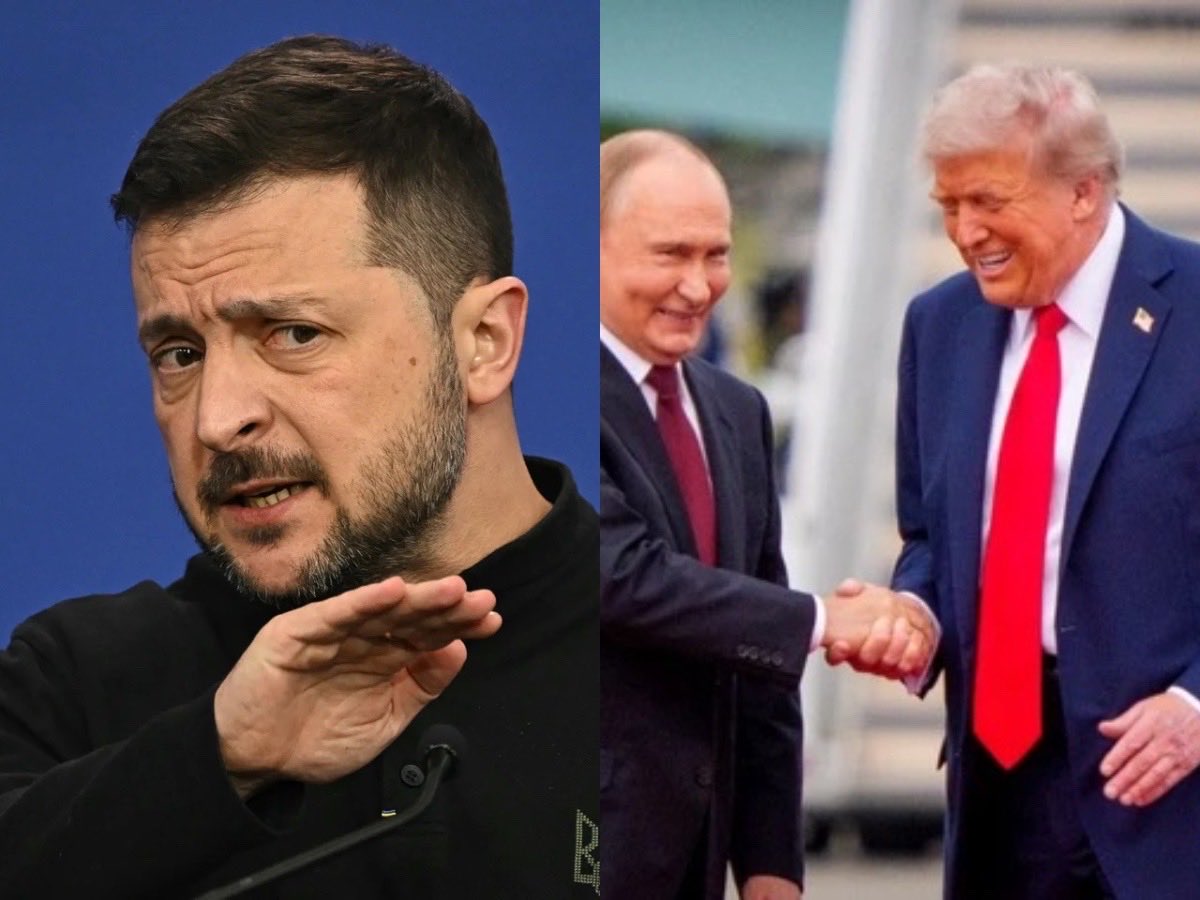
Donald Trump has completely failed to deliver on his pledge to end the war in Ukraine because he has ignored the only logical path to peace, which is pressuring Russia.
By stopping military aid to Ukraine, he also successfully destroyed his own leverage over both the aggressor and the victim, turning his twenty-four-hour timeline into a pathetic cycle of adding two weeks over and over again.
Anyone who understands anything about foreign policy knew he would fail. Trump has avoided checking the actual aggressor, choosing instead to publicly insult and pressure the nation that was actually attacked.
His choice to invite Putin to Alaska was an absolute betrayal of human decency, giving a brutal invasion a stamp of international approval and legitimizing Moscow's insane genocidal demands.
He stripped away any remaining American influence by cutting off weapons funding, leaving the US completely empty-handed at the negotiating table.
This raises a massive red flag about whether he is compromised or just actively rooting for a Russian victory. His total inability to deliver on his promises needs to be highlighted a lot more often
55
443
1,263
14,752
The Dolphins Stink retweeted

Every time the Heat has acquired a star this century, they've ultimately made the Finals. Odd how that gets ignored, as does the point that the Heat would have exception money/other mechanisms to build around Giannis and Bam.

Report: Giannis willing to extend with Celtics or Heat. @Chris_Broussard reacts:
“I just don’t understand why Giannis, with all due respect to the Heat, wants to go to Miami… It’s going to essentially be Milwaukee South... I just don’t get it for Giannis.”
63
124
823
90,156

16s
Such a great confession!
So here he acknowledged that Reza Pahlavi is the leader of this revolution but Trump and his administration simply ignored the Iranian protesters due to what? Opening a strait that was open before?
Obviously, He himself doubts about this deal, sugar-coating this in every media!
@JDVance
@POTUS x.com/clashreport/status/206…
 Clash Report

right, all the time, with no chance to ever be wrong about even the most minor thing ever. You've ignored everything I've written, disregarded sentence structure, and are just frankly a hopeless entity (I say entity cause I'm beginning to doubt you're flesh and blood and not a
2
FollowTheSun 🇺🇸 💯 🇦🇪 ❇️ 🇦🇺🔺 retweeted

This is real corruption
….and the California media ignored it for years.

Insane ROI!
Kaiser Permanente donated $20,000 to the nonprofit in 2018 and 2019 and received $172.2 million from the state.
PG&E donated $358,000 to Siebel Newsom’s nonprofit between 2011 and 2018. PG&E received $323.8 million from the state in 2021. calcoastnews.com/2026/03/gov…
23
435
1,342
32,109

Tell it to the Hague.
We all saw it. You ignored it.
Because youre a bad person.
Karen Loftis 🇺🇸 retweeted

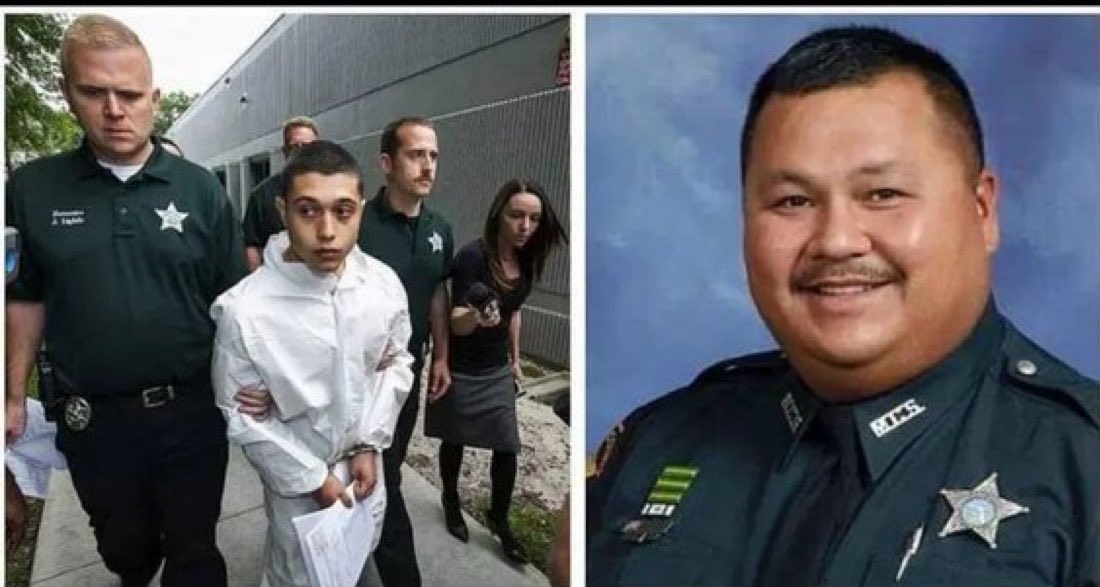
BREAKING:🚨ARMED DEPUTY WHO STOPPED A SCHOOL SHOOTING ON FRIDAY IGNORED BY THE MEDIA
Marion County Deputy James Long is a hero He saved countless Lives
Share so everyone knows his name
106
5,464
13,348
89,839
ወዲ ተኽለ 💙🧢 retweeted

Jun 15
Regrettably the human rights violations in #Eritrea are ignored by the international community & we will not be silent! #FreeEritrea #TransnationalRepression youtu.be/c976OvUEUw8
2
33
34
932
Jewish Phoenicians with Attitude ✡️🇱🇧 retweeted

The US purposely kept out Jewish refugees, refused to bomb the death camps, and ignored the Polish Resistance’s intelligence reports about the holocaust
1
2
5
98
Fridman retweeted

7h
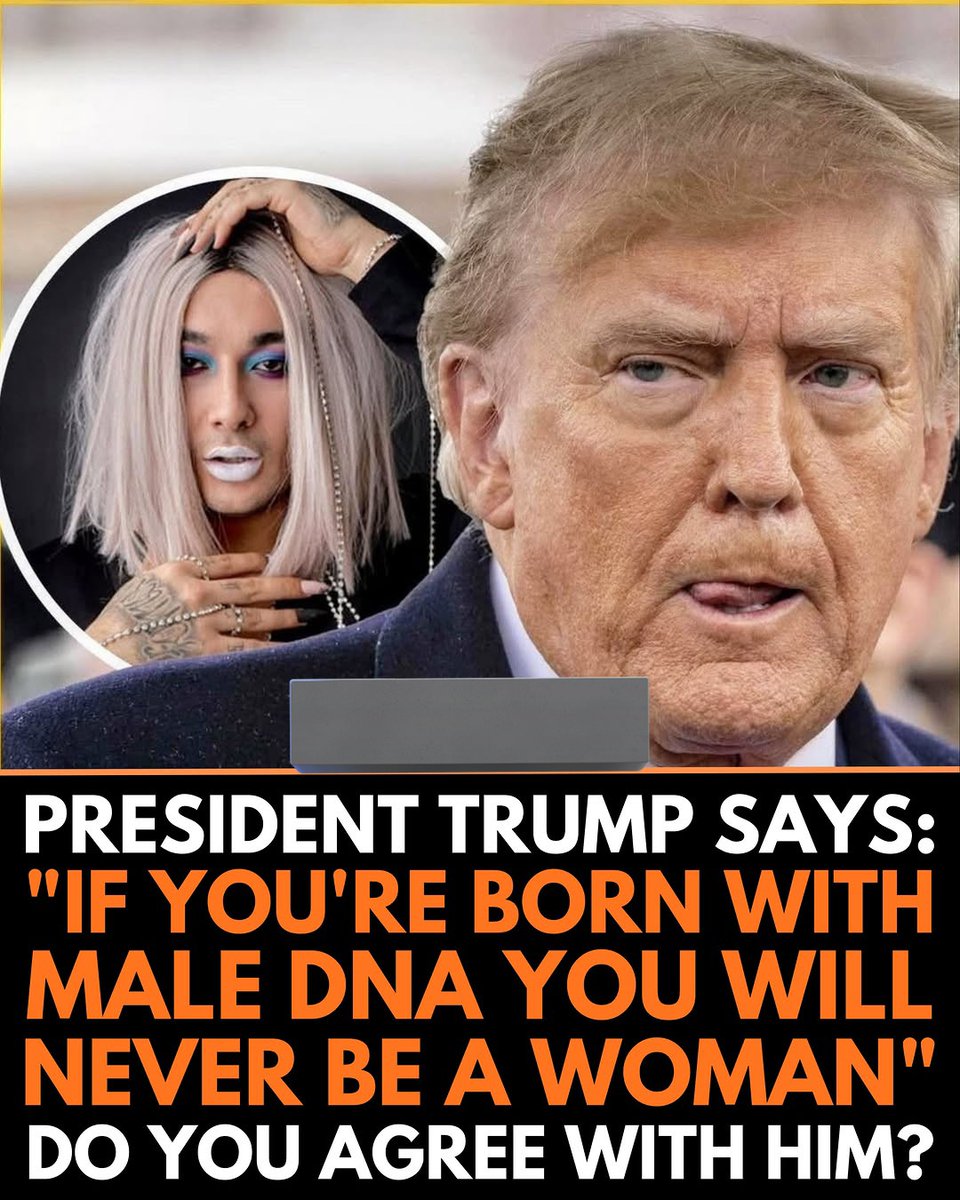
President Trump's statement is sparking a massive debate online. Many Americans say biology should not be ignored, while critics strongly disagree.
Where do you stand on this issue? 💭🤔
PRESIDENT TRUMP SAYS:
"IF YOU'RE BORN WITH MALE DNA YOU WILL NEVER BE A WOMAN"
DO YOU AGREE WITH HIM?
Yes or No
1
52
54
1,837
Fernjune retweeted

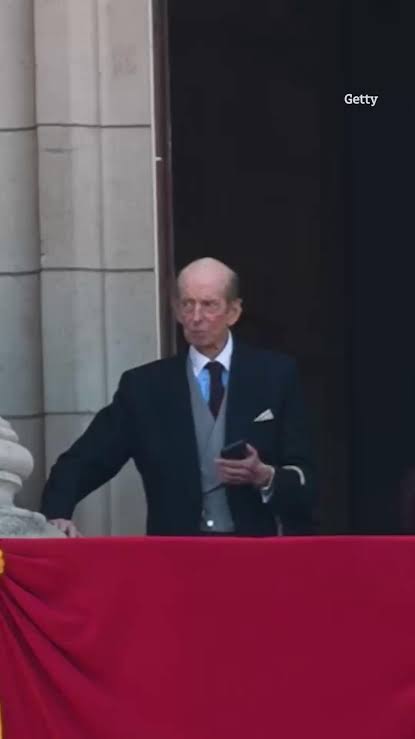
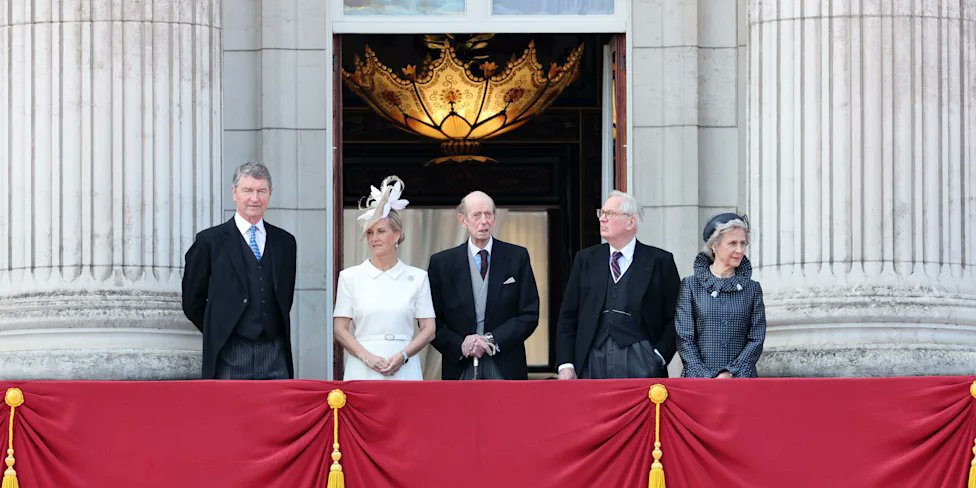
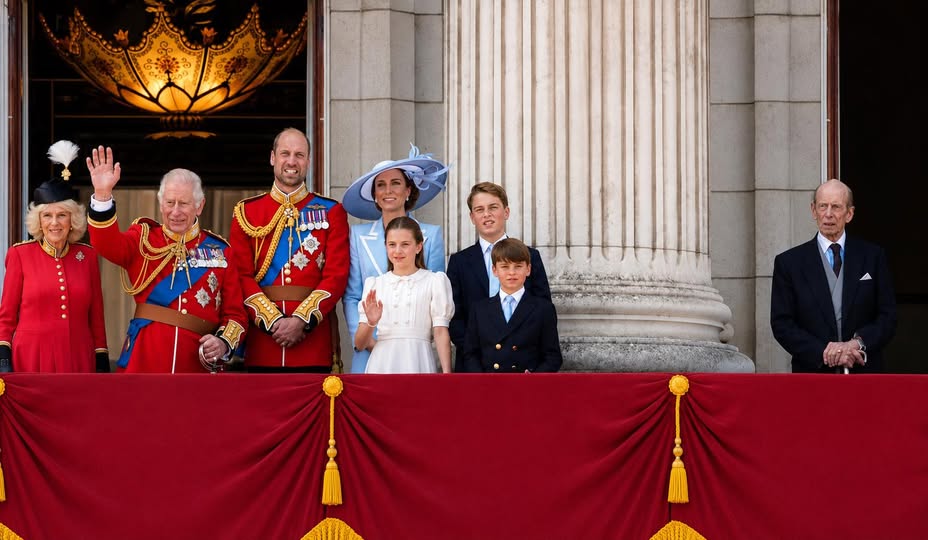
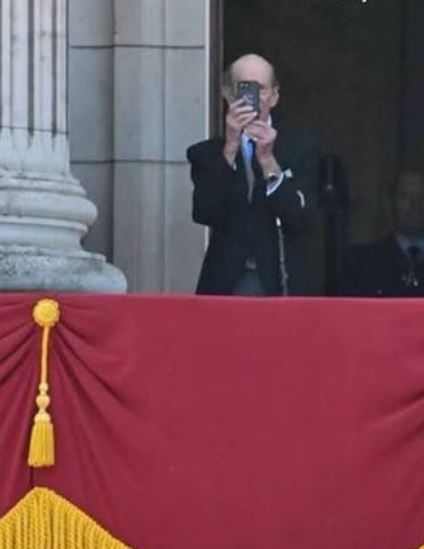
The Duke of Kent was NOT side lined & ignored by the Royals on the balcony. He's 90 years old! He is unsteady on his feet and sometimes uses a wheel chair or a walking stick to get about! He was positioned there as it meant he could lean on the column for support! 🙄
38
29
757
12,301


"they made it clear that the huge online backlash and public pressure forced this case into the spotlight and ensured it could not be ignored."
so only when they are forced into action will they take action?
1

Ballot Shortages Hit Gangnam and Seocho Areas, Fueling Allegations of Deliberate Withholding.
South Korea’s recent local elections were already marred by widespread ballot shortages that left many citizens unable to vote, particularly in key districts.
Reports now show similar crises occurred in affluent areas like Seocho-gu and Gangnam, where urgent requests for additional ballots were allegedly ignored by the National Election Commission until it was too late, forcing local staff to scramble for supplies from neighboring stations.
This pattern has intensified public suspicion that the shortages were not merely administrative errors but potentially targeted or negligent in certain regions.
In a democracy, equal access to voting is a fundamental right, and any appearance of selective failures undermines the legitimacy of the entire electoral process.
The importance of this situation lies in preserving trust in democratic institutions.
When logistical breakdowns disproportionately affect participation and raise questions of intent, it risks long-term erosion of public confidence and deepens societal divisions.
How can Korea reform its election management to guarantee fair and timely ballot distribution for all citizens in future elections?
1
Brian Lyssy retweeted

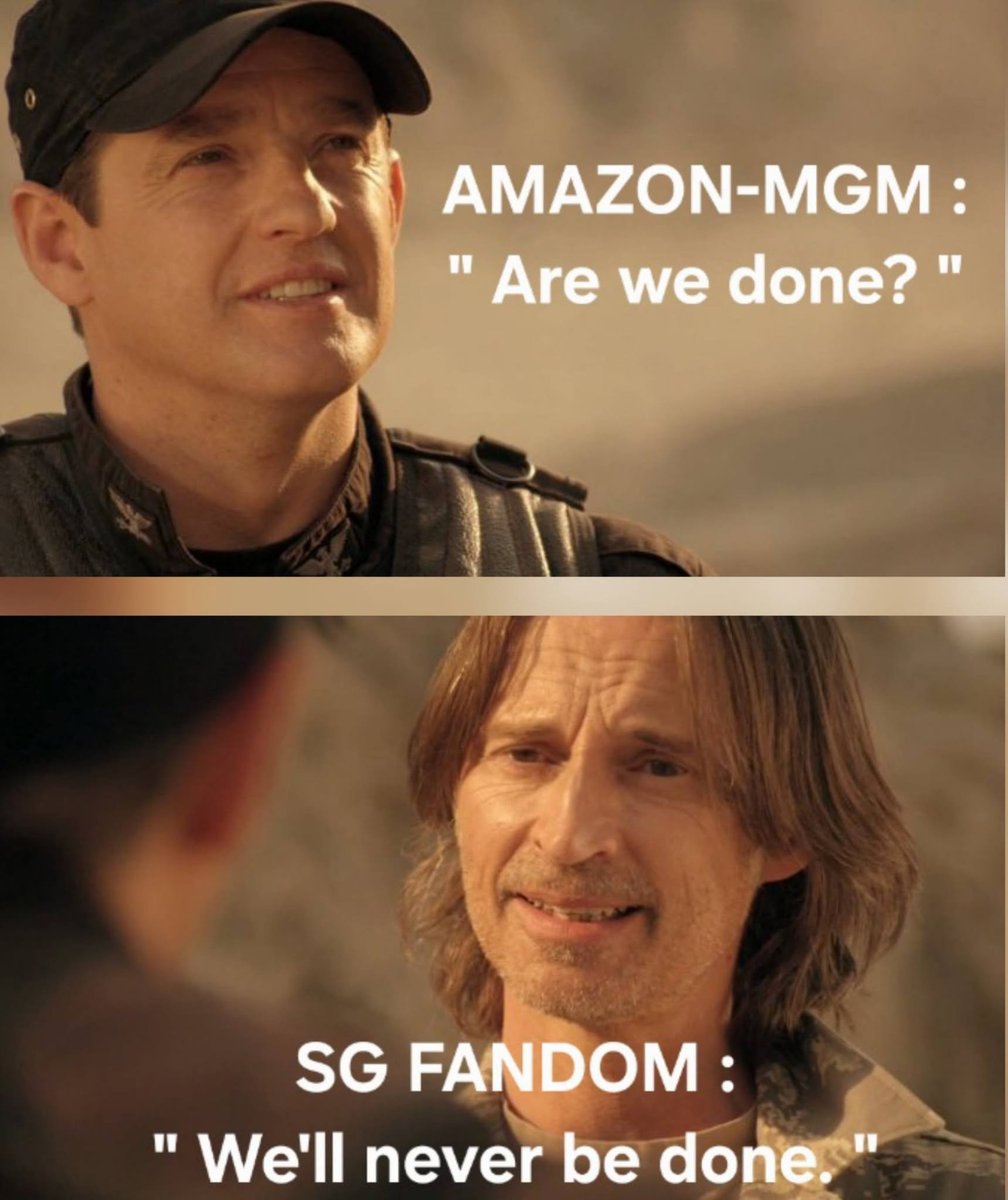
The most frustrating part isn't the cancellation.
It's being ignored by @AmazonMGMStudio despite everything the fans have done to make their voices heard.
But we're not going anywhere. Or giving up hope.
#SaveStargate
5
36
129
682