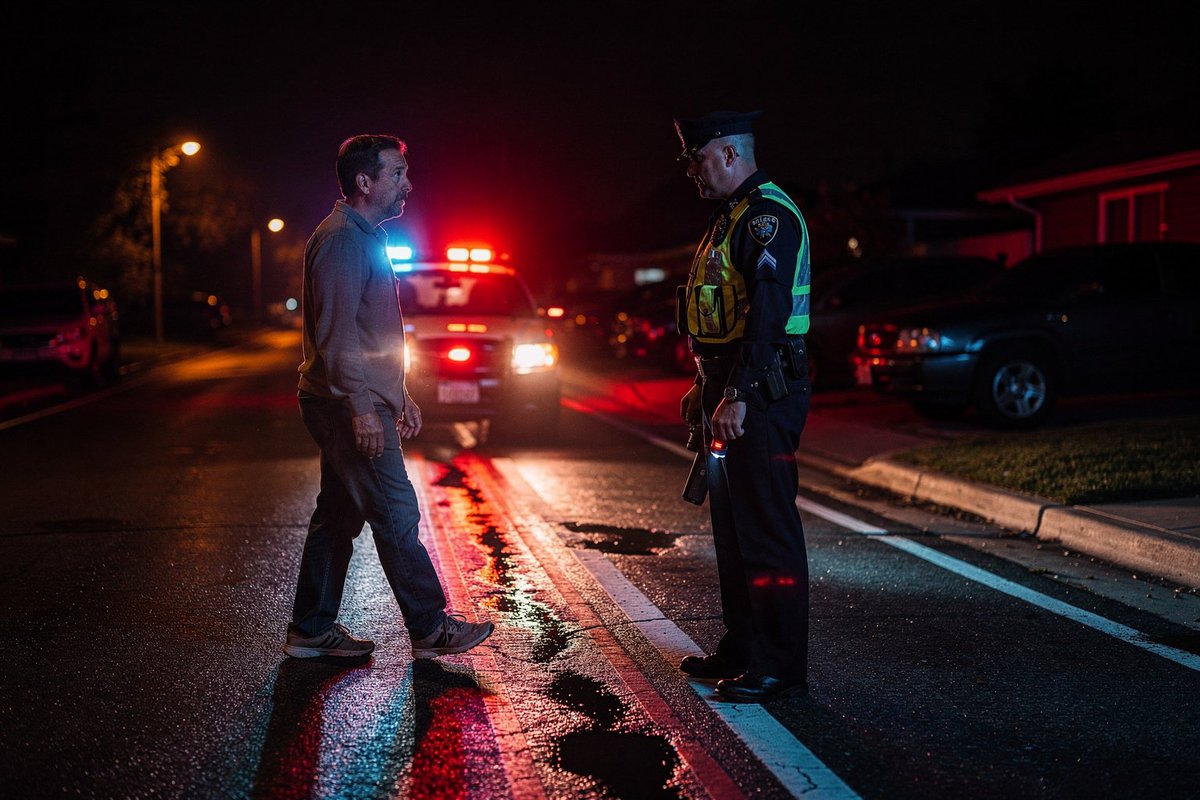
🚨 Illinois DUI — Alcohol
Under 625 ILCS 5/11-501(a)(2), driving with blood alcohol concentration of .08 or higher triggers DUI charges even when drivers feel capable of operating vehicles safely. Class A misdemeanor convictions carry 364 days jail and $2,500 fines. Illinois prosecutors rely on breathalyzer results, field sobriety tests, and officer observations proving impairment. Convictions trigger mandatory license suspensions, increased insurance costs, and criminal records affecting employment prospects. Defense strategies challenge breathalyzer calibration, contest stop legality, and examine officer procedures. Former Will County prosecutor Jack Zaremba defends DUI cases over 20 years legal experience. willcountyduilawyers.com
#DUI #DUIDefense #WillCounty #ZarembaLaw

@ChicagosMayor millions of residents lost power for 4 days & a corrupt statue (220 ILCS 5/16-125(e) & (f)) created by Richard Daly’s administration just made it so millions of people won’t get reimbursed for the food that has spoiled because one man absolved them from fault?!
1
37
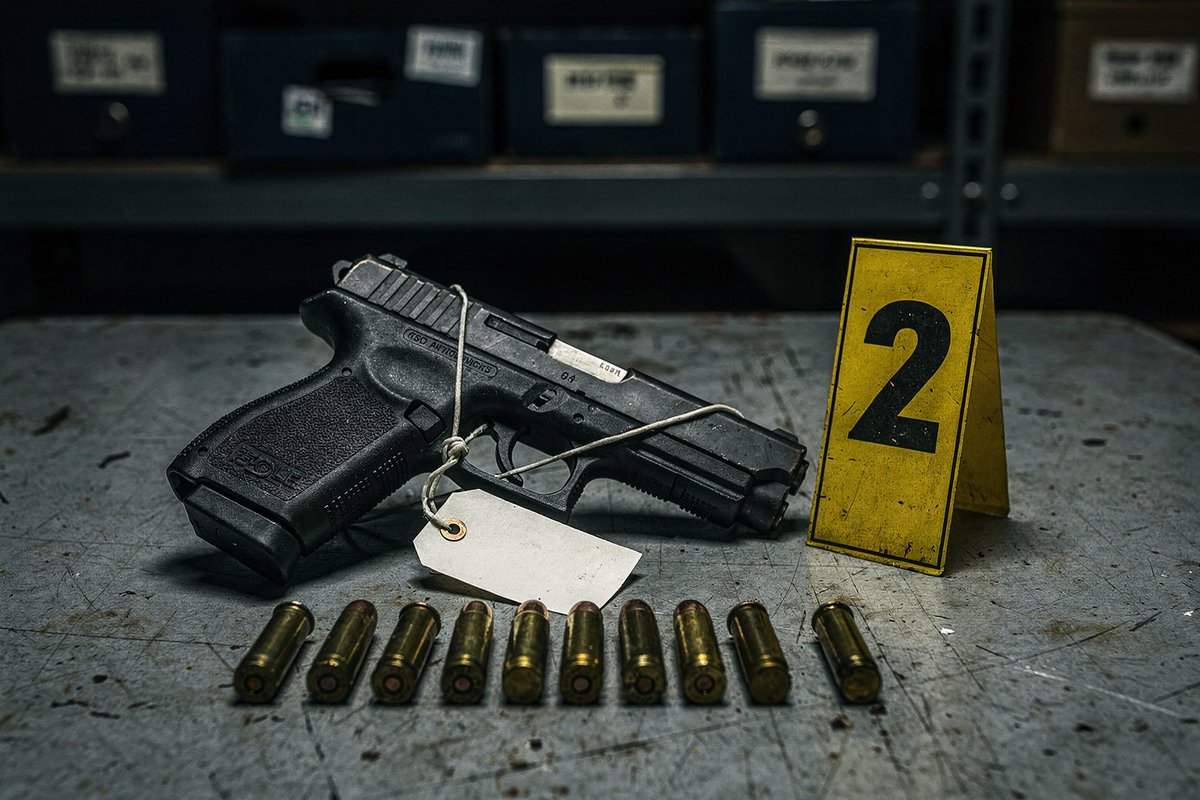
🚨 In Illinois, convicted felons caught possessing firearms face severe consequences under 720 ILCS 5/24-1.1. Class 2 felony convictions carry 3-7 years prison and $25,000 fines.
Prosecutors rely on arrest records, state firearm databases, and witness statements proving defendants with felony convictions knowingly possessed firearms or ammunition. Common scenarios include traffic stops revealing weapons, home searches during probation checks, and police encounters with armed individuals.
Defense strategies challenge knowing possession elements, contest search legality, and examine whether prior felonies actually prohibit firearm ownership under Illinois law.
💡 Former Will County prosecutor Jack Zaremba defends weapons charges with over 20 years legal experience. Learn more: zarembalawoffice.com
#WeaponsCharges #FeloninPossession #CriminalDefense #ZarembaLaw
5

Jun 13
🔒 Juvenile Record Expungement and Sealing in Illinois
Under 705 ILCS 405 Illinois allows juveniles to erase or seal delinquency records after meeting specific requirements. Expungement completely destroys records as if arrests never happened, while sealing restricts public access but preserves law enforcement copies. Most juvenile arrests and adjudications qualify for expungement when cases resulted in supervision, dismissal, or completion of probation. Sealed records remain accessible only to courts and specific agencies, protecting future opportunities without complete erasure.
Timing matters—juveniles can petition immediately after case closure for arrests without adjudication, while adjudicated cases require waiting periods. Former Will County prosecutor Jack Zaremba handles juvenile expungement petitions with over 20 years legal experience. zarembalawoffice.com
#JuvenileExpungement #JuvenileDefense #WillCounty #ZarembaLaw

5
Jun 13
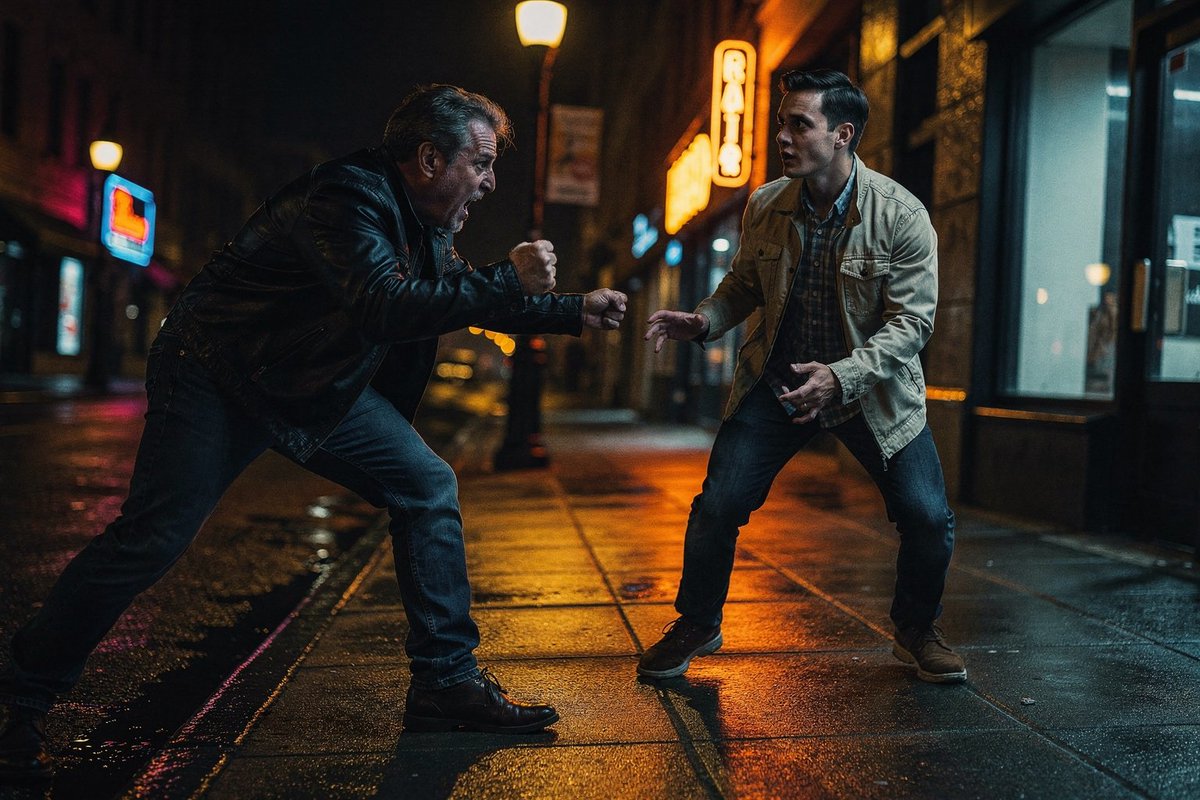
🚨 Aggravated Assault Under Illinois Law
Under 720 ILCS 5/12-2, aggravated assault occurs when someone threatens imminent bodily harm while using a deadly weapon, wearing a hood to conceal identity, or targeting protected classes including police officers and teachers. Class A misdemeanor convictions carry 364 days jail and $2,500 fines, but aggravated assault against peace officers escalates to Class 4 felony with 1-3 years prison. Illinois prosecutors rely on witness statements and weapon evidence proving defendants made credible threats. Defense strategies challenge whether threats were truly imminent and contest witness credibility.
Former Will County prosecutor Jack Zaremba defends aggravated assault cases with over 20 years legal experience. zarembalawoffice.com
#AggravatedAssault #CriminalDefense #WillCounty #ZarembaLaw
5
Jun 12
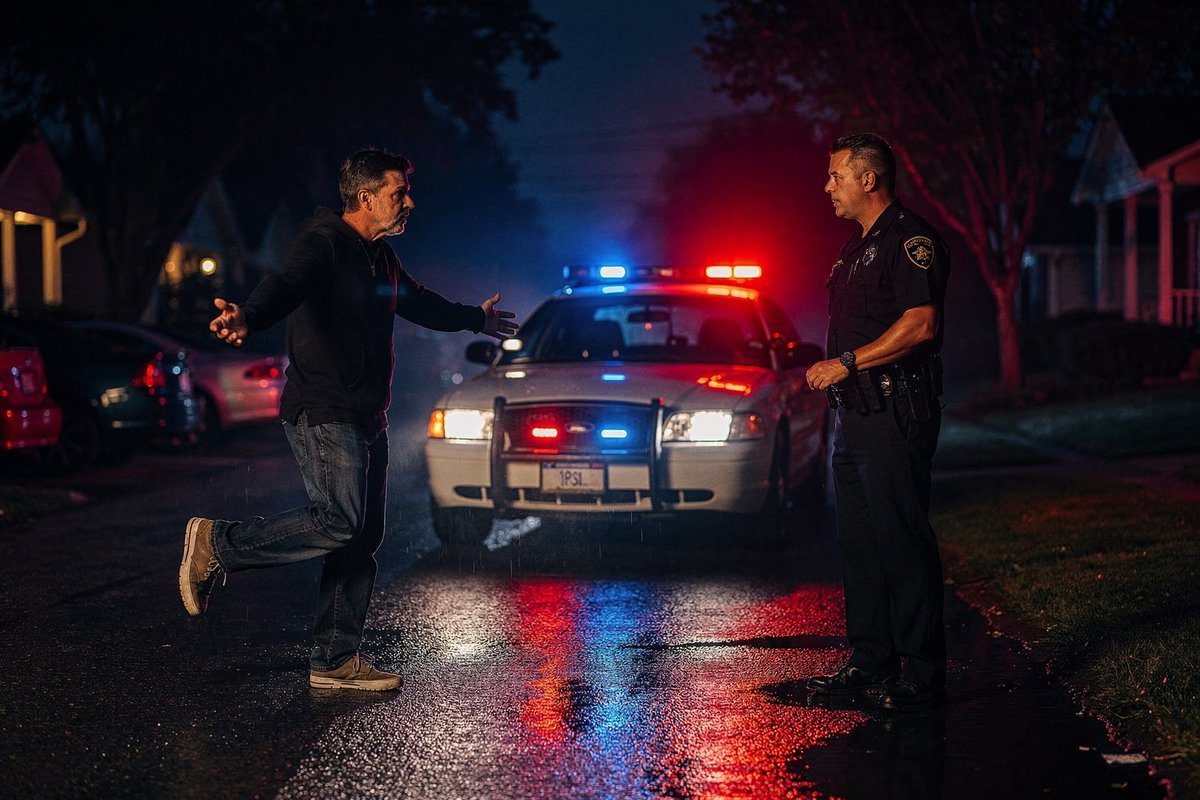
🚨 **DUI Isn't Just Alcohol — Illinois Prosecutes Drug-Impaired Driving Aggressively**
Under 625 ILCS 5/11-501(a)(4), driving under the influence of cannabis, prescription medication, or any intoxicating compound triggers the same DUI charges as alcohol. Class A misdemeanor convictions carry 364 days jail and $2,500 fines. Prosecutors rely on officer observations, field sobriety tests, and drug recognition experts to prove impairment—even when drivers have valid prescriptions or consumed legal cannabis. Defense strategies challenge officer training, contest drug recognition procedures, and examine blood test accuracy.
Former Will County prosecutor Jack Zaremba defends drug DUI cases with over 20 years legal experience. Free consultation: zarembalawoffice.com
#DrugDUI #CannabisDUI #WillCounty #ZarembaLaw
13
Jun 12
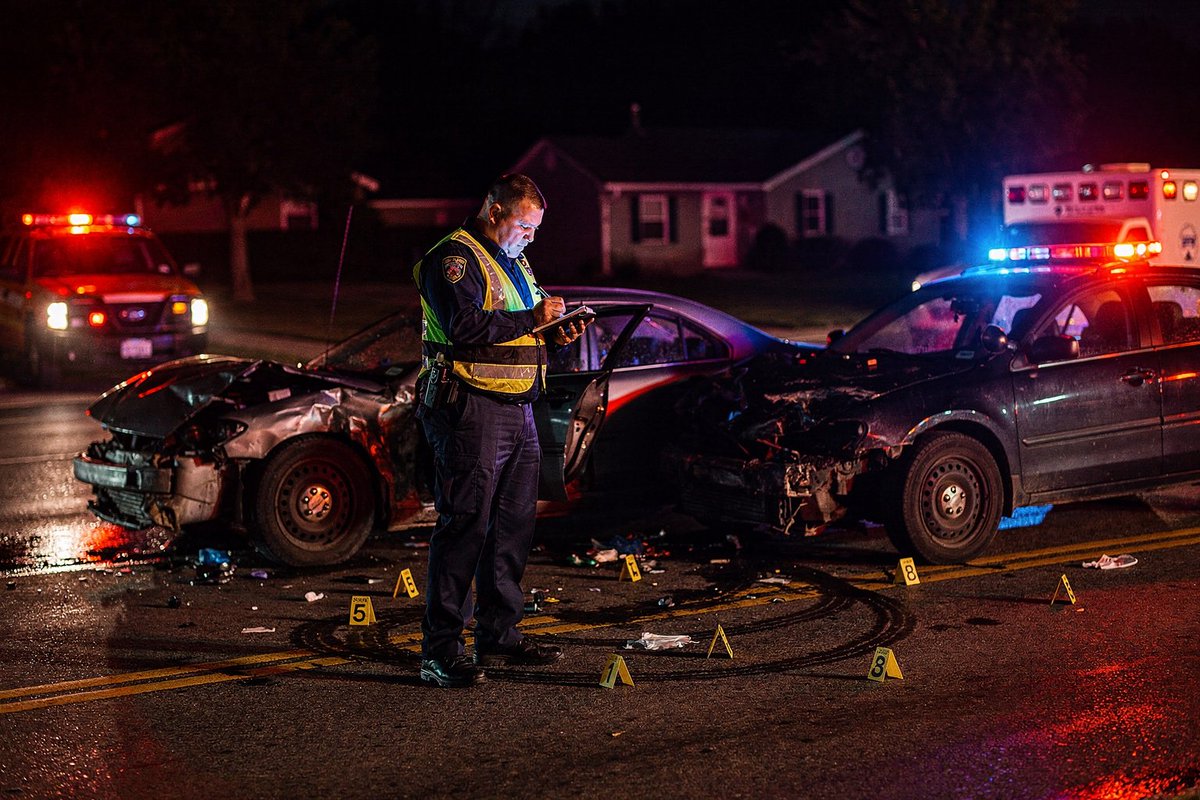
🚨 Aggravated DUI — Great Bodily Harm in Illinois
Under 625 ILCS 5/11-501(d)(1)(C), DUI causing great bodily harm elevates standard charges to aggravated DUI. Class 2 felony convictions carry 3-7 years prison and $25,000 fines.
Illinois prosecutors rely on accident reconstruction reports, medical records, and toxicology evidence proving impaired driving directly caused serious injuries. Convictions trigger permanent felony records, license revocations, and potential civil liability exceeding insurance coverage.
Defense strategies challenge causation elements, contest whether injuries meet "great bodily harm" threshold, and examine field sobriety reliability.
Former Will County prosecutor Jack Zaremba defends aggravated DUI cases with over 20 years legal experience. zarembalawoffice.com
#AggravatedDUI #DUIDefense #WillCounty #ZarembaLaw
1
1
16
Jun 11
🚨 In Illinois, you can be convicted of burglary even if you never take a single item — under 720 ILCS 5/19-1, the crime is entering "without authority" with intent to commit a felony or theft inside.
Illinois burglary (720 ILCS 5/19-1) means knowingly entering — or unlawfully remaining in — a building, vehicle, watercraft, or trailer with intent to commit a felony or theft, and it is a Class 2 felony punishable by 3–7 years in prison (extended term 7–14) plus fines up to $25,000. Enter a dwelling instead and the charge becomes residential burglary under 720 ILCS 5/19-3 — a Class 1 felony carrying 4–15 years that is NOT probation-eligible, meaning a conviction requires mandatory prison time. If someone is home when you enter and you are armed or cause injury, it escalates to home invasion (720 ILCS 5/19-6), a non-probationable Class X felony of 6–30 years. Even carrying a pry bar, slim jim, or lock pick with criminal intent is a separate Class 4 felony for possession of burglary tools (720 ILCS 5/19-2). Because these cases frequently turn on the disputed element of intent at the moment of entry, an early, aggressive defense can mean the difference between prison and a reduction to misdemeanor criminal trespass.
💡 Charged with burglary in Will County? Jack L. Zaremba is a former Will County prosecutor. With over 20 years of legal experience, he knows how the State builds an intent-based burglary case — and how to take it apart. Free consultation: zarembalawoffice.com/crimina…
#Burglary #WillCounty #IllinoisLaw #CriminalDefense #JolietAttorney #FelonyDefense
⚖️ This post is for informational purposes only and does not constitute legal advice. Results vary by case.
32
Jun 11
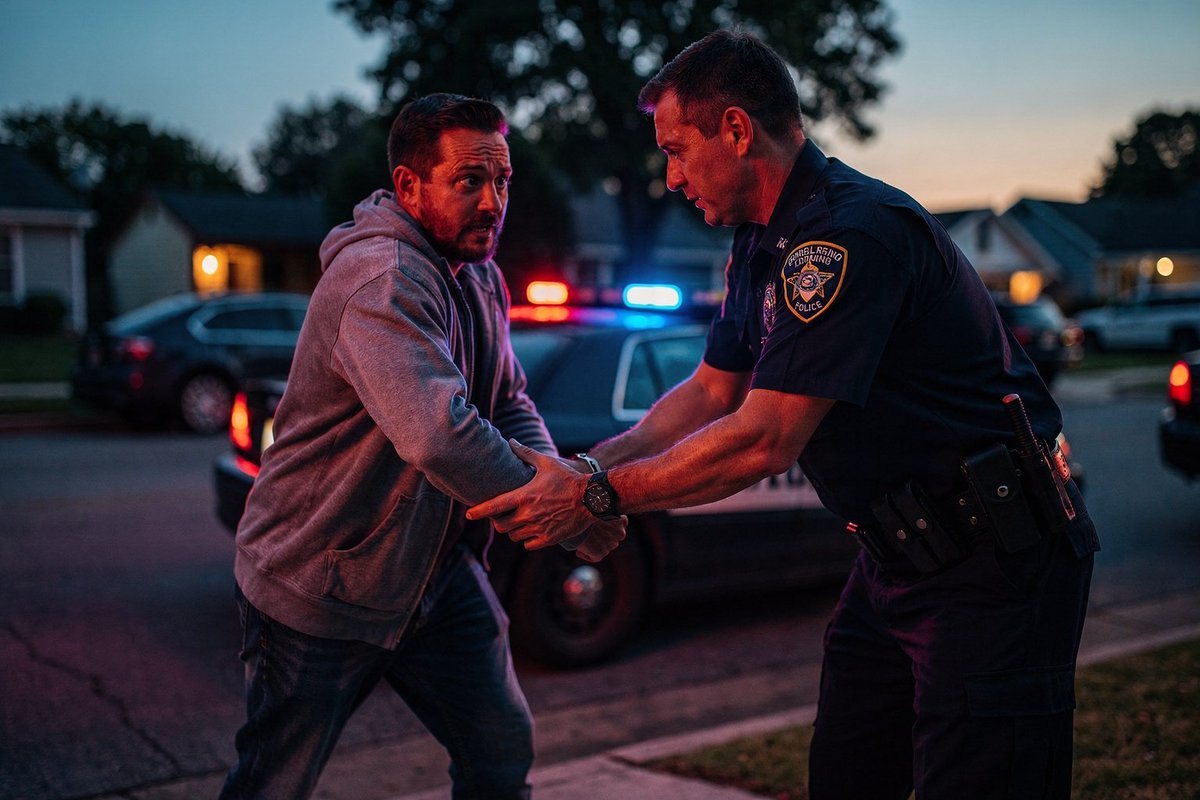
🚨 Resisting or Obstructing a Peace Officer in Illinois
Under 720 ILCS 5/31-1, resisting or obstructing police officers triggers serious criminal charges even when no physical force occurs. Class A misdemeanor convictions carry up to 364 days jail and $2,500 fines. Illinois law prohibits knowingly resisting arrest, obstructing police performance of duties, or providing false information to officers during investigations. Prosecutors rely on officer testimony, body camera footage, and witness statements proving defendants knowingly interfered with law enforcement. Common scenarios include pulling away during arrests, refusing to comply with lawful commands, or fleeing from police. Defense strategies challenge officer credibility, examine whether commands were lawful, and contest knowledge elements. Former Will County prosecutor Jack Zaremba defends resisting arrest cases with over 20 years legal experience.
zarembalawoffice.com
#ResistingArrest #CriminalDefense #WillCounty #ZarembaLaw
10

Jun 11
That plate cover on your car? Illegal in Illinois — clear ones included.
625 ILCS 5/3-413(g) bans ALL plate covers. And hiding your plate from police is now a Class A misdemeanor.
Full breakdown 👇
hankenlaw.com/blog/illinois-…
11
Jun 11
That plate cover on your car? Illegal in Illinois — clear ones included.
625 ILCS 5/3-413(g) bans ALL plate covers. And hiding your plate from police is now a Class A misdemeanor.
Full breakdown 👇
hankenlaw.com/blog/illinois-…

12

۴/ دوربین روی موشک توماهاوک طوری طراحی نشده که اپراتور بتواند از فاصله یک کیلومتر یا بیشتر تشخیص دهد داخل ساختمان کودک حضور دارد.
۵/ نرخ مرگومیر نوزادان در عراق بین سالهای ۱۹۹۵ تا ۲۰۰۰ دقیقاً همانند دوره پیش از ۱۹۹۰ بود. بنابراین تحریمهای آمریکا باعث افزایش مرگومیر نوزادان نشده است. این را بخوانید.
2004 Iraq Living Conditions Survey (ILCS), 2006/2011 UNICEF MICS
1
12

Jun 11
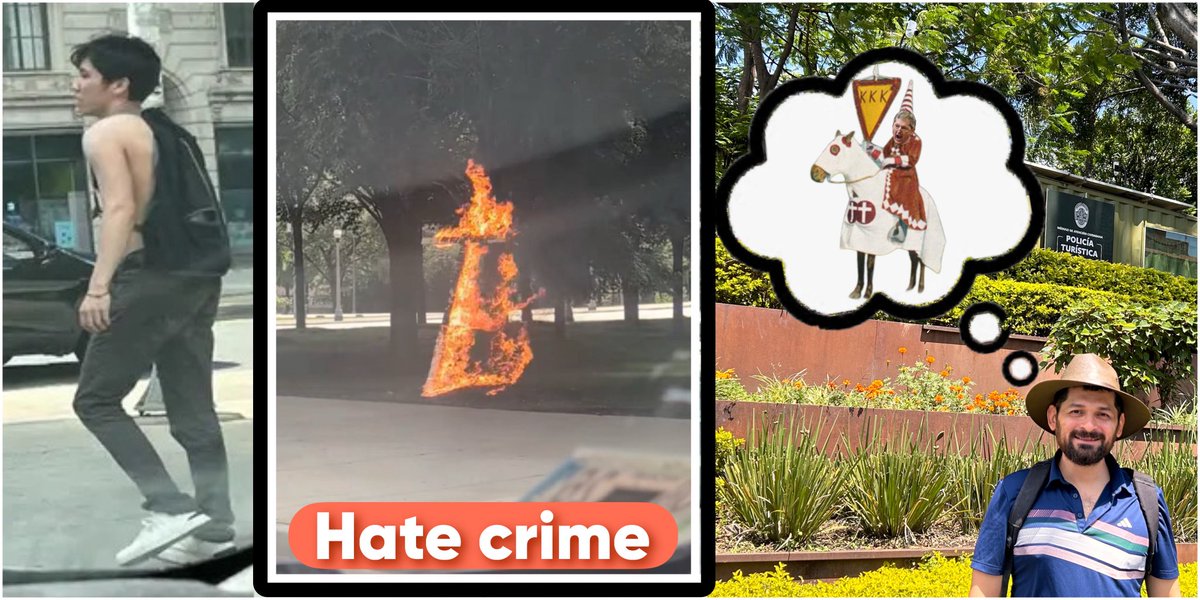
¶ 38 JUSTICE OCASIO, dissenting:
¶ 39 Carlos Ocampo bombarded various government employees with hundreds of emails, including ones with images depicting the recipients as members of the Ku Klux Klan. For that, he was charged and convicted of the offense of using electronic communications for the purpose of ‘[m]aking any comment, request, suggestion or proposal which is obscene with an intent to offend.’ 720 ILCS 5/25.5-3(a)(1) (West 2022). There are a lot of words you might use to characterize the contents of Ocampo’s communiqués—obnoxious, obsessive, and offensive come to mind, as do disturbing, distressing, and defamatory—but obscene is not one of them. The offense at issue is the online equivalent of making dirty phone calls (cf. id. § 26.5-2(a)(1)) which obviously is not what he was doing. If Ocampo is guilty of a crime, it is not the one charged, and it is not our job to rescue the State from its poor charging decisions. I would reverse the conviction.”
People v. Ocampo, 2025 IL App (1st) 240491-U.
108
Jun 11
¶ 27 “The statute at issue does not define the word ‘obscene.’ Ocampo maintains that ‘obscene’ should therefore be interpreted using the definition set forth in Illinois’s obscenity statute (720 ILCS 5/11-20(b) (West 2022)), which incorporates a three-part test established in Miller v. California, 413 U.S. 15, 24 (1937).”
Majority opinion in People v. Ocampo, 2025 IL App (1st) 240491-U.

66
Jun 10
💊 Prescription Fraud Charges in Illinois
Under 720 ILCS 570/406 obtaining controlled substances through fraud/forgery/deception triggers serious felony charges, Class 3 felony convictions carry 2-5 years prison and $25,000 fines, Illinois prosecutors rely on pharmacy records/prescription pad theft documentation/witness statements proving defendants knowingly used false prescriptions or doctor-shopped to obtain medications, common scenarios include forging physician signatures/altering prescription quantities/using stolen prescription pads/visiting multiple doctors for same medication, convictions create permanent felony records destroying medical licensing and employment prospects, defense strategies challenge intent elements/contest whether defendants knew prescriptions were fraudulent/examine medical necessity claims, former Will County prosecutor Jack Zaremba defends prescription fraud cases over 20 years legal experience zarembalawoffice.com
#PrescriptionFraud #DrugCharges #WillCounty #ZarembaLaw

17
Jun 10
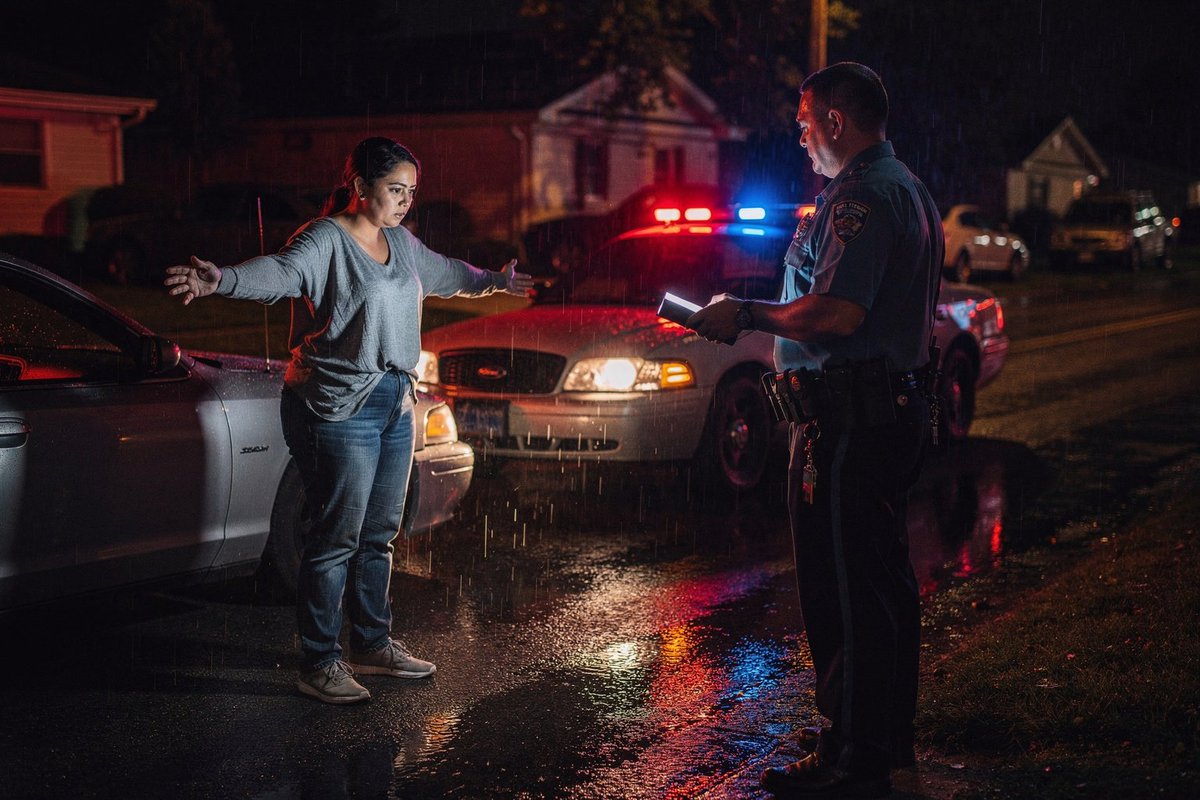
🚨 DUI — Drugs & Cannabis in Illinois
Under 625 ILCS 5/11-501(a)(4) driving under influence of cannabis, prescription medications, or other intoxicating compounds triggers DUI charges identical to alcohol-related offenses. Illinois prosecutors rely on field sobriety tests, drug recognition expert evaluations, and blood testing to prove impairment. Class A misdemeanor convictions carry 364 days jail and $2,500 fines, but second and subsequent offenses escalate to felony charges with years prison. Defense strategies challenge subjective impairment observations and contest drug testing procedures. 💡
Former Will County prosecutor Jack Zaremba defends DUI drug cases with over 20 years legal experience.
zarembalawoffice.com
#DUIDrugs #CannabisDUI #WillCounty #ZarembaLaw
15

Jun 10
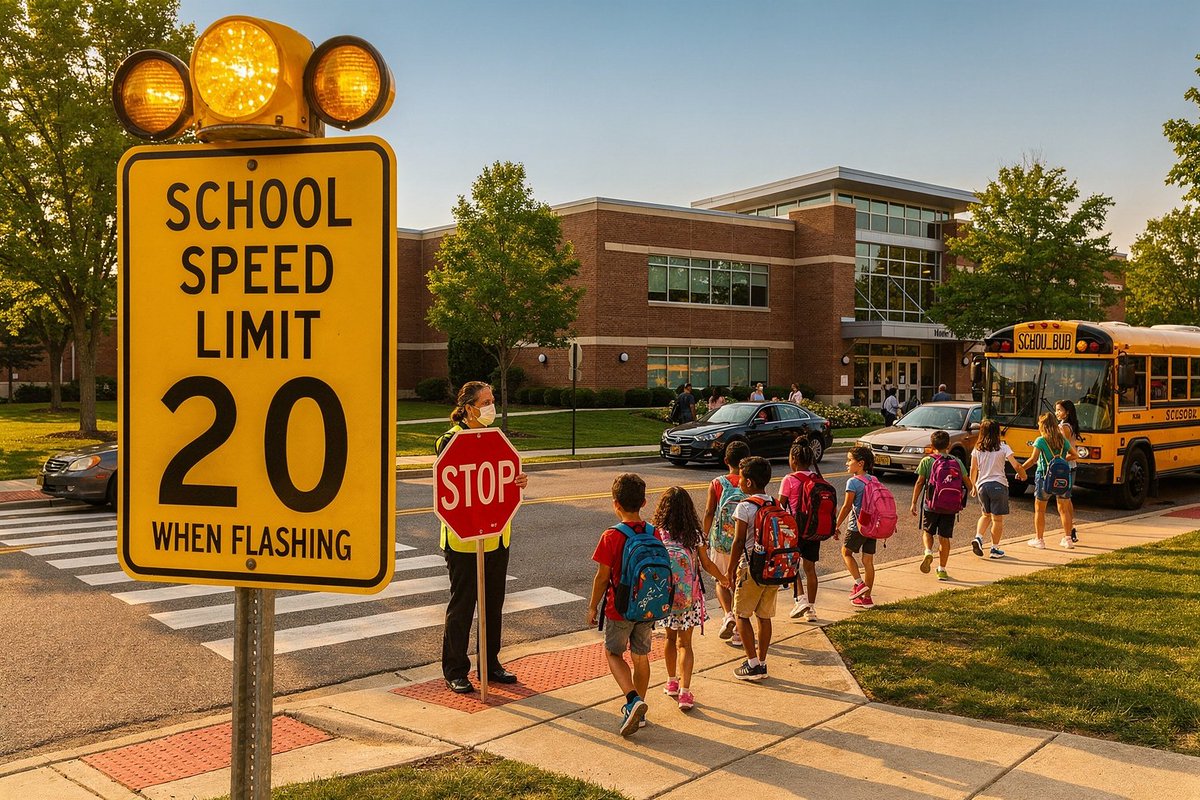
🚨 Speeding in School Zones Carries Severe Penalties in Illinois
Under 625 ILCS 5/11-605, driving 26 mph over the posted limit in a school zone triggers aggravated speeding charges carrying up to $2,500 fines and potential jail time. Illinois law mandates doubled fines and enhanced penalties for school zone violations during posted hours when children present. Even first-time offenders face automatic license suspensions and criminal records when speeds exceed 26 mph over the limit. Prosecutors rely on speed detection equipment and school zone signage documentation. Defense strategies challenge radar calibration and examine school zone hour enforcement.
Former Will County prosecutor Jack Zaremba defends traffic violations with over 20 years of legal experience. Call 815-740-4025 or visit zarembalawoffice.com
#SchoolZoneSpeeding #TrafficDefense #WillCounty #ZarembaLaw
8

Jun 10
Teachers choose to have 26 or 22 checks per year in most districts. Those checks pay for the time they are contracted to work, which is roughly 185 days depending on the district. Those days are on the districts calendar and they do not include breaks, summer or holidays. This can be verified in the Illinois Public School Calendar Guidelines:
“OVERVIEW
Per Section 10-19 of the School Code [105 ILCS 5/10-19], each school board shall annually prepare a calendar for the school term, specifying the opening and closing dates and providing a minimum term of at least 185
days to ensure 176 days of actual pupil attendance, computable under Section 10-19.05”
isbe.net/Documents/ps_guidel…
You are spreading propaganda that teachers are paid for time that is not on the calendar. They simply are not.
23

Illinois self-defense law (720 ILCS 5/7-1) permits the use of deadly force if you reasonably believe it is necessary to defend yourself or others against imminent unlawful force. @kick steamers...YOU have been warned, you are NOT welcome at my business! END OF STORY!
15