MenaceDanielBadboy🦅💍🏆🐐52&59 SB Champs 💯😤🥶 retweeted

Justin Gaethje is the only man to win every single belt in the UFC
BMF belt
Interim belt (twice)
Undisputed belt
White House belt



15
336
8,303
151,035


I bought 16,000 NO shares on the “ US x Iran permanent peace deal by June 15” in @Polymarket .
My reasoning is simple:
By the deadline, there was no public, official, jointly signed document showing a permanent peace deal.
The rules require either:
the US and Iran each sign/formally adopt a written agreement that explicitly ends military hostilities permanently, or
both governments clearly confirm that such a qualifying agreement has been definitively established.
What we have instead looks like an interim MOU / ceasefire framework / 60-day negotiation process, with formal signing reportedly expected after the deadline.
A future deal, a ceasefire extension, or statements of progress should not count as a permanent peace deal.
If “permanent peace deal” can resolve YES without the final text, without clear matching public confirmation from both governments, and with key terms still pending, then what do these rules even mean?
This should resolve NO.

1
11

Maybe he thought he gave them an interim check or a check in recess
12
faridpooyan retweeted

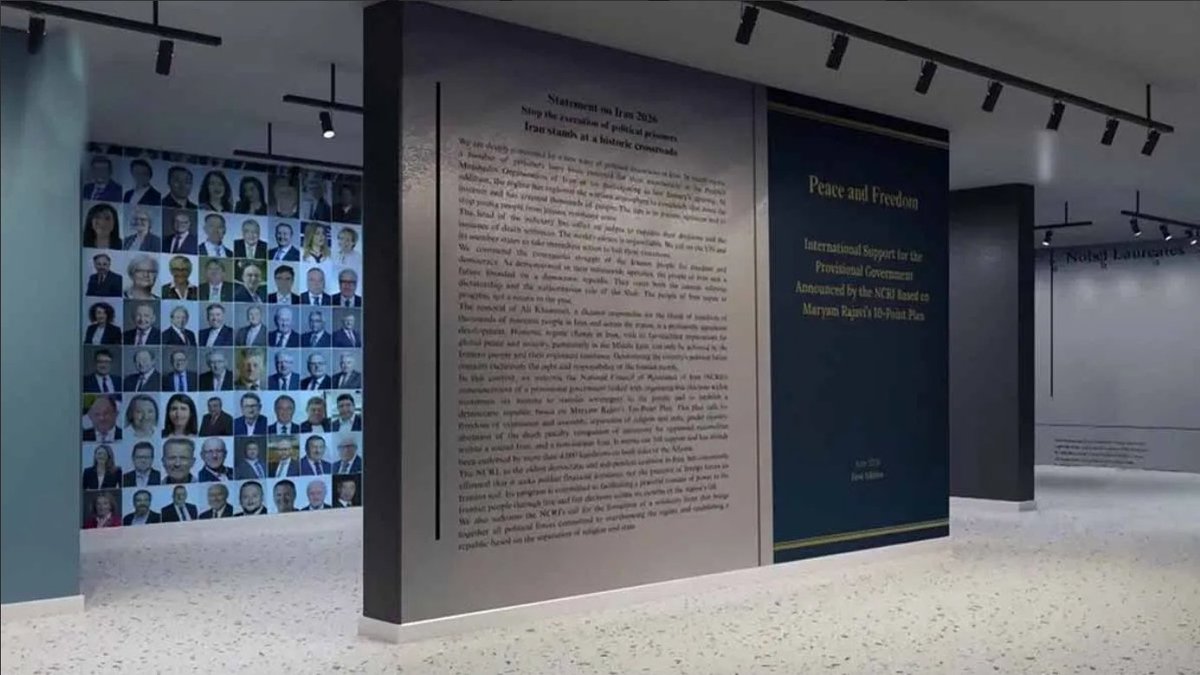
3,000 World Figures Support the Interim Government of the Democratic Republic of Iran
June 16, 2021
Statement of 3,000 figures from 5 continents and 55 countries in support of the Interim Government of the Democratic Republic based on Mrs. Maryam Rajavi's 10-point plan
Among the signatories of this statement are a number of former presidents, prime ministers and ministers, more than 1,500 members of parliament, 80 Nobel laureates and a number of former ambassadors.
The former presidents of Estonia, Slovakia, Ecuador, Costa Rica, Tunisia and Yemen, as well as the former prime ministers of Italy, Poland, Romania, Malta, Iceland, Costa Rica, Lithuania, Kosovo, Slovenia and Estonia, are among the signatories of this statement.
Statement of 3,000 International Figures
We are deeply concerned about the new wave of political executions in Iran.
In recent weeks, a number of prisoners have been executed for their membership in the People’s Mojahedin Organization of Iran or for participating in the January 2019 uprising. In addition, the regime has taken advantage of the war to arrest thousands of people. The aim of these measures is to prevent the emergence of an uprising and prevent young people from joining rebel groups.
The head of the judiciary has also called on judges to expedite the process of examining the cases of those arrested during the January 2019 uprising. The international community’s silence on this situation is inexcusable. We call on the United Nations and its member states to take immediate action to stop these executions.
In this context
Conference in the British Parliament; The need to support the interim government and stop executions
We applaud the courageous struggle of the Iranian people to achieve freedom and democracy. As the Iranian people have shown in their uprisings, they want a future based on a democratic republic and reject both religious dictatorship and a monarchical authoritarian system. The Iranian people want progress and a future, not a return to the past.
The removal of Khamenei, a dictator responsible for the blood of hundreds of thousands of innocent people in Iran and the countries of the region, is a significant development. However, regime change in Iran, which will have significant consequences for global peace and security, especially in the Middle East, is only possible through the hands of the Iranian people and their organized resistance. Determining the political future of the country is also the exclusive right of the Iranian people.
In this regard, we welcome the announcement of an interim government by the National Council of Resistance of Iran based on Ms. Maryam Rajavi’s 10-point plan; a government whose mission is to hold free elections within a maximum of six months, transfer sovereignty to the people, and establish a democratic republic.
The 10-point plan, which emphasizes freedom of expression and assembly, the separation of religion and state, equality between men and women, the abolition of the death penalty, and the recognition of the autonomy of oppressed nationalities within the framework of a united Iran as well as a non-nuclear Iran, deserves support. The plan has already been endorsed by more than 4,000 lawmakers on both sides of the Atlantic.
The National Council of Resistance of Iran, as the oldest independent and democratic Iranian coalition, has consistently stated that it does not seek financial support or the presence of foreign forces on Iranian soil. Its program emphasizes a peaceful transfer of power to the Iranian people through free and fair elections, no later than six months after the fall of the regime.
We also welcome the call by the National Council of Resistance of Iran to form a National Solidarity Front, a front that brings together all political forces committed to overthrowing the regime and establishing a republic based on the separation of religion and state.
#100kFreelranRally
#NCRIAlternative
1
14
17
95

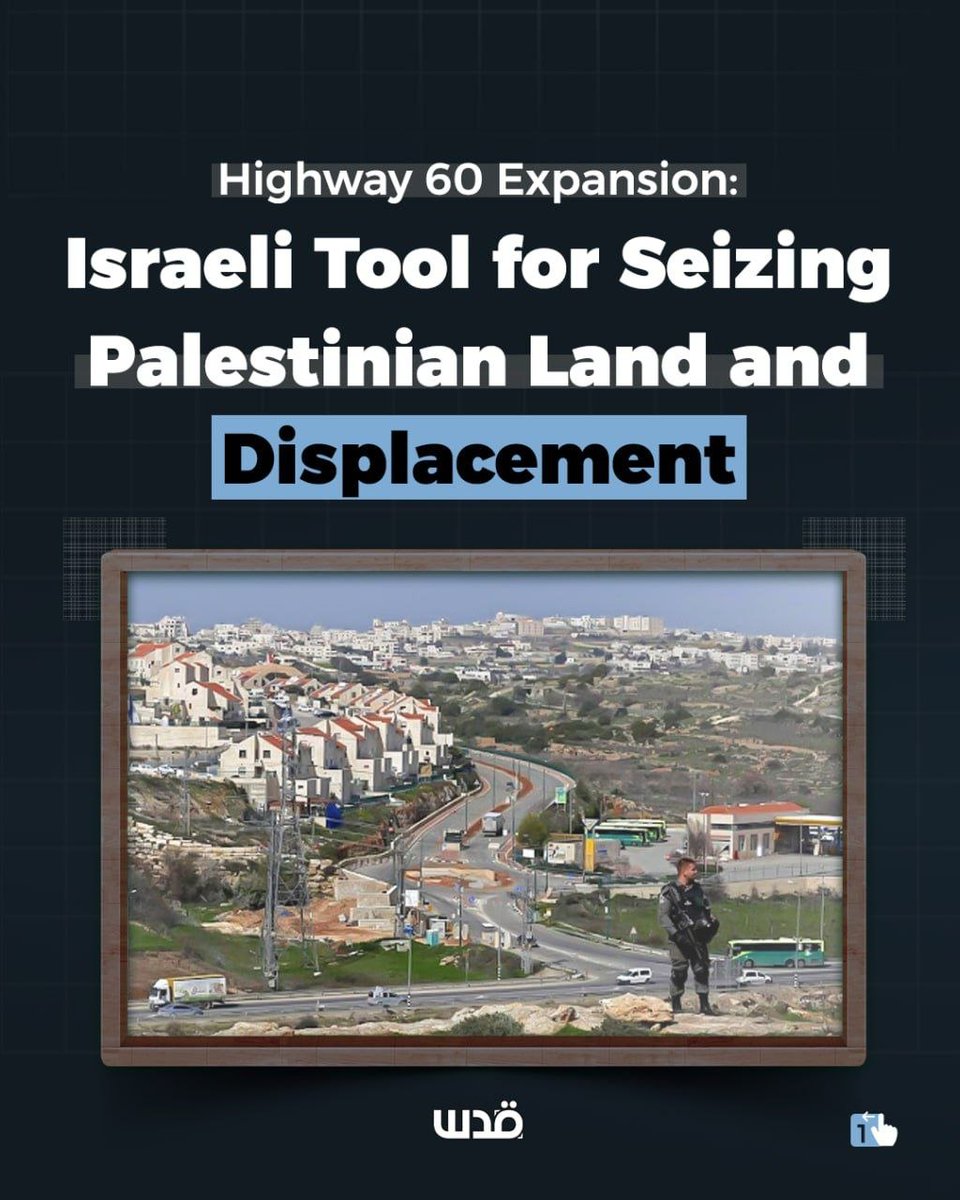
Hebron, Road 60, and the Unmaking of Oslo: Israel’s Accelerating Drive Toward Annexation
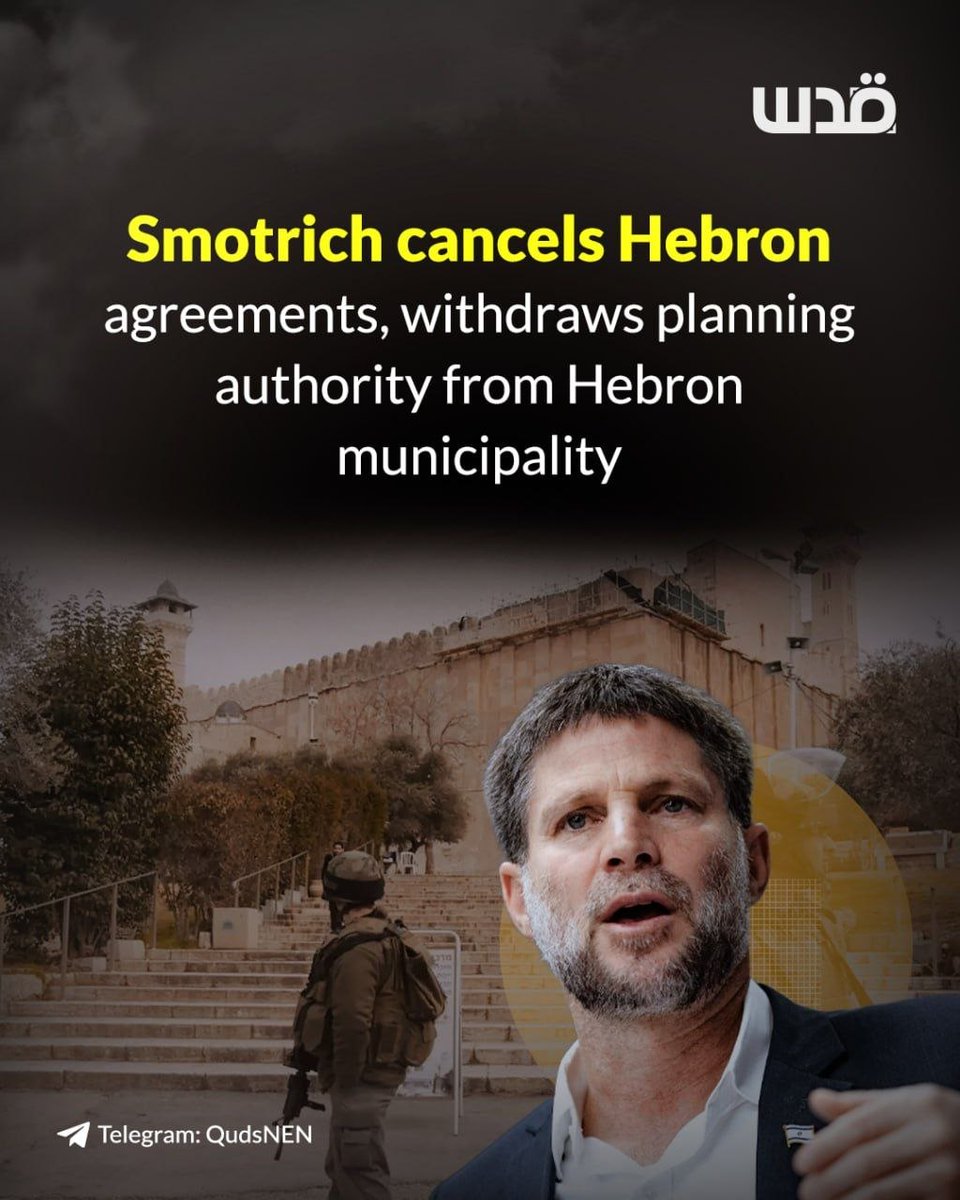
Israeli Finance Minister Bezalel Smotrich’s decision to revoke key provisions of the 1997 Hebron Protocol marks another significant step in the erosion of the Oslo framework that has governed relations between Israel and the Palestinians for nearly three decades. By transferring planning, construction and administrative powers from the Hebron Municipality to Israeli authorities, the move places even greater portions of the occupied city under direct Israeli control.
The Hebron Protocol divided the city into H1 and H2 sectors, establishing a fragile arrangement intended to balance Palestinian self-administration with Israeli security concerns. Smotrich’s announcement effectively dismantles parts of that arrangement, including authorities linked to urban planning and the area surrounding the Ibrahimi Mosque, one of the most sensitive religious sites in the occupied West Bank.
The decision comes amid a broader transformation of the territory. Parallel to the changes in Hebron, Israel continues expanding Highway 60, the strategic north-south artery connecting settlements throughout the West Bank. Palestinian officials and rights groups argue that the project is not merely a transportation initiative but a territorial re-engineering programme designed to integrate settlements, fragment Palestinian communities and facilitate future annexation.
The expansion involves extensive land confiscations, demolition orders, bypass roads and new infrastructure linking settlement blocs around Jerusalem, Hebron, Ramallah, Nablus and Salfit. Palestinian villages face the loss of agricultural land, increased restrictions on movement and growing geographic isolation as settlement corridors expand.
Taken together, the cancellation of elements of the Hebron Protocol and the continued development of Highway 60 point toward a wider strategy aimed at replacing temporary occupation arrangements with a more permanent system of control. What was once presented as an interim framework pending a negotiated settlement increasingly appears to be giving way to facts created on the ground.
These measures represent not isolated administrative decisions but part of a long-term project to consolidate Israeli authority across large parts of the occupied West Bank, reducing the space available for Palestinian self-governance while further undermining the prospects for a viable and contiguous Palestinian state.
Epiphonema (Informative Note)
On 18 September 2024, the @UN General Assembly overwhelmingly adopted a resolution (news.un.org/en/story/2024/09…) demanding that @Israel “brings to an end without delay its unlawful presence” in the Occupied Palestinian Territory within 12 months. The resolution—grounded in the International Court of Justice’s (ICJ) advisory opinion of July 2024—declares Israel’s occupation, the proliferation of settlements, and resource exploitation illegal under international law and calls for reparations. It commands not just Israel but also obliges all UN member states to refrain from sustaining this illegal status quo.
That deadline has now passed. Israel has defied the General Assembly, ignored the Court, and intensified its crimes. The Independent International Commission of Inquiry on the Occupied Palestinian Territory, including East Jerusalem, and Israel has now concluded that Israel’s actions constitute a genocide. In the face of this grave reality, the international community must commit — not to rhetoric, but to action.

Al-Aqsa Under Siege: The Assault on Custodianship, Identity, and International Law
The reported emptying of four Islamic Waqf facilities inside the Al-Aqsa Mosque compound marks far more than an administrative dispute over office space. It represents another step in a broader campaign aimed at weakening the institutional structures that have safeguarded one of Islam’s holiest sites for generations. According to Palestinian monitors, Israeli authorities targeted facilities located across different sections of the compound, citing security justifications while preventing their normal use and administration.
Viewed in isolation, the closure of offices may appear minor. Viewed within the wider context of developments in occupied East Jerusalem, however, it assumes a far more troubling significance. Over recent years, Palestinians, Jordanian officials, religious authorities, and numerous international observers have repeatedly warned that measures once considered exceptional are increasingly becoming permanent features of governance around Al-Aqsa. Restrictions on worshippers, repeated incursions by settlers and political figures, proposals to alter access arrangements, challenges to the authority of the Islamic Waqf, and discussions regarding alternative administrative structures have combined to create the perception of a sustained effort to transform the status quo governing the compound.
The Islamic Waqf is not merely a bureaucratic institution. It is the custodian of centuries of religious, cultural, and historical continuity in Jerusalem. The Jordanian-backed body administers one of the most sensitive religious sites on earth and plays a central role in maintaining the delicate arrangements that have helped prevent the city’s competing national and religious claims from descending into even greater confrontation. Undermining its authority therefore carries consequences extending far beyond the walls of the mosque compound itself.
What makes the latest developments particularly alarming is their apparent connection to broader political discussions concerning the future administration of Al-Aqsa. Reports indicating that alternative governance structures are being explored have intensified fears that the gradual erosion of Waqf authority is not accidental but strategic. Whether such plans ultimately materialise or not, the perception among Palestinians that their religious institutions are being systematically sidelined is itself profoundly destabilising: trust, once lost in a place as sensitive as Jerusalem, is extraordinarily difficult to restore.
The issue is not only political but also legal and diplomatic. East Jerusalem remains occupied territory under international law, and the status of its holy places has long been regarded as a matter of international concern. Any unilateral attempt to alter established arrangements risks deepening tensions not only between Israelis and Palestinians but across the wider region. Al-Aqsa is not a local shrine. It is a site revered by hundreds of millions of Muslims worldwide. Actions perceived as threatening its identity or administration inevitably resonate far beyond Jerusalem.
The repeated invocation of security concerns has also become increasingly controversial: when security arguments are used to justify measures that consistently weaken one side’s religious, cultural, or institutional presence, critics inevitably question whether security is the true objective or merely the language through which broader political goals are pursued. The closure of Waqf facilities, the restriction of administrative functions, and the targeting of longstanding religious institutions risk reinforcing precisely those suspicions.
History offers numerous warnings about attempts to reshape sacred spaces through unilateral power. Holy sites derive their significance not only from stone and architecture but from the communities, traditions, and institutions that sustain them. When those institutions are weakened or displaced, the result is often not stability but deeper conflict. Jerusalem’s history is filled with examples demonstrating that efforts to impose exclusive control over shared sacred spaces rarely produce peace; they instead generate resistance, resentment, and enduring instability.
For this reason, the sidelining of Waqf facilities should be viewed as more than a local administrative measure. It is part of a larger struggle over sovereignty, identity, memory, and legitimacy in one of the most contested cities on earth. If the current trajectory continues, the world may soon witness not merely a dispute over offices within Al-Aqsa, but a fundamental challenge to the religious and historical framework that has governed the compound for decades. Such a course would carry consequences extending far beyond Jerusalem, threatening to transform one of humanity’s most sacred sites into yet another arena of escalating political confrontation.
10

Which season specifically is his fault?
2023? With Ime’s staff and playbook as an interim HC? Got the job 2 days before camp?
2025? When his players shot 25/100 on wide open 3’s then Tatum’s Achilles?
2026? No Tatum gm 7 with Garza, Queta, and Walsh as your “Embiid stopper”
1
7
dj retweeted

GOLD ROSE ABOVE $4,310/OZ AFTER THE US-IRAN INTERIM AGREEMENT BOOSTED EXPECTATIONS THAT THE STRAIT OF HORMUZ COULD REOPEN, REDUCING ENERGY-PRICE PRESSURES AND SUPPORTING DEMAND FOR PRECIOUS METALS.
4
1
21
5,353
Haye Targaryen retweeted

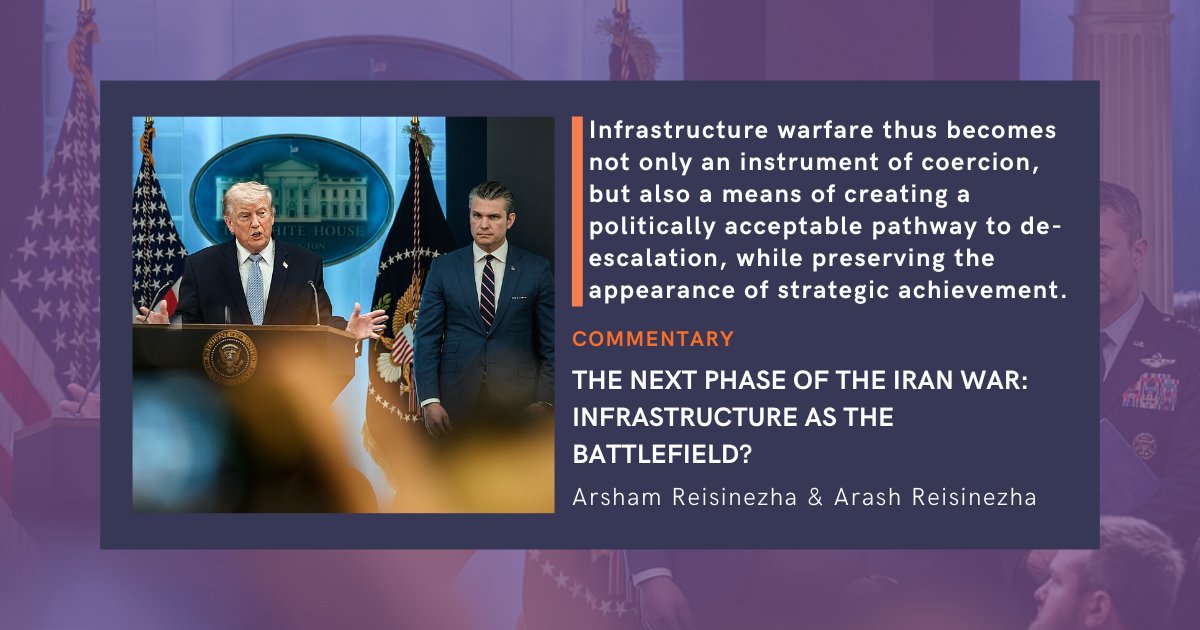
Amid the optimism surrounding a U.S.-Iran interim peace agreement, we argue in our latest piece in @Diplomacy_Peace that the most dangerous phase of the conflict may still lie ahead. The battlefield is shifting from merely military targets to infrastructure, raising the specter of a broader cycle of mutually assured infrastructure destruction with potentially devastating consequences for the region and the global economy.

The US–Iran MoU may offer a diplomatic off-ramp for now. Yet if talks fail, the next phase could target critical infrastructure across the region and beyond.
New analysis by @arashreisi & Arsham Reisinezhad on the risks of infrastructure warfare:
Read: peacediplomacy.org/2026/06/1…
3
13
1,624

GOLD ROSE ABOVE $4,310/OZ AFTER THE US-IRAN INTERIM AGREEMENT BOOSTED EXPECTATIONS THAT THE STRAIT OF HORMUZ COULD REOPEN, REDUCING ENERGY-PRICE PRESSURES AND SUPPORTING DEMAND FOR PRECIOUS METALS.
118

Breezy🤘🏾🍃💕® retweeted

Jun 15
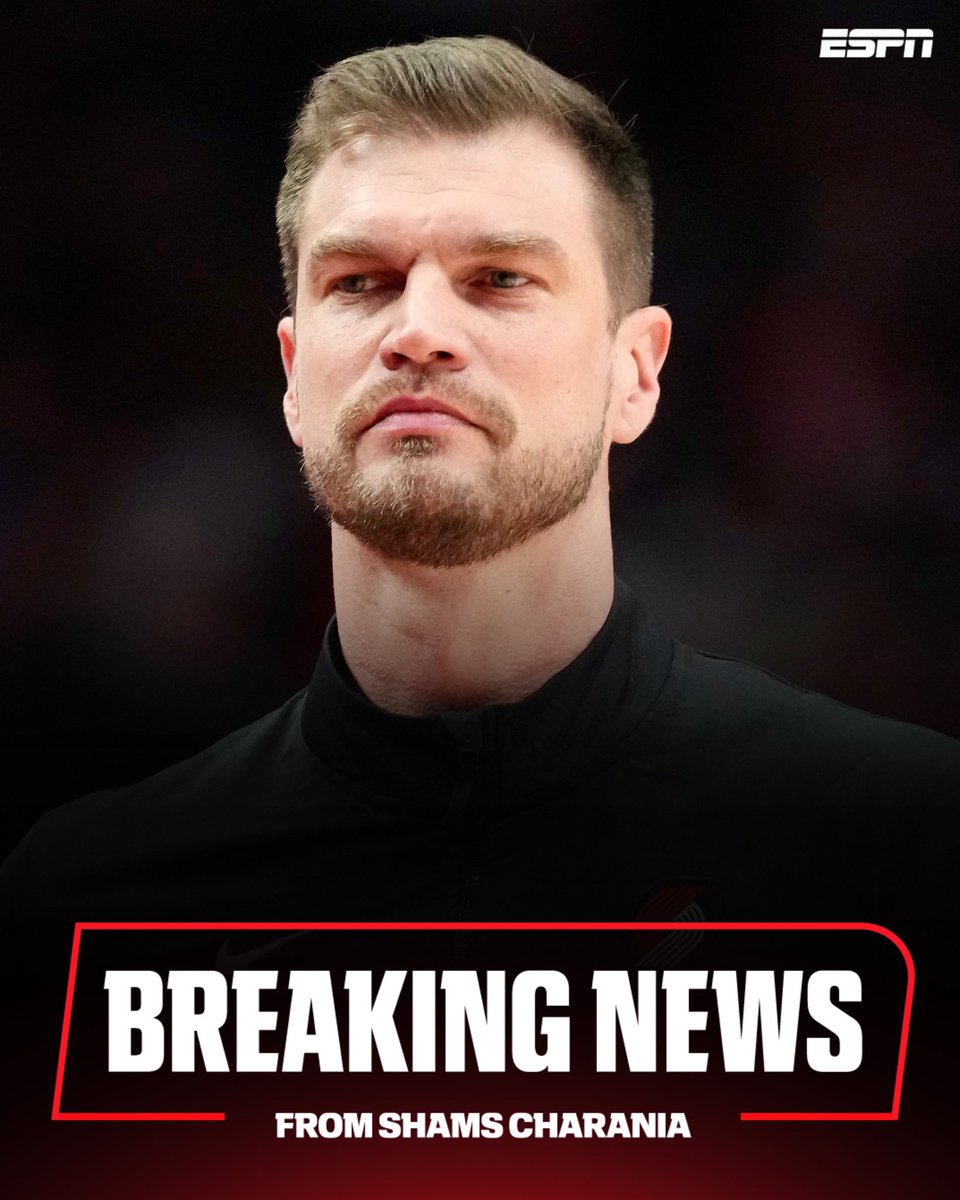
BREAKING: The Chicago Bulls are finalizing the hire of Portland Trail Blazers interim Tiago Splitter as the franchise's new head coach, sources tell ESPN. Splitter succeeds Billy Donovan as the Bulls' coach after stepping into the head job and excelling in Portland last season.
1,271
3,867
34,336
5,651,364
m retweeted

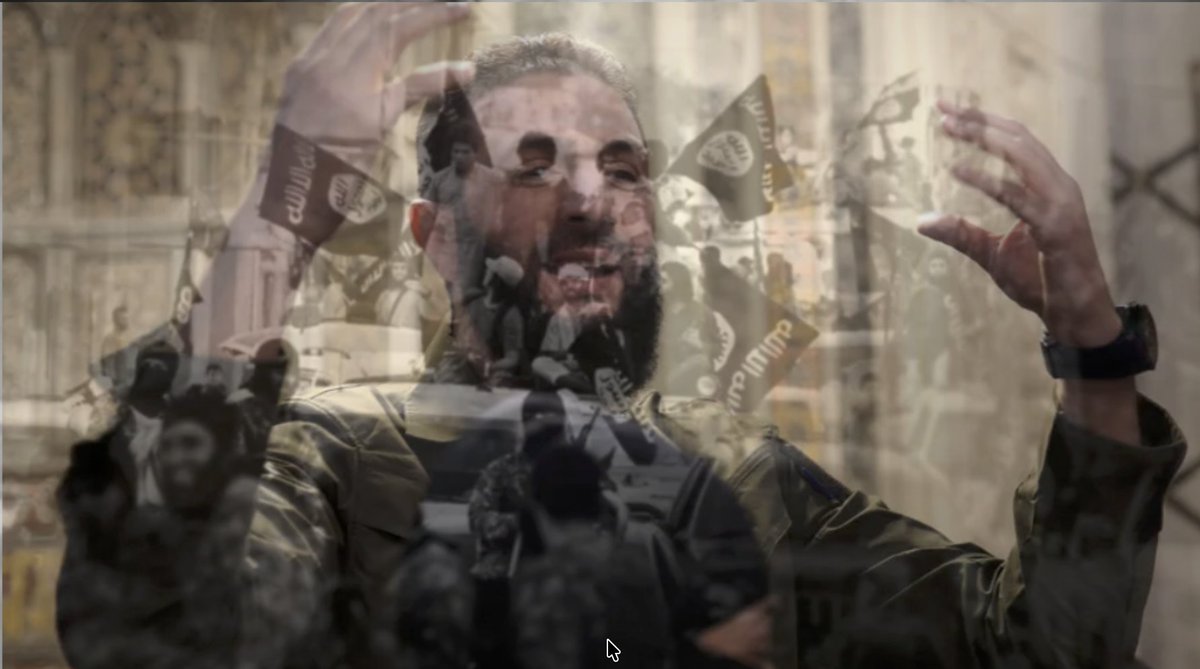
Important: The growing influence of Zionist Entity and NATO forces in #Syria. The pro-Zionist “Interim Government of Syria” is currently preserving and training divisions of [HTS = Al-Qaeda]. "HTS regime in Syria" is hostile to the Resistance defending Lebanon and Palestine.
Jun 15

The Burning Borders - will Jolani's Takfiri Forces Intervene in Lebanon?
The Jolani strike-force deployment contradicts statements that Lebanese sovereignty will be respected by Damascus.
The military build up along the Lebanese-Syrian border contradicts the statements from Jolani and appears to align with the claims by Trump, that Syria is preparing to intervene.
According to the on-the-ground evidence, there is no longer what might be described as a routine deployment. There is evidence of a radical restructuring of the strike force on the border, led by the HTS (Al Qaeda) 70th and 84th Divisions.
Read more on Substack: beeley.substack.com/p/the-bu…
8
8
646

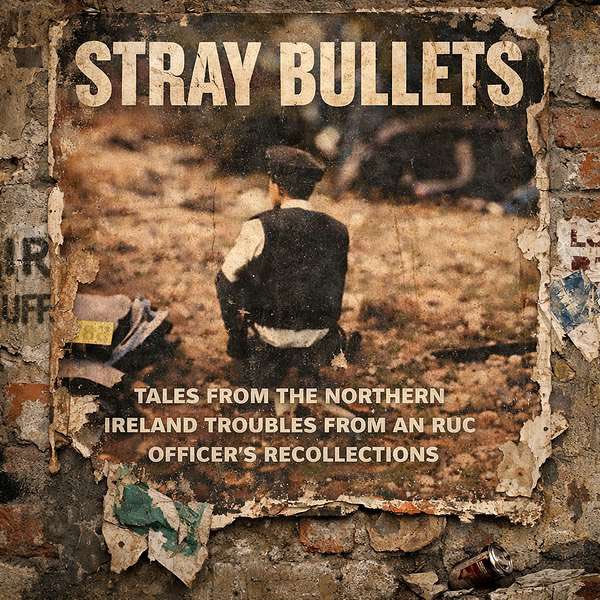
To the folks asking: I’m near completion on the next #StrayBulletsPodcast about RUC / Military / MI5 asset management, but may do an interim about the recent racist violence and political behaviour(?).
Many thanks
#Podcast #NorthernIreland #Terrorism
5
𝒞𝒽𝒽𝒶𝑔𝒶𝓃 𝒫𝒶𝓉𝑒𝓁 retweeted

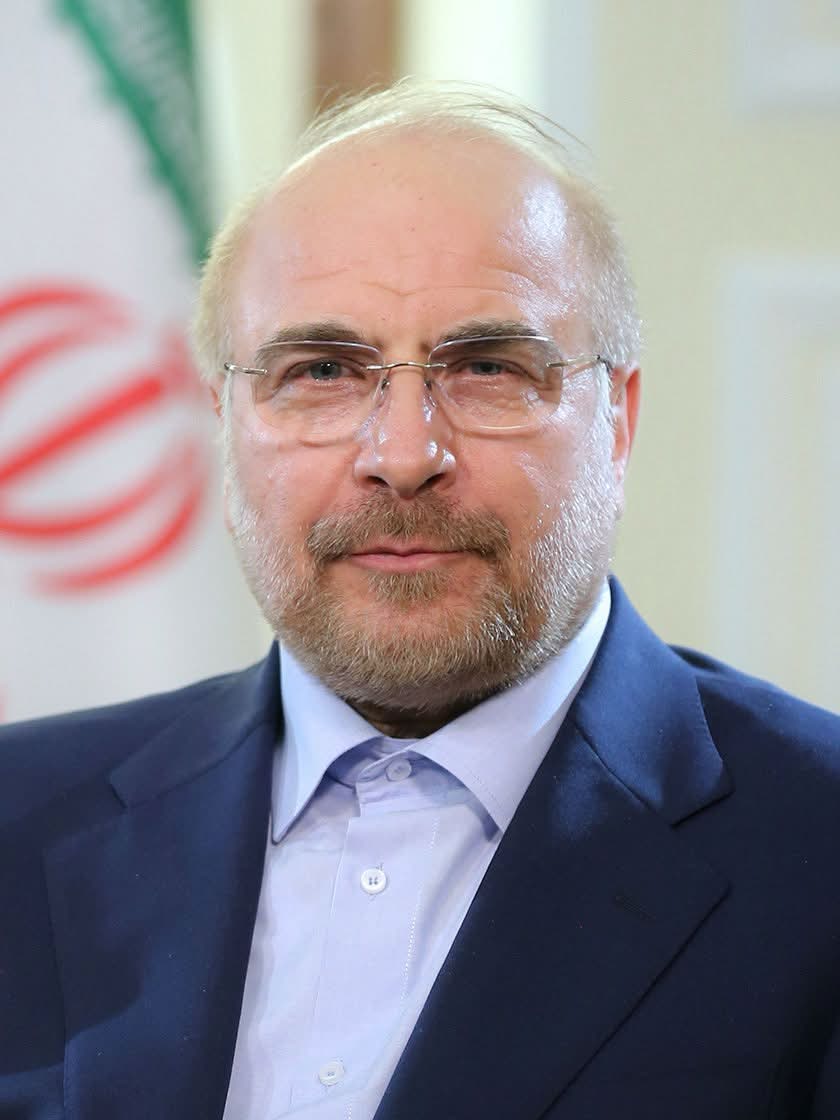
JUST IN: 🇮🇷🇺🇸 Iranian Parliament Speaker Ghalibaf to attend signing of interim agreement to end the war with the US.

87
345
3,532
89,138
Gonzalo Guillen 🇺🇦 retweeted

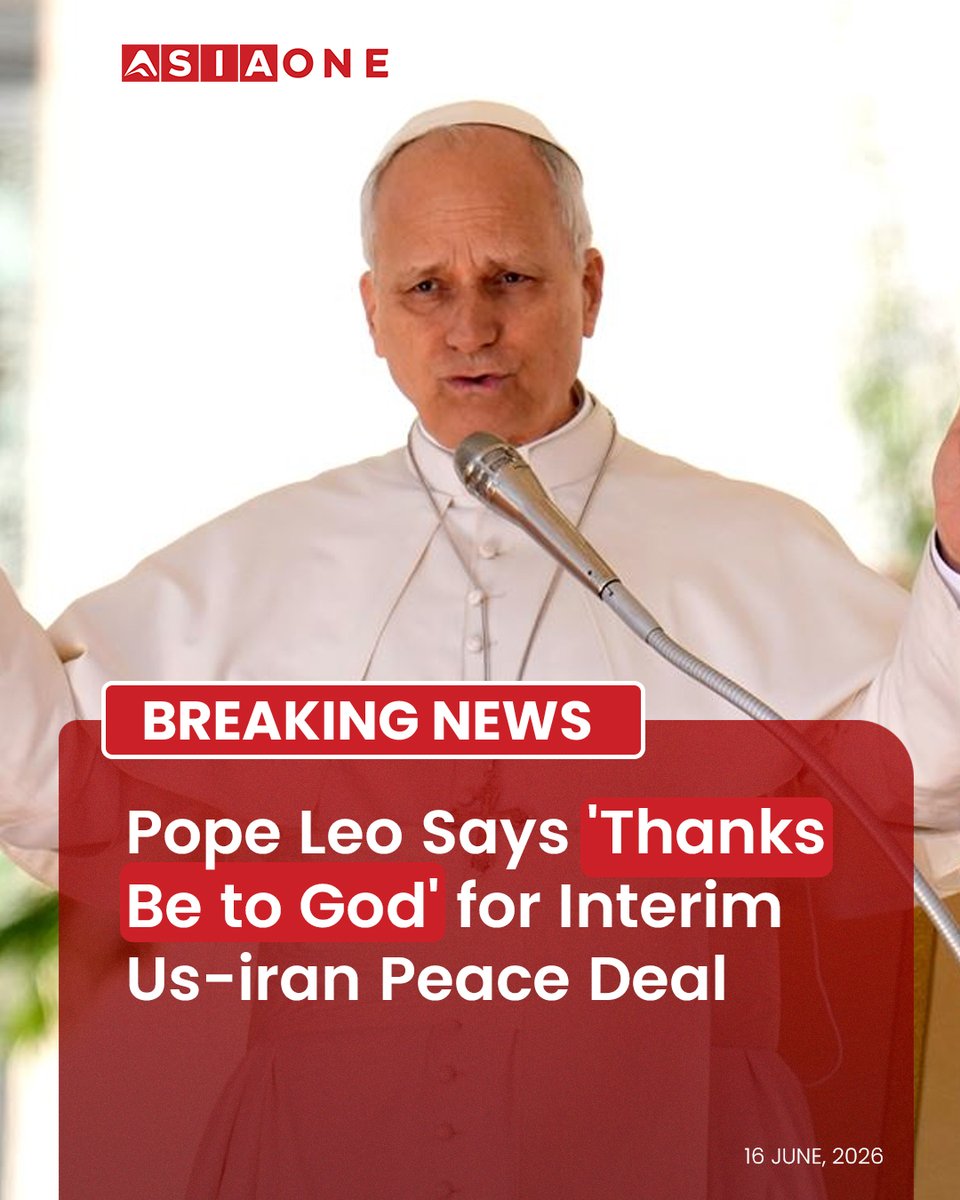
Pope Leo on Tuesday praised the interim deal between the United States and Iran to end the regional war in the Middle East, saying "thanks be to God" that the two powers are set to formalize their accord on Friday. For @Reuters
reuters.com/world/europe/pop…
1
106

Every single item put out by the various propaganda arms of the rump regime in Iran about the MOU is directly opposite of what a senior Administration official briefed about the MOU on background Friday.
The only things we know for sure is that President Trump has said the Strait reopens Friday and that Israel has loudly rejected the MOU’s applicability to it and its battle plans in Lebanon, Syria or Gaza and its intent to respond to any attack from Iran.
That’s it for now. We just don’t know. Until the MOU is actually released everything is speculation untethered to an actual agreement and the best source on the details of the interim agreement remains the senior Administration official’s description Friday.
6