Jun 15
PCI bus. The new interface after IDE and EIDE.
Haven't seen an IOmega box in decades!
1
1
24

Jun 15
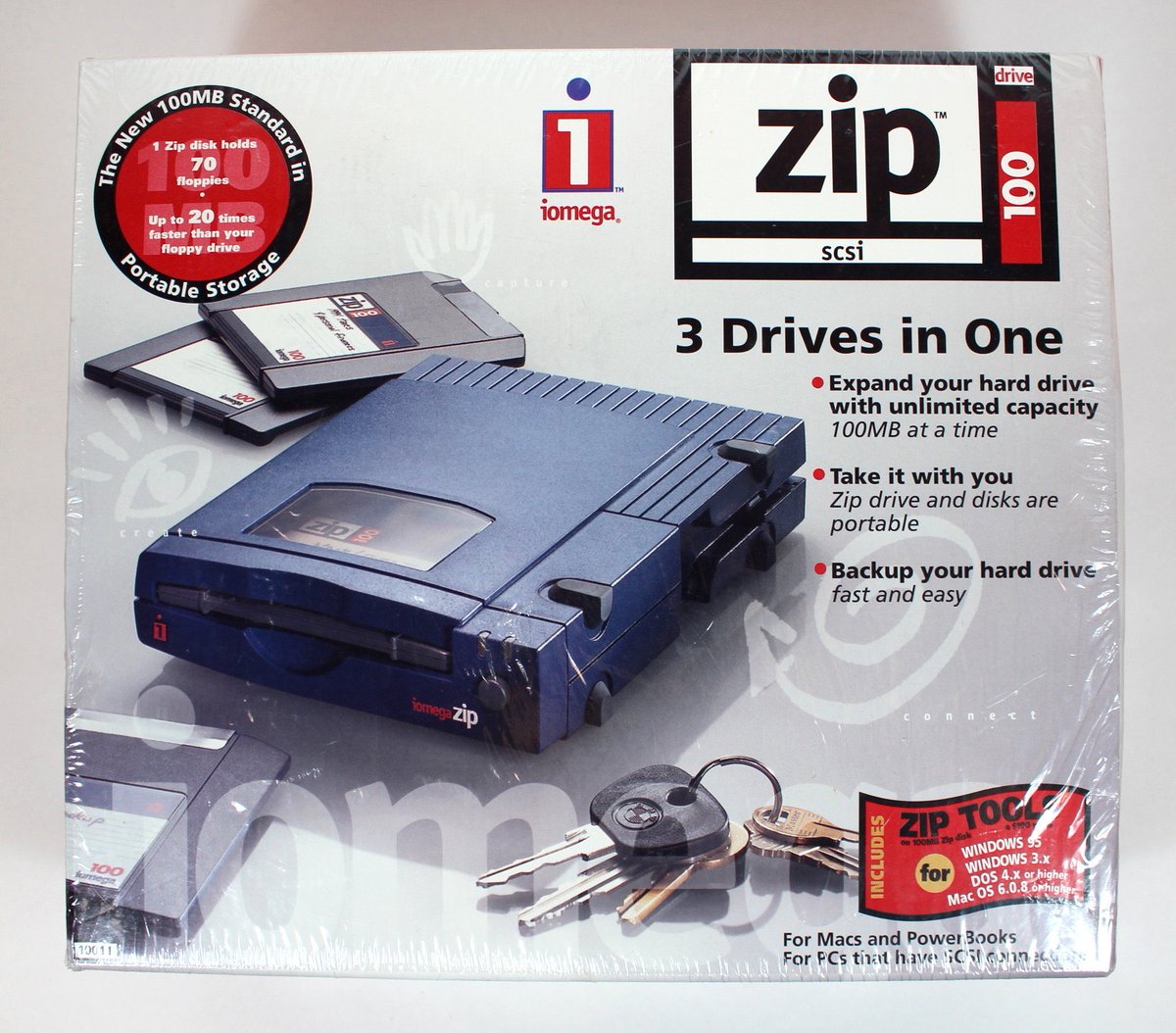
Ah là là, toujours à médire alors qu'il est passé sur Zip 100 scsi Iomega l'année dernière, du coup, tout tient sur une seule disquette... 🙄
16

Jun 13
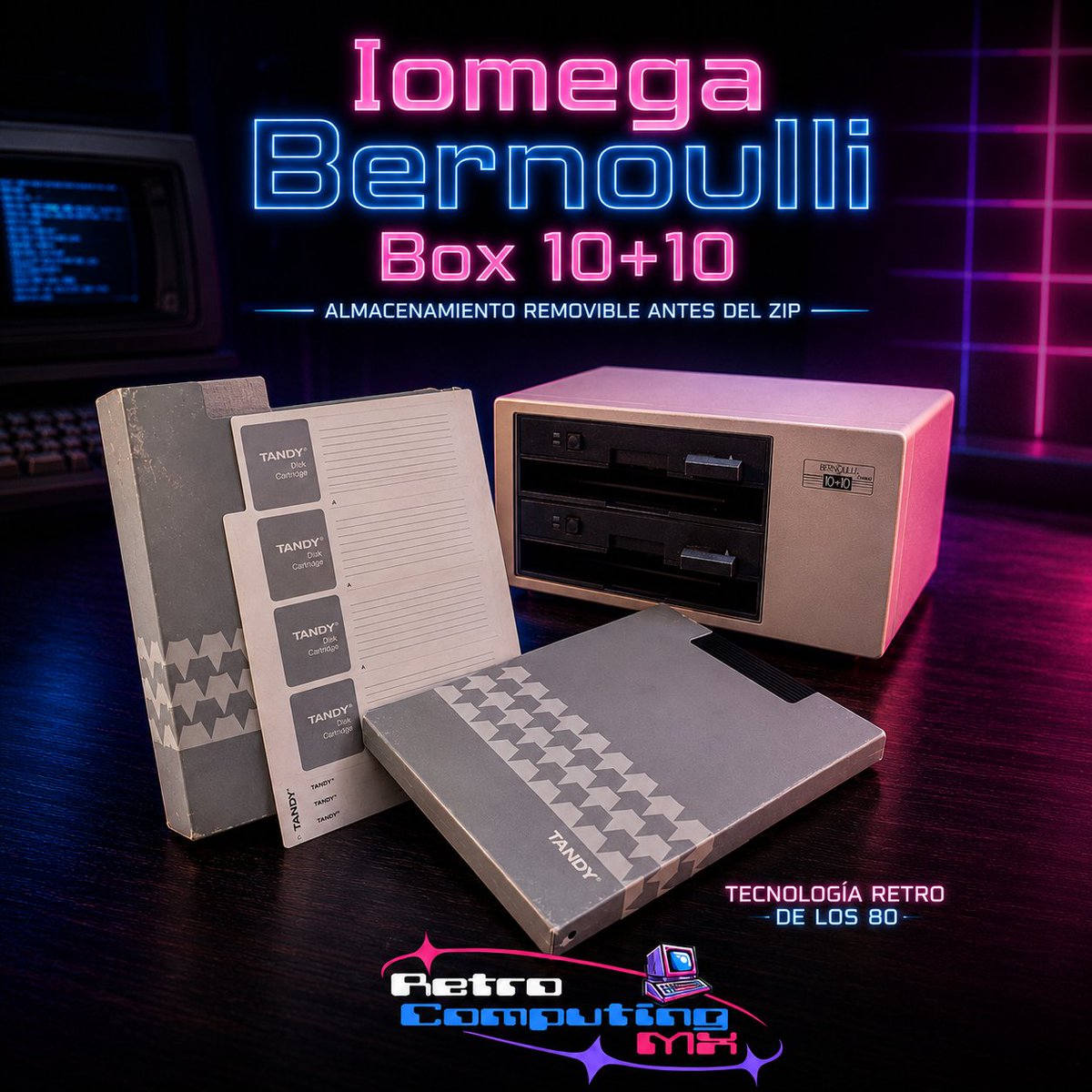
Antes del Zip, Iomega ya almacenaba datos “sobre una capa de aire”.
La Bernoulli Box 10 10 fue una avanzada unidad de almacenamiento removible presentada durante la primera mitad de los 80s.
Su enorme gabinete contenía dos unidades capaces de utilizar cartuchos de 10 MB cada una: una capacidad considerable cuando muchas computadoras todavía dependían de disquetes.
Su nombre provenía del principio de Bernoulli. Al girar, el disco flexible se acercaba al cabezal de lectura y escritura, pero una fina corriente de aire evitaba que ambos entraran en contacto.
Iomega promocionaba esta solución como resistente a los temidos choques de cabezal de los discos duros.
El resultado combinaba parte de la velocidad de un disco rígido con la comodidad de un medio extraíble. Los usuarios podían guardar, transportar y archivar grandes cantidades de información simplemente cambiando el cartucho.
Era grande, pesada y costosa, pero sentó las bases tecnológicas y comerciales de la empresa que años después conquistaría el almacenamiento portátil con las unidades Zip y Jaz.
#retrocomputing #iomega #bernoullibox #IBMPC #RetroTech #computerhistory #retrocomputingmx
15

Jun 11
I was doing a West Wing rewatch and CJ was using an iOmega Zip Drive and that bought back memories ;-)
2
148
Sneed Plays retweeted

Jun 11
I somehow knew this was a Zip drive before seeing the Iomega logo
2
1
3
96
Luka Preradović 🇭🇷|🇨🇺🇰🇵🇨🇳🇵🇸 retweeted

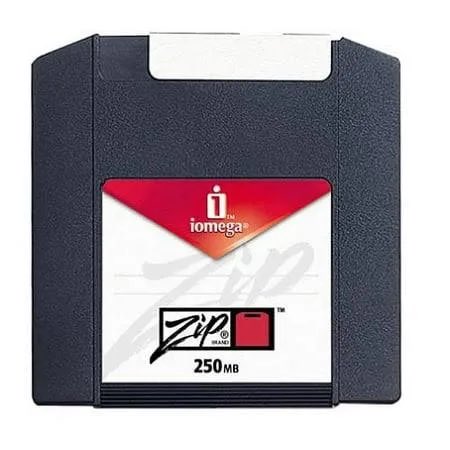
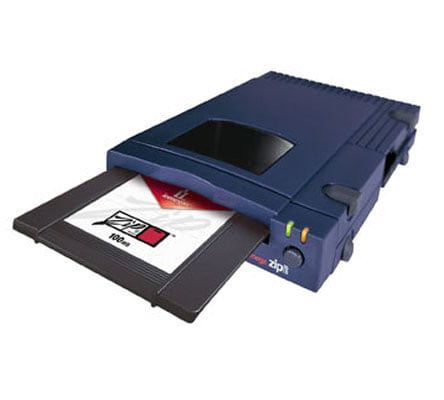
Iomega Zip Disk (1995)
19
50
668
21,158

Jun 10
Baias externas de 5¼”, que são as visíveis na foto, podiam receber vários tipos de unidades. Entre as mais comuns estavam CD-ROM apenas para leitura, gravadores de CD-R e CD-RW, unidades DVD-ROM, gravadores DVD±RW e também os chamados combo drives, que combinavam leitura de DVD com gravação de CD.
Também existiam unidades removíveis bastante usadas na época, como o Iomega Zip Drive interno, nas versões de 100 MB, 250 MB e 750 MB, inclusive com versões adaptadas para baia de 5¼” por meio de bracket. O Iomega Jaz Drive interno, de 1 GB e 2 GB, normalmente SCSI, foi feito exatamente para encaixar em baia 5¼” half-height. Além deles, havia drives SyQuest de cartucho removível, com capacidades como 44 MB, 88 MB, 200 MB e outras.
Essas baias também podiam receber drives de fita para backup, como DAT/DDS, DLT, alguns em tamanho full-height, Travan, QIC e Iomega Ditto. Outra possibilidade eram os drives magneto-ópticos, conhecidos como MO, além das unidades de disquete de 5¼”, geralmente de 1.2 MB, mais comuns no começo dos anos 90.
Em máquinas mais profissionais, também era comum o uso de baias hot-swap ou caddies removíveis para Winchester, permitindo trocar o disco rígido sem desligar a máquina, algo muito útil para RAID, manutenção e ambientes de trabalho mais pesados. Havia ainda acessórios mais exóticos da época, como controladores de ventoinha com display digital, monitores de temperatura, hubs frontais USB e áudio, além de sistemas de som com caixas e subwoofer que ocupavam uma baia de 5¼”.
Nas baias externas de 3½”, a unidade de disquete padrão de 1.44 MB era praticamente obrigatória. Também podiam aparecer versões slim do Zip Drive interno, unidades SuperDisk ou LS-120 de 120 MB, que ainda liam e gravavam disquetes comuns, e leitores de cartões de memória multi-formato, que começaram a se popularizar no final dos anos 90 e início dos anos 2000.
Já as baias internas, que não aparecem na frente do gabinete, eram usadas principalmente para vários Winchesters de 3½”, IDE/PATA ou SCSI. Dependendo da época, podiam ter capacidades de 500 MB, 1 GB, 2 GB, 4 GB, 6 GB, 10 GB, 20 GB ou mais. Torres full como essa comportavam facilmente 4, 6, 8 ou até mais discos rígidos em cages internos, muitas vezes configurados em RAID 0, RAID 1 ou RAID 5. Quando necessário, também se usavam adaptadores para instalar HDs de 3½” em baias de 5¼”.
1
164

As light as you can find, and the best ones are iomega and are twice the price of crap blue ones.
1
63

Jun 6
Yep, they were very popular for data crunching in grad school. Several PowerBooks had swappable bays for Zip drives.
Click of death migration happened and Iomega was silent…
2
57

Jun 6
Didn't Iomega make a mini zip based Mp3 player back in the day?
Combining the legendary fragility of the Zip Drive with the casual violence that characterises the existence of a portable media player seems like a stroke of genius.
Maybe it's evil genius, or maybe it's just a stroke.
1
2
278

May 29
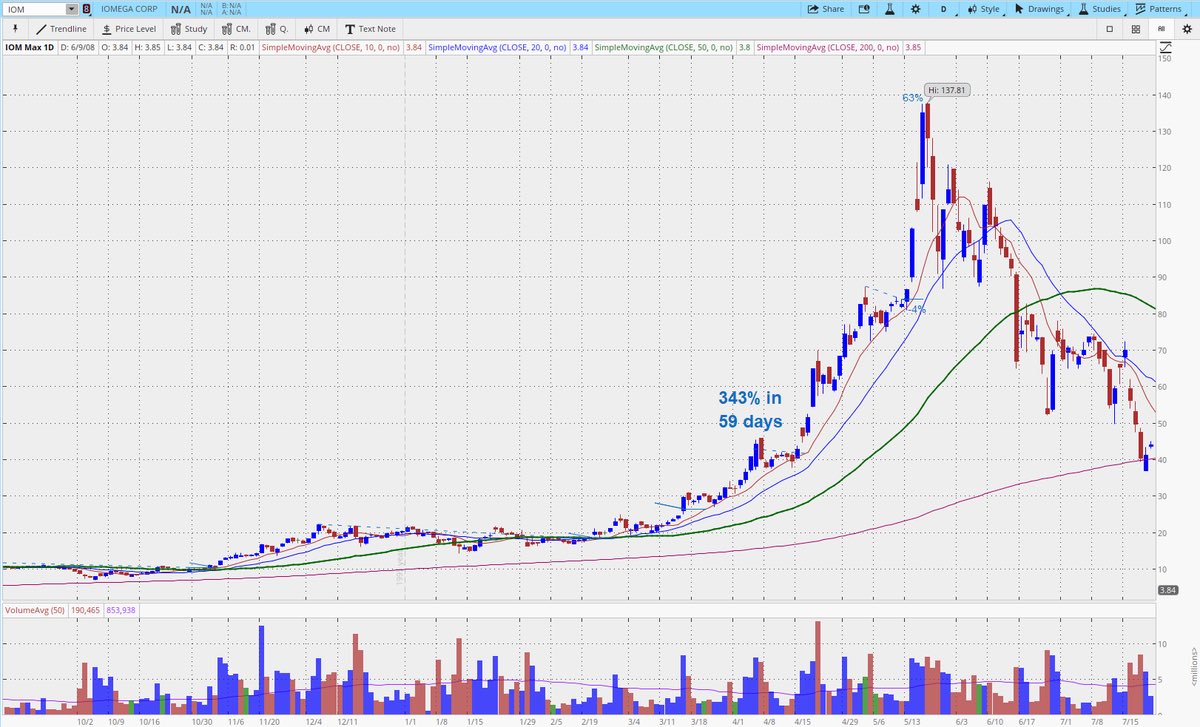
存储公司的股票,这是一个很容易让不经世事的少年迅速达到高潮的东西。 话说三十多年前,电脑行业用于移动存储的媒介,主要是3.5英寸,容量 1.44 MB 的软盘(floppy disk) 。1994年底,一家名叫艾美加 ( Iomega) 的公司推出了可存储 100 MB 的移动硬盘,又称磁碟机( zip drive), 售价 199 美元,。磁碟机对于需要备份和转移大量文件的消费者而言,解决了一个大问题。
艾美加的销售额从1994年的 1.4亿美元,暴涨到 1996年的 12.1亿美元。艾美加的股票,也从 1994年底的大约每股 2 美元,暴涨到 1996年五月的等价于每股 330美元 (把分股因素计算进去),一年半的回报超过 160倍。记得当时有网友在科技股的论坛上发出了真挚的感叹,“这比性还美妙!”。
1996年五月之后艾美加的股票就不断持续下跌,到1999年底时股价比1996年最高点下跌超过 85%。 最终2008 年 EMC 以 2.1 亿美元的价格收购了艾美加,这与其 1996年最高 70亿美元市值相比,下跌了 97%。
当年坚定做多艾美加的投机者的理论主要有下面几点:1)一直到 1996年,潜在竞争者看起来都很差很贵。 2)当时确实存在可能性,磁碟机成为 PC 的标配,像软盘驱动器一样。如果这能带来几亿用户,每个磁碟带来十几美元的利润,那前途不可限量。3) 艾美加的股票,成为互联网时代第一个获得大量散户追捧的迷因股,大量资金涌入,趋势自我强化,把很多做空者埋葬。
艾美加的坠落轨迹,也比想象要复杂。1996年下半年只是简单的价格回调,竞争者还根本看不到。1997年收入是 17.4亿美元,增速已经明显放缓, CD-R 作为潜在竞品,对于高端用户而言已经比磁碟便宜。到了 1998年, CD 刻录机价格已经接近磁碟机,但一个光盘价格不到一美元,比磁碟便宜太多,艾美加的护城河彻底崩溃。1998年其收入比 1997年只下降 3%, 但毛利率从 31%下跌到 25%,从盈利变成了亏损,故事已经结束了。
28
205
130,739



Years ago I worked with the guy who ran the Zipdisk division at Iomega in the 90s. He said at one point the C-team spent several weeks doing hundreds of back to back one user sessions in user offices & homes. And the result was they decided to scrap the disk product they'd had 100 engineers working on for the prior 18mo and instead they created the Zipdisk, which broke all success metrics at the time.
1
3
19
2,148

May 21
I used it a lot with Iomega Zip disks, for CAD and Photoshop files when at university. When I got back the worked on files would automatically update the files on my home desktop PC. Worked well and avoided having to have a confusing mess of files. It's like git push/pull.
1
2
124

May 21
Real ones flexed the Iomega 100 MB Zip Drive

1
3
269

May 20
Yep I remember using those too. I think the most i ever had was the 512 MB, never had the 750 versions. Iomega made a lot of weird attempted successors to the floppy disk including their Clik disk if i recall.
3
51
7,635

May 20
Traded its birthright?
Where do you think Silicon Slopes came from?
Node #4 of ARPANET was the UofU. Atari started here, as did WordPerfect and Novell and LANDesk and iOmega and Evans & Sutherland.
Utah cranks out STEM specialists like mad. It's all innovation, all the time, tech companies popping up like mushrooms after a long rain. Sell your startup to a Bay Area company, then go start a new one.
Was there really a way to keep Californians out? Were we supposed to stop innovating and cower in our valley, clutching our Franklin Planners?
I share your frustration at some of the changes, but I'm also aware that we're victims of our own success. And is that not our birthright, too?
Look, there's plenty of water in the Snek river. Let's pump that sumbitch up over Sweetzer and be done with it.
3
8
370