
🚀 My new @Bruegel_org Analysis: “Europe needs a strategy to close the AI compute gap” (with Bertin Martens). We argue the AI race is a compute race and Europe risks heavy dependence on US & Chinese infrastructure. We propose a two-track strategy (import best chips build domestic capacity) inspired by China but also our #Airbus model. This implies more imports from NVIDIA first while creating a real European AI hardware consortium using IPCEIs & procurement.
Full paper: bruegel.org/analysis/europe-…
#AI #Europe #Semiconductors
3
12
36
2,993

🎭 Friedrich Merz discovers European bureaucracy... which he himself helped to build
By @BPartisans
Miracle in Berlin. Friedrich Merz wakes up one morning and discovers that Europe has become the "world champion of overregulation." Stunned. Speechless. As if this regulatory jungle had fallen from the sky, parachuted in by an autonomous technocracy, with no authors or beneficiaries.
Merz finally admits the obvious: Germany and the EU have "wasted incredible growth potential." Translation: Europe has stifled its economy under layers of rules... except when those rules served German industrial interests.
For we must remember an unpleasant truth: most of the major European regulatory frameworks of the last 20 years have been negotiated, shaped, or locked in place to protect the German economic model.
The European Green Deal is a prime example of this. Officially designed to save the planet, it has mainly provided decades of regulatory visibility for German industry, which is already dominant in engineering, premium automobiles, machine tools, green chemistry, and certification technologies. While SMEs in southern and eastern Europe were suffocating under the costs of adaptation, Berlin was exporting standards, labels, audits, and turnkey value chains.
The same logic applies to energy: regulatory obsession with the transition has allowed Germany to lock up the market around its industrial choices (intermittent renewable energy, hydrogen, certified infrastructure), while outsourcing the costs to its neighbors... until the day Russian gas disappeared and the German state massively subsidized its industry, in complete contradiction to the sacrosanct "free market."
Merz now talks about "freedom of enterprise" and "personal responsibility." This is a curious rediscovery for a country that was the first to demand massive exemptions from European competition rules via IPCEIs, post-COVID state aid, and giant industrial support plans.
As for the "most competitive single market in the world," it has mainly turned into an area of asymmetric compliance, where the most powerful write the rules and the others apply them.
So when Merz proclaims that "this must end," one question remains:
Does he really want to dismantle the European bureaucratic machine... or simply recalibrate it now that Germany is beginning to feel the effects?
Because Europe is not over-regulated by accident.
It is over-regulated by design.
And while Berlin pretends to discover the fire, the other member states are still counting the ashes.
5
7
1,369

📢Project proposals are invited under the Call for Expressions of Interest for Important Projects of Common European Interest (IPCEI) in Advanced Semiconductor Technologies (AST), Artificial Intelligence Services (AI) and Compute Infrastructure Continuum (CIC). This call is intended to identify businesses active in these fields that may wish to put forward projects that could fit within the scope and be considered for possible State co-funding. 📑
🕙 Find out more about these IPCEIs and ways to participate at our upcoming online information session on Friday, 5 December at 10am.
For more information see: enterprise.gov.ie/en/publica…
@Entirl @IDAIRELAND #AI #Innovation #competitiveness
4
342

11 Jul 2025
Happy to see @touteleurope taking up @GRiekeles and my report on EU strategic investments, which proposes a 300bn competitiveness fund with an adjoint sovereignty vehicle, a reform of IPCEIs, securitisation of EU backed projects and much more.
Touteleurope.eu
2
73

30 Jun 2025
Executive Vice-President @Teresaribera today at the Implementation Dialogue on IPCEIs in Madrid 🇪🇸. She spoke about how these State aid instruments can be made simpler, faster and more effective to boost growth, jobs and competitiveness in the EU 🇪🇺

4
714

14 May 2025
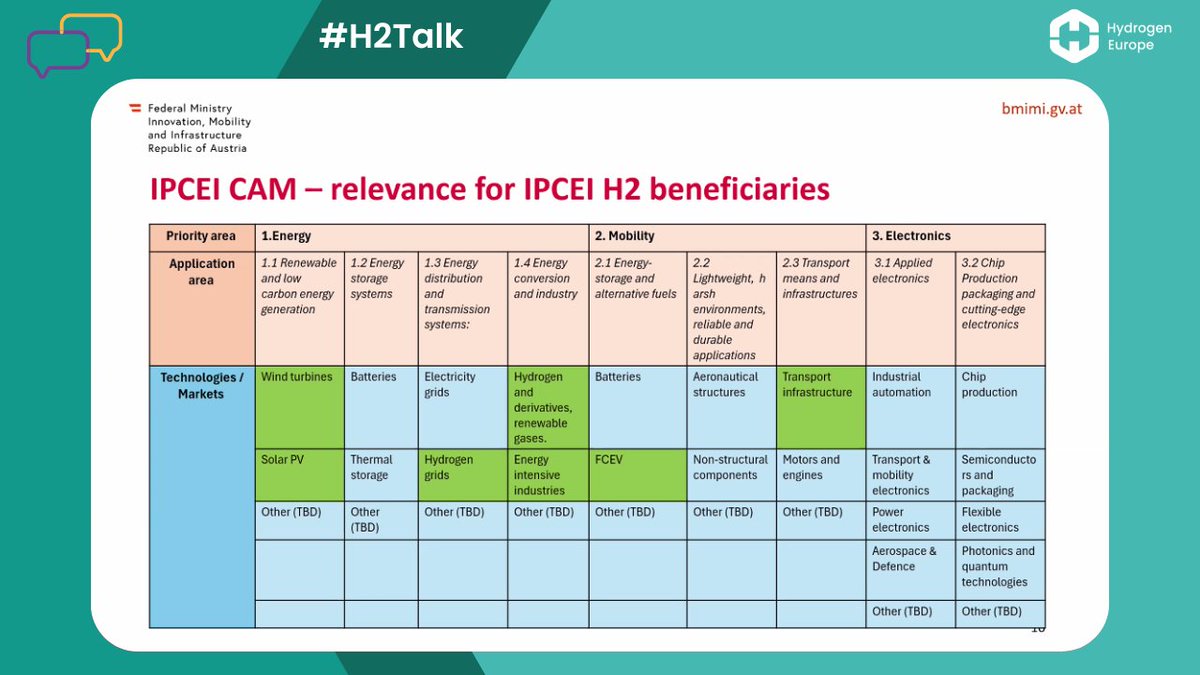
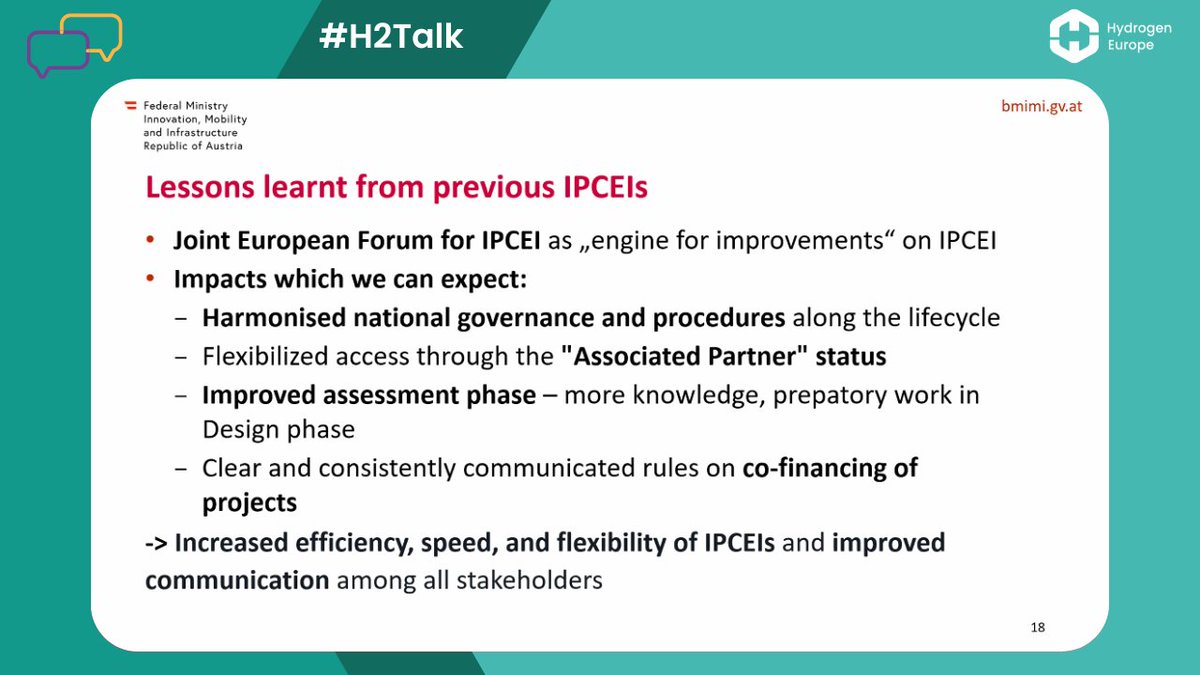
➡️F.Loher, @BMIMI_gv_at: ‘See below the objectives of this IPCEI & its relevance for #H2industry [...] lessons learned from previous IPCEIs on the govt.'s experience 🇦🇹: "We believe that this will lead to improved processes in future: our aim is to present an optimistic picture"
1
1
6
448
14 May 2025
📢Just started! #H2Talk on #H2 #IPCEI (Important Projects of Common European Interest)
➡️This episode will bring together high-level experts and decision-makers to review the progress of H2 IPCEIs over the past 6 years, emphasising both achievements and challenges
#HydrogenNow
2
4
8
1,199

13 May 2025
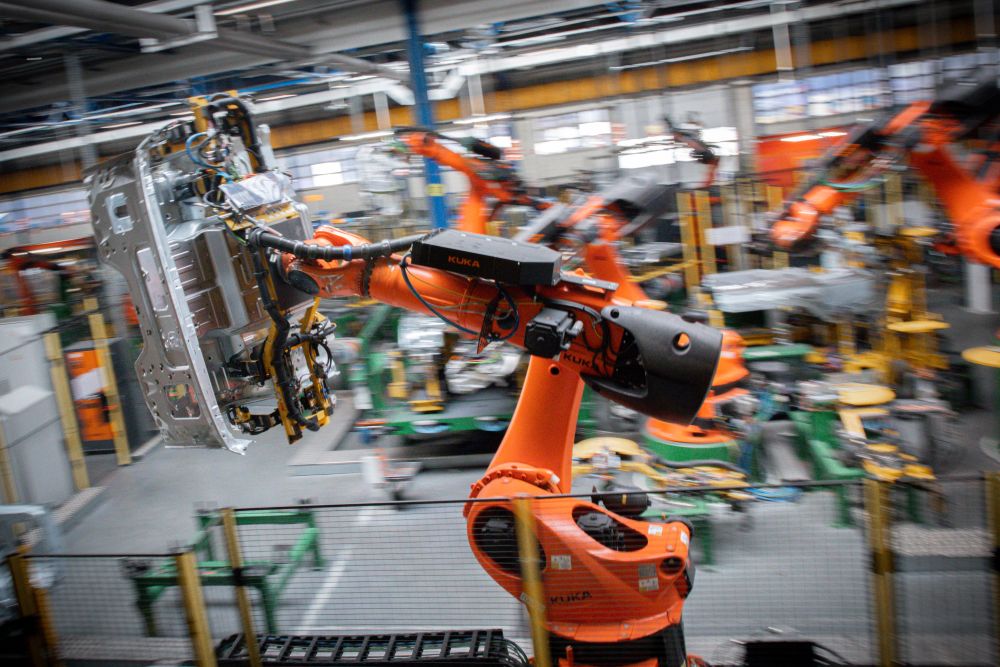
📄Making IPCEIs a new vanguard for EU industrial policy
Philipp Lausberg, Varg Folkman & Chris Allen explore how reforming the #IPCEI framework could make #IndustrialPolicy more effective, inclusive and coordinated. @philippemlau @FolkmanVarg
Read 👇
epc.eu/en/publications/Makin…
1
3
459
13 May 2025
"By making IPCEIs a vehicle for financial pooling, regulatory innovation and simplification, they could play a much larger role in EU industrial policy than they currently do." Together with @FolkmanVarg and #ChrisAllen
epc.eu/en/Publications/Makin…
2
70

1 May 2025
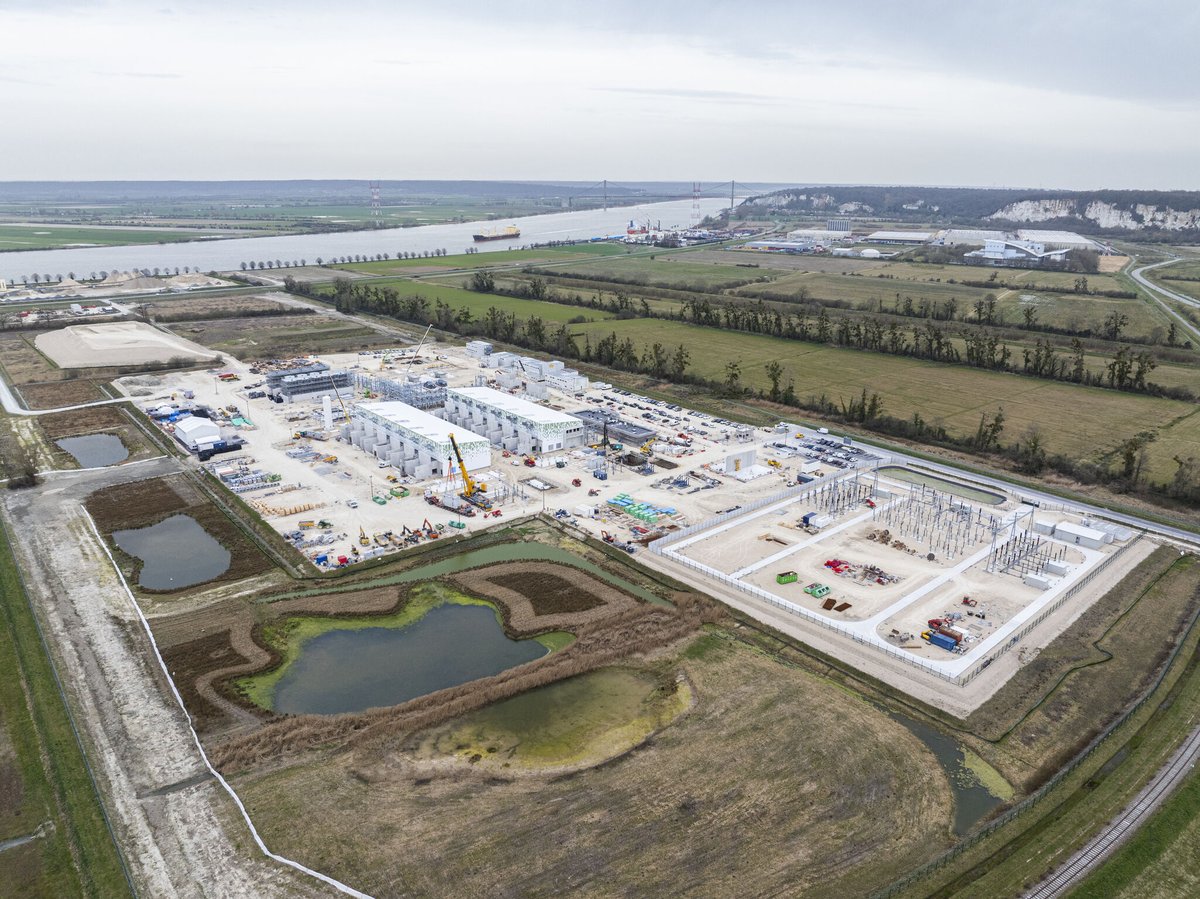
As part of the IPCEIs on hydrogen, @airliquidegroup is building the world's largest electrolyser in Normandy. 🚀
1 May 2025

Le chantier du plus grand électrolyseur au monde avance bien en Normandie, Air Liquide ça délivre
4
140
17 Apr 2025
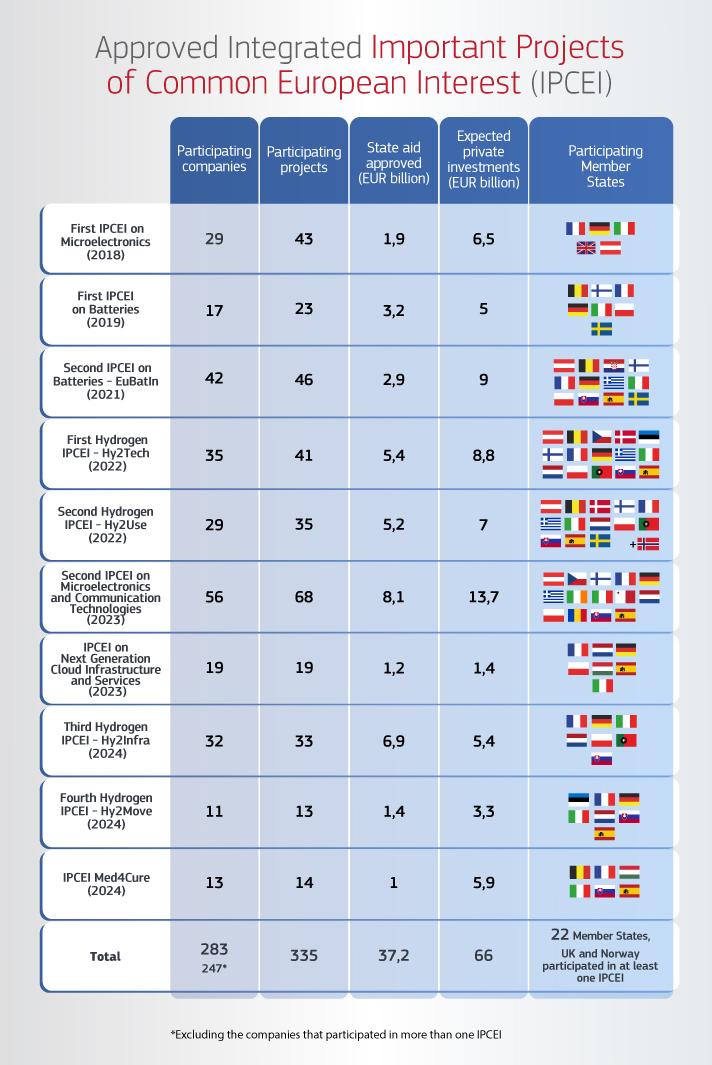
🛠️#H2IPCEIsAnalysis - How much do you know about #IPCEIs❓
They are a EU instrument which supports strategic industrial projects, enabling Member States to contribute via #stateaid.
The #H2Europe team has analysed the status of the 4 #hydrogen IPCEIs. Stay tuned to know more!
1
1
2
499
16 Apr 2025
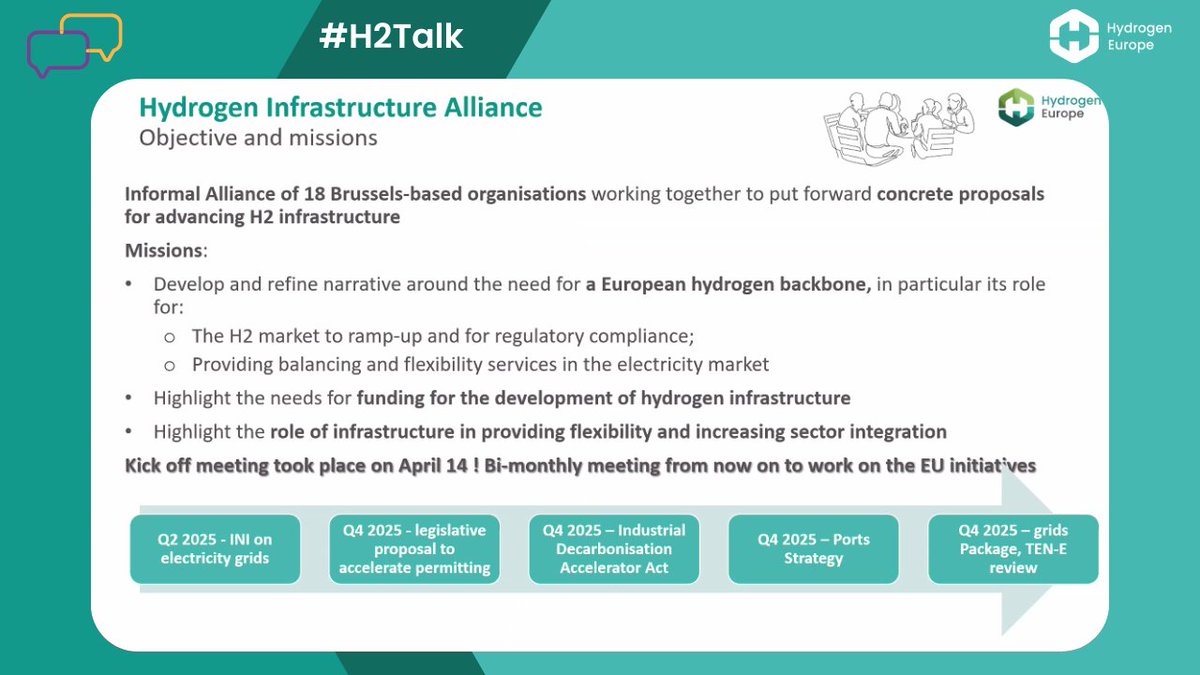
➡️@Chatzimarkakis, #H2Europe's CEO concluded today's #H2Talk announcing the recent creation of the #H2InfrastructureAlliance, which will highlight the funding needs for #H2infra development💧
Stay tuned for our next #H2Talk on #IPCEIs on 15.05⤵️
hydrogeneurope.eu/events/?he…
1
3
318


6 Mar 2025
NB: Sinnvolle Industriepolitik kombiniert idR "Subventionen" (oa selektive Instrumente) mit intensivem Wettbewerb. Das ist (de facto) der Fall in China. Für uns heisst es: mehr Binnenmarkt, mehr ARPA, mehr IPCEIs, mehr (intelligente) Subventionen (temporär, an richtiger Stelle).
4
26

7 Jan 2025
175 R&I milestones & targets funded from #NextGenEU have already been achieved by Member States including Lithuania, which has created a Research Council to help businesses & researchers. And 25 Italian companies got funding for participating in IPCEIs.
➡️europa.eu/!T9wbBR

3
17
1,598

20 Dec 2024
The paper discusses tools to align aid, and how to improve them, incl. IPCEIs, setting a sectoral focus in state aid rules, Joint Undertakings, or channelling funds through EU tools like InvestEU. For brevity I just go through two of them. First, 'Auctions as a service': (6/n)
1
2
30

17 Dec 2024
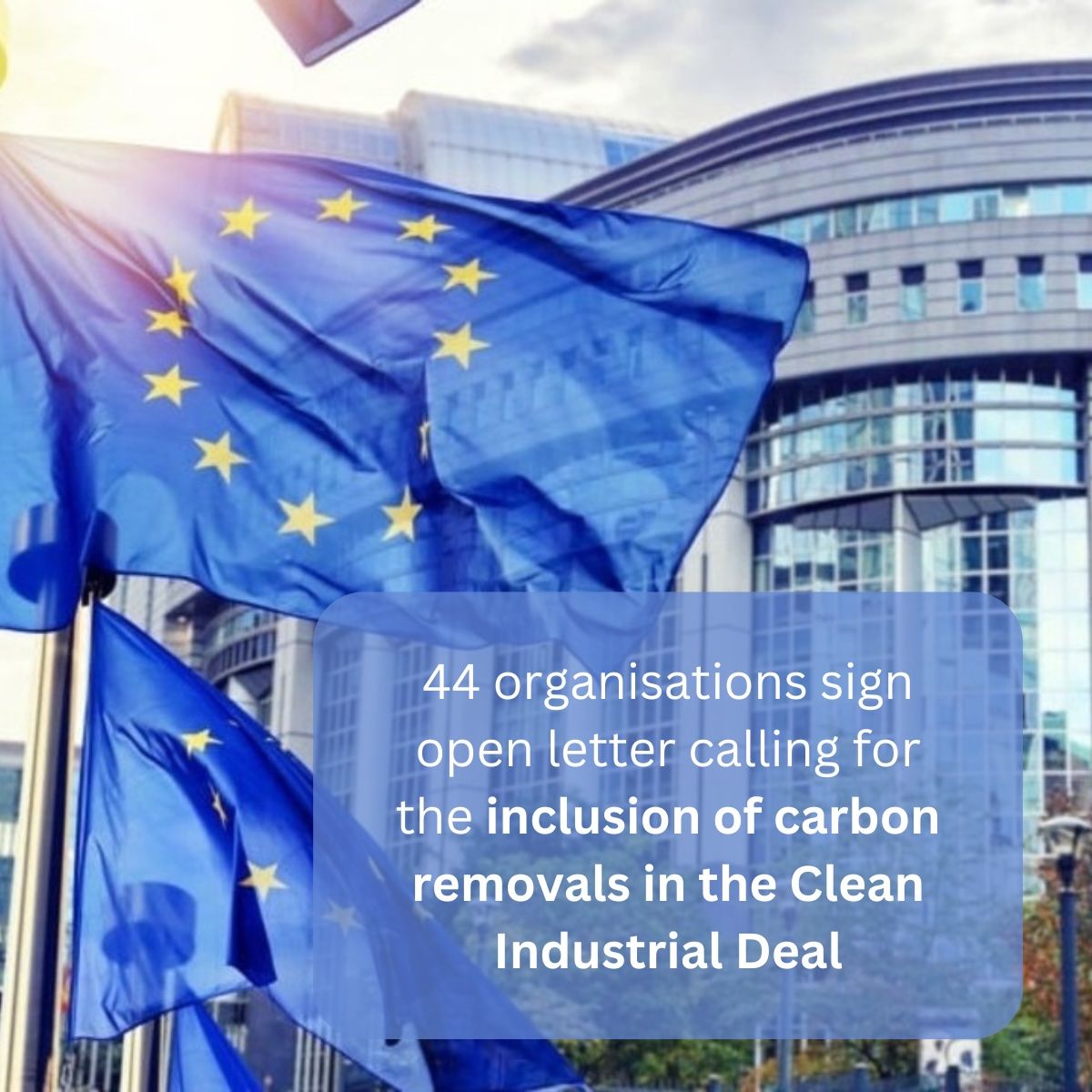
Today, Elimini joined @NEP_Brussels in publishing an open letter on the EU's #CleanIndustrialDeal, calling for:
🎯 Separate targets for permanent CO2 removals
✨ Streamlined permitting
🥕 Competitive financial incentives
🏅 Designating IPCEIs for CDRs
💪 Workforce development investment
Read the full letter here ➡️ static1.squarespace.com/stat…
2
67

12 Nov 2024
.@Teresaribera starts with some big points:
- wants to allow companies to scale up
- rigorous competition enforcement
- crack on with the DMA
- make state aid approval faster
- more IPCEIs in strategic sectors
- dodges Art 22 a bit, saying it is 'challenging'
4
4
31
3,320

8 Nov 2024
Great to be in #Madrid & learn about Spanish perspective on EU clean energy policy. Conversations quite similar to #NL but heard more on how to make use of & scale up European Hydrogen Bank, IPCEIS, Innovation Fund, Draghi report proposals, etc. Thanks you @rielcano @g_escribano
8 Nov 2024

⏭️Next: Roundtable “Direction and challenges of the European Union: how to achieve the EU’s current and future objectives?”
🗣️ @louisevanschaik
🗣️ Mikel Lasa
🗣️ @cayuelarafael
🗣️ Fernando Borredá Juste @minturgob
🗣️ Moderator: Diego Rodríguez Rodríguez @socialfedea
#CECME24
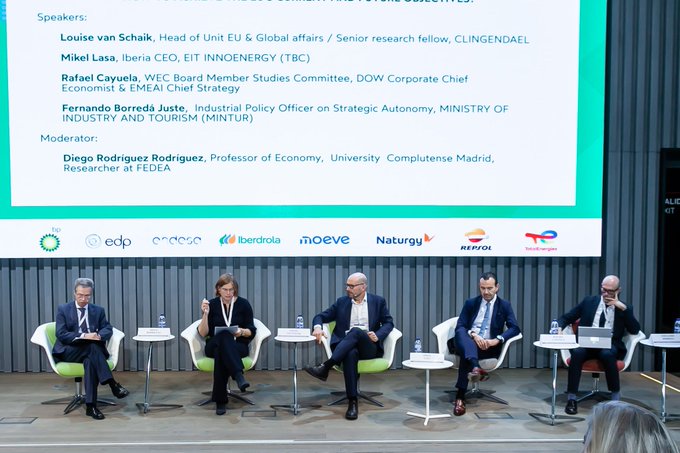
ALT Roundtable “Direction and challenges of the European Union: how to achieve the EU’s current and future objectives?
1
4
500

24 Oct 2024
Delighted to present with my colleagues @AndreasEisl and @donadica at this workshop our draft paper entitled "Common challenges, different responses: Foreign competition and the institutionalization of IPCEIs in EU Industrial Policy from the 1970s to the present"
2
5
325