
The US administration operates from a fundamental interval weakness because how they think they will lose the mid term election if they don't get a deal with Iran. Iran now has two goals: stall for time and exploit this weakness, so the US administration stays weakend.
Pd Pl retweeted

🚨 BREAKING: THE WHITE HOUSE JUST BRIEFED US ON NEW DETAILS ON TRUMP’S IRAN DEAL… AND WOW! 🚨
WH Sources say Iran is READY TO SIGN, the TERMS are SET— now they’re negotiating a PLACE 🔥
THE DEAL? Iran is handing over the NUCLEAR DUST 🔥
Fox News
95
126
667
46,484


RT @TheElenaValkova: More mindblowing geopolitical revelations.
The US/EU can never be trusted. Ever.
Ever.
Iran should know this. Russ…
15
The Iranian Peach retweeted

JD Vance:
"They (Iran regime) are committing to never develop nuclear weapons. That is a significant concession"
FACT CHECK ;
They have claimed for the last 47 years that they are not and never will seek a nuclear weapon.
They've been lying.
This is no concession at all!!!
136
473
2,219
51,073
Soheyla retweeted

12h
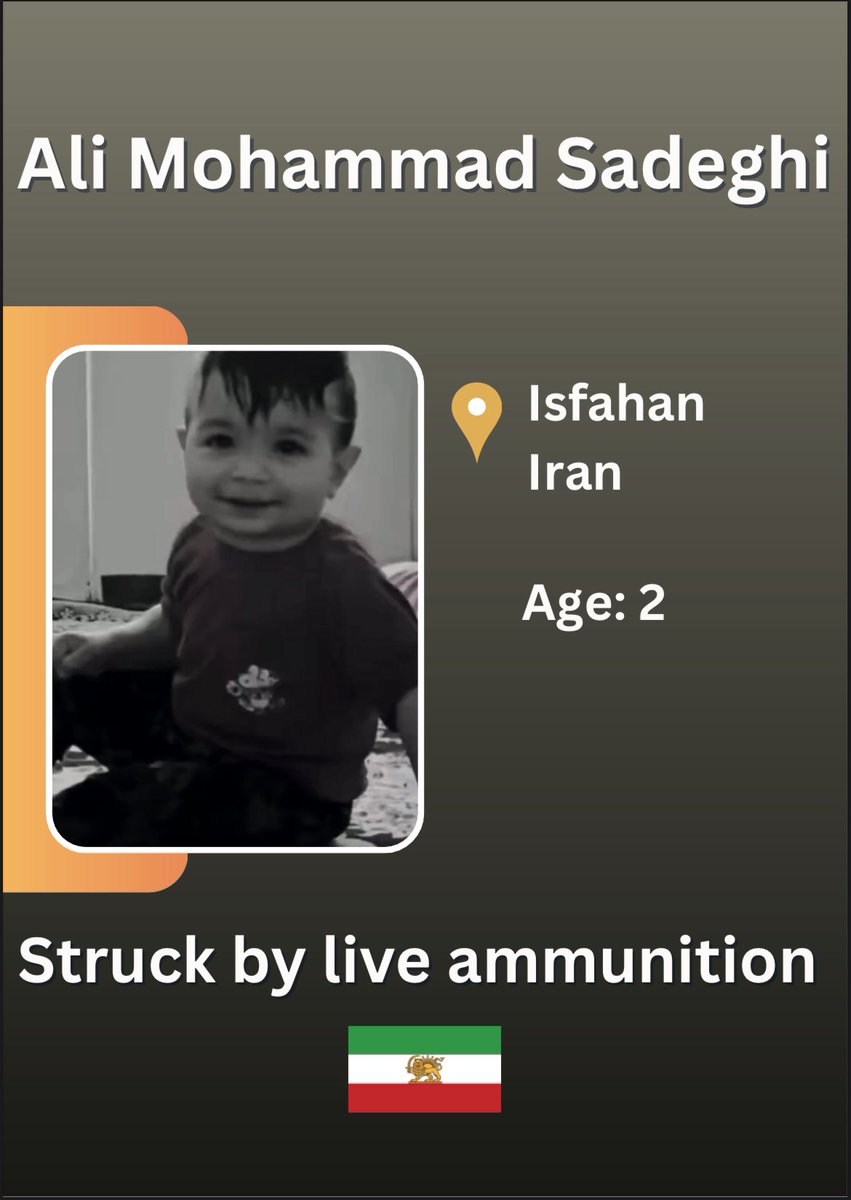
HORRIFIC: Ali Mohammad Sadeghi, an innocent 2-year-old toddler from Isfahan, Iran, has been brutally murdered by live ammunition. Look at his innocent face a beautiful life violently cut short. The world cannot stay silent! 🆘🚨#IranMassacre
11
49
86
2,110

Rebel606 retweeted

Jun 12
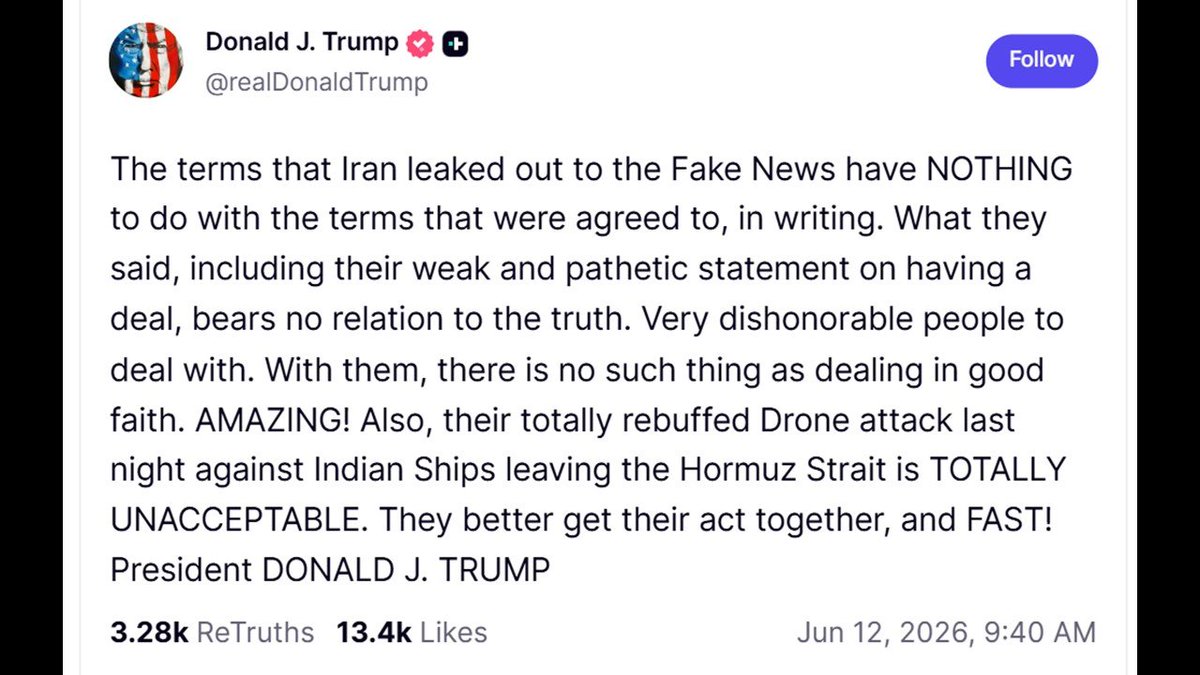
Translation: there is no deal; there never was a deal; Iran is dictating the terms, which have never once been altered from the moment of their original submission. The US cannot assent to those terms. Therefore the war will likely continue after the US markets close today.
51
329
1,231
26,802
SuspendedArchive retweeted

People don't realize how much Russia is involved with Palestine and Iran
1
3
2
107
InvCryp_GER retweeted

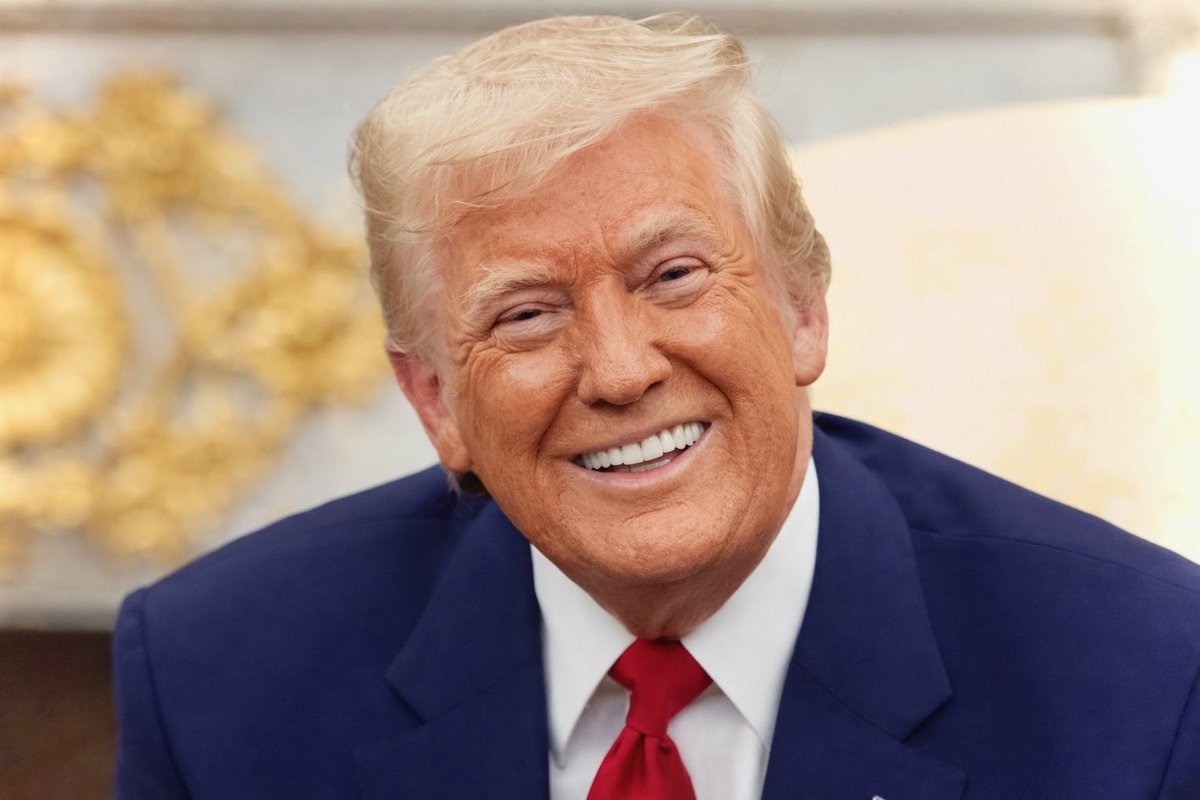
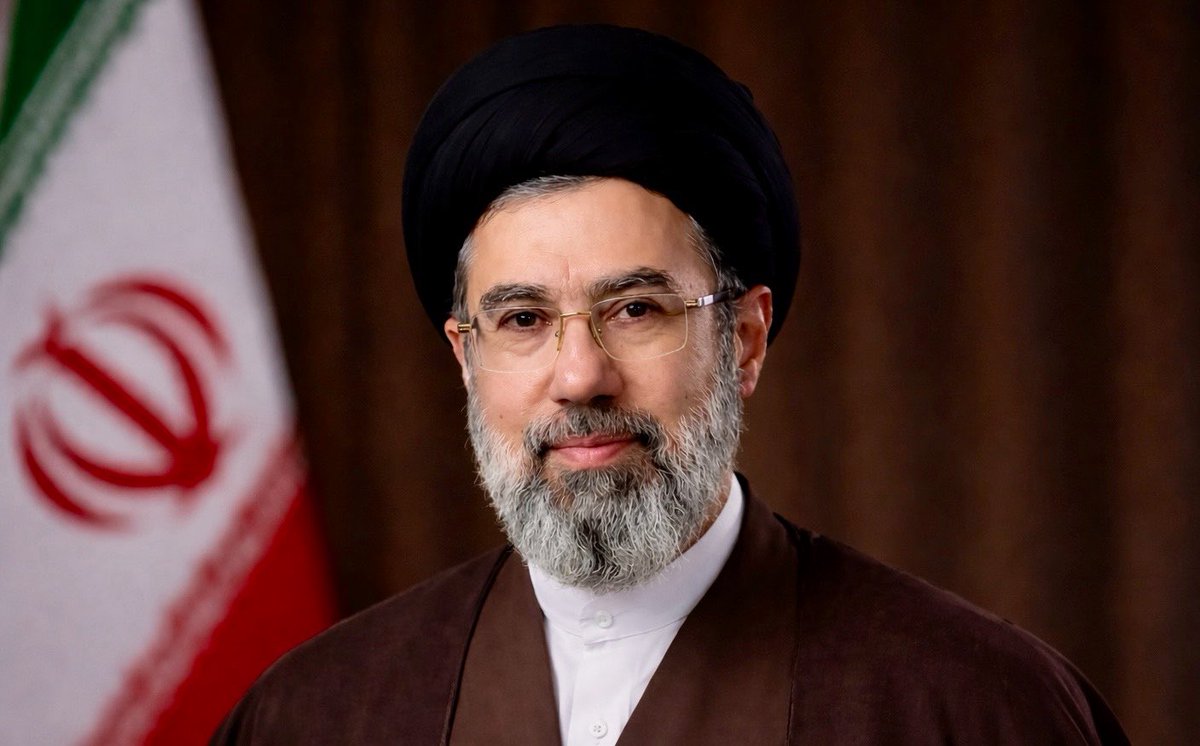
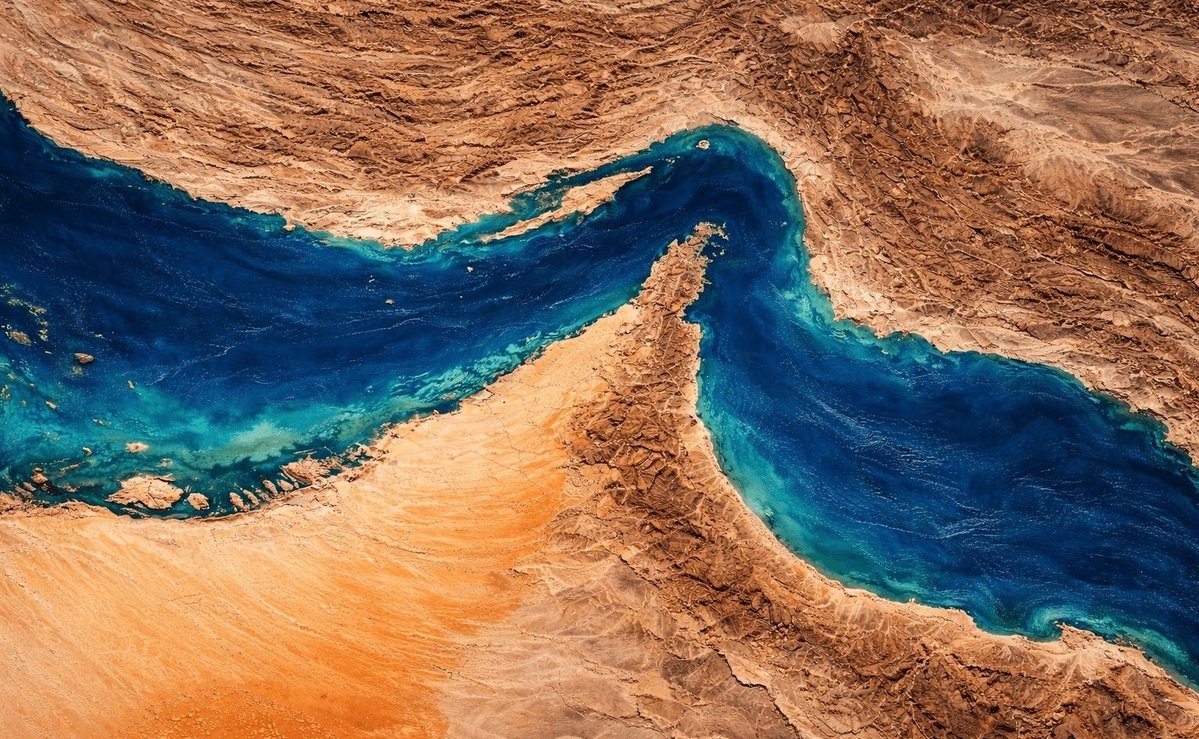
JUST IN: 🇺🇸🇮🇷 President Trump says peace deal with Iran is scheduled to be signed tomorrow and the Strait of Hormuz will be "open to all."
977
1,173
9,329
458,425
Zara retweeted

BREAKING: Iran directly rejects Trump's new claim of a deal being signed tomorrow, saying the insistence on signing the deal on specifically Sunday is engineered around his own birthday, calling it a "propaganda event" that Trump is trying to turn into a unilateral "symbolic occasion" for himself, along with his UFC White House event, per Fars.
The Iranian negotiating team says it "will not permit such a media and ceremonial manoeuvre," explicitly stating that the memorandum of understanding has not been finalized and no signing will happen.
921
5,661
20,106
1,661,537

The "United State of Israel"? This viral Iranian song is making waves with its satirical take on U.S.-Israel relations. Whether it’s the Lego-style animation or the sharp political commentary, there’s a lot to unpack here. #Iran 💪👍🥰
İSLAKKAKAOLUKEK retweeted

guya 2 batidan (turkiye-suriye) 2 dogudan (irak-iran) alip, tek ulke kuracaklarmis. ic savas icerisindeki irak ve suriye'de bile barinamayan, kuzen; bulamazsa esek siken bir irk icin fazla iddiali bir hayal.
7
11
2,462
75,632

IMO the next week inside Iran is going to be spicy. Game of Thrones-level spicy.

Wait and see where the infighting leads. So far, there are reports of clashes between security forces and radical regime supporters in three cities. One person has been reported dead. Also reports of hardliners, including IRGC’s bigwig Zolghadr, voicing their opposition.
4
14
136
8,521
Balwant Mehra retweeted

“Only Indian seafarers are being attacked”
Distress call from Indian seafarers in Iran who say U.S is deliberately attacking ships with Indians on board
47
689
1,433
47,718
JackieKPSS retweeted

Wist je dat?
Moslims bidden niet op straat in Iran, Saoedi-Arabië of andere moslimlanden—het is illegaal en onbeleefd, omdat het anderen stoort.
Ze doen het alleen in landen die ze veroveren, als een dominantie-strategie.
 Shiri_Sabra
838
13,932
33,764
368,676
Bella Noche🇵🇸🇨🇩🇸🇩 retweeted

Jun 12
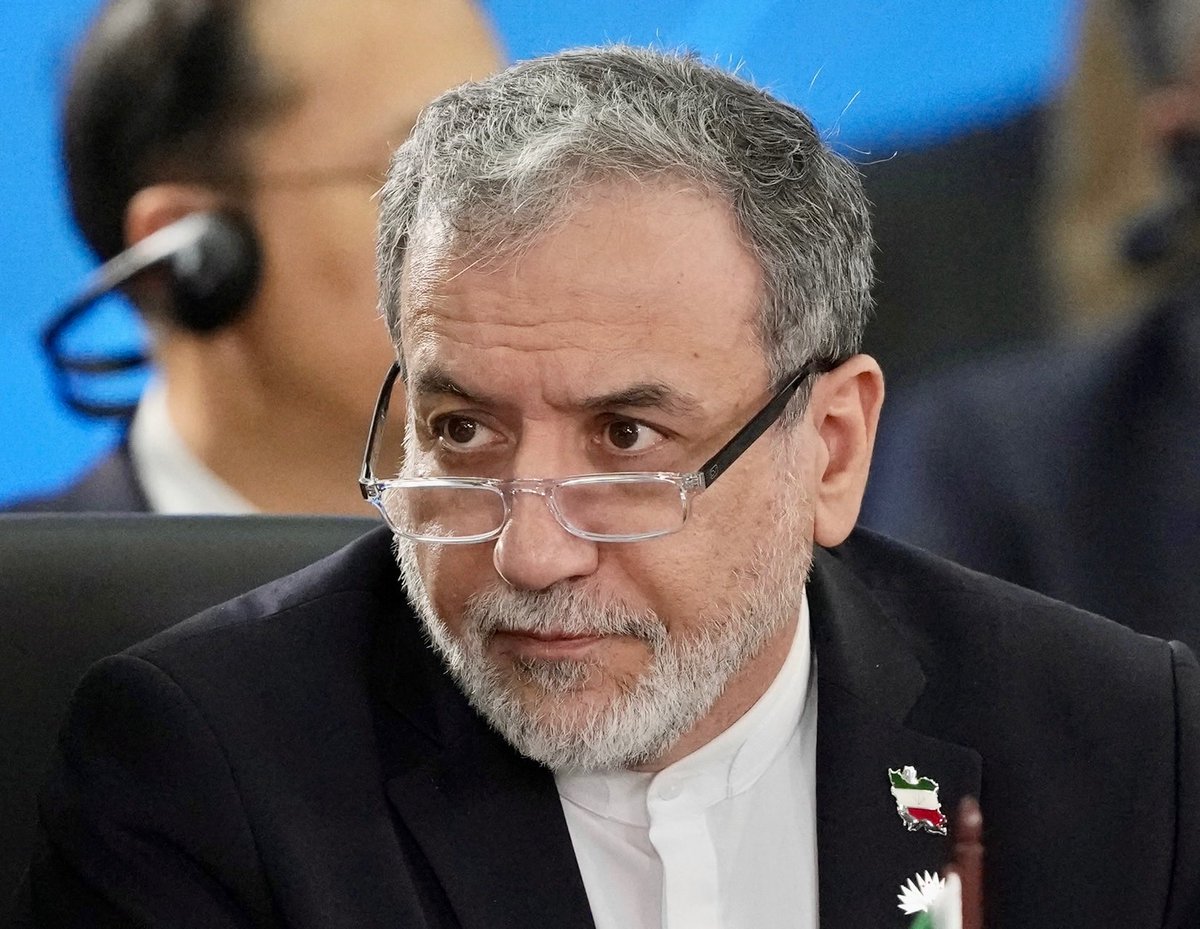
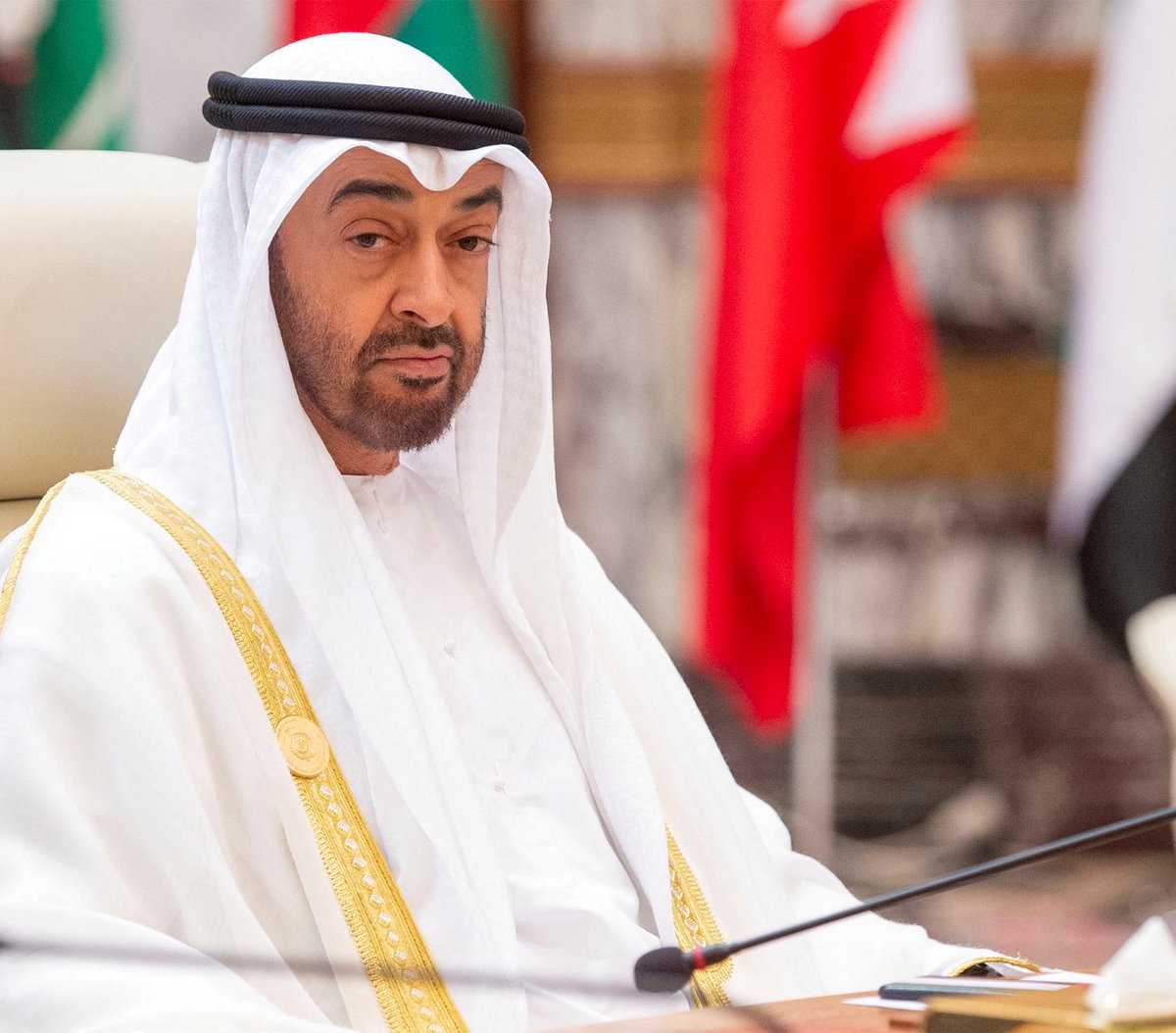
🚨 BREAKING
"The UAE hands over $10 billion of frozen funds to Iran."
205
2,463
14,650
293,799
☩ ORDO AB CHAO ☩ retweeted

🚨 BOMBSHELL: Sky News confirms Iran is delaying the deal to publicly humiliate Donald Trump. Expert Prof. Michael Clarke reveals Tehran is using the exact 1979 playbook.
The Trump administration is completely powerless. Washington is at the mercy of Iranian negotiators.
48
292
1,242
59,698
jon kessler retweeted

The Real Cost of Trump’s Emerging Deal with Iran
The United States appears close to reaching an agreement with Iran. President Trump claims a deal may be signed as early as this weekend, though Iranian officials continue to push back on that timeline.
Before the military campaign began on February 28th, Iran was under heavy sanctions while the Strait of Hormuz remained open. Now, the US is offering sanctions relief and access to frozen assets simply to reopen that same strait.
This means America is paying a real price for a situation that already existed before the war.
If the deal is finalized, Iran stands to gain immediate revenue from oil sales and access to billions in frozen funds, while keeping its enriched uranium stockpile and nuclear infrastructure largely intact. The regime will emerge financially stronger and politically emboldened.
For the region, this carries serious consequences. Hezbollah in Lebanon is already benefiting from the perception of Iranian victory. Iran’s influence in Iraq is likely to grow stronger. The Sunni Arab monarchies now find themselves in a vulnerable position, with their trust in American security guarantees significantly weakened.
A stronger Iran may also push Turkey to deepen its military presence in Syria, bringing Turkish forces closer to Israel’s northern border.
If true, this deal would mean the United States has paid a significant price to return to a position that is actually worse than before the military campaign began.
83
200
723
25,961