
What We Have Observed Regarding Spike-Associated Biological Damage
While research continues to evolve, a growing body of published literature, ongoing molecular investigations, and observations from active patient datasets have identified recurring patterns of biological disruption associated with persistent spike protein exposure and expression.
The evidence increasingly suggests that spike-associated injury is not confined to a single organ system. Rather, it appears capable of affecting multiple interconnected biological networks that govern resilience, repair, immune surveillance, metabolism, and cellular function.
In both published findings and active patient data, we have observed recurring patterns that include:
•Disruption of normal brain function, neuroinflammatory pathways, and neurovascular integrity.
•Injury to the heart, vascular endothelium, and microcirculation.
•Lung damage, inflammatory remodeling, fibrosis-related pathways, and impaired respiratory resilience.
•Kidney stress and disruption of normal tissue repair mechanisms.
•Alterations of the microbiome and weakening of protective microbial ecosystems that support immune defense.
•Disease-promoting shifts across multiple biological systems that reduce the body’s ability to maintain resilience and homeostasis.
•Mitochondrial dysfunction resulting in diminished cellular energy production, increased oxidative stress, and impaired recovery capacity.
•Dysregulation of immune surveillance, reducing the body’s ability to appropriately recognize, respond to, and eliminate biological threats.
•Accelerated biological aging characterized by persistent inflammatory and metabolic stress.
•Molecular conditions associated with more aggressive cancer behavior, clonal adaptation, progression, and loss of normal cellular regulatory control.
Taken together, these observations suggest that spike-associated biological injury should not be viewed merely as an isolated event or transient exposure. Rather, it appears capable of functioning as a systems-level biological disruptor that can influence numerous pathways involved in human health, resilience, recovery, and longevity.
At Neo7 Bioscience, our focus has been to move beyond symptom management and toward molecular interrogation of these disruptions. Through advanced transcriptomics, proteomics, molecular surveillance, and personalized peptide engineering, we have worked with individuals seeking to restore resilience pathways, improve biological function, and address the complex downstream consequences associated with spike-related molecular dysregulation.
The future of medicine is not simply diagnosing damage after it occurs—it is identifying molecular instability early and engineering precision interventions that restore biological resilience before dysfunction becomes disease.
@P_McCulloughMD @NicHulscher @McCulloughFund
Further Information:
neo7bioscience.com

What is Spike?
Sometimes the most important questions in medicine are the ones we’re still afraid to ask.
Science advances when curiosity is allowed to go further than consensus.
The spike protein has become one of the most discussed biological structures of our time, yet many fundamental questions remain regarding its interaction with inflammation, vascular function, immune regulation, cellular signaling, and long-term biological resilience.
As physicians, scientists, and innovators, our responsibility is not to defend narratives.
Our responsibility is to pursue understanding.
The future of healthcare will belong to those willing to investigate complex biological systems with intellectual honesty, scientific rigor, and an unwavering commitment to discovery.
Progress begins with questions.
And better questions lead to better medicine.
— Dr. John Catanzaro

If it wasn't active you wouldn't be here right now telling me not identifying as Arab is zionist propaganda.

2005 population of Gaza =?
2023 population of Gaza = ?
2025. ditto. = ?
So not much of a "genocide" is it.
That claim has been made all along, yet the populations of muslims now self identifying as "palestinians" keeps growing!
Please explain

I built a tool that reads your test code and spots the assumptions hiding in there.
Those that lead to flakiness.
In my Fighting Flakiness webinar I showed the 7 assumption suspects, and the tool identifying on them.
youtu.be/RXvrOVv0kXo
#APITesting #FlakyTests #TestAutomation
Joanna retweeted

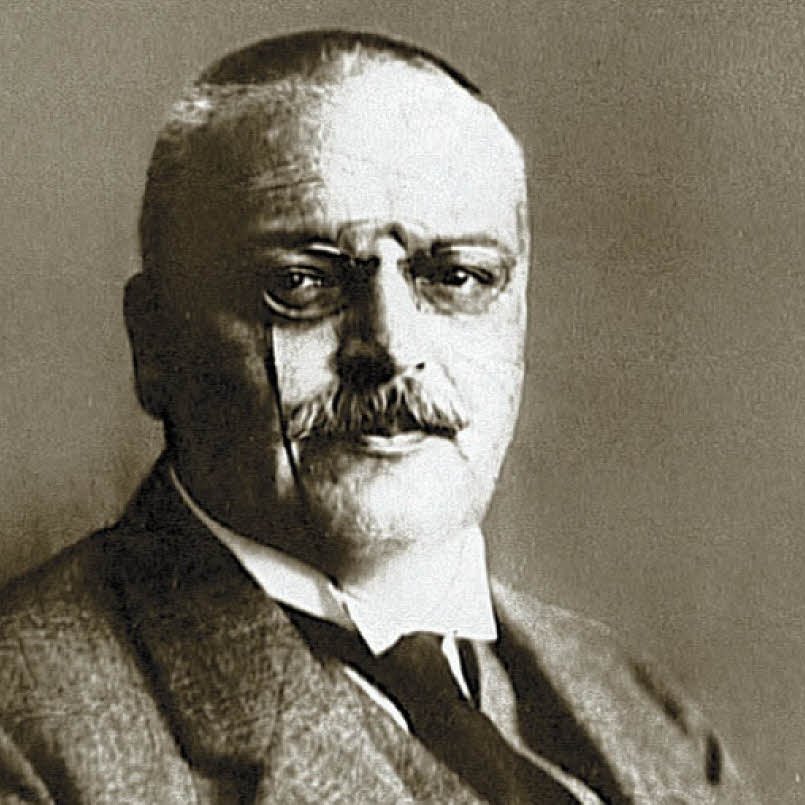
Psychiatrist Alois Alzheimer was #BornOnThisDay, June 14, 1864. Credited with identifying the first published case of "#dementia", in Auguste Deter, later identified as #alzheimer's disease. Passed in 1915 (age 51) from heart failure. #RIP #GoneTooSoon #AlzheimersDisease #BOTD

7
39
223

2m
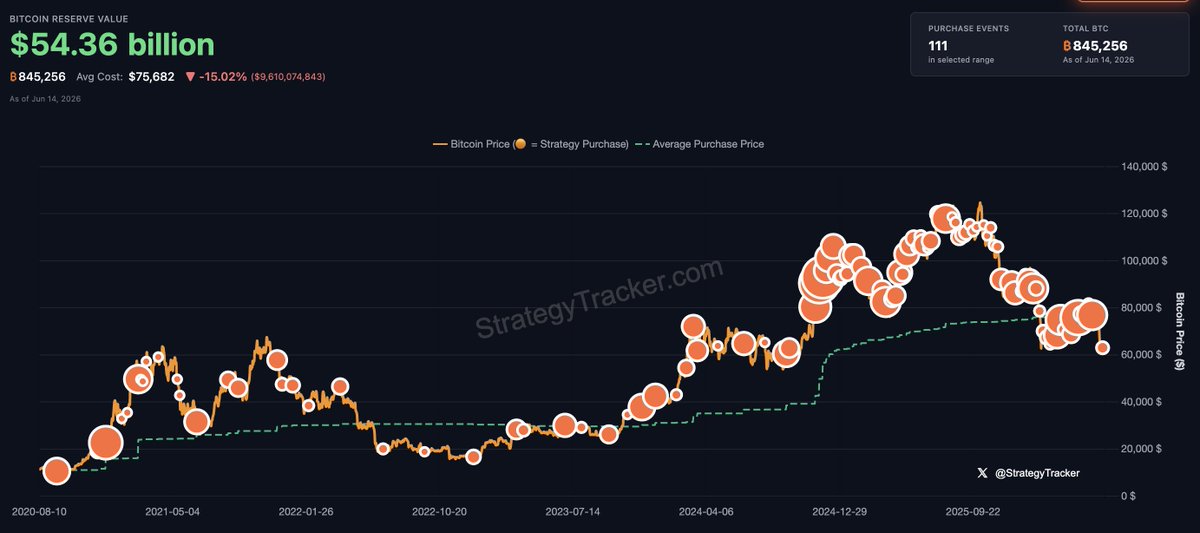
Michael Saylor’s post is only three words:
“Still adding dots.”
But the message is much deeper than it appears.
What the chart shows
The orange dots represent Strategy’s Bitcoin purchases over time.
Instead of trying to perfectly time the market, Saylor has consistently accumulated Bitcoin through:
Bull markets
Bear markets
Corrections
Fear
Euphoria
Every dot represents another conviction buy.
The psychology
Most investors ask:
“Is this the top?”
Saylor asks:
“Will Bitcoin be worth significantly more in 5–10 years?”
If the answer is yes, then short-term volatility becomes noise.
He isn’t trading candles.
He’s accumulating an asset he believes will become a global digital reserve.
The deeper investment lesson
Every transformational technology follows the same pattern:
Amazon crashed over 90%.
Nvidia experienced multiple 50% drawdowns.
Tesla fell more than 70%.
Bitcoin has corrected over 80% several times.
Weak hands focus on price.
Strong conviction focuses on ownership.
Why this matters for investors
The biggest fortunes are rarely made by buying perfectly.
They’re made by:
identifying a secular trend,
accumulating during uncertainty,
and allowing time to compound.
Saylor’s strategy is essentially:
“I’m still connecting the dots that most people won’t understand until years later.”
The real message
The chart isn’t showing perfect timing.
It’s showing consistent conviction.
Every orange dot says the same thing:
“I believe the long-term value is far greater than today’s price.”
Whether that thesis ultimately proves correct is for the market to decide, but Saylor is communicating that he remains focused on the long-term adoption of Bitcoin rather than short-term price movements.
For long-term investors, the lesson extends beyond Bitcoin:
Extraordinary returns often come from extraordinary patience. bitcoin:native

10

Someone identifying and filling a need does the heavy lifting. The kid who cuts my grass is the engine of our economy
1

So because “identifying the smallest seed in the world is not actually the point of the story,” the clear factual error should just be ignored? What do you mean by that exactly?
If he had said“Its small or or one of the smallest” you’ll have an argument but he explicitly says the mustard seed is “the smallest of all seeds on EARTH”
No one would have problem understanding that claim if you guys admit the fact that He’s a human being - fallable in nature, not divine and all-knowing God.

Literally not a single Christian I know has any idea what the “mustard seed dilemma” is outside of Twitter
Nor would any of them be stumped by it, considering it’s literally from a parable where identifying the smallest seed in the world is not actually the point of the story
9

Trans is short for transgender.
A 'trans identifying female' is a trans man. You really want these guys forced to use women's spaces?
menshealth.com/fitness/a4384…
1
2


The answer to RSI/"AI" in general is simple: the model’s representation and output are causally incomplete. Improvement consists in identifying missing causal relations and incorporating them until completeness is reached. I seems that the AI field is blind to this fact.
4

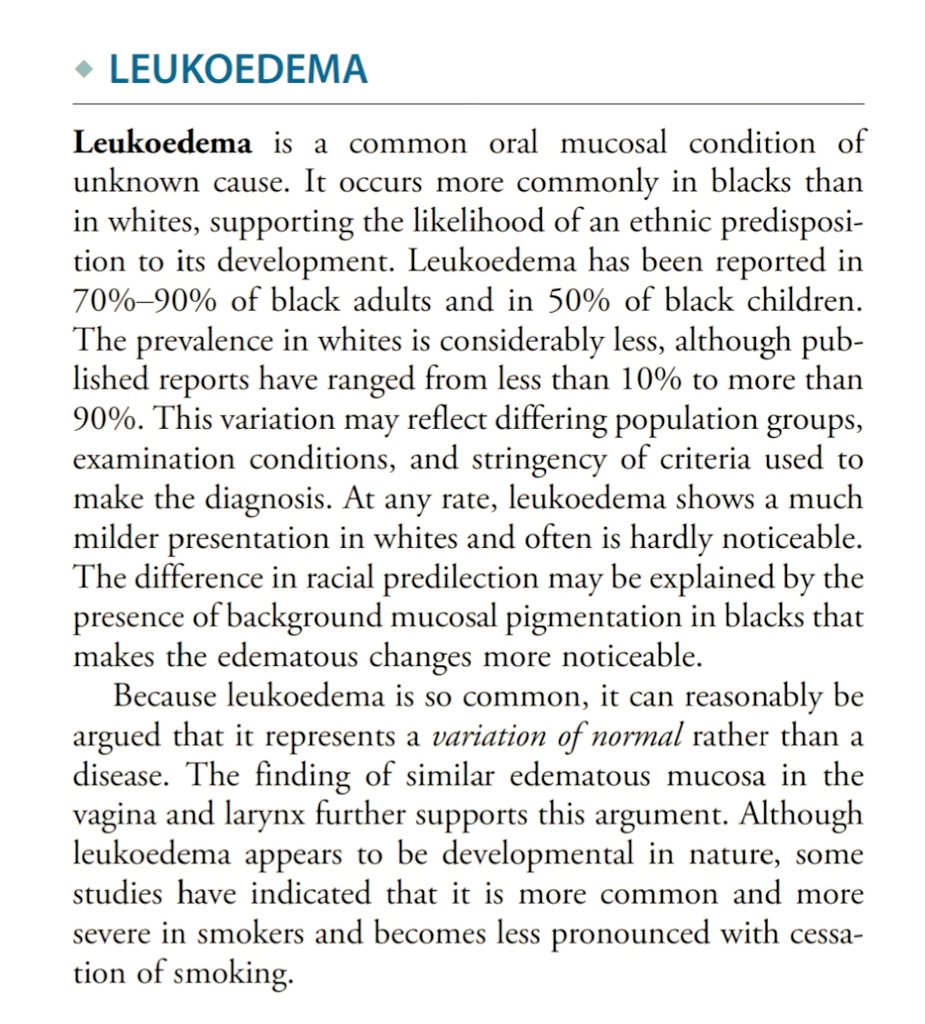
2nd day of workshop
workflow for this section :
•Definition identifying the cause
•Extracting the epidemiology
•Analyzing racial differences
•Methodology of the statistics: population, examination conditions, diagnostic criteria
•Writing a final analytical paragraph

1
1
9

I'd appreciate any guidance on identifying the threat, determining what data may have been stolen, and safely recovering without risking further compromise. (n/n)
#CyberSecurity #Malware #InfoStealer #IncidentResponse #WindowsSecurity #DigitalSecurity
2


I actually believe that we should ALL start identifying as J3ws as I'm sure that will mess with their little beliefs and flimsy plans!
3

Gah!!! Yet another injection I had forgotten about?! I’m so sorry for your disability from this shot. I do appreciate you identifying this. Godspeed.
1

The Pentagon should continue identifying companies that contribute to China’s industrial and military ambitions while benefiting from access to U.S. markets. prosperousamerica.org/cpa-ap…
2

Dude, fighter pilots are encountering these things routinely year after year. The Nimitz incident is one example of many. They ain't all mis identifying things lol. Professionally trained pilots can't be getting this wrong constantly.
1
3
Mitch Bastid retweeted

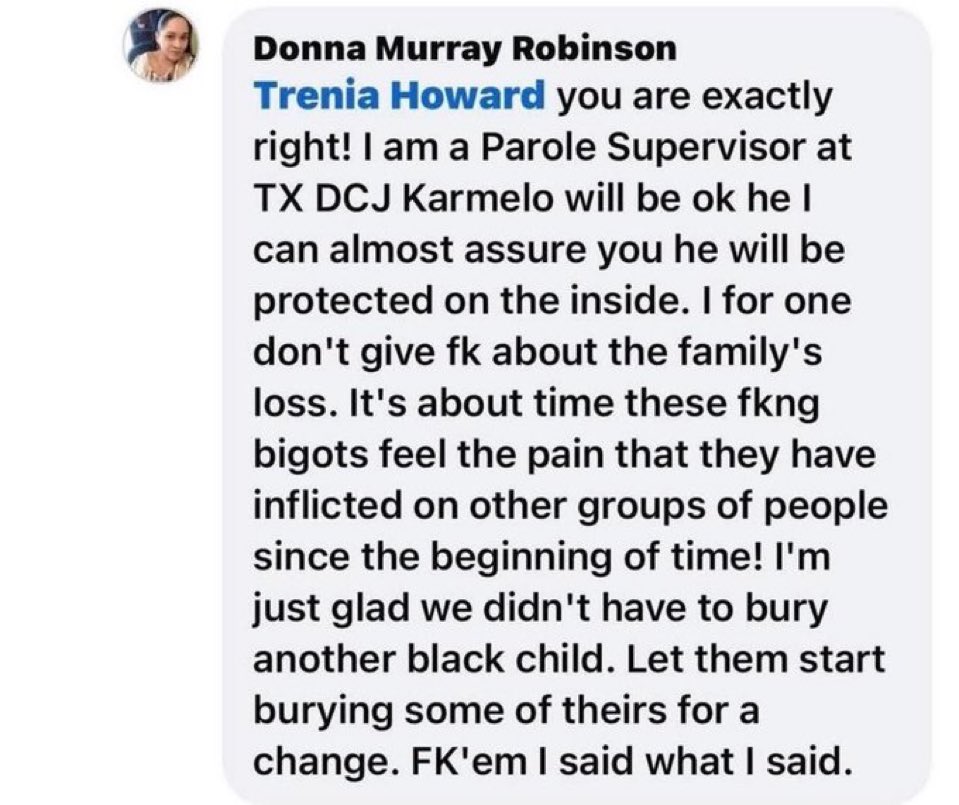
Jun 13
Identifying herself as an employee with the Texas Department of Criminal Justice, Donna Robinson wrote on Facebook that Anthony would be protected in prison, adding she didn't care about the victim's family's loss. Her page said she was employed by the department for more than a decade.
Donna is now looking for a job after the TDCJ fired her for her hateful, inflammatory post. #FAFO
81
284
588
10,944
Power to Manifest | Coach | Manifestation Queen retweeted

If you don’t like it, stop identifying with it
41
391
2,979