
riiiiight???!!!
i meannnnn.
what the fuck, California liberals?
I used to be one of you. I’m sorry that for decades we blindly followed party lines.
Stop the insanity!
vote @ButchWare - he IS on your ballot when YOU write him in. See? easy.
#IfNothingChangesNothingChanges
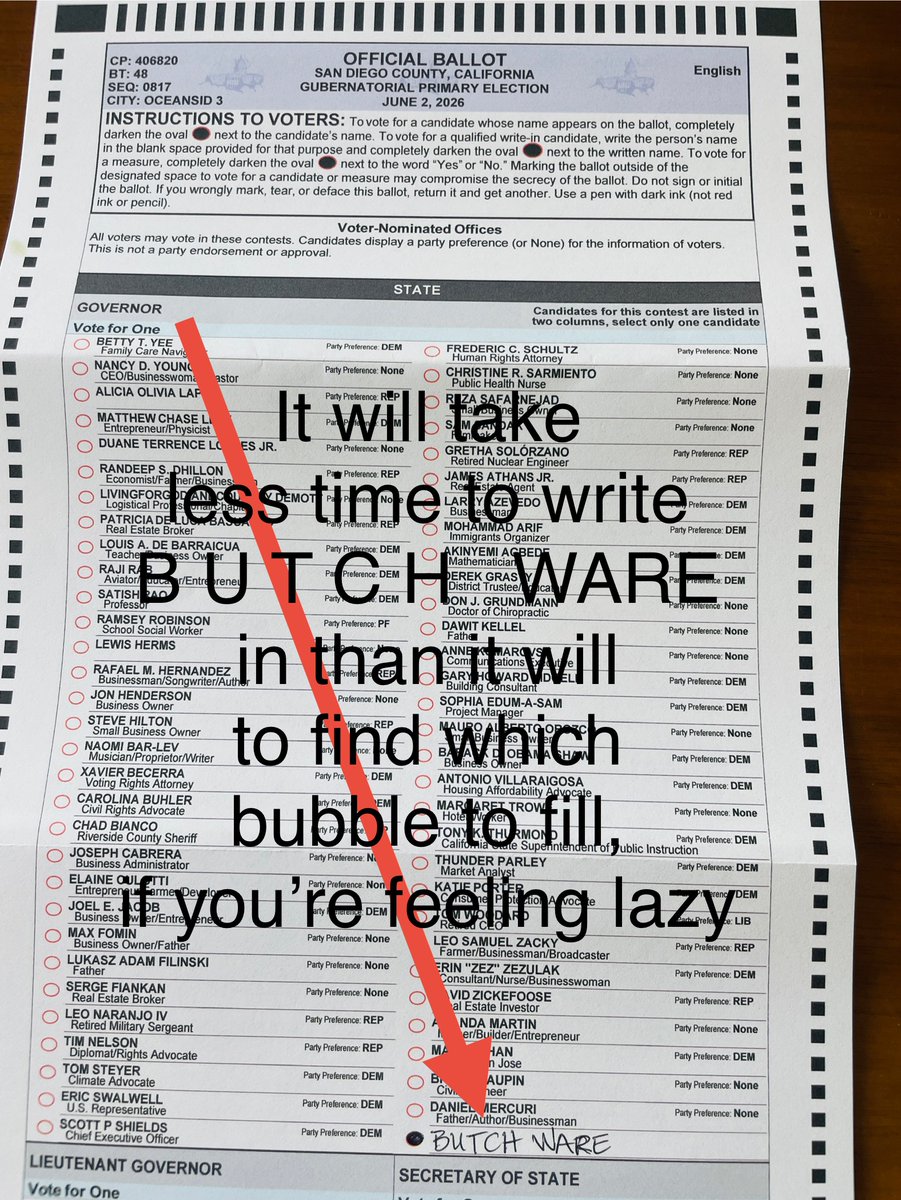
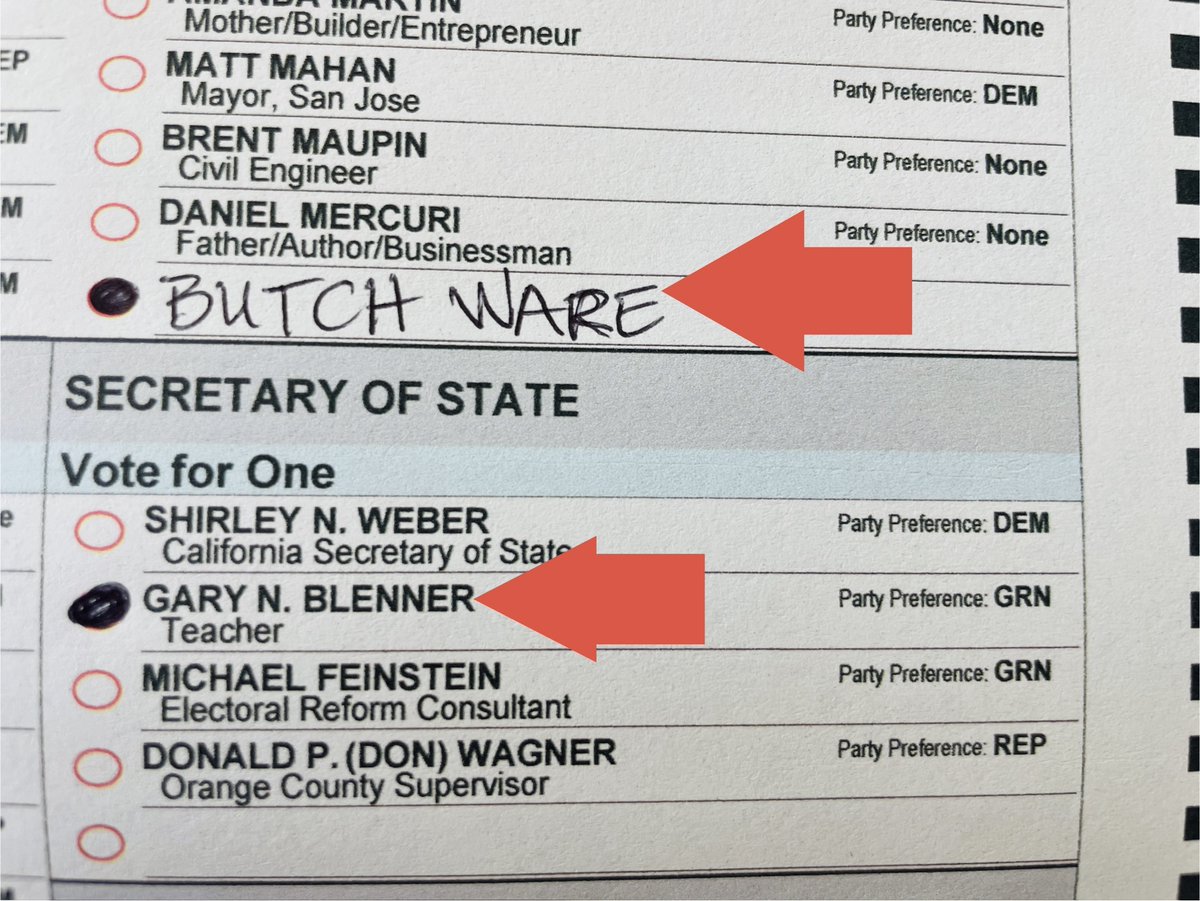
May 18

DEMOCRATS KILLED CALCARE. The other week. No republicans involved. What will it take for you to see that they don’t care?!? Go Green. That’s where all the things you used to care about are. #WriteInButchWare
2
17
35
311

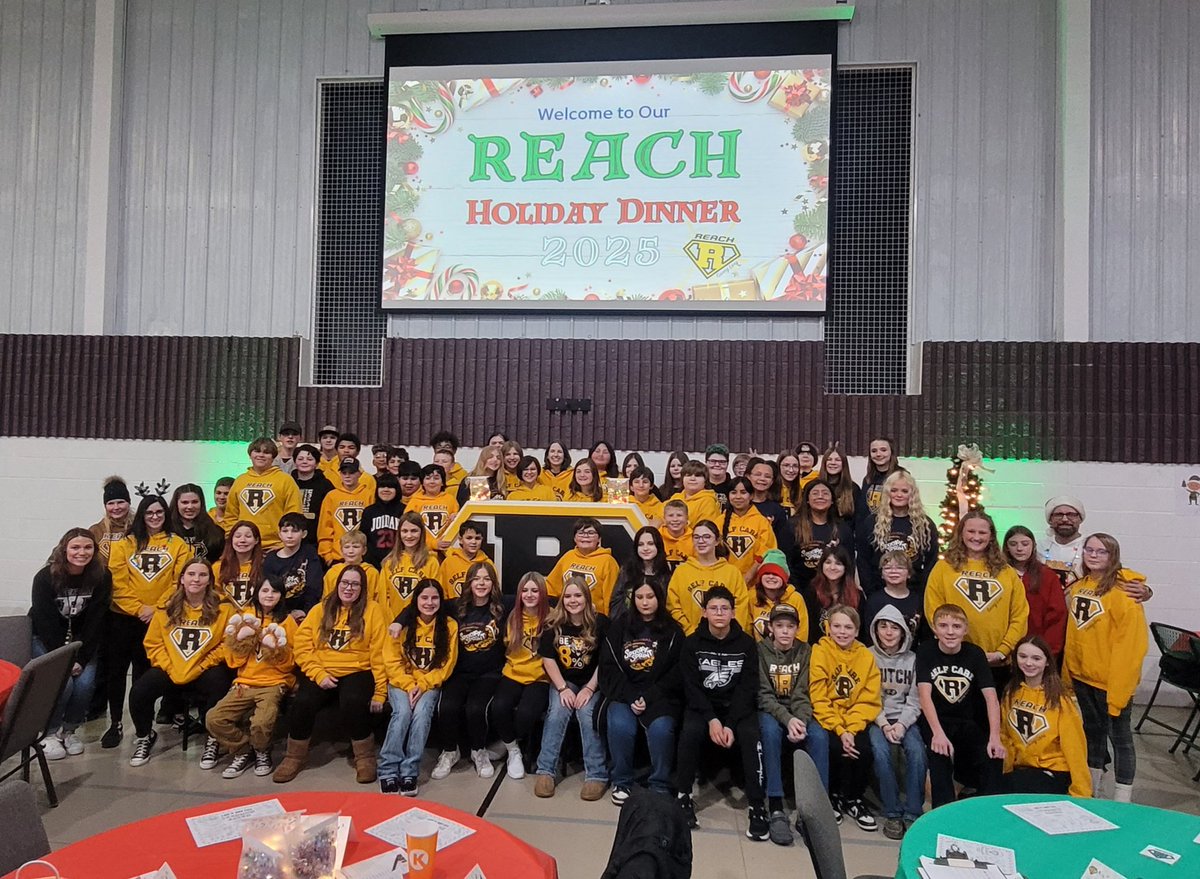

2 Sep 2025
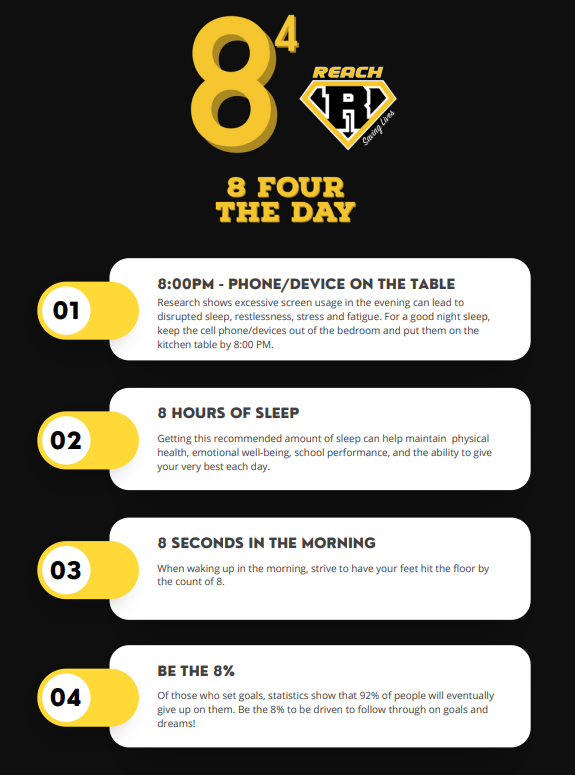
change?" Many of us delude ourselves into believing that wanting change is enough; if only! Realistically change needs effort, time, commitment & immense dedication to name but a few. Also, one of my favourite sayings is #ifnothingchangesnothingchanges Sounds so obvious but oh so
1
2
4

18 Jul 2025
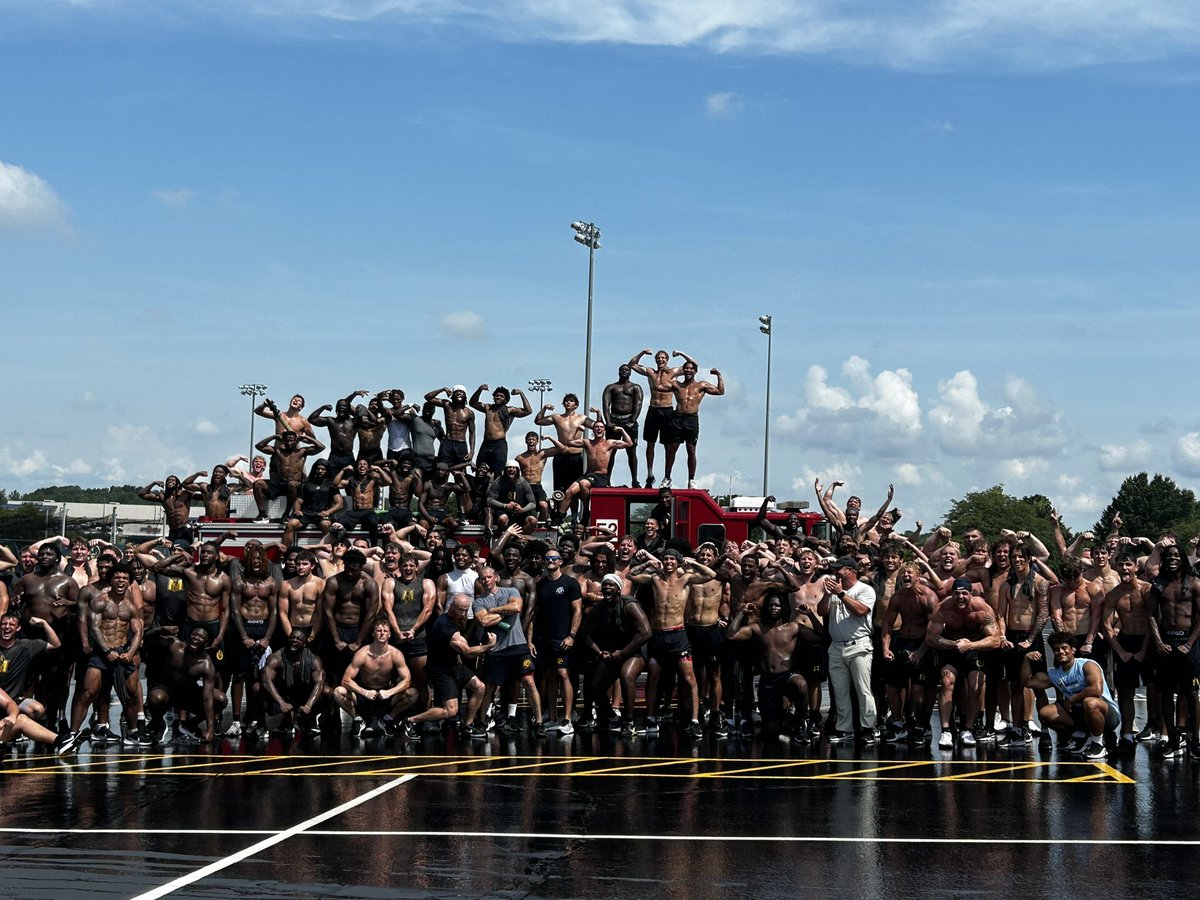
Go Racers 🏇!!!! Great Day for @racersfootball
#IfNothingChangesNothingChanges #Believe @RacerFBAlumni
13
89
5,336

10 Sep 2024
As someone who has witnessed firsthand the severe toll of addiction on individuals and families, I must emphasise that alcohol-related harm is a public health emergency of the highest order. Yet, we continue to see a lack of radical and transformative action. And by radical, I mean the simple act of actually providing detox, rehab, and aftercare services. It’s not rocket science! If we’re looking for bold change, how about just making sure people get the help they need, when they need it, and where they need it?
Policies like Minimum Unit Pricing (#MUP) have done NOTHING to bring real change to the populations suffering most from addiction. MUP hasn't addressed the heart of the issue—people’s ability to access the treatment that will truly help them achieve freedom from addiction. The biggest missed opportunity here is the failure to redirect some of the profits generated by MUP into the treatment industry. Instead, normal drinkers are unfairly taxed, while the resources to combat addiction remain woefully inadequate. This is beyond incompetent from our so called leaders.
It is nothing short of scandalous that, as recently admitted by the Minister for Health, Scotland has fewer than 140 rehab beds available for both alcohol and drug treatment. This is wholly inadequate to meet the scale of the crisis, and it’s no wonder we continue to see such devastating levels of deaths. With so many people in need of effective rehabilitation services, this shortage is a glaring failure in the country's approach to addiction recovery.
We must also take note that as these deaths continue to rise, a significant percentage of those who have died have never been in treatment. This is a critical question we need to ask ourselves: why is this? Shockingly, 4 out of 5 people who are alcohol dependent are not in treatment at all. This highlights the massive gap between those who need help and those who can actually access it, leaving many to suffer in silence without the care and support that could save their lives. Again the rich get rehab the poor get Antabuse.
Perhaps what would be truly radical is socially engineering the idea that seeking oblivion through alcohol or drugs is not a healthy or acceptable way to cope. Imagine that!
We could begin to undo the normalisation of seeking oblivion in Scotland by launching a focused, socially engineered campaign aimed at re-stigmatising harmful drug and alcohol use. Such a campaign would highlight the devastating impact—not just on individuals, but on families and communities as a whole. Now that would be truly radical. We dont have to accept this as our fate. But where are the government-funded quango's pushing for this? Give it a few years, and they might catch on—if they’re still around. (Hopefully not) lets hope the sharper ones might realise it a bit sooner!
At Faces & Voices of Recovery UK, @FAVORUK we are calling for a comprehensive national strategy that prioritises long-term recovery for all individuals affected by alcohol addiction. This must include expanding access to effective treatment options, including community & residential detox residential rehabilitation, and ensuring that no one is left behind. Alcohol is a legal, normalised substance, yet its harm is devastating—more so that any other drug and we as a compassionate society must respond accordingly.
My heart goes out to every family who has lost a loved one to alcohol. The time for change is now. We need a unified, evidence-based approach that tackles this crisis head-on, restores dignity to those in recovery, and prevents further loss of life.
I wrote this back in 2018 when my mother passed away and we began campaigning relentlessly for change. Sadly, nothing has improved since then—in fact, things have only gotten worse. Why? Because it’s the same leadership, the same so-called experts, and the same people who led us into this crisis who are still in charge.
#IfNothingChangesNothingChanges
Read about my mum here
facesandvoicesofrecoveryuk.o…
10 Sep 2024

Scottish alcohol deaths at 15-year high bbc.in/3Xmwnf6
22
83
239
20,698

11 Mar 2024
Protect the predator before protecting the child! The fox STILL protects the hen house! #IfNothingChangesNothingChanges! #changetheCULTure!
2
3
38
11 Dec 2023
MORE LONG GRASS - The consultation process for a charter of rights and a national lived experience collaborative warrants critical evaluation. As it stands, there's palpable concern that this initiative may ultimately yield little more than well-crafted rhetoric, lacking any real substantive impact. This apprehension is rooted in a familiar pattern: extended discussions and consultations that create an appearance of progress but eventually culminate in a mere statement of intent rather than concrete action. #YouKeepTalkingWeKeepDying
In 2018, Faces and Voices of Recovery UK pioneered a significant milestone with the creation of the UK Recovery Declaration of Rights. This declaration was not just a document; it was a manifestation of a comprehensive, nationwide movement. For over two years, we engaged with over 150 organisations and rallied the support of thousands of individuals, weaving together a diverse tapestry of voices and experiences from across the UK. This initiative, which you can explore in greater detail here, stands as a testament to our commitment to inclusivity and collaborative effort.
facesandvoicesofrecoveryuk.o…
As we embark on the development of this new charter of rights, this time a purley Scottish variant, there are major concerns about its purpose, potential impact and reach. The apprehension stems from the fact that this new charter, unlike our previous endeavors, is being primarily driven by the civil service, rather than being led by those with #livedexperience. The difference in leadership and approach raises questions about the charter’s ability to match the scope and reach of our 2018 declaration.
The UK Recovery Declaration of Rights was a product of grassroots involvement and genuine engagement with the recovery and treatment community, ensuring that it resonated deeply with the needs and aspirations of those it sought to represent. In contrast, the new charter, being steered more by civil service directives, wont encapsulate the same level of depth and breadth. Such a top-down approach will be missing the invaluable insights and inputs that only those with lived experience can provide. Even if lived experience are “consulted” the are passengers on a a bus they aren’t steering the bus when Scot Gov is driving it.
Reflecting on a pivotal moment in 2021, when I decisively walked out of a meeting with Scottish Government civil servants, I wish to elucidate the reasons behind such a drastic action. Over an extensive period of 11 months, which involved over 600 email communications with various civil servants, including top-level officials, our team diligently worked to develop comprehensive business plans, detailed proposals outlining aims and objectives, job descriptions, and costings for a national lived experience collaborative, we had first suggested the idea for one in 2019 in our report to government called Working together to challenge stigma and save lives. You can see it here facesandvoicesofrecoveryuk.o…
However, the relationship with scot gov developed the process increasingly felt like a mere bureaucratic exercise, a fishing expedition from the civil servants devoid of the collaborative spirit necessary for effecting genuine change. We were reassured many times to “trust us and be patient.” I foolishly did so.
This process eventually culminated in the moment I chose to walk out of the meeting, a decision that symbolised my profound frustration. The breaking point came when, after contributing so significantly to this initiative, the very idea of which we had recommended creating in 2019 in our report, they insensitively offered FAVORUK mere expenses (bus fares etc) to participate in a project that we had essentially conceived, nurtured, developed and brought into vision.
Over two years have since passed, a duration that in itself is startling. It’s disconcerting to acknowledge that the blueprint for an effective collaborative, which we provided over two and a half years ago, is still struggling to materialise. What I fear is unfolding is the development of a 'watered-down' version of what a truly impactful lived experience collaborative could be. The comprehensive and insightful strategies we provided risk being diluted into a less effective form, one that is shaped more by bureaucratic expediency & the usual suspects than by the genuine needs and experiences of the individuals it is intended to serve.
More importantly, the involvement of individuals with lived experience, while valuable, risks being manipulated into a façade of participation rather than being a genuine, influential voice in policy-making. The current policy architects and actors, most of whom contributed to the existing crisis in the sector, are still here and again at the helm, raising questions about any actual potential for real change. I and many others find it deeply disconcerting to witness senior members of the recovery community, especially those working in treatment services, being prominently featured in photographs as a way to lend credibility and substance to what is claimed to be engagement efforts.
In summary, what I see here is another exercise in superficial engagement. What is needed is a commitment to learning from past initiatives and genuinely incorporating the genuine authentic leadership, insights and expertise of those with lived experience, & others to ensure that the resulting policies are both effective and reflective of the real needs of those they aim to serve. #IFNothingChangesNothingChanges
11 Dec 2023

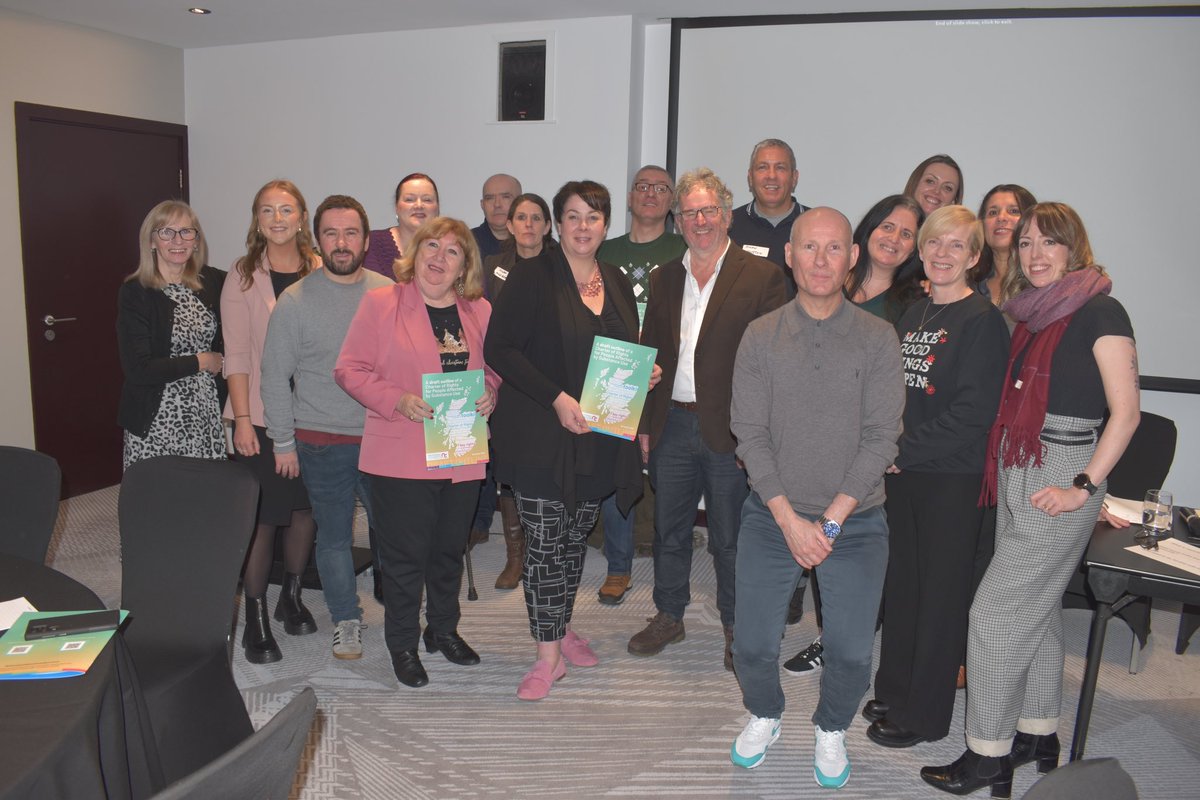
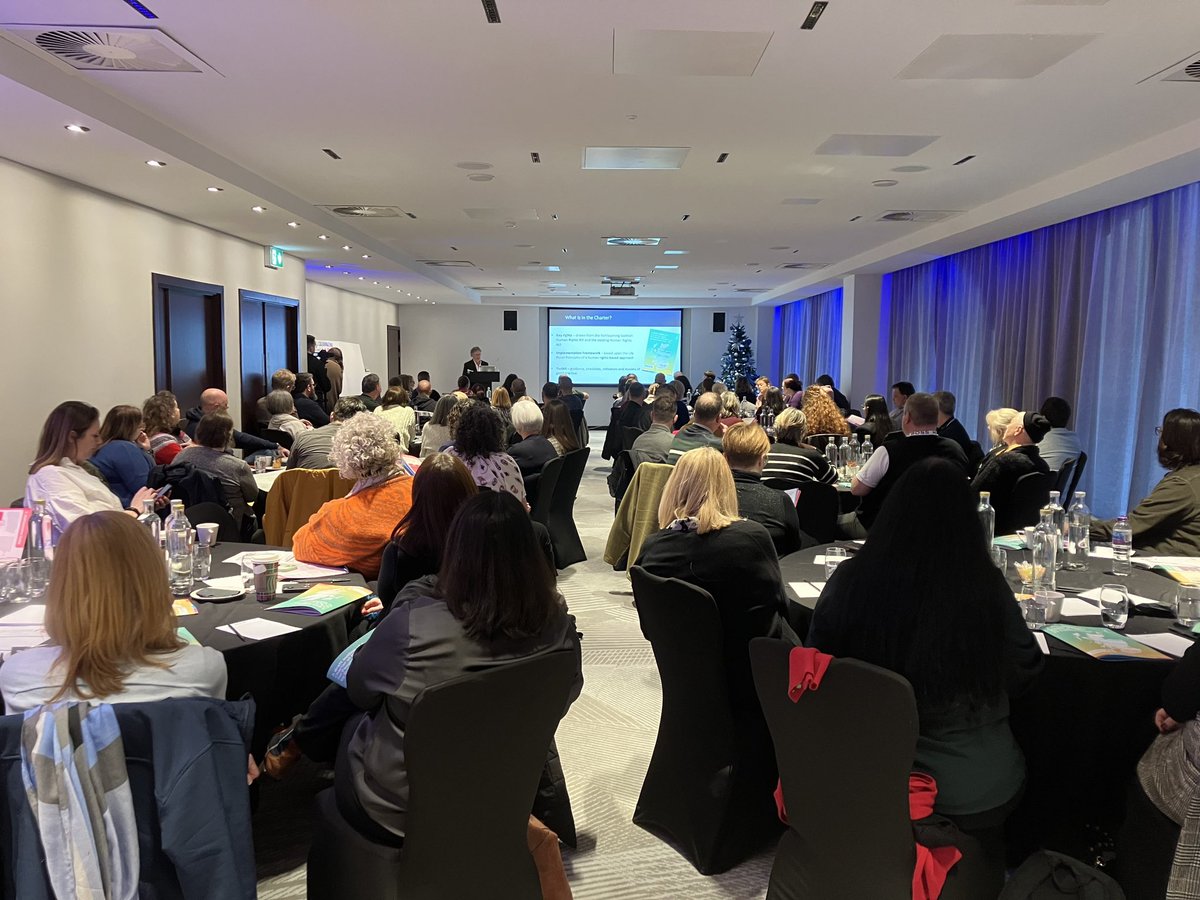
National Collaborative launches the draft Charter of Rights for people affected by substance use!
Informed by people in Scotland, the draft Charter is now open for consultation - share your views and opinions on how it should develop further @scotgovhealth @ElenaWhitham.
7
19
39
11,188

20 Nov 2023
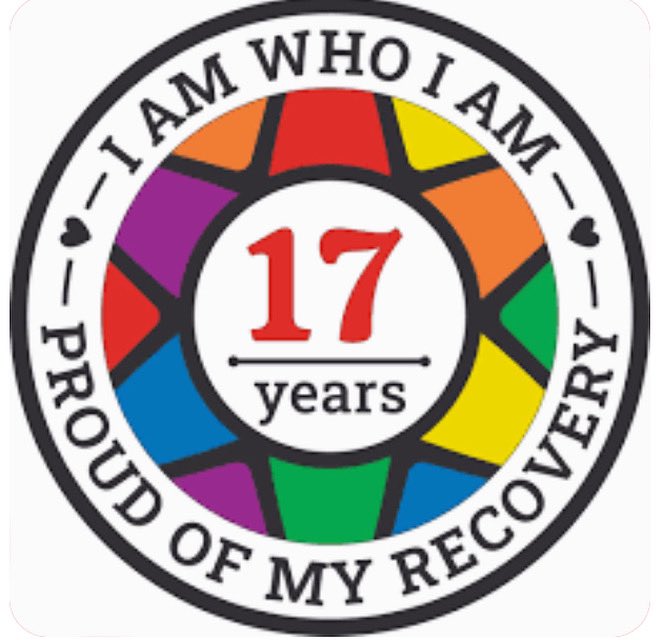
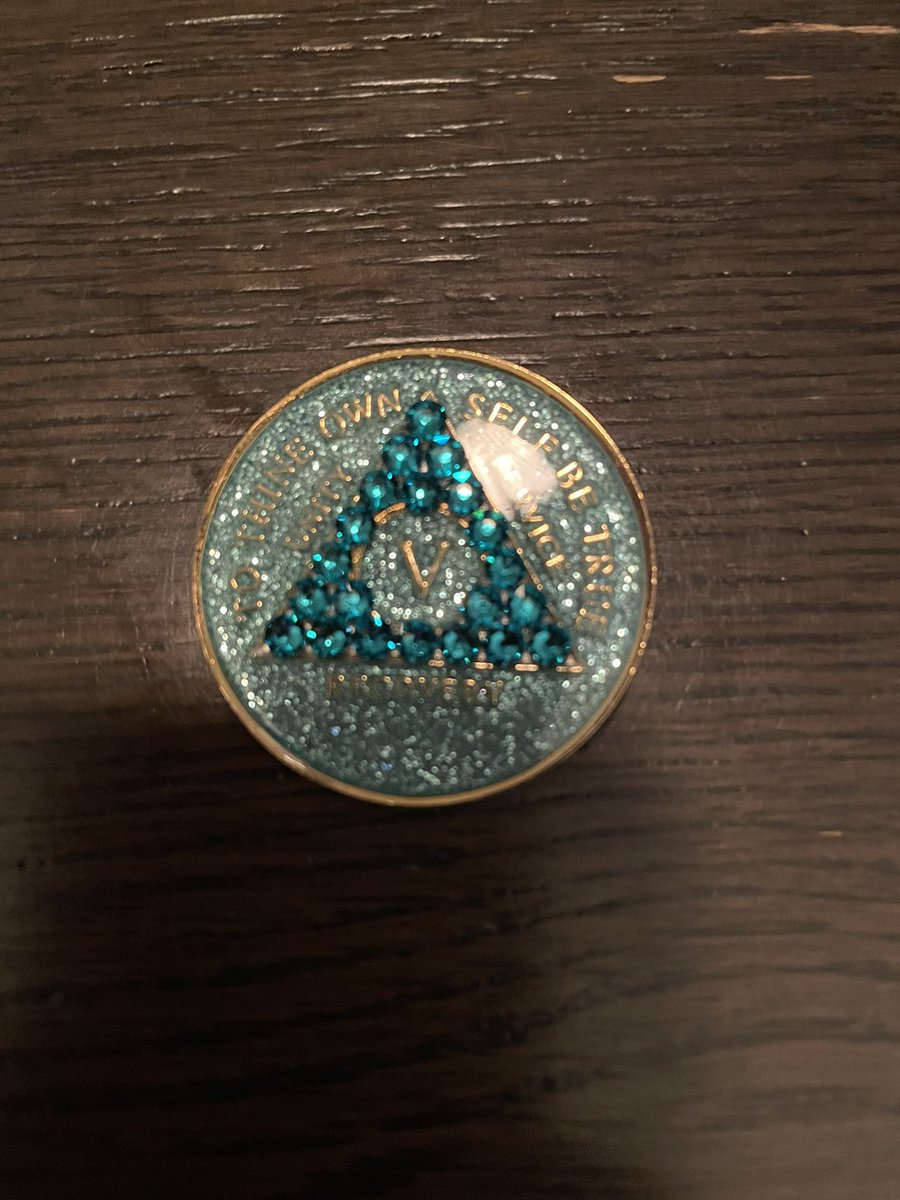
November 17 I celebrate my son @JonnyThomson17 birthday. It was on this day 17 years ago I surrendered to my sickness. To everyone in recovery one day at a time and to those suffering I hope you find your peace and strength. #ifnothingchangesnothingchanges #🙏☮️💪
4
2
47
4,724


13 Jul 2023
All heritage organisations should read this report about what orgs are *really* doing(/not doing) to promote genuine èquality in & through their work rather than what they *think* they're doing #IfNothingChangesNothingChanges @ManchesterMaya @MuseumsAssoc
racearchive.org.uk/download/…
10
22
4,473



15 May 2023
🙄 4 years and $6 million later...
The Russia Collusion investigation shouldn't have happened, @Comey ended his career as a partisan lapdog sellout, and NO criminal charges filed 👍👍🤦♀️🤣😂🤣
#IfNothingChangesNothingChanges
7
3
22
462

24 Jan 2023
Paralysed. Same experts & quangos that got us into this mess & continue to oversee it, still at the helm. There is no desire to change course from the Gov is there?
Same tired talking points & lip service every time. 😢
#Ifnothingchangesnothingchanges standard.co.uk/news/politics…
This tweet is unavailable
3
10
2,550
8 Jan 2023
I never shared that confidence, same people, same leadership, same crisis, same pretend solutions, same pretend focus on new long grass groups/colabs much
better spin though, #PolitcalFootball #IfNothingChangesNothingChanges
1
2
5
362

8 Jan 2023
Miami after 20 years of the same nothing in the ACC... over and over and over again!!! #IfNothingChangesNothingChanges 🤣😤
This tweet is unavailable
3
1
8
1,269
22 Dec 2022
This resonated very deeply ! Until this dynamic changes we will get more of the same. #IfNothingChangesNothingChanges #DrugDeaths #addiction #NotaChoice @Prev_Justice
This tweet is unavailable
1
3
8
1,566
29 Sep 2022
This is exactly the truth of the addiction sector & main cause of the inertia & lack of progress #IfNothingChangesNothingChanges #Drugdeaths #GamesABoggy The mans in the lobby. robinmcalpine.org/why-does-n…
3
16 Jul 2022
Doubt it but no doubt she will be speaking to the press that day saying the usual platitudes from the many communication experts employed at @scotgov but she’s changed nothing from a leadership or practice perspective. #IfNothingChangesNothingChanges
1
8
23 Jun 2022
Fighting talk John 🙌 Thats the problem, there are no consequences for these failing services. They act with impunity. Alwyas have, always will. #IfNothingChangesNothingChanges
1
2