
Ljcbell retweeted

Australian High Court rejects Labor government’s demand for immunity for illegal detentions
#auspol
wsws.org/en/articles/2026/06…
4
5
26
PassionGoods retweeted

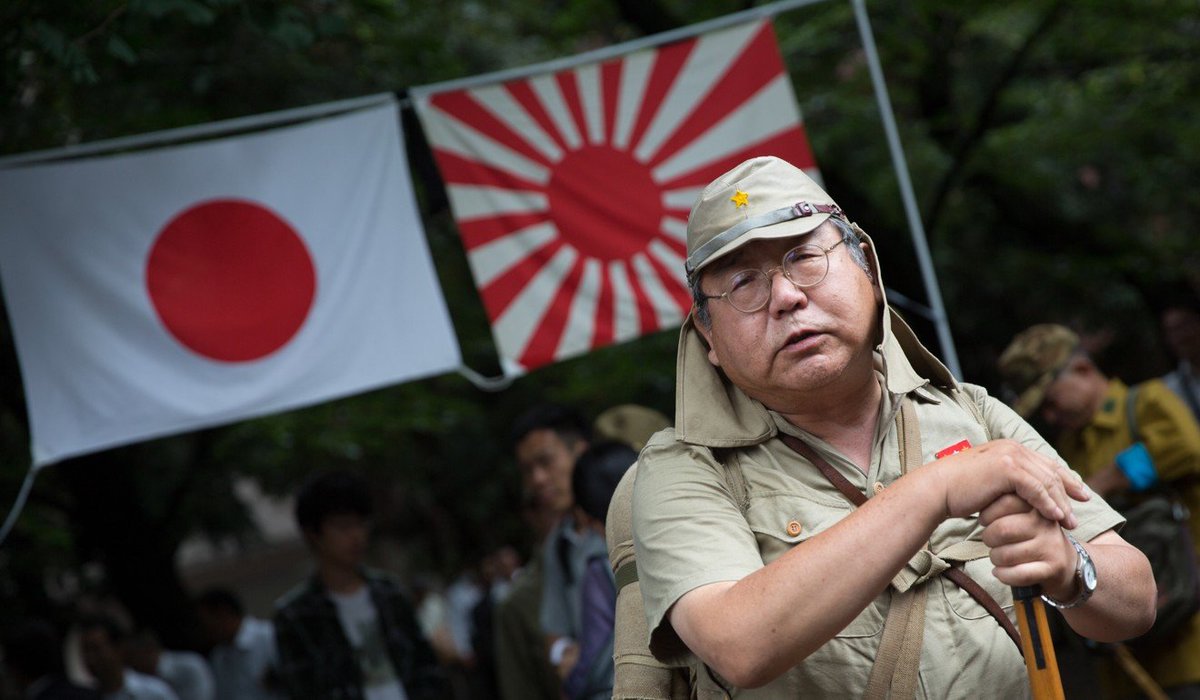
🇯🇵🇺🇸 Japan ran Unit 731’s human death labs on Chinese soil: the US then gave its scientists immunity for the data instead of justice 🇨🇳
A two-part documentary from CNA Insider released on YouTube earlier this month and it does something most Unit 731 coverage doesn’t. It pairs the full record of what happened inside the facility with the post-war American deal that let the men who ran it walk free.
The series is called Inside Unit 731: Japan’s Secret Human Experiments. Part 1 covers the death lab itself at Pingfang, near Harbin. Part 2 covers what happened after Japan surrendered.
The central figure is Hideo Shimizu. He’s in his mid-90s now. He was a 14-year-old recruit when he arrived in early 1945. In this documentary he goes further than he has before, exploring the scale of the complex, the prisoners referred to as “maruta”, the pathogen experiments where infection was effectively a death sentence and the orders to destroy evidence as Soviet forces closed in. He goes back to the Harbin ruins on camera.
Part 1 documents the experiments in detail. Deliberate infection with plague, anthrax and cholera. Open-air tests at Anda, vivisections, field deployments against Chinese civilians, one documented operation in Quzhou in 1940 used plague-infected fleas and killed thousands. There is testimony from Chinese survivors, it also covers the unit’s Singapore branch, which bred fleas specifically for those attacks.
Part 2 is the harder watch. After 1945, the United States offered Shiro Ishii and the core scientists full immunity from war crimes prosecution. In exchange, they handed over the human experiment data. US officials knew exactly how that data was produced, it fed directly into American biological weapons programmes. The men involved largely avoided the Tokyo Trials and returned to senior positions in Japanese medicine and academia.
The only prosecution that actually happened was the Soviet trial at Khabarovsk in 1949. Twelve men were convicted. The documentary also examines evidence that some Allied POWs may have been used in experiments and the families who are still piecing together what happened through diaries and declassified files.
Eighty years on, this is not a closed chapter. Witnesses like Shimizu are still alive to speak. Declassified records keep confirming the terms of the deal. The victims were overwhelmingly Chinese, on Chinese soil. Western accounts have generally treated Unit 731 as a footnote to the Pacific War or a lesser footnote to Nuremberg. This series refuses that framing.
What it shows is the structural logic: after 1945, great power competition rewarded whoever could supply useful data. China carried the dead and the lasting damage. The men whose work produced that data got protection.
If accountability applied consistently, Unit 731 would sit alongside the Nazi medical experiments in every serious historical treatment. It doesn’t. The question is why power still determines whose dead get remembered and whose get forgotten.
Worth watching.
Watch part 1 and 2 in the thread below.
30
308
684
18,141

tayo🏌 retweeted

Not even the power grid could grant bro immunity 😭💀
70
308
382
3,545
RD retweeted

16 Nov 2024
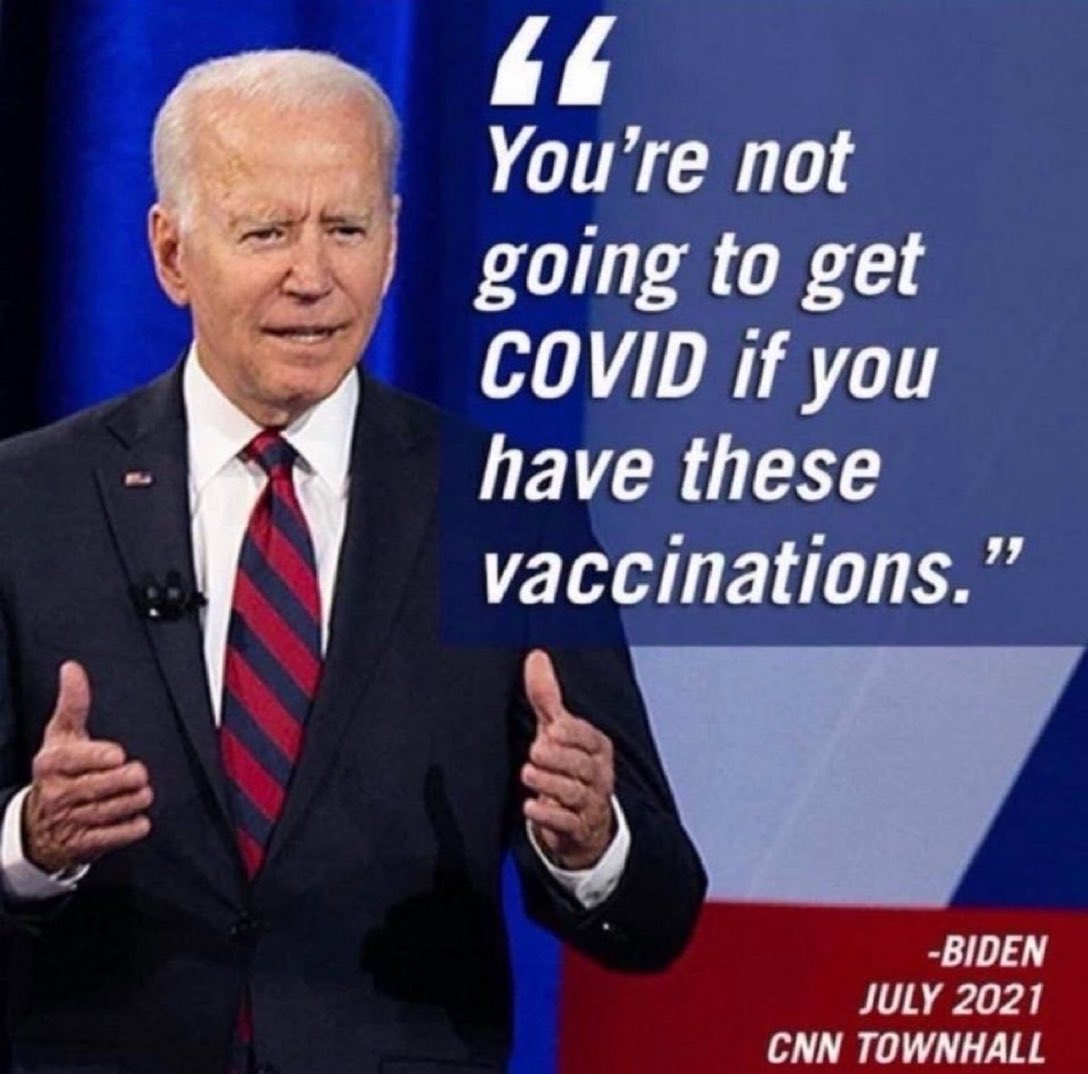
The more vaccines you get, the worse your immunity got
Joe Biden & Anthony Fauci got Covid multiple times despite being jabbed multiple times
1
2
5
407

The summer solstice approaches — nature at its peak. 🌞 Your energy and immunity should be too. Green Propolis, Royal Jelly, Red Propolis — all for…
propolis-health.com/products…


This is where the insulation of government offices for people like Fauci and Pelosi needs to be penetrated with common sense and they should be prosecuted to the fullest extent of the law.
Any immunity allowed for them corrodes the validity of law.
1
Sherry retweeted

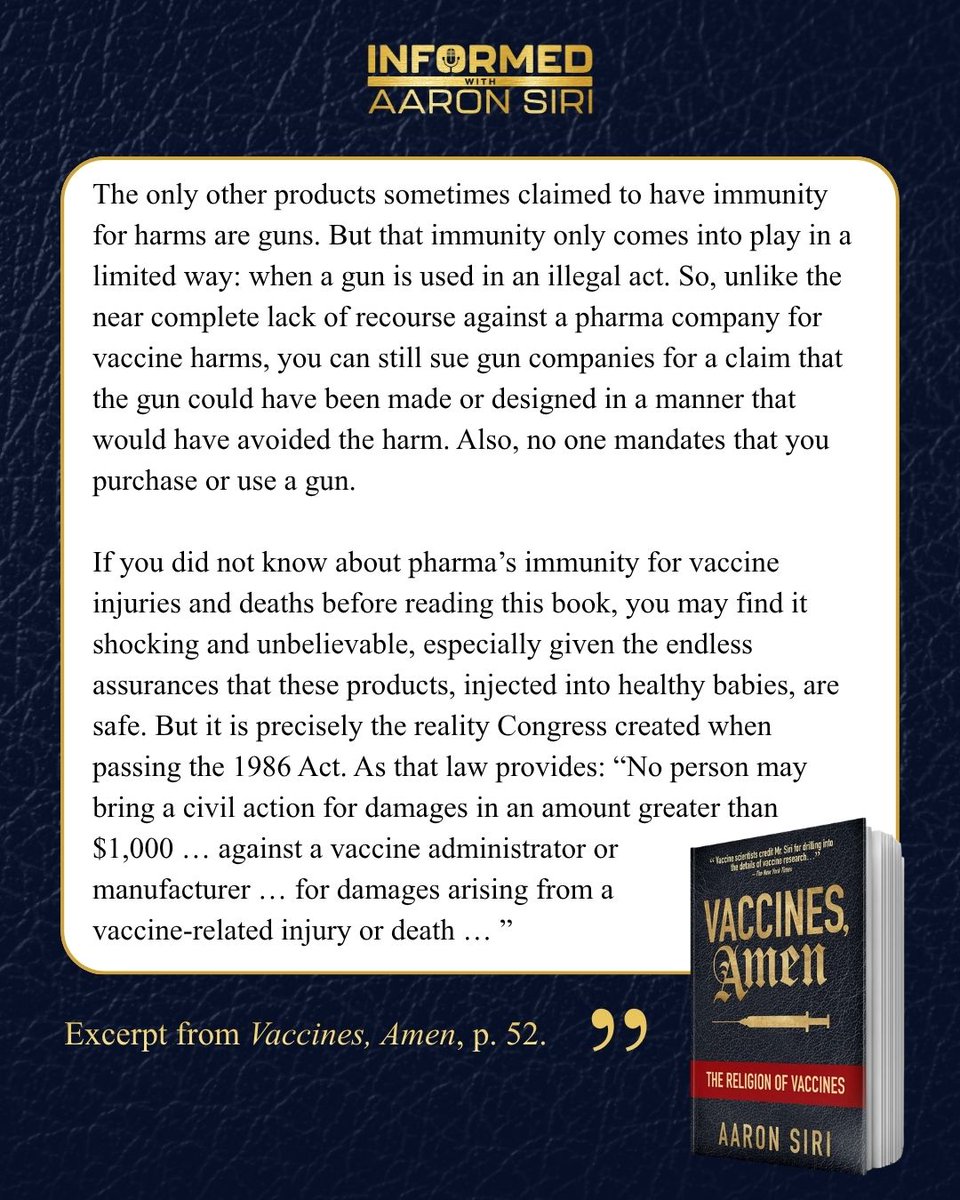
I also want to make clear that the immunity enjoyed by vaccines is unique. There is no other consumer product that has the immunity enjoyed by pharma companies for vaccine harms.
31
273
815
9,002

This will blow your mind
Is it crime for an IAS officer to take a bribe to move a file?
YES
Is it crime for an MP to take a bribe to vote against a no confidence motion in Lok Sabha?
NO
Surprised? Don't be.
You see, MPs are protected by Parliamentary immunity. They cannot be prosecuted for speeches or votes inside the House, even if they have taken bribes for it.
Now you might ask: Has this happened?
Did any liberal party ever use this loophole to openly bribe MPs and win no confidence vote in Lok Sabha? And did Supreme Court set them free because MPs who take bribes have "Parliamentary immunity"?
I don't know ... ask senior journalists who remember the old days.
Btw, MPs taking bribes is no longer legal now. Supreme Court finally made it illegal in 2024. You know, after PM Modi came to power and supposedly destroyed all the "institutions" that liberals are so proud of...
2
105

To think President Trump wanted to give the producers of that product immunity in the Farm Bill! Some conservative representatives actually voted against Anna Luna’s amendment to take it out!


He’s not royal but sadly royal adjacent. No doubt thought he had the immunity of the royals and did what he did.
1

Election petition will be decided after 5-10 yrs.
It will be an academic victory then.
Since judiciary knows this it could have heard Natarajan's case
ECI is compromised ; SC should have given a one-time exception to Constitutional point on ECI- who has immunity from prosecution
2

They have immunity under the good Samaritan law. Why do you speak confidently on a subjects you are dead wrong about? Retard
