
Truth, Liberty, Freedom, Rights, Memes, Humor, Peace matters more than ever in the world now. CBDCs are evil. Bitcoin is money. Blockchain & Crypto enthusiast.
Joined June 2009
- Tweets 186,167
- Following 529
- Followers 60,112
- Likes 66,759
107,279 Photos and videos

Pinned Tweet
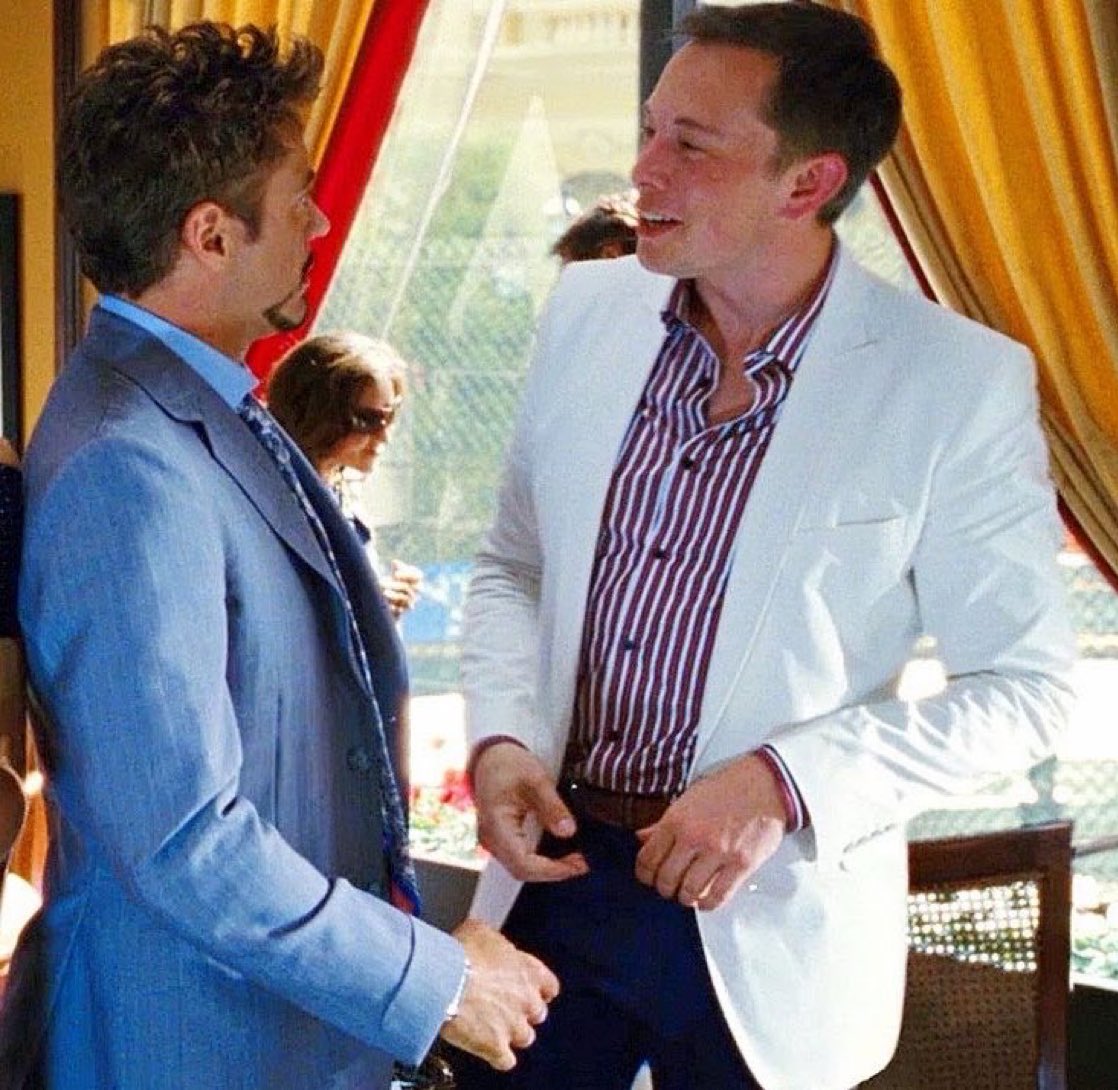
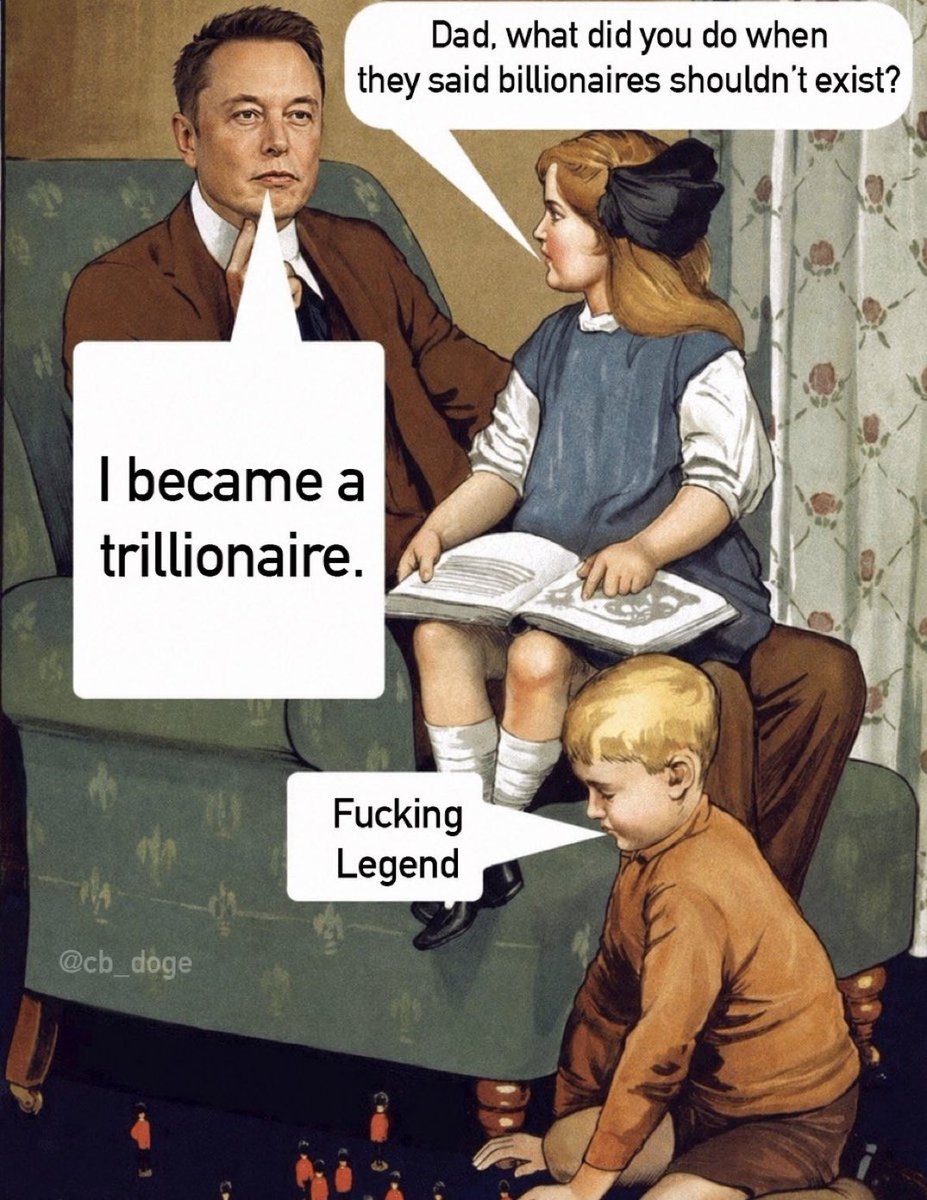
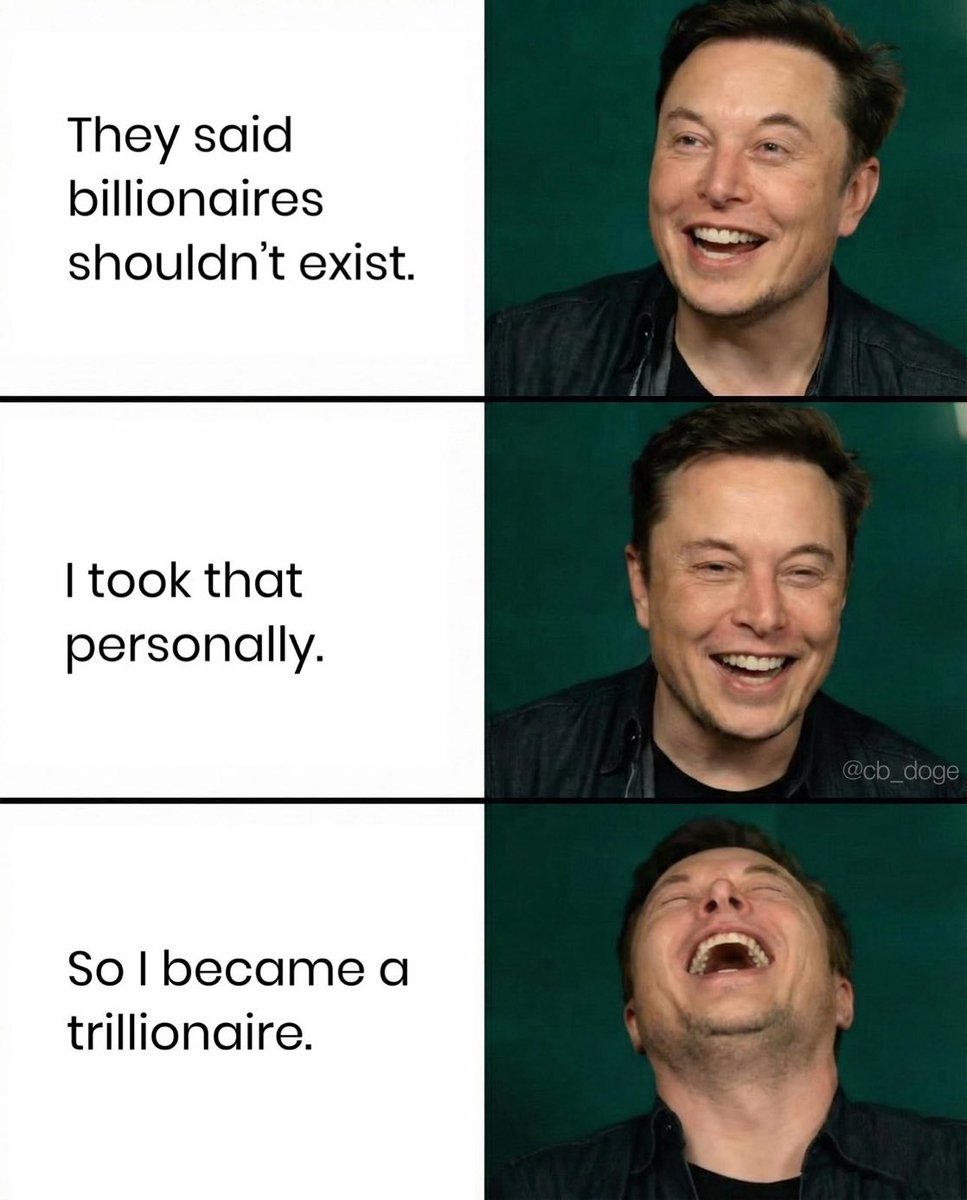
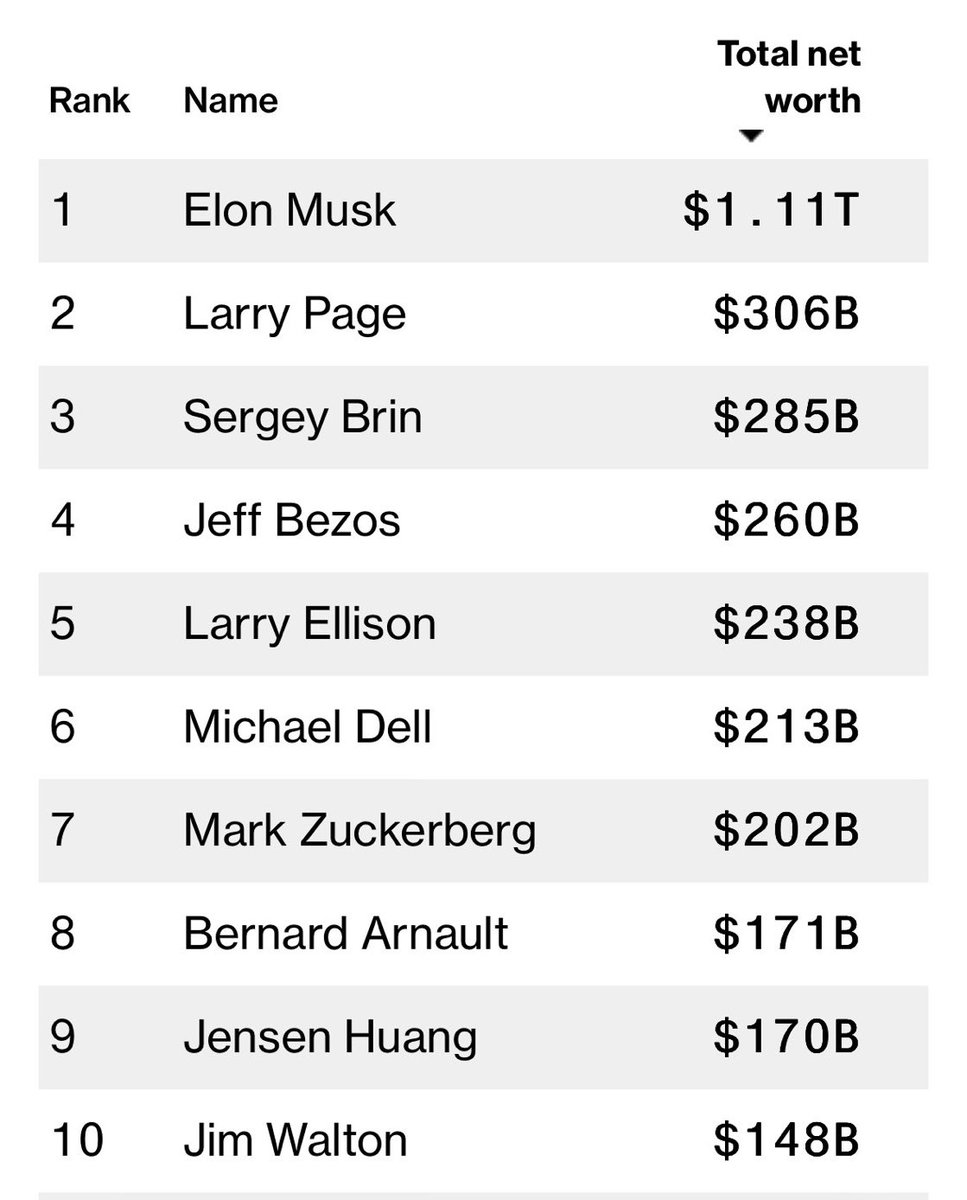
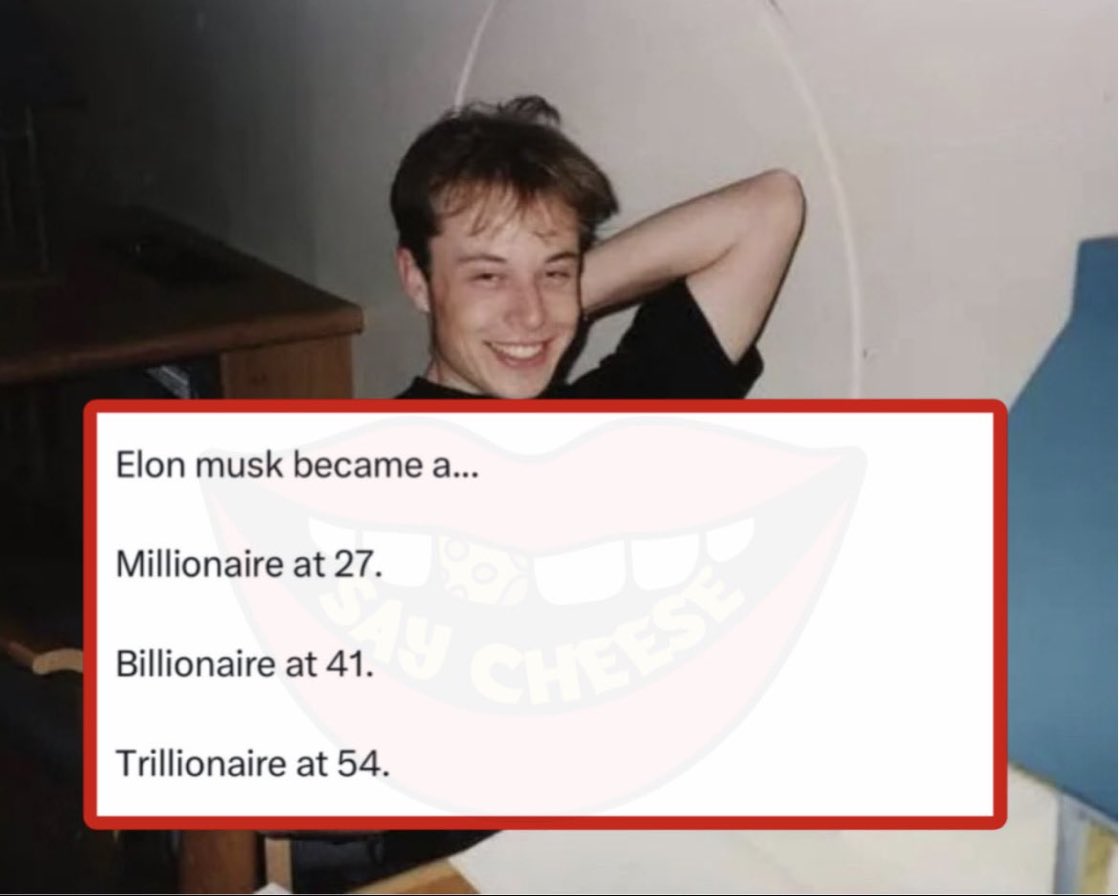
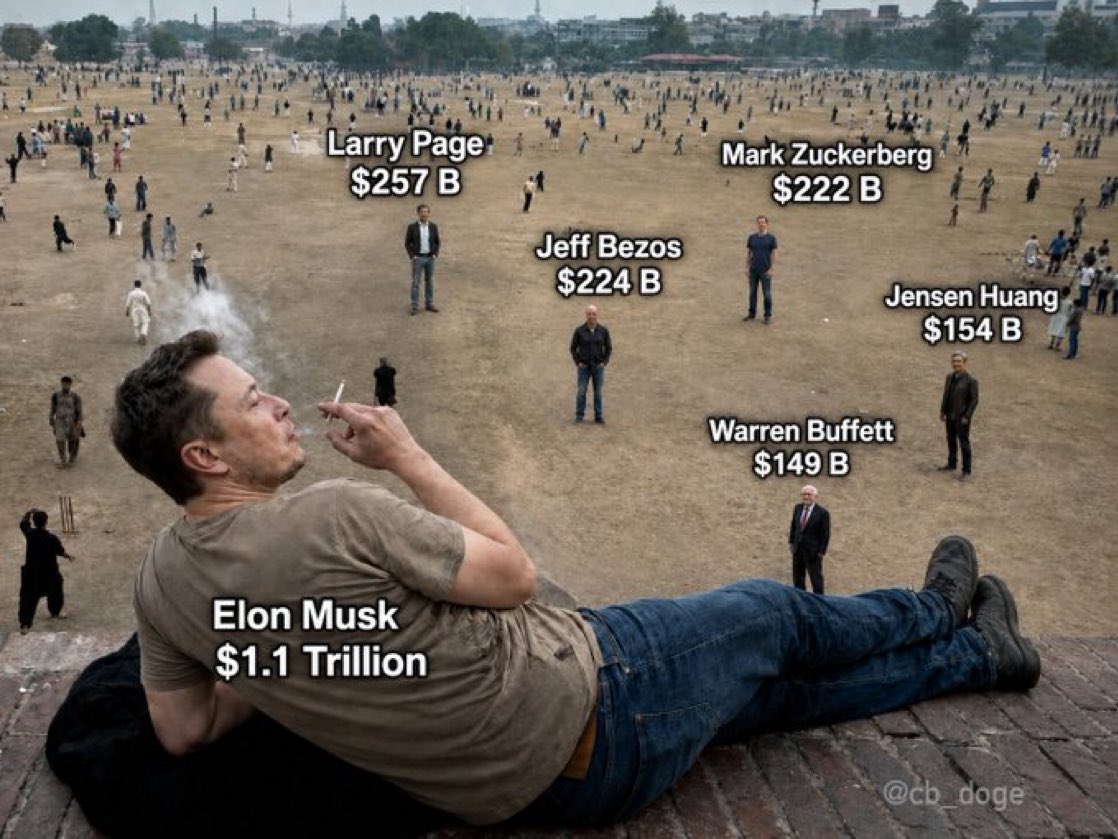
No one else in the world deserves more to be a trillionaire than Elon Musk
His conviction, hard work, grit, persistence, perseverance, sleeping in a little bunker, and late nights on factory floors paid off
Welcome to the trillionaires club Elon Musk
Clip: @stats_feed
8
35
161
29,147
SPACEX $SPCX MADE ITS HISTORIC IPO TODAY
ELON MUSK BECAME THE FIRST TRILLIONAIRE IN THE WORLD… AND HE CREATED OVER 4400 MILLIONAIRES AND OVER 400 PEOPLE WORTH OVER $100 MILLION AND MORE BILLIONAIRES
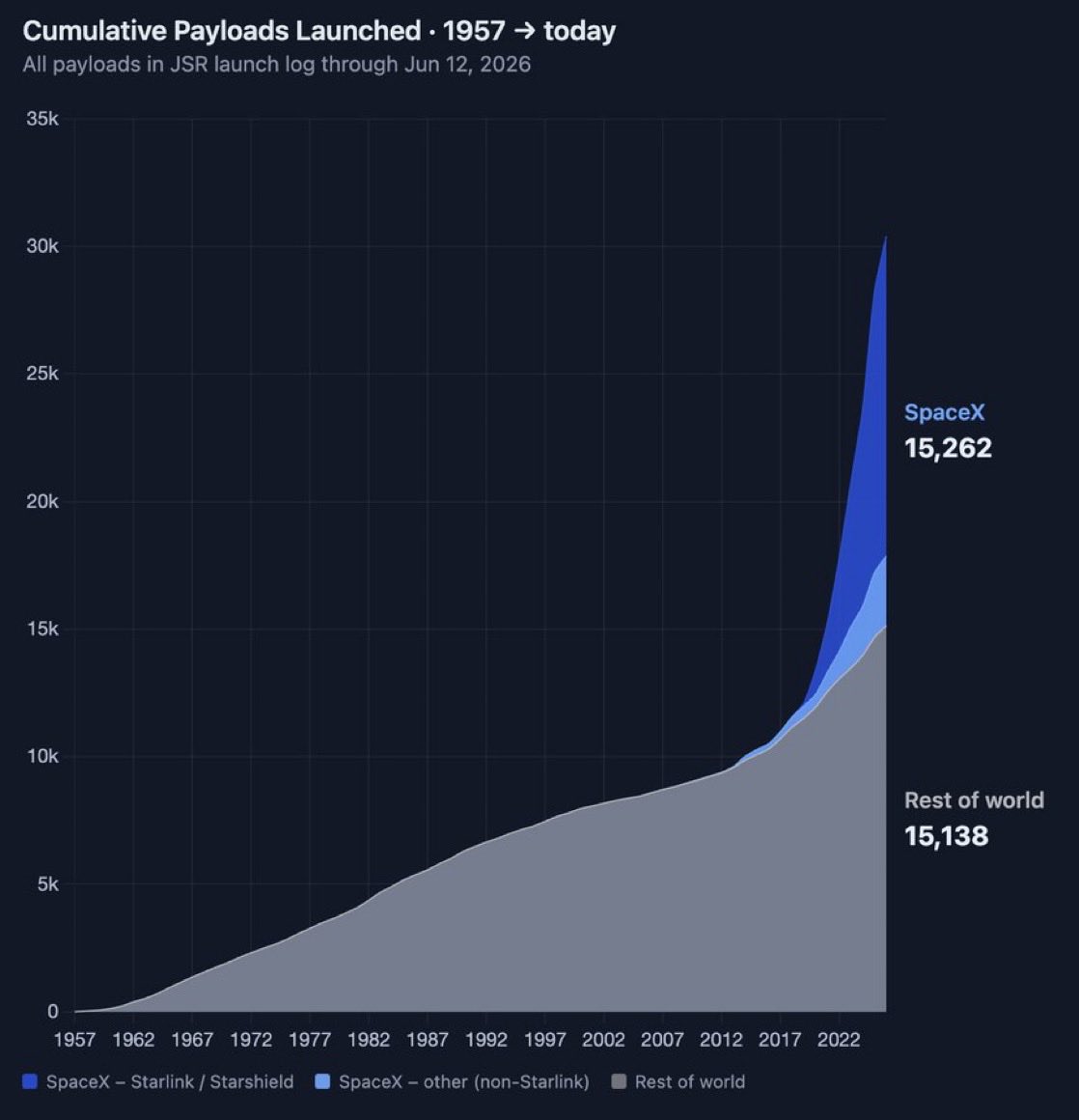
In 2002, Elon Musk founded Space Exploration Technologies (SpaceX) with a singular, audacious vision: to make humanity multi-planetary by slashing the cost of space travel and ultimately colonizing Mars. Armed with significant personal capital from his PayPal exit, Musk assembled a small team in El Segundo, California, and bet everything on reusable rocket technology. The early years were brutal. Three consecutive Falcon 1 launch failures between 2006 and 2008 brought the company to the brink of bankruptcy. Yet on September 28, 2008, the fourth Falcon 1 flight succeeded, becoming the first privately developed liquid-fueled rocket to reach orbit. This triumph secured vital NASA contracts, validated reusable rocketry, and ignited a revolution that would challenge government-dominated spaceflight for decades.
SpaceX’s ascent accelerated dramatically with the reusable Falcon 9, which landed boosters like something out of science fiction, the Dragon spacecraft that resupplied the International Space Station, and the Starlink satellite constellation that brought high-speed internet to millions worldwide. Starship development pushed the boundaries further, aiming for Mars missions and beyond. Private valuations exploded from the modest $27 million level in 2002 to over a trillion dollars, fueled by relentless innovation, record launch cadence, and massive government and commercial contracts. This momentum culminated in one of the most anticipated events in financial history: SpaceX’s IPO on June 12, 2026. Priced at $135 per share, the offering raised a record-breaking $75 billion by selling 555.6 million shares on Nasdaq under the ticker SPCX, initially valuing the company at approximately $1.77 trillion—making it the largest IPO ever. Shares surged nearly 20% on debut day, closing around $161 and pushing the valuation above $2 trillion.
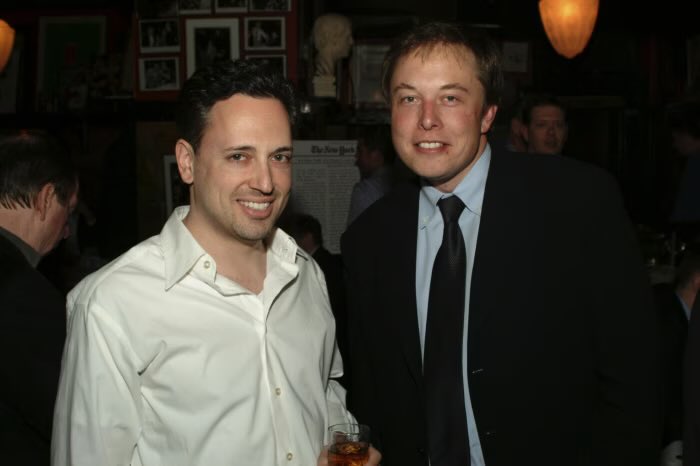
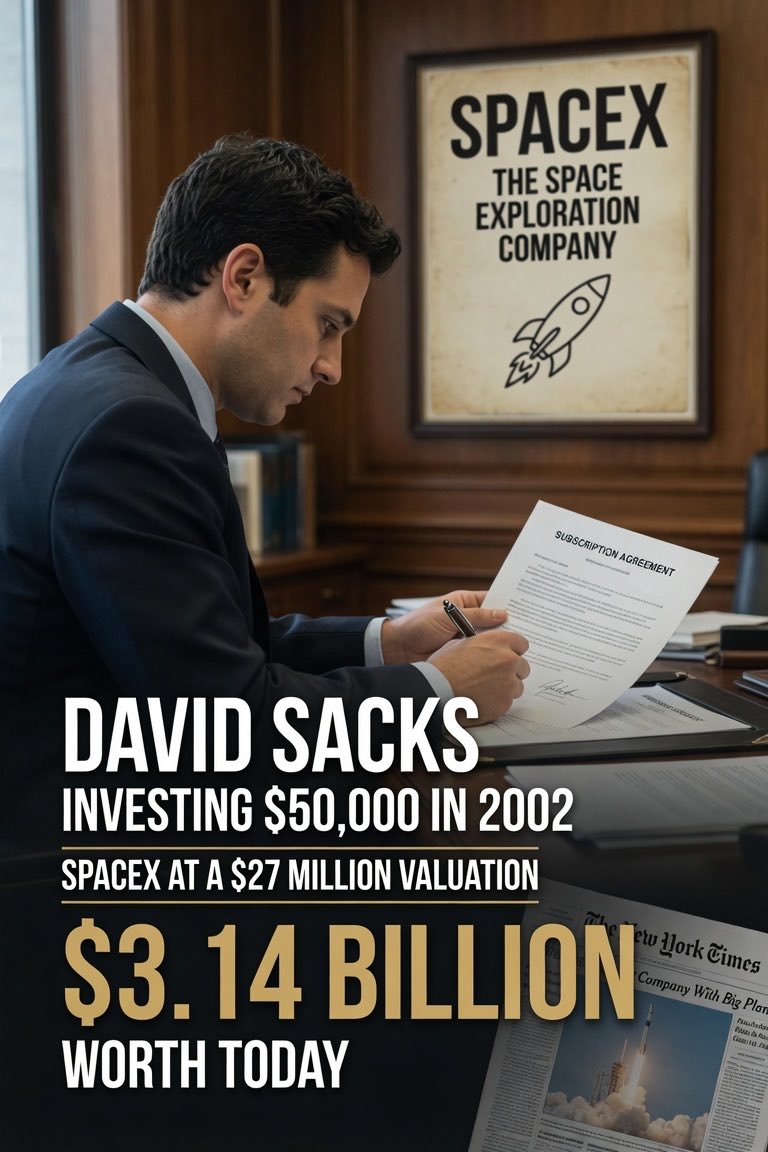
Beyond Elon Musk becoming the world’s first trillionaire, the IPO created unprecedented wealth across the ecosystem, minting thousands of new millionaires and multiple new billionaires. More than 4,400 current and former employees—from engineers and executives to welders and even cafeteria workers who traded lower salaries for equity—stood to become millionaires, with roughly 400 expected to reach $100 million or more. Early backers and key figures also saw life-changing gains. One striking example is David Sacks, the PayPal co-founder and investor who wrote a $50,000 check in 2002 at SpaceX’s $27 million valuation; that stake is now worth approximately $3.14 billion. This historic liquidity event rewarded risk-takers at every level, transforming ordinary contributors into multimillionaires and underscoring how bold innovation paired with employee ownership can generate extraordinary, broad-based prosperity on a scale rarely seen in modern business.
A continued thread on Elon Musk👇
8
49
183
30,101
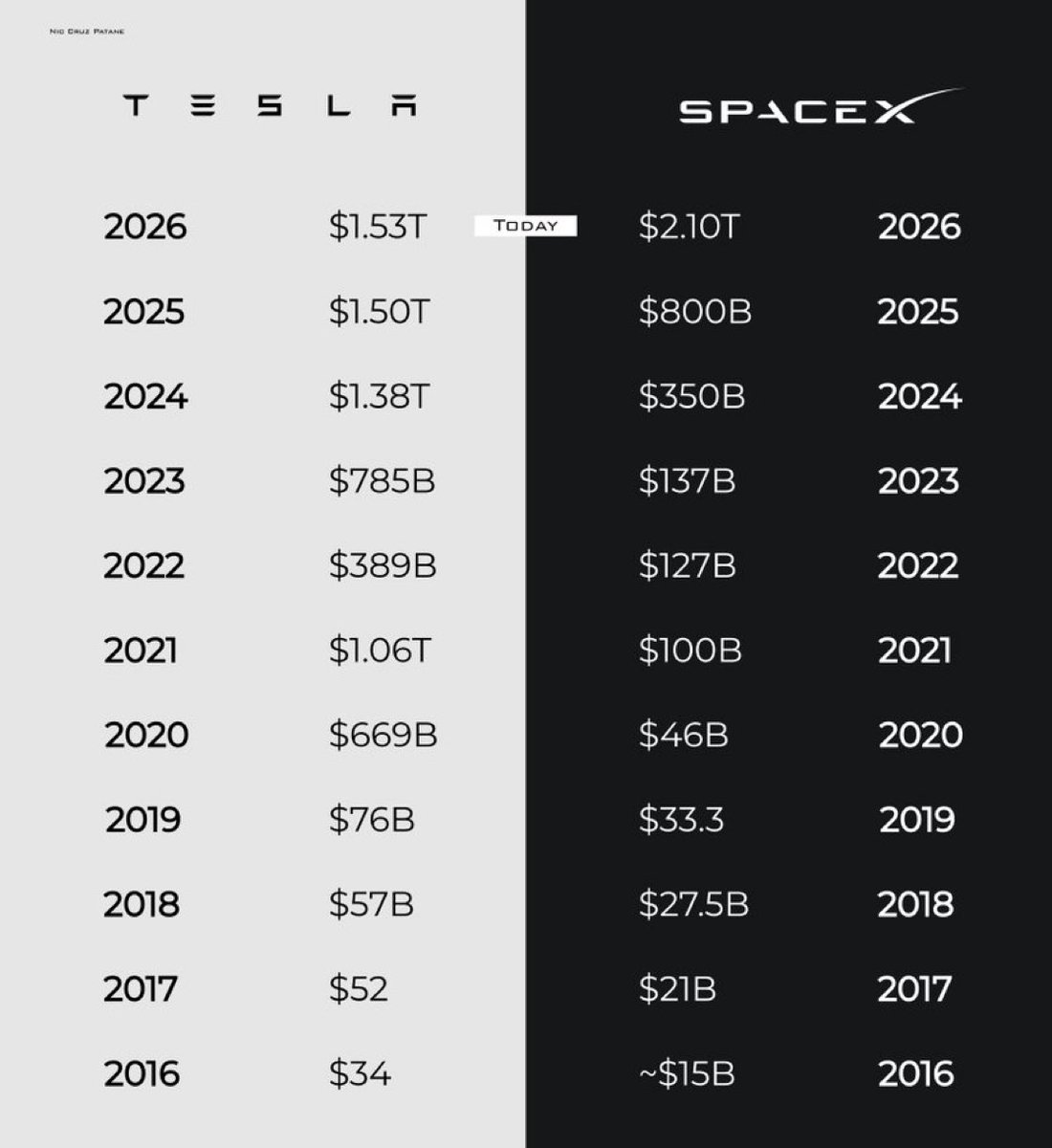
Tesla & SpaceX growth charts from 2016-2026
Imagine the possibilities when both Tesla and SpaceX combine forces to create the biggest AI moat on Earth and in Space
Pic: @niccruzpatane
1
2
166

10 Dec 2025
Great videos thread #25
The dog snitches on the little girl 😂😂
5
10
54
19,603
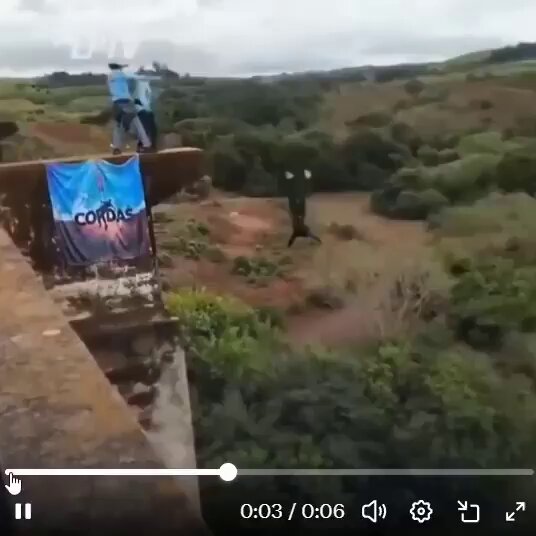
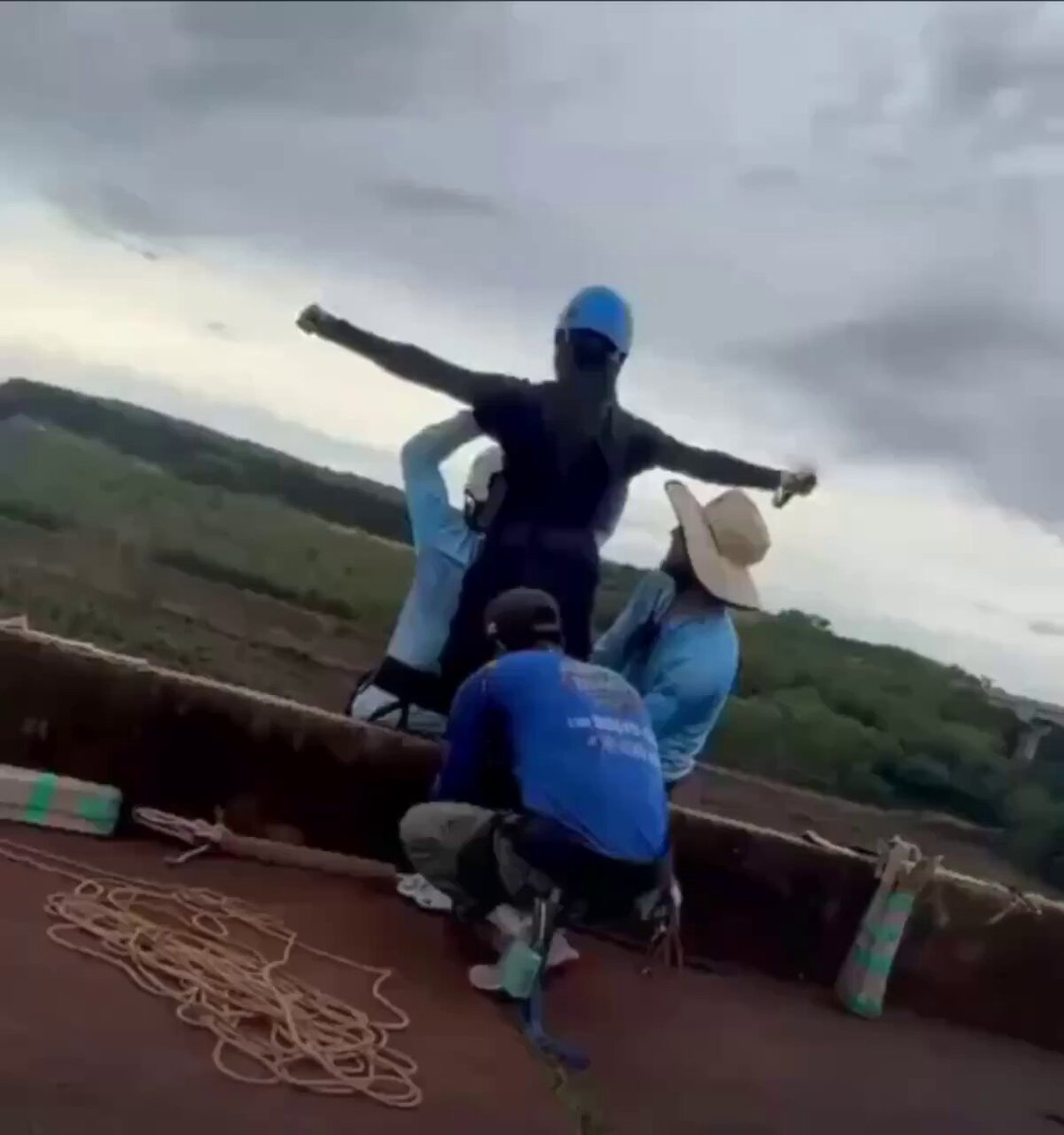
In a shocking tragedy that unfolded today in Limeira, Brazil, a 21-year-old woman lost her life when organizers of a bungee jumping event at the Ponte do Esqueleto — known locally as the Skeleton Bridge — failed to attach her safety cord before throwing her from the 40-meter-high structure.
Here’s the clip from another angle
1
11
60,656
Kids are so funny 😂🤣😂🤣
A thread #108 of funny memes & clips👇
3
7
38
4,486

1 Dec 2025
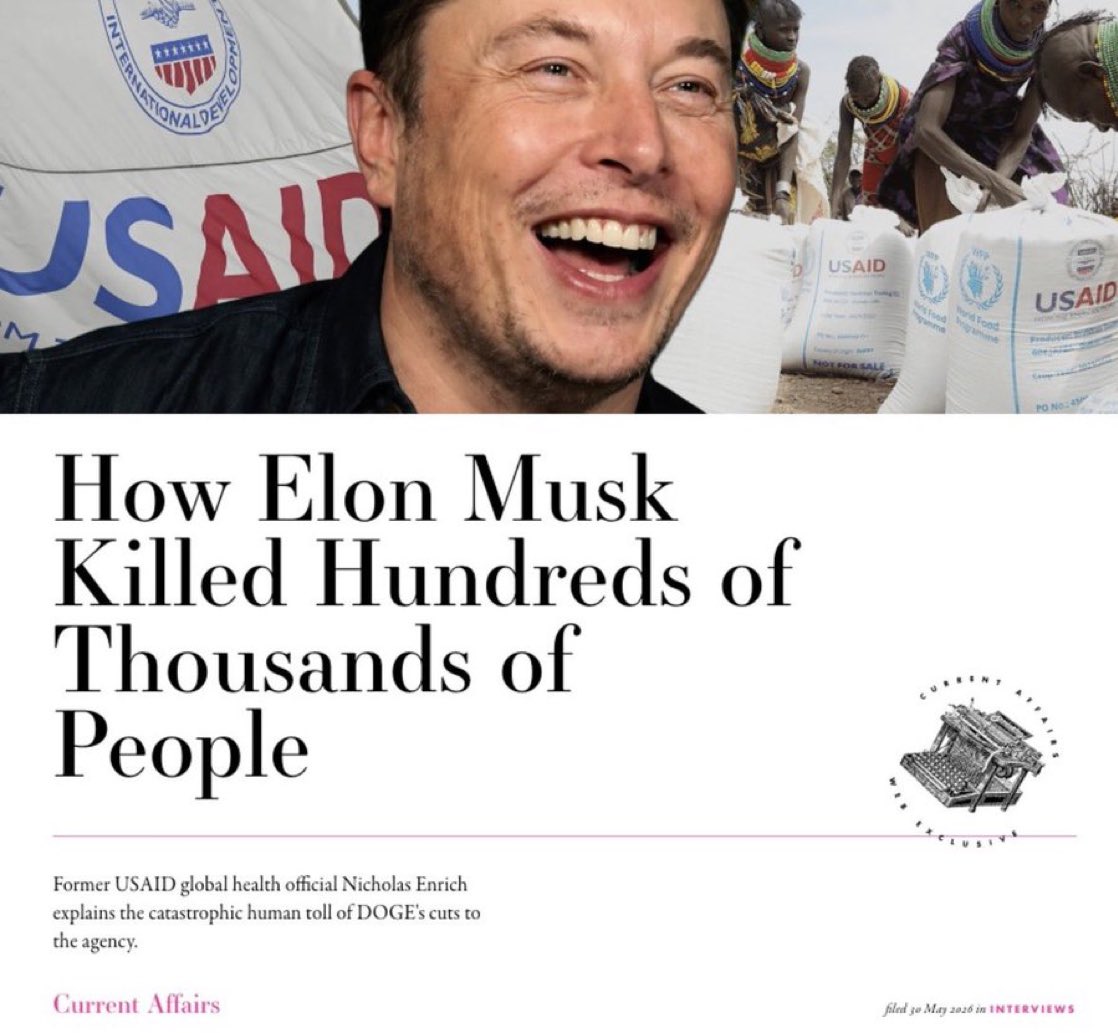
DOGE IS STILL QUIETLY SAVING HUNDREDS OF BILLIONS
They're requiring 2 tiny fields on every federal payment:
1. A proper congressional authorization code
2. A comment field that requires a reason
And suddenly fraud & waste just... stops.
6
47
186
15,025
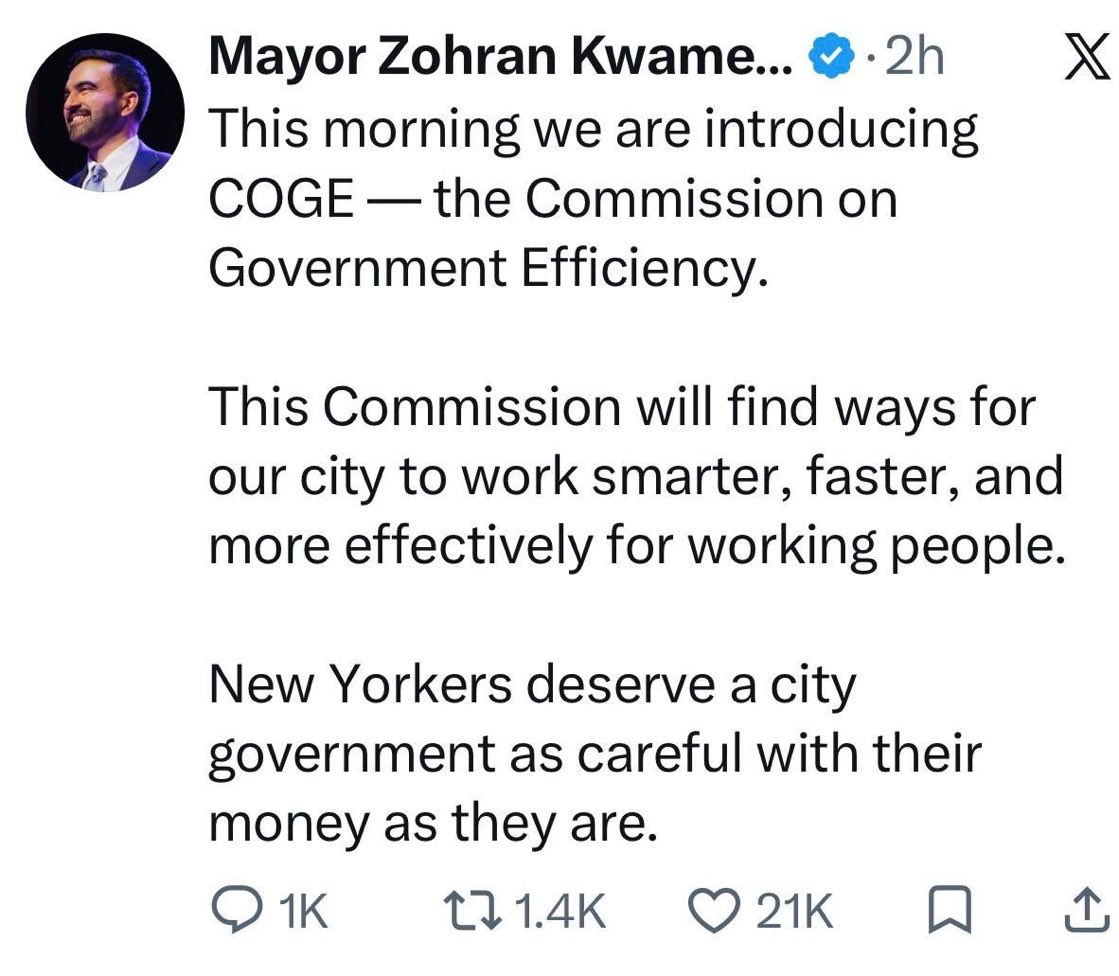
Zohran Mamdani is gonna fix what Elon Musk and Donald Trump failed to do
COGE will succeed where DOGE failed 😂🤣
1
227
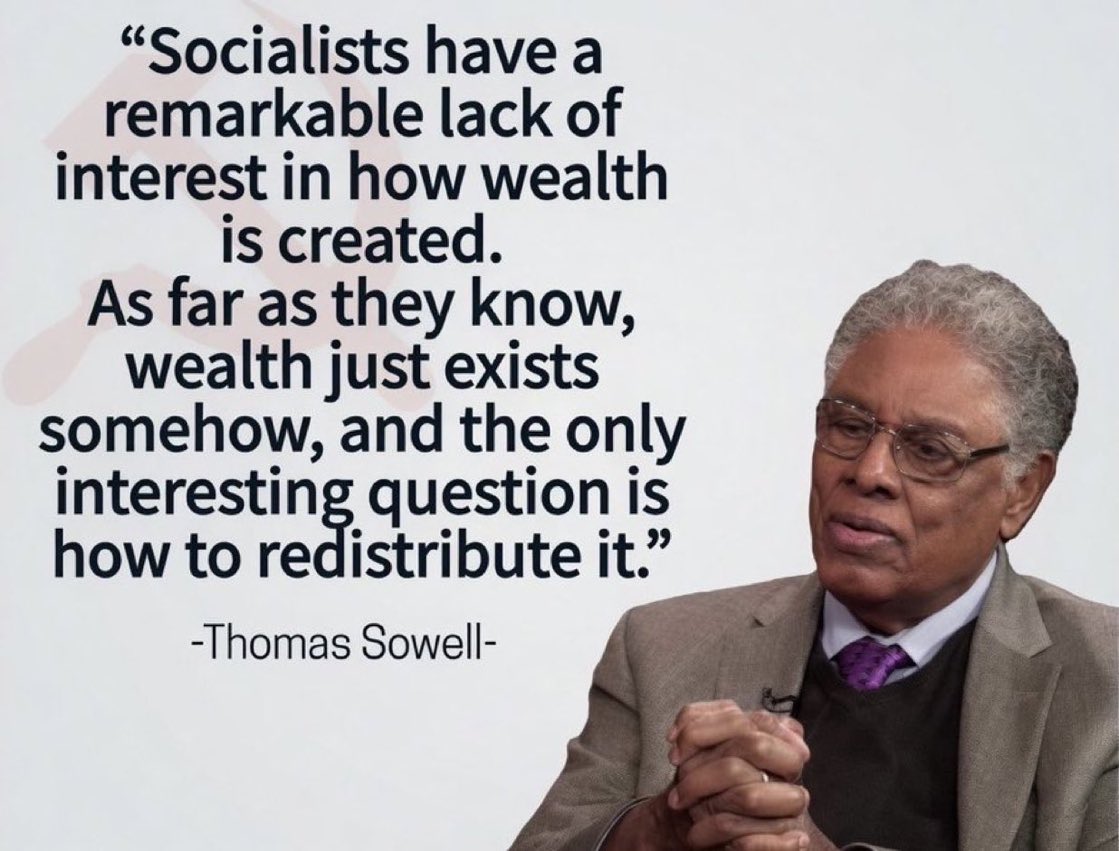
Capitalism is better than socialism because they create real jobs, real wealth and it improves the GDP of the nation rather than trying to redistribute money through flawed government programs which eventually leads to a stagnant economy, bloated government, regulations and massive inflation
Jun 12

Capitalism is better than socialism because one man gets to be a trillionaire instead of everyone having healthcare
3
163

BRITAIN WILL BE MINORITY BRITISH BY 2065
RESTORE BRITAIN IS A GLIMMER OF HOPE FOR UK
The United Kingdom faces a profound demographic shift: under current trajectories of net migration and differential birth rates, projections from independent analyses indicate that White British people—long the ethnic and cultural core of the nation—will become a minority by around 2063-2066. Starting from roughly 73% of the population today, this share is forecast to fall to about 57% by 2050 and below 50% within four decades if high immigration persists. This is not abstract statistics; it represents the rapid transformation of Britain’s towns, schools, and identity, driven by levels of inflow that have added millions in recent years while native birth rates remain below replacement. Such change erodes the shared heritage that has defined British society for centuries, from its legal traditions and social cohesion to the everyday fabric of community life.
Unchecked mass immigration at these rates is simply unsustainable, straining housing, public services, and social trust while correlating with rises in certain crime categories and parallel communities that resist integration. Britain’s culture, heritage, and roots—forged through centuries of history, innovation, and resilience—are not guaranteed; they require deliberate stewardship to survive. Restoring control over borders, prioritizing skilled and assimilable entrants, and enforcing integration are essential to safeguarding safety, security, and the nation’s distinct character for future generations. Without urgent reversal, the Britain of Shakespeare, Churchill, and the common law risks becoming unrecognizable, replaced by a fragmented patchwork where the original inhabitants are sidelined in their ancestral home.
Clip: @visegrad24
11
39
131
12,433
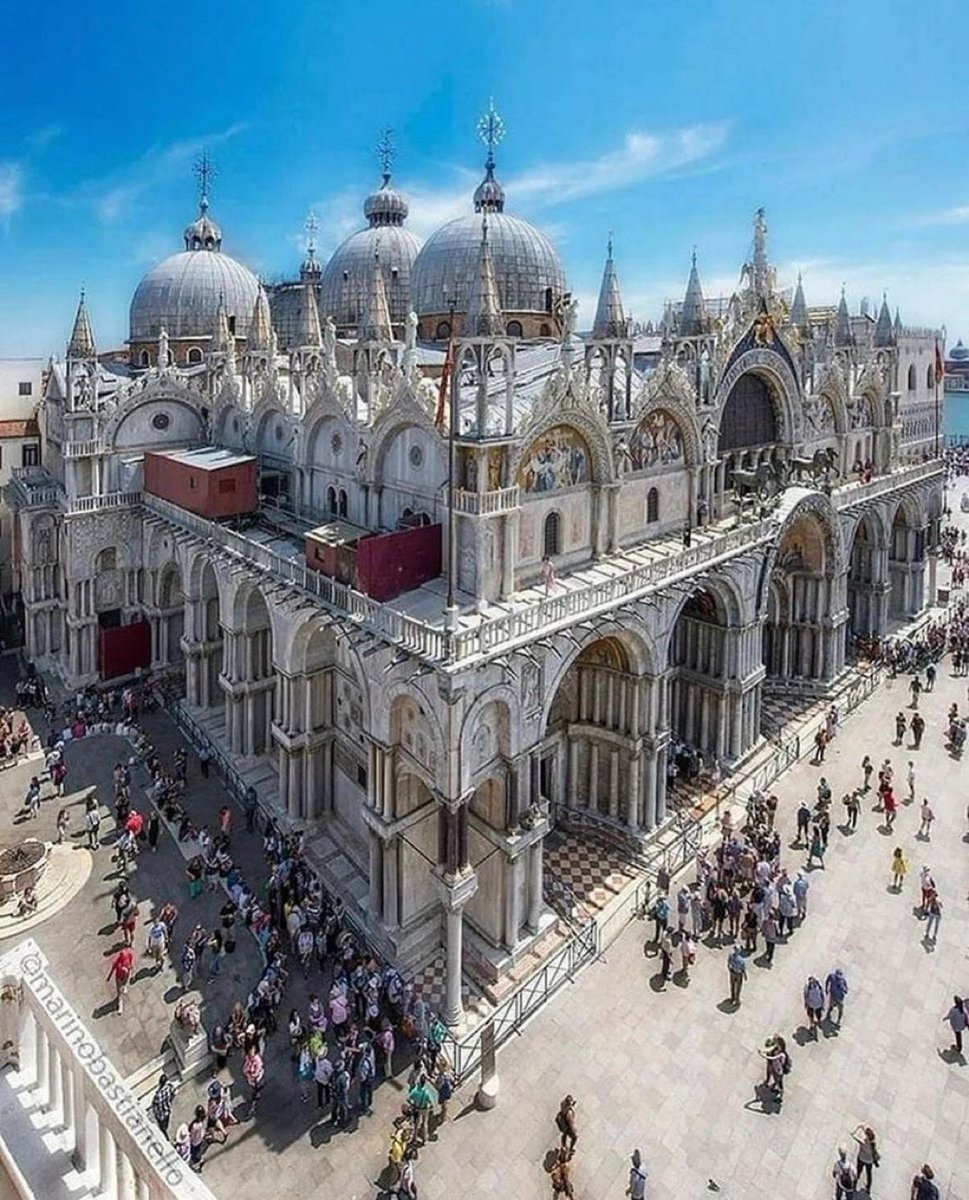
Exotic travel destinations, natural beauty, architectural wonders are something most people enjoy
🤩😍🤩😍 St. Marks Basilica 😍🤩😍🤩
- In the early 9th century, two Venetian merchants smuggled the relics of Saint Mark the Evangelist from Alexandria in Egypt to Venice, hiding them under a cargo of pork to evade authorities.
- Around 828, Doge Giustiniano Participazio ordered the construction of the first church dedicated to Saint Mark to house the sacred relics and serve as the doge's private chapel.
- The initial basilica was completed by approximately 832 or 836, at which point the relics were solemnly transferred inside, establishing Saint Mark as Venice's patron saint.
- In 976, during a violent rebellion against the ruling doge, a major fire destroyed much of the first church along with parts of the nearby doge's palace.
- The second church was hastily rebuilt around 978, though it remained smaller and less elaborate than its predecessor.
- By 1063, under Doge Domenico Contarini, Venice's growing wealth and ambition led to a complete reconstruction that forms the core of the present-day basilica.
- The new design drew heavily from Byzantine models, particularly the Church of the Holy Apostles in Constantinople, featuring a Greek cross plan with five domes to symbolize Venice's power and eastern ties.
- Construction progressed rapidly, incorporating marble columns, intricate carvings, and early mosaics sourced from across the Mediterranean.
- On October 8, 1094, the basilica was consecrated by Doge Vitale Falier and officially dedicated to Saint Mark, marking its emergence as a grand state shrine.
- According to legend, the relics of Saint Mark, which had been hidden during earlier turmoil, were miraculously rediscovered and placed in the crypt during the 1094 consecration.
- After the successful Fourth Crusade in 1204, Venice looted Constantinople and brought back treasures such as the four bronze horses, which were installed atop the basilica's facade.
- Throughout the 13th century, teams of artisans created over 8,000 square meters of golden mosaics depicting biblical scenes, enhancing the interior with luminous Byzantine artistry.
- In the 14th century, additions like the baptistery, side chapels, and Gothic flourishes were incorporated, blending styles while preserving the core Byzantine structure.
- For nearly a millennium until the fall of the Venetian Republic in 1797, the basilica functioned as the doge's chapel and the official church of the state, hosting coronations and ceremonies.
- In 1807, after Napoleon ended the Republic, St. Mark's Basilica was elevated to the status of Venice's cathedral, shifting from a private ducal shrine to the seat of the patriarch while continuing restorations into modern times.
A 🧵#16 on travel destinations 👇
2
6
633
For over 144 years, the Sagrada Família has risen as a living monument to faith, genius, and relentless human ambition.
Construction began modestly on March 19, 1882, with a neo-Gothic design by Francisco de Paula del Villar. In 1883, the visionary Antoni Gaudí took the reins and transformed it into an unprecedented organic masterpiece—his “forest of stone” where nature, geometry, and spirituality converged. He dedicated his final 43 years exclusively to the project, imagining 18 soaring towers, the tallest of which—the 172.5-meter (566 ft) Tower of Jesus Christ—would crown the basilica as a luminous beacon of the Savior. Gaudí saw only one tower completed before his death in 1926; the Spanish Civil War later destroyed his models and plans, nearly halting progress. Yet through war, economic hardship, and decades of painstaking work funded solely by donations and visitors, successive generations of architects and artisans honored his legacy. Modern engineering and computer modeling finally accelerated the vision: the central tower’s prefabricated stone panels rose level by level from 2018 onward, culminating on February 20, 2026, when the great cross was lifted into place, making the Sagrada Família the world’s tallest church. On June 10, 2026—precisely the centenary of Gaudí’s death—Pope Leo XIV blessed the completed Tower of Jesus Christ in a solemn ceremony, as fireworks exploded across Barcelona’s night sky in triumphant celebration of a dream 144 years in the making.
4
2
226