
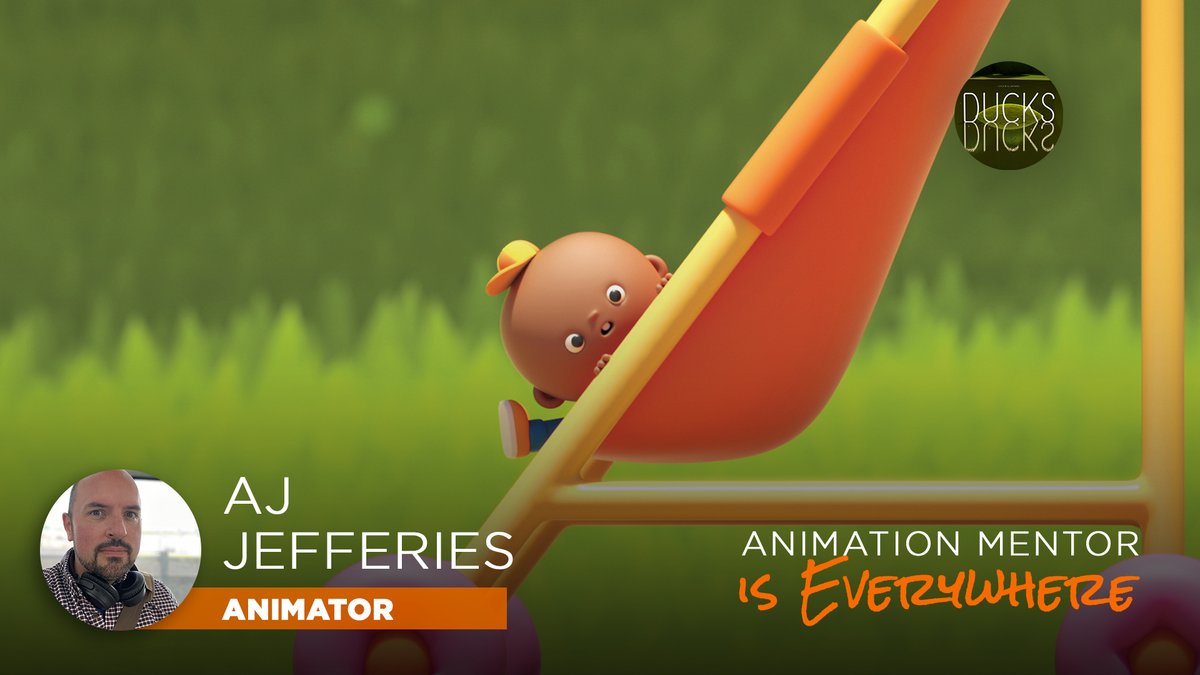
Alum spotlight: AJ Jefferies 🎬
From “DUCKS” to “PEAS” and “H O R S E,” AJ shares how he juggles client work with personal films and his advice for making your own short.
Read the interview 👉am3d.co/AJ
#AMalumni #animationmentor #independentfilms
6
642
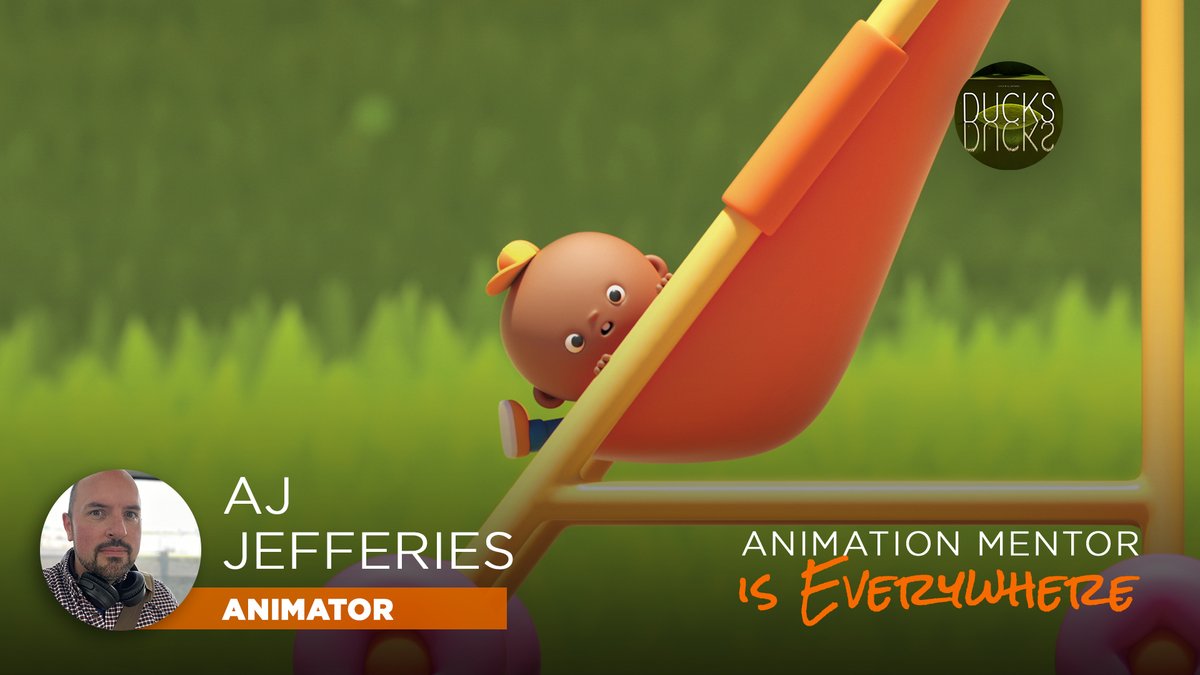
Alum spotlight: AJ Jefferies 🎬
From “DUCKS” to “PEAS” and “H O R S E,” AJ shares how he juggles client work with personal films and his advice for making your own short.
Read the interview 👉am3d.co/AJ
#AMalumni #animationmentor #independentfilms
1
1
3
496

May 17
#WATCH | From the Himalayas to heritage cities, from cutting-edge studios to powerful storytelling, India is showcasing itself as the world’s next leading filmmaking destination at the 79th Cannes Film Festival. 🇮🇳✨
#Cannes2026 #MarcheDuFilm #IndianCinema #GlobalCinema #FilmDestinationIndia #filmcity #IndependentFilms #CannesDiaries #FestivalDeCannes @jayatales
4
8
979

Watch an Indie Film on YouTube or the format of your choice.
No fake Big Studio Happy endings
#IndependentFilms
1
1
3
156

Mar 21
Filmmakers,
Drop in your upcoming film's title/poster in the comments 🎬🎥🎞️
#independentfilms #filmmaking #filmtwt #newwork #cinema
1
40

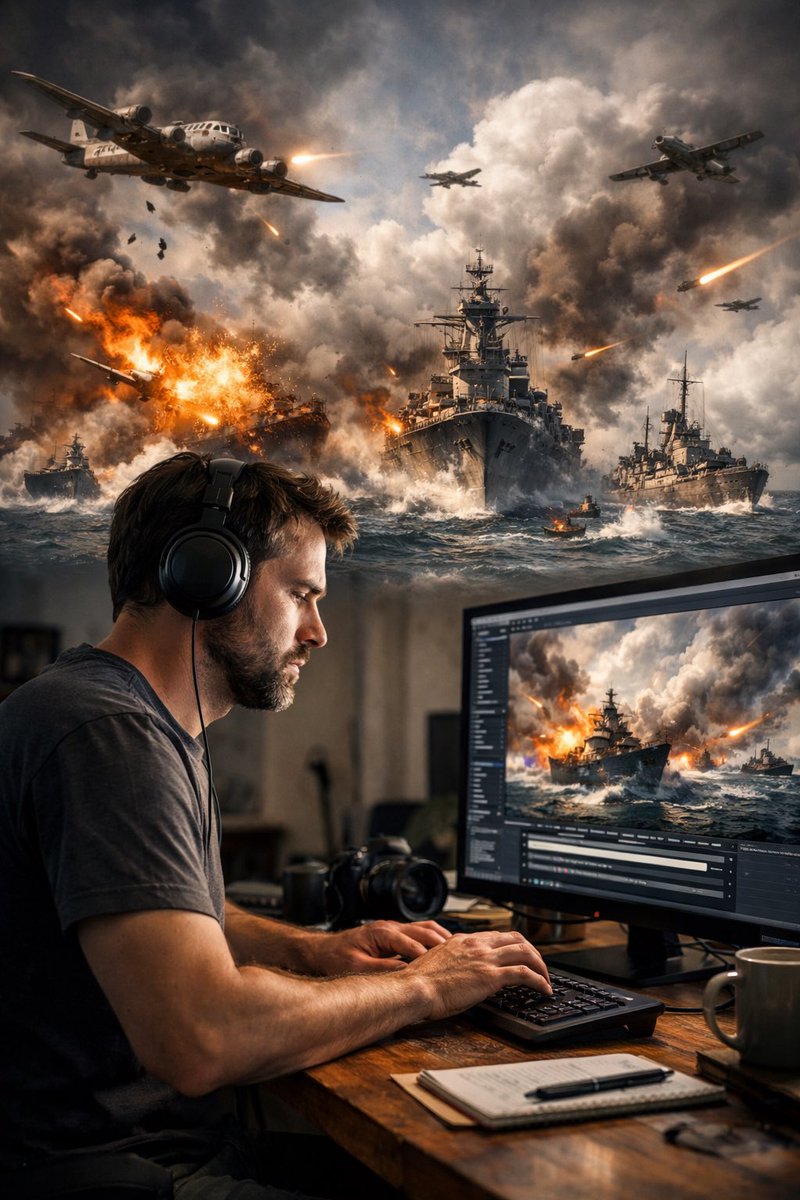
I truly believe AI rendering will play a major role in the future of filmmaking. And it is not because filmmakers are lazy.
#filmmaking #aifilms #debate #shortfilms #dreamitup #strories #movies #IndependentFilms
Making a film is extremely difficult. I have personally tried to produce a film with my friend @SpaceMarineTroy here in Arizona. He is someone with immense talent and a deep understanding of storytelling, character development, script writing, and camera work. He also has a genuine passion for building worlds and bringing ideas to life. I would love to see his projects get off the ground someday because he is one of the most creative people I have ever met.
His creativity goes far beyond writing. He builds film props from scratch. I have watched him take everyday items like a drill, a Sony PSP, and an old camcorder and transform them into a convincing replica of the Alien motion tracker. He has also built his own Colonial Marine armor and now runs a side business creating detailed 3D-printed parts and film replicas. These are the kinds of passionate creators who belong in a director’s chair.
But passion alone does not overcome the barriers of filmmaking.
When we tried to put together a project, we quickly ran into the same problems most independent filmmakers face. Scheduling becomes difficult. You need committed actors and actresses, legal filming locations, equipment, and a workable budget. And that is before even thinking about production companies or distribution rights.
Today there are more opportunities for independent filmmakers than ever before, and many studios are more open to working with new creators. Even so, filmmaking remains incredibly expensive. Coordinating everyone in the same place at the same time can feel nearly impossible. Anyone who successfully pulls that off deserves real respect.
But what happens if you are a single creator with strong ideas, an understanding of scriptwriting, cinematography, and directing, yet you are working with a very limited budget?
Should those creators simply never have the opportunity to realize their ideas?
In my opinion, the answer is no.
There is an entire ecosystem of talented people with imaginative stories to tell. Whether the genre is historical drama, science fiction, heroism, or something entirely new, creativity should not be limited by financial barriers alone. That is where AI-assisted filmmaking begins to offer something powerful.
A person with very little money can now experiment with storytelling using tools such as SORA or other video rendering platforms, sometimes even working from a phone or a basic computer setup. With the right understanding of storytelling, structure, and visual direction, creators can begin to produce short films that would have been impossible for them only a few years ago.
Some traditional filmmakers may view this as undermining the craft or taking away from the art of filmmaking. I see it differently. Both approaches can coexist. Large studio productions and independent AI-assisted filmmaking can both produce meaningful work.
I often think back to my time at Brooks Institute and the number of students who dreamed of working at studios like MGM, Paramount, or Universal. Many talented people were promised opportunities that never materialized. The industry has always been difficult to break into.
New technologies change that equation. When someone understands storytelling, character development, and world building, they now have tools that allow them to experiment and create without waiting for permission from the traditional gatekeepers of the industry.
The technology is still young and has a long way to go. But if companies like @OpenAI and @grok continue improving these tools, especially around continuity, prompt control, and filmmaker workflows, this space could open the door for an entirely new generation of creators.
And that is something worth being excited about.
2
7
185

Feb 27
Kern Oil - The Tragic Story Behind The Film
California oil has become less and less.
A new documentary shows how important that industry really is to the state.
@bakersfieldnow @KernOilMovie @FilmThreat
#KernOil #Documentary #IndependentFilms
youtu.be/ZMBMpHoL1Oc?si=Ef6c…
2
123

Feb 26
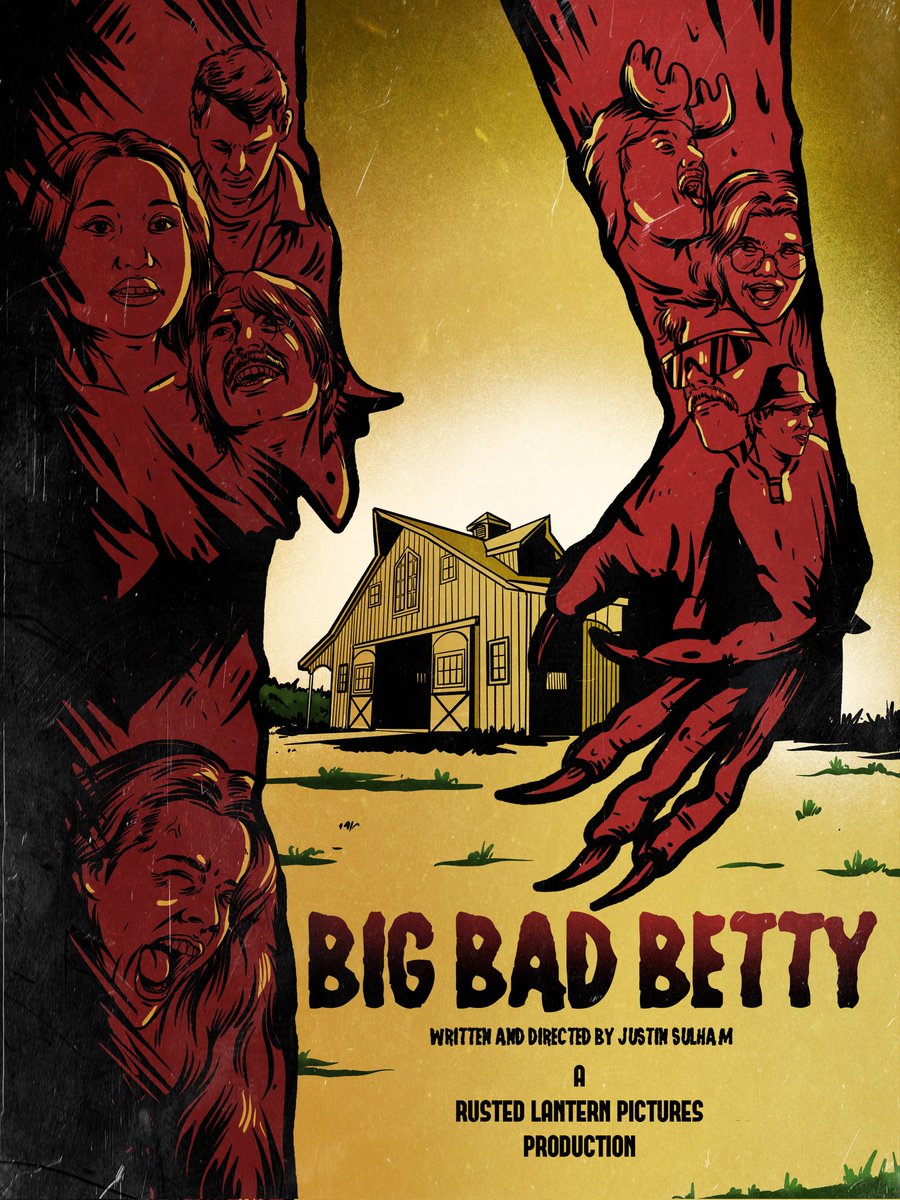
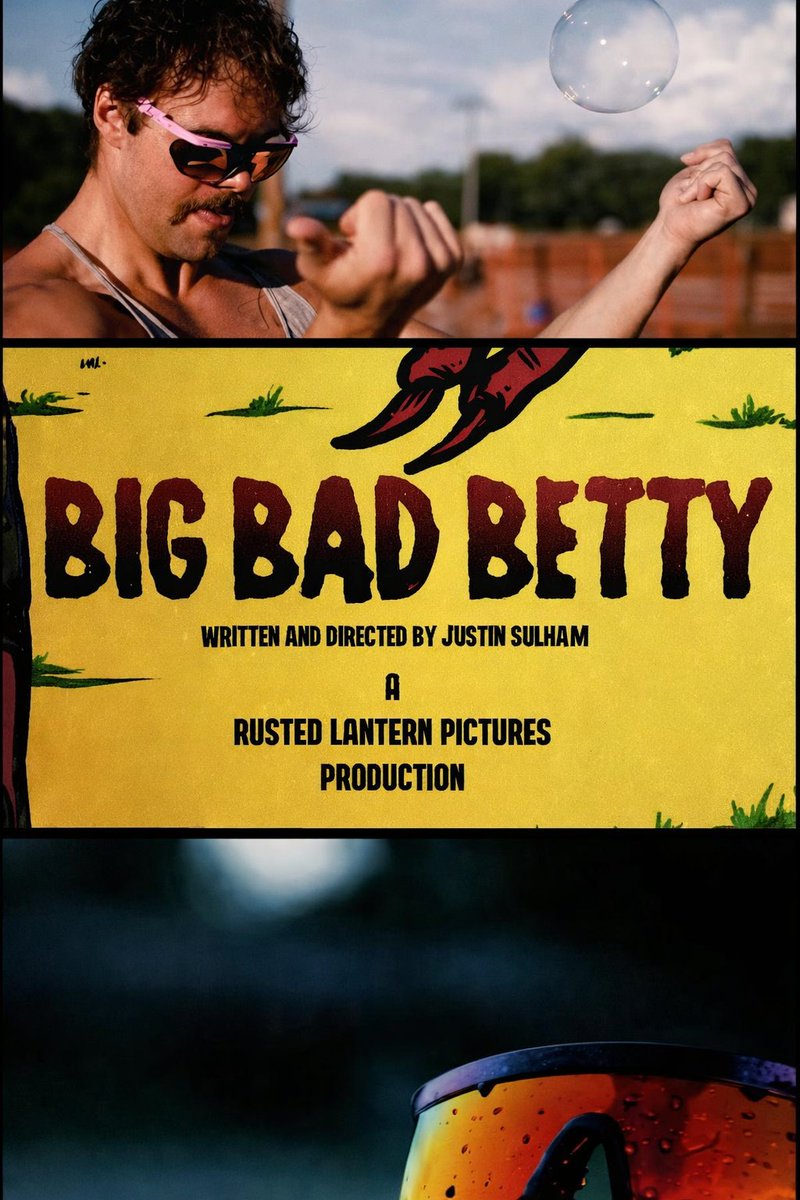
I said I was going to start pushing indie horror films I think you all would love, and I'm finally getting around to it! I discovered "Big Black Betty" at a recent con, and it's a perfect example of how low budget horror comedy slasher films should be done!
Featuring a ridiculously hilarious/terrifying/unique monster, and a cast of straight up pretty people, this film follows said group of pretty people out to a ranch in the middle of nowhere and shows you what happens when a (((REDACTED))) creature shows up.
I redacted that because I really want you to be as surprised as I was when I saw the creature 😂 The film is directed by Justin Sulham (former OVW wrestler under Al Snow) and stars the rousing and arousing Ray Bruce (TAPW wrestler), so Darcy is probably going to love it.
You'll also see Zach Palica, Katrina Solo, Rea Ariola (watch yourself!), and many other up-and-comers who shine on the little screen in what's surprisingly the director's first feature film. And taking it a little old school, this is a PHYSICAL ONLY release.
Seriously, they put it out on VHS and Blu-ray only. No streaming. It's a little breath of fresh air, to be honest. I picked up the VHS just because I thought having another VHS would be cool, and I like supporting at least one low budget film when I'm at these cons. Little did I know that I'd be pleasantly surprised and actually enjoy this creative piece of awesomeness.
If you want to check it out yourself, head over to the Slashville Studios website 👉 slashvillestudios.com/
#HorrorMovies #slasher #lowbudget #indiefilm #independentfilms #creaturefeature @kinky_horror
/@cultofcurtis
1
7
32
1,236

Feb 19
A sneak peek at the incoming special guest filmmakers appearing and presenting work at the 2026 American Conservation Film Festival slated for March 13-15 over in Shepherdstown, WV. Get tickets now before they sell-out. #filmfestivals #YesWV #documentaryfilms #naturefilms #conservation #filmindustry #independentfilms conservationfilmfest.org/202…?
1
2
51

Jones Plantation, Revelations of Ruling Class Corruption Through Independent Films dlvr.it/TQN4Y8 #JonesPlantation #IndependentFilms #Corruption
2
6
808

Jan 15
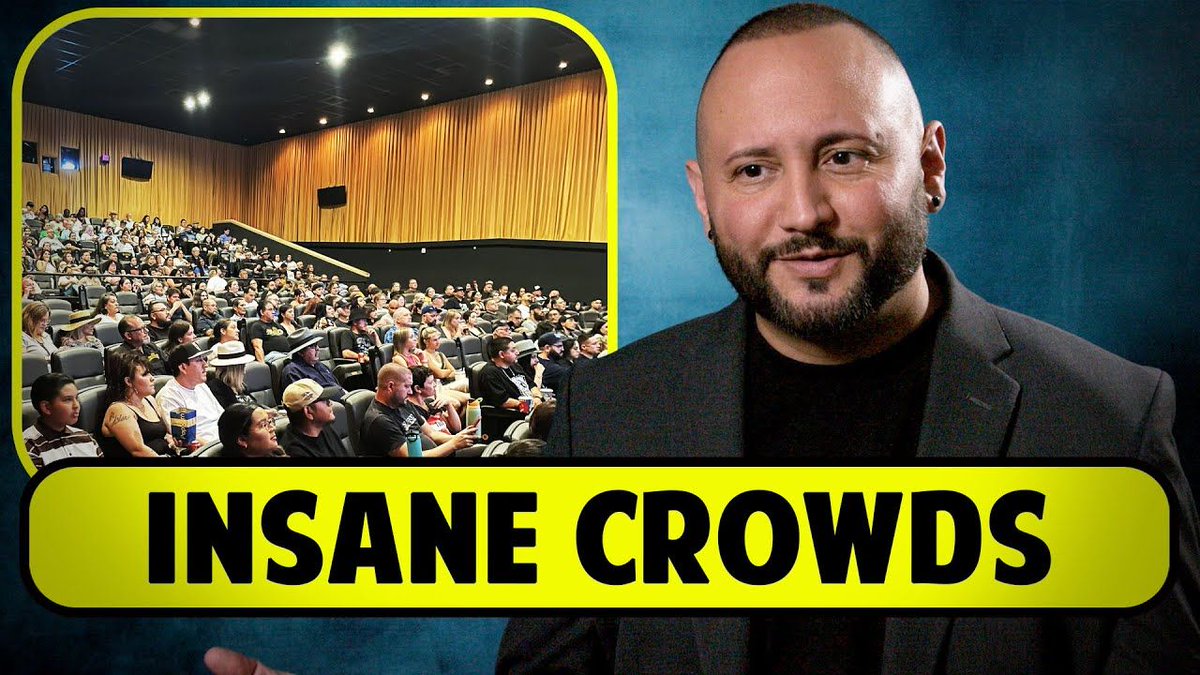
I Sold Out 27 Movie Theaters... Here's How We Did It - Brandon Loran Maxwell
buff.ly/qYH4VKy
#filmmaking #independentfilms #producer
114

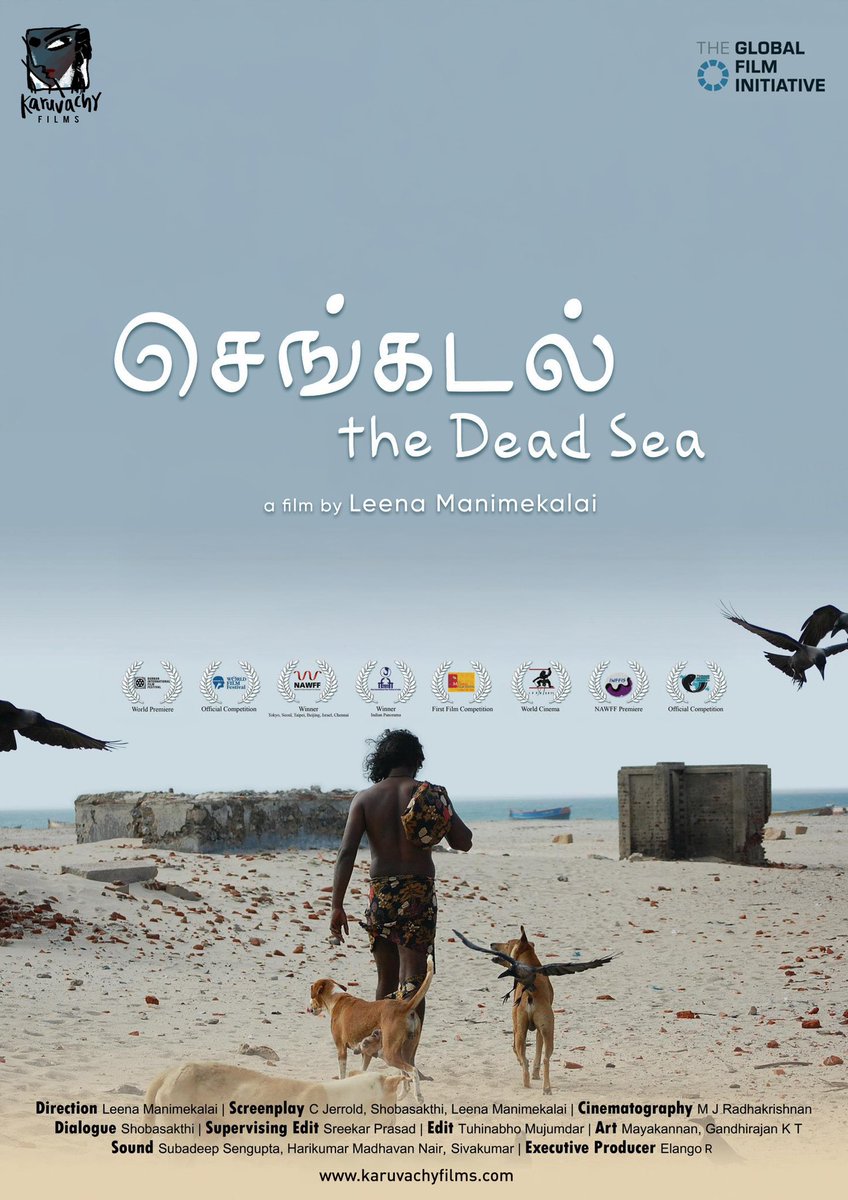
என்னுடைய செங்கடல்(2011) திரைப்படத்திற்கு CBFC Central board of film certification தடை விதித்தது. FCAT - Film Certication Appellate Tribunal - ட்ரைப்யூனலில் வழக்கு பதிவு செய்து, ஒன்பது மாதங்கள் போராடி ஒரு வெட்டும் இல்லாமல் சான்றிதழை வென்றேன்.
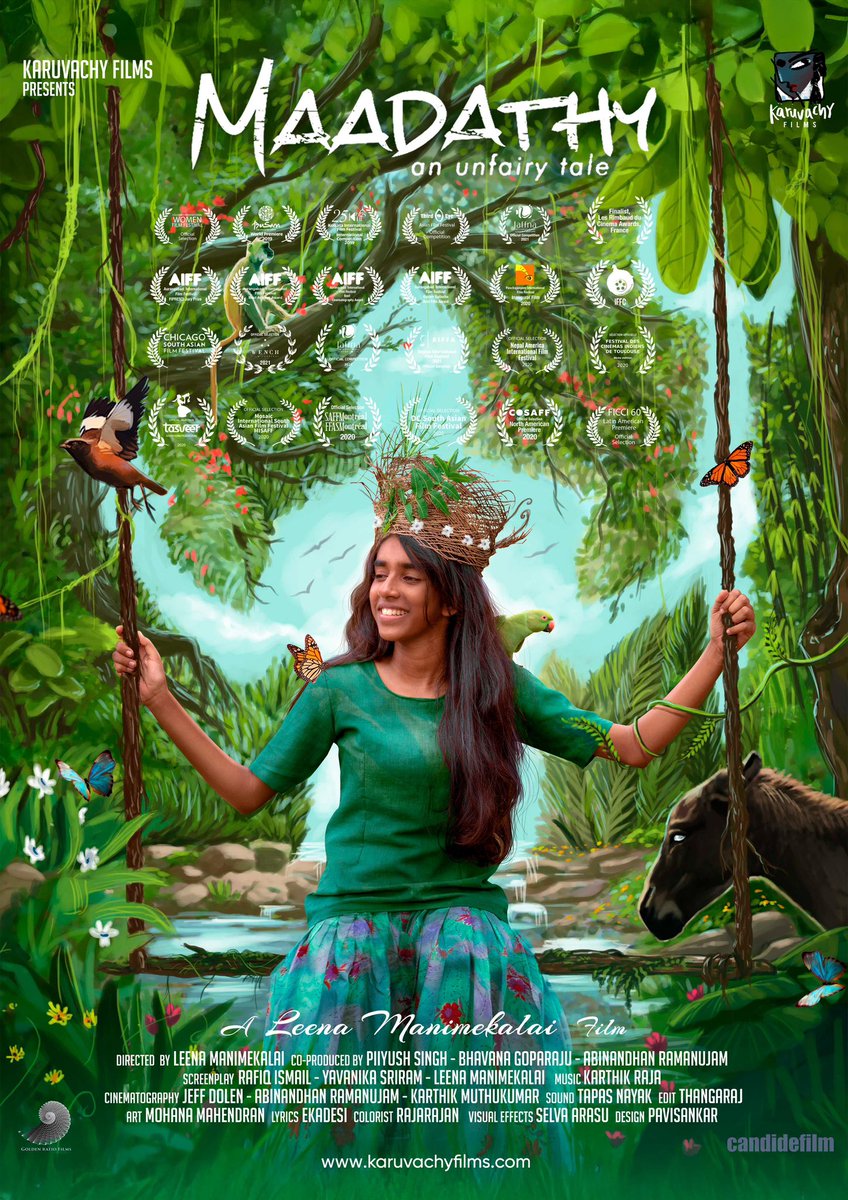
மாடத்தி(2019) திரைப்படத்திற்கு CBFC மறுபடியும் சான்றிதழ் தர மறுத்தது. மீண்டும் ட்ரைப்யூனலை அணுகி, வழக்கிட்டு சிறு வெட்டும் இல்லாமல் சான்றிதழ் பெற்றேன்.
என்னுடைய மற்ற ஆவணப்படங்களும் அரச தணிக்கை, அரசு நிறுவனங்கள் சாராத கும்பல் தணிக்கை போன்ற பிரச்சினைகளை சந்தித்திருந்தாலும், இன்றைய நடப்புகளை அவதானித்து என் முழு நீளத்திரைப்படங்களை மட்டும் உதாரணமாக சுட்டிக்காட்ட விரும்புகிறேன்.
2021-ம் ஆண்டு FCAT - Film Certification Appellate Tribunal கலைக்கப்பட்டபோது இந்தியா முழுவதும் independent filmmakers கடுமையாக எதிர்த்தோம். Industry filmmakers கண்டும் காணாமல் நடந்துக் கொண்டார்கள். இப்போது வெளியீட்டு தேதியை அறிவித்து விட்டு நீதிமன்ற படிகளில் ஏறிக் கொண்டிருக்கிறார்கள்.
தணிக்கை(censor) வாரியம் சான்றிதழ்(certification) வாரியமாக 1983-லேயே மாற்றப்பட்டு விட்டது. அந்த மாற்றம் சுயாதீன திரைப்பட இயக்குநர்களின் ஓயாத போராட்டங்களின் விளைவாக தான் நடந்தது. இந்திய அரசியலமைப்பு சட்டத்தின் Article 19 நம் ஒவ்வொருவரின் பேச்சு சுதந்திரத்தை, கருத்து சுதந்திரத்தை உறுதிப்படுத்துகிறது, காப்பாற்றுகிறது.
வியாபாரிகள் தணிக்கை சான்றிதழ் பெற்று விட்டோம் என்று விளம்பரம் செய்து பெருமைப்பட்டுக் கொள்வதில் எனக்கொன்றும் ஆச்சரியமில்லை. ஆனால் படைப்பாளிகள் அரச தணிக்கையை ஒருபோதும் அனுமதிக்க கூடாது. அதில் தணிக்கை செய்யப்படாத படத்தை பார்க்க காத்திருக்கும் பார்வையாளர்களின் கருத்து சுதந்திரமும் அடங்கும் என்பதை மறந்துவிடக்கூடாது. Stop negotiating cuts in your film with bureaucrats. They are just political appointees wanting to please their masters. Own your constitutional rights to freedom of expression and fight for it.
கலையின் வரலாறு அளவுக்கு நீண்டது தணிக்கையின் வரலாறு. அதே அளவுக்கு நீண்டது தணிக்கைக்கு மடியாத கலைஞர்களின் வரலாறு.
#Parasakthi #JanaNayagan #leenamanimekalai #independentfilms #CBFC #Sengadal #Maadathy
20
231
945
66,162

19 Dec 2025
Just discovered #Modi is now available for rent &/or purchase on Amazon Prime in the U.S.! Looking forward to finally seeing it! 🎨🎬🇺🇸
#JohnnyDepp #films #AmedeoModigliani #ModiThreeDaysOnTheWingOfMadness #independentfilms #AmazonPrime #Prime #MODI #movies #film #AlPacino
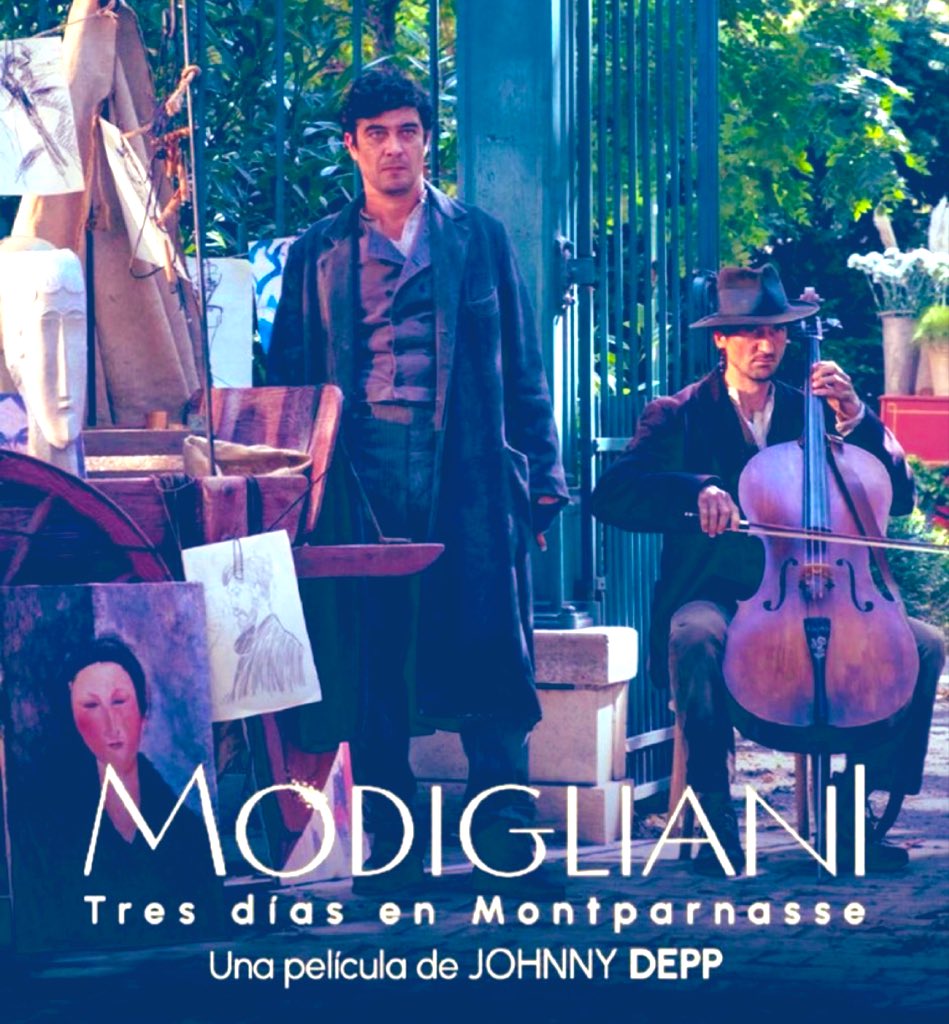
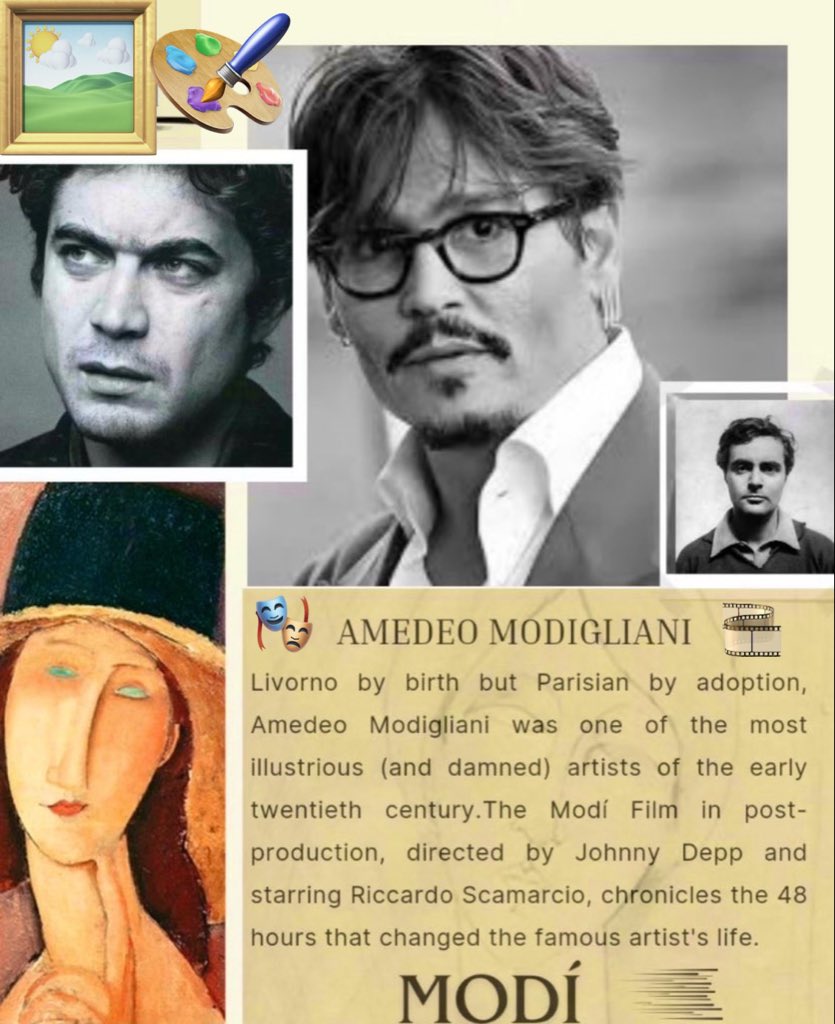
2
5
142

19 Dec 2025
Just discovered #Modi is now available for rent &/or purchase on Amazon Prime in the U.S.! Looking forward to finally seeing it! 🎨🎬🇺🇸
#JohnnyDepp #films #Modigliani #ModiThreeDaysOnTheWingOfMadness #independentfilms #AmazonPrime #Prime #movies #videos #AlPacino
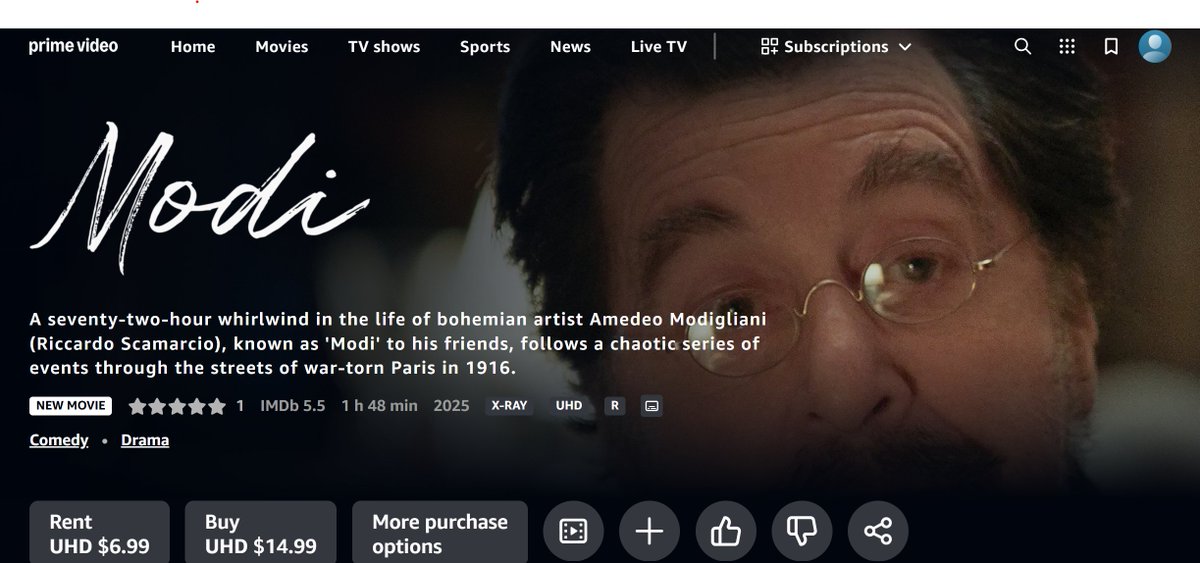
6
8
40
1,141

26 Nov 2025
25 Nov 2025

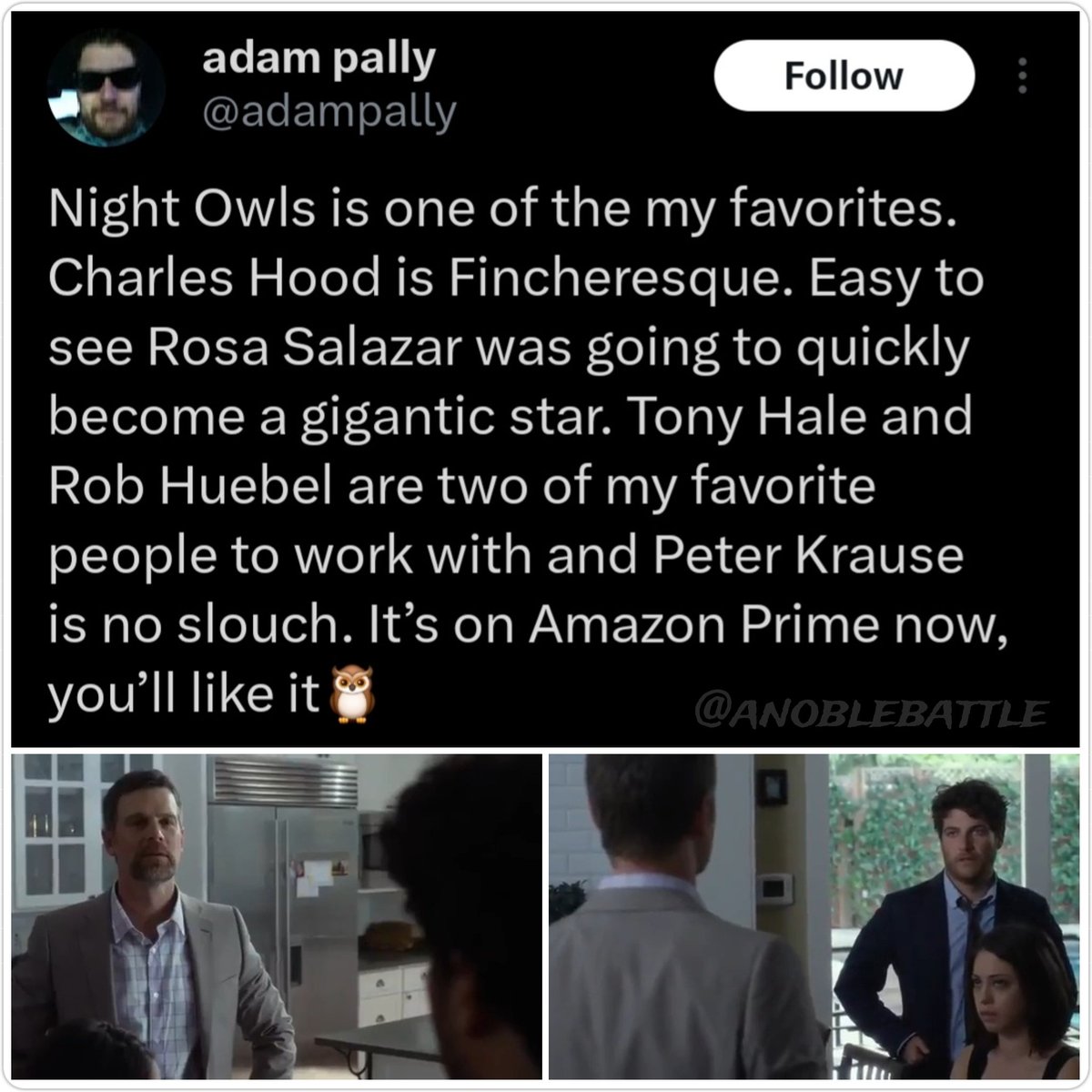
"Peter Krause is amazing".
"...we were pleasantly surprised how enthusiastic he was about the project and subsequently how easy-going he was to work with."
- Charles Hood
#WillCampbell #NightOwls #IndependentFilms
13
1,728
25 Nov 2025
"Peter Krause is amazing".
"...we were pleasantly surprised how enthusiastic he was about the project and subsequently how easy-going he was to work with."
- Charles Hood
#WillCampbell #NightOwls #IndependentFilms
15 Nov 2025
The Catch: Sonya Walger On Peter Krause Who Plays Benjamin
-
"He is so incredibly likeable in-person and on-screen"
#BenjaminJones
#MargotBishop
#TheCatch
1
5
978

2 Nov 2025
Tape (2001) | Ethan Hawke in Richard Linklater’s MiniDV Experiment Released on this day in 2001.
If you enjoy intense, dialogue-heavy films like The Sunset Limited or Bed, Tape is a must-watch.
#independentfilms #indiemdb #indiemdb #richardlinklater
1
120

21 Oct 2025
#MimeJuniorCoin #CinemaArt #FilmCulture #MotionArt #CinematicMovement #FilmMakers #SupportCreators #Web3Cinema #DigitalArtMovement #SilentFilmLegacy #MimeAndCinema #IndependentFilms #CreativeBlockchain #VisualStorytelling #CineWorld #FilmHeritage #YoungDirectors #ArtInMotion #CryptoAndArt #CinematicRevolution
4
7
91

20 Oct 2025
Who out there loves #horror? How about #homemadehorror? #Independentfilms? Well, you're in luck! Because we at Silver Magma Studios (actually, it's just myself) are making a brand new series of horror short films. Filming begins this month and into November!
1
2
56

15 Oct 2025
This heartfelt movie needs our help to finish! Just a little can make a big difference. Let's share and support this family-friendly project. Every bit counts! gofund.me/b17e916c
@gofundme #gofundme #thankstrouble #indiefilm #independentfilm #independentfilms #film #movie
4
3
72