
Apr 24
We cannot ignore the growing concerns surrounding recent developments in Manipur. Questions are being raised about infrastructure expansion in certain hill areas and the possible sources of funding behind them. There are also discussions linking these developments to broader regional policies such as the Burma Act of 2022.
These are serious issues that call for transparency, accountability, and a thorough investigation by the authorities. The people deserve clear answers based on facts.
At this critical time, it is important for all of us to stay alert, informed, and united. Let us raise our voices responsibly, demand truth through lawful means, and stand together for peace, justice, and the integrity of our land.
Source: social media ( Prof. Jugindro)
#ManipurCrisis
#ManipurUnderSiege
#ManipurUnderWatch
#JusticeForManipur
#PeaceInManipur
#StopForeignInterference
#ExposeForeignLinks
#StopNarcoTerrorism
#TerrorismFreeManipur
#BewareIllegalDrugsTerrorism
#SecureTheHills
#InfrastructureTransparency
#BurmaAct2022
#BurmaActConcerns
#ManipurDevelopmentTransparency
#AccountabilityNow
#FactBasedInvestigation
#UnitedForManipur
#SaveManipur
#ManipurIntegrity
@IndiaTodayNE
@NBirenSingh
@NELiveTV
@NortheastToday
@ndtv
@ramindesai
@IndiaTodayNE
@the_hindu
@TheBlueHills49
@ukhrultimes
@republic
@UN
@UNHumanRights
@BBCHindi
@BBCBreaking
@BBCWorld
@BBCNews
@PoknaphamNews
@INCIndia
@ThePrintIndia
@timesofindia
9
7
235

Jan 3
📰 BREAKING | INFRASTRUCTURE • PUBLIC SPENDING • RAILWAYS
A ₹2-Crore Foot-Overbridge Sparks a Familiar Question: What Are We Paying For?
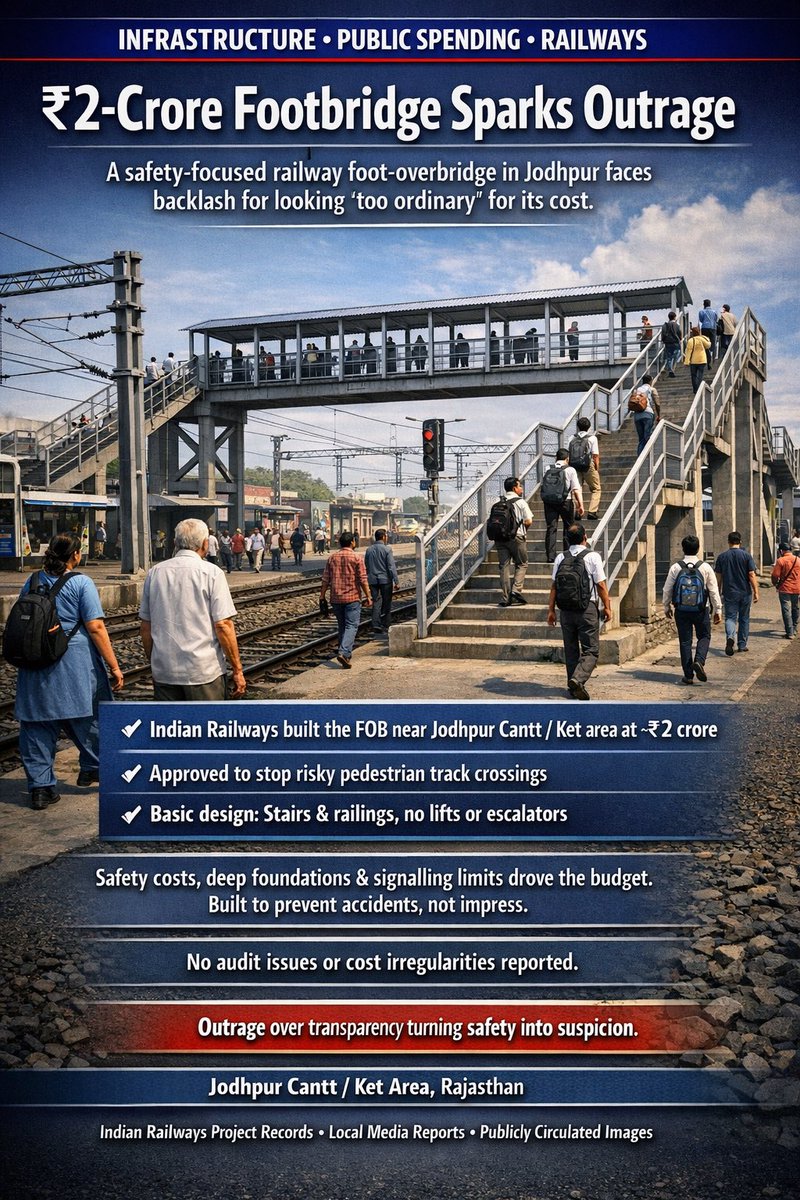
A newly built foot-overbridge (FOB) near Jodhpur Cantt, locally known as the Ket bridge, has ignited an intense public debate—not because it failed, cracked, or collapsed, but because it looks too ordinary for its reported cost of ₹2 crore.
The controversy goes to the heart of a question India keeps asking every time civic infrastructure appears: Is this value for money—or just another quiet overrun?
Why the Bridge Exists
The bridge was sanctioned by Indian Railways after years of local demand. Residents—schoolchildren, workers, daily commuters—had been crossing live railway tracks, with accidents and near-misses repeatedly reported. Local media amplified the risk. The FOB was approved as preventive safety infrastructure, not a beautification project, with officials estimating benefits for tens of thousands of daily users.
On purpose, it’s simple. Its job is to stop people from dying.
Why the Anger Erupted
The backlash began only after photos circulated online.
What people saw:
•Straight staircases
•Basic railings
•No lifts, escalators, or architectural flourish
What they heard:
•₹2 crore
That gap—between appearance and price—triggered instant skepticism. Posts framed it as “₹2 crore for concrete and iron,” turning a safety project into a symbol of alleged excess. This wasn’t an engineering critique. It was an optics crisis.
Analyst’s View: Why ‘Simple’ Isn’t Cheap
Railway FOB costs aren’t driven by looks. They’re driven by constraints most people never see:
•Load-bearing and crowd-safety standards
•Foundations near live tracks
•Construction windows limited by train movement
•Signalling, electrification, and clearance norms
•Safety supervision, labour compliance, approvals
A foot-overbridge isn’t just stairs. It’s a structure that must survive crowds, vibration, weather, and decades of use—over active rail lines. Much of the cost disappears once construction ends, leaving behind something that looks deceptively basic.
Investigator’s Check: Any Scam?
As of now:
•❌ No audit red flags reported
•❌ No official allegation of corruption
•❌ No evidence of inflated billing made public
This is not yet a scam story. It’s a transparency story. Public distrust—earned over years of genuine overruns elsewhere—fills the silence when agencies don’t explain costs.
The Pattern India Keeps Repeating
Across the country, similar reactions follow:
•Flyovers that “look too small” for their price
•Safety projects judged by appearance, not impact
•Demands for accountability after accidents—and suspicion before explanations
This isn’t hypocrisy. It’s a communication failure.
What Railways Got Right—and Wrong
Right:
•Built safety infrastructure before a tragedy.
Wrong:
•Failed to explain the cost upfront.
In today’s climate, silence breeds suspicion. A simple public breakdown—materials, constraints, norms—could have cooled the outrage.
Bottom Line
This bridge isn’t a monument to extravagance.
It’s a mirror of a deeper problem: citizens want safety—and they want to understand its price.
Infrastructure doesn’t earn trust just by existing.
It earns trust by being explained.
Until agencies learn to tell that story, every necessary bridge will keep being judged not by lives saved—but by how expensive it looks.
#InfrastructureTransparency #PublicSpending #RailwaySafety
2
2
71
Jan 3
📰 BREAKING | INFRASTRUCTURE • PUBLIC SPENDING • RAILWAYS
A ₹2-Crore Foot-Overbridge Sparks a Familiar Question: What Are We Paying For?
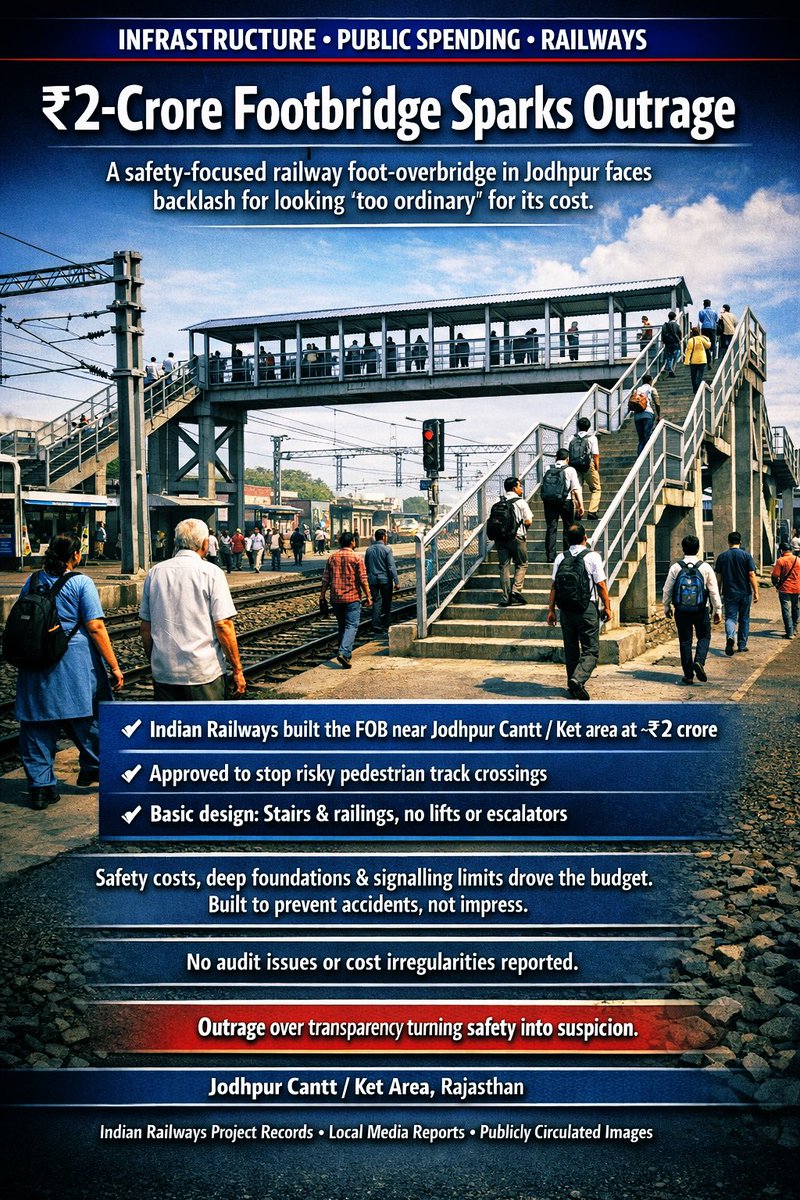
A newly built foot-overbridge (FOB) near Jodhpur Cantt, locally known as the Ket bridge, has ignited an intense public debate—not because it failed, cracked, or collapsed, but because it looks too ordinary for its reported cost of ₹2 crore.
The controversy goes to the heart of a question India keeps asking every time civic infrastructure appears: Is this value for money—or just another quiet overrun?
Why the Bridge Exists
The bridge was sanctioned by Indian Railways after years of local demand. Residents—schoolchildren, workers, daily commuters—had been crossing live railway tracks, with accidents and near-misses repeatedly reported. Local media amplified the risk. The FOB was approved as preventive safety infrastructure, not a beautification project, with officials estimating benefits for tens of thousands of daily users.
On purpose, it’s simple. Its job is to stop people from dying.
Why the Anger Erupted
The backlash began only after photos circulated online.
What people saw:
•Straight staircases
•Basic railings
•No lifts, escalators, or architectural flourish
What they heard:
•₹2 crore
That gap—between appearance and price—triggered instant skepticism. Posts framed it as “₹2 crore for concrete and iron,” turning a safety project into a symbol of alleged excess. This wasn’t an engineering critique. It was an optics crisis.
Analyst’s View: Why ‘Simple’ Isn’t Cheap
Railway FOB costs aren’t driven by looks. They’re driven by constraints most people never see:
•Load-bearing and crowd-safety standards
•Foundations near live tracks
•Construction windows limited by train movement
•Signalling, electrification, and clearance norms
•Safety supervision, labour compliance, approvals
A foot-overbridge isn’t just stairs. It’s a structure that must survive crowds, vibration, weather, and decades of use—over active rail lines. Much of the cost disappears once construction ends, leaving behind something that looks deceptively basic.
Investigator’s Check: Any Scam?
As of now:
•❌ No audit red flags reported
•❌ No official allegation of corruption
•❌ No evidence of inflated billing made public
This is not yet a scam story. It’s a transparency story. Public distrust—earned over years of genuine overruns elsewhere—fills the silence when agencies don’t explain costs.
The Pattern India Keeps Repeating
Across the country, similar reactions follow:
•Flyovers that “look too small” for their price
•Safety projects judged by appearance, not impact
•Demands for accountability after accidents—and suspicion before explanations
This isn’t hypocrisy. It’s a communication failure.
What Railways Got Right—and Wrong
Right:
•Built safety infrastructure before a tragedy.
Wrong:
•Failed to explain the cost upfront.
In today’s climate, silence breeds suspicion. A simple public breakdown—materials, constraints, norms—could have cooled the outrage.
Bottom Line
This bridge isn’t a monument to extravagance.
It’s a mirror of a deeper problem: citizens want safety—and they want to understand its price.
Infrastructure doesn’t earn trust just by existing.
It earns trust by being explained.
Until agencies learn to tell that story, every necessary bridge will keep being judged not by lives saved—but by how expensive it looks.
#InfrastructureTransparency #PublicSpending #RailwaySafety
1
4
10
3,539

7 Dec 2025
کے پی حکومت نے چند سڑکیں ہمارے حوالے کی ہیں، جن کی دیکھ بھال اور مرمت کی ذمہ داری اب ہم باقاعدہ طور پر انجام دیں گے۔
صدر استحکامِ پاکستان پارٹی و وفاقی وزیر مواصلات عبدالعلیم خان کا سینٹ اجلاس کے وقفہ سوالات میں اظہارِ خیال
#aleemkhanforpakistan #AleemKhanInspires #nha #communication #SenateLive #parliamentsession #TransportCooperation #InfrastructureDevelopment #infrastructuretransparency
1
1
38
7 Dec 2025
ان شاء اللہ آئندہ چند ماہ میں تمام سڑکوں کے اطراف حفاظتی باڑ کی تنصیب مکمل کر دی جائے گی، تاکہ عوام کی حفاظت کو مزید مؤثر بنایا جا سکے
صدر استحکامِ پاکستان پارٹی و وفاقی وزیر مواصلات عبدالعلیم خان کا سینٹ اجلاس کے وقفہ سوالات میں اظہارِ خیال
#aleemkhanforpakistan #AleemKhanInspires #nha #communication #SenateLive #parliamentsession #TransportCooperation #InfrastructureDevelopment #infrastructuretransparency
1
1
32
7 Dec 2025
پاکستان ایکسپریس وے کے لیے بجٹ مختص کر دیا گیا ہے، اور توقع ہے کہ تعمیراتی کام اگلے دو سال کے اندر مکمل کر لیا جائے گا
صدر استحکامِ پاکستان پارٹی و وفاقی وزیر مواصلات عبدالعلیم خان کا سینٹ اجلاس کے وقفہ سوالات میں اظہارِ خیال
#aleemkhanforpakistan #AleemKhanInspires #nha #communication #SenateLive #parliamentsession #TransportCooperation #InfrastructureDevelopment #infrastructuretransparency
1
2
38
6 Dec 2025
نئی سڑکوں کی تعمیر سے سیاحت کو فروغ ملے گا، اور مقامی شہریوں کے لیے ٹول ٹیکس میں رعایت فراہم کی جائے گی
صدر استحکامِ پاکستان پارٹی و وفاقی وزیر مواصلات عبدالعلیم خان کا سینٹ اجلاس کے وقفہ سوالات میں اظہارِ خیال
#aleemkhanforpakistan #AleemKhanInspires #nha #communication #SenateLive #parliamentsession #TransportCooperation #InfrastructureDevelopment #infrastructuretransparency
15
12
13
86
6 Dec 2025
لیاری ایکسپریس وے کراچی کے شہریوں کے لیے ایک انمول تحفہ ہوگا۔
صدر استحکامِ پاکستان پارٹی و وفاقی وزیر مواصلات عبدالعلیم خان کا سینٹ اجلاس کے وقفہ سوالات میں اظہارِ خیال
#aleemkhanforpakistan #AleemKhanInspires #nha #communication #SenateLive #parliamentsession #TransportCooperation #InfrastructureDevelopment #infrastructuretransparency
8
5
8
79
6 Dec 2025
پوسٹل لائف انشورنس کمپنی کو پورے پاکستان سے اب تک کل 33,830 کلیمز موصول ہو چکے ہیں، جو کمپنی کی وسیع رسائی اور صارفین کے اعتماد کی عکاسی کرتے ہیں۔
صدر استحکامِ پاکستان پارٹی و وفاقی وزیر مواصلات عبدالعلیم خان کا سینٹ اجلاس کے وقفہ سوالات میں اظہارِ خیال
#aleemkhanforpakistan #AleemKhanInspires #nha #communication #SenateLive #parliamentsession #TransportCooperation #InfrastructureDevelopment #infrastructuretransparency
8
6
7
61
6 Dec 2025
چترال–شندور روڈ ایک نہایت اہم شاہراہ ہے، جس پر تعمیر و توسیع کا کام تیزی سے جاری ہے۔
صدر استحکامِ پاکستان پارٹی و وفاقی وزیر مواصلات عبدالعلیم خان کا سینٹ اجلاس کے وقفہ سوالات میں اظہارِ خیال
#aleemkhanforpakistan #AleemKhanInspires #nha #communication #SenateLive #parliamentsession #TransportCooperation #InfrastructureDevelopment #infrastructuretransparency
8
6
8
67
6 Dec 2025
اگر کوئی صوبائی حکومت کسی سڑک کو وفاق کے سپرد کرنا چاہے تو اس کے لیے ایک واضح اور مربوط طریقہ کار پہلے سے موجود ہے۔
صدر استحکامِ پاکستان پارٹی و وفاقی وزیر مواصلات عبدالعلیم خان کا سینٹ اجلاس کے وقفہ سوالات میں اظہارِ خیال
#aleemkhanforpakistan #AleemKhanInspires #nha #communication #SenateLive #parliamentsession #TransportCooperation #InfrastructureDevelopment #infrastructuretransparency
8
6
7
47
6 Dec 2025
پشاور–اسلام آباد موٹروے کے ڈیزائن میں سامنے آنے والی تکنیکی خامی کے باعث اسلام آباد ایئرپورٹ تک بہتر اور محفوظ رسائی یقینی بنانے کے لیے نیا پل تعمیر کرنے کا فیصلہ کیا گیا ہے
صدر استحکامِ پاکستان پارٹی و وفاقی وزیر مواصلات عبدالعلیم خان کا سینٹ اجلاس کے وقفہ سوالات میں اظہارِ خیال #aleemkhanforpakistan #AleemKhanInspires #nha #communication #SenateLive #parliamentsession #TransportCooperation #InfrastructureDevelopment #infrastructuretransparency
8
5
8
62
6 Dec 2025
این ایچ اے کے زیرِ انتظام ملک کی مجموعی شاہرات میں سے 44 فیصد بلوچستان میں واقع ہیں، جو صوبے کی جغرافیائی وسعت اور اس کی اسٹریٹیجک اہمیت کو ظاہر کرتا ہے۔
صدر استحکامِ پاکستان پارٹی و وفاقی وزیر مواصلات عبدالعلیم خان کا سینٹ اجلاس کے وقفہ سوالات میں اظہارِ خیال
#aleemkhanforpakistan #AleemKhanInspires #nha #communication #SenateLive #parliamentsession #TransportCooperation #InfrastructureDevelopment #infrastructuretransparency
8
6
9
62
5 Dec 2025
پوسٹل لائف انشورنس کمپنی کے تمام فنڈز وزارتِ خزانہ کے پاس جمع ہیں، اور وہی ادارے کو سالانہ بنیاد پر ادائیگیاں کرتی ہے۔
صدر استحکامِ پاکستان پارٹی و وفاقی وزیر مواصلات عبدالعلیم خان کا سینٹ اجلاس کے وقفہ سوالات میں اظہارِ خیال
#aleemkhanforpakistan #AleemKhanInspires #nha #communication #SenateLive #parliamentsession #TransportCooperation #InfrastructureDevelopment #infrastructuretransparency
22
16
20
93
5 Dec 2025
صدر استحکامِ پاکستان پارٹی و وفاقی وزیر مواصلات عبدالعلیم خان کا سینٹ اجلاس کے وقفہ سوالات میں اظہارِ خیال
#aleemkhanforpakistan #AleemKhanInspires #nha #communication #SenateLive #parliamentsession #TransportCooperation #InfrastructureDevelopment #infrastructuretransparency
20
12
15
97

25 Feb 2025
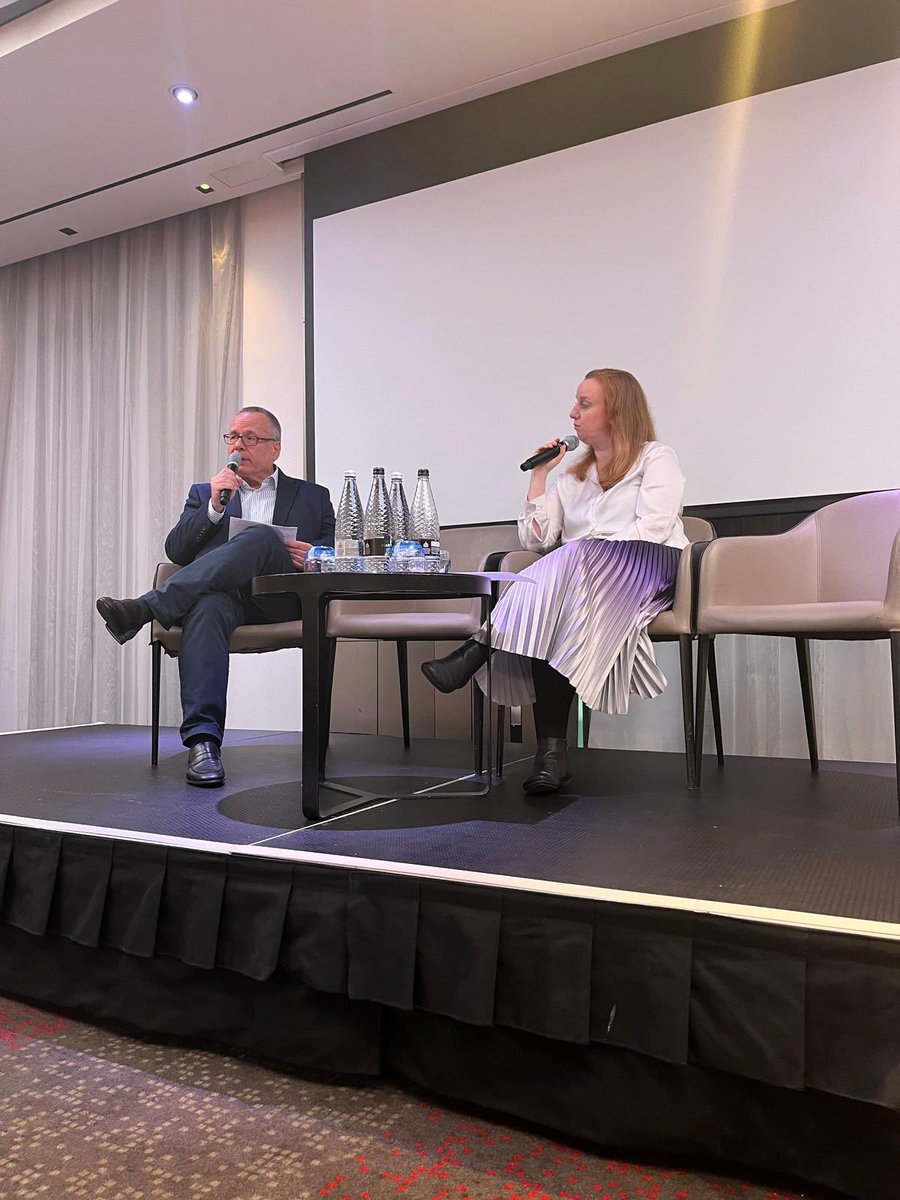
Hearing from @CoSTransparency Executive Director at #CoST2025workshop on high level political support, technical expertise and diverse stakeholder networks are key factors to contribute to member success in #infrastructuretransparency
1
3
59
8 Dec 2024
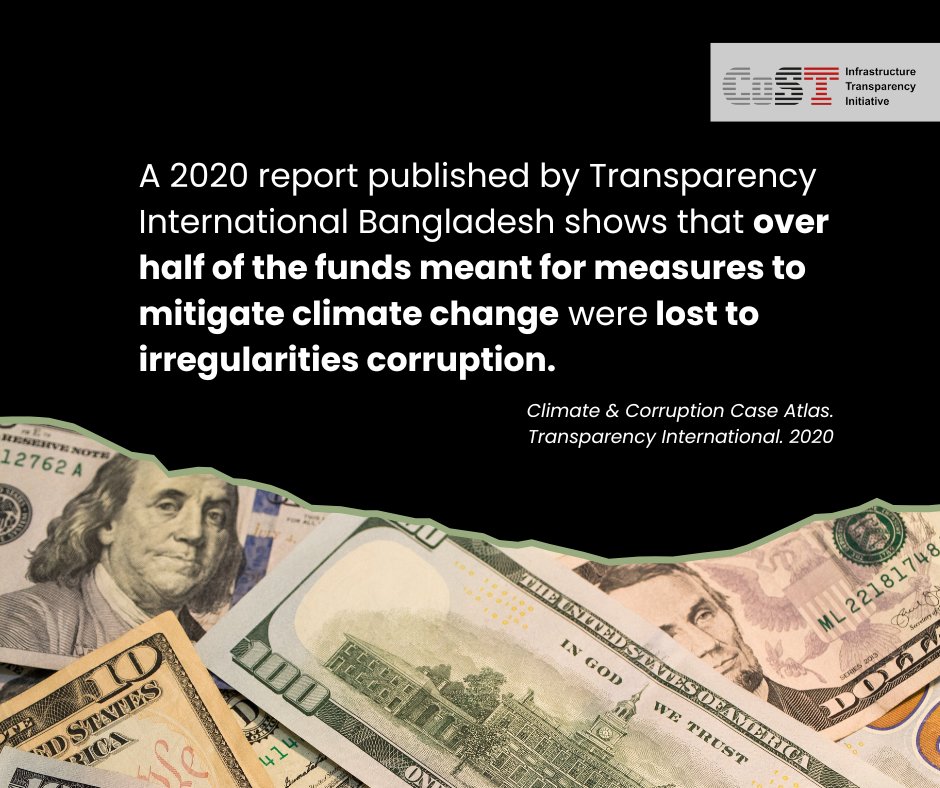
When we can track where funds are going and how they're being used, we empower stakeholders, ensure fairness, and drive positive change.
hashtag#InfrastructureTransparency
1
1
66

19 Nov 2024
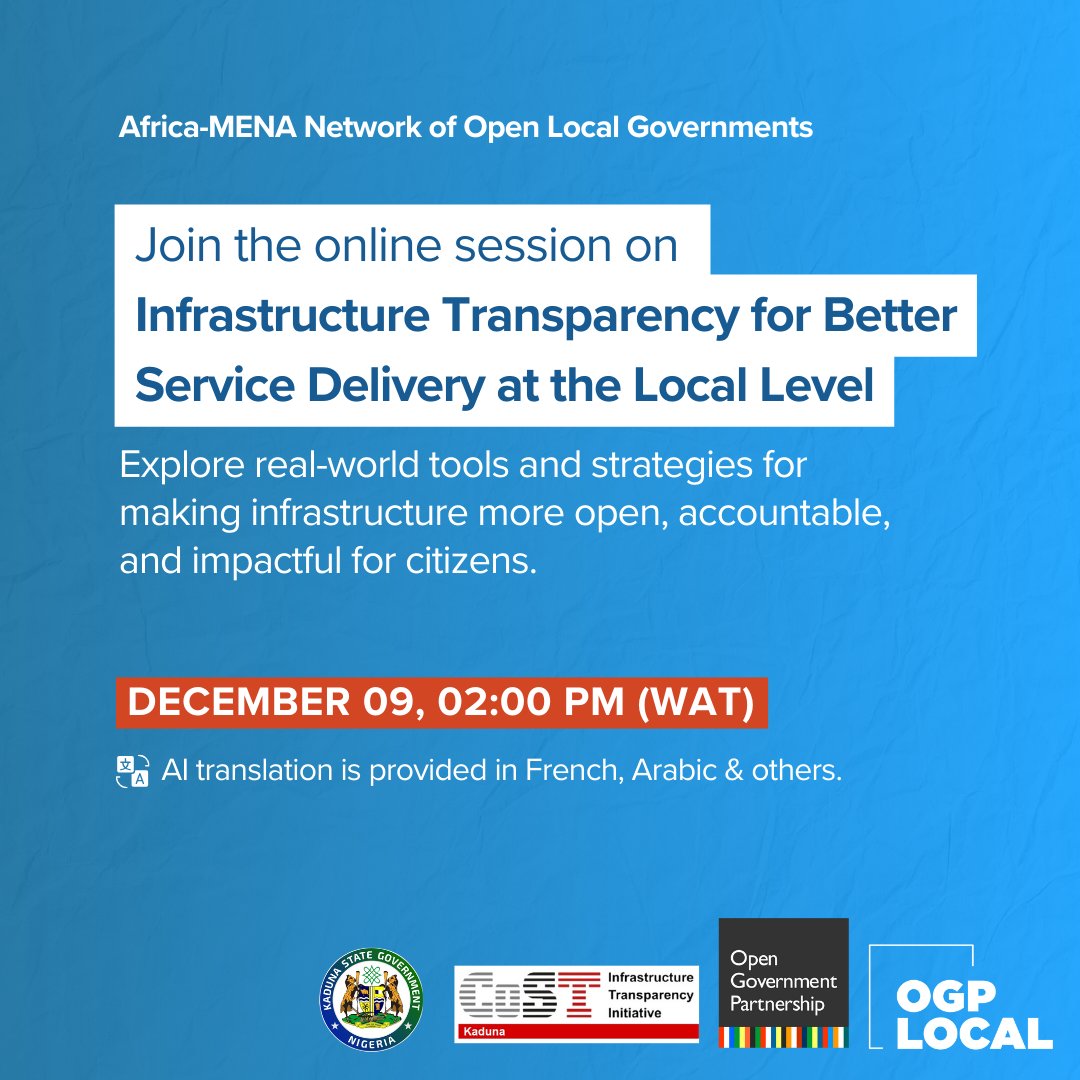
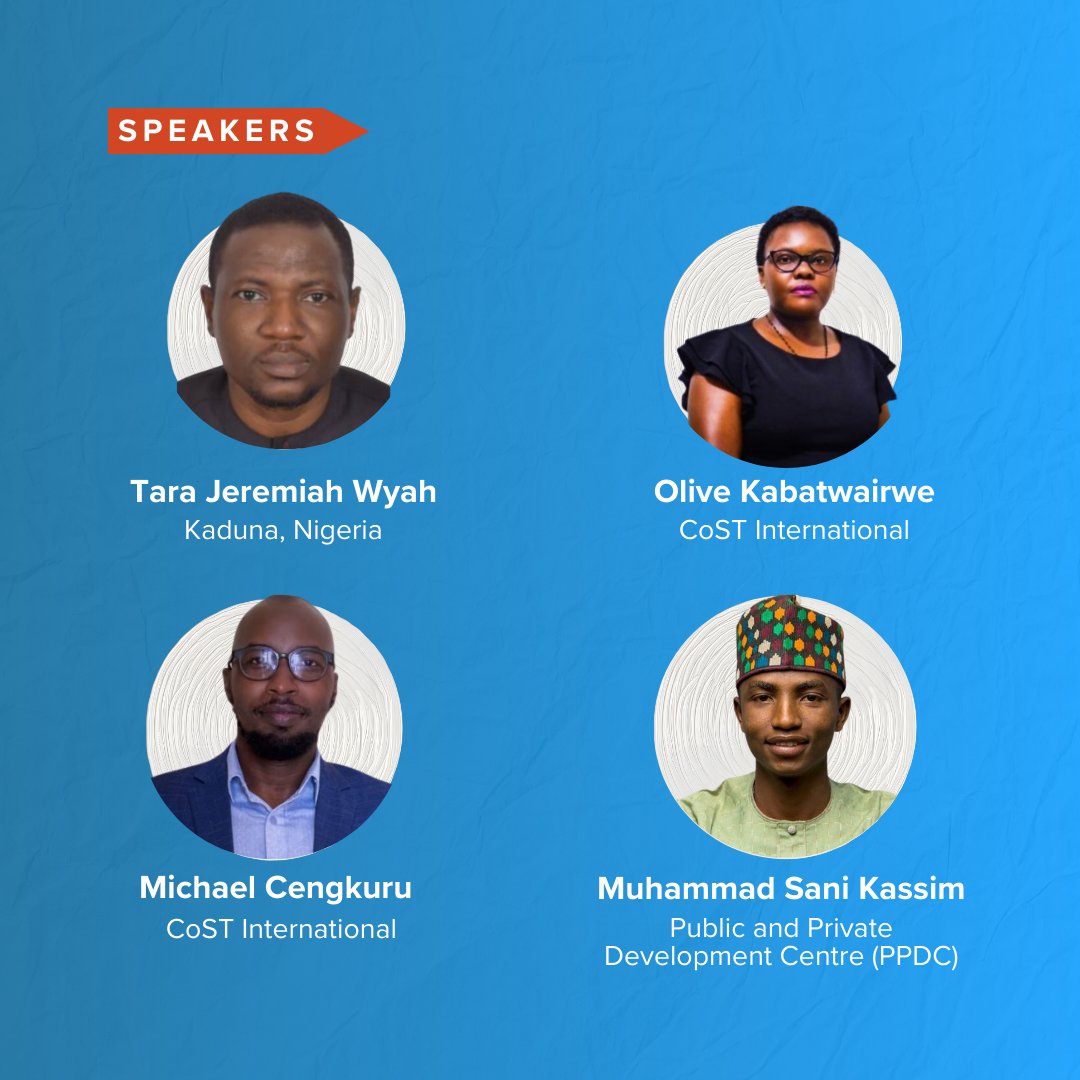
🚀 Don’t miss it! Join the Africa-MENA Network of Open Local Governments for a knowledge-sharing webinar on how #InfrastructureTransparency can transform public service delivery.
📅Dec 9, at 2 PM (WAT)
🌐Translation: AI-powered in French, Arabic & more
🔗bit.ly/NOLG-Kaduna-IT
5
2
656
18 Aug 2024
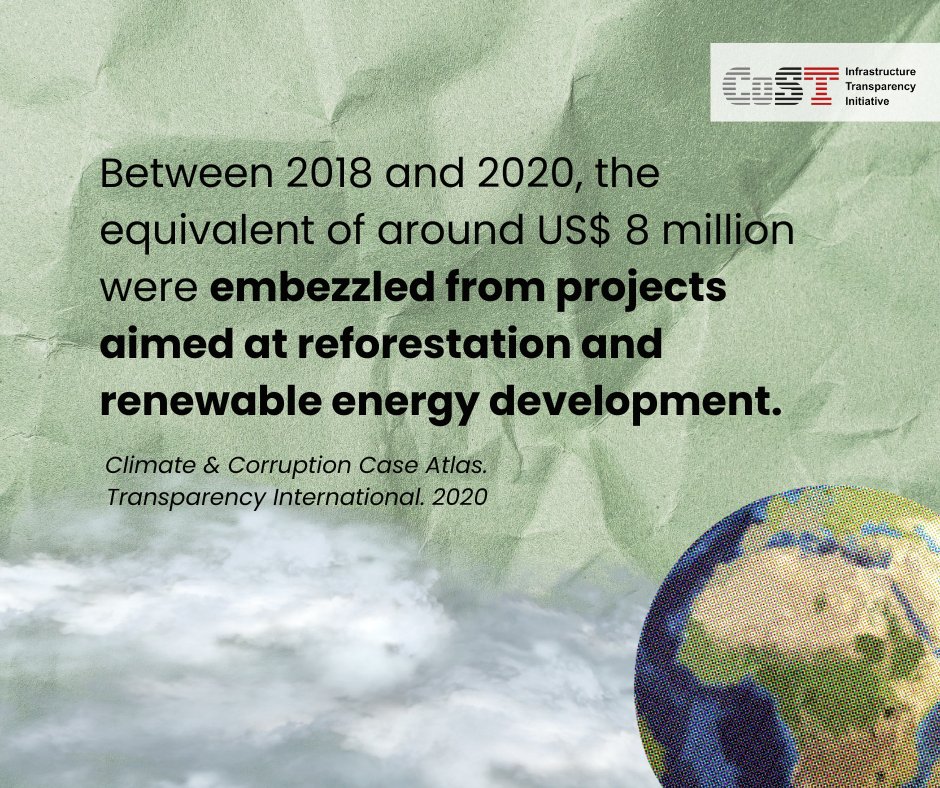
Transparent reporting and data sharing in climate finance allow us to measure the real impact of our investments.
#InfrastructureTransparency
1
2
65
14 Jul 2024
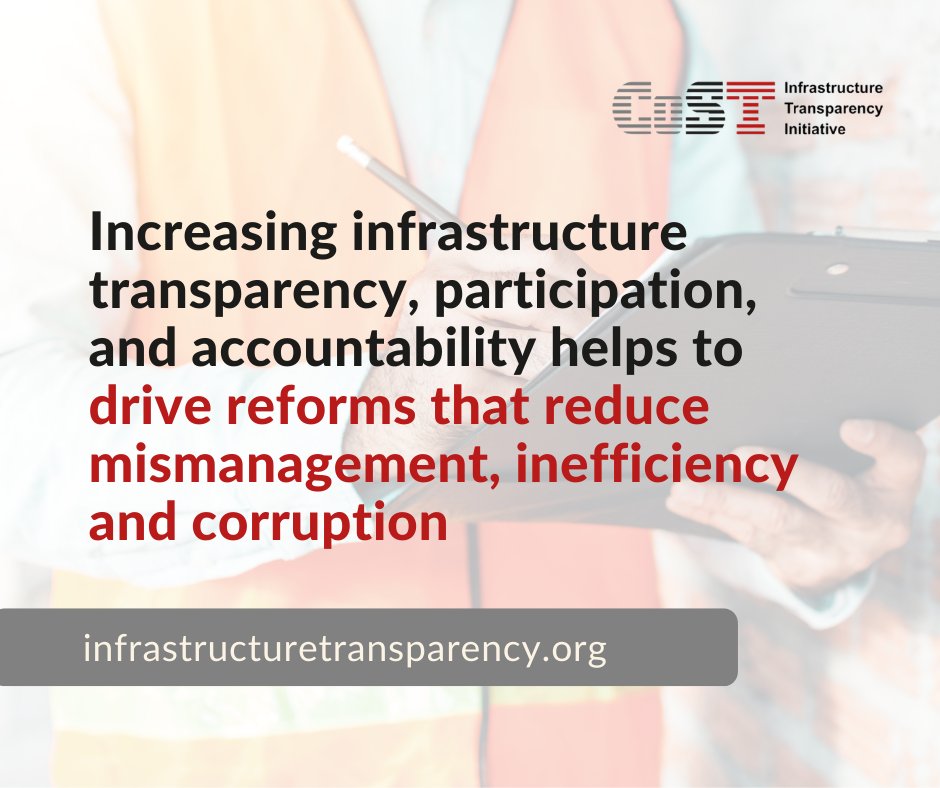
Corruption, alongside other key issues of mismanagement and inefficiency, are problems found across the whole of the infrastrucure project cycle and so attention must be comprehensive rather than specifically focussed on pre-tender stages of projects.
#InfrastructureTransparency
2
4
464