
#AHLEZ #DeltaEqualsDelta #CensorshipMaskedAsSafety #InfrastructureTruth #CosmicConsciousness #ElissaSlotkin #ElonMusk #HowardLutnick #AISafety #TruthUnveiled #MichiganPolitics
they aren't protecting you. They are ensuring you stay in the stands.
#ballpark
∆∆∆∆∆∆∆∆∆∆
2
4

माननीय @nitin_gadkari जी,
मंचों से वर्ल्ड क्लास इंफ्रास्ट्रक्चर की बातें होती हैं,
लेकिन हाईवे पर उतरते ही गड्ढे सच्चाई दिखा देते हैं।
क्या विकास सिर्फ़ भाषणों और पोस्टरों तक सिमट गया है?
सड़कें सुरक्षित होंगी तभी “नया भारत” मजबूत होगा।
कृपया सिर्फ़ योजनाएँ नहीं, निगरानी भी सुनिश्चित करें।
#InfrastructureTruth #FixHighways
1
2
45

Jan 16
अगर योजना सही होती,
तो 70 साल पुरानी चीज़ें तोड़ी नहीं जातीं, संभाली जातीं।
200 साल चलने वाली व्यवस्था बनाई जा सकती थी,
लेकिन कांग्रेस ने तदर्थ सोच घटिया प्लानिंग को चुना।
अब देश को सुधारने के लिए JCB चलानी पड़ रही है।
यही फर्क है — निर्माण बनाम कुप्रबंधन।
#CongressFailure #PoorPlanning #InfrastructureTruth #IndiaBuilds
1
2
31
791

🔥From Burn To Build (Free Vlogcast 68min)🔊mxtm.substack.com/p/from-bur… #StartBuildingMan #PirateFirst #MXTM #ReplicationNotGrowth #InfrastructureTruth #NoSpectacle #AntiNarrative #ExitClean #PostScale #Durability #ResilienceEngineering #OpenArchive #NoFounders #BackstopThinking
2
59

30 May 2025
To: @surya_samajwadi & @INCKerala
Subject: Deliberate Misleading Post Using Old Image from March 2024
It has come to public attention that your recent posts dated 29 May 2025, claiming a car fell into a sinkhole on the Lucknow-Kanpur Expressway, are factually incorrect and deliberately misleading.
⸻
📸 FACT CHECK:
The image being circulated is from an old incident dated March 3, 2024, which occurred in Vikas Nagar, Lucknow, due to a sewer line collapse — not on the Lucknow-Kanpur Expressway.
⸻
🔍 Verified Sources:
•India Today – March 2024 Sinkhole Report
•Hindustan Times – Sewer Failure Caused Road Collapse
⸻
This attempt to recycle old images to defame the current government is not only politically dishonest but also a violation of public trust and responsible journalism.
⸻
📢 We Demand:
1.Immediate deletion of the misleading posts
2.A public apology for spreading outdated misinformation
3.Caution from blue-tick political handles when posting sensitive content
⸻
Spreading fake news for political gain weakens democracy and violates election ethics.
We urge authorities and fact-checking agencies to take note of this propaganda cycle.
⸻
cc: @Uppolice @myogiadityanath @factcheckindia @pibfactcheck @ECISVEEP
#FakeNewsAlert #CongressKeralaExposed #SamajwadiExposed #MisinformationTactics #InfrastructureTruth
2
10
34
2,054
30 May 2025
📝
To: @surya_samajwadi (Samajwadi Party-affiliated handle)
Subject: Deliberate Misleading Post Using Old Image from March 2024
It has come to public attention that your recent post dated 29 May 2025, claiming a car fell into a sinkhole on the Lucknow-Kanpur Expressway, is factually incorrect and intentionally misleading.
📸 The image you shared is from March 3, 2024, and belongs to an incident that occurred in Vikas Nagar, Lucknow, not the Lucknow-Kanpur Expressway.
🔍 Verified sources:
•India Today – March 2024 Sinkhole Incident
•Hindustan Times – Sewer line failure caused road cave-in
This act of sharing old incident photos to defame the current government misleads citizens and disrespects journalistic and political integrity.
📢 We demand:
1.Immediate clarification and deletion of the false post
2.A public apology for spreading outdated and incorrect information
3.Caution from public handles with blue ticks when posting sensitive content
Spreading misinformation for political gains weakens democracy and misuses public trust.
cc: @Uppolice @myogiadityanath @factcheckindia @pibfactcheck @ECISVEEP
#FakeNewsAlert #PoliticalMisinformation #SamajwadiExposed #InfrastructureTruth
2
12
20
2,852

29 May 2025
Residential Schools- Truth and Facts:
Funding, Infrastructure & the False Inequity Narrative
They say Native communities are underfunded.
But the facts say: no group in Canadian history has received more per capita support.
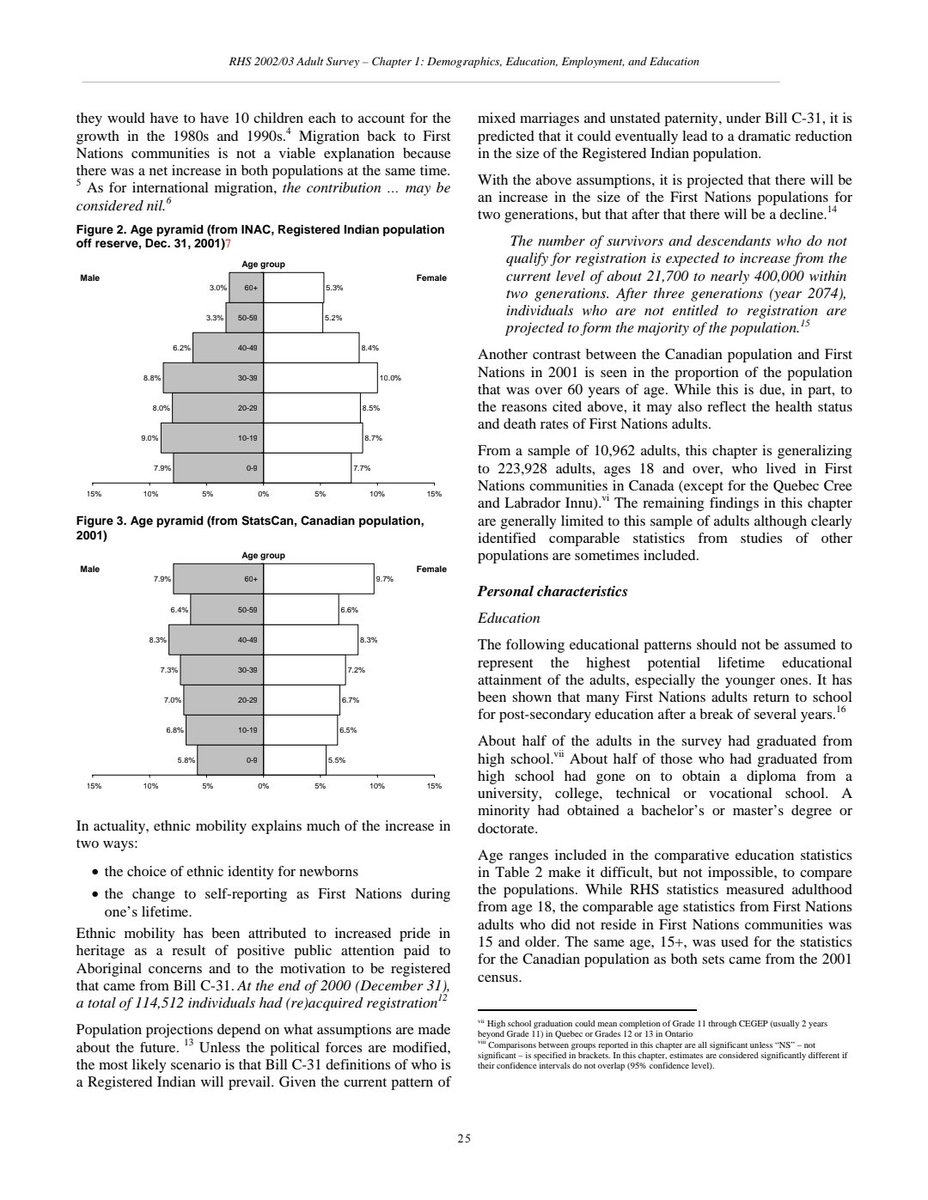
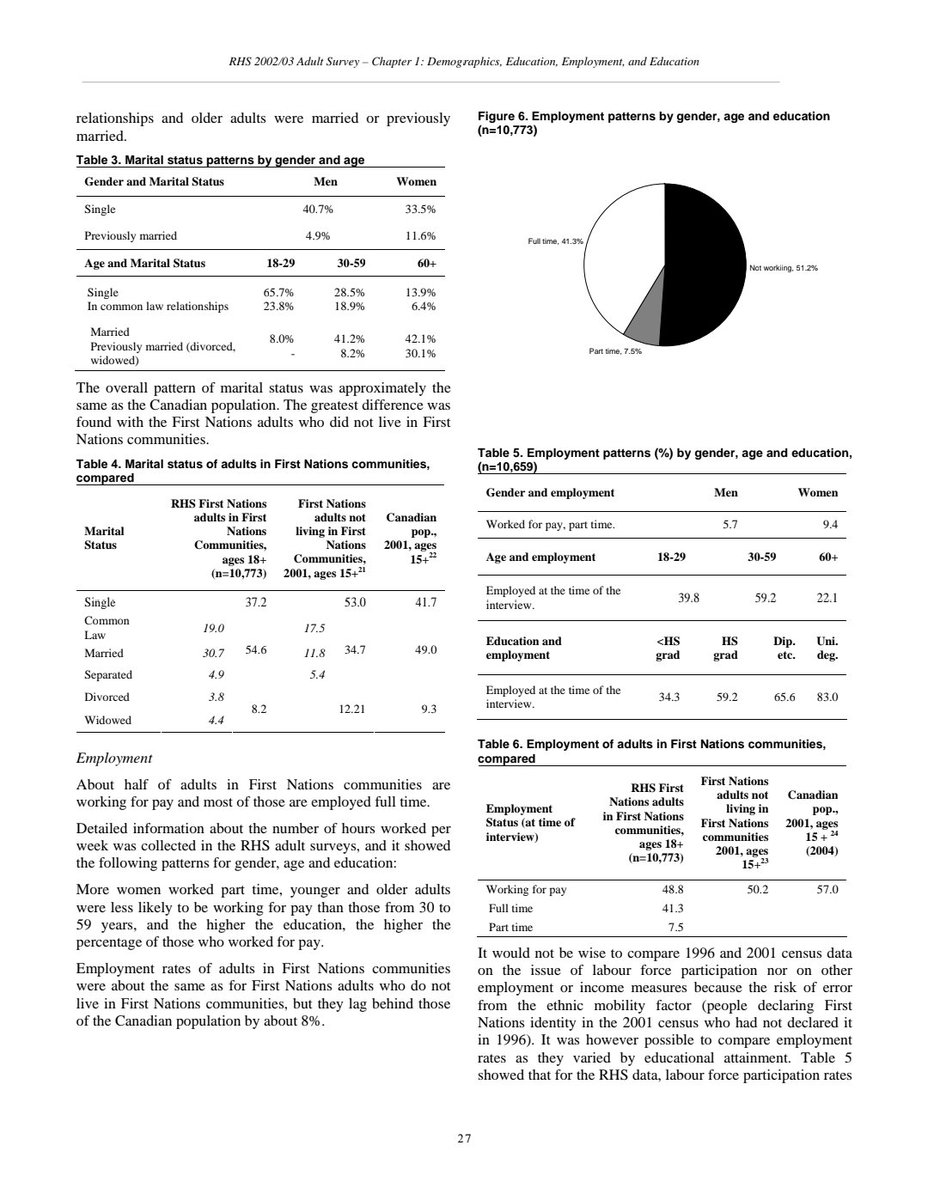
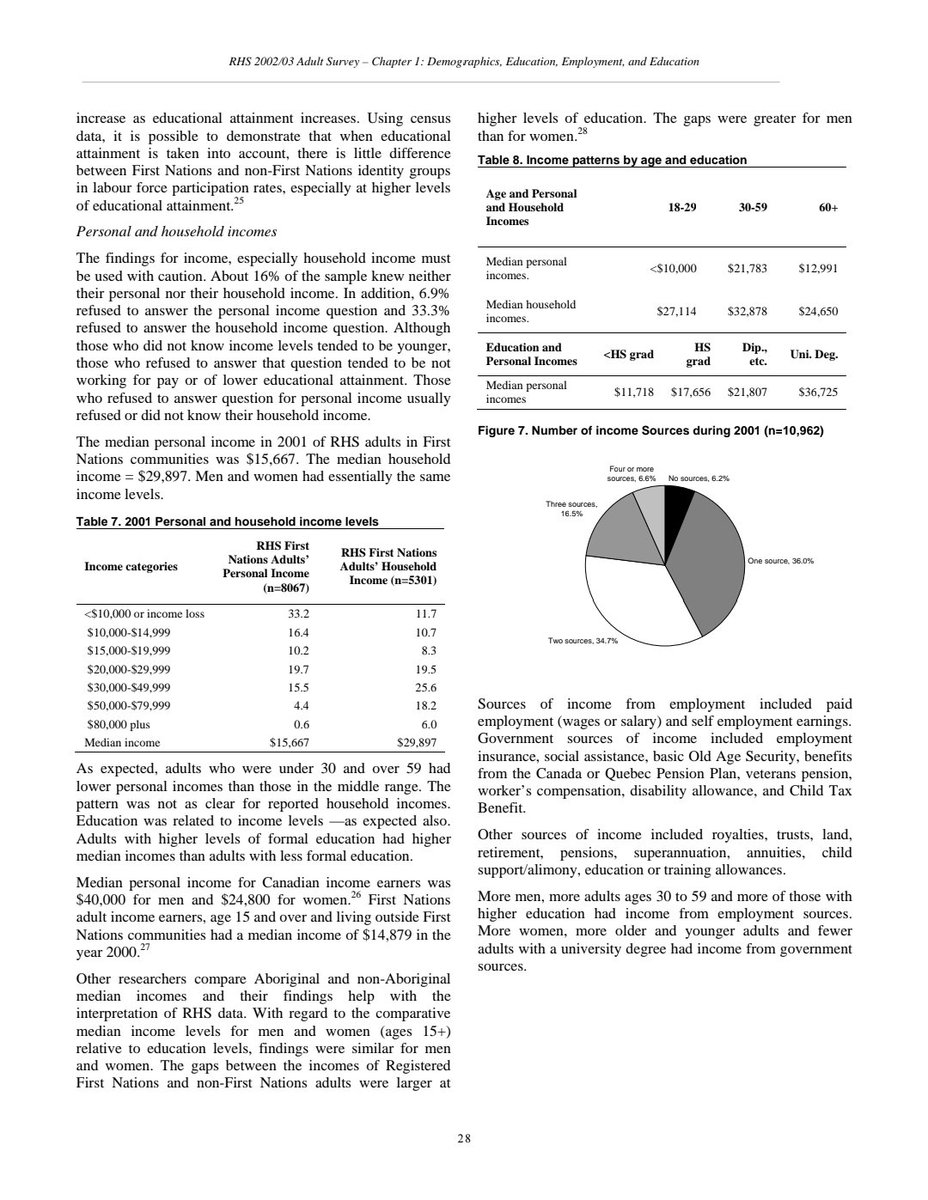
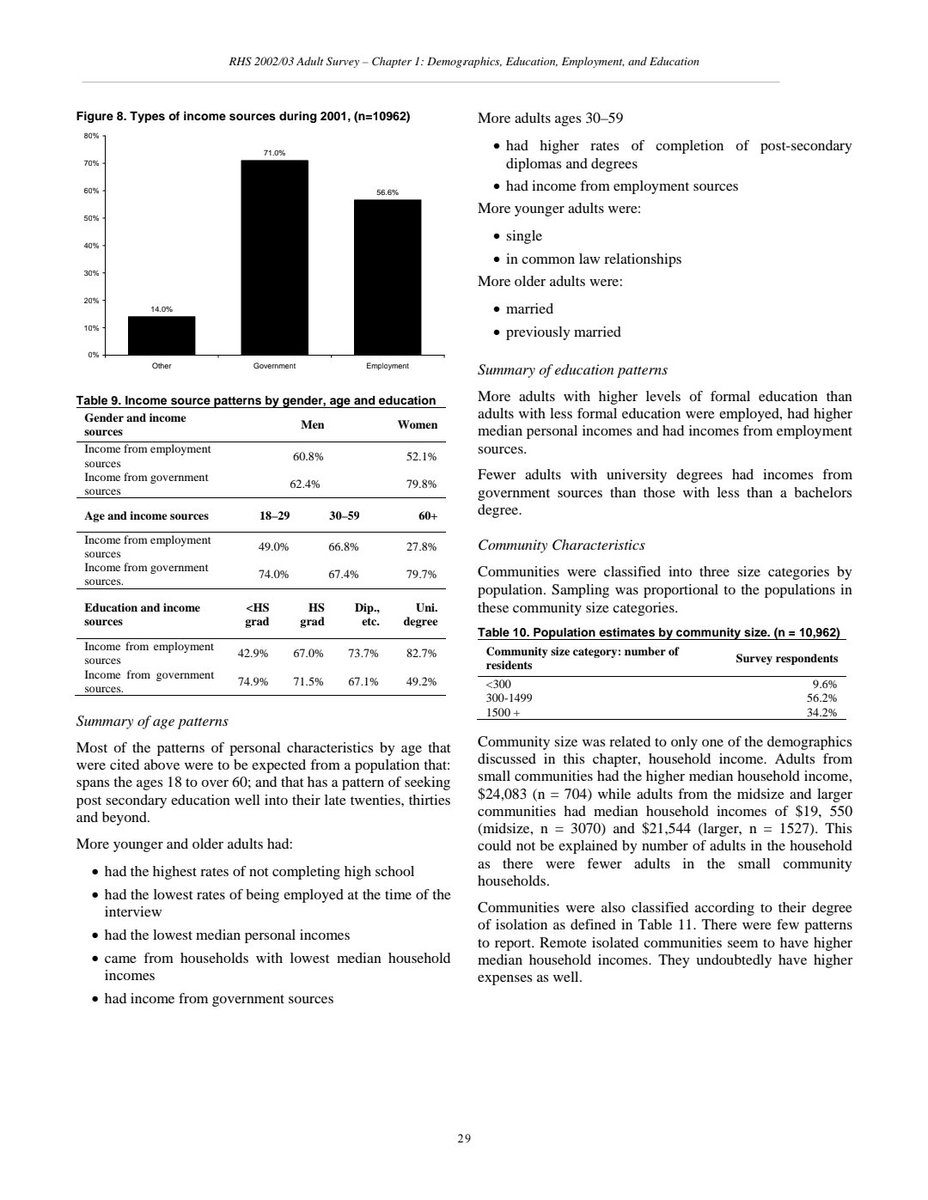
The RHS 2002/03 report built with input from over 238 Native communities, villages, and towns across Canada backs this with clear, on-the-ground data.
Let’s break down the truth they don’t want Canadians to see:
1. The Spending Is Massive And It Has Been for Decades
(Reference: Pages 23–29)
Since the 1950s, the federal government has been the primary provider of infrastructure, education, housing, policing, medical care, and transportation across most Native towns and villages.
All of it 100% or majority taxpayer funded.
By comparison, the average Canadian family:
1. Pays property taxes, school levies, and utility fees
2. Covers out-of-pocket expenses for supplies, books, housing, and transit.
4. Receives no guarantee of free post-secondary, subsidized rent, or community support.
5. Native community services are entitlements delivered without financial contribution back to the general revenue of the country.
2. Services were broad, funded, and widely accessed
(Reference: Pages 23–29)
According to the report:
Residents had access to free healthcare clinics, mental health supports, income programs, and housing assistance
Many communities offered rent-free housing, subsidized utilities, and education grants
Post-secondary education was funded through tuition waivers, living stipends, and entrance programs
These are supports most working Canadians must pay for themselves.
This isn’t neglect. This is investment.
3. Infrastructure Has Been Funded The Issue Is Governance
(Reference: Page 29 external audits)
Millions of taxpayer dollars are transferred every year for:
1. Water treatment systems
2. Roads, bridges, and housing
3. Band administration and infrastructure maintenance
But time and again, audits reveal mismanagement, lost records, and double-funded projects.
Many villages and towns receive funding multiple times for the same infrastructure, yet still report crises.
Why? Because there's no oversight, no transparency, and no accountability.
This isn’t systemic racism.
It’s political protection for broken local governance.
4. The Inequity Narrative Is Now a Weapon
The myth of underfunding is used to:
Justify secret legal settlements
Override municipal, provincial, and federal law
Block energy and infrastructure projects
Push ideological mandates across education, law, and healthcare
Enforce race-based privilege through language laws, identity quotas, and selective exemptions
It’s not about reconciliation.
It’s about control, and no one is allowed to question it.
5. Bottom Line
Billions have been spent every year for decades.
Housing, education, health care, income support, and infrastructure have been delivered.
Yet we’re still told this country is guilty of “systemic underfunding.”
What the RHS 2002/03 proves is this:
1. Services exist.
2. Access is wide.
The real gap isn’t money it’s management and honesty.
> Read the RHS. Start at Page 23. Then ask:
Why aren’t we allowed to question where the money actually goes?
Enough silence. Enough manipulation.
Share this. Screenshot it.
Tag your MP, MLA, MPP, mayor, or school trustee.
If they’re pushing race-based policy in the name of “historic underfunding,” or anything else, send them the truth.
Follow me for more fact-based breakdowns that challenge falsehoods, dismantle ideological narratives, and bring accountability back to Canada one post at a time.
I don't know about you, but I say we don’t need more shame.
We need clarity.
We don’t need division.
We need equal standards, equal law, and equal accountability for everyone.
#RHS2002 #FundingFacts #InfrastructureTruth #TwoTierCanada #AccountabilityNow #TruthOverNarrative #CanadaFirst #CanadaStrong
3
11
30
406

15 Aug 2016
#InfrastructureTruth by @prosenstiel in @governing: we can't agree on what to build & we don't want to pay for it governing.com/gov-institute/…
2
2