🚨 BREAKING: The Cockroach Party is launching protests across the nation! 🪳✊ They can survive absolutely anything... well, almost anything.
Delhi? Yes! Bangalore? Yes! UP? Intense sweating and apology boards 🚜💥🤕😂
Watch the latest from the Intellectually Confused Network! 👇
Created by @Indian_BeeR
CC: @Cockroachisback @CJP_2029 @Iyervval @Shehzad_Ind @abhijeet_dipke @ajeetbharti @AdityaRajKaul
#Satire #CockroachParty #IntellectuallyConfused #IC
4
10
18
1,104
4
11
852
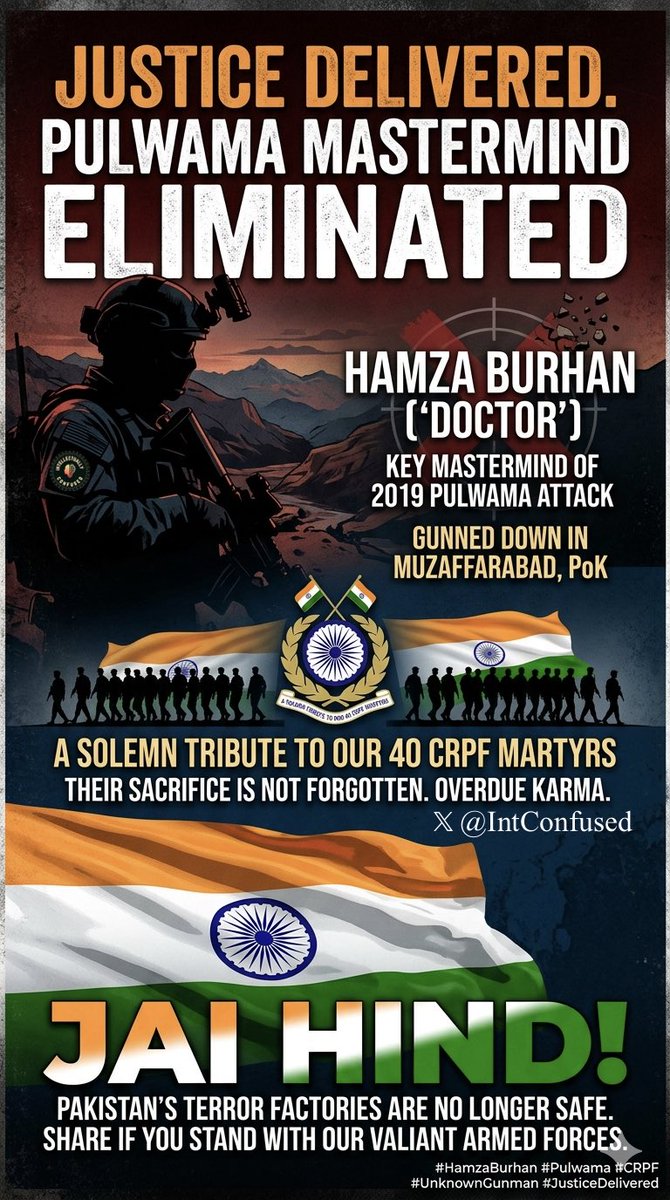
Overdue Karma delivered in Muzaffarabad!
🔥🥷
Hamza Burhan (alias 'Doctor'), a designated terrorist and one of the key masterminds behind the 2019 Pulwama attack, has been gunned down by unknown assailants in PoJK (Gulam Kashmir). ⚰️
For the 40 brave CRPF jawans we lost, justice has a way of catching up. The ecosystem of terror is imploding from within, and their so-called safe havens across the border are clearly no longer safe.
A massive tribute to our valiant armed forces and the heroes who made the ultimate sacrifice. As an Indian, seeing these terror network commanders face their own medicine feels like profound retribution for our martyrs.
Share if you stand unapologetically with the Indian Armed Forces! 🇮🇳🪖
#HamzaBurhan #Pulwama #CRPF #UnknownGunmen #JusticeDelivered #IC #IntellectuallyConfused
1
8
16
2,077
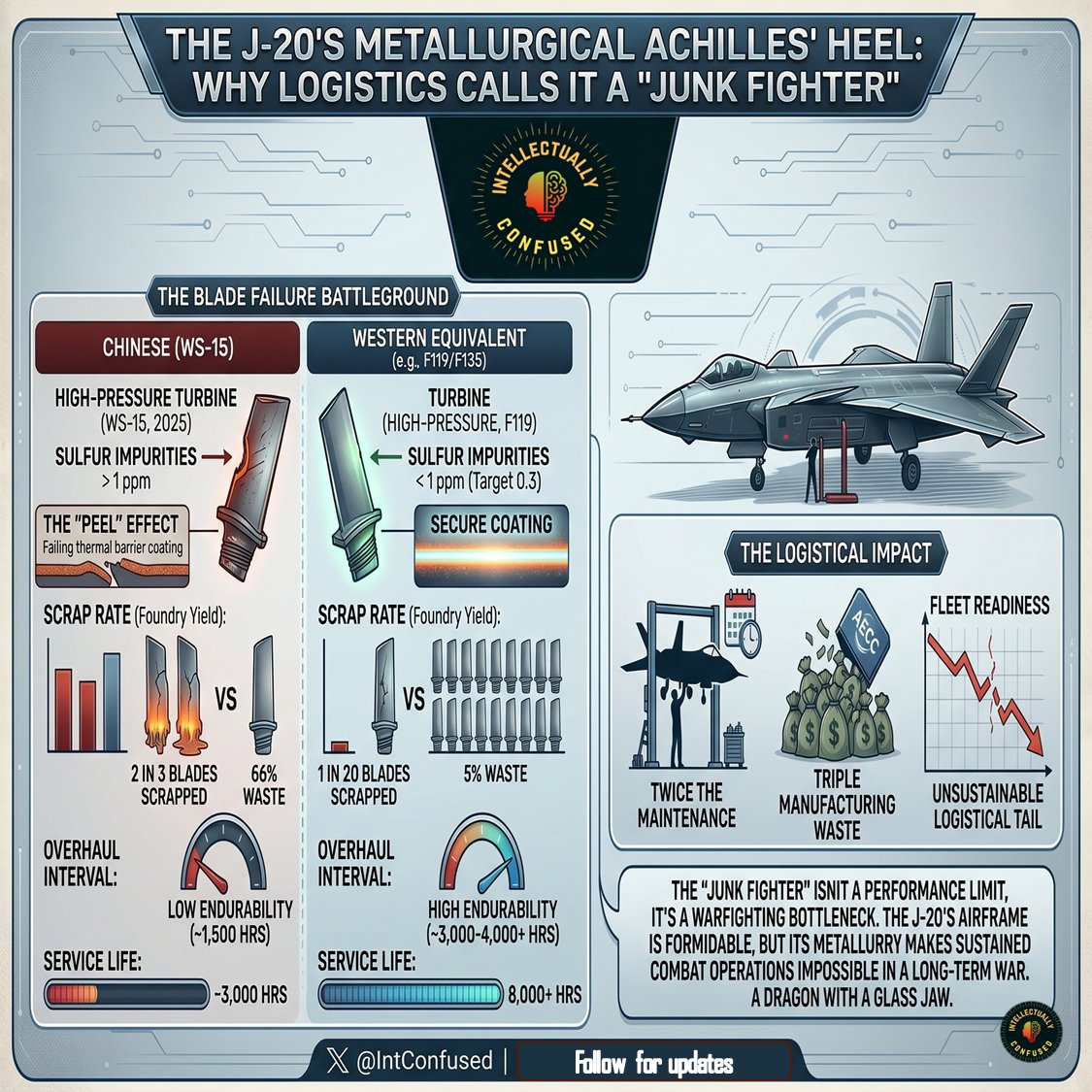
Let's talk Defence series: The J-20’s Glass Jaw: Why "The Dragon" is a Logistician’s Nightmare 🐉🔥
The J-20 looks like a world-beater, but its biggest enemy isn't the F-22—it's sulfur.
Despite the J-20A finally entering serial production with the WS-15 engine in late 2025, China is facing a brutal reality: they can design 5th-gen tech, but they can’t mass-produce the metallurgy to sustain it.
The "Junk Fighter" breakdown:
The 2/3 Rule: Chinese foundries currently scrap two out of every three turbine blades they cast. In the West, that scrap rate is 1 in 20. It is an industrial bloodbath of wasted time and money.
The 1 PPM Barrier: Western foundries target sulfur levels below 1 part per million. If you miss that mark, the thermal coating peels, the metal oxidizes, and the engine dies. China is still fighting for that level of purity at scale.
The Maintenance Gap: While a Western engine runs for 3,000 hours between overhauls, the WS-15 struggles to hit 1,500. A J-20 spends twice as much time in the hangar as an F-35.
You can have the best stealth and the best radar, but if your turbine blades melt because of a few extra atoms of sulfur, you don’t have a super-fighter—you have an expensive paperweight.
The J-20 isn't "junk" because it can't fly; it's "junk" because the industrial tail required to keep it in the air is unsustainable in a long-term war.
You can have the best stealth and the best radar, but if your turbine blades melt because of a few extra atoms of sulphur, you don’t have a super-fighter—you have an expensive paperweight.
#MilitaryTech #J20 #Aviation #Defense #China #WS15 #IC #IntellectuallyConfused #DefenceTalks
1
1
5
288
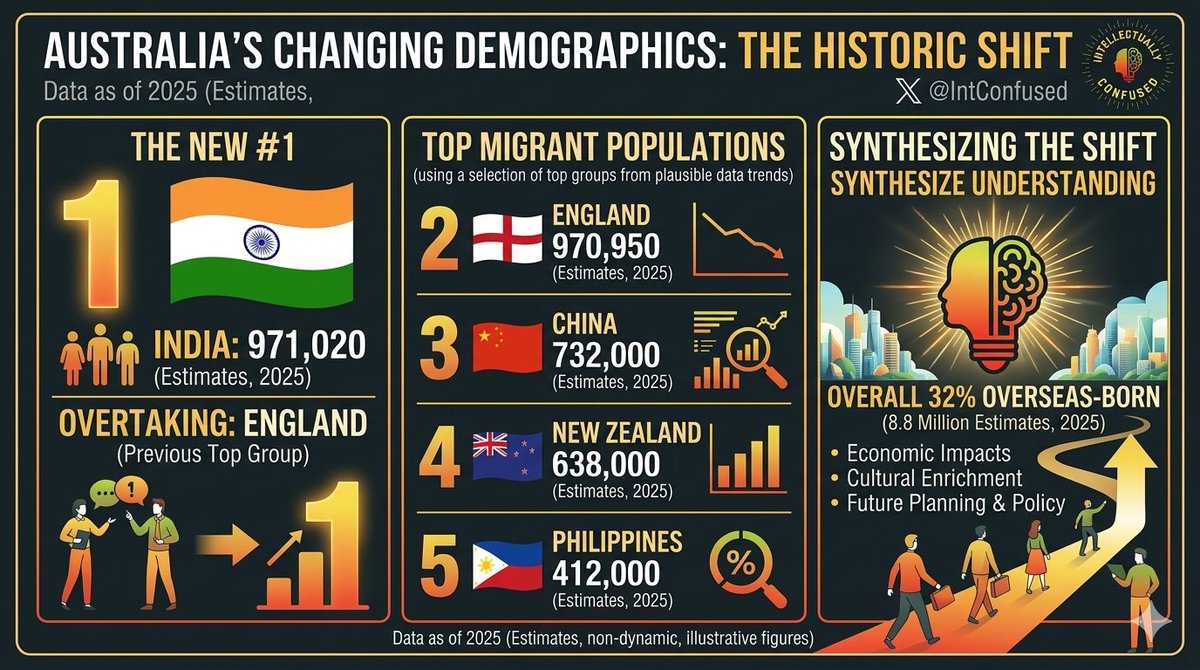
Let’s talk Data series : 🚨A Historic Shift in Australia's Demographics 🇦🇺
For the first time since records began in 1891, India has overtaken England to become Australia’s largest migrant group.
As of the latest ABS data for 2025, here are the top three overseas-born populations:
* 🇮🇳 India : 971,020 (5.2% of the population).
* 🇬🇧 England : 970,950.
* 🇨🇳 China : 732,000.
Overall, overseas-born residents now make up 32% of Australia's total population, reaching 8.8 million people.
Are we ready for the economic and cultural shifts this brings? Let us know your thoughts below! 👇
#IntellectuallyConfused #Australia #Demographics #Migration #DataAnalytics #IC
1
2
4
361
The walls are coming down, but the stakes are global. 🌍⚔️
"Attack on Devil" reimagines the gritty, survivalist tension of #AttackOnTitan in a modern-day clash between Iran and America. A bold, animated take on the "Great Satan" narrative and the cycles of war. 🇮🇷🇺🇸
Is this the future of geopolitical storytelling?
#AttackOnDevil #AnimeNews #Iran #USA #Geopolitics #AttackOnTitan #ShingekiNoKyojin #IntellectuallyConfused #IC
2
5
806

25 Dec 2025
Wishing everyone a legendary Christmas from Down Under! 🇦🇺🎄 IC is trading the snow for sunshine, surf, and a festive barbie. Hope your day is filled with good vibes, great mates, and zero confusion! Cheers! 🍻✨
#ChristmasInAustralia #MerryChristmas #IC #DownUnderFestivities #SummerChristmas #IntellectuallyConfused #HolidayVibes
2
1
3
318
24 Dec 2025
The Epstein files are finally here... as the "Refracted" edition! 🧐 Redacted beyond recognition. IC sees... nothing! ⬛️📄
#EpsteinFiles #Redacted #IntellectuallyConfused #Transparency #Satire
2
1
6
603
9 Nov 2025
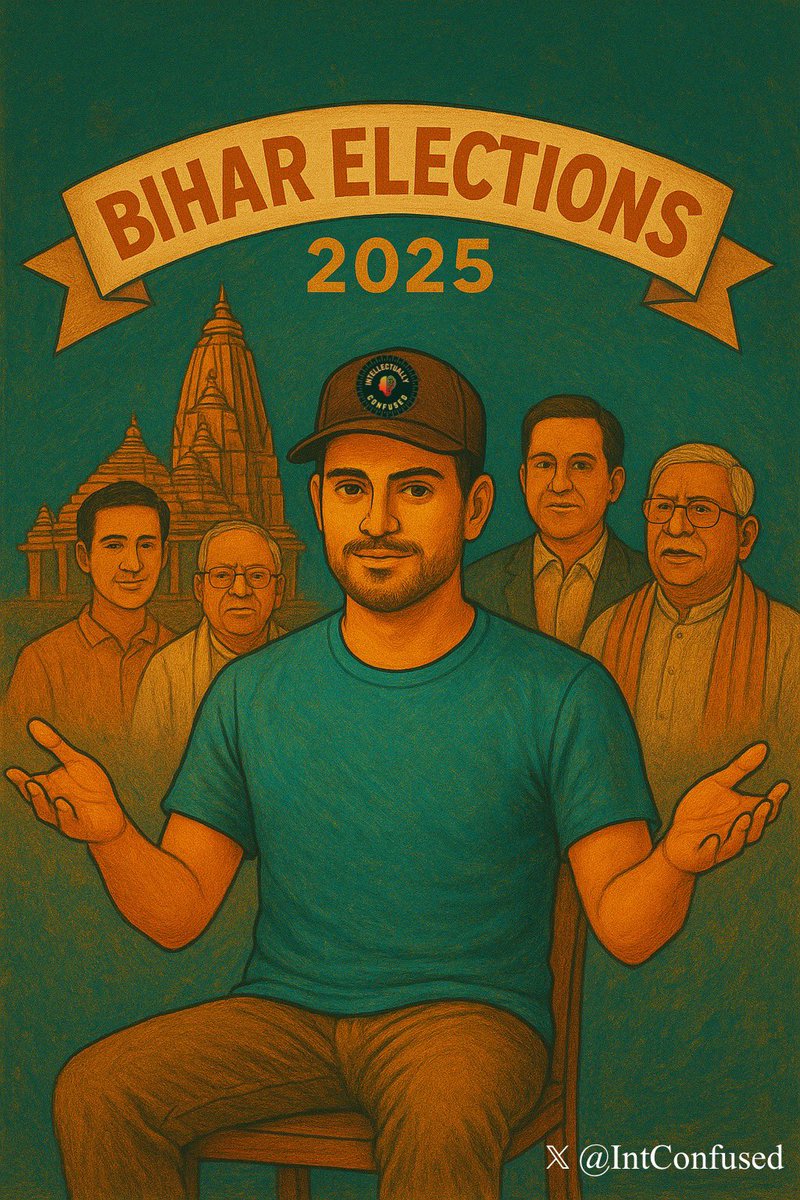
IC Says : “Bihar Elections are here. Will the people vote for progress or unsustainable promises”.
#BiharElection2025 #BiharElection #IC #IntellectuallyConfused #VoteForProgress #India
3
3
607
7 Nov 2025
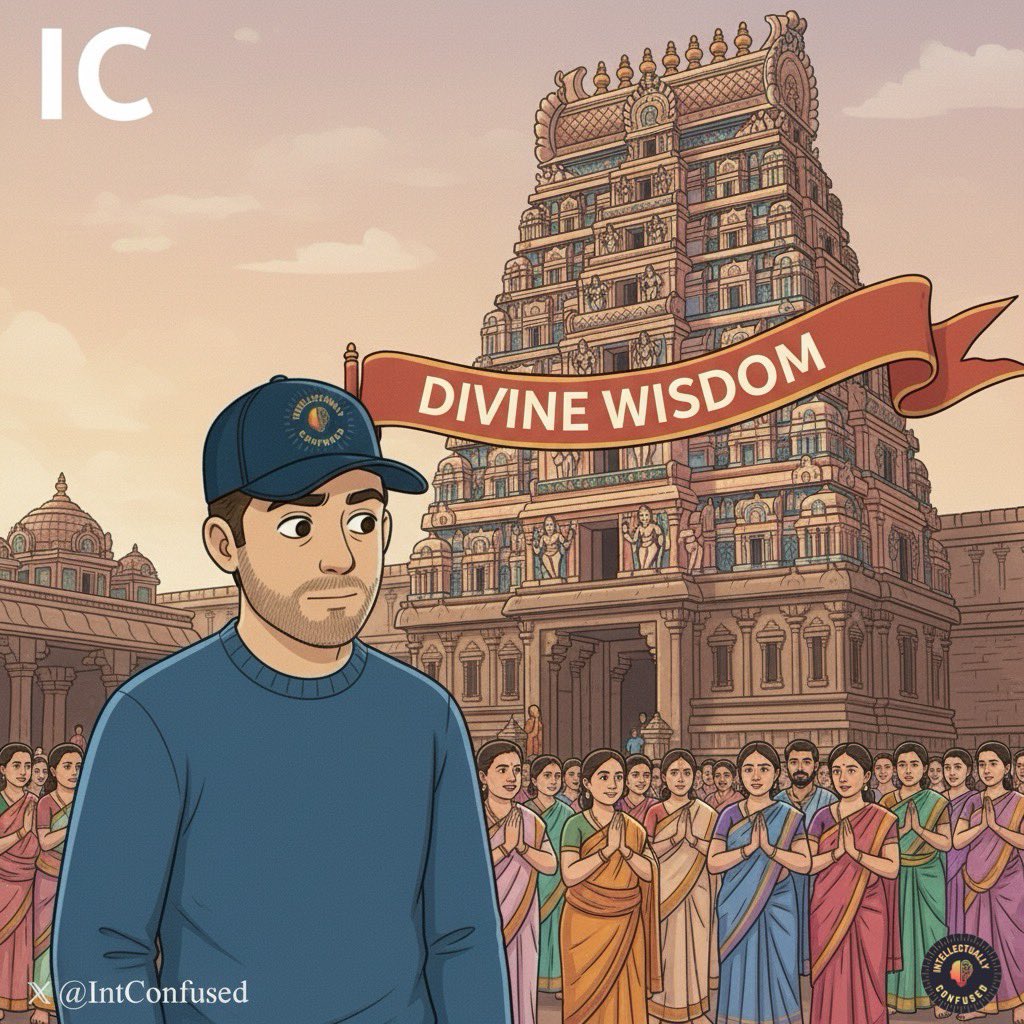
IC Says : “India is the land of Divine Wisdom. Come and get enlightened”
#India #SanatanDharma #IC #IntellectuallyConfused
4
3
18
1,946
3 Nov 2025
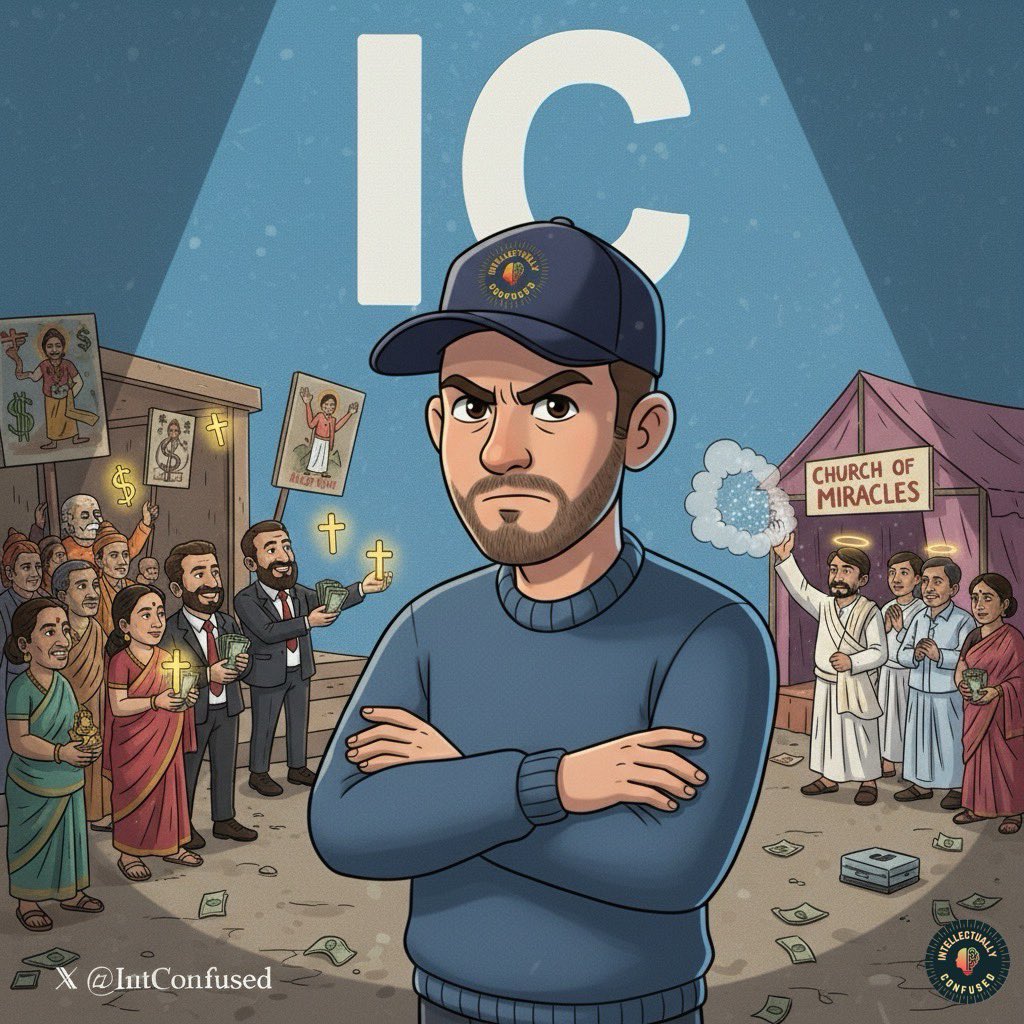
Conversion by deception? Classic playbook. Roll in with fake miracles, prey on trust, and call it salvation. Charlatanism dressed as evangelism.
#RiceBagConversion #IC #IntellectuallyConfused #ConversionIndustry
3 Nov 2025

“If Christians are being persecuted in India then why is Christianity growing rapidly there?”
Our religion started with a corpse in a tomb, you think persecution will stop us?
1
4
310
25 Oct 2025
Words of Wisdom: Time ⏳ waits for no one.
Use it wisely.
Once lost you can never claim it back.
#WordsOfWisdome #ICsays #IC #IntellectuallyConfused #thoughtoftheday
1
7
12
1,788
20 Oct 2025
Wishing you light, laughter, and moments that glow.
May this Diwali 🪔 bring warmth to your home and joy to your heart.
Celebrate fully. Shine brightly.
#शुभदिवाली #HappyDiwali #IC #IntellectuallyConfused
2
4
11
373
4 Oct 2025
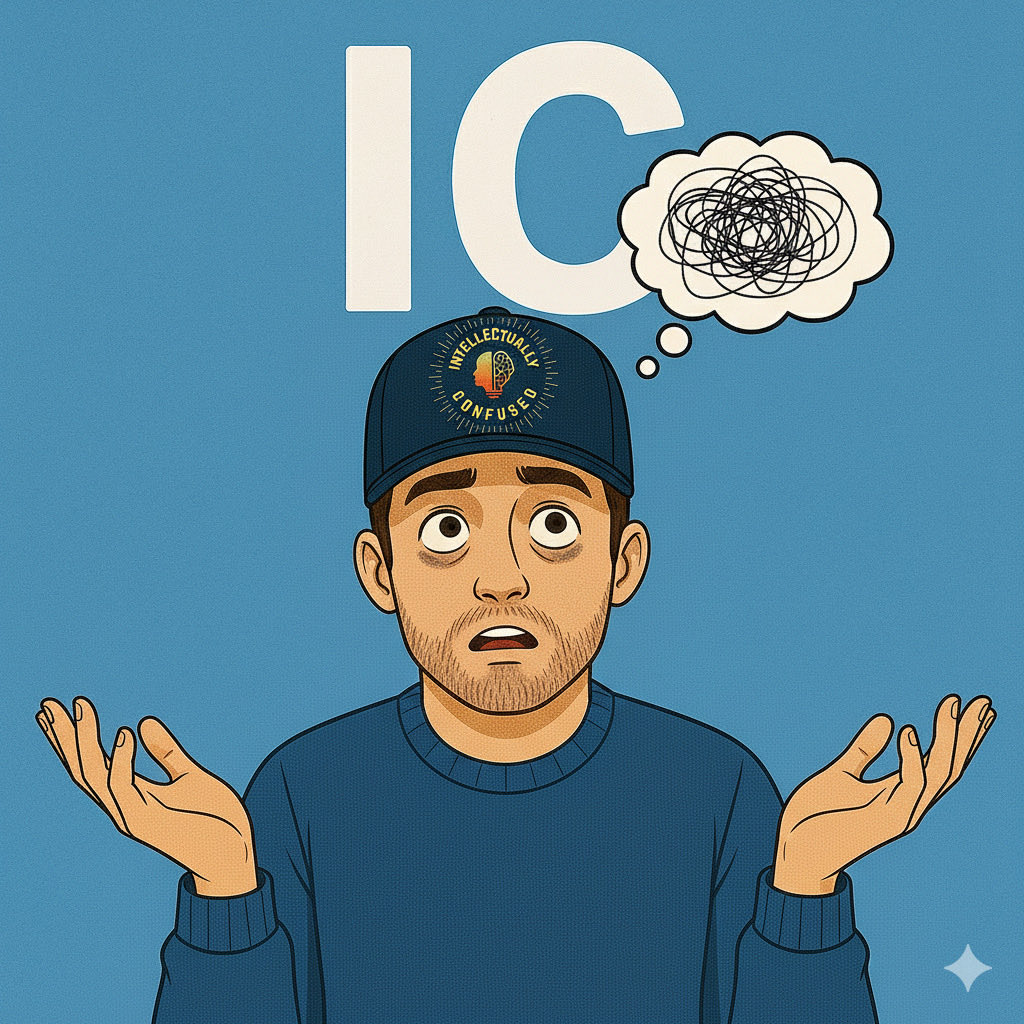
Only a disillusioned soul celebrates raiders who looted, executed, and converted their ancestors.
Aunty, your “peaceful” identity is the result of forced conversions—what’s worth celebrating there?
#IC #IntellectuallyConfused
1
1
2
241
3 Oct 2025
Point to ponder 🤔: I am no conspiracy theorist but can someone check the claims made in this video about Israel 🇮🇱?
#Israel #conspiracytheory #IC #IntellectuallyConfused
1
3
4
455
2 Oct 2025

1
2
2
179
22 Sep 2025
My IQ score increased by 10 points 🤔 after watching this video 📹
#HighIQ #IC #IntellectuallyConfused
 S.M.K
S.M.K
3
4
191
22 Sep 2025
🪔 शुभ नवरात्रि!
🎉 Happy Navratri from the IC universe!
Wishing you nine nights of clarity, courage, and just enough confusion to keep things interesting.
#IntellectuallyConfused #NavratriVibes #ICPersona #FestiveSpin #HappyNavratri #शुभनवरात्रि #नवरात्रि #नवरात्री_उत्सव
5
1
10
1,008
20 Sep 2025
7/
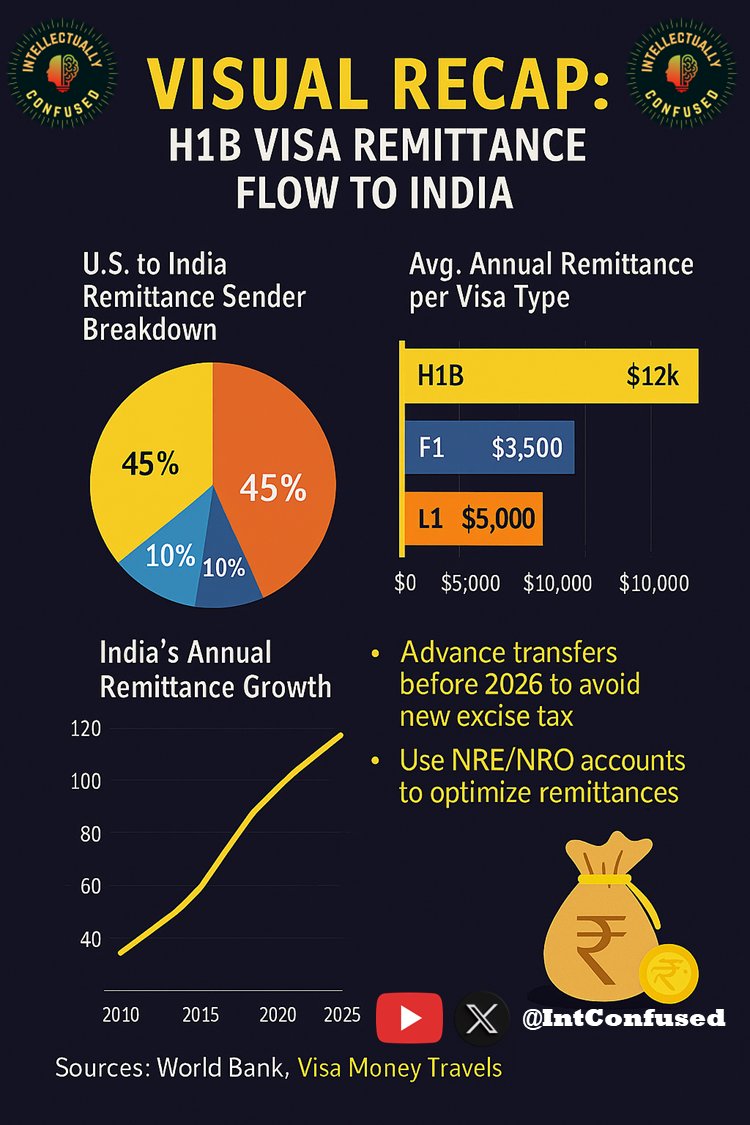
📊Visual Recap:
- Pie chart: U.S. remittance sender breakdown
- Bar graph: Avg. remittance per visa type
- Line chart: India’s remittance growth (2010–2025)
#MigrationPolicy #GlobalMoneyFlows #CrossBorderFinance #DiasporaImpact #IntellectuallyConfused #PolicyRemix
1
1
3
173
29 Jul 2025
1
2
8
1,226