
17 Nov 2023
Designing an ESP32-Based HMI? Get insights on hardware, programming, and user interface design for optimal functionality and user experience. Read the article here!
#Norvi #esp #esp32 #esp32project #esp32wroom #HMI #HumanMachineInterface #Technology #IntuitiveUserInterfaces #Industries #hmisolutions #hmiprojects #HMIDesign #IoT #EmbeddedSystems #UserInterface #HMIProgramming #TouchscreenTech #SmartDevices #Electronics #DIYElectronics #Arduino #TechInnovation #WirelessCommunication #InternetOfThings #MakerCommunity #Engineering #Innovation #HMIControl #OpenSourceHardware #microcontrollers
norvi.lk/?p=15452&preview=tr…
1
2
319
17 Nov 2023
ESP32-based HMI is a trend now for IoT and Smart applications with its benefits and applications. Find below.
Why ESP32-Based HMI?
⏺ Powerful microcontroller
⏺ Integrated Wi-Fi and Bluetooth capabilities
⏺ Relevance stems from its dual-core processor
⏺ Low power consumption
⏺ Rich set of peripherals
⏺ Ample processing power
⏺ Dual-core processor
⏺ Well-suited for IoT and smart applications
⏺ Wireless communication
⏺ Robust processing capabilities
⏺ Responsive and feature-rich user interfaces
⏺ User-friendly interfaces
⏺ Versatility and reliability of the ESP32
⏺ Handle complex tasks without compromising performance
⏺ Enhancing operational efficiency and safety.
Application of ESP32 based HMI
⏺ IoT Integration
⏺ Home automation
⏺ Smart controlling systems
⏺ Industrial control
⏺ Smart environments
⏺ Data exchange protocols
⏺ User input methods
⏺ Real-time responsiveness machines
The evolution of ESP32-based HMI systems is poised to witness advancements in AI integration, enhanced security features, and expanded support for sophisticated user interfaces, paving the way for more immersive and intelligent human-machine interactions in IoT and smart applications.
NORVI is about to launch its newly produced, ESP32-based HMI.
Wait with us! norvi.lk/
#Norvi #esp #esp32 #esp32project #esp32wroom #HMI #HumanMachineInterface #Technology #IntuitiveUserInterfaces #Industries #hmisolutions #hmiprojects #HMIDesign #IoT #EmbeddedSystems #UserInterface #HMIProgramming #TouchscreenTech #SmartDevices #Electronics #DIYElectronics #Arduino #TechInnovation #WirelessCommunication #InternetOfThings #MakerCommunity #Engineering #Innovation #HMIControl #OpenSourceHardware #Microcontrollers
2
40
14 Nov 2023
Are you looking to optimize HMI projects for industrial automation success? Read here!
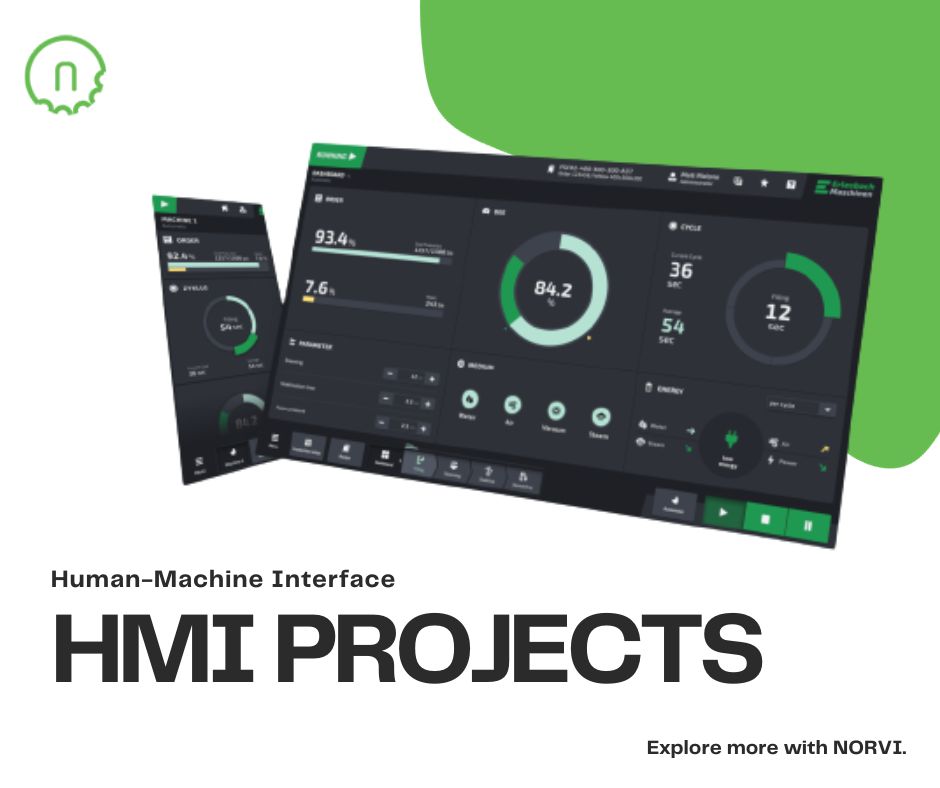
HMI projects are essential for industrial automation, connecting human operators to technology. They design, implement, and optimize interfaces for interaction with machines, systems, and processes. These projects enhance operational efficiency, safety, and real-time decision-making, presenting data clearly and understandably, thereby minimizing errors.
- Understanding HMI Software and Hardware - To optimize HMI projects, it is essential to have a comprehensive understanding of the software and hardware components involved.
- Software Components and Functionality - HMI software serves as the backbone of the user interface, offering features such as data visualization, alarm management, and historical data access. It enables operators to interact with industrial systems, monitor processes, and respond to critical events in real-time.
- Hardware Components and Key Considerations - The hardware components of HMI projects include touchscreens, control panels, and programmable logic controllers (PLCs). When selecting hardware, factors such as ruggedness, environmental compatibility, and scalability must be carefully considered to ensure optimal performance and longevity in industrial environments.
- Role of Touchscreens, Control Panels, and PLCs in HMI Projects - Touchscreens provide the tactile interface through which operators interact with the system, while control panels house the necessary controls and indicators for monitoring and managing processes. PLCs serve as the backbone of control and automation, facilitating seamless communication between the HMI interface and the industrial equipment.
Planning and Designing HMI Projects
The planning and design phase of HMI projects is critical for aligning the interface with user requirements and operational needs.
- Gathering and Defining User Requirements
- Creating Wireframes and Prototypes
- Selection of Hardware and Software for HMI Projects
HMI Project Implementation
The implementation phase involves the physical setup, configuration, and integration of the HMI system within the industrial environment.
- Installation and Setup
- Configuration and Customization
- Integration with Existing Systems
- Best Practices for Reliability, Security, and Scalability
- Programming HMI Interfaces
Overcoming Integration Challenges in an HMI Project
- Testing and Troubleshooting HMI Systems
- Importance of Comprehensive Testing and Quality Assurance
- Common Issues, Debugging, and Troubleshooting Strategies
- Optimization for Performance and Efficiency
Future Trends and Innovations in HMI
The landscape of HMI is continually evolving, with emerging technologies and innovative approaches reshaping the future of human-machine interaction in industrial environments.
- Exploration of Emerging Technologies in HMI
- Impact and Integration of Augmented Reality Interfaces and Voice Control
- Leveraging Predictive Analytics and Machine Learning in HMI
Best Practices and Tips for HMI Projects
Incorporating best practices and adhering to essential considerations is crucial for the successful execution and long-term success of HMI projects.
- Design Principles and Considerations for User Experience
- Usability, Accessibility, and Human-Centered Design
- Strategies for Maintenance, Upgrades, and Long-term Success
HMI projects drive efficiency, innovation, and competitiveness in industrial automation. Embracing the latest trends and best practices allows organizations to optimize their projects, unlocking new levels of efficiency and effectiveness.
Read the full article here:
norvi.lk/optimizing-hmi-proj…
#HMI #HumanMachineInterface #Technology #IntuitiveUserInterfaces #Industries #hmisolutions #hmiprojects
2
34