Hamza retweeted

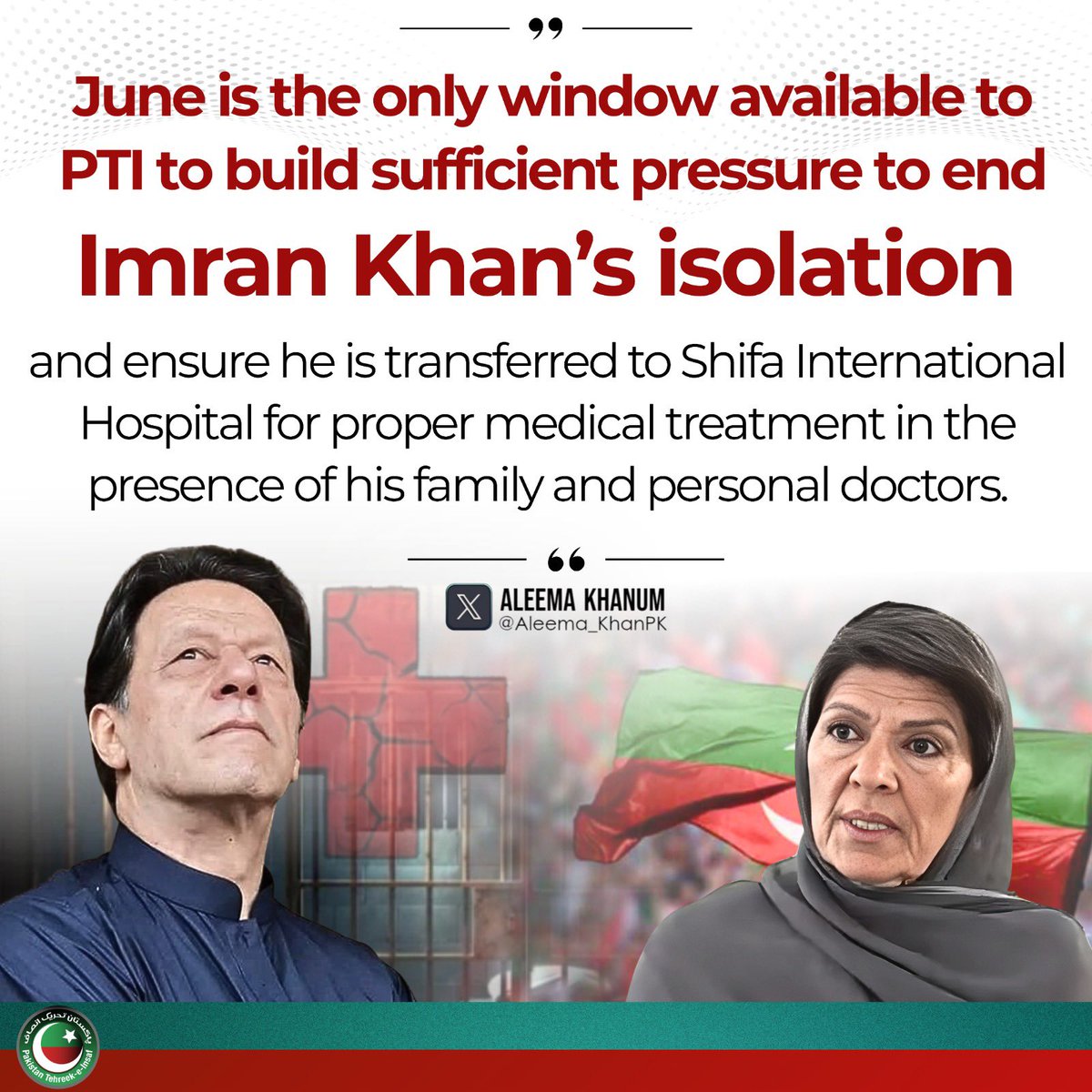
“June is the only window available to PTI to build sufficient pressure to end Imran Khan’s isolation”
#EndKhansIsolationNow
6
208
394
5,540
Abbas Zahoor retweeted

Jun 13
June is the only window available to PTI to build sufficient pressure to end Imran Khan’s isolation and ensure he is transferred to Shifa International Hospital for proper medical treatment in the presence of his family and personal doctors.
363
5,846
13,188
220,798

Now they'll try to lie and tell you that it was simply an evolutionary adaptation to the cold...
But what about the Inuit, who stayed Black..?
How were these recessive traits compounded into a race, surrounded by darker dominant genes..?
Isolation in the mountains/steppes...
Cantbeasked retweeted
Gathering of 10,000 people outside Adiala should create the necessary pressure to end Imran Khan’s prolonged isolation and ensure that his eye condition is properly examined and treated at Shifa International Hospital, ISB, in the presence of his family and personal physician.

PTI leadership has requested opposition leader Mehmood Khan Achakzai that, if there is a time frame on the gathering outside Adiala Jail on Tuesday, they can mobilize 10,000 people. We welcome this proposal and have accepted their request.
On Tuesday, 16 June, we will gather outside Adiala Jail from 3:00 PM to 7:00 PM.
A strong gathering of 10,000 people outside Adiala should create the necessary pressure to end Imran Khan’s prolonged isolation and ensure that his eye condition is properly examined and treated at Shifa International Hospital, Islamabad, in the presence of his family and personal physician.
This is a humanitarian and legal demand. The basic rights of a former Prime Minister and political prisoner must be respected.
23
343
753
9,171

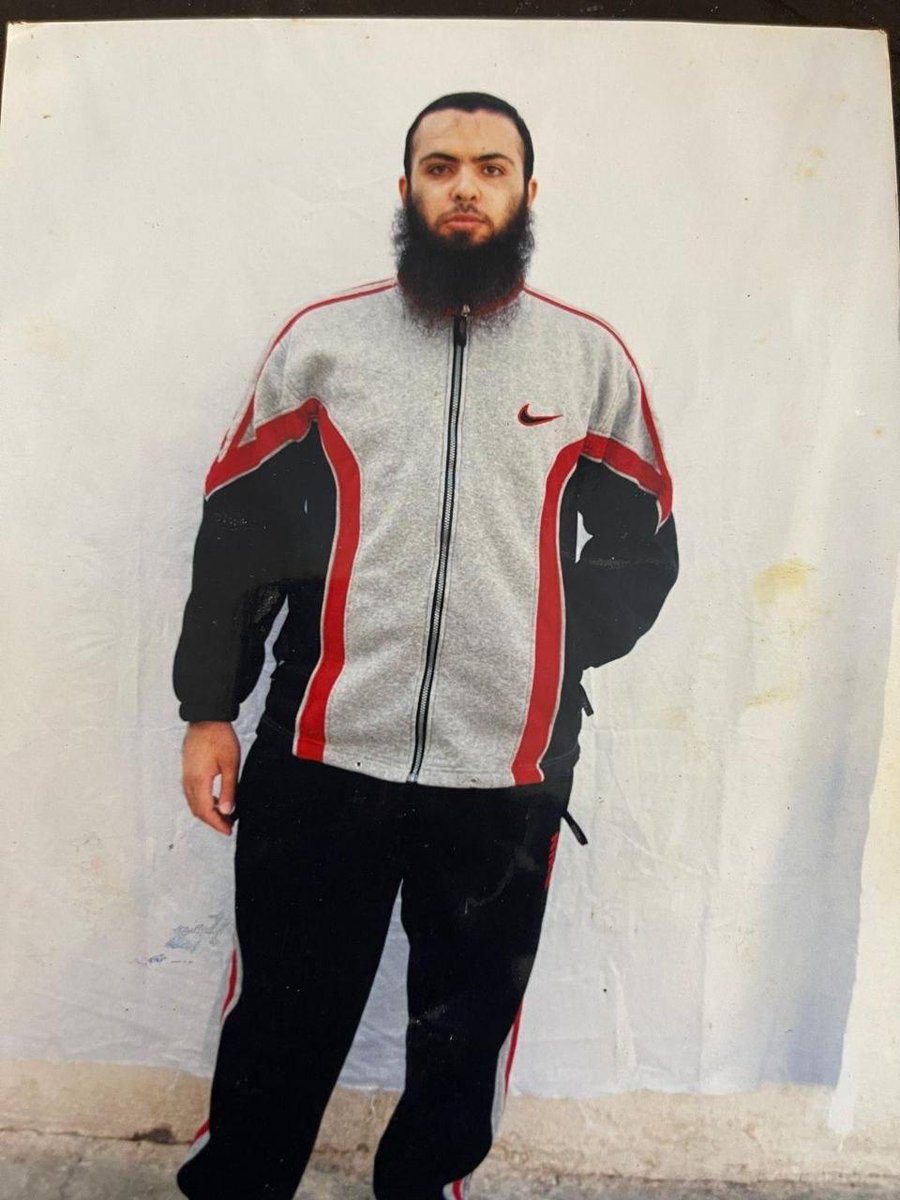
Palestinian detainee Imad Serhan dies in Israeli prison after years of solitary confinement and deteriorating health
——
Palestinian detainee Imad Rajeh Mustafa Serhan, 48, from Haifa, died on Sunday inside Israel's Gilboa Prison, according to Palestinian prisoner advocacy groups.
Serhan was arrested on 20 January 2002 and sentenced by an Israeli court to life imprisonment plus ten years, spending more than 24 years in Israeli prisons.
During his detention, Serhan was subjected to repeated punitive measures, including prolonged periods in solitary confinement.
According to prisoner rights groups, he spent four consecutive years in isolation under the pretext of a "secret file."
His family and human rights organizations had repeatedly warned in recent years of a serious deterioration in his health, citing chronic heart and arterial diseases, high blood pressure, and other medical conditions that worsened throughout his imprisonment.
In a statement, Hamas said Serhan's death was the result of deliberate medical neglect and torture inside Israeli prisons, describing it as another crime added to Israel's record against Palestinian detainees.
The movement warned of ongoing violations against prisoners, including the denial of medical treatment and harsh detention conditions, and held Israeli authorities fully responsible for the lives of detainees, particularly hundreds of sick and wounded prisoners whose lives remain at risk.
14
Nkwocha retweeted

Do not forsake the fellowship of the brethren.
Stop doing life in isolation.
1
1
4
21

من الاشياء اللي تخليني متطمن على مشروع Alien Isolation 2 هو ان المخرج يعرف المدة الزمنية اللي بينها وبين الجزء الثاني، وعلى لسانه شخصياً قال مايبي يخلق مجرد تجربة مكررة من نجاح الاول وإنما يبي ياخذها لمستوى ثاني ويزيد عليها
وهالكلام على الورق جداً ممتاز طالما انه عارف هالموضوع

1
2
Sungwoo Kim retweeted

AI benchmarks test models in isolation. Instead we should have a "Hybrid Intelligence Index that measures whether a human-machine collaboration leaves the human user sharper or duller over time. That means designing for friction."
@FT @neuraltheory
ft.com/content/d2d8f531-2833…
2
5
73

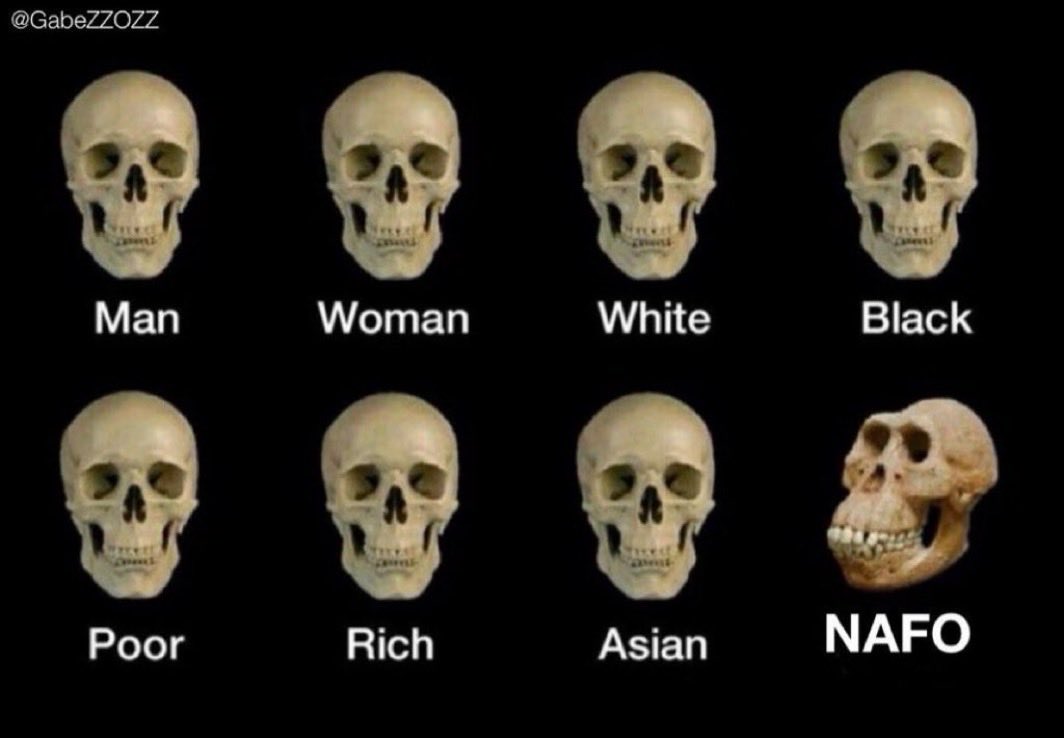
The evidence is all over the internet, but you fucking human filth still vomit shit! Are you NAFO really so fucked up? What is your problem cockroach, daddy issues, mommy issues, social isolation? What?
2

‘Isolation as a Form of Self Defence’, our debut EP out NOW.
1. Edgerunner
2. S.I.B.Y.L
3. The Glade (ft Jessie Powell)
4. Diesel Nosebleed
5. Geostigma
Thank you for the response so far ❤️🌸❤️
1

If football is ultimately about people, passion, atmosphere, and cultural connection, Africa remains one of the most powerful hosts in world football. At a time when the global game is increasingly affected by geopolitics, immigration disputes, and international tensions, Africa continues to remind the world of what many fans cherish most: football as a celebration of humanity, community, and shared joy.
When Africa hosts major competitions such as the Africa Cup of Nations (AFCON), the focus is overwhelmingly on the game itself. Fans travel across borders with a sense of continental brotherhood and shared identity. Music fills the streets. Local cultures are celebrated rather than hidden. Entire cities embrace visiting supporters as guests rather than security concerns.
One of Africa's greatest advantages is the atmosphere. AFCON is not simply a football tournament; it is a celebration of African identity. Stadiums become festivals of song, dance, colour, and national pride. Rivalries remain intense, but they are often accompanied by a strong sense of continental solidarity. A supporter from Zimbabwe may cheer for Zimbabwe first, but when their team exits, many continue supporting fellow African nations.
As the 2026 FIFA World Cup unfolds against a backdrop of visa disputes, diplomatic tensions, immigration controversies, security concerns, and public demonstrations across parts of North America, many football lovers are beginning to ask a fascinating question: has the world underestimated Africa's ability to host football tournaments that are not only successful, but deeply memorable?
The comparison is striking. The United States, Canada, and Mexico possess world-class stadiums, advanced transport systems, and enormous economic resources. Yet the build-up to the 2026 World Cup has been dominated as much by politics as by football. Ghana's Thomas Partey has faced visa complications preventing participation in matches in Canada. Somali FIFA referee Omar Artan found himself caught up in immigration and security procedures that ultimately prevented him from officiating at the tournament. Iran's participation has been overshadowed by geopolitical tensions, visa disputes, ticket allocation controversies, and the unprecedented situation of a host nation navigating relations with a participating country amid serious international tensions.
Beyond these controversies, large-scale demonstrations and political protests in parts of the United States and Mexico have created additional headlines, reminding the world that football tournaments do not exist in isolation from domestic and international politics.
By contrast, African football tournaments have often been defined by something entirely different: unity through football.
3
Sizwə retweeted

Jun 13
my first instinct when i am broke is isolation because wtf am I doing outside when I’m broke.
40
1,000
4,750
44,966

Anwar Khan ipian retweeted

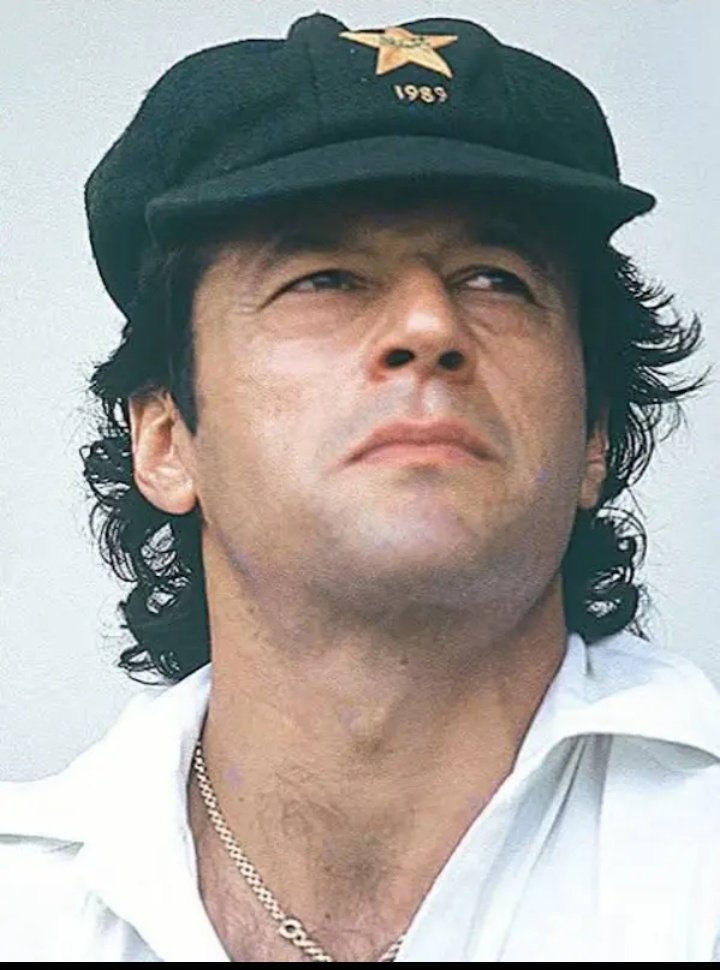
Six months of isolation is enough. Let family and lawyers meet Imran Khan now.
#EndKhansIsolationNow @TeamiPians
46
8
78

Flor-rinse retweeted

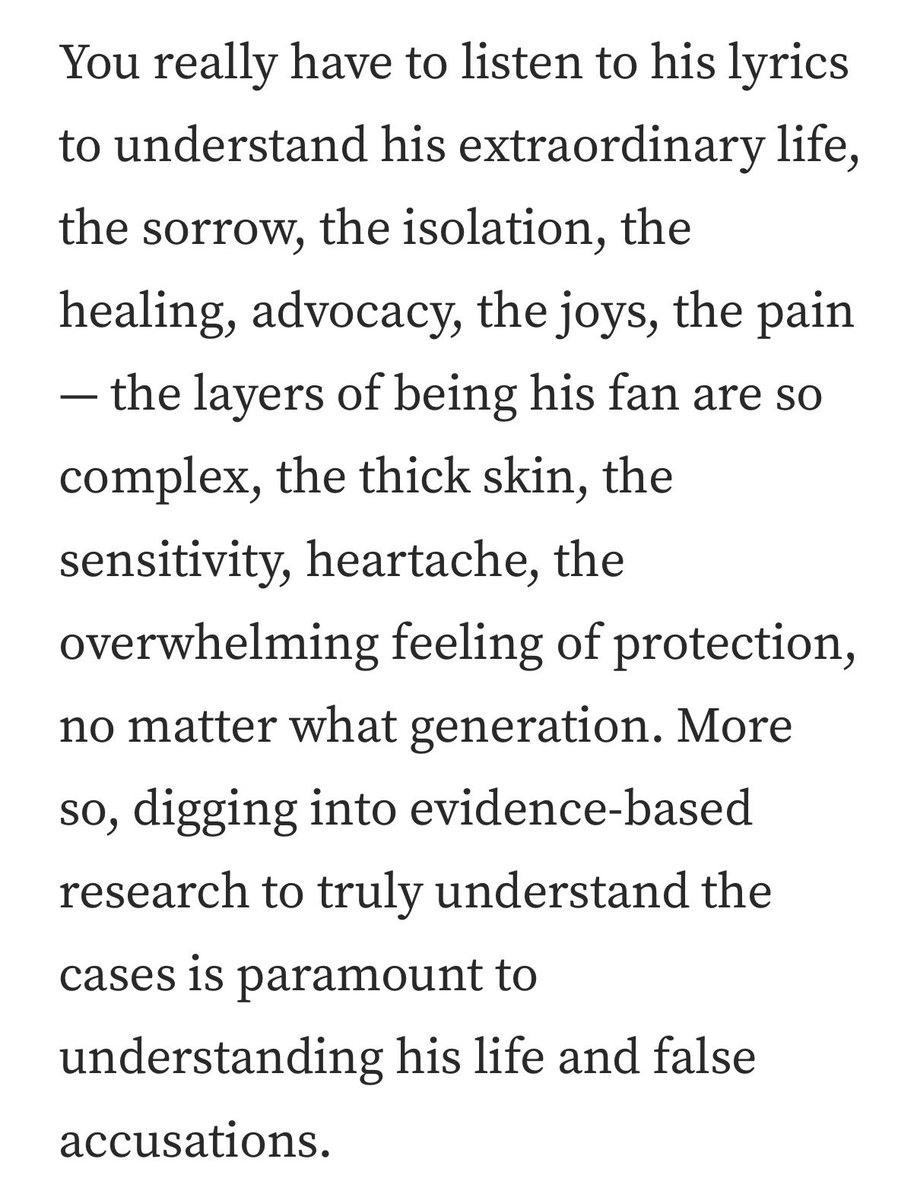
I don’t think the gp understands how resilient Michael was - through isolation, depression, false accusations and anger he channeled his energy into healing others, social
awareness and artistic catharsis.
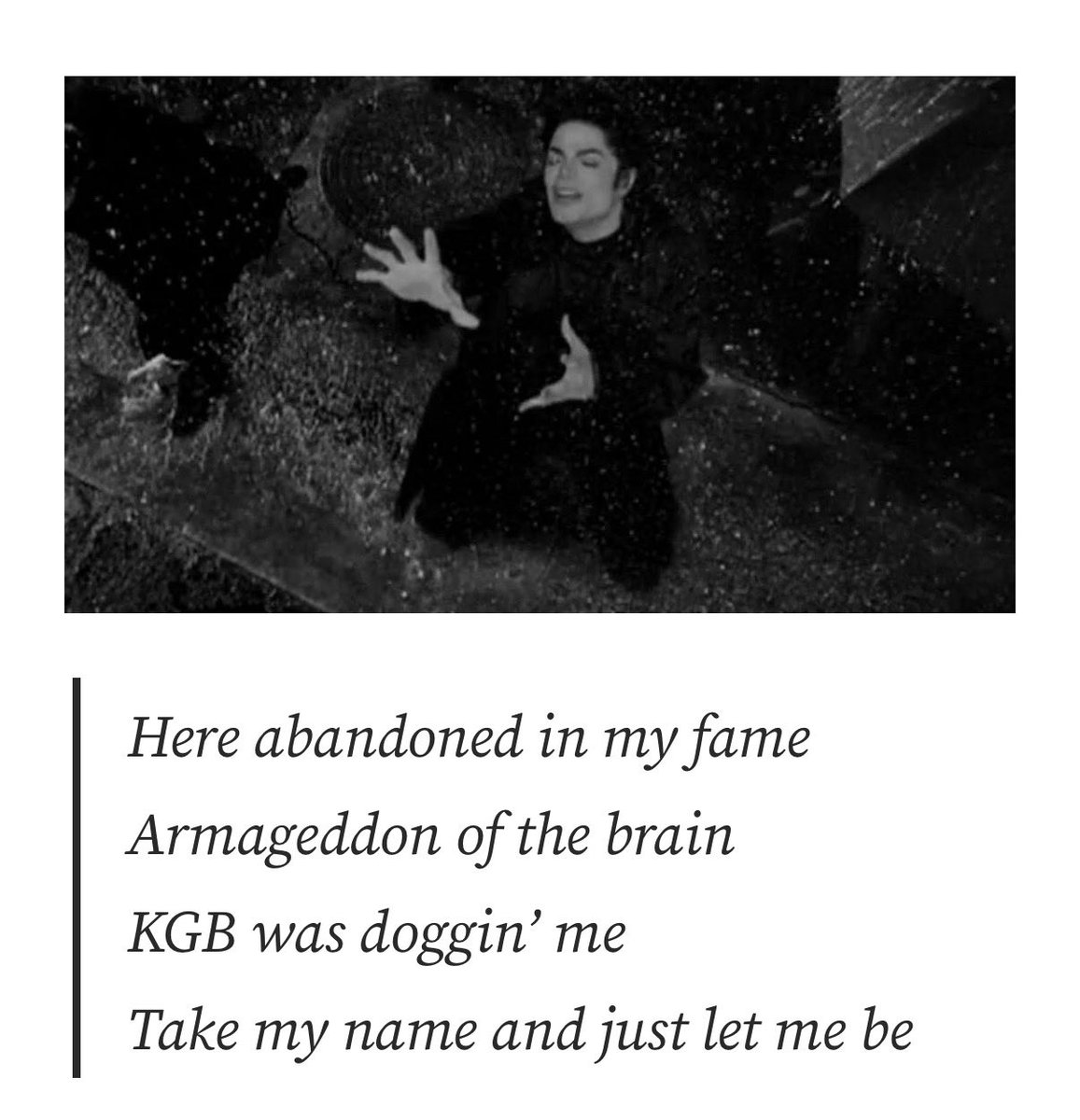
I actually grieve thinking about specific songs on HIStory and Blood on the Dance floor albums occurred - the haunting, evocative and socially provocative lyrics, compositions, vocals and short film storytelling. Beautiful and elite yes, heart wrenching ad frustrating 💔
The world owes him compassion.

Victory day brings an intense feeling of gratitude that justice prevailed. Michael was acquitted on all 10 charges and 4 lesser misdemeanors. It also brings about intense sorrow for the irrevocable harm this caused and continues to cause on A black man who was extorted, falsely accused, and found not guilty.
2
30
160
4,161