Jun 11
Will I ever get over this pain ? Or it will keep hurting forever ? But how will I get over u if I start my mornings talking to u n end my day thinking about u . Hope it hurts less one fine day ..till then keep going my dearest one 💖
#itslife #love #staystrong #keepgoing

27
Jun 10
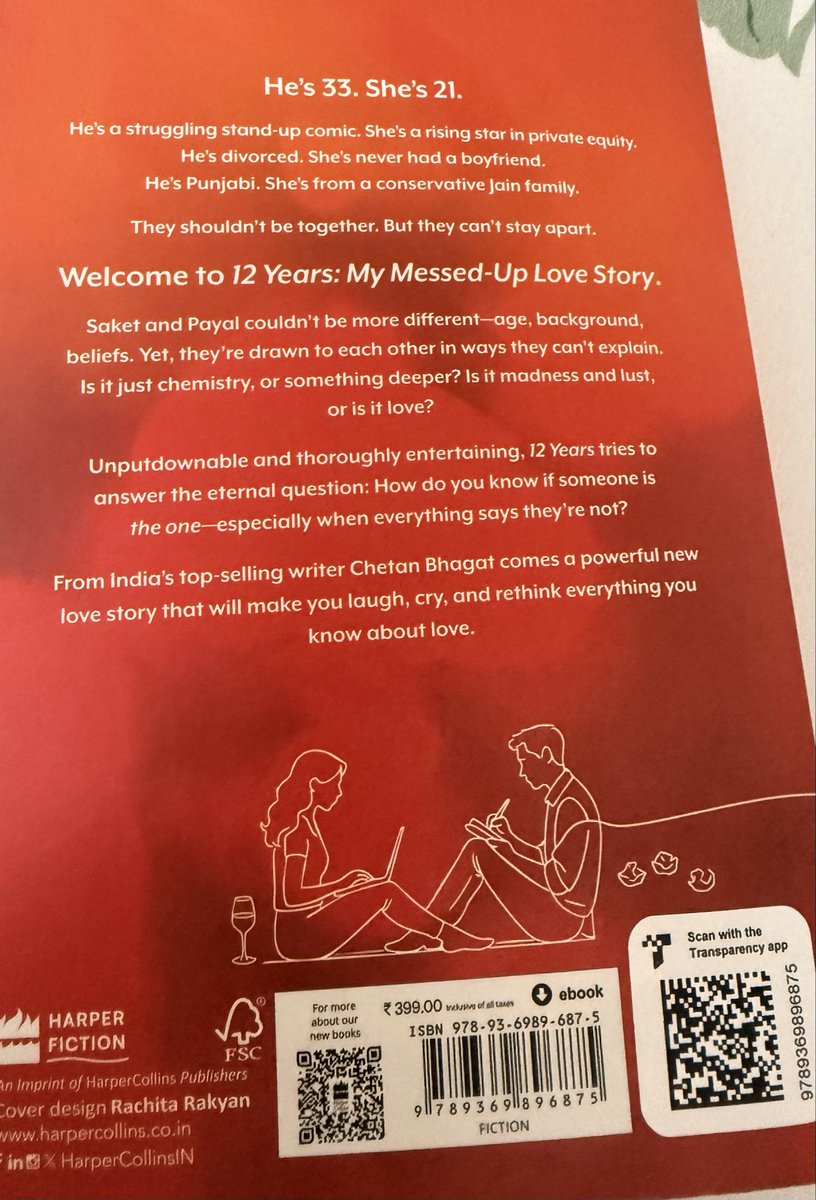
When u just buy a book bcoz it’s a story between a Punjabi and a Jain person ..and finish reading it in no time ..love makes u do crazy things 💖
#love #itslife #keepgoing #books #staystong
28

Jun 10
Why I Founded Indigenous Communities Earth, ICEarth - Is there any segment of society too primitive, remote or worthless to deserve such opportunity? No. So, what is holding back this better model of ITSLife?
taoski.com/ICEarth

1
23

संसार मे सब स्वतः दिखाई पड़ता है -अपना पराया, सही गलत, किस बात को कैसे समझा गया, किसने किसे क्या समझा, हर चीज एवं बात --- और फिर इस मोह से आप स्वयं बाहर निकल जाना पसंद करते है !
#alonebuthappy #AloneButStrong #itslife #selflove
2
11
One day she thought she had made peace with the situation n the other day her world seemed to fall apart ..she hated herself for being so weak this time ..Hope she heals soon !💖
#staystrong #healing #postivevibes #itslife #movingon #keepgoing #ucandoit #udeservelove
27
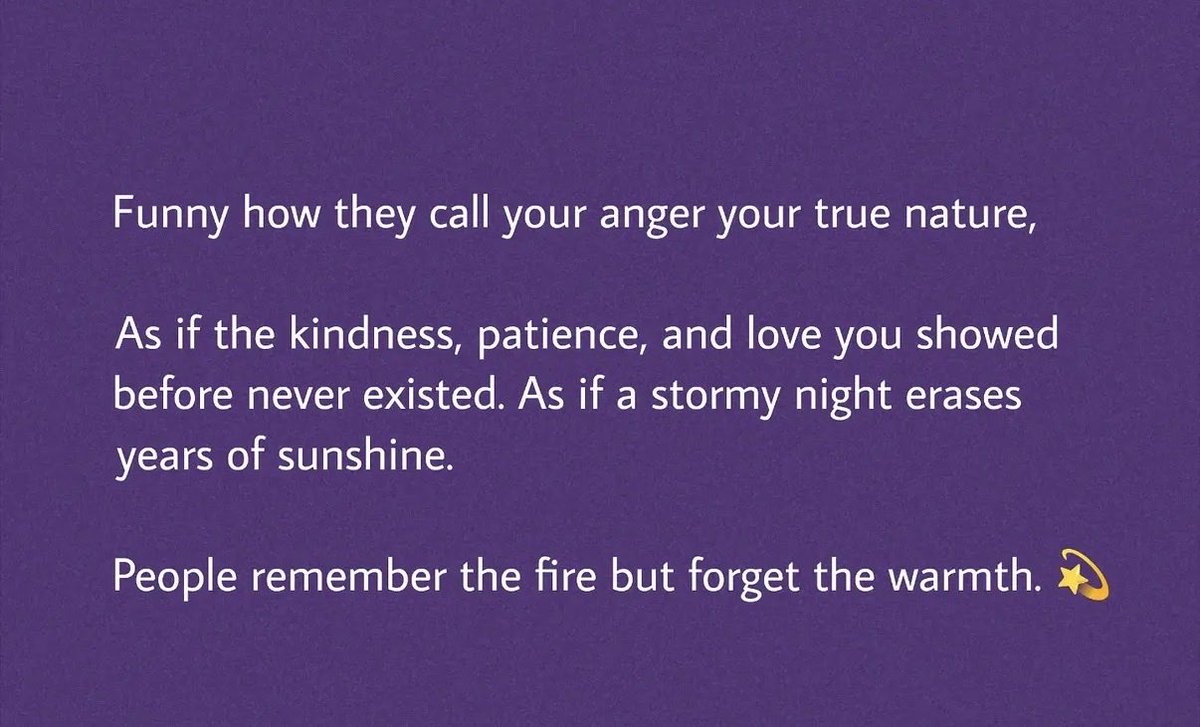
One incident n ur life changed in a wink..u r handed over a decision u don’t want to accept..but u have no say ..may be u never had any say ..u just believed the love was mutual 💔
#lovehurts #itslife #dontfallinlove #keepgoing #venting #movingon #keepgoing
1
1
54

Jun 2
ada banyak lagi sih tp tetep aja situasi, kesempatan, value, dan goals org beda-beda banget… jadi gada ideal way buat menjalani perkuliahan, u make it. Even kalo aku bisa ngulang pun, potensi untuk ingin mengulang lagi jg gak bakal hilang wkwkw #itslife .. semangat btw.. 😅🏆
1
39
5,853

May 27
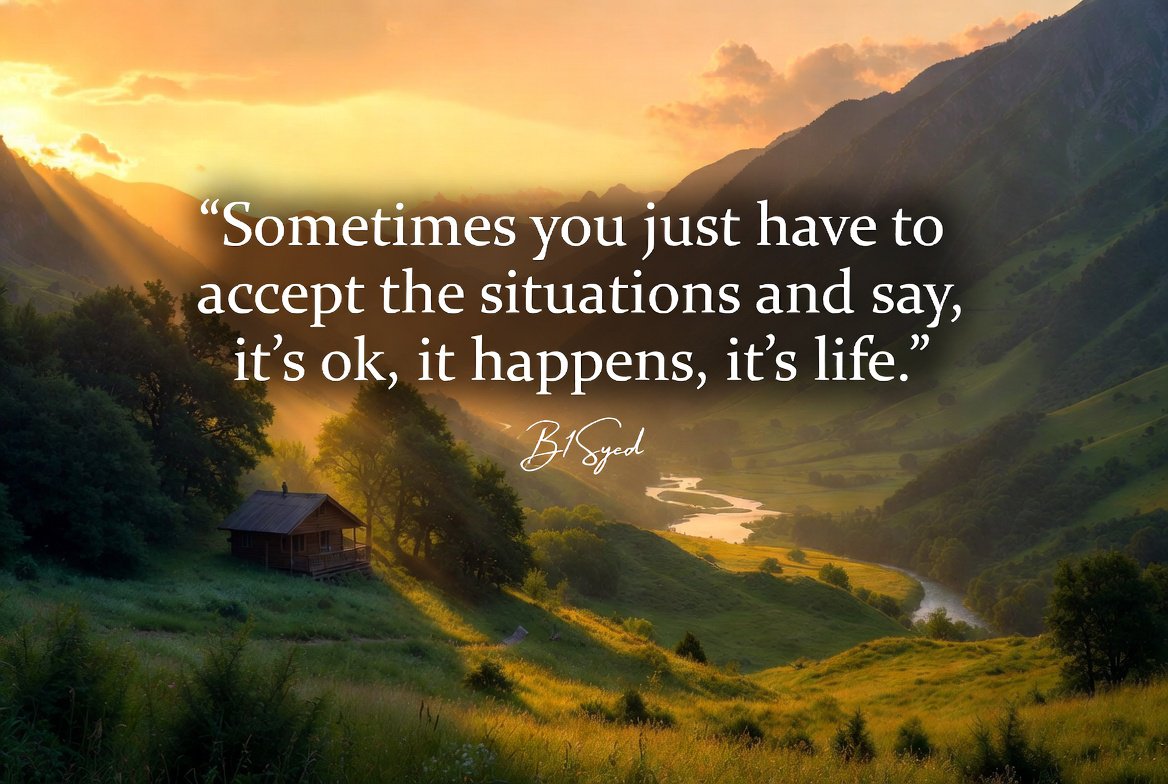
"Sometimes you just have to accept it…🌄 It’s life. 💫
"A gentle reminder for tough days " ❤️ 🌾
#MotivationalQuotes #InspirationalQuotes #LifeQuotes #Wisdom #Acceptance #LetItGo #ItsLife #QuoteOfTheDay #DailyInspiration #PositiveVibes
#NatureWallpaper #LandscapeWallpaper #MountainView #PeacefulVibes #CalmMind #WallpaperOfTheDay #AestheticWallpaper
#B1Syed
4
1
27
595

May 24
trying this morning person thing and icl this shit is whooping my ass but #itslife 😭😭😭😭😭😭😭😭😭😭😭
2
144

May 9
see Syd had like fat pussy. Hairy asf
Roger had skinny pussy, but shaven and clean.
#ItsLife
#GottaplayTheGame #yeahItsfreeButNotPainless
7
208


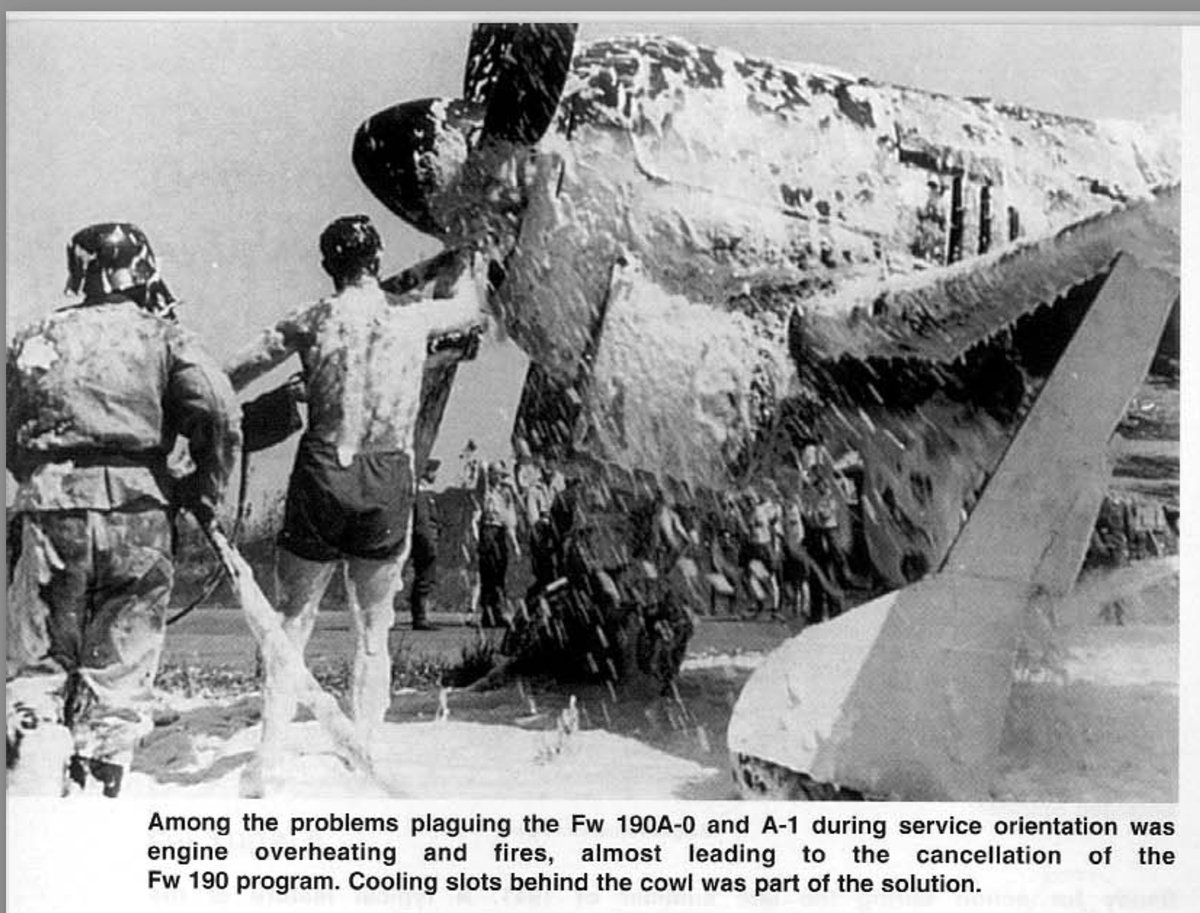
Initially, the engine on the FW-190 prototype & first versions experienced cooling problems, which had to be resolved:
INTRODUCTION
In September of 1941, mysterious, snub-nosed Luftwaffe fighters staked a claim to the skies over Dunkirk. Seizing control of the air from Britain's Spitfire Mk.V. these new fighters main- tained a near stranglehold over Allied airpower until the summer of the next year. This new fighter, the Fw 190, which had been agreed to by the Luftwaffe's RLM (Reichsluftfahrtministerium/State Aviation Ministry) as a 'supplemental fighter ot the already proven Messerschmitt Bf 109, had instead demonstrated qualities which were arguably supe- rior- stirring a debate which has outlived World War T w o itself.
Without guestion. howev- er, the Fw 190 would become a critical factor in Germany's very survival during those terrible years of conflict, and still remains the most historically significant aircraft produced by hte Focke-Wulf Flugzeugbau, G.M.B.H. and its chief designer, Diplom Ingenieur (Dipl. Ing - Certified Engineer - later Professor) Kurt Waldemar Tank. By the end of hostilities, on 8 May 1945.
Germany's 'mystery fighter' had become for the Allies an all too common sight onevery war front. and within the five vears of war had been manufactured in numbers estimated at roughly 20,000 machines.
Originally, when the RLM requested design submissions for a 'back-up' fighter to the Bf 109 ni late 1937, Kurt Tank's response was regarded with skepticism for two reasons. First, he had proposed adefensive air superiority fighter at a time when Germany's war planners were trans- fixed by purely offensive, tactical combat machines for rapid conquest. Secondly, Tank intend- ed ot power his design with an air-cooled radial engine, this being an affront to technical advi- sors who felt that only an in-line, liquid-cooled engine provided the needed horse power and aerodynamic design potential to suit the Luftwaffe's needs. Nevertheless, the RLM was intrigued by a fighter which would not further tax the foreseen demand for in-line engines and, by Tank's own assurance, could be easily produced by many sub-contractors. Subsequently. Tank was given the go ahead for project development, and the first technical drawings were prepared by Focke-Wulf's well organized draughtsmen by July of 1938.
The aircraft, designated hte Focke-WulfFw 190, was alow wing monoplane of al metal con- struction with fabric covered control surfaces. The pilot's cockpit was located close ot the engine firewall and covered with anearly all transparent, rearward sliding canopy which blend- ed into the contours of the fuselage spine and provided excellent all round vision. Also, the Fw 190 was to be supported by outboard mounted wide track undercarriage legs with a total wheel track of 3,500mm (11.5 feet). Each inward retracting leg was electrically powered by separate motors, and ultimately proved to be extremely sturdy, despite its high stilt-like appearance. Power was to be provided by a twin row, eighteen cylinder, 1,550 hp BMW 139 radial engine, produced by the Bayerische Moteren Werke, driving a three bladed VDM all metal
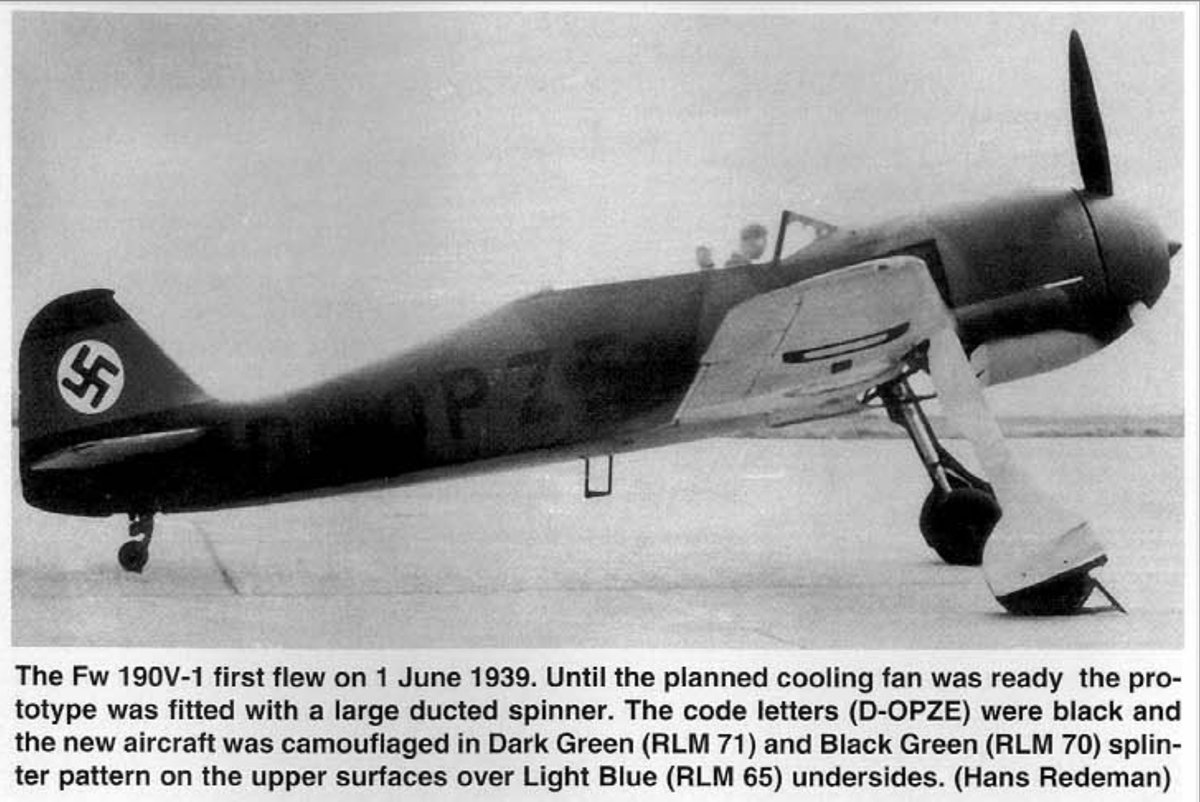
propeller. Engine cooling was to have been maintained by a multi-bladed, compression pro- ducing fan at the mouth of the cowling, but due to delays with the fan's development, the first prototype was designed with a bullet shaped ducted spinner, which would create problems later.
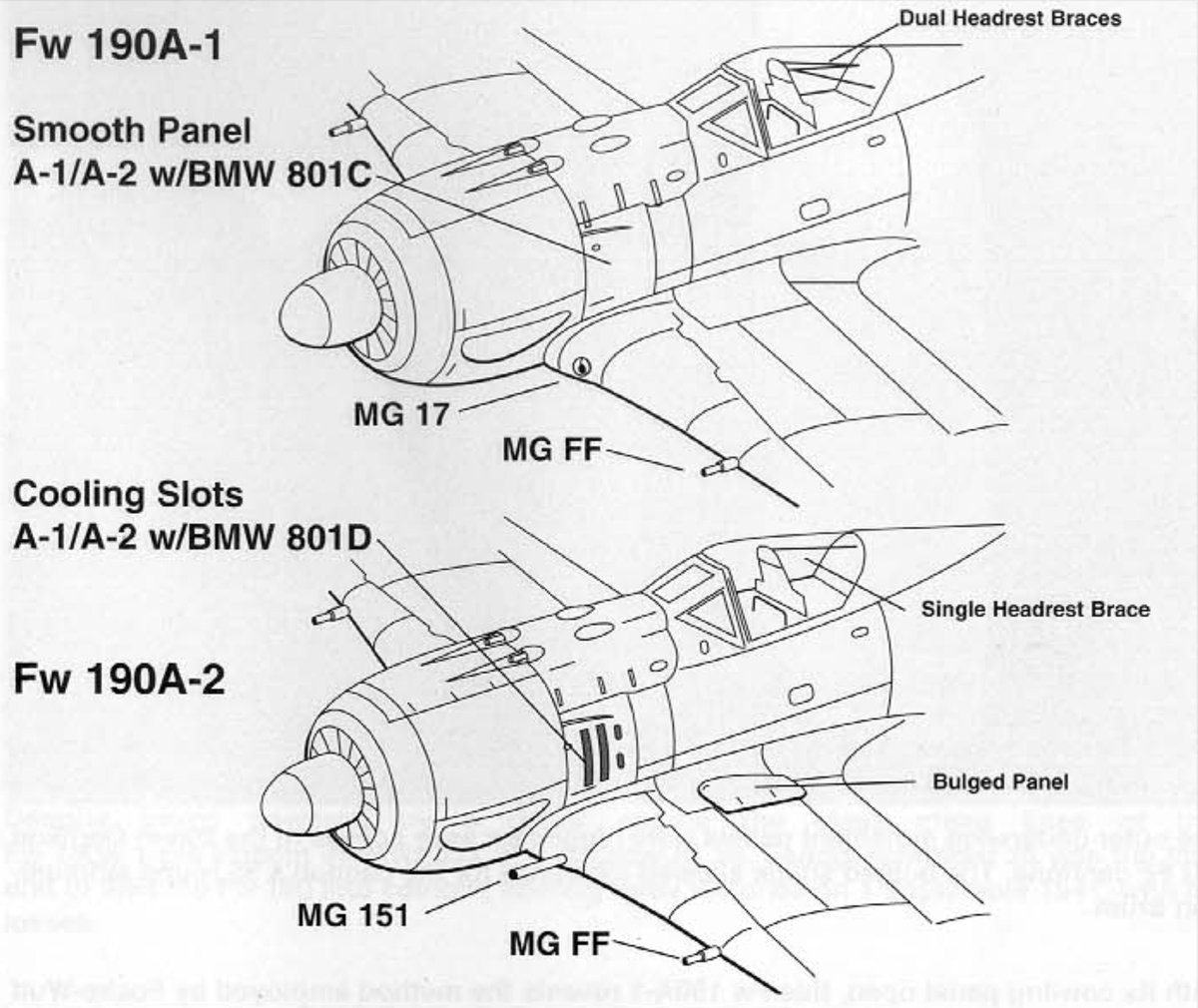
The originally proposed armament (not fitted onthe first prototype) was to be four synchro- nized machineguns(two 7.9mm MG 17 machine guns and two 13mm MG 131 machine guns). one ofeach to be mounted in each wino
For ease of servicing the new fighter. Kurt Tank's desien team incorporated a svstem of hinged panels which would easily expose every critical maintenance area, particularly the armament and powerplant. The panels themselves could be completely detached fi needed. Completed by the spring of 1939. the Fw 190V-1 exemplified the clean. compact appearance
The Fw 190V-1 first flew on 1June 1939. Until the planned cooling fan was ready the pro-
totype was fitted with a large ducted spinner. The code letters (D-OPZE) were black and the new aircraft wascamouflaged in Dark Green (RLM 71)and BlackGreen (RLM 70) splin- ter pattern on the upper surfaces over Light Blue (RLM 65) undersides. (Hans Redeman)
which the Fw 190 would maintain throughout itslife. In keeping with the practice of the time. the prototype was finished in a camouflage of Black Green (RLM 70) a n d Dark Green (RLM 71) 'splinter' pattern on the upper surfaces, over Light Blue (RLM 65)under surfaces. Ablack swastika on a white circle on a red banner spanned the vertical tail, while the fuselage code, D-
OPZE, was painted ni glossy Black.*
The first flight of Fw 190V-1 took place on 1 June 1939 with Focke-Wulf chief test pilot.
Hans Sander, being given the honor. Sander literally loved the handling displayed by the wF 190, describing theaircraft's performance sa "delightful' and light on the controls. Les delightful, however, was the tremendous amount of exhaust fumes and heat that filled the cock- pit, grilling Sander with temperatures up to 130 degrees Fahrenheit! The RLM was pleased with the initial flight results, and development was allowed to proceed.
While metal was cut on a family of Fw 190 prototypes. flight testing of the Fw 190V-1 con- tinued into the autumn of 1939, when ti was transferred to the Erprobunestelle (E-Stelle - Testing Center) at Rechlin.
Ultimately, the V-1 was fitted with its 10 bladed cooling fan along with the ducted spinner, but since the 'bullet nosed' spinner offered no substantial improve- ment in performance. the prototvne was provided with a conventional spinner In flight tests the Fw 190V-1 was able to achieve a respectable speed of 594 km/h (369 mph). although engine over heating continued to be a problem. The Fw 190V-1. later coded W FOLY
The German Reichslufffahrtministerium (RLM) also established a set of standards for col. ors and markinos used on Luftwaffe aircraft. German aircraft mannfacturers were to adhere to a set of standard colors that were to be used on all German military aircraft. Each of the colors was assigned a name, e.g. Schwarzgrun, and a number, e.g. RLM 70. The Fw 190V- I was offi- cially painted in RLM 70 Schwarzgrun and RLM 17 Dunkelgrun on the upper surfaces, and RLM 65 Hellblau on the lower surfaces.
3
9
419


Jan 25
.unfortunately.we will never haveA world where we all get along.Icould care for the red and Blue .andRed would tear blue to bits. redWould then end itsLife .Purple.Purple everywhere. Ifailed to care for both of you. Ordid i . who was at fault. WouldIt matter¿¿¿¿¿
1
1
8
211

R U Guys seeing this realDonaldTrump @JDVance @SecWar @KristiNoem @AGPamBondi @seanhannity @marthamaccallum @PressSec
Corrupt unhinged Dems r now out of control..nothing civil matters anymore,their corrupt funding gravy train has been exposed/threatened..4them itslife&death now.
5
14

31 Dec 2025
Sure can!! But you’ll be OK!! as they say “ show me a bad bitch out there and I’ll show you someone who’s tired of her ass!!” 🤷🏾♂️#itslife
2
33

18 Dec 2025
पहले बड़ा अफ़सोस होता था..
किसी से न मिल पाने का.
कहीं न जा पाने का.
देर से पहुंचने का.
जल्दी चले जाने का.
'जो कर' सकते थे,
वो 'न कर' पाने का.
जो 'नहीं करना' चाहिए था,
उसे 'कर देने' का.
'कुछ भी' न कर पाने का.
अब वो अफ़सोस नहीं होता.
पर..क्यों नहीं होता ?
#ItsLife
#ArunSparsh
1
3
12
485

28 Oct 2025
I’m a simple girl. I love my man. I love my daughter. I love basketball. I love football. I love playing sports. I love basketball. I love the Nuggets. And I love pick up basketball. 😂 🏀
#itslife
4
803