📚 Modern Java favors language features over libraries. Records pattern matching are leading the way. #JavaEvolution
5
577

26 Jul 2025
💬 Java won’t disappear, but it might look very different in 2030. Polyglot runtimes, ahead-of-time compilers, and… WebAssembly? #JavaEvolution
9
1,565

13 May 2025
Can you believe that #Java turns 30 this year?!
Join Szymon Winiarz on a journey from Java 6 to Java 22 and see how far this language has come over those 3 decades ➡️ youtube.com/watch?v=CM9SZtTC…
Both praised and criticized, Java still plays a crucial role in modern software development. Over the decades, it has matured and evolved to meet ever-changing technical challenges and developer needs. Even after 30 years, Java remains one of the most reliable tech stack choices.
#30yearsofjava #java30 #java30withsoftwaremill #softwaredevelopment #javaevolution
2
572

10 May 2025
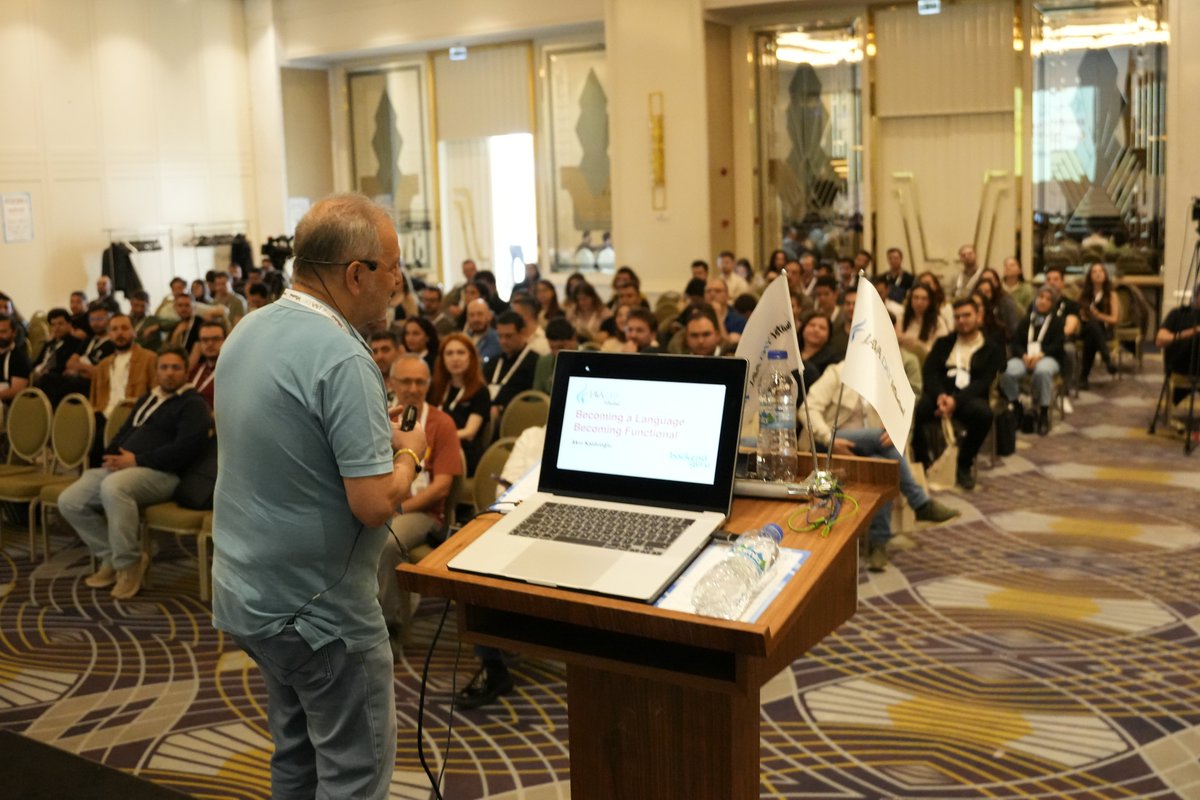
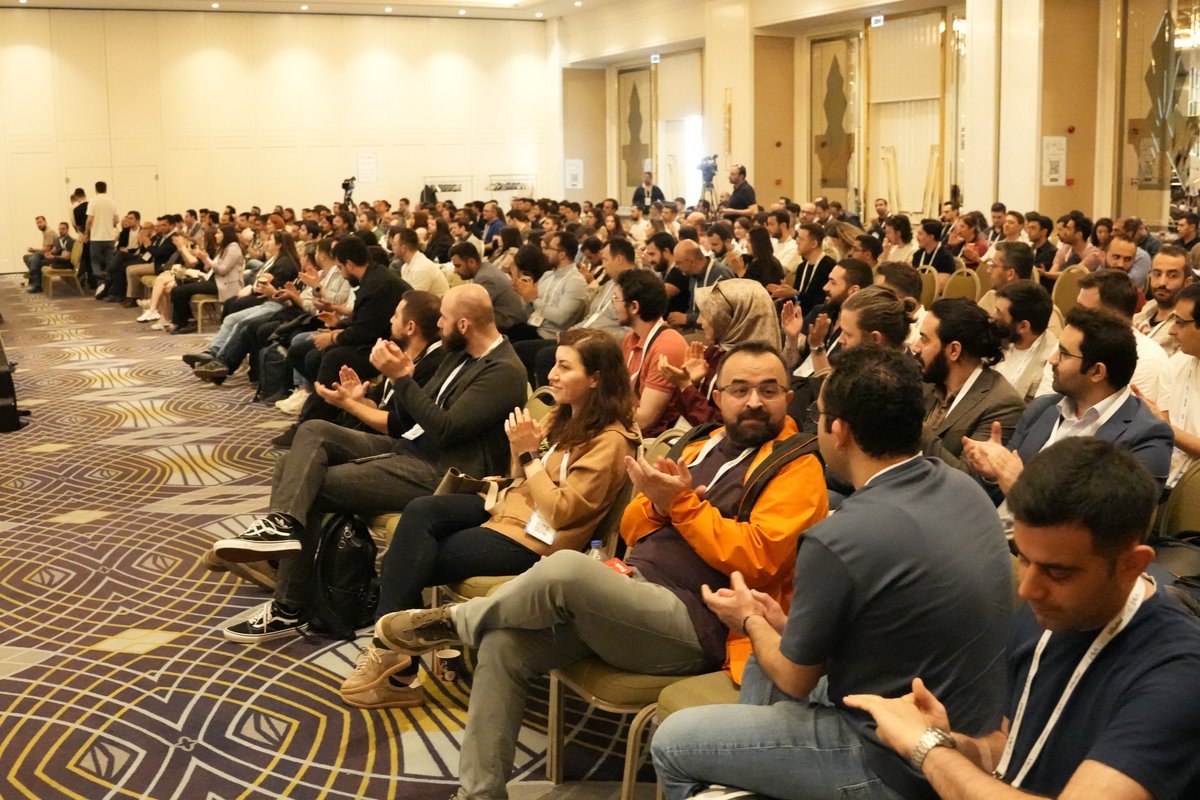
🔴 Live at #JavaDayIstanbul: Next session starting now! 🔴
Join us in the Marmara room where Akın Kaldıroğlu is presenting "Becoming a Language, Becoming Functional" 🚀
This fascinating talk explores Java's evolution from challenging C/C to embracing functional programming paradigms, revolutionizing how we think about programming languages and simplifying our code.
Don't miss this insightful session at our 10th anniversary celebration!
#Java #FunctionalProgramming #JavaEvolution
4
11
695

18 Apr 2024
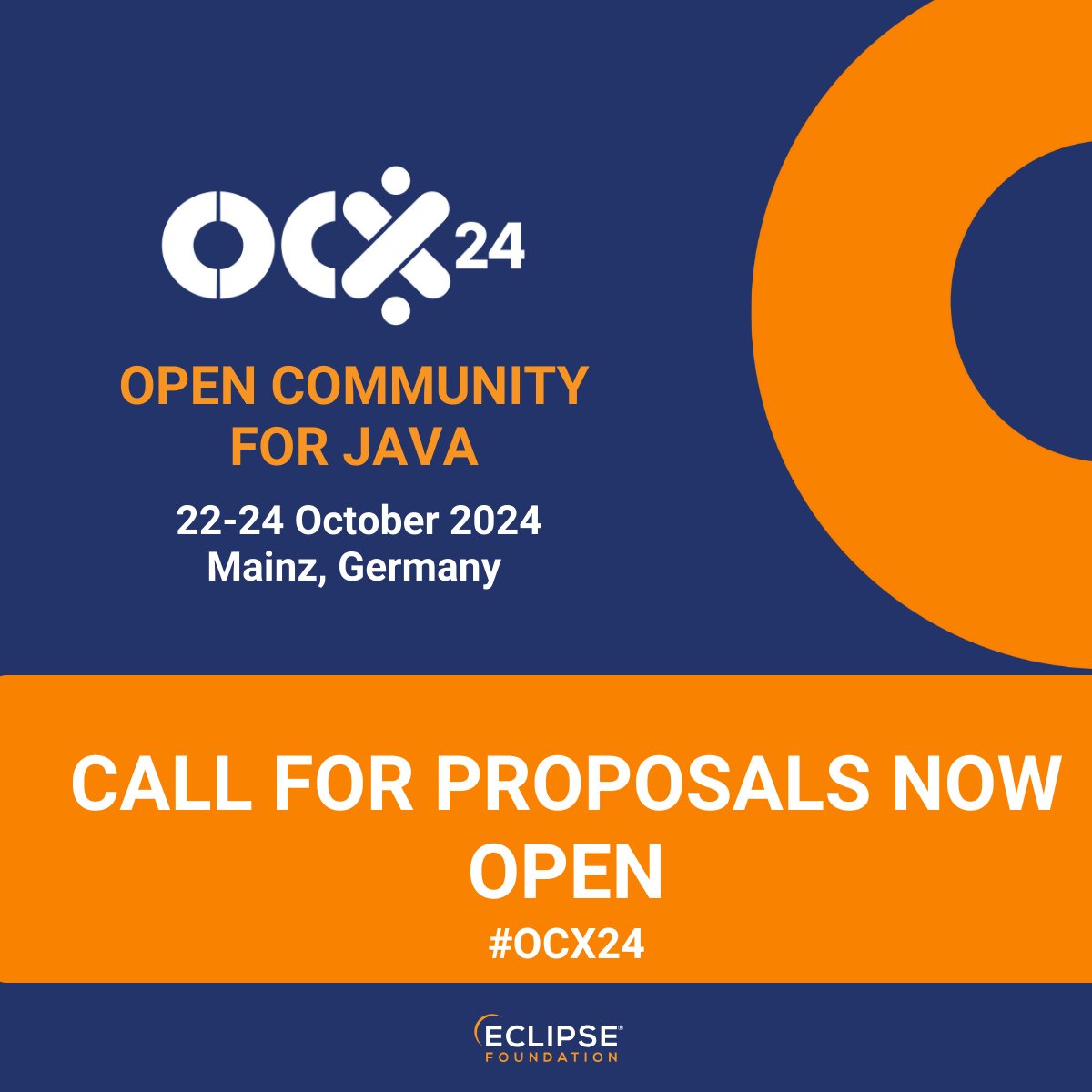
☕ Java enthusiasts, the OC Java CFP is now open! Share your Adoptium journey and how it's shaping the Java ecosystem. #EclipseAdoptium #OCX24 #JavaEvolution hubs.la/Q02sLmVV0
2
566

18 Dec 2023
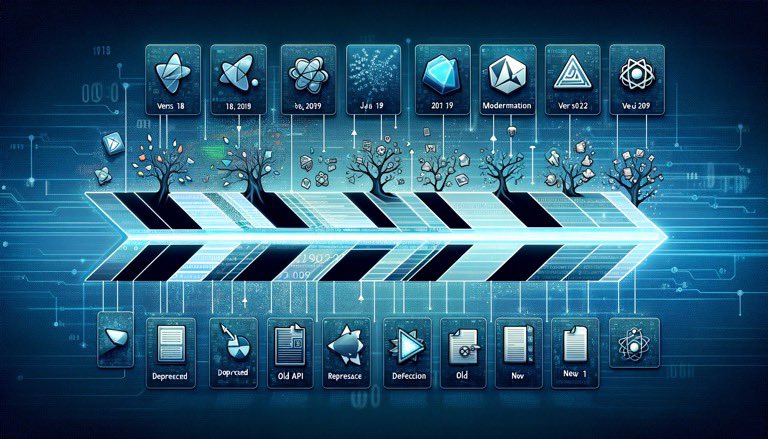
Exploring the Evolution of Java: Java 18 to 21
In the ever-evolving landscape of Java, staying abreast of deprecated features is crucial for developers.
With Java 18 through 21, we’ve seen significant changes, each bringing its unique set of deprecations and removals, signifying the ongoing modernization of Java.
Let’s delve into these changes, offering insights into how they shape the way we code in Java today.
Starting with Java 18, we witnessed the deprecation of certain APIs and methods, reflecting Java’s move towards more efficient and safer practices.
These changes, while subtle, marked the beginning of a transition phase, encouraging developers to adopt newer, more robust alternatives.
Java 19 continued this trend, introducing further deprecations.
These were not just limited to APIs but also included some language features and JVM components.
This version emphasized the importance of keeping up with current coding standards and practices in Java.
With Java 20, the evolution took a more pronounced turn.
Some long-standing features and methods that were once cornerstones of Java programming were marked as deprecated.
This move was a clear signal from the Java community and Oracle to move away from older, less efficient patterns towards a more modern Java ecosystem.
Finally, Java 21 brought with it a fresh set of deprecations.
These were not just mere continuations of previous trends but also included surprising changes, reflecting Java’s commitment to staying at the forefront of technological advancement.
In summary, the journey from Java 18 to 21 has been one of continuous improvement and refinement.
Each version has built upon the last, gradually phasing out older, less efficient, or unsafe practices in favor of new, more robust solutions.
This evolution is a testament to Java’s enduring adaptability and its commitment to meeting the ever-changing needs of the programming world.
#JavaDevelopment #JavaEvolution
4
189

20 Nov 2023
🚀 Dive into the fascinating journey of Java's String evolution! From JDK 1's immutable strings to JDK 21's advanced string templates, my latest article on @UnloggedI explores how Java has continuously adapted its string handling for better performance and efficiency. #JavaEvolution #String
unlogged.io/post/java-and-th…
3
8
16
3,019
11 Aug 2023
1/9 🐦 Java is challenging stereotypes and embracing modernity, showing it's more than ready to take on contemporary software development 🚀 #JavaEvolution. tinyurl.com/2rwk8397/
1
1
2
543