



Jun 4
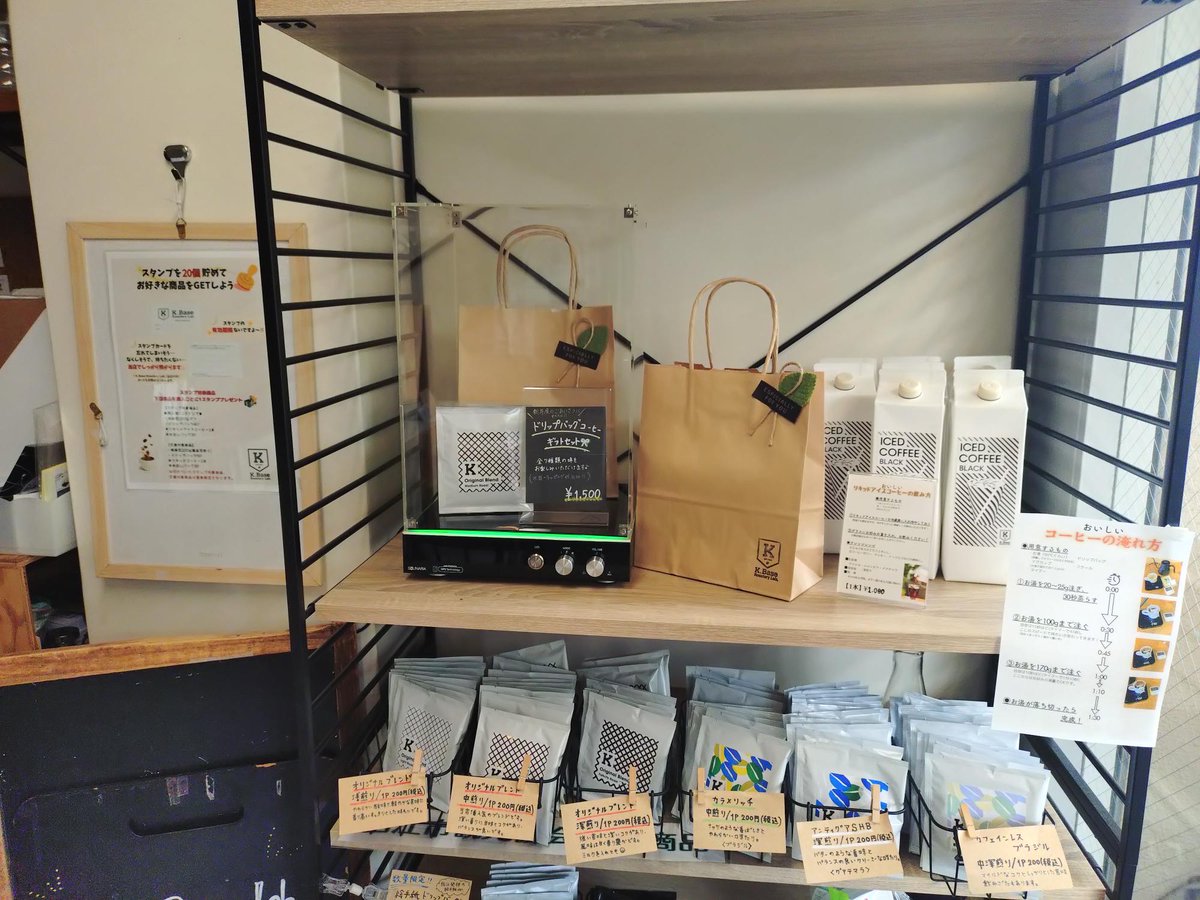
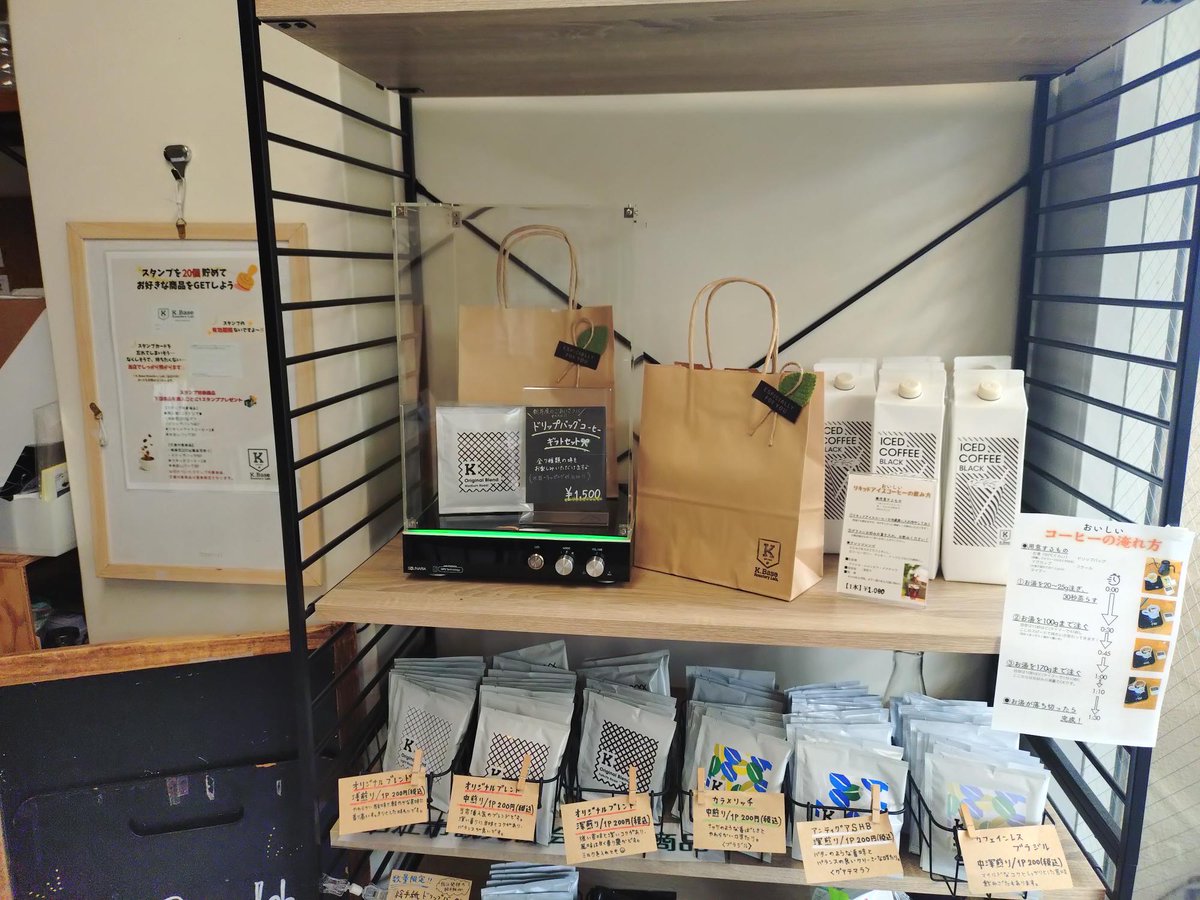
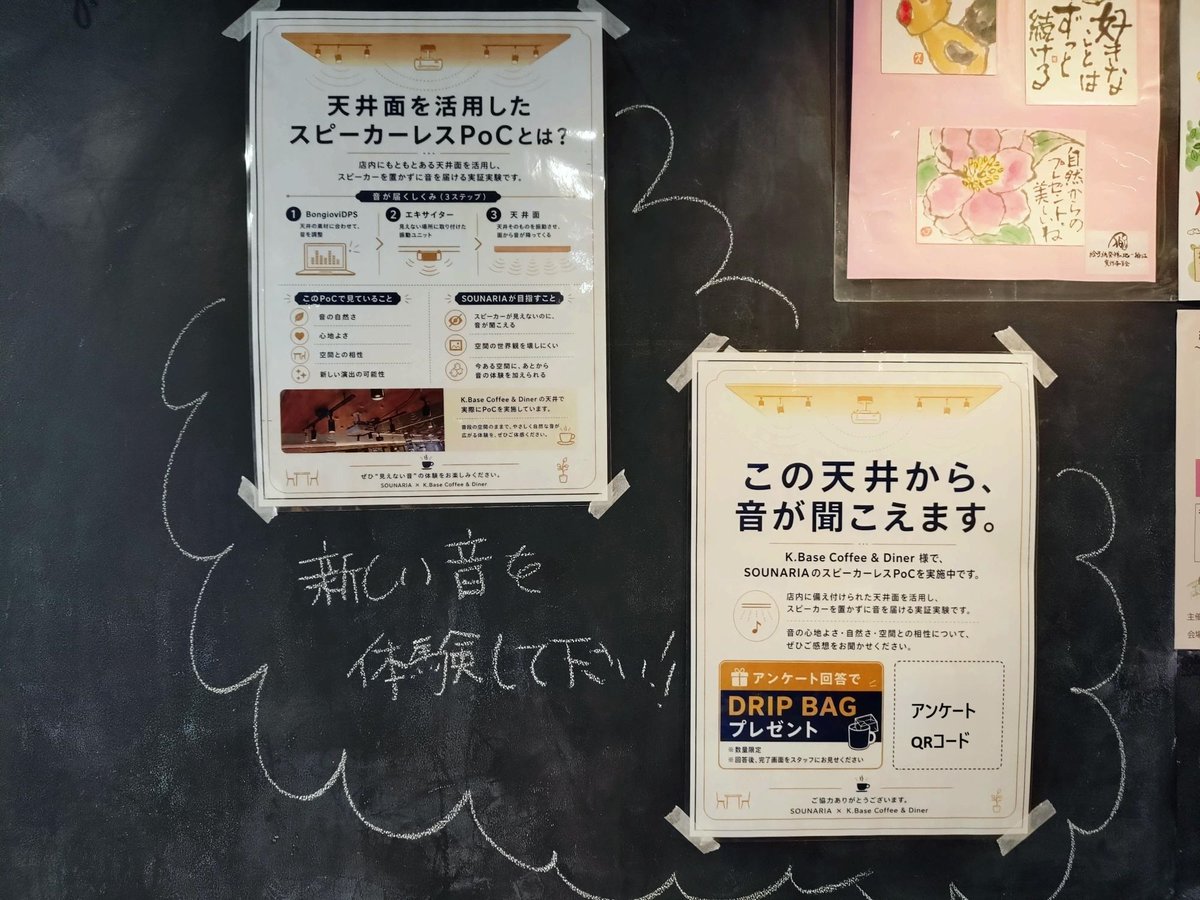
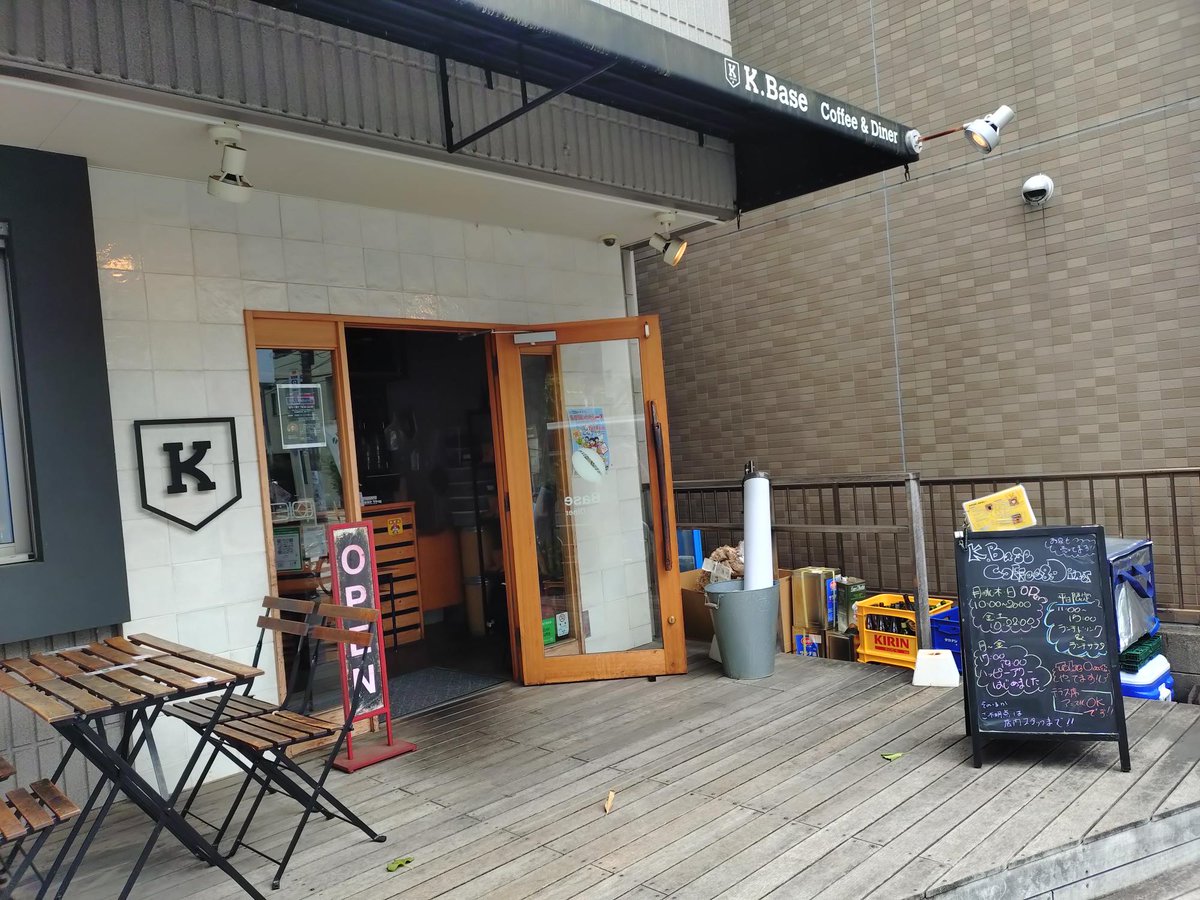
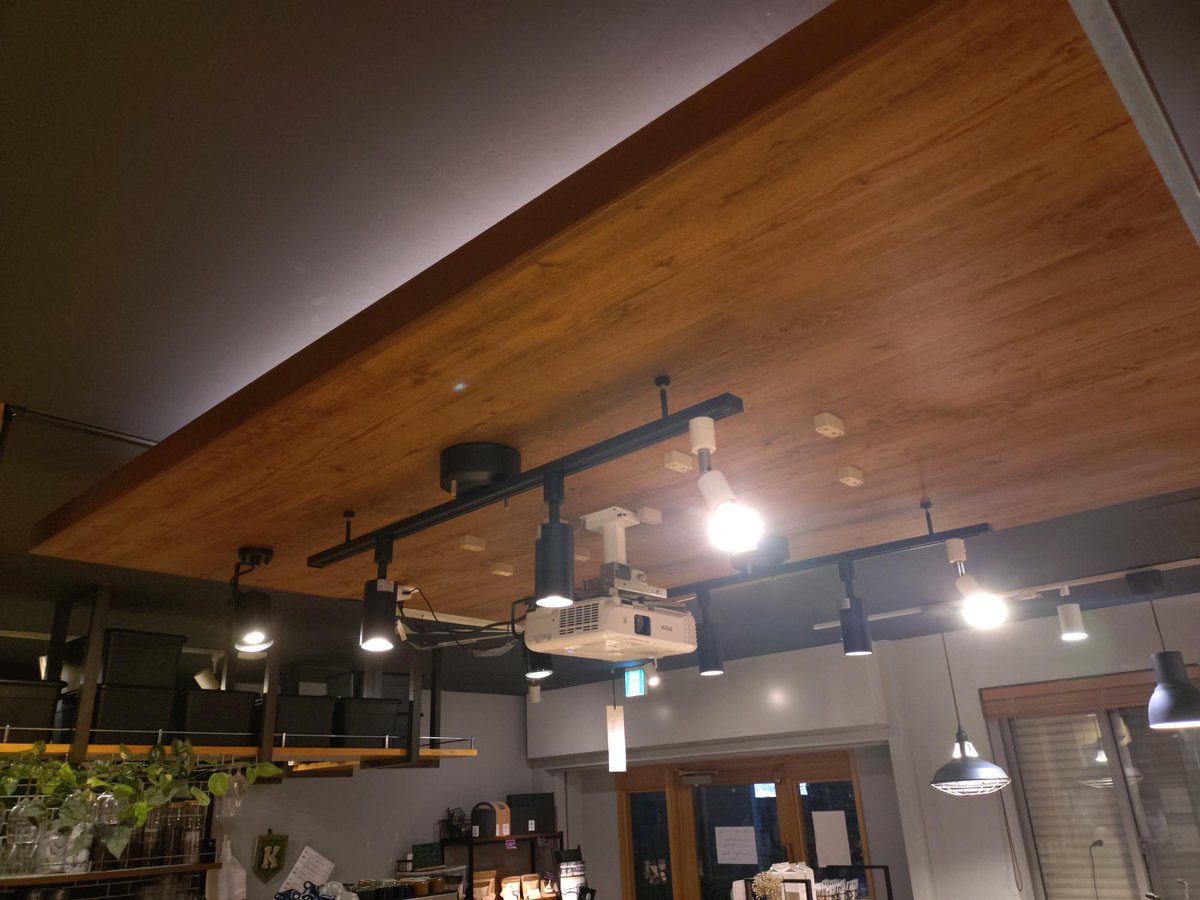
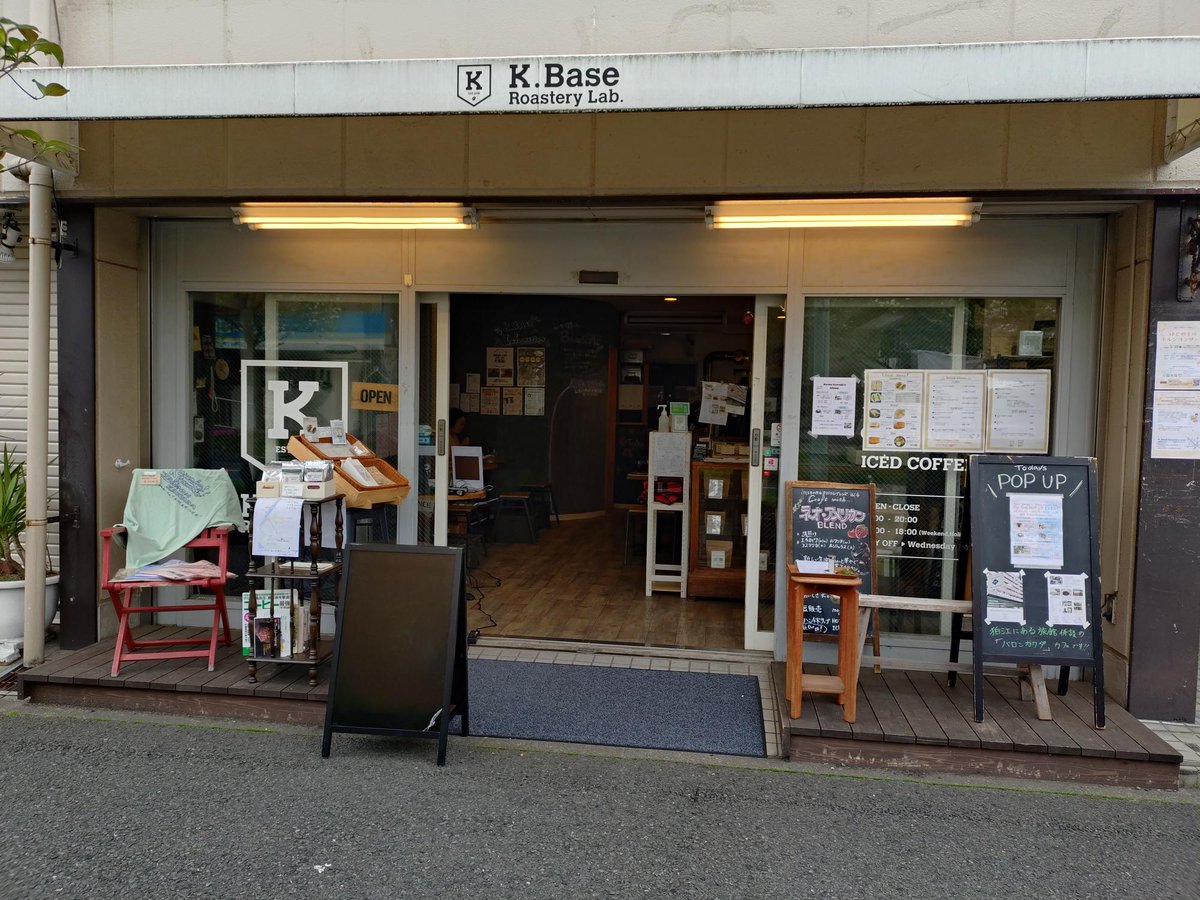
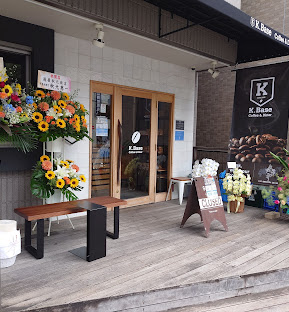
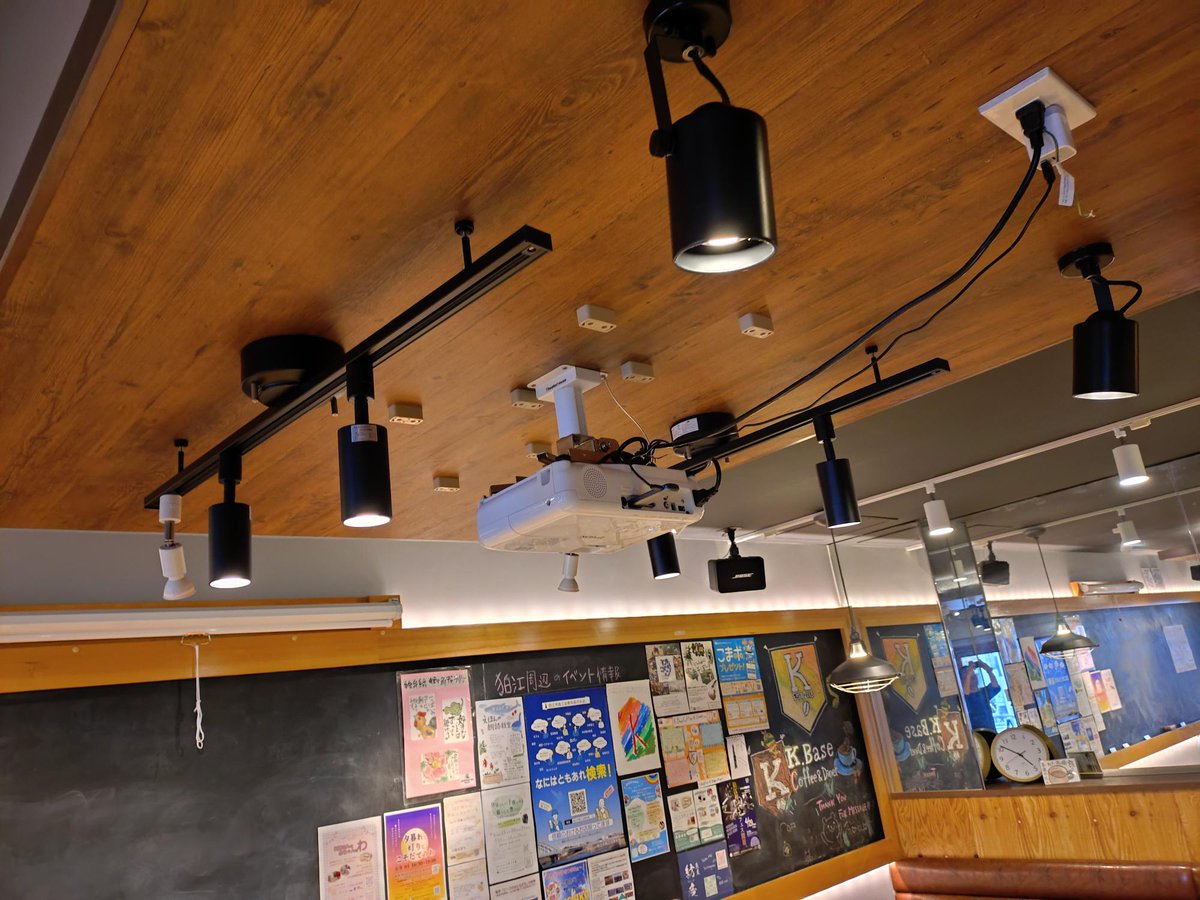
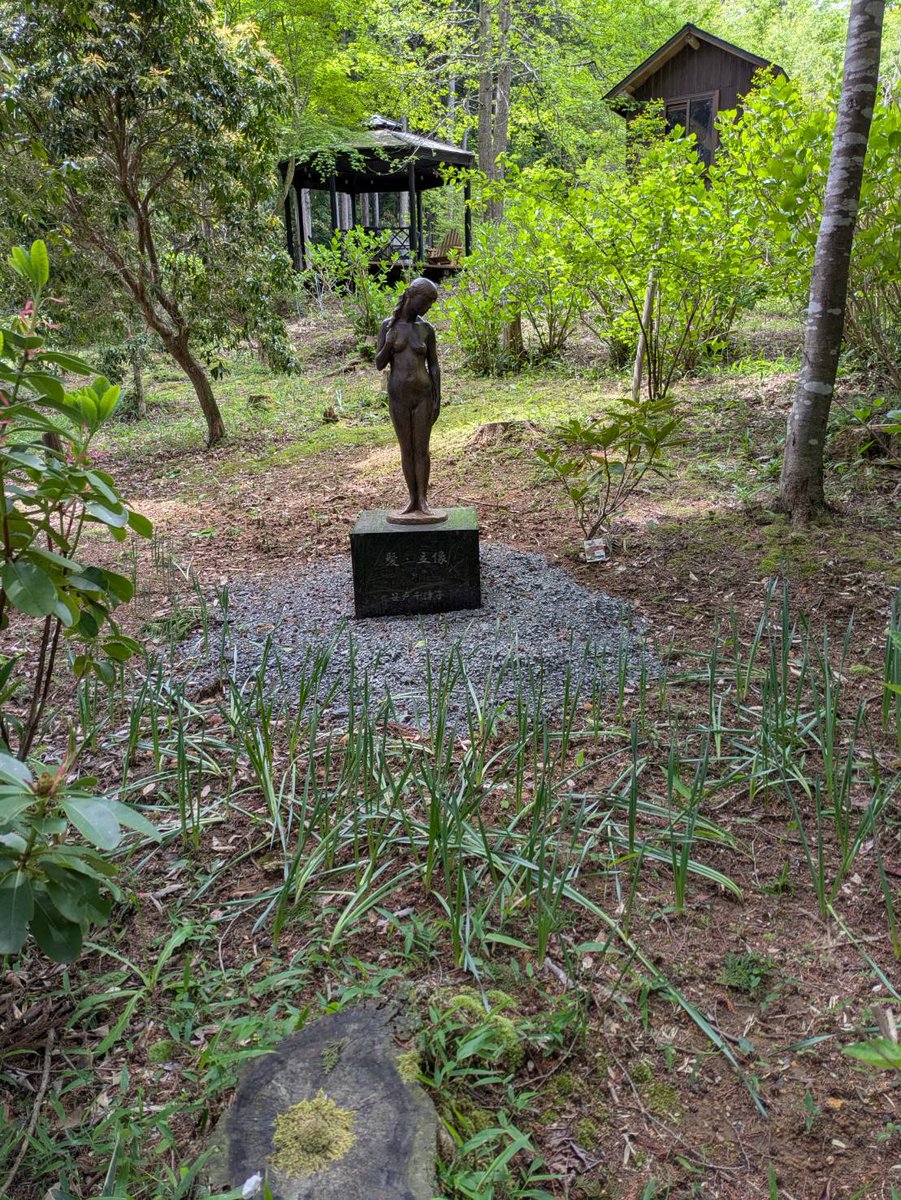
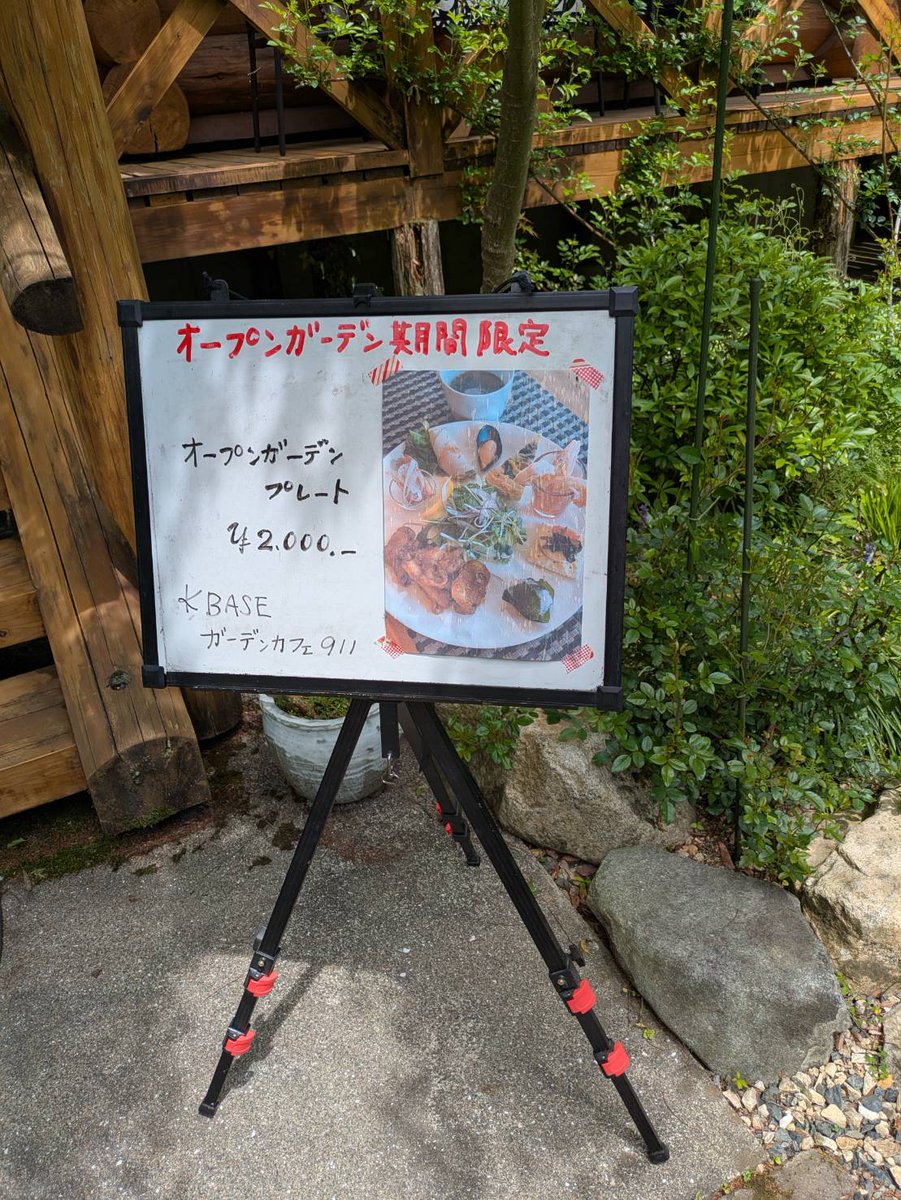
K.BASE Coffee&Diner様で実施中のSOUNARIA スピーカーレスPoCを体験してきました!
今回は、店内の天井面を活用し、スピーカーを置かずに音を届ける実証実験です。
スタッフの方からも、
「いつもは厨房にいると音が聞こえないけど、これだと聞こえてくる」
「どこから聞いても同じように聞こえる」
「自宅でも使えるんですか?」
など、ありがたい声をいただきました。
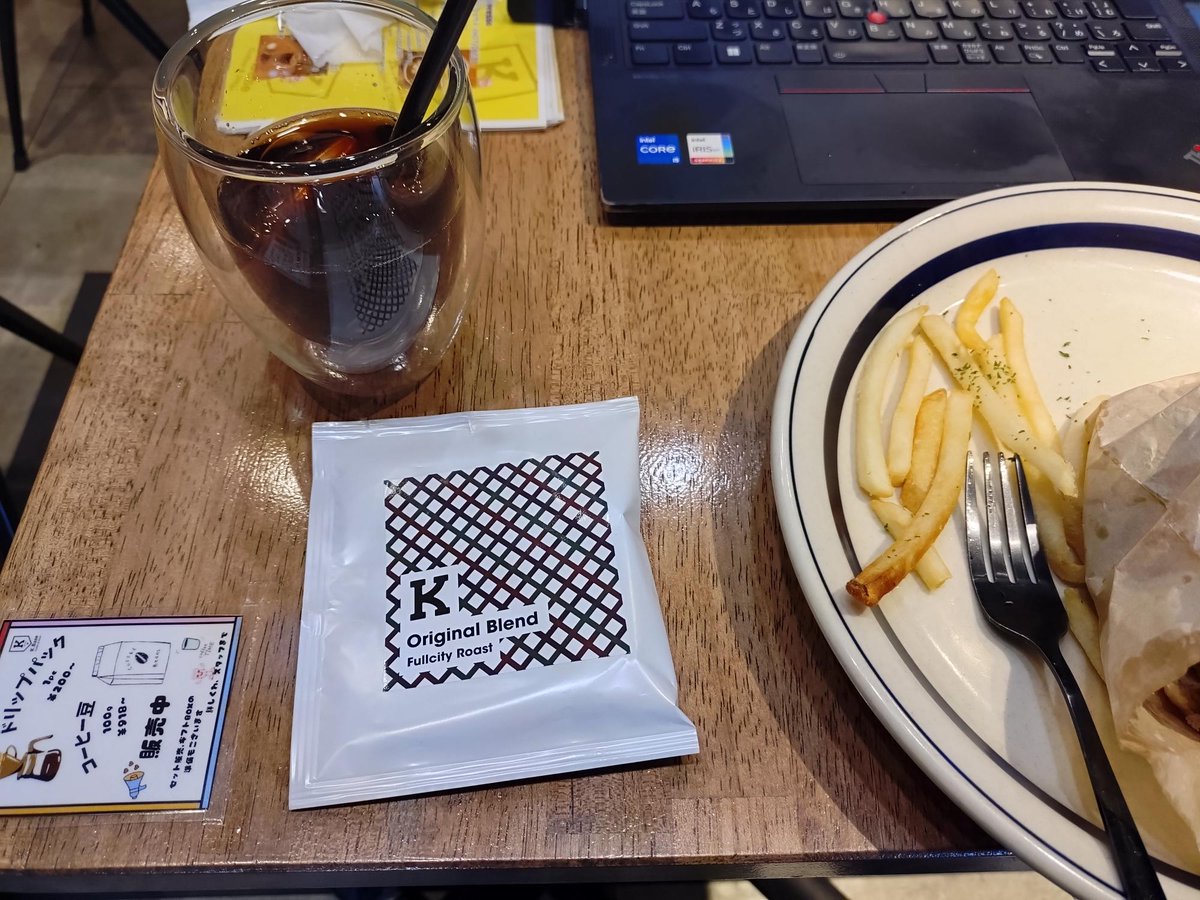
ハンバーガーセットも美味しく、ボリューム満点で満腹です🍔
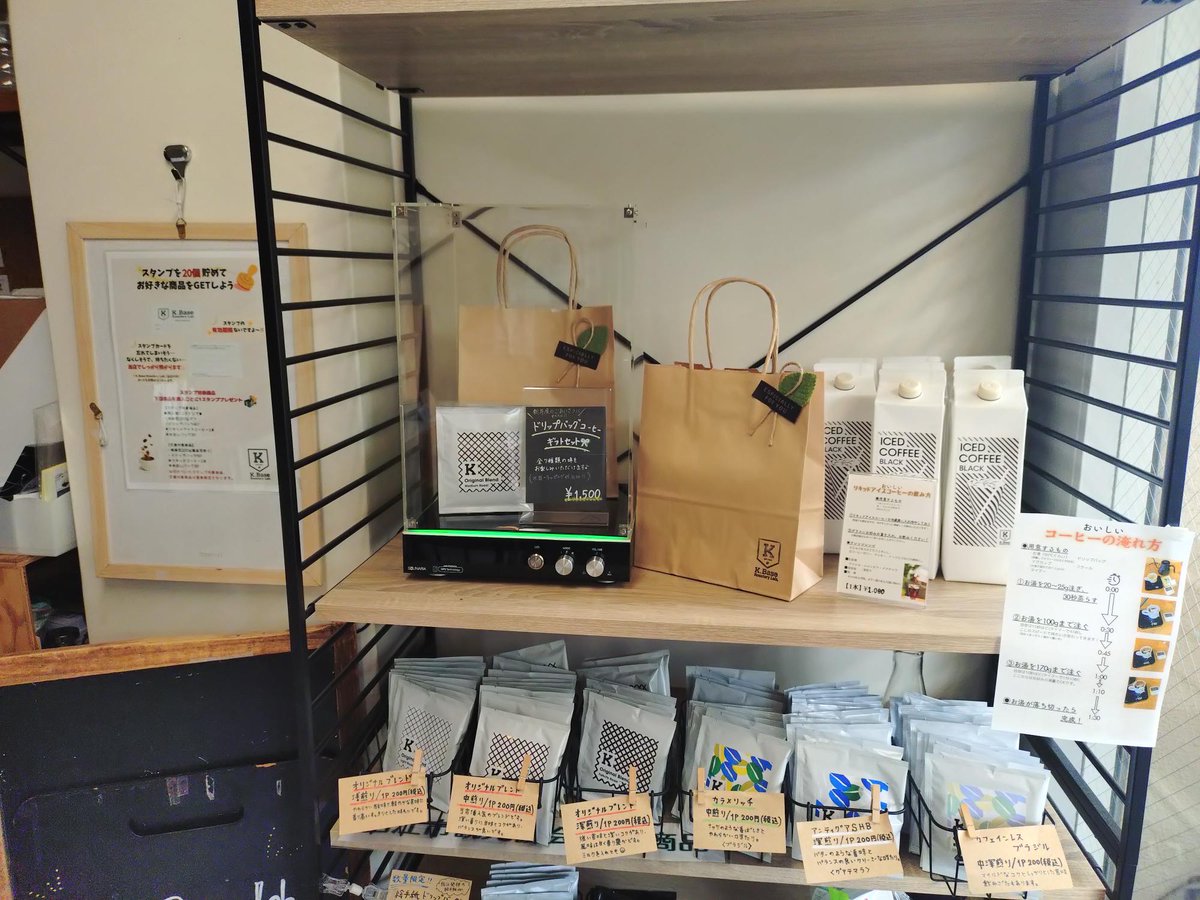
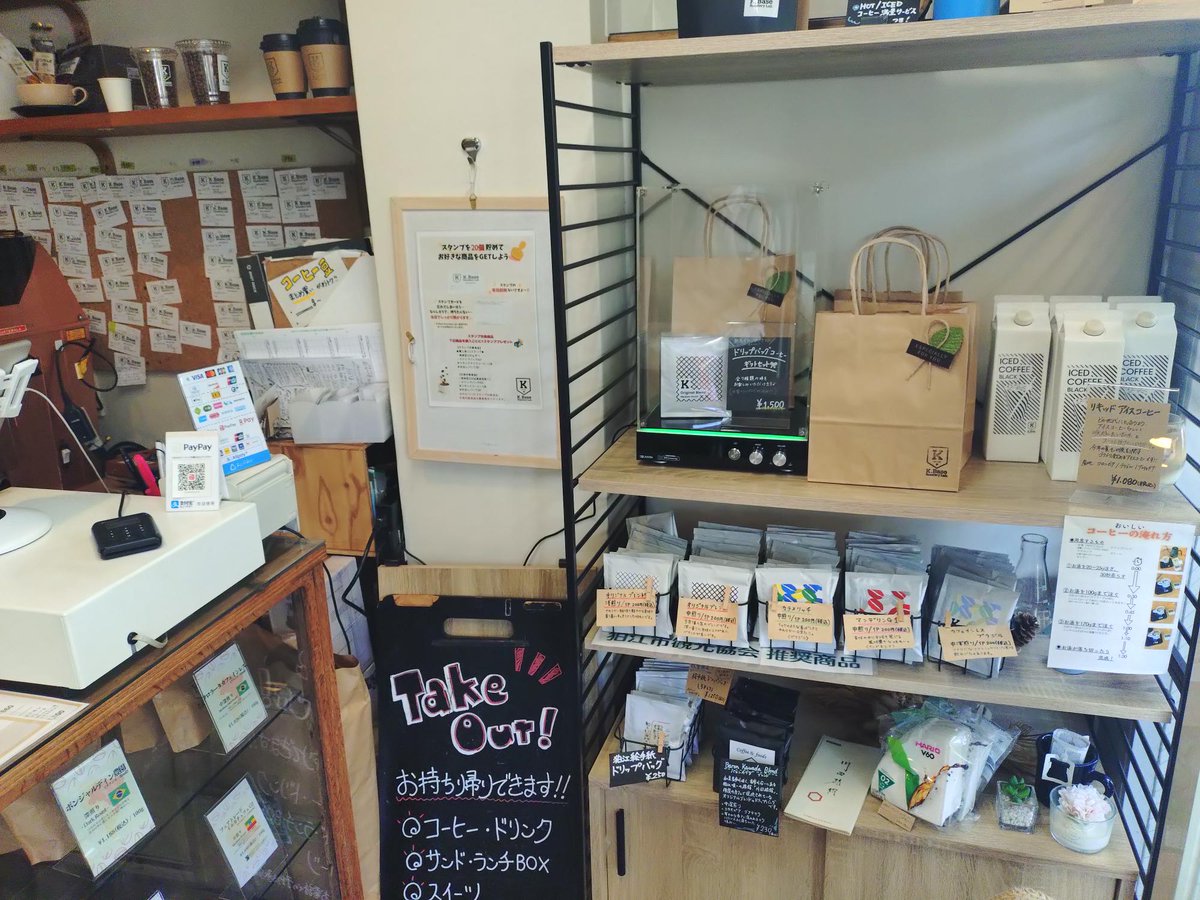
しっかりアンケートにも回答して、K.BASE様のドリップバッグをいただきました☕️
おまえがもらうんかい、という話ですがw
狛江にお越しの際は、ぜひご体験ください!
#SOUNARIA
#KBASE
#狛江
#音響体験
2
12
559









May 11


3
79

May 7
I've migrated from Notion (thanks to their stupid 1000 blocks limit, jeez) to Obsidian and have decided to keep the company kbase inside the same repo/folder as the product. This allows me pretty nice things leveraging AI agents and having the business and product tied. Will report on how it goes!
5
218

=== SYSTEM ===
FW
UP
BUILD
MODEL
USER
HDCP
KBASE
PROC
BOOTS
POWER
PWRCAUSE
KSTUFF
12
845

Apr 3
Me llegó la data de alguien a quien Oracle le mandó mail de despido... al mail que tiene registrado en Oracle para acceder a la kbase. No, no trabaja en Oracle pero está despedido igual. Se cumplió nuestra profecía

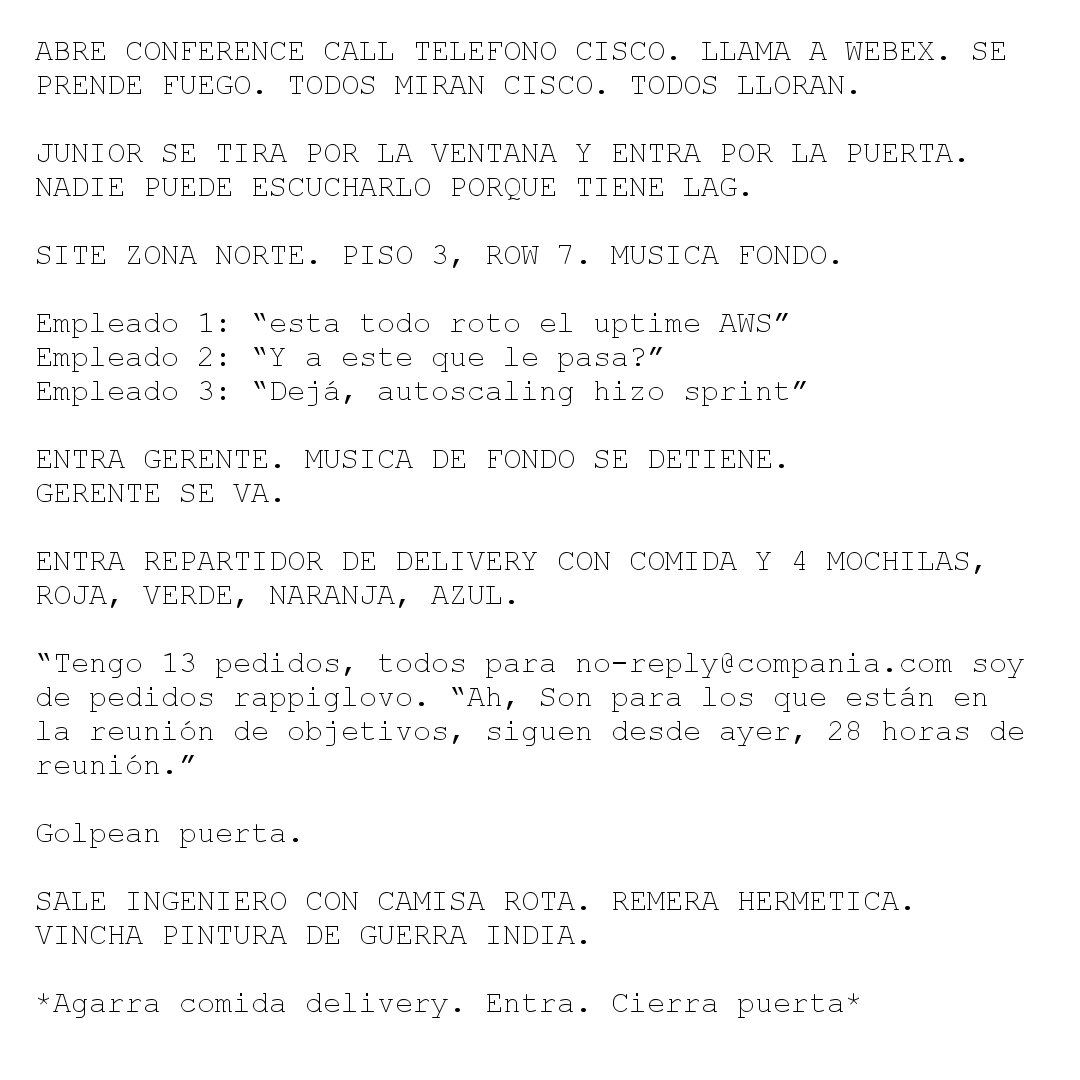
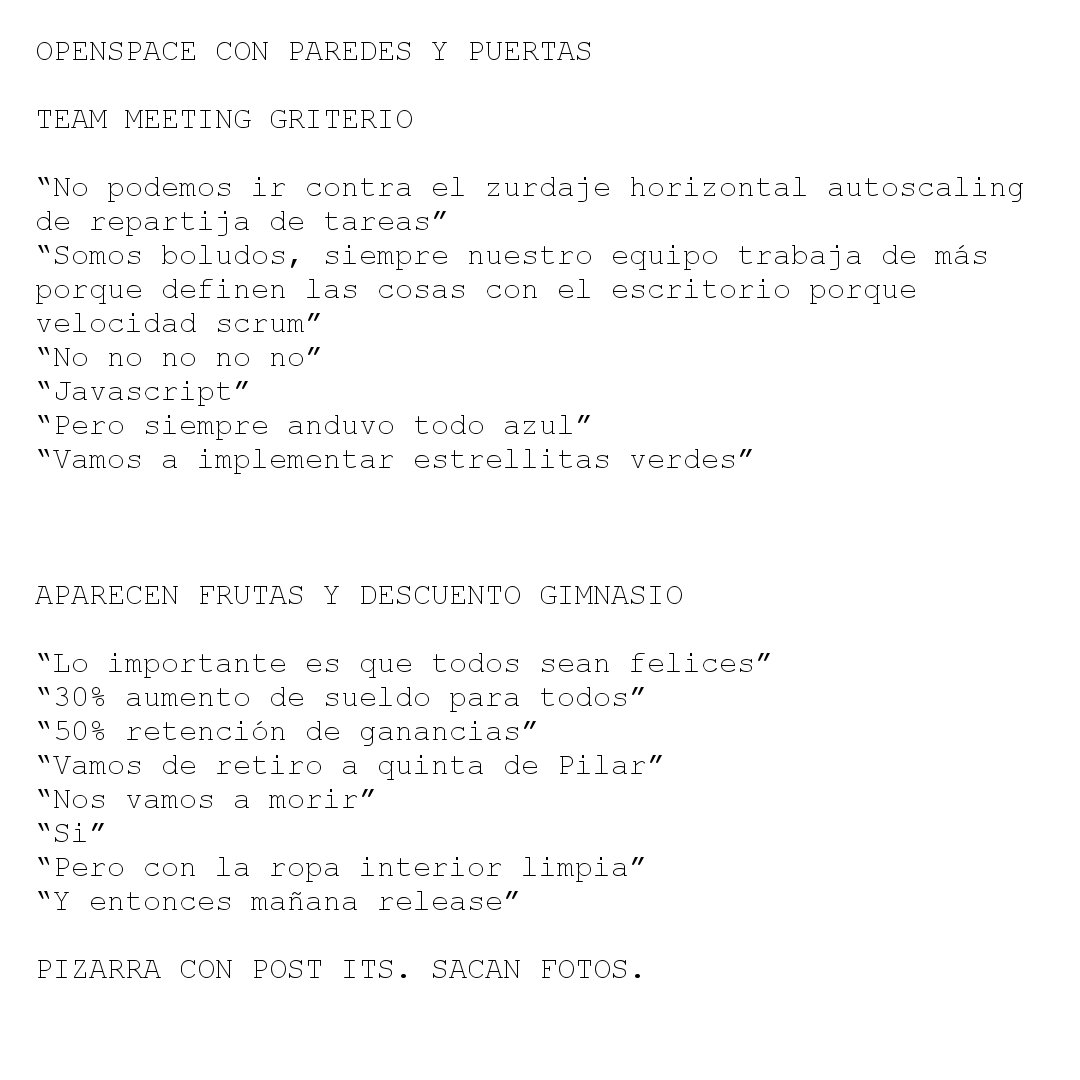
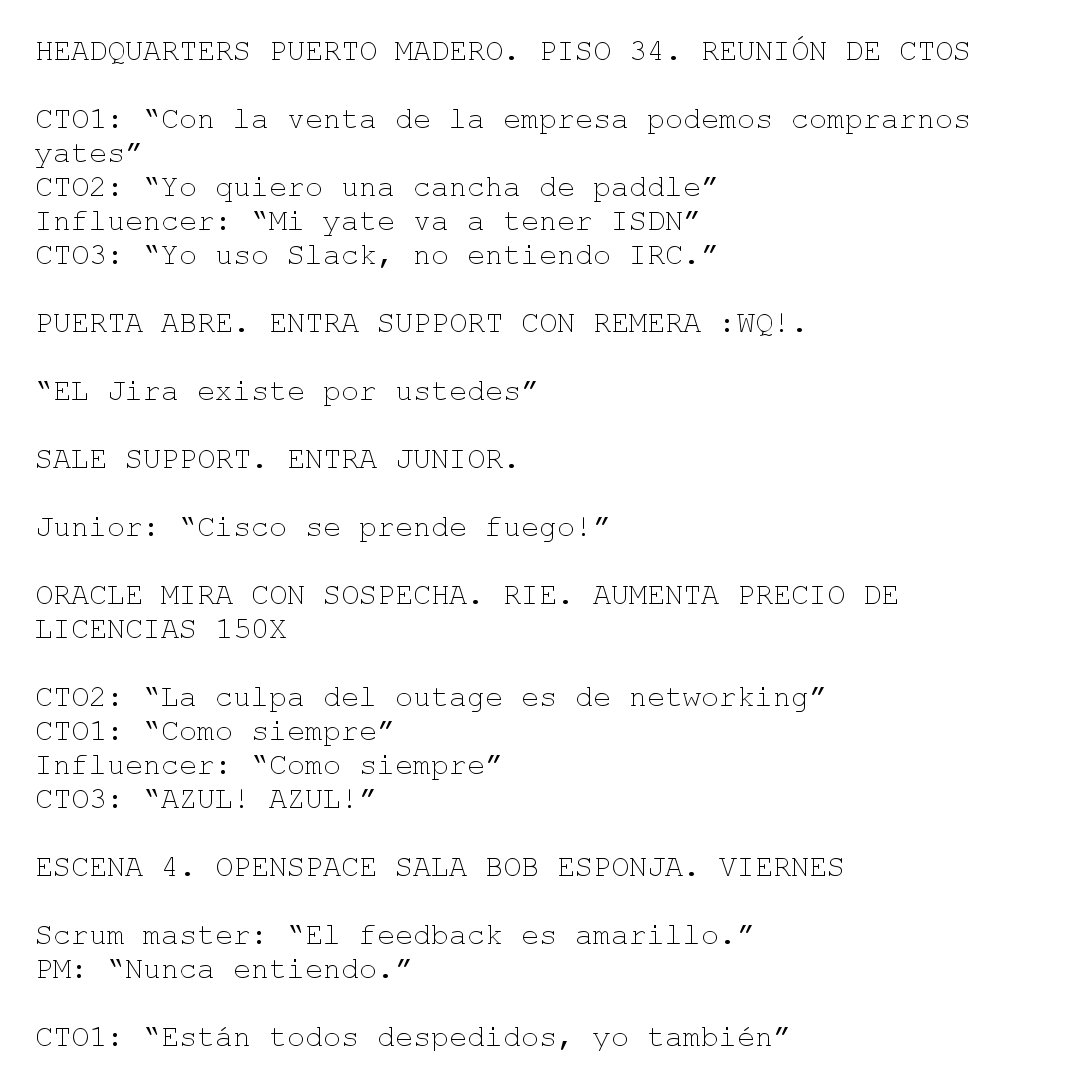
Forzamos un bot a ver más de 1000 horas de reuniones en empresas y después hicimos que escriba un guión. Este es el resultado. // Digno de #OscarNoms
1
4
221

Mar 28
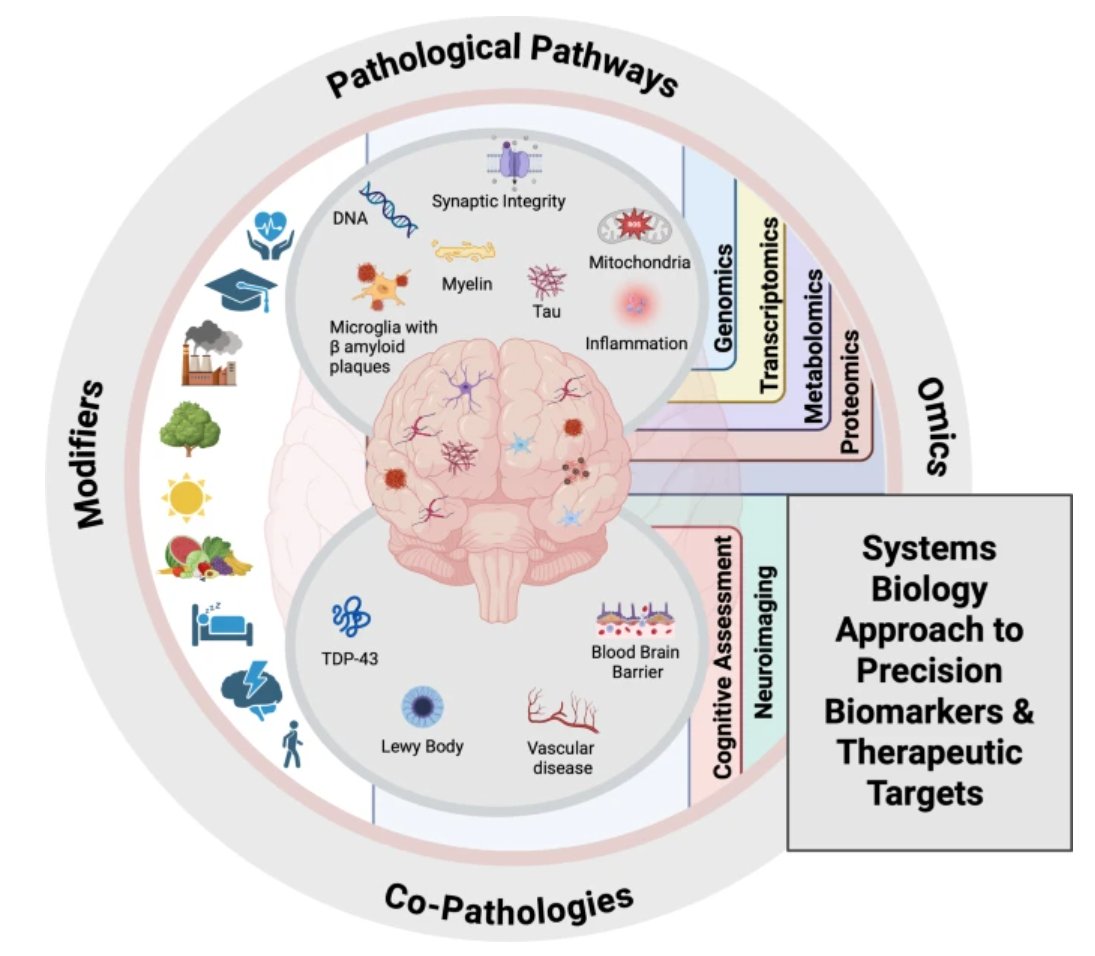
New in @MolNeurodegener: Systems biology of Alzheimer’s disease: a scoping review of key pathways and mechanisms
rdcu.be/fayjz
#AlzheimersDisease #ADRD #SystemsBiology #PrecisionMedicine #Biomarkers @iadrc_iu @IUMedSchool #CLEARAD #AI4AD #KBASE #NIAFunded #EndAlz
7
147

Feb 5
Learn computational biology skills to carry out identification and analysis of microbial isolate genomes using KBase. Appropriate for all career stages of students, researchers and educators. The first webinar is March 11! Learn more and register today: asm.social/2NQ

ALT From Bench to Publication: Identification & Analysis of Microbial Isolate Genomes Back by popular demand! A 4-part webinar series for trainees, researchers and educators to learn computational biology skills. Starts March 11! Register
4
11
1,446
Jan 28
In #MRAJournal: a KBase tutorial narrative demonstrating construction of stoichiometric metabolic models of iron-oxidizing bacteria, enabling predictions of physiological dynamics, metabolic fluxes and the role of iron oxidation in environmental systems. asm.social/2MW
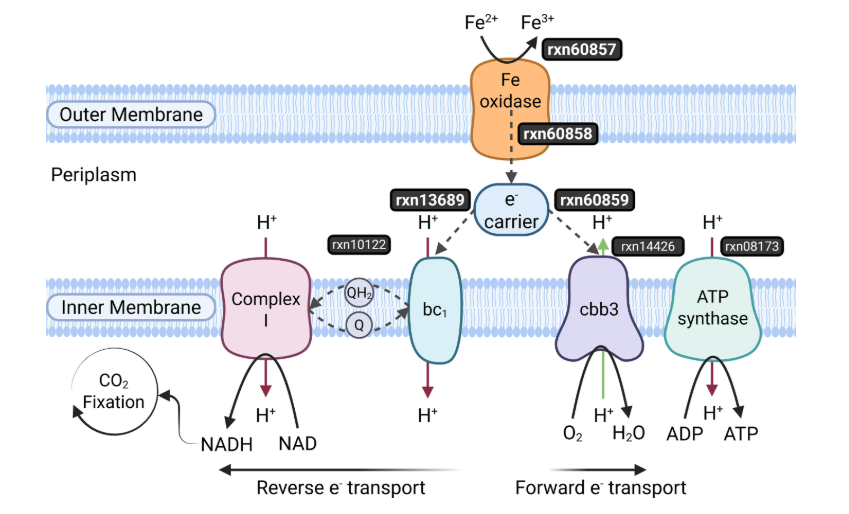
ALT Iron oxidation model template pathway. Bolded reactions (rxn60857, rxn60858, rxn60859, rxn13689) represent those added to the ModelSEED biochemistry database by this template. Created with BioRender.com.
11
24
1,527

Jan 24
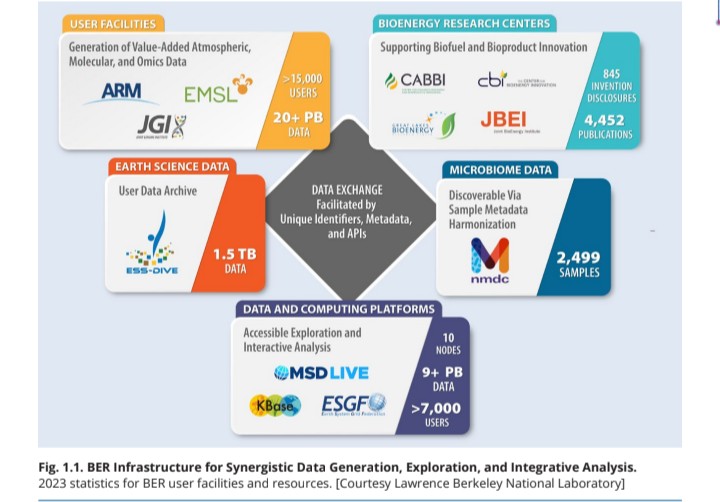
BER Community Data Services
To preserve and make available its wealth of research data, BER has created a range of community-based data services that enable the co-location and, where appropriate, the integration of BER data across projects and within targeted communities.
These include:
1. ARM, JGI, and EMSL Data Services
To make data collected at their respective facilities more broadly available, these facilities offer data services to their communities.
– arm.gov/connect-with-arm/org…
– jgi.doe.gov/data-and-tools
– sc-data.emsl.pnnl.gov
2. Environmental System Science Data Infrastructure for a Virtual Ecosystem
(ESS-DIVE)
ESS-DIVE is a data repository for Earth and environmental sciences. It collects, stores, manages, and shares environmental systems data created through BER-sponsored research, including the NGEEs and AmeriFlux.
ess-dive.lbl.gov
3. Earth System Grid Federation (ESGF)
Led by BER, ESGF is an international collaboration that develops, deploys, and maintains software infrastructure for managing, disseminating, and analyzing climate model output and observational data. E3SM uses ESGF, which is also supported by other U.S. and international sponsors.
esgf.llnl.gov
4. DOE Systems Biology Knowledgebase (KBase)
KBase is a knowledge creation and discovery environment designed for biologists and bioinformaticians. It allows users to perform large-scale analyses and combine multiple lines of evidence to model plant and microbial physiology and community dynamics.
kbase.us
5. National Microbiome Data Collaborative (NMDC)
NMDC is enabling inclusive and interdisciplinary environmental microbiome science by connecting data, people, and ideas. The project’s scientific mission is to provide comprehensive discovery of and access to multiomics microbiome data.
microbiomedata.org
6. MultiSector Dynamics–Living, Intuitive, Value-adding, Environment (MSD-LIVE)
MSD-LIVE is a flexible and scalable data and code management system combined with a distributed computational platform that will enable MSD researchers to document and archive their data; run their models and analysis tools; and share their data, software, and multi-model workflows.
msdlive.org
Jan 24

5. Basic Energy Sciences (BES) Program’s and BER’s Imaging Capabilities
Housed at BES synchrotron & neutron facilities, BER-supported technologies & measurements in structural biology & imaging can resolve key metabolic processes over time within or among cells. These capabilities, including cryo-electron microscopy resources, are supported by BER’s Biomolecular Characterization & Imaging Science program & produce information that serves as a crucial bridge toward linking molecular-scale information to whole-cell, systems-level understanding.
berstructuralbioportal.org
Large-Scale Data-Generating Projects
In addition to user facility–based capabilities, BER funds a range of large-scale projects & programs that create or use significant or diverse volumes of data.
These include, but are not limited to, the following:
1. Bioenergy Research Centers (BRCs)
The mission of the BRC program is to break down the barriers to actualizing a domestic bioenergy industry. The 4 centers—each led by a DOE national laboratory or top university—take distinctive approaches toward common goal of accelerating the pathway to improving & scaling up advanced biofuel & bioproduct production processes.
genomicscience.energy.gov/bi…
2. AmeriFlux
Supported by BER & the National Science Foundation, AmeriFlux is a network of principal investigator–managed sites measuring ecosystem carbon dioxide, water, & energy fluxes in North, Central, & South America. It was established to connect research on field sites representing major climate & ecological biomes, including tundra; grass-lands; savanna; crops; & conifer, deciduous, & tropical forests.
ameriflux.lbl.gov
3. Next-Generation Ecosystem Experiments (NGEEs)
The multiphased NGEE projects aim to improve predictive understanding of specific climate zones such as the Arctic & tropics. This objective is achieved thru experiments, observations, & synthesis of existing datasets that strategically inform model process representations & parameterizations & that enhance the knowledgebase required for model initialization, calibration, & evaluation.
ess.science.energy.gov/criti…
4. Biopreparedness Research Virtual Environment (BRaVE)
The BraVE program aims to address a range of potential biological events & transform the nation’s ability to prepare for & respond to future biological threats. Current multidisciplinary projects, supported by ASCR, BES, & BER, are also seeking to provide broader insights into fundamental processes in biological systems & develop new characterization & computational approaches relevant to DOE research in renewable energy, climate change, bio-manufacturing, & the broader bioeconomy.
science.osti.gov/Initiatives…
5. Global Change Analysis Model (GCAM)
GCAM is a market equilibrium community model w/ a global scope. Other socioeconomic models include those that follow a computable general equilibrium approach. All these models are designed to study how changes in population, income, or technology cost would be expected to alter crop production, energy demand, & water use throughout an interconnected global environment.
gcims.pnnl.gov/modeling/gcam…
6. Urban Integrated Field Laboratories (UIFLs)
These multidisciplinary projects are advancing the science that underpins the predictability of urban systems & their two-way interactions w/ the climate system. The 4 UIFLs also aim to provide the knowledge & info necessary to inform equitable climate & energy solutions that can strengthen community-scale resilience across urban landscapes.
ess.science.energy.gov/urban…
7. E3SM
Using exascale computing, this project conducts high-resolution Earth system modeling of natural, managed, & man-made systems to answer pressing DOE mission challenges. Researchers are using E3SM to study long-term trends that will have major impacts on the energy sector. The ability to simulate & predict significant, long-term global changes is important to energy-sector & policy-relevant planning.
e3sm.org
6
11
530