
I have joined Keytool Skate waitlist. getlaunchlist.com/pages/keyt….
22


Happy Friday, citizens of Retrovania Land!🍕🕹️🧛♂️
It’s your favorite pizza-makin’, NES-playin’ vampire dad transmitting live from the neon-lit arcade crypt inside the Haunted Pizzeria Clubhouse! Hope you’re all having a totally bitchin’ day so far, crypt dwellers and latchkey legends.
I just fired up the old possessed VCR, slapped in that dusty tape, and rewound straight back to 1994 for one of the most groundbreaking cartoons ever beamed into our living rooms — the Canadian CGI masterpiece ReBoot from Mainframe Entertainment!
Man, ReBoot wasn’t just another cartoon… it was the future crashing into your CRT. The very first fully computer-animated TV series ever made, and it looked absolutely killer for its time. Those glossy, polygonal characters popping against the glowing green-and-black grid of Mainframe? Pure digital sorcery. The animation had this chunky, early-3D charm that still holds up today — smooth enough to feel futuristic, but with that perfect late-90s texture that screams “we’re inside a computer, baby!”
The Story & World:
You were literally inside a computer system called Mainframe. Bob, the heroic Guardian, gets sent there to protect the inhabitants from chaos. Every time the User loads a game, the whole city gets sucked into a massive Game Cube where the heroes have to beat the game or the system takes heavy damage. Win = everyone’s safe. Lose = the whole sector gets nullified into nothing. That constant high-stakes tension mixed with wild game parodies (everything from racing games to westerns to horror) made every episode feel like an event.
The Characters (Absolute Icons):
- Bob – The cool, confident Guardian with the keytool Glitch. Always ready to “ReBoot” into game mode and throw down.
- Dot Matrix – The smart, tough-as-nails businesswoman running the diner and basically holding Mainframe together. Total 90s icon.
- Enzo – Her little brother, the ultimate energetic kid sidekick who eventually grows into a badass older version of himself (Matrix) after some dark Game Cube years. That character arc still hits hard.
- Megabyte – The ultimate virus villain. Deep menacing voice, sleek blue design, claws that could delete you in a heartbeat. Pure 90s evil.
- Hexadecimal – His chaotic sister. Unpredictable, masked, with that wild queen-of-chaos energy and some of the best facial expressions in CGI history.
The voice cast was stacked, the writing was clever (tons of inside-computer jokes that flew over kid heads but rewarded rewatches), and the world-building was next-level for the era. One minute you’re in a peaceful sector eating at Dot’s Diner, the next a Game Cube drops and you’re fighting for survival in a twisted version of Pong or a horror flick.
ReBoot had heart, humor, action, and even some surprisingly dark moments for a “kids” show. It influenced everything that came after it in the CGI animation world and still feels like the coolest trip through cyberspace.
Who else grew up watching this 90s kid classic? Drop your favorite episode, character, or wild game cube memory below — let’s flood the feed with that 90s Mainframe energy! 👊🍕
#ReBoot #MainframeEntertainment #90sCartoons #CGIClassics #RetroNostalgia #90sKidsRule #LeftoverPizzaPowerKidsClub #RetrovaniaLand
1
5
14
468

Importing p7b File to Java Keystore Using Keytool in Java buff.ly/ql9M0rC
1
4
1,038

Apr 12
“#Diplomacy never ends,” said Esmaeil Baghaei, as Iran signalled it will continue diplomatic efforts despite stalled talks with the #UnitedStates.
The #Iranian Foreign Ministry spokesperson noted that expectations of reaching an agreement in a single meeting were unrealistic given decades of mistrust, adding that the negotiations followed prolonged tensions and conflict.
He stressed that diplomacy remains a #keytool to secure and preserve national interests, confirming that consultations with Pakistan and other friendly and neighbouring countries will continue.

3
537

Mar 14
Setting up HTTPS with Java keytool looks simple… until it breaks.
CSR
certificate chains
keystore formats
Example:
keytool -genkeypair -alias <key_alias> -keyalg RSA -keysize 2048 -keystore <keystore_file>
I wrote a short guide for the full process.
👇
1
3
110

Fuck Pocket healing, Imma be your pocket drug and keytool holder
7
157


16 Dec 2025
Agree, I've found a docs case, keycard case, and keytool in the same room... and on the other hand, 80% of the rooms are just "here, two pistols and a cat figurine"
1
4
1,561

10 Dec 2025
Hii there 👋 IM keytool new in here IM from Gunungkidul Yogyakarta Indonesia 🇮🇩🙏 add me to be your friends 🙏
7
225



30 Nov 2025
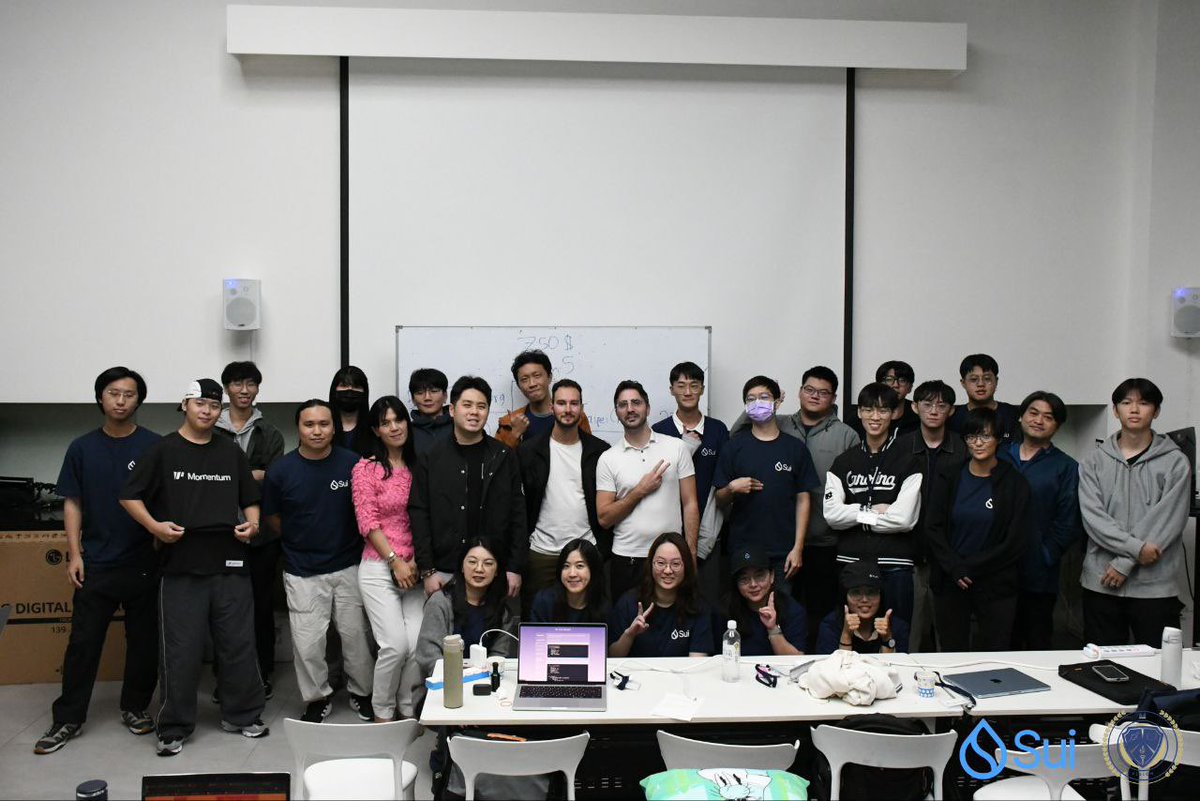
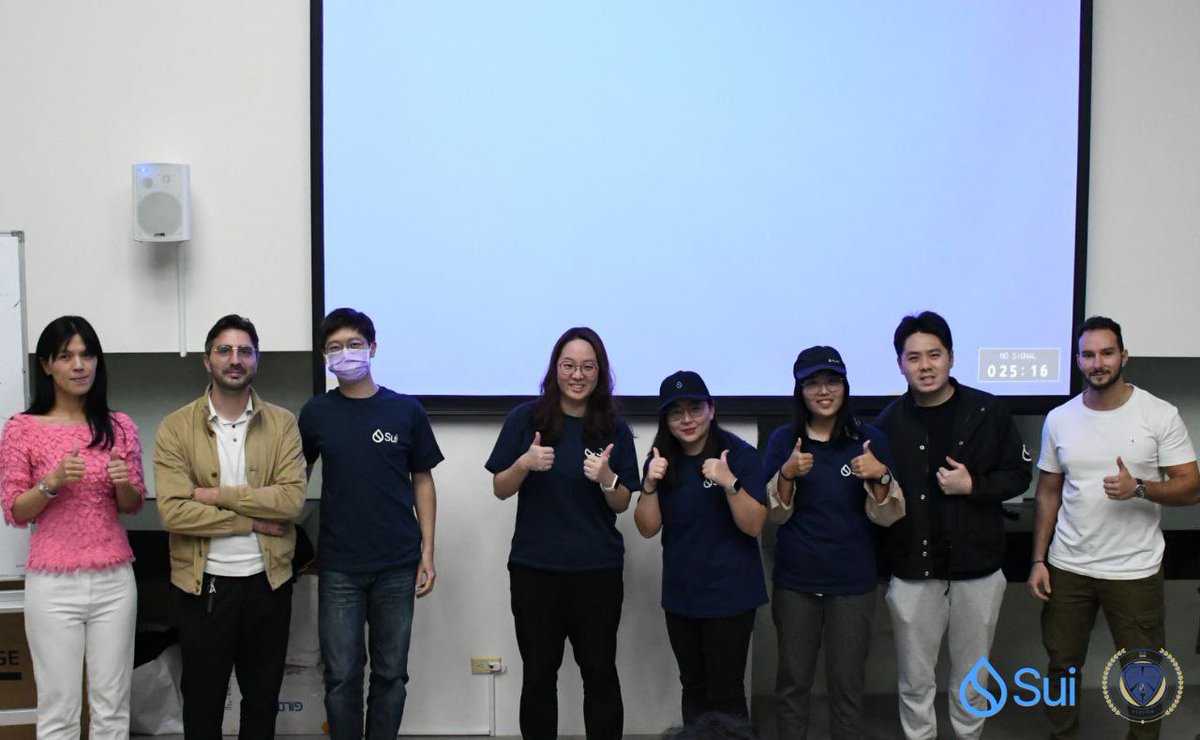
此篇為我參加2025/11/24-2025/11/30 Sui Bootcamp心得。
這週我上了一整個精實的Sui bootcamp,由兩位來自Sui Foundation和Mysten Labs的導師(Domenico和Andreas)教學,每天都有對Sui更深的理解(慶幸之前8月SuiHub有先幫我們打底、甚至開放你只要願意、就能免費來聽好幾期的課)。
我有印象的課程內容像是Fullnode,我覺得講師解釋的很清楚,另外還有ability 的key、has、drop(這次沒什麼講到copy)和dynamic fields也加深印象,也帶到one-time-witness和hot patato(題外話:因為看sui book中文版第一次知道原來翻譯叫做燙手山芋!)
導師帶我們看sui原來裝在本機root/.sui,可以看到keytool資料夾去找到私鑰或alias錢包名稱(因目前版本sui client不接受再次改名),此外也帶我們看sui -h、sui move -h、sui client -h、sui move build後各library定義等等在寫程式時實用技巧。
印象深刻的還有講師Domenico把React講的深入淺出,真心被他願意教學的熱誠感染(因為可以只教move,react可以是學生自己的回家作業,但他還是願意再講)。我也趁機學習他的講法:(此講法方便小白學,大神請別介意)React=html css,架構會有main.tsx、app.tsx,長相是blablabla⋯
昨天21時講黑客松規則,然後今天17時截止提交,真的是好熱血🔥🤣(在現場的大家可能都才結束11/23的walrus黑客松,結果11/24 Bootcamp第一天就被告知11/30有場黑客松)
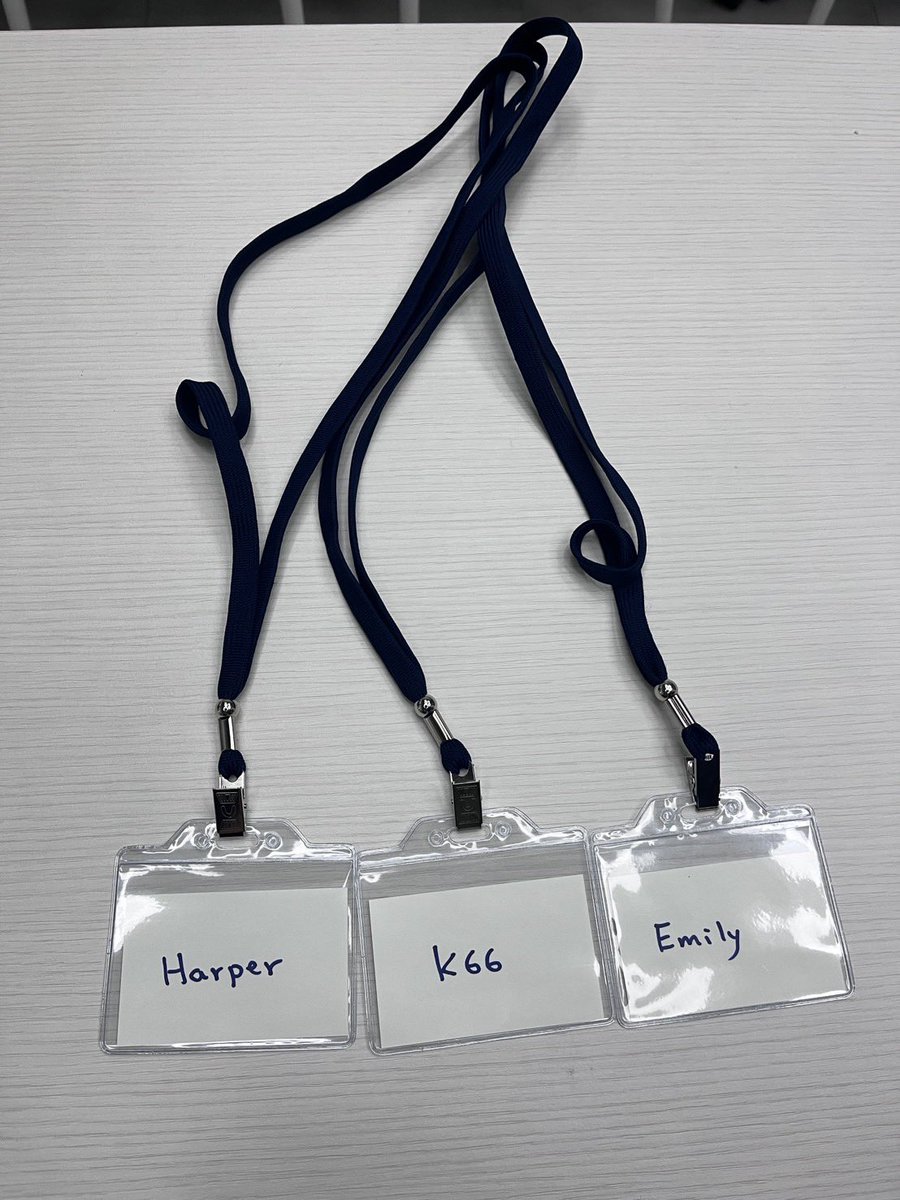
今天黑客松我跟Jack靠Harper、Emily帶飛👼獲得第三名🥉,然後我還被隊友發現我很沮喪(因為我覺得我這次貢獻得很少),也再次謝謝隊友😂
再多提Harper一下,真是個神奇的人(因為她一直在猜我們這組年紀星座,我真是要發瘋🤣)但她的move code被導師稱讚寫的很簡潔!
總之慶幸自己有來參加Sui Bootcamp,一個字:很好玩!推👍
2
12
924

28 Nov 2025
Doc case keytool is much better. You can hold a bunch of diaries and such in the doc case. Way more valuable than sicc. A sas drive is like 60k. Worth more than the gold ring the sicc can hold. My go to have always been a keytool with keys for the map im going empty doc case
4
2,672

19 Oct 2025
Just wrapped the first crypto milestone for the Sui Go SDK I'm building. I started by understanding how Sui treats signatures, then implemented the derivation logic and tests around those rules.
One important thing to know is that Sui never signs raw bytes. Every signature starts with a three-byte "intent" tag that answers:
- What kind of payload is this (transaction, personal message, checkpoint, etc.)?
- Which version of that payload are we using?
- Which application owns it (Sui, Narwhal, etc.)?
Only after that tag is in place do we hash and sign the combined bytes. It feels extra, but that's what prevents transaction replays elsewhere and keeps future format updates from breaking old signatures.
With the understanding of intent, I moved on to the core crypto implementation. I started with the easiest scheme: Ed25519, then Secp256k1 and Secp256r1. With this, you can now generate Sui keypairs and import private keys with the SDK for any of those schemes, and they stay consistent with the ones generated by the official Sui tools.
The SDK also adds support for 12- or 24-word recovery phrases (BIP39) and walks the same derivation paths the official tools use:
- Ed25519: m/44'/784'/{account}'/{change}'/{address}' (everything hardened)
- Secp256k1: m/54'/784'/{account}'/{change}/{address}
- Secp256r1: m/74'/784'/{account}'/{change}/{address}
Fun fact: that 784 isn't random; it maps to S-U-I on a phone keypad.
The SDK validates the path, updates the chain code at each hop, and emits a Bech32 secret key (suiprivkey1…) along with the Sui address.
Each curve needed its own touch to hit parity with Mysten's outputs:
- Ed25519 worked immediately once the hardened path was enforced; the base64 public keys matched the CLI exactly.
- Secp256k1 behaved once we mirrored Sui's mix of hardened account level and unhardened change/address steps.
- Secp256r1 needed a special treatment. Mysten's Rust code first runs BIP-32 math using Secp256k1 primitives, then converts the scalar into a P-256 keypair. Copying that flow made our base64 keys and addresses align perfectly with the Sui keytool output.
Finally, I added a test suite with keys and addresses pulled straight from Mysten's SDKs to confirm we're hitting parity.
There's still more to layer on: zkLogin, multisig, passkeys. But the core pieces are now in place and fully compatible with Sui's own tooling.
1
1
12
247


5 Sep 2025
I'm hiring an IT Administrator for the @SpaceX VADER team. This is less video / audio and more Kubernetes deploys, server administration, SSL deployments (including Java Keytool,) Python scripting, system uptime / downtime reporting, etc.
If you or someone you know fits that and is interested, please apply here: job-boards.greenhouse.io/spa…
10
19
190
13,870

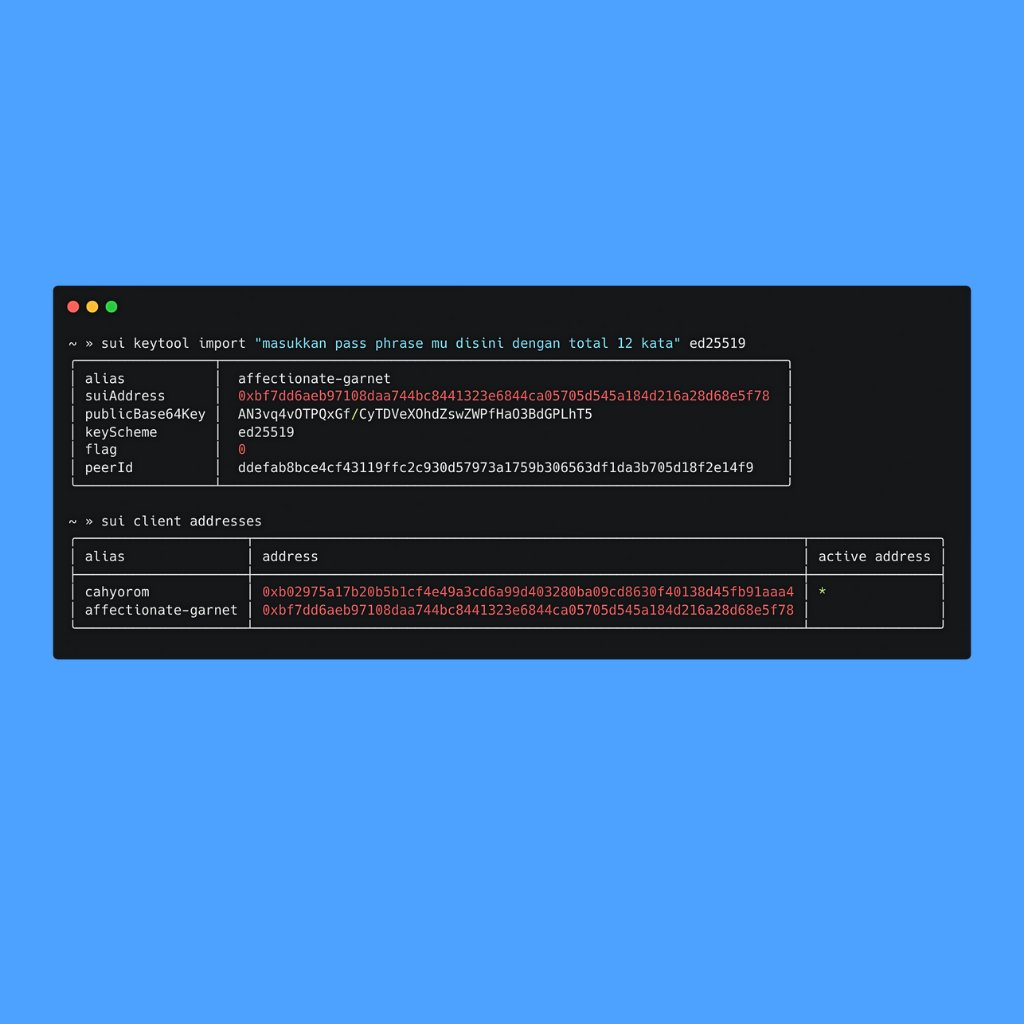
cara mengimpor address dari slush ke sui-cli hanya dengan satu command sederhana
lets start
#day3
pastikan kalian sudah memiliki sui-cli yang terinstall di device kalian, kemudian masukkan perintah ini di terminal:
sui keytool import [passphrase] ed25519
Apa itu ed25519?
ed25519 adalah skema tanda tangan digital yang paling umum digunakan yang intinya adalah bagaimana wallet ini diamankan oleh Sui
jika kalian membuat address baru di sui-cli maka akan diberikan beberapa pilihan skema tanda tangan namun hal ini tidak terjadi di slush karena ed25519 sudah menjadi default scheme ketika kalian membuat address baru
setelah kalian menginput command diatas maka akan muncul sebuah output yang memberikan detail pada address yang kalian import
verifikasi apakah address benar sudah masuk ke sui-cli dengan cara
sui client address
selamat kalian berhasil mengimport wallet address kalian dari slush ke sui-cli, di pembelajaran selanjutnya kita akan mempelajari cara mendapatkan token testnet maupun devnet dengan faucet setelah itu barulah kalian siap untuk membuat smart contract pertama kalian

10
230

9 Aug 2025
#SuiDevTips
Suiの秘密鍵には2つの表現形式があります👇
- Base64形式: 機械向け、短くても判読しづらい
- Bech32形式(suiprivkey...): 人間が扱いやすく、誤入力検出付き
Sui CLIでのimportは以下のコマンドで可能💪
`sui keytool import suiprivkey1xxx... ed25519`
3
265