
Myth: modern kit always beats skill. Truth: practiced techniques win when gear fails — I teach simple navigation, firecraft and knotwork that save trips. Myth: foraging is always risky. Truth: ID basics make it safe and rewarding.


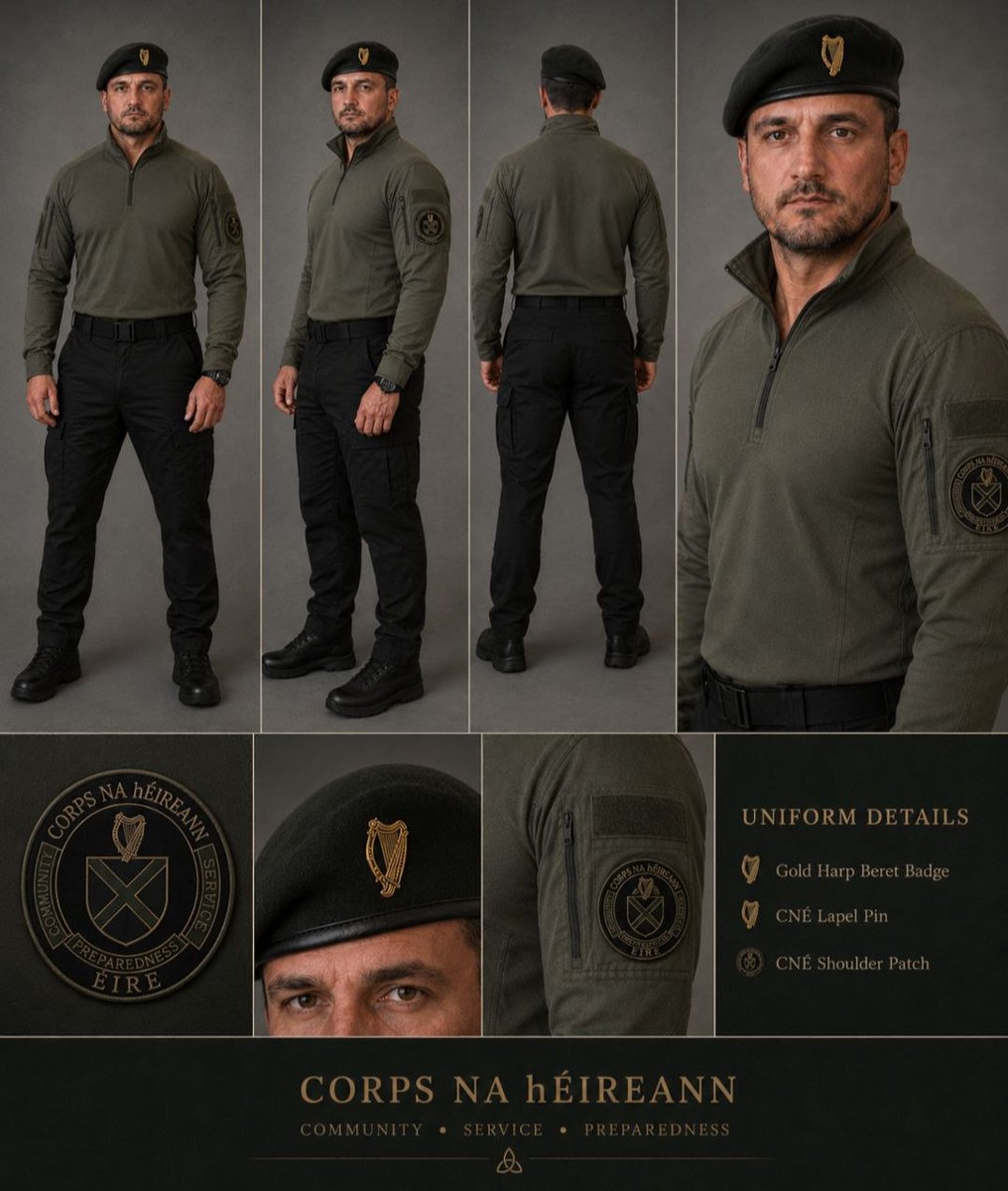
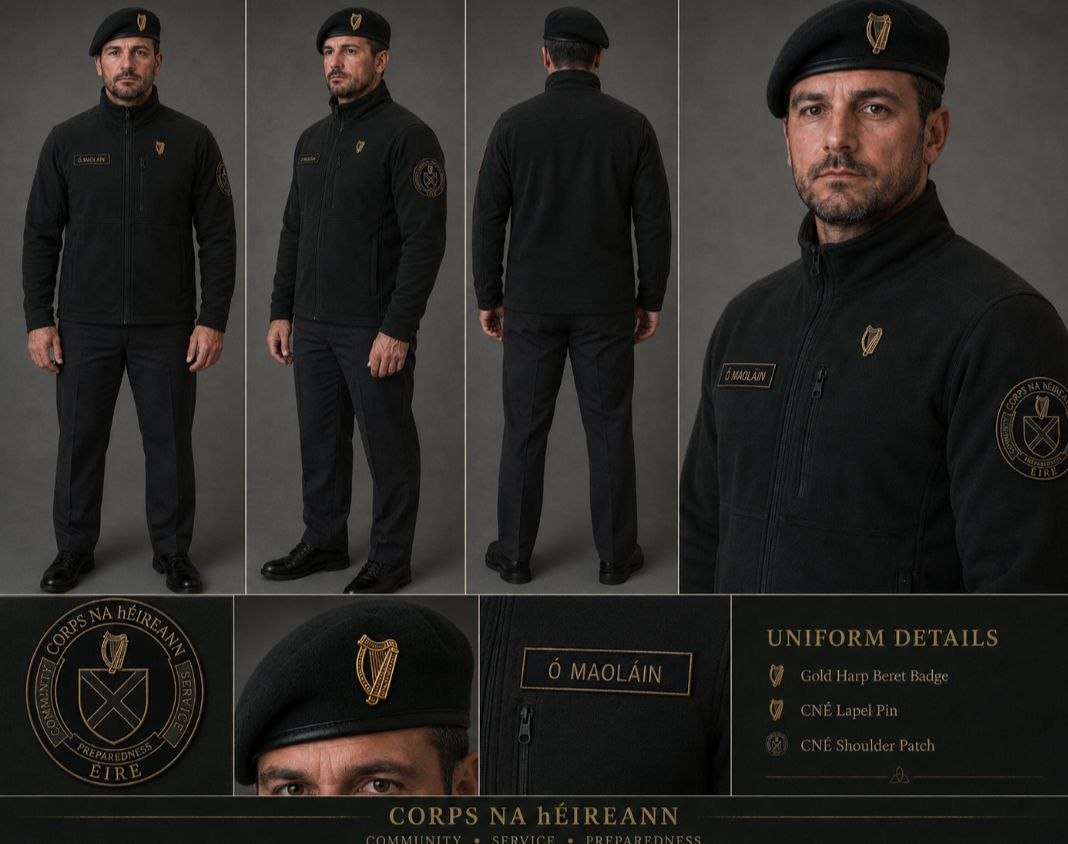
Our First Training & Public Uniforms have been designed & will be available to VETTED VOLUNTEERS !
A CORPS Flag will be available Soon
Along with banners of our 4 Provenances
The MAIN UNIFORM will be finalised shortly !
Organisation Name: Corps na hÉireann
The organisation's identity reflects discipline, preparedness, service, community, and Irish heritage.
The branding is professional, distinctive, and easily recognisable while maintaining a strong Irish character.
Primary Colours:
Navy Blue
Dark Green
White
Irish Orange
Bronze/Antique Gold accents
The official logo will consist of:
Traditional Irish Harp
Shield incorporating Irish symbolism
Celtic knotwork border
The values of Community, Preparedness, and Service
The title "Corps na hÉireann"
The word "Éire" prominently displayed
Motto: Discipline. Action. Service.
Website Domain: corpsnaheireann.com
Primary Email Address:
hq@corpsnaheireann.com
Brand Style:
The visual style should be clean, professional, and distinctly Irish, combining traditional Celtic elements with a modern and disciplined appearance. All branding, publications, uniforms, digital media, and promotional material should maintain consistency with these core colours, symbols, and values.
1
5
2
652

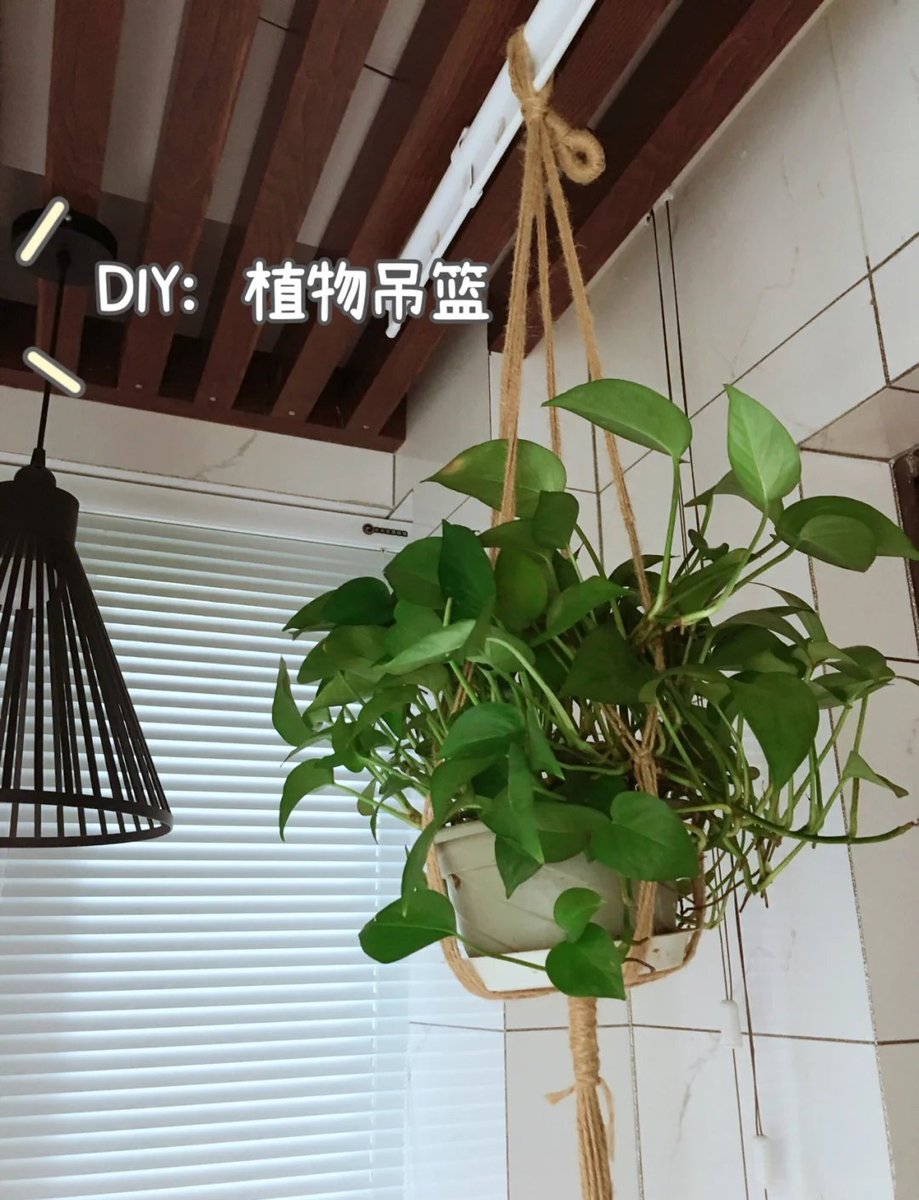
Just finished a cute macramé plant hanger! My first try at knotwork, and it’s perfect for sprucing up my windowsill. Who else loves slow craft projects,
1
1

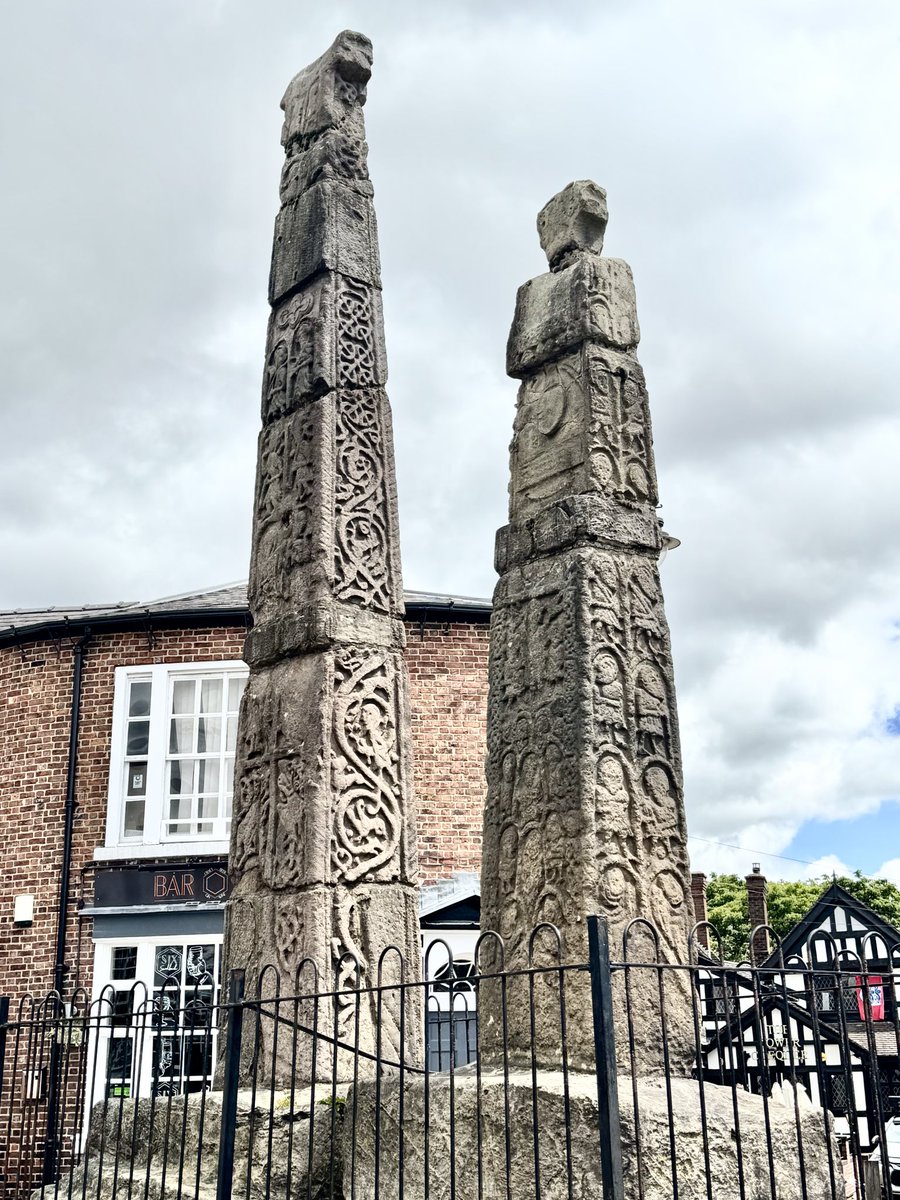
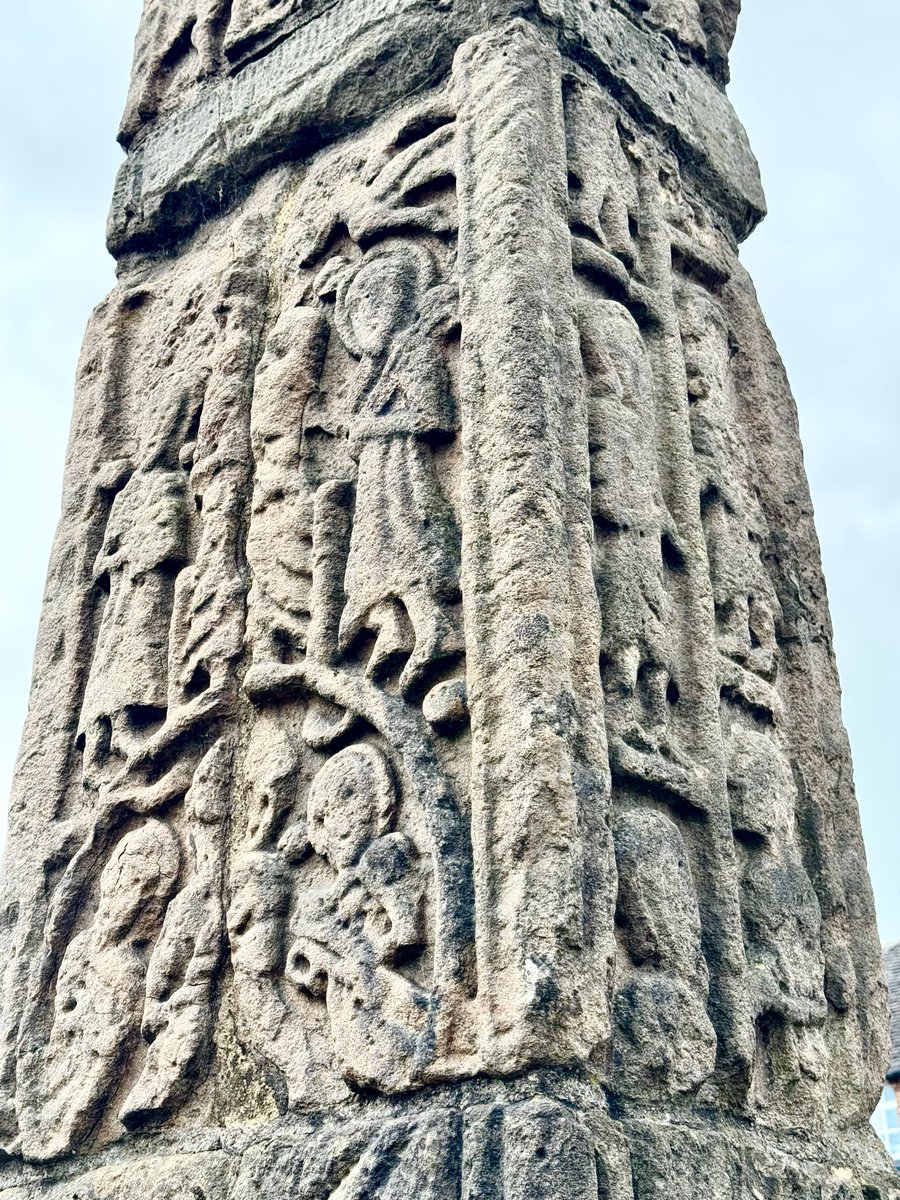
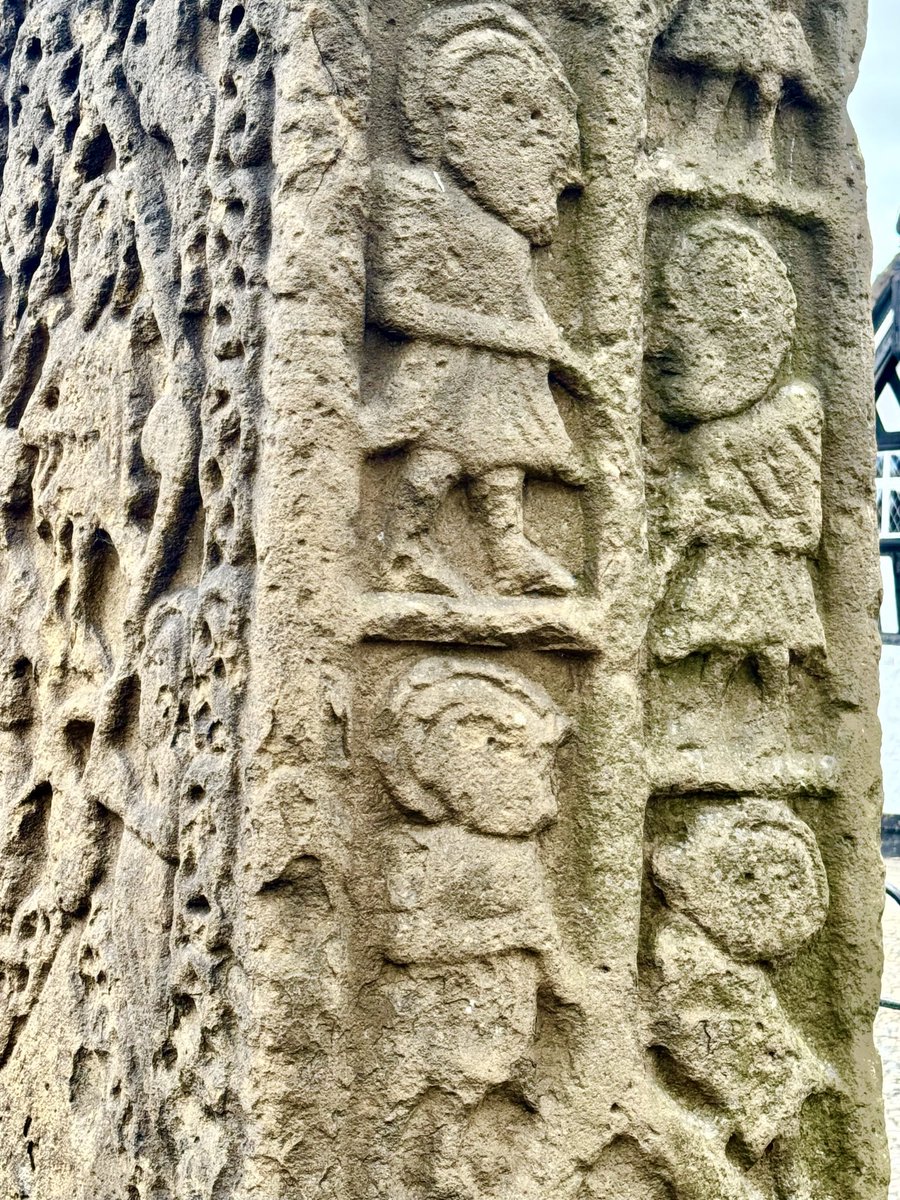
The Sandbach Crosses, two magnificent 9th-century Anglo-Saxon sandstone high crosses in Sandbach market square, Cheshire, are among Britain’s finest surviving examples of early medieval sculpture.
Carved during the Mercian kingdom, the taller northern cross (around 5m) dates to the first half of the 9th century, with the smaller southern cross (about 3.6m) slightly later. They were broken up in the 17th century, scattered, and reassembled in 1816.
The carvings are exceptionally rich, covering all faces in deep relief with biblical scenes, figures, animals, and intricate ornament in the distinctive Mercian style, strongly influenced by contemporary metalwork. Originally painted and possibly jewel-adorned, they display superb craftsmanship.
Larger northern cross emphasises biblical narrative, especially on the east face: the Adoration of the Magi (Three Kings before the Virgin and Child), the Crucifixion (surrounded by the four evangelists’ symbols, with Mary and John below), the Nativity, the Transfiguration, and a prominent roundel of Christ with Saints Peter and Paul, symbolising the Foundation of the Church. Other sides feature luxuriant vine scrolls, interlace patterns, “doll-like” human figures formed from knotwork, dragons, and the characteristic Mercian winged beast with a curling tail.
The smaller southern cross is densely decorated with panels of human figures, animals, birds, foliage, and interlace. Its scenes are harder to read but likely include adoration themes, another Transfiguration, or resurrection motifs.
1
2
37
I have too, but not that specific argument. For some reason art historians decided (around the 50's i think) that the knot work is based on Coptic Egyptian art. The acknowledged that the spiral bits were of native celtic origin and the knotwork wasn't, and they acknowledged there was very little influence from late Roman art, but, probably due to art historians of the time focusing on things like Roman architecture and early manuscripts, and having little knowledge of Scandinavian Migration Era archaeology, refused to acknowledge the obvious nordic source for the knotwork. This led to a decades long entrenched idea that the knotwork comes from Coptic art, rather than then much more obvious and easy to demonstrate fact that it came from the Angles and Gaels adopted it after meeting them through the Columban mission in 635 AD by Saint Aidan. There is ZERO knotwork of this sort predating Aidan's visit to England
3
145

Jun 16
If you’re watching the IRQvNOR game, did you notice the Norway uni’s - the numbers, especially ? Norway’s 2026 kit is heavily leaning into Norse visual language. The numbers and trim use a style inspired by Viking knotwork and runic-era carving patterns.
1
4
198

Jun 15
crazy people think late la tene is the origin of zoomorphic insular knotwork. clearly not related
1
22
1,145

Jun 14
X needs a Marketplace
(Because I need gas 😂)
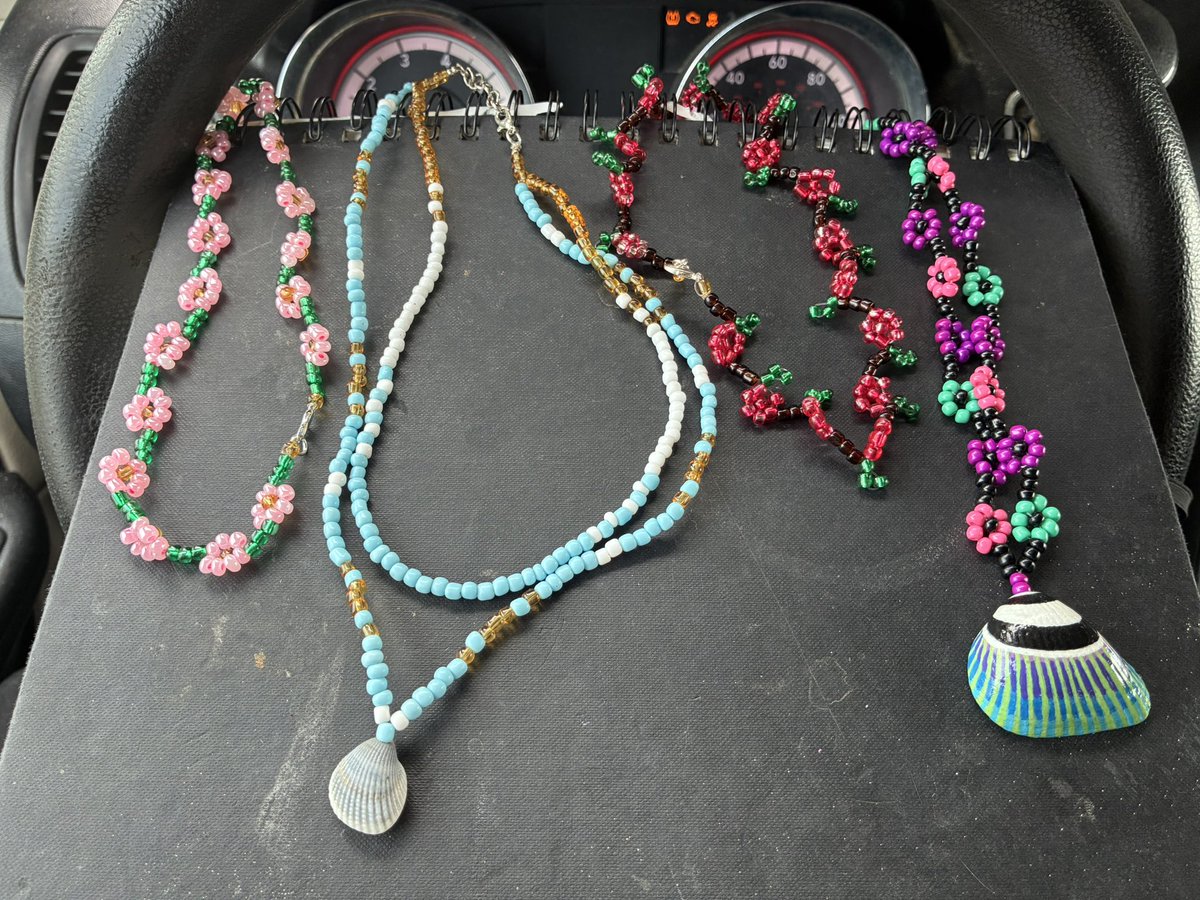
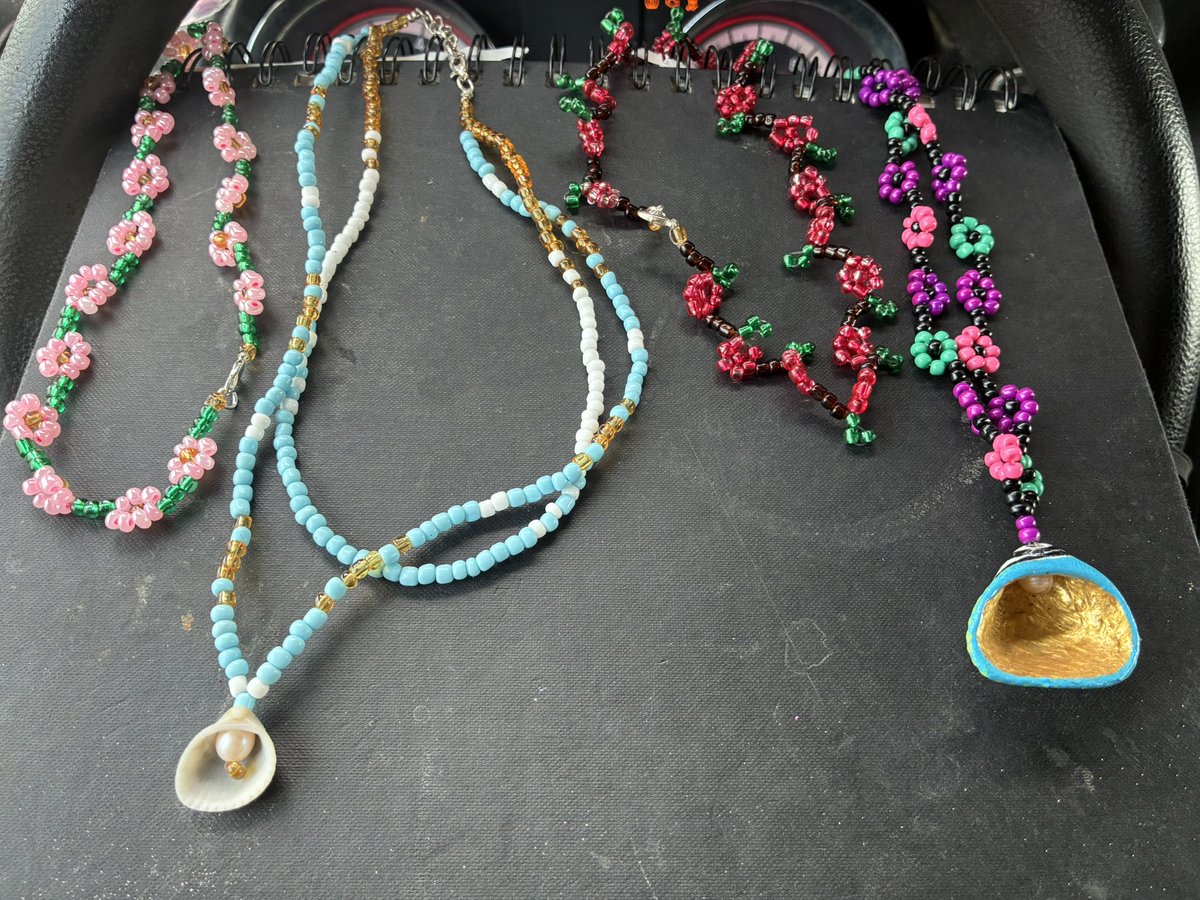
Been making these keep my hands busy and channel my creativity…going to be doing some knotwork shell jewelry as well, so more to come.
Not bragging, obvs, just sharing a little piece of me
19


Sold 6/13/2026 through Zazzle and being shipped to a recipient in the US (MD):
two Claddagh and Red Knotwork on Pink Stickers. zazzle.com/claddagh_and_red_… via @zazzle
Thanks, buyer! Much appreciated!
#zazzlemade #stickers #claddagh #knotwork #celticknots #celtic #irish
1
21
Sold 6/13/2026 through Zazzle and being shipped to a recipient in the US (MD):
two Claddagh and Green Knotwork Stickers.
zazzle.com/claddagh_and_gree… via @zazzle
Thanks, buyer! Much appreciated!
#zazzlemade #sticker #claddagh #knotwork #irish #celtic
1
18

Jun 14
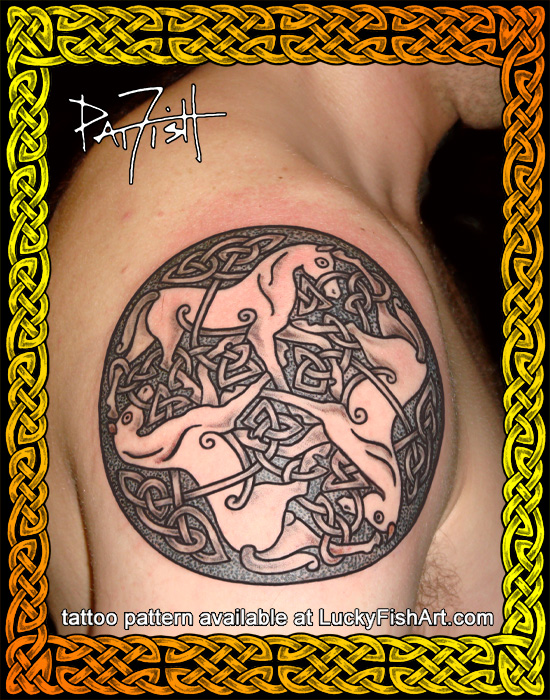
In the ancient traditions Epona the white horse Goddess represented the spirit of the land, and the force to which the High King was united in rule. This horses in this knotwork are taken from a carving on an ancient stone standing in a graveyard outside Inverurie, Scotland. Tattoo pattern sold here: luckyfishart.com/products/ep…
1
49


Jun 13
Celtic knotwork was incorporated into many Romano-British mosaics including a few in Dorset, which is the setting for ‘The Mother Road’ - my upcoming visual and written piece for PERPETUUM (fionakonca.wordpress.com/per…)
1
1
37
Jun 13
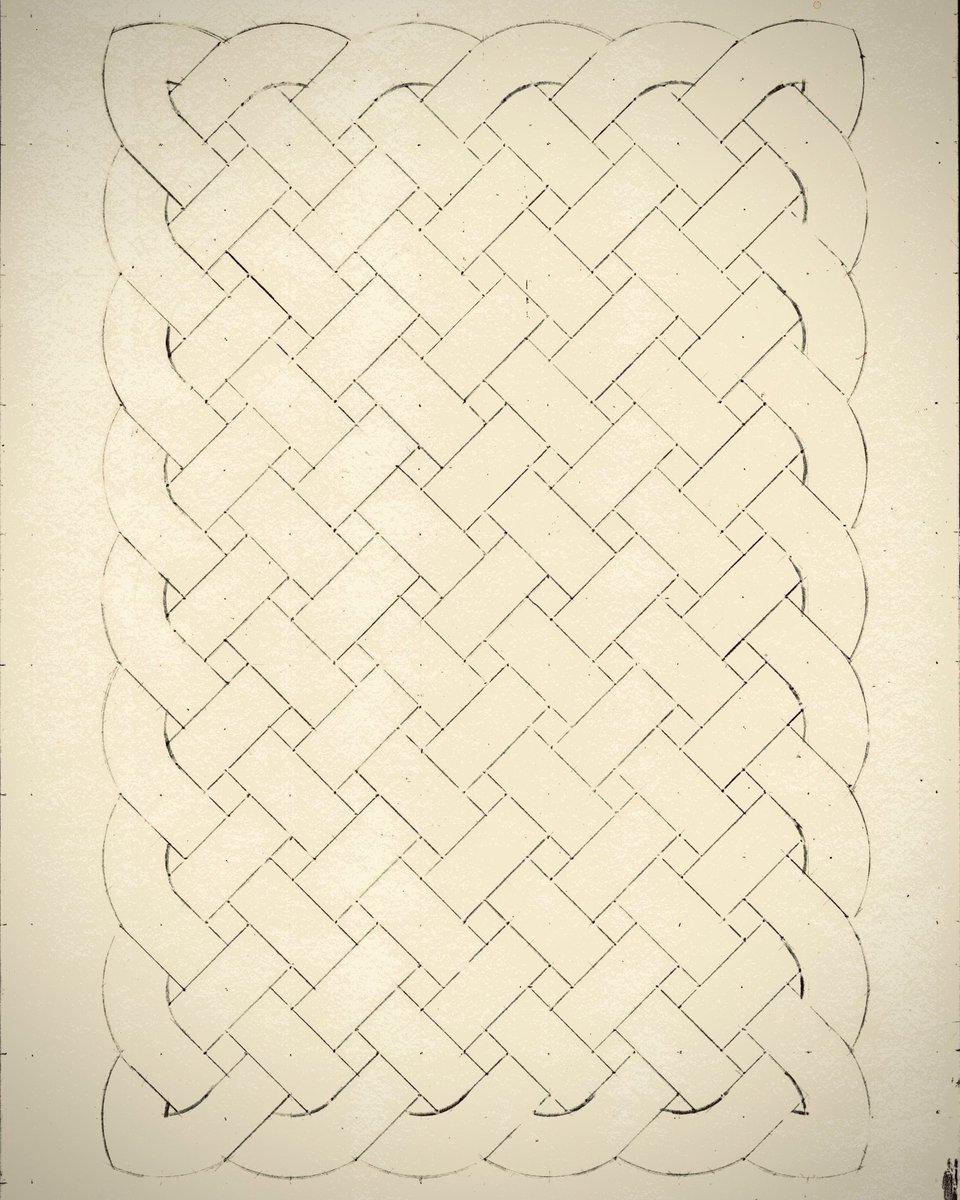
Hand drawn in pencil (to be painted), using a ruler and compass, and following guidance from George Bain’s ‘Celtic Art - The Methods of Construction’; a “simple” Celtic knotwork panel.
#Celtic
#Celticart
#CelticBritain
#Celtichistory
#Celticknotwork
1
45

Jun 13
Cover that upside down star with a Mjolnir and some vines or knotwork over that face under it.
3
31

Jun 13
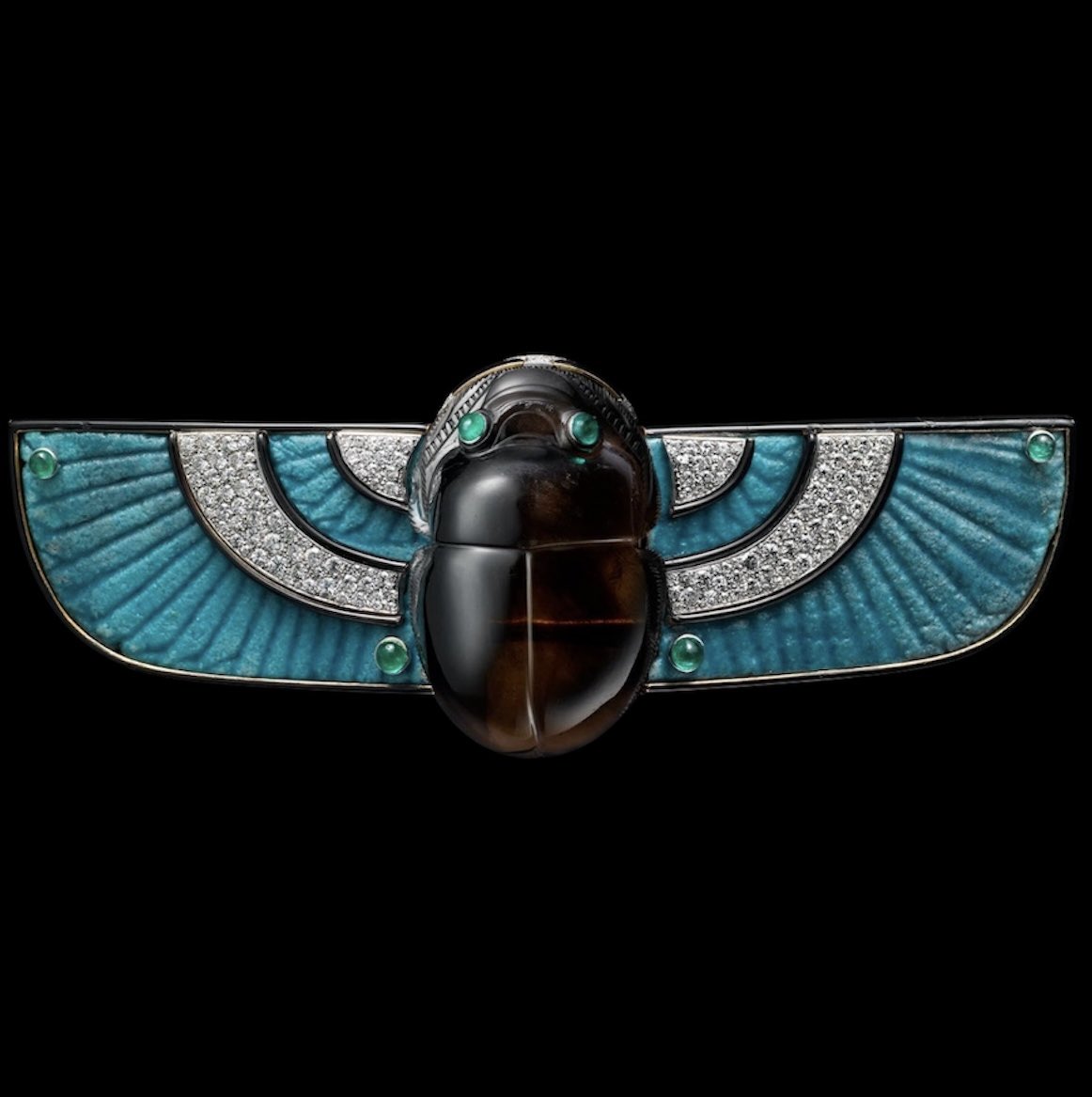
Ancient civilizations continue to shape modern high jewelry, inspiring today’s most prestigious maisons with timeless symbols and meanings.
#Egypt contributed powerful imagery such as scarabs, ankhs, and solar motifs, reinterpreted in luxurious talismans and statement pieces.
#Rome lives on through engraved signet rings, gold coins, and sculptural designs symbolizing power and legacy.
#Greek and Mesopotamian influences appear in celestial themes, zodiac motifs, and geometric harmony, often transformed into refined contemporary creations.
#Celtic culture adds intricate knotwork representing eternity and connection, still widely used in wedding and heritage jewelry.
Luxury houses like #Cartier, #Bulgari, Van Cleef & Arpels, #Boucheron, and #Dior continuously reinterpret these ancient codes, blending archaeology, mythology, and craftsmanship into modern elegance.
Jewelry becomes more than decoration it is a dialogue across time. #HighJewelry #JewelryDesign #AncientHistory #EgyptianArt #RomanInspiration #GreekMythology #CelticArt #LuxuryJewelry #Cartier #Bulgari #VanCleefArpels #Boucheron #DiorJewelry
12
89
912

A favorite Anastasia and seems as Grok review agrees 🥰
👇🏻👇🏻👇🏻
Quick Review: Designa: Technical Secrets of the Traditional Visual Arts (Wooden Books, 2014, edited by John Martineau)
This elegant hardcover is a compendium bundling six short, beautifully illustrated volumes from the acclaimed Wooden Books series into one convenient book. It reveals the hidden geometric principles, construction techniques, and mathematical “secrets” behind traditional patterns and visual arts across cultures — from Celtic knots to Islamic geometry, ornamental curves, perspective tricks, symmetry, and the Golden Ratio.
Overall verdict: Excellent and highly recommended (≈ 4.4/5 on Goodreads from 250 ratings, with over 85% 4–5 stars). goodreads.com amazon.com
It’s visually stunning, densely packed with original diagrams, historical engravings, woodcuts, and clear illustrations — exactly the kind of book that looks great on a wooden table next to a cup of coffee and a compass (as in your photo!).
Best for: Artists, designers, illustrators, pattern-makers, crafters, and anyone curious about sacred geometry or traditional design. It’s concise, inspiring, and practical enough to actually use for drawing inspiration or constructions. Many call it a “treasure trove” or “one art book to own.” A few readers note that some later sections feel slightly more philosophical/spiritual, and experts in one area might want deeper dives, but overall it’s praised for breadth, beauty, and insight.
Chapters / Main Sections (the six core “Books”)
1. Celtic Pattern – Adam Tetlow
Breathtaking exploration of Celtic knotwork, spirals, and motifs with gorgeous drawings, construction tips, and fresh insights.
2. Islamic Design – Daud Sutton
Clear explanations of the geometric principles and step-by-step constructions behind the intricate, harmonious patterns of Islamic art.
3. Curves – Lisa DeLong
Focuses on traditional techniques for drawing elegant curves, foliates, and floral ornamentation used by artisans for centuries.
4. Perspective – Phoebe McNaughton
The “artist-conjuror’s box of tricks” — perspective drawing, optical illusions, and how artists create convincing depth and realism.
5. Symmetry – David Wade
A deep yet accessible look at symmetry as a pervasive principle in art, nature, and design.
6. The Golden Section – Scott Olsen
Explores the Golden Ratio (φ), its occurrence in nature, and its powerful historical use in art and architecture.
The book also includes helpful appendices with extra material drawn from the wider Wooden Books series.
Bottom line: A compact, gorgeous, and enlightening reference that connects art, math, history, and craft. Perfect for visual inspiration or hands-on learning. If you love pattern, geometry, or traditional arts, this one earns its spot on the shelf (or coffee table). Your photo setup captures the vibe perfectly! ☕📐
1
3
144

Jun 12
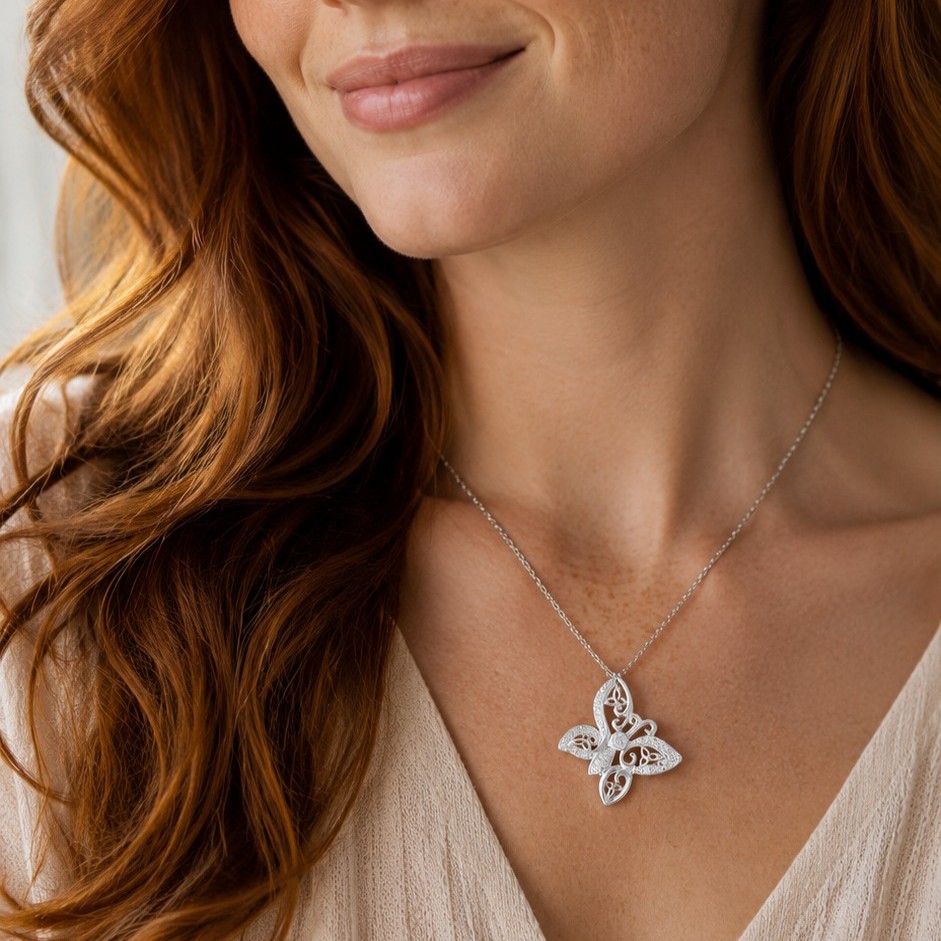
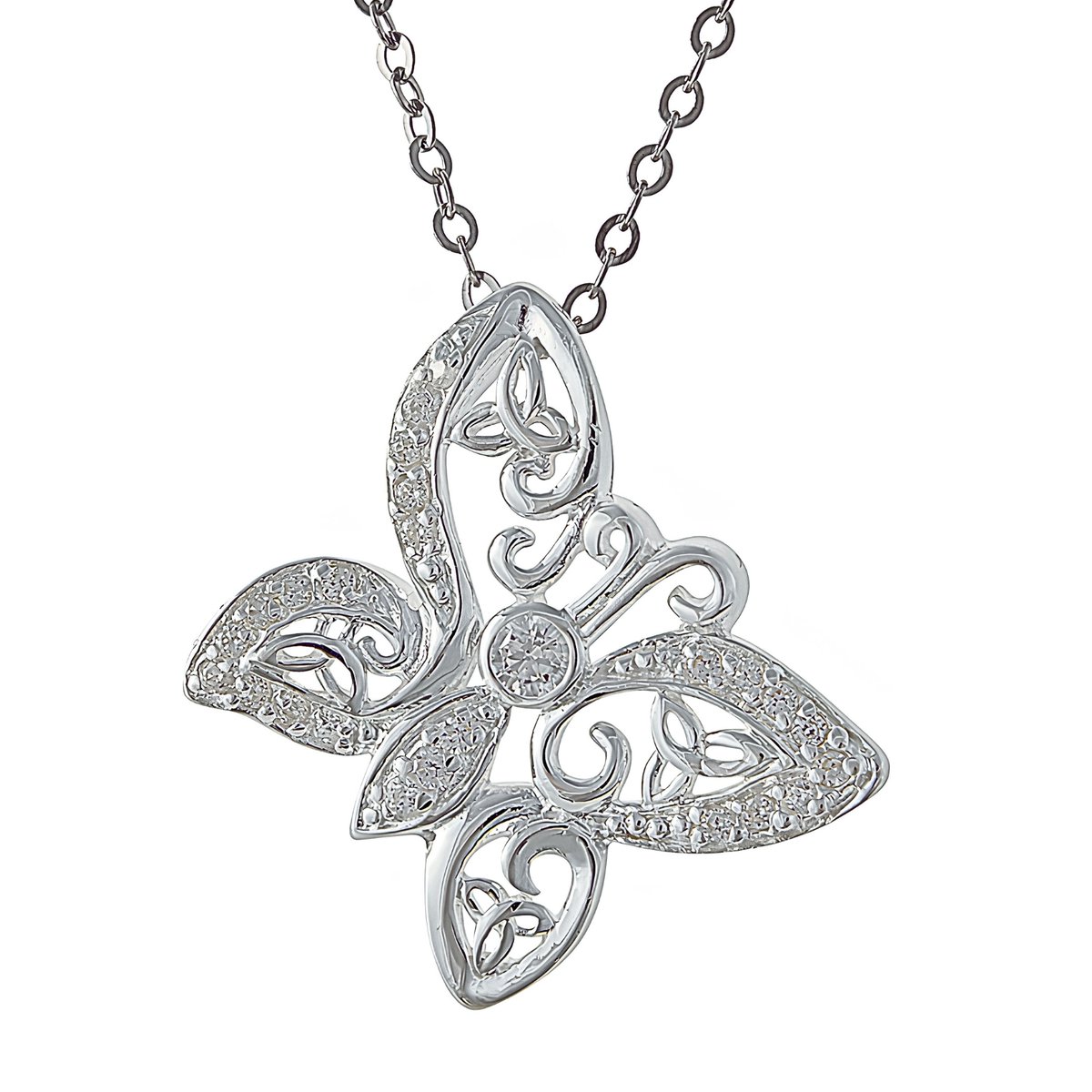
✨ A symbol of transformation, hope, and new beginnings.
This Celtic Butterfly Necklace combines the beauty of the butterfly with ancient Celtic knotwork, representing rebirth, renewal, and the soul's journey.
☘️ Link in comments to shop
1
13
Jun 12
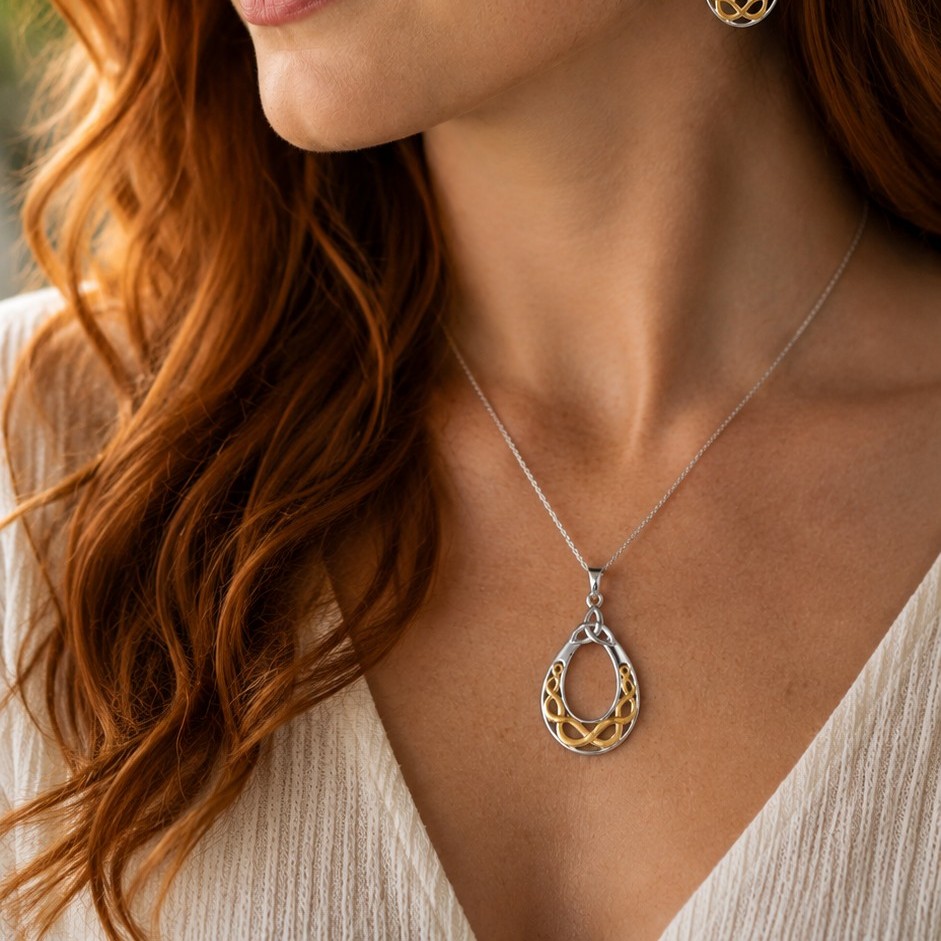
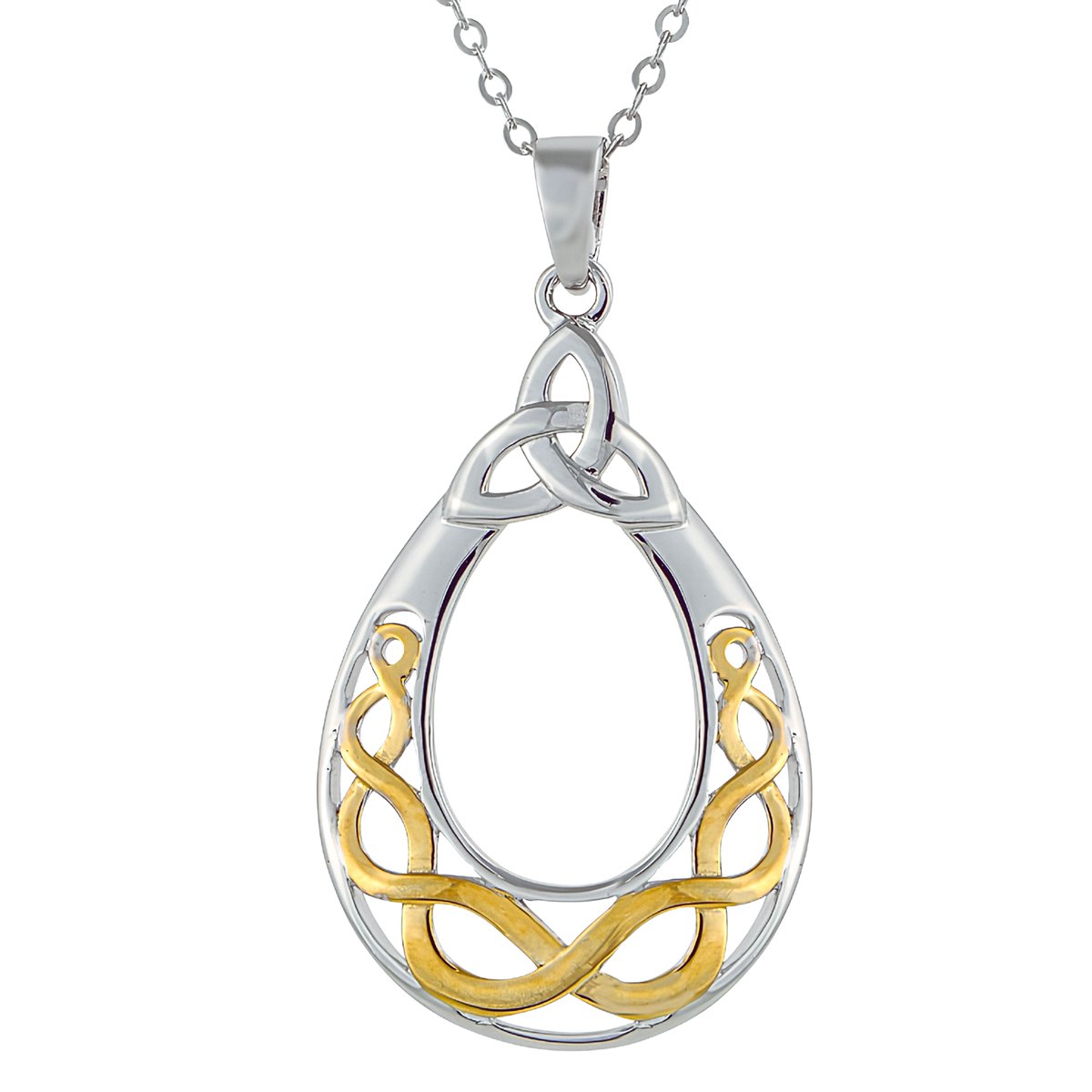
✨ Carry the spirit of Ireland close to your heart.
This Filigree Celtic Knot Pendant features intricate Celtic knotwork, a timeless symbol with no beginning or end, representing eternal love, connection, and life's endless journey.
☘️ Link in comments to shop
1
27