
Jun 10
Hoping to get this routed to the engineering or data support queue to clear whatever backend system flag is causing the sync delay. Thank you! #GoogleSearch #KnowledgePanel
1
13

May 28
Choose your fighter -
PPIC: Online (Ipsos KnowledgePanel), unclear/unlikely validated to voter file.
Berkeley-IGS: Text & email random sample, using PDI gold-standard voter file for sample and LV modeling.
Emerson: Texting an online panel, validated to Aristotle voter file
May 28

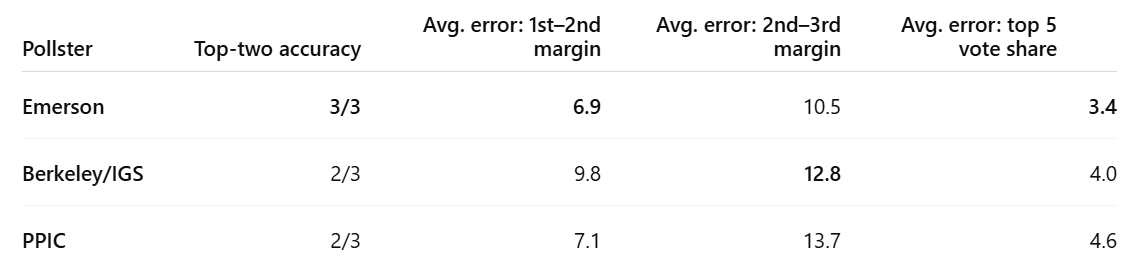
Quick summary of the performance of pollsters who polled in all of 2018 (Gov), 2020 (Pres), 2024 (Sen) CA primaries, apropros of nothing. PPIC for some reason always polls multiple weeks away from election day.
3
1
13
3,103

FWIW, this research is important because crypto critics like to pretend that all the crypto research is made up or inflated.
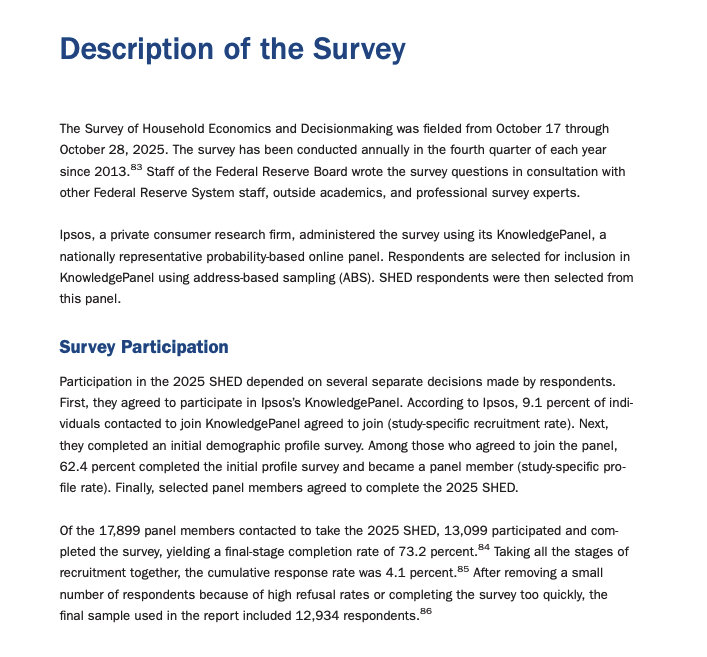
We both used Ipsos's KnowledgePanel.
2
118

May 14
3 polls:
Pew Research Center - 5,103 people in an online poll
Reuters/Ipsos - 1,254 Online via Ipsos KnowledgePanel
NPR/PBS News/Marist Poll - 1,322 Mixed mode (live caller, text, and online)
*Trump received approximately 77.3 million votes to be elected POTUS
2
127

ผลสำรวจของ ABC News/Washington Post/Ipsos ที่จัดทำโดยใช้ KnowledgePanel ของ Ipsos พบว่า ชาวมะกัน 61% เชื่อว่าการใช้กำลังทหารของสหรัฐฯ ต่ออิหร่านเป็นความผิดพลาด แต่มีราว 30% ที่เห็นด้วย
Trending
#LINGORMBirthdayFanParty #2026ButterbearCampingClub
1
2
474

Apr 23
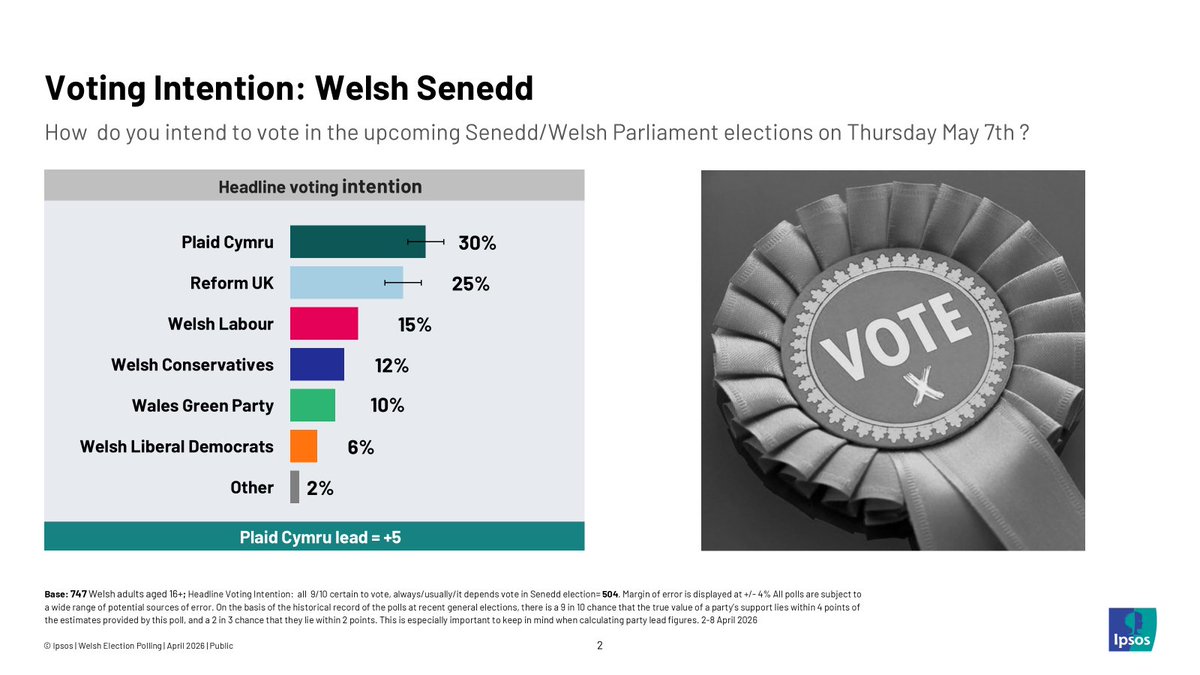
🚨NEW @Ipsos_in_the_UK polling for Wales Senedd election. Plaid lead Reform by 5 🚨
Plaid 30%
Reform UK 25%
Welsh Labour 15%
Welsh Conservatives 12%
Wales Green Party 10%
Welsh Lib Dems 6%
Other 2%
Fieldwork by Ipsos UK KnowledgePanel. N=747. 504 voters. April 2-8.
9
51
150
32,811


Apr 9
This Epoch AI/Ipsos survey was fielded March 3-5, 2026 (2,021 respondents) on KnowledgePanel, Ipsos’ probability-based panel. Methodology, data, and questionnaire available at our updated polling hub:
epoch.ai/data/polling/
1
1
13
2,421

Apr 7
A few months ago Ipsos was recruiting for long form interviews with its KnowledgePanel participants to basically be interviewed to create an AI "twin." This is just such a terrible idea. People aren't 100% rational. Preferences aren't transitive, etc,
1
1
21
1,302

Mar 26
Is this really a reliable sampling of the voting population? This Reuters/Ipsos poll was conducted March 20 – 23, 2026, by Ipsos for Reuters using the probability-based KnowledgePanel®. This poll is based on a nationally representative probability sample of 1,272 general population adults aged 18 or older.
3
177
Mar 15
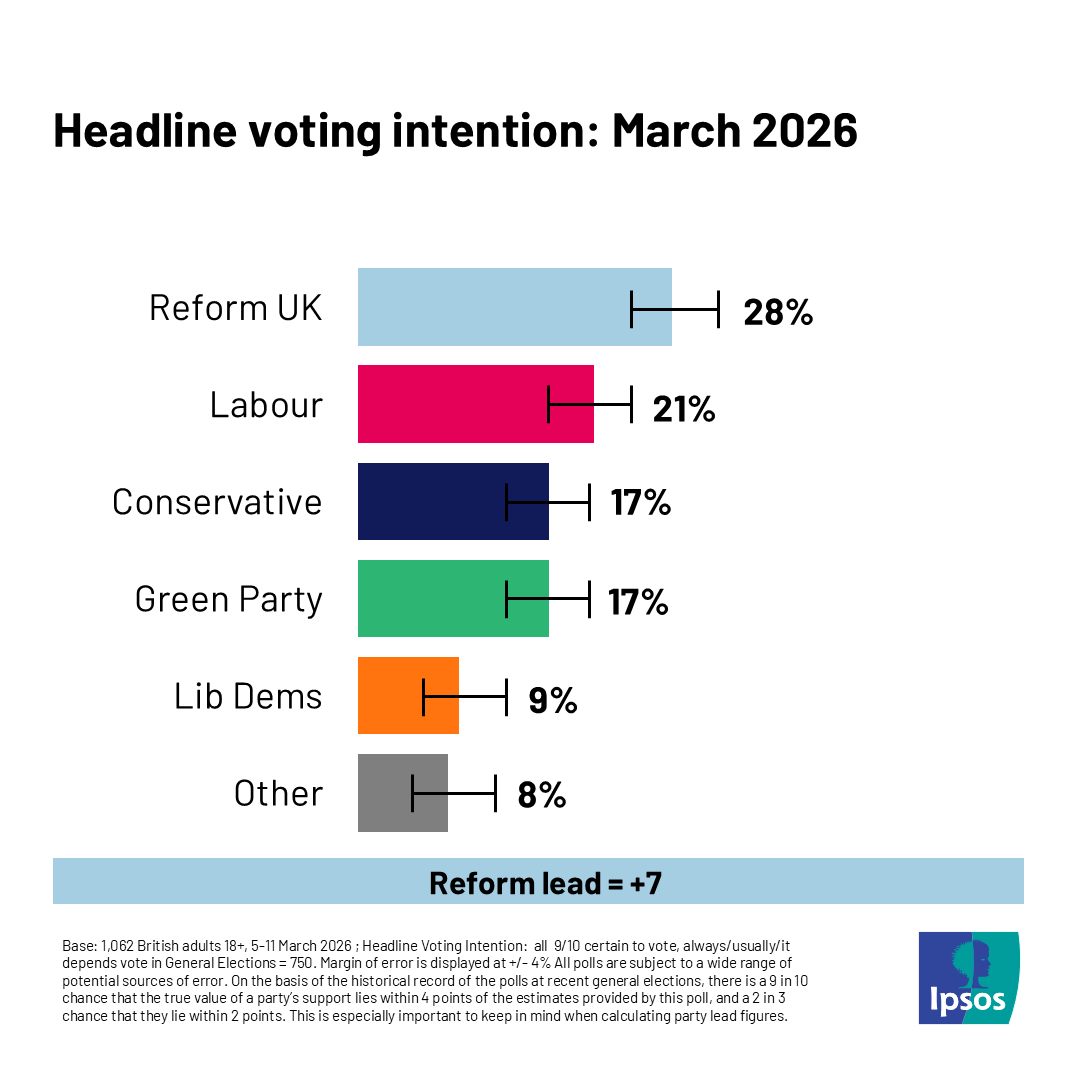
New from @Ipsos_in_the_UK: Reform lead down to 7 as Greens surge (change v Jan)
Reform UK 28% (-2)
Labour 21% (-1)
Conservatives 17% (-2)
Greens 17% ( 5)
Lib Dems 9% (-3)
Other 8% ( 3)
1,082 GB adults interviewed March 5-11 using our random probability Ipsos UK KnowledgePanel
15
18
99
24,189

Mar 14
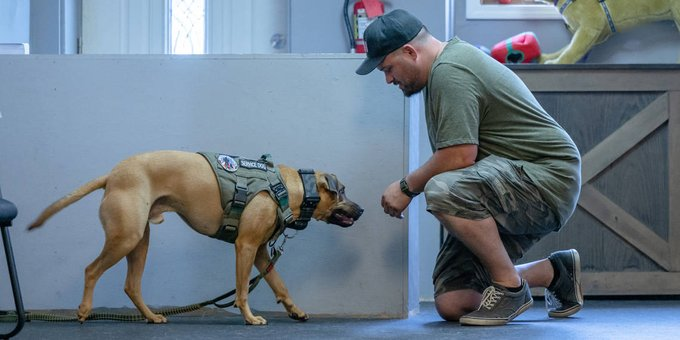
Veterans are no more likely than the general public to support political violence | Eric W. Dolan, PsyPost
A recent study published in the journal Injury Epidemiology provides evidence that military service and combat experience do not broadly increase support for political violence or right-wing extremism. The findings suggest that while veterans who engage in extremist violence pose specific threats due to their training, widespread extremist attitudes among military members appear to be relatively rare.
“The January 6 insurrection raised questions about whether people with military experience are disproportionately involved in political violence,” said study author Elizabeth A. Tomsich, a researcher at the Centers for Violence Prevention at UC Davis.
“While reports indicated that veterans were overrepresented among those charged, limited research has examined links between military service and support for or willingness to engage in political violence. We conducted this study to better understand whether military service and combat experience are associated with support for or willingness to engage in political violence, agreement with extremist views, or approval of extremist groups or movements.”
Some experts have proposed that the psychological processes involved in military training, such as desensitization to violence and intense group solidarity, might make some veterans susceptible to extremist recruitment. At the same time, the loss of community and purpose during the difficult transition back to civilian life could pull some individuals toward radical organizations. However, prior surveys examining the endorsement of political violence among the general veteran population have yielded mixed and sometimes contradictory results.
The researchers wanted to clarify whether military service or combat experience acts as a widespread risk factor for supporting political violence or extremist organizations. They sought to measure personal willingness to engage in such violence and approval of various extremist movements. By surveying a large, nationally representative sample, they hoped to provide a clearer picture of political militancy within the armed forces.
To investigate these questions, the scientists analyzed data from the 2022 Life in America Survey, an online poll administered to a sample of 12,947 adult members of the Ipsos KnowledgePanel. The sample included 2,255 respondents with military backgrounds, of which 1,105 reported having served in a combat or war zone. The researchers recruited participants through a probability-based sampling method, ensuring the demographics matched the broader adult population of the United States.
The researchers measured military background by asking respondents about active duty, Reserve, or National Guard service, while combat experience was identified by service in an official war zone. The survey included questions across four broad domains, which covered beliefs about democracy, opinions on race in American society, justification for violence, and support for extremist ideologies. These ideologies included concepts like the QAnon conspiracy theory, as well as specific organizations like the Proud Boys and Oath Keepers.
To ensure accuracy, the scientists designed the survey without a neutral middle option, forcing respondents to pick a definitive side. They also randomized the order of positive and negative response options to prevent people from falling into habit-driven answer patterns. The researchers then compared the responses of individuals with military backgrounds to those without such experience.
The data suggests that military members and veterans share many of the same views as the general public. For the most part, the researchers found no significant differences between military and non-military respondents regarding beliefs about American democracy or the prospect of a civil war. In fact, military respondents were slightly less likely than non-military individuals to perceive the use of political violence to keep borders open as usually or always justified.
When it came to non-political violence, military respondents were more likely to justify the use of force for self-defense. They were also more likely to justify violence to prevent someone from injuring or killing another person. Additionally, respondents with military backgrounds were slightly more likely to strongly agree that straight white men hold far too much power in American society.
There were a few specific areas where military respondents indicated a higher personal willingness to engage in political violence. People with military backgrounds were slightly more likely to report being willing to use force on their own as an individual to advance a political objective. They also reported a greater willingness to organize a group of people who share their beliefs to use force.
Regarding the use of firearms, military respondents were more likely to say they would be armed with a gun in a hypothetical situation where they felt political violence was justified. They were also more likely to report that they would carry a gun openly so that people clearly knew they were armed. Despite this increased willingness to carry a weapon, the researchers found no difference between the two groups regarding their likelihood of actually threatening or shooting someone with a gun.
In terms of extremist organizations, military respondents were slightly more likely to strongly approve of the Oath Keepers, an anti-government organization that actively recruits current and former military personnel. Besides this specific group, the scientists found no other differences in approval for right-wing extremist movements. A supplemental analysis also revealed that combat experience did not increase the likelihood of supporting political violence among the military sample.
“This study found little evidence that military service or combat experience increases support for or willingness to engage in political violence, agreement with extremist views, or approval of extremist groups or movements,” Tomsich told PsyPost. “Differences between military and non-military respondents were small, suggesting that concerns about widespread extremist attitudes among veterans or service members may be overstated.”
“At the same time, individuals with military experience who do become involved in extremist violence may pose a particular threat given their training and experience, highlighting the importance of continued research to identify subgroups at heightened risk in order to inform targeted prevention and outreach efforts.”
Future research should explore the psychological and social challenges veterans face when separating from the military and transitioning back to civilian life. The researchers also suggest looking into the different branches of the armed forces to see if specific military subcultures influence political radicalization. Identifying the exact vulnerabilities that push certain individuals toward extremism will help inform targeted prevention efforts for active-duty service members and veterans.
Read more:
psypost.org/veterans-are-no-…
1
3
17
1,557
Mar 10
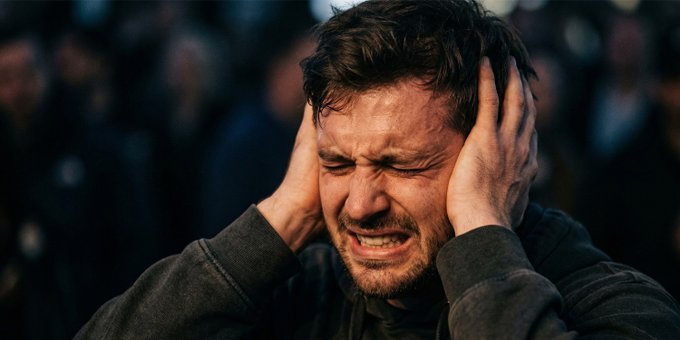
Misophonia (intense reactions to specific everyday sounds) is strongly linked to a higher risk of mental health and auditory disorders | Vladimir Hedrih, PsyPost
A study of individuals with misophonia found that approximately 65% of them have received at least one other psychological disorder diagnosis. The most common additional diagnoses were depression (49%) and anxiety disorders (47%). The paper was published in Psychiatry Research.
Misophonia is a condition characterized by intense emotional and physiological reactions to specific everyday sounds. Common trigger sounds include chewing, breathing, tapping, or repetitive clicking noises. Individuals with misophonia experience anger, disgust, anxiety, or an urge to escape when exposed to these triggers. The reaction is typically immediate and disproportionate to the actual loudness or objective intensity of the sound.
Research suggests that misophonia involves heightened connectivity between auditory processing regions and brain areas involved in processing the emotional importance of stimuli and threat detection. Unlike general sound sensitivity, misophonia is usually selective for particular patterns rather than all loud noises.
The condition can significantly interfere with social relationships, work, and family life, especially when triggers involve close others. Some researchers conceptualize it as involving atypical emotional conditioning to specific auditory (sound) cues. There is ongoing debate about whether misophonia should be classified as a distinct disorder or as related to anxiety, obsessive-compulsive spectrum conditions, or sensory processing differences.
Study author Alexandra Freshley and her colleagues note that existing research suggests that misophonia is typically associated with heightened rates of various psychological and auditory-sensory disorders. However, previous studies have often relied on skewed clinical or college convenience samples. To address this, the researchers conducted a study investigating the mental health conditions commonly associated with misophonia using a probability-based, nationally representative sample of U.S. adults.
Study participants were 185 individuals with misophonia drawn from a larger sample of U.S. adults (via the Ipsos KnowledgePanel). An additional 1,644 participants from this study, who reported no misophonia symptoms, were included as the control group. The average age of the misophonia group was 41 years, while it was 51 in the control group. 53% of participants with misophonia, and 49% of control group participants, were women.
Study participants completed assessments of misophonia symptoms (the A-MISO-S and the Misophonia Questionnaire Severity Scale), which the authors used to identify individuals with misophonia. Aside from this, study participants completed screeners for anxiety (GAD-2) and depression symptoms (PHQ-2), as well as tinnitus, hyperacusis, autonomous sensory meridian response (ASMR), and hearing loss symptoms. They also completed a checklist about their history of psychological, auditory-sensory, and communication disorders, indicating if they had ever been diagnosed with the listed conditions.
Results showed that most of the examined disorders were between 2 and 37 times more likely to occur among individuals with misophonia compared to the control group, even after adjusting for demographic factors. 53% of individuals with misophonia screened positive for current anxiety, while this was the case for only 8% of individuals in the control group.
The share of people screening positively for current depression was 42% among participants with misophonia and 6% in the control group. Auditory symptoms were also highly prevalent: tinnitus (ringing in the ears) was reported by 44% of the misophonia group compared to 23% of the control group. Hyperacusis symptoms (painful or heightened sensitivity to everyday sounds) were present in 42% of individuals with misophonia and just 2% of the control group. The smallest difference was in hearing loss symptoms (30% in the misophonia group and 26% in the control group).
Looking at the self-reported lifetime diagnoses, the situation was similar. 49% of individuals with misophonia reported being diagnosed with depression (vs. 11% in the control group) and 47% with an anxiety disorder (vs. 10% in the control group). 29% had PTSD (vs. 3% in the control group).
Overall, 65% of participants with misophonia had at least one other disorder diagnosis. Notably, there were exceptions: after adjusting for demographics, misophonia was not significantly associated with an increased likelihood of being diagnosed with Autism Spectrum Disorder (ASD) or repetitive behavior disorders (like Tourette Syndrome or trichotillomania), which diverges from some previous, smaller studies.
“Results indicated that those with misophonia are significantly more likely to report symptoms and diagnoses of all mental health, auditory-sensory, and communication disorders, with a few exceptions (e.g., hyperacusis) [this refers to reports of a previous official hyperacusis diagnosis, not the hyperacusis symptoms assessment at the time of the study]. The high rates of comorbidity also emphasize the importance of identifying common underlying mechanisms,” the study authors concluded.
The study contributes significantly to the scientific knowledge about misophonia by utilizing a nationally representative sample. However, it should be noted that study data came from self-reports, leaving room for reporting bias.
Additionally, there were pronounced differences for some disorders between the share of participants with previous official diagnoses and those with elevated symptoms at the time of the study. This reflects the reality that some disorders (e.g., hyperacusis) are less frequently recognized in routine clinical practice, and individuals suffering from them may be less likely to seek or receive an official diagnosis.
Read more:
psypost.org/misophonia-is-st…
2
2
24
6,365

Mar 2
Yes, freaking Obama. Freaking democrats. But it is being fixed. ‘KnowledgePanel’ lol hahahah…
3
69

More than half of Americans say health care, taking a weeklong vacation or buying a new car is "unaffordable," an ABC News/Washington Post/Ipsos poll conducted using Ipsos’ KnowledgePanel finds. abcnews.link/5mud7XU
172
156
397
96,192


Feb 22
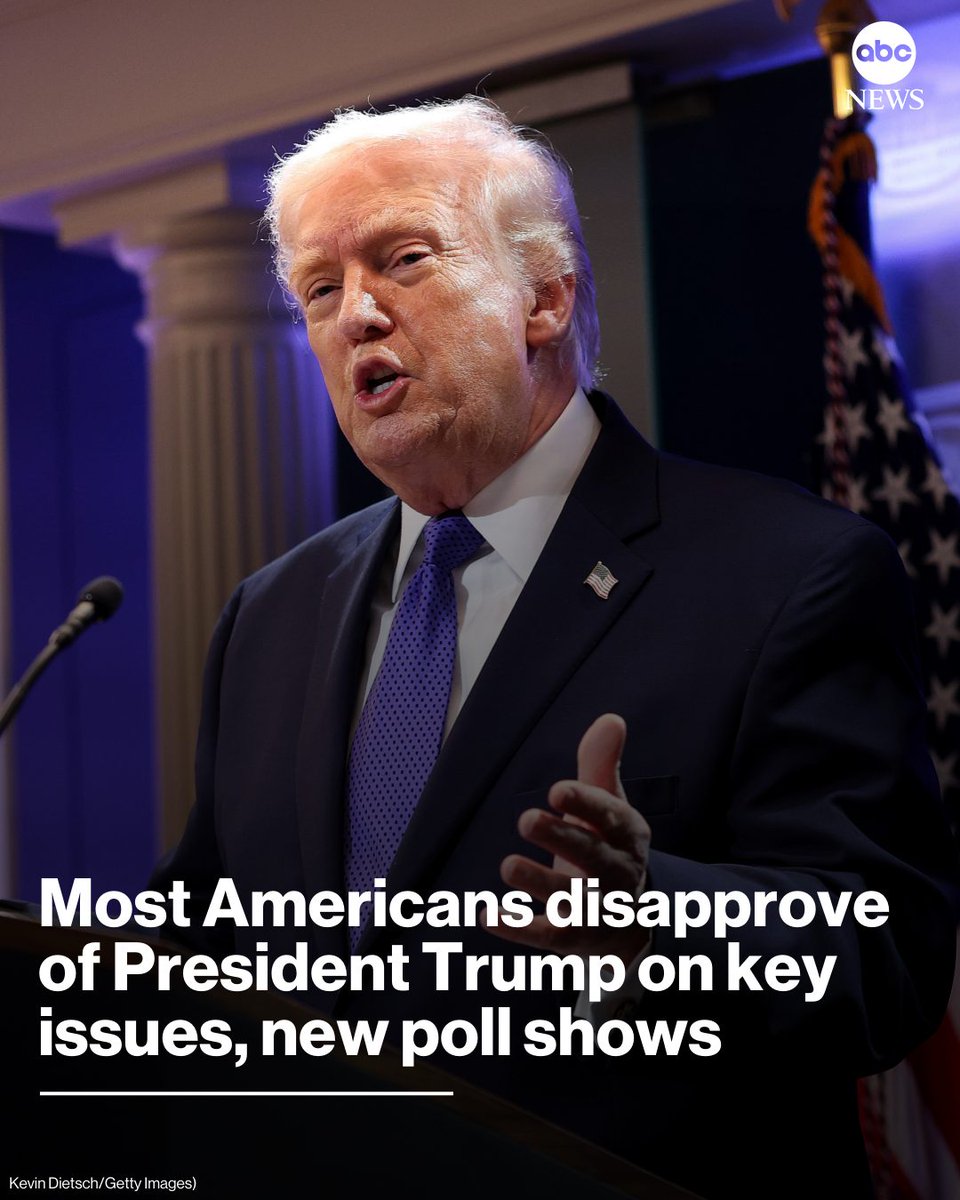
"Días antes del discurso sobre el Estado de la Unión del Presidente Trump ante el Congreso, y a poco más de dos semanas de que los primeros votantes de las primarias acudan a las urnas, la mayoría de los estadounidenses desaprueban la forma en que el presidente está manejando la inflación, los aranceles, las relaciones con otros países, la inmigración y la economía, según una encuesta de ABC News/Washington Post/Ipsos, realizada a través de la encuesta KnowledgePanel, de Ipsos, poco antes de que la Corte Suprema invalidara los aranceles globales de Trump". ⤵️⤵️

Days ahead of President Trump’s State of the Union address to Congress and a little more than two weeks before the first primary voters head to the polls, majorities of Americans disapprove of how the president is handling inflation, tariffs, relations with other countries, immigration and the economy, according to an ABC News/Washington Post/Ipsos poll conducted via Ipsos’ KnowledgePanel poll conducted shortly before the Supreme Court invalidated Trump’s global tariffs.
abcnews.visitlink.me/lPGmSa
2
73
121
1,024

Feb 22
トランプ大統領が議会で一般教書演説(State of the Union)を行う数日前、そして最初の予備選の投票が始まるまであと2週間余りという時期に、米国民の過半数が、大統領の インフレ、関税、対外関係、移民、そして経済 への対応を不支持していることが分かった。これは、ABCニュース/ワシントン・ポスト/イプソスによる世論調査で、イプソスの「KnowledgePanel」を用いて実施されたもの。調査は、最高裁がトランプ氏の世界一律関税(グローバル関税)を無効と判断する少し前に行われた。
Days ahead of President Trump’s State of the Union address to Congress and a little more than two weeks before the first primary voters head to the polls, majorities of Americans disapprove of how the president is handling inflation, tariffs, relations with other countries, immigration and the economy, according to an ABC News/Washington Post/Ipsos poll conducted via Ipsos’ KnowledgePanel poll conducted shortly before the Supreme Court invalidated Trump’s global tariffs.
abcnews.visitlink.me/lPGmSa
1
6
1,496

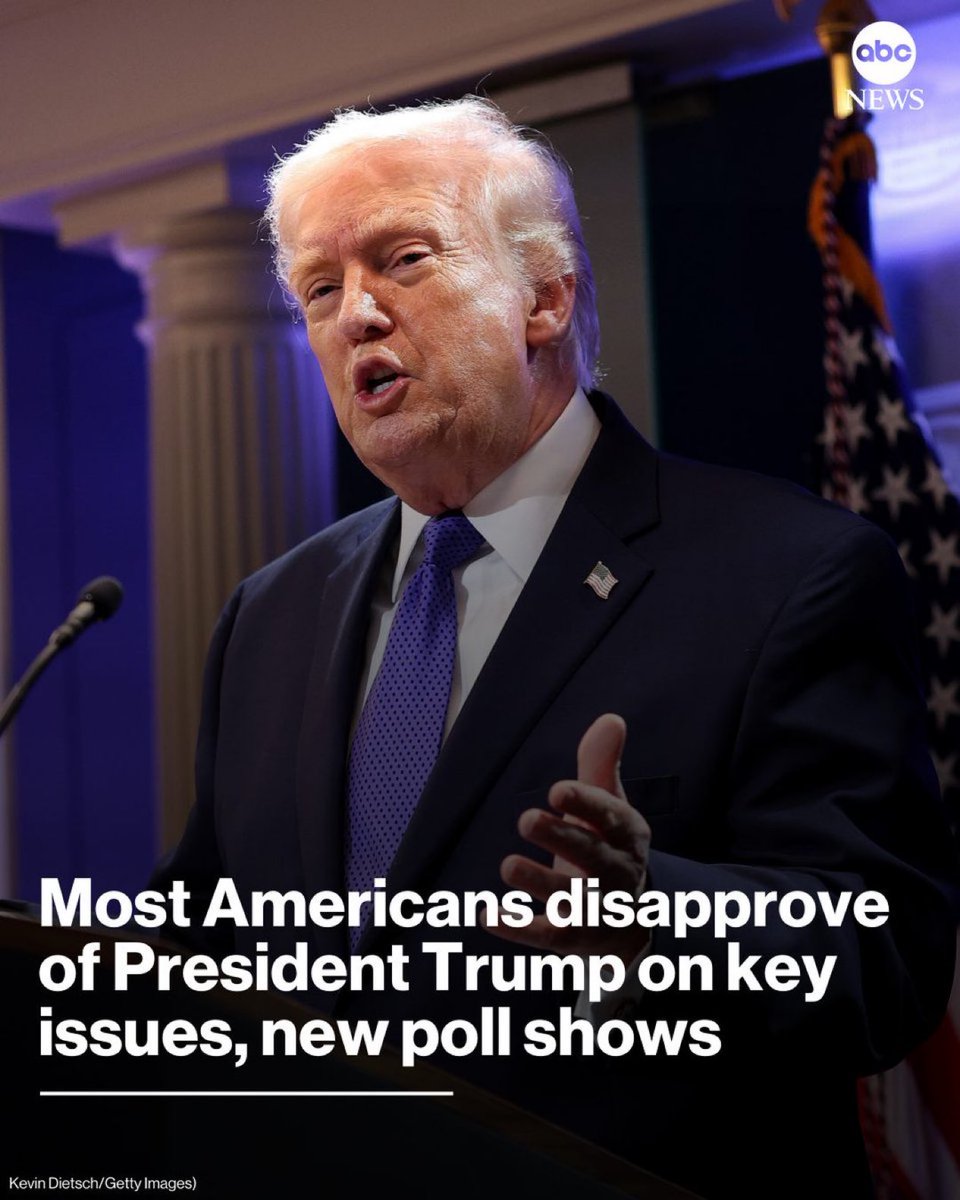
⛔️Days ahead of President Trump’s State of the Union address to Congress and a little more than two weeks before the first primary voters head to the polls, majorities of Americans disapprove of how the president is handling inflation, tariffs, relations with other countries, immigration and the economy, according to an ABC News/Washington Post/Ipsos poll conducted via Ipsos’ KnowledgePanel poll conducted shortly before the Supreme Court invalidated Trump’s global tariffs.
abcnews.visitlink.me/lPGmSa
1
5
1,067
Days ahead of President Trump’s State of the Union address to Congress and a little more than two weeks before the first primary voters head to the polls, majorities of Americans disapprove of how the president is handling inflation, tariffs, relations with other countries, immigration and the economy, according to an ABC News/Washington Post/Ipsos poll conducted via Ipsos’ KnowledgePanel poll conducted shortly before the Supreme Court invalidated Trump’s global tariffs.
abcnews.visitlink.me/lPGmSa
523
299
797
50,253