Fella formally known as... retweeted

Ukrainians deserve as much collective self-defence as Kuwaitis did in 1991.
Condemnations are useless, @CanadaFP !


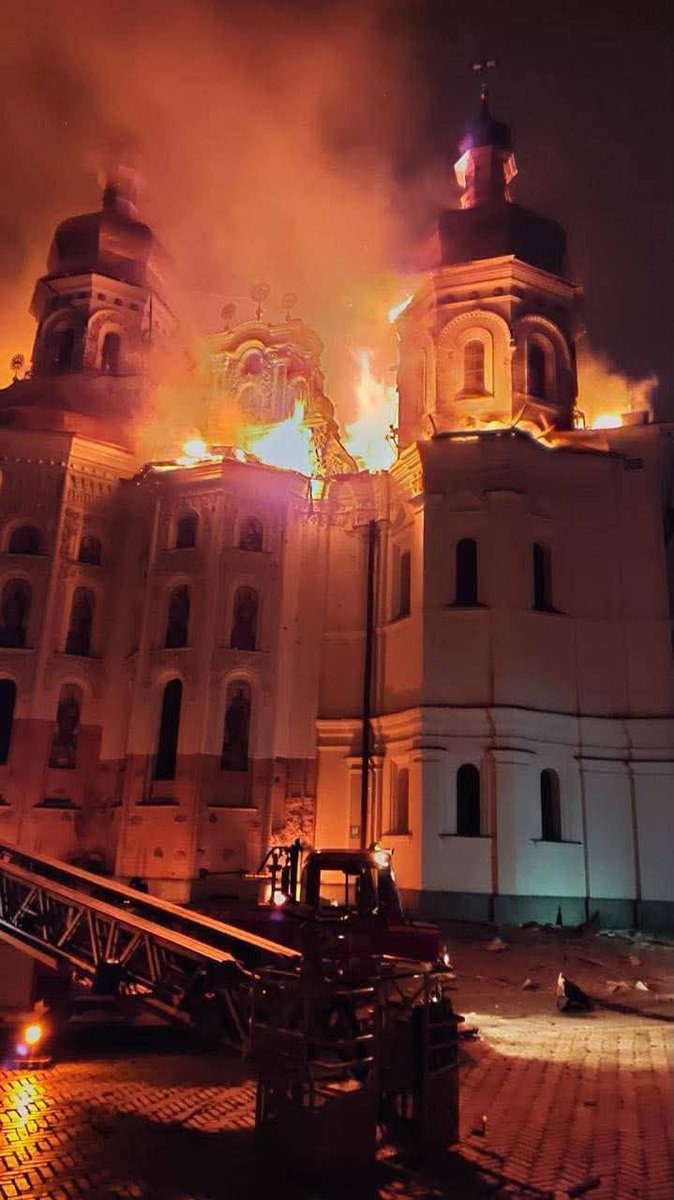
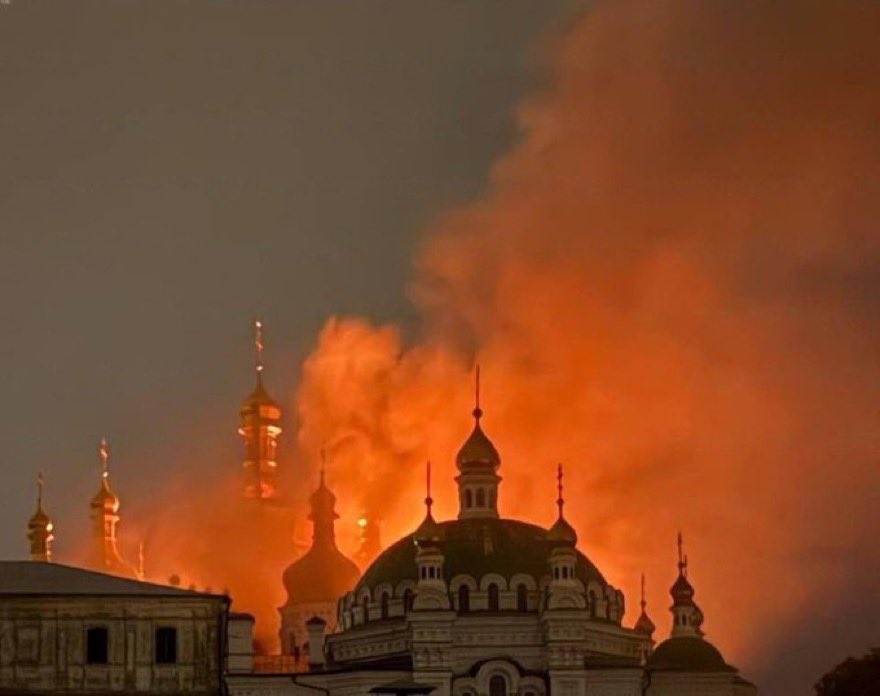
Canada condemns in the strongest possible terms Russia’s latest missile barrage against Ukraine, including the strike on the Kyiv Pechersk Lavra, a UNESCO World Heritage Site and one of the most sacred sites in Ukraine and Eastern Christianity.
2
5
60
Silja🏴☠️🇨🇦 🇫🇮 🇫🇷 🇮🇷 🇺🇦 Russia=Genocide retweeted
Don't Ukrainians deserve as much collective self-defense as Kuwaitis did in 1991?
Closing the airspace over Ukraine does not require a UN Security Council resolution, just the goodwill of Western leaders! Obviously, they lack the will!


Latvia will support Ukraine’s request to convene the UN🇺🇳 Security Council meeting and the UNESCO Executive Board meeting on Russia’s barbaric attack on UNESCO World Heritage sites, museums, film studio, other civilian buildings in Ukraine. 🇺🇦 #StandWithUkraine
1
2
5
37

1 what pakistan does globally, is not indias concern. Pakistan is failed terrorist state, world will taste medicine.
2 there are many alternate trade route.
3 indians living in Kuwait are kuwaits problem, kuwaitis leaving in india are India's problem
4 issue created in your mind. India's possition remains the same whatsoever
102

RT @ericnuttall: A Strait of Hormuz under IRGC control is not and never will be "open", as I believe the Kuwaitis, Saudis, and Emiratis wil…
70

Resistance and legitimacy
Yahya F. Al-Sumait, Kuwait's housing minister, said in October 1990 that the resistance movement helped undermine the occupation's legitimacy and dispel the idea that Iraq invaded to assist with a popular uprising against the Kuwaiti government. The movement also protected Americans, Britons and other foreigners trapped in Kuwait during the occupation.[59] Some have cited the resistance movement as part of the foundation for a more robust civil society in Kuwait after the occupation.[64][54]
At the Al Qurain Martyrs Museum, Kuwait remembers its citizens slain during the resistance to Iraqi occupation. The families of those martyrs received material benefits from the Kuwaiti government such as cars, homes, and funding for trips to Mecca for the hajj. Since most accounts of the liberation of Kuwait focus on U.S.-led coalition forces, part of Kuwait's goal in memorializing the resistance is to emphasize Kuwaiti citizens' role in liberating their own country.[57]
Aftermath
📷More than 600 Kuwaiti oil wells were set on fire by retreating Iraqi forces, causing massive environmental and economic damage to Kuwait.[65]
📷The oil fires caused were a result of the scorched earth policy of Iraqi military forces retreating from Kuwait
📷Aerial view of oil wells on fire
After the Iraqi victory, Saddam Hussein installed Alaa Hussein Ali as the prime minister of the "Provisional Government of Free Kuwait" and Ali Hassan al-Majid as the de facto governor of Kuwait.[66] The exiled Kuwaiti royal family and other former government officials began an international campaign to persuade other countries to pressure Iraq to vacate Kuwait. The UN Security Council passed 12 resolutions demanding immediate withdrawal of Iraqi forces from Kuwait, but to no avail.[67]
Following the events of the Iraq–Kuwait war, about half of the Kuwaiti population,[68] including 400,000 Kuwaitis and several thousand foreign nationals, fled the country. The Indian government evacuated over 170,000 overseas Indians by flying almost 488 flights over 59 days.[69]
A 2005 study revealed that the Iraqi occupation had a long-term adverse impact on the health of the Kuwaiti populace.[70]
International condemnation
Main articles: Operation Desert Storm and Operation Desert Shield (Gulf War)
After Iraqi forces invaded and annexed Kuwait and Saddam Hussein deposed the Emir of Kuwait, Jaber Al-Sabah, he installed Ali Hassan al-Majid as the new governor of Kuwait.[71]
The Iraqi invasion and occupation of Kuwait was unanimously condemned by all major world powers. Even countries traditionally considered to be close Iraqi allies, such as France and India, called for immediate withdrawal of all Iraqi forces from Kuwait.[72] Several countries, including the Soviet Union and China, placed arms embargoes on Iraq.[citation needed] NATO members were particularly critical of the Iraqi occupation of Kuwait and by late 1990, the United States had issued an ultimatum to Iraq to withdraw its forces from Kuwait by 15 January 1991 or face war.[73]
On 3 August 1990, the UN Security Council passed Resolution 660 condemning the Iraqi invasion of Kuwait and demanding that Iraq unconditionally withdraw all forces deployed in Kuwait.[74] The United States and the Soviet Union issued a joint statement condemning Iraq.[75]
After a series of failed negotiations between major world powers and Iraq, the United States-led coalition forces launched a massive military assault on Iraq and Iraqi forces stationed in Kuwait in mid-January 1991. By 16 January, Allied aircraft were targeting several Iraqi military sites and the Iraqi Air Force was destroyed.[76] Hostilities continued until late February and on 25 February, Kuwait was officially liberated from Iraq.[77] On 15 March 1991, the Emir of Kuwait returned to the country after spending more than 8 months in exile.[78] During the Iraqi occupation, about 1,000 Kuwaiti civilians were killed and more than 300,000 residents fled the country.[79]
17
Causes
The invasion occurred during a period of comparatively low oil prices, which scholars cite as a primary example of an 'oil gambit'—a conflict fought out of economic desperation.[47] Faced with declining revenues, the Iraqi regime sought to seize Kuwaiti resources to reverse its economic fortunes and gain a greater share of global production to influence market prices unilaterally.[47]
Kuwaiti resistance
Kuwaitis founded a local armed resistance movement following the Iraqi occupation of Kuwait.[48][49][50] Most of the Kuwaitis who were arrested, tortured, and executed during the occupation were civilians. The Kuwaiti resistance's casualty rate far exceeded that of the coalition military forces and Western hostages.[51]
At first, Iraqi forces did not use violent tactics. Iraqi soldiers instructed Kuwaitis to replace their Kuwaiti license plates with Iraqi ones, and also set up an extensive system of security checkpoints to patrol the Kuwaiti population.[52] Within a few weeks of the invasion, however, Kuwaitis began participating in mass actions of nonviolent resistance. People stayed home from work and school en masse. Kuwaitis also began printing informational pamphlets about the invasion from their home computers and printers and distributed the pamphlets to neighbors and friends. After that wave of nonviolent resistance, the Iraqi military turned to repression in order to maintain control over Kuwait.
Pamphlets with anti-war slogans were printed and the resistance provided hiding places and false identification cards for Kuwaitis who were sought by the Iraqi secret police.[53] Resistance cells held secret meetings at mosques.[54] Kuwaiti women like Asrar al-Qabandi, a prominent female resistance leader, was seen as a martyr of the Iraqi invasion. During the occupation she helped people flee to safety, smuggled weapons and money into Kuwait as well as disks from the Ministry of Civil Information to safety, cared for many wounded by the war, and destroyed monitoring devices used by the Iraqi troops. She was captured and subsequently killed by Iraqi troops in January 1991.[55][56] Other women staged street protests and carried signs with slogans like "Free Kuwait: Stop the Atrocities Now."[57] Iraqi police searched the homes of those suspected of hiding foreigners or covertly smuggling money to the resistance movement. Money that was smuggled to the resistance was often used to bribe Iraqi soldiers to look the other way.[58] Resistance tactics included car bombs[52] and sniper attacks[59] that caused a considerable number of Iraqi casualties.
By August 1990, the resistance movement was receiving support from the U.S. government in the form of intelligence, materials, and other types of covert assistance. Both the CIA and the U.S. Green Berets were involved. The U.S. government, however, would neither confirm nor deny its support of the resistance on record. On the topic of the resistance, President Bush stated, "... in a broad way I support the Kuwaiti underground. I support anybody that can add a hand in restoring legitimacy there to Kuwait and to getting the Iraqis out of Kuwait." Operation Desert Storm, which included U.S. forces, also aided the resistance movement out of its base in Taif, Saudi Arabia.[52]
The Kuwaiti government went into exile in Taif and supported the resistance movement from there.[52] The exiled Kuwaiti government explicitly supported the resistance and commented on its strategies.[59] Although Iraqi forces curtailed almost all forms of communication within and outside the country, the resistance movement managed to smuggle satellite phones across the Saudi Arabian border in order to establish a line of communication with the exiled Kuwaiti government in Taif, Saudi Arabia.[60] Kuwaitis also printed informational pamphlets and distributed them to other citizens. This was especially important because the flow of information was severely restricted in Kuwait during the occupation; radio channels played transmissions from Baghdad and many Kuwaiti TV channels were shut down. A resistance newspaper titled Sumoud al-Sha'ab (Steadfastness of the People) was printed and circulated in secret.[56] Informational pamphlets became one of the only sources of news from the outside world. Foreigners and Kuwaitis of different genders and classes participated in the resistance, breaking down Kuwait's traditional social barriers.[54]
Iraqi crackdown
In October 1990, Iraqi officials cracked down on the resistance by executing hundreds of people it suspected were involved in the movement as well as conducting raids and searches of individual households. After the crackdown, the resistance began to target Iraqi military bases in order to reduce retaliation against Kuwaiti civilians.[59] In October 1990, the Iraqi government opened the borders of Kuwait and allowed anyone to exit. This resulted in an exodus of both Kuwaitis and foreigners, which weakened the resistance movement.[58]
📷Ground troop movements, 24–28 February 1991, during Operation Desert Storm.
📷American tanks from the 3rd Armored Division during Operation Desert Storm.
Another crackdown occurred in January and February 1991. Iraqi forces publicly executed suspected members of the Kuwaiti resistance. Kuwaitis were kidnapped, their corpses later deposited in front of their family homes. The bodies of executed Kuwaiti resistance members showed evidence of different kinds of torture, including beating, electrical shock, and fingernail removal.[56] Some 5,000 Palestinians living in Kuwait were arrested for their activities in support of the resistance, and Palestinian support was enough to cause Iraqi officials to threaten Palestinian leaders. Some Palestinians, however, supported Saddam's regime because of sympathies with the Ba'ath party's pugnacious anti-Israel stance. Palestinian members of the resistance sometimes disagreed with resistance tactics such as the boycott of government offices and commercial activity. The Kuwaiti resistance movement was suspicious of this Palestinian ambivalence, and in the weeks after Iraqi forces withdrew, the Kuwaiti government cracked down on Palestinians suspected of sympathizing with the Saddam regime.[61]
Iraqi forces also arrested over two thousand Kuwaitis suspected of helping the resistance and imprisoned them in Iraq. Many of those arrests were made during the Iraqi retreat from Kuwait in February 1991. Hundreds escaped from prisons in southern Iraq after the retreat and over one thousand were repatriated by the Iraqi government,[56] but hundreds remain missing. The fate of 605 Kuwaitis arrested during the occupation remained unknown until 2009, when the remains of 236 of them were identified. Initially, Iraq claimed it had recorded the arrests of only 126 of the 605 missing Kuwaitis.[62] The names of 369 other missing Kuwaitis are stored in files maintained by the International Committee of the Red Cross.[63] Seven of those missing Kuwaitis are women and 24 were under the age of 16 at the time. Iraq has made little effort to address the hundreds of missing Kuwaitis, despite trying to mend diplomatic relations with Kuwait in other ways.[62]
29
Iraqi irredentism
📷The Basra Vilayet of the Ottoman Empire in 1897. After the Anglo-Ottoman Convention of 1913, Kuwait was established as an autonomous kaza, or district, of the Ottoman Empire and a de facto protectorate of Great Britain.
Iraq had a history of irredentist claims to Kuwait. After gaining independence in 1932, the Kingdom of Iraq immediately declared that the Sheikhdom of Kuwait was rightfully a territory of Iraq, claiming it had been part of an Iraqi territory until being created by the British.[29] The Iraqi Republic under Abd al-Karim Qasim also held irredentist claims to Kuwait.[30]
The Saddam government also believed this and justified the invasion by claiming that Kuwait had always been an integral part of Iraq and only became an independent state due to the interference of the British government. After signing the Anglo-Ottoman Convention of 1913, the British government planned to split Kuwait from the Ottoman territories into a separate sheikhdom, but this agreement was never ratified. The Iraqi government also argued that the Kuwaiti Emir was a highly unpopular figure among the Kuwaiti populace. By overthrowing the Emir, Iraq claimed that it granted Kuwaitis greater economic and political freedom.[31]
Kuwait had been loosely under the authority of the Ottoman vilâyet of Basra, and although its ruling dynasty, the Al Sabah family, had concluded a protectorate agreement in 1899 that assigned responsibility for its foreign affairs to Britain, it did not make any attempt to secede from the Ottoman Empire. For this reason, its borders with the rest of Basra province were never clearly defined or mutually agreed upon.[31]
Following the proclamation of the puppet state, the 'Republic of Kuwait', the Iraqi Revolutionary Command Council released a statement stating, "The free provisional Kuwaiti government has decided to appeal to kinsfolk in Iraq, led by the knight of Arabs and the leader of their march, President Field Marshal Saddam Hussein, to agree that their sons should return to their large family, that Kuwait should return to the great Iraq—the mother homeland—and to achieve complete merger unity between Kuwait and Iraq."[32]
12

Kuwaitis really working overtime on the anti Iran propaganda 😂

إيراني صاحب مطعم شاف عراقيين داخل مطعمه وطردهم "اخرج يا عراقي المطعم مغلق وحتى لو لم يكن مغلقًا سوف نغلقه أخرج يا عراقي"
وهذا الايراني نفسه لما يروح يزور العراق، العراقي ذيل إيران الذليل ينتظره عشان يلعق حذائه ويشرب ماء قدمه
77

We did bomb things in Kuwait, but I don't think the Kuwaitis wanted them there anyways
1
67

Why wouldn’t they? Trump just proved that American security guarantees are useless with he or Vance in charge. Neither of them has the will to defend their allies effectively, so it only makes sense for the Saudis, Emirates, Kuwaitis and Bahrainis to look to themselves. One question though, what does this do to the Trillions that the Arabs were supposedly going to invest in Trumps economic turnaround?

Not preposterous. Highly likely.
13
saad. retweeted

Bloody Kuwaitis friendly fired again.

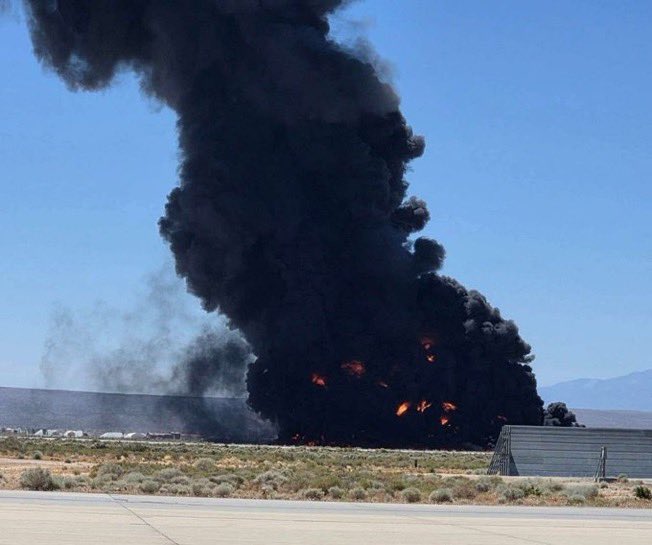
A USAF B-52 Stratofortress plane crashed shortly after taking off from the Edwards Air Force Base in California.
1
1
246


Kuwaiti authorities have reportedly revoked the citizenship of Hashem Al-Awadhi after determining that the origins on which his nationality status was based were not valid, according to widely circulated reports.
Al-Awadhi had previously sparked controversy with remarks in which he claimed that Kuwait predates both Iraq and Egypt, and that Iraqis had historically worked for Kuwaitis.
The reported decision has generated widespread debate on social media, with discussions focusing on both the citizenship issue and Al-Awadhi’s earlier statements.

1
70

Are Kuwaitis this stupid? Nigga shut your bitch ass up. Weren’t y’all just crying on the internet last week
4

RT @ericnuttall: A Strait of Hormuz under IRGC control is not and never will be "open", as I believe the Kuwaitis, Saudis, and Emiratis wil…
70