
Jun 12
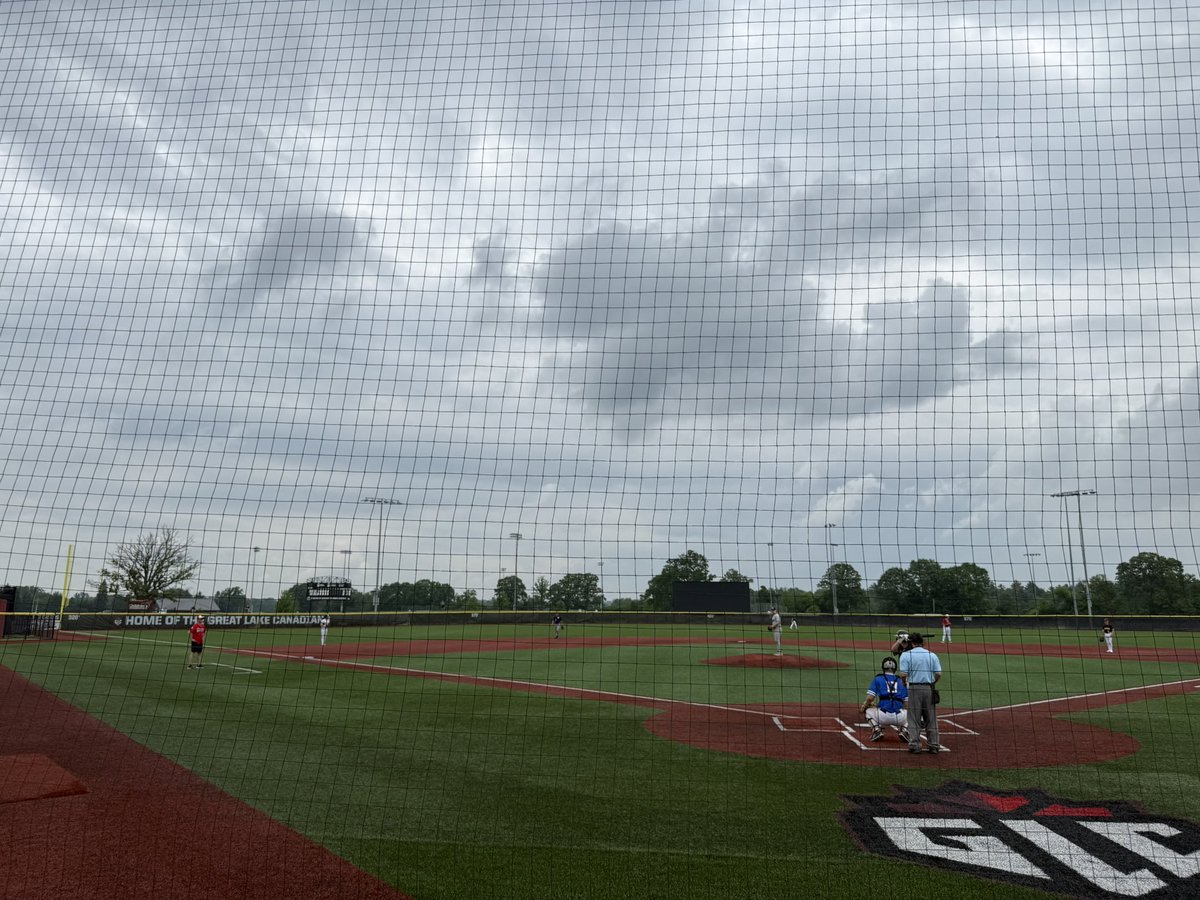
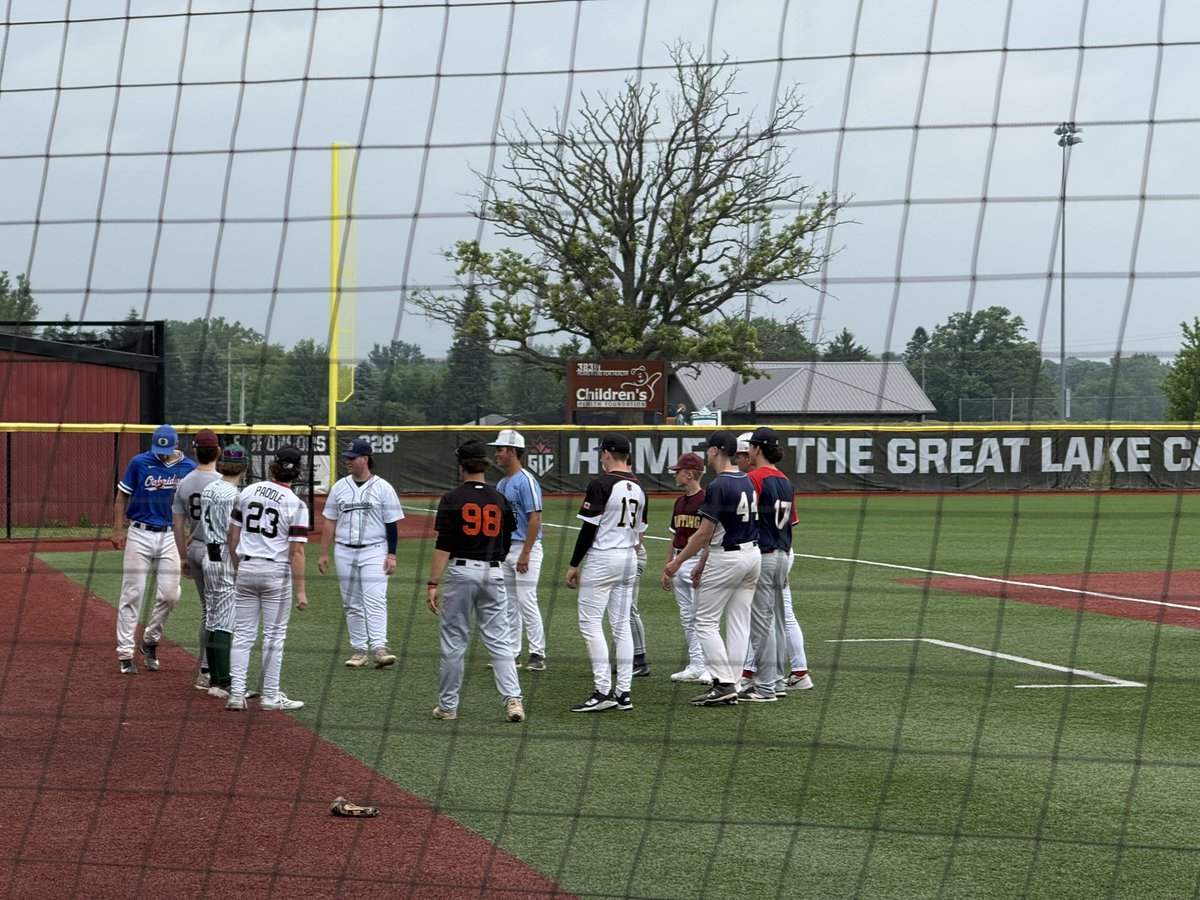
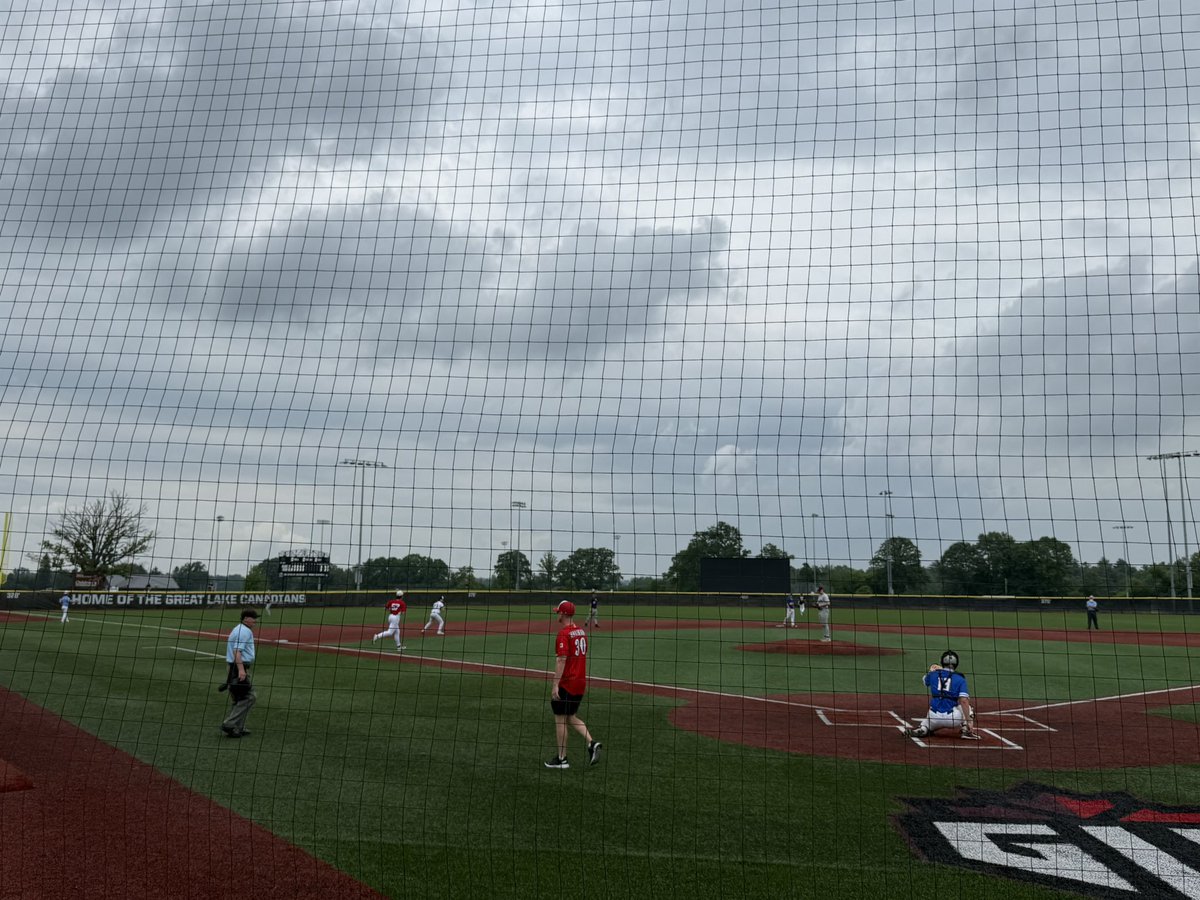
Had the honour to be chosen to play in the TVRA Baseball All-Star Game today as the representative of my high school (STA) on the Central Region team as an outfielder. Played in centre field most of the game. #tvdsb #ldcsb #staathletics
@TeamEliteMW @mobearcats

2
52

📅 Back-to-school planning starts now!
One important item to check off your list:
✔️ Register to Ride for the 2026–27 school year.
Register here:
mybigyellowbus.ca/2026-27-bu… @tvdsb @ldcsb

2
2
411

May 28
PHOTOS: Students from across the region competed at the London District Catholic school board elementary track and field meet at Western University’s Alumni Stadium in London lfpress.com/sports/local-spo… #ldnont @LDCSB



1,046
Register to Ride!
Bus registration for the 2026–27 school year is now open. Registration is required every year.
Visit mybigyellowbus.ca/2026-27-bu… for details and to complete your registration. @tvdsb @ldcsb

2
4
427
May 22
PHOTOS: High school students got hands-on experience with skilled trades during a Trades Awareness Day event in London on Friday. tinyurl.com/4k4nr7s7 #ldnont @LDCSB @LiUNA1059
1
846
May 11
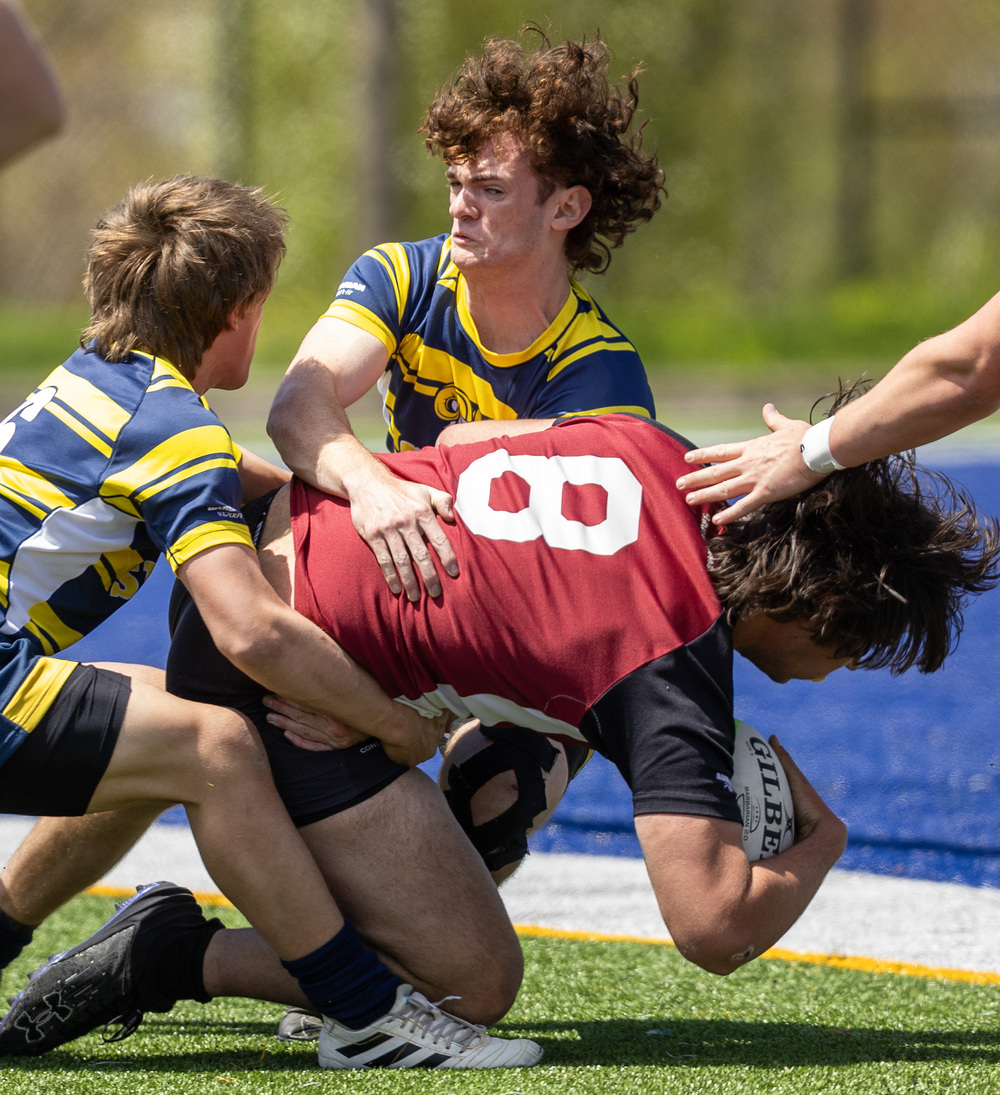
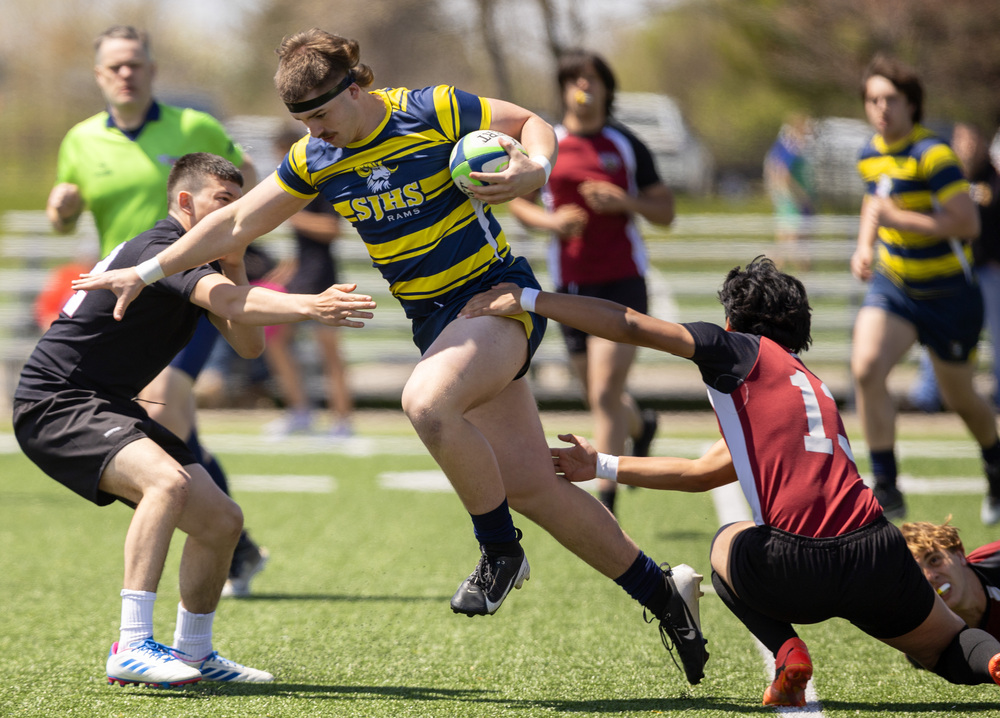
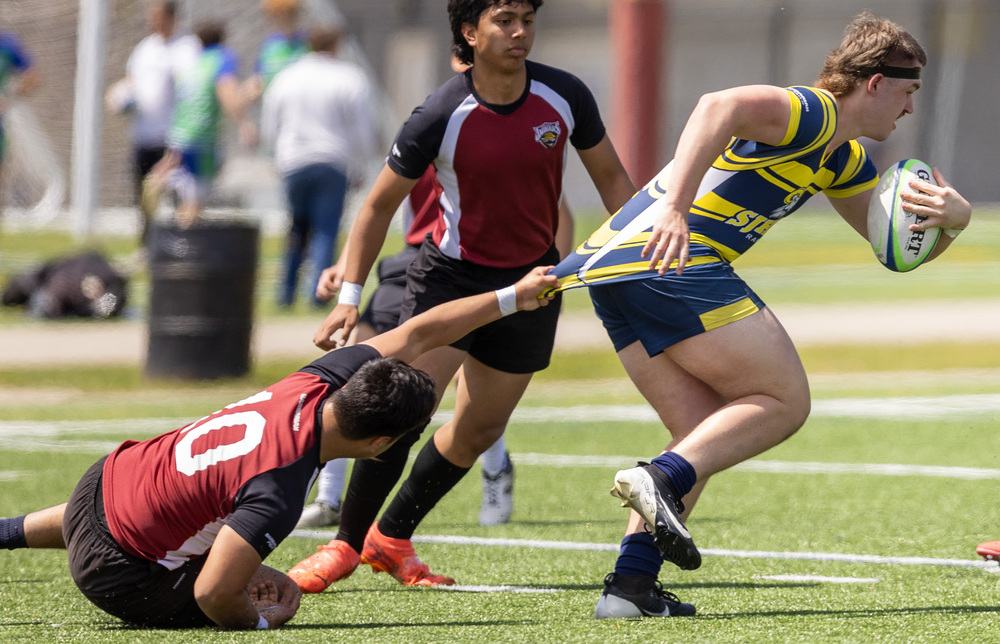
PHOTOS: The St. Joseph's Rams prevailed over the John Paul II Jaguars in their TVRA boys rugby match. tinyurl.com/4v5vkdx9 #ldnont #sttont @LDCSB @TVRAthletics
653

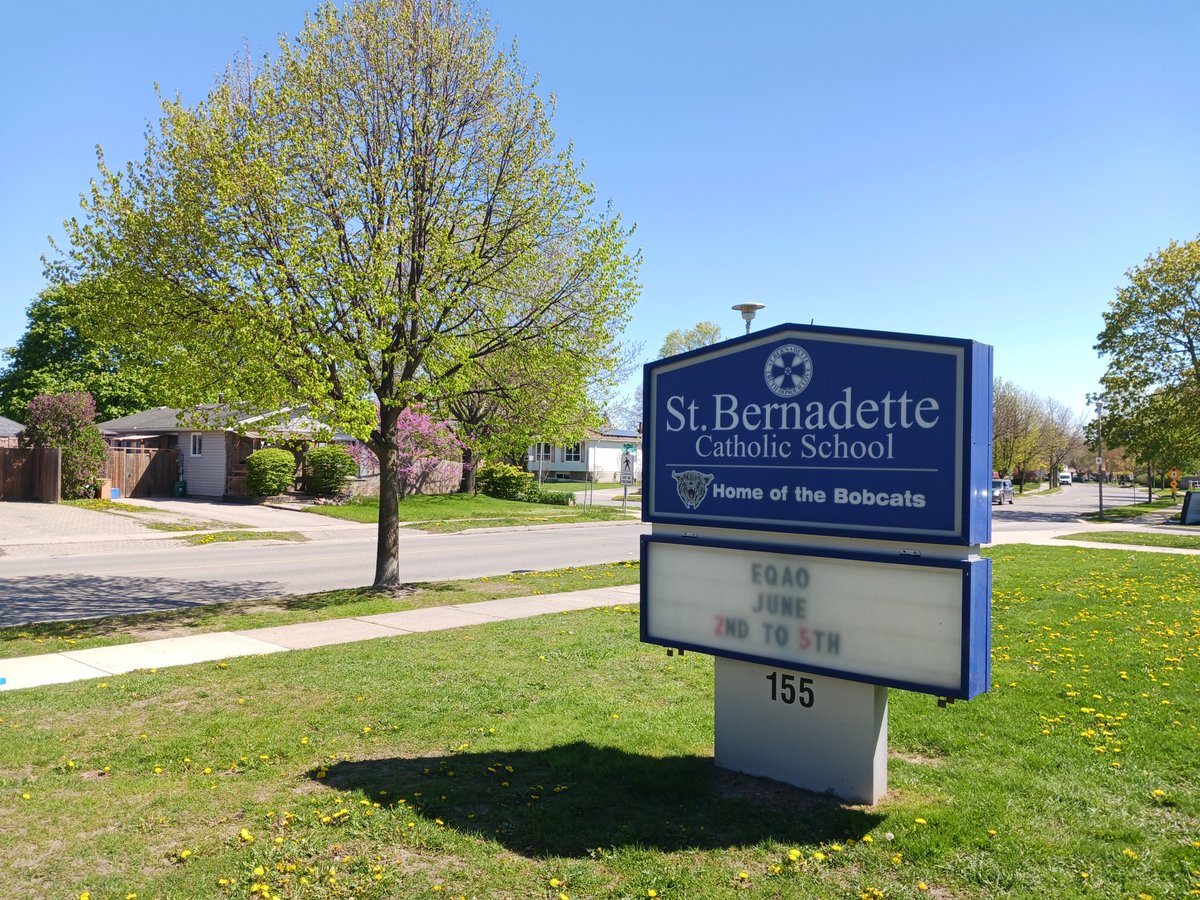
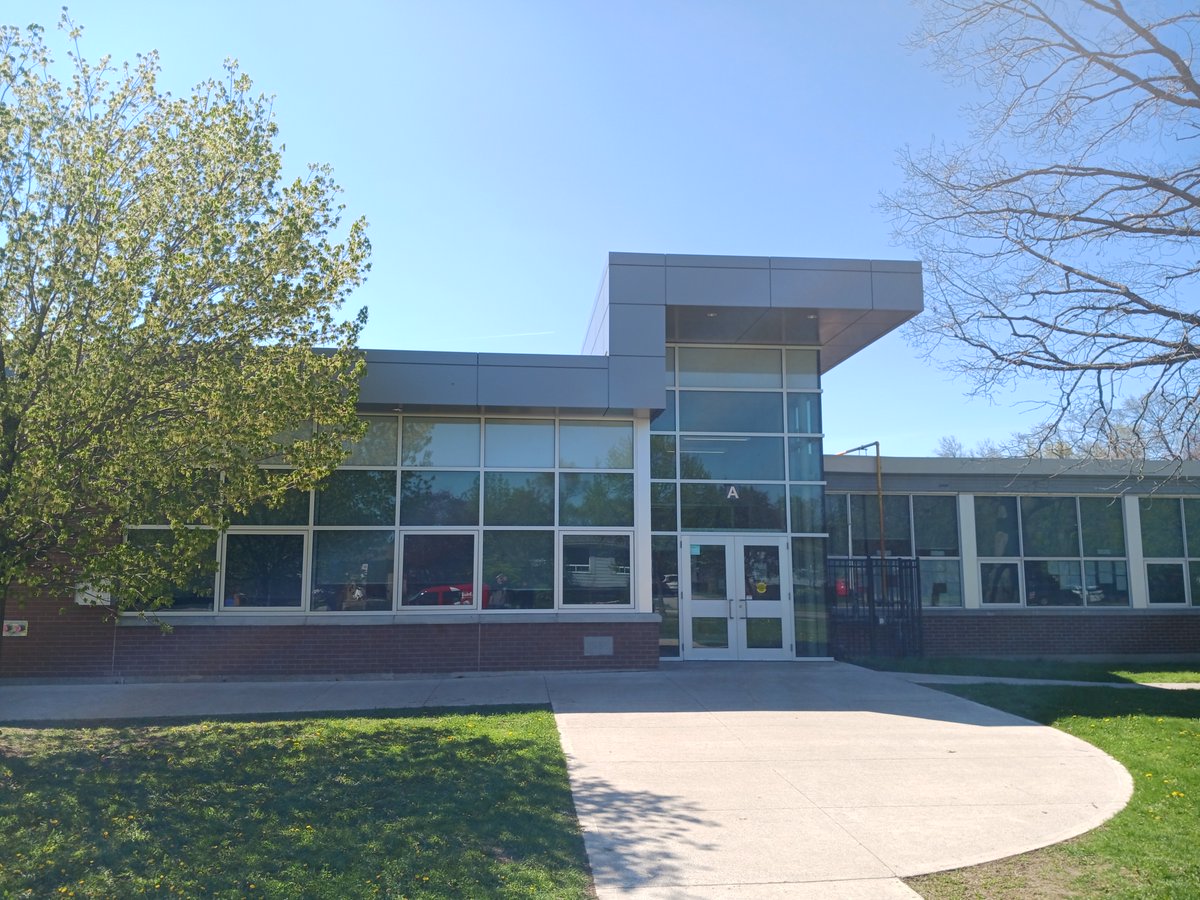
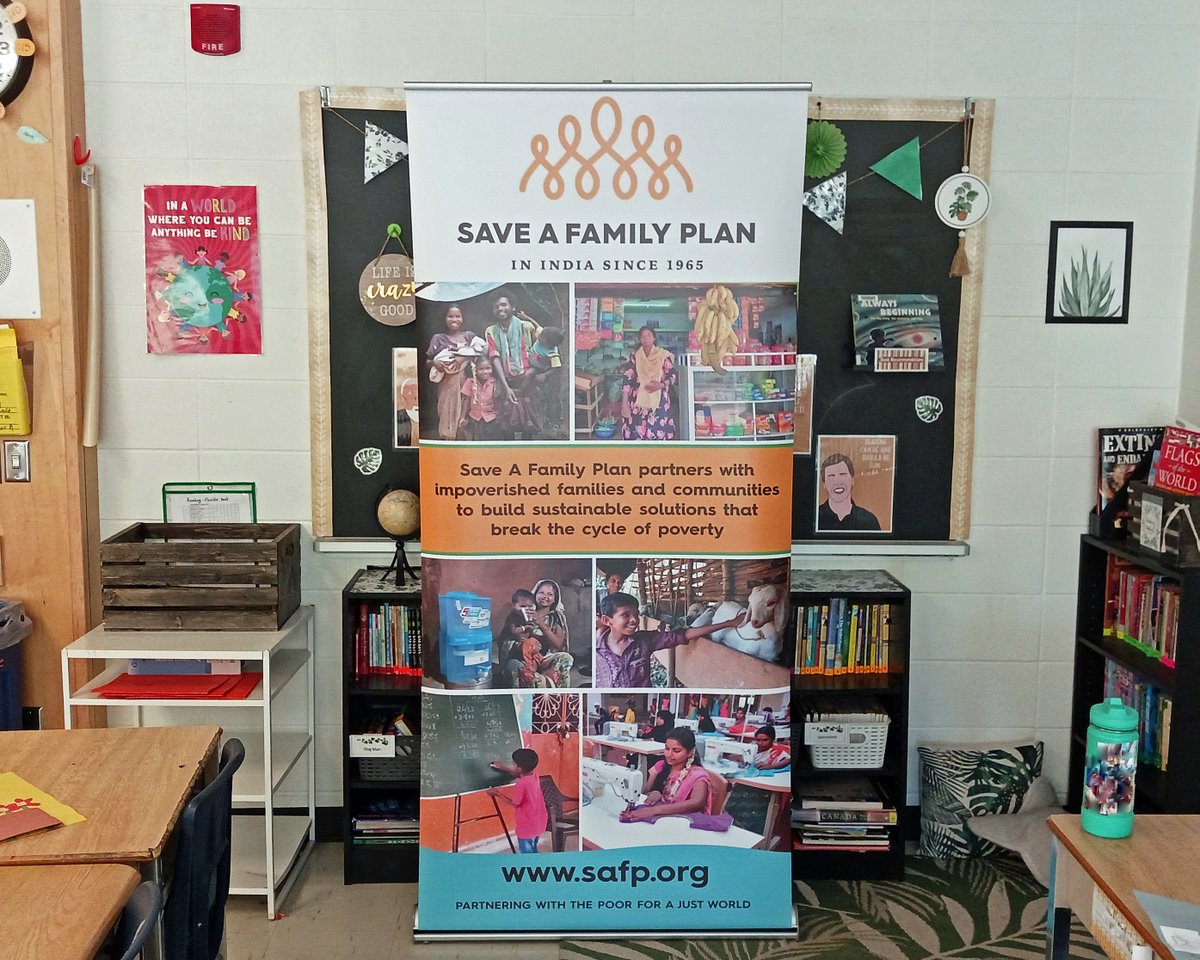
We visited the awesome grade 4/5 class at St. Bernadette's CES, who've been studying social justice & how to work with charities to make a difference.
As one student put it, "A volunteer is someone who decides to help."
#peoplehelpingpeople #education #catholiceducation @LDCSB
3
57
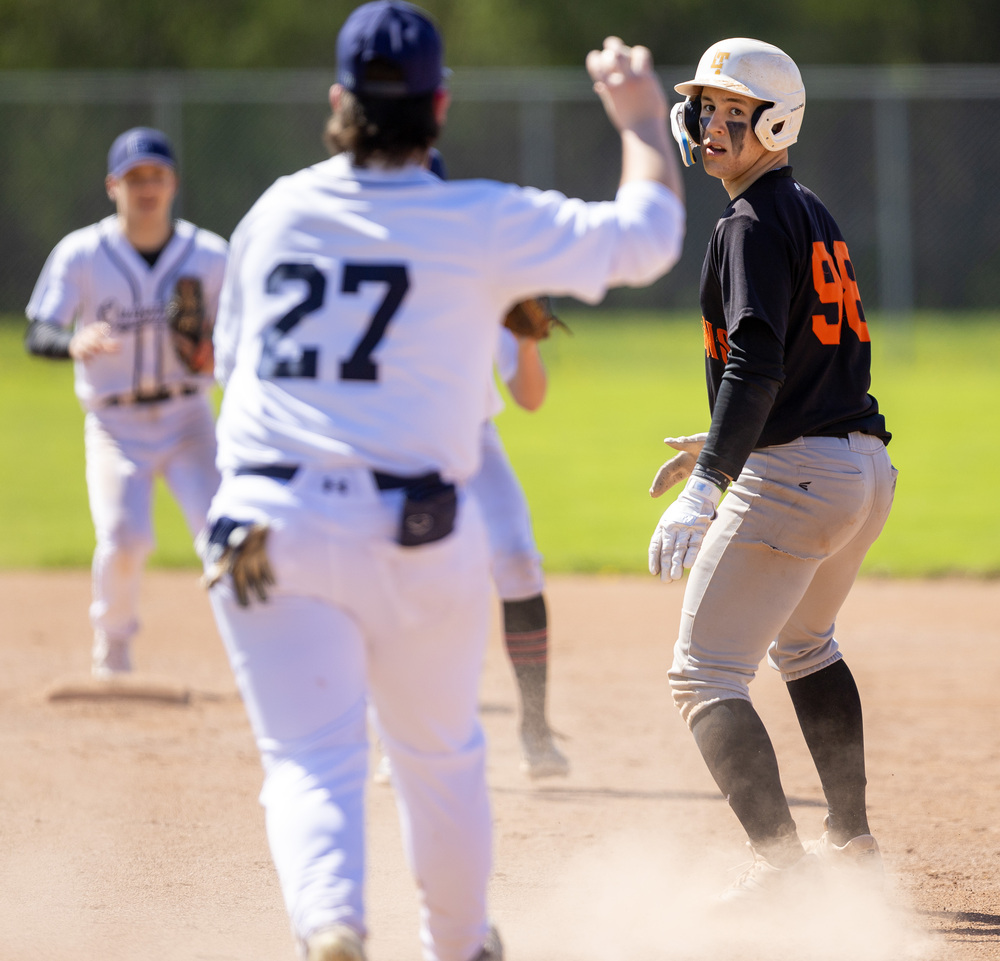
PHOTOS: Catholic Central piled up the hits to defeat Clarke Road 9-5 in a TVRA varsity boys baseball game on Thursday. tinyurl.com/muj6kbwp #ldnont @LDCSB @TVDSB @TVRAthletics


730
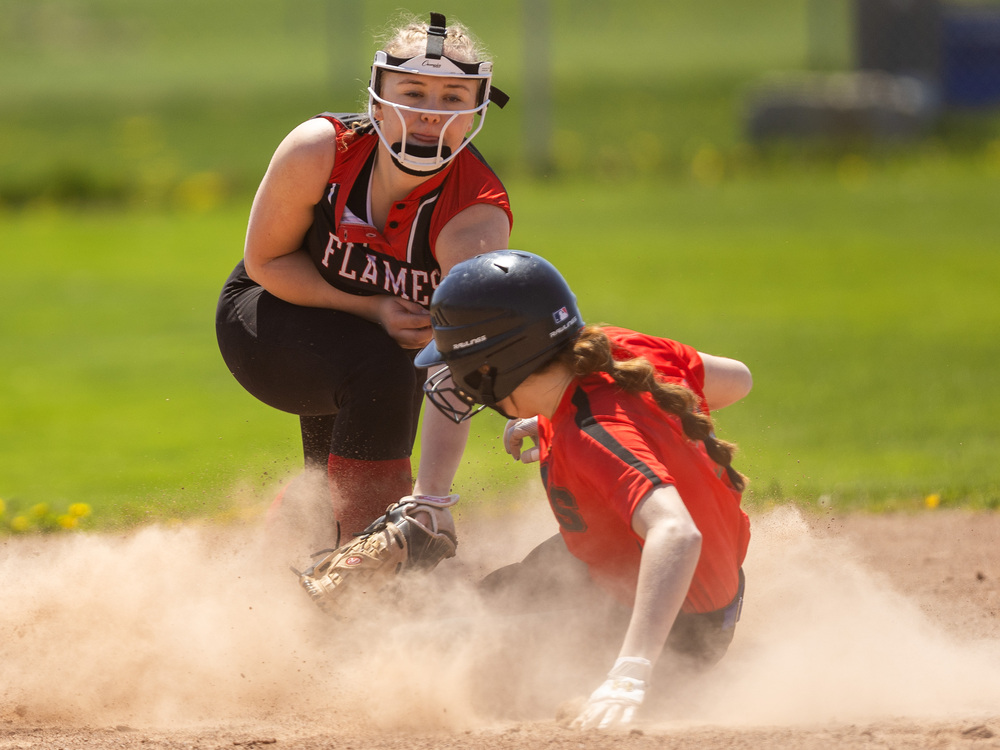
PHOTOS: St. Thomas Aquinas played Lord Dorchester in TVRA high school girls fast pitch. tinyurl.com/2xez2yky #ldnont @TVDSB @LDCSB


1
726

Apr 29
MY WRITTEN SUBMISSION TO THE STANDING COMMITTEE ON SOCIAL POLICY REGARDING BILL 101
👇
Overview
The Standing Committee on Social Policy is currently considering Bill 101, Putting Student Achievement First Act, 2026. This Bill, if passed, would amend the provisions of the Child Care and Early Years Act, 2014, the Ontario College of Teachers Act, 1996, the Education Act, the Ottawa-Carleton French-Language School Board Transferred Employees Act, the Public Sector Salary Disclosure Act, 1996, the Higher Education Quality Council of Ontario Act, 2005, and the School Boards Collective Bargaining Act, 2014.
Drawing on my deep experience working in Ontario’s public education system for over 40 years, including as a teacher, vice-principal, principal, acting executive superintendent, student achievement officer at the Ministry of Education, and more recently as an education analyst and researcher, I am pleased to provide this submission, along with one other relevant document, to assist the Committee with its work.
I commend the government’s efforts to reform school board governance in Ontario by increasing provincial oversight, improving accountability, and refocusing the system on student achievement and student success. In my view, these changes are not only necessary, but they are urgent. These changes will allow the Minister of Education to intervene more quickly when issues with school boards arise. They will also help ensure a more accountable, consistent, and modern education system that will help the government to rise to the challenge of preparing Ontario’s nearly two million students, in partnership with parents and professional associations, with what no doubt will be a promising – but very intimidating – future.
I have been calling for significant governance reform for the past 12 years. I am deeply alarmed by current trends many of us are seeing, which include extreme governance dysfunction, financial mismanagement, a culture of fear, silence and retribution in school boards, an acute level of distress within schools and school boards, trustee infighting, soaring legal expenses, serious and deep-seated performance issues from Boards of Trustees and senior administration including trustee refusals to follow Ministry policies and even directives, to name a few.
Recently, I wrote an Open Letter to Education Minister Calandra and included a comprehensive overview and narrative of education policies, policy trends, reviews, reports, commissions, consultations, investigations, and audits extending from 1990 to 2025, that I had completed, and I urged Minister Calandra to intervene. I encourage the Committee to read the full report, which can be found at the link in the footnote below.
It is clear that something needs to be done. Our current education governance structure is 218 years old, and there has been an evolution of flaws through to 2025, some dating from the 1990s, which need significant repair. Some of the flaws have developed because times have changed, and the structures and systems that once worked well for us, no longer serve their intended purpose.
While I called for either the elimination of school board trustees or the appointment of school board trustees in my open letter to Minister Calandra, the government chose to retain school board trustees in all four education systems while addressing ongoing dysfunction and financial mismanagement in school boards, strengthening oversight and accountability, making sure that school boards have the leadership and expertise needed to support continued student success, and directing funding into the classroom through this tabled legislation. Therefore, I am offering four proposals for the Committee’s consideration to strengthen the proposed legislation.
Regarding the Hiring and Qualifications of CEOs and CEdOs
Under Bill 101, the current Director of Education would become known as the CEO and be required to have business qualifications to deliver on their responsibility for financial and operational oversight.
The CEdO would have required pedagogical qualifications, including membership in the Ontario College of Teachers (or equivalent), to focus on their responsibilities of advancing student achievement and success using their expertise in effective teaching practices.
The authority to hire the CEO would remain with the board of trustees, but would require Ministerial approval for termination. This would help prevent trustee reprisals or dismissals of school board leadership while they are carrying out their responsibilities.
Bill 101 will not stop trustees from ignoring these hiring directives if trustees disagree with this directive. For example, the Chair of the London District Catholic School Board, Gabe Pizzuti, told the London Free Press on April 16 that the current director of education, who does not have a business background as required, “is our leader,” saying, “I fully support him as the new chief executive officer and our number one person in charge of the LDCSB.” My position on this matter will not change.”
While Mr. Pizzuti has since clarified his comments on X (formerly Twitter) saying he’s had discussions with ministry officials and has been assured there is zero chance that there will a change in leadership at his school board, other trustees may take a defiant stance as the government attempts to transition to the new CEO role.
Trustee defiance of ministry policies and directives has been problematic in the past. For example, the 2020 Review of the Peel District School Board (PDSB) conducted by Arleen Huggins points to defiance and lack of compliance around the hiring of Integrity Commissioners in that board. Huggins concluded that the PDSB failed to follow ministerial directions, showing a disturbing lack of accountability in her final report.
Proposal 1
Consider amending the Bill to ensure that Minister of Education approval is required for the hiring and termination of the CEO position to eliminate the possibility of trustee refusal to comply with this requirement.
Proposal 2
The Minister of Education may wish to appoint a Transition Supervisory Officer, (much like the Ontario government did when the Ontario College of Teachers was transitioning to its new governance structure).
The Transition Supervisory Officer, in this case, could report directly to the Minister of Education and be responsible for determining, in consultation with the Council of Ontario Directors of Education (CODE), the required or approved business qualifications for the new CEO position.
The Transition Supervisory Office could also assist trustees with the hiring of the new CEO during the transition period and be responsible for approving the new CEO position jointly with school board trustees on behalf of the Minister of Education.
This would ensure standardized contracts and salaries, eliminate the possibility of expensive lawsuits from hiring mistakes, and help professionalize the hiring. Both of these proposals, if adopted together, would increase the chances for a smooth transition.
Proposal 3
Minister Calandra has stated that some school boards already have Directors of Education with business qualifications and academic qualifications, and these Directors could be allowed to perform both the new CEO and the CEdO positions.
For current Directors of Education who do not have business qualifications, consider allowing the appointment of these directors to the role of CEO provided current Directors of Education enter into a formal agreement to complete the required business qualifications within a certain time period, much like Regulation 309 allows for principals to be appointed to superintendent positions while completing the mandatory supervisory officer qualifications.
This proposal would assist with finding enough qualified candidates and would allow for a smoother transition as well.
Regarding Consistent Learning Resources in Classrooms,Attendance and Participation for Secondary School Students, and Final Exams and Assessment Standards
The proposed legislation will mandate the use of ministry-approved learning resources in classrooms across the province, introduce mandatory written exams on official exam days in Grades 9-12, provide greater clarity on how students’ final marks are calculated, and encourage improved engagement in the classroom by requiring attendance and participation to be part of the final mark for students in Grades 9-12, with attendance worth 15 per cent for Grades 9-10 and 10 per cent for Grades 11-12.
Sometimes well-intentioned reforms have unintended consequences. These particular reforms will need to be carefully managed and the corresponding regulations wisely written.
For example, regular school attendance is necessary because it directly impacts student achievement, social development, and future opportunities. Missing school at any grade increases the risk of lower academic performance, falling behind, and dropping out, and regular attendance establishes positive, long-term habits. But by making the attendance requirements too stringent, students who are marginalized might become even further marginalized.
Bringing back final exams will help teachers assess student capabilities. But it could also exacerbate student stress and anxiety, unfairly disadvantage those with test anxiety or those who struggle with memorization.
If the list of approved resources is too restrictive, it will be challenging for teachers to find resources to use with students with diverse learning needs.
Proposal 4
The Minister of Education might wish to appoint an Academic Advisor to help consult with academic groups and researchers, and to assist with writing the associated regulations.
Conclusion
I commend the government for taking steps to increase provincial oversight, improve accountability, and refocus the system on student achievement and student success. These changes will allow the Minister of Education to intervene quickly when issues with school board arise. They will also help ensure a more accountable, consistent, and modern education system that will allow the government to rise to the challenge of preparing Ontario’s nearly two million students, in partnership with parents and professional associations, with what no doubt will be a promising – but very intimidating – future. To this end, I encourage the Committee to adopt my proposals to further strengthen the legislative framework. Further reforms will also be required in order to better support student achievement. Below is a list for consideration.
Further Reforms For Consideration
1.Violence is a real and worsening problem in Ontario schools. Education unions have been blunt: “Ontario does not need more advisory groups. We need real investments in the people who keep students safe.” The system requires more small class placements (not smaller classes) and more support staff in schools (Education Assistants, Child and Youth Workers, School Board Counsellors, Attendance Counsellors etc.) to help address attendance, violence, and students with special needs and/or mental health issues. Student Codes of Conduct need to be strong and consistently upheld. Principals need the ability to suspend students for 1 to 2 days without approval from their superintendent. These are just a few recommendations.
2.Cell phone usage, social media, and the use of technology needs to be examined. Cell phone usage and social media are having negative impacts on student mental health, physical well-being, and social connections. Key concerns include increased rates of anxiety, depression, poor sleep quality, and reduced attention spans. This needs to be addressed through potential cell phone/social media bans after careful consultation.
3.The funding model needs to be revised. The concerns that many school board trustees, educators and parents have expressed about a shortfall of funds are valid. Some of these concerns are listed in the Thames Valley District School Board financial audit:
•Increased financial impacts and pressures due to COVID-19.
•Increasing absenteeism among staff, resulting in higher costs for supply staff.
•Increasing technology and cybersecurity needs.
•Increased financial pressures because of Canada Pension Plan (CPP) and Employment Insurance (EI) contributions after the monetary resolutions regarding Bill 124 were funded by the government.
•Provincial moratorium on school closures presents a significant barrier in addressing the potential closure or consolidation of underutilized schools. (But low-density rural schools face additional complexities and can’t necessarily be closed.)
Investments in education are investments in Ontario’s future.
4.Principals and Vice-Principals are frequently being placed on lengthy paid leaves while under investigation in many school boards. The December 2024 Auditor General’s extensive Report of the Toronto District School Board’s (TDSB’s) school safety, financial management and capital planning raised the alarm about this.
According to the report, TDSB policy states that in an investigation of an incident or complaint, the practice of placing an employee on paid leave should be rarely used. However, between 2018/19 and 2022/23, the TDSB placed 53 (80%) of the 66 principals and vice-principals being investigated for allegations, such as discrimination and workplace harassment, on paid leave (ranging from one to 1,218 days), costing approximately $4.3 million.
For the sample of 15 investigation files the Auditor General reviewed, the TDSB could not provide documentation to show that placing the principals or vice-principals on paid leave was the necessary course of action instead of finding alternative work arrangements or temporarily relocating them without compromising student or staff safety. For the 51 investigations that were started and completed between 2018/19 and 2022/23, 19 (37%) took longer than the 150 days TDSB’s internal policy says investigations should be completed by, and 10 of these took more than a year to complete.
Additionally, leaders at the supervisory level who speak up against unethical decisions are put on leave, demoted or forced out. This type of behavior needs to be addressed. The system says it values “courageous conversations.” The reality is the system operates within a culture of silence and retaliation. It punishes those who offer much needed suggestions and recommendations for improvement in order to uphold the status quo. This type of behavior is a form of professional misconduct and needs to be abolished. Significant reforms are required at the Ontario College of Teachers in order to address this.
5.Ontario school boards need free-speech policies.
While the Ministry of Colleges, Universities, Research Excellence and Security will take on responsibility of colleges’ and universities’ free-speech policies, school boards are not required to have free-speech policies. Currently, school boards must follow the provincial Code of Conduct, which promotes respectful, safe, and inclusive environments, and requires boards to address bullying, hate propaganda, discrimination, and behaviour motivated by bias, while emphasizing civility and respect for protected grounds under the Ontario Human Rights Code (e.g., race, sex, gender identity/expression, creed, etc.) School boards should create stand-alone free speech policies or freedom of expression rights should be built into existing Code of Conducts.
I would like to thank the Committee for the opportunity to present my open letter and narrative of education policies, policy trends, reviews, reports, commissions, consultations, investigations, and audits extending from 1990 to 2025 as background information as well as my proposals and recommendations for changes to the legislation as well as considerations for further reforms. I am happy to assist further as regulations are developed and as future reforms are considered and implemented.
Yours very truly,
Debbie L. Kasman
#onted #onpoli @Educhatter @krushowy @ColinDMello @gregbradyx @NeedlesOnNews @stubbs980
6
1
8
1,567

Apr 24
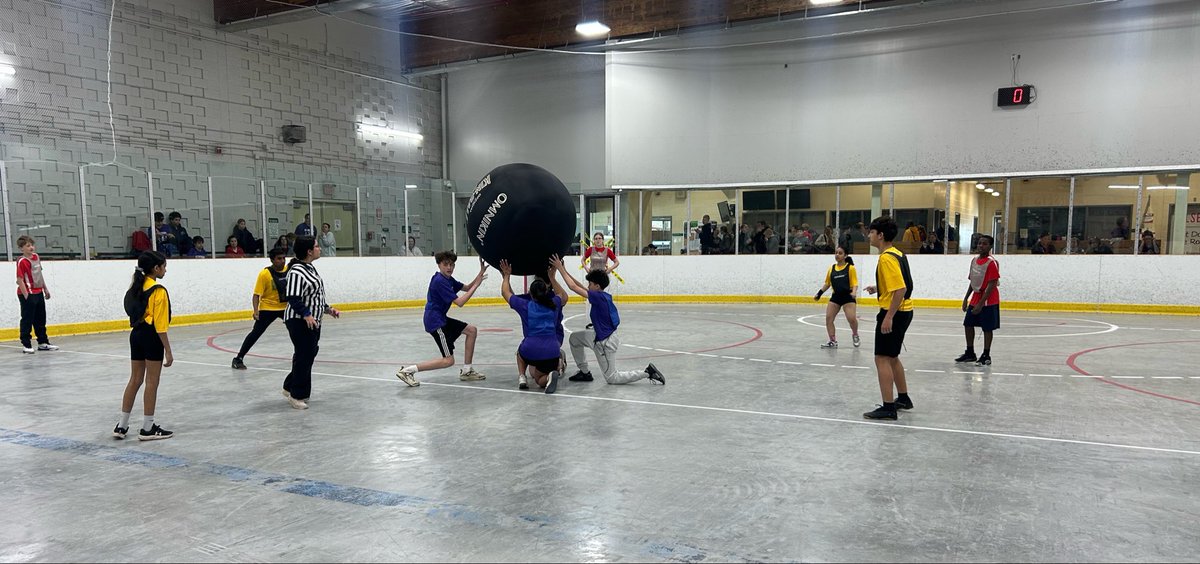
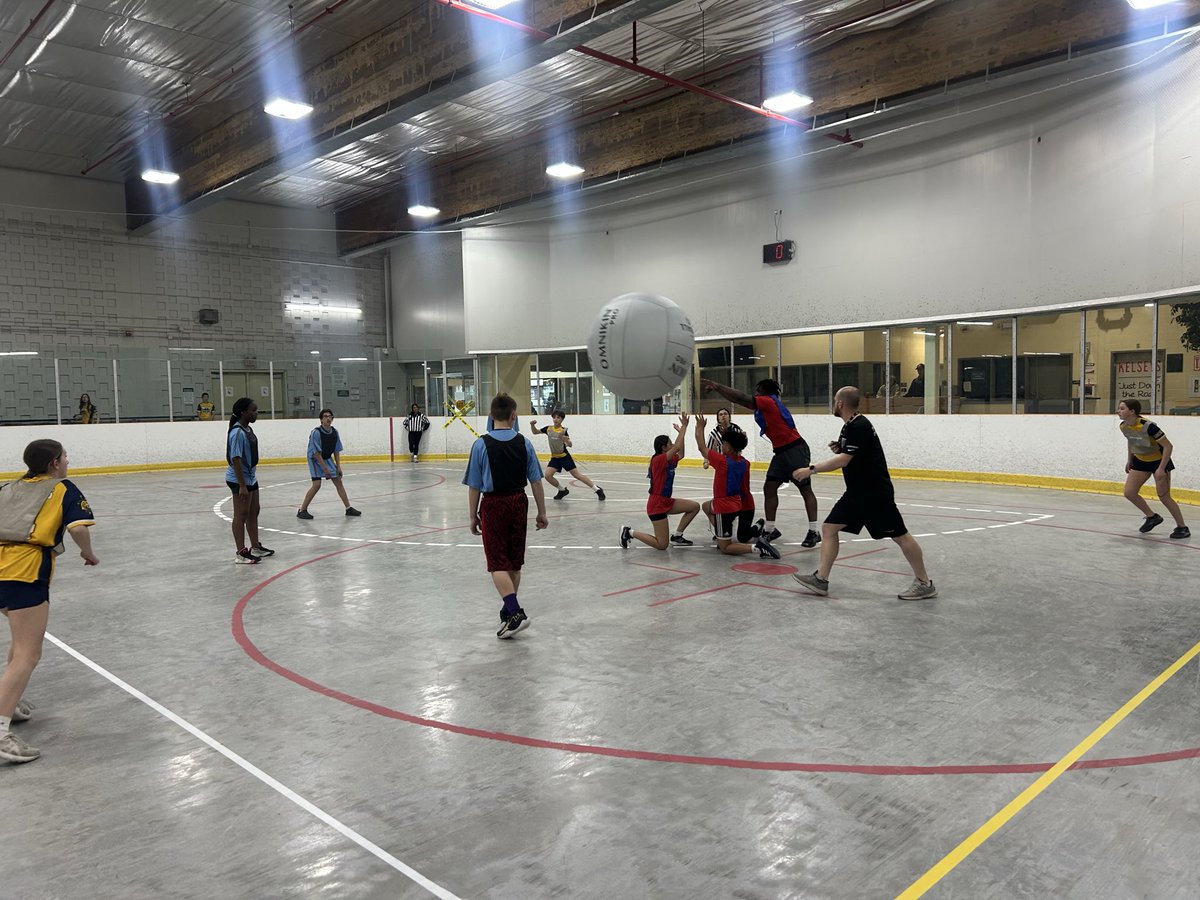
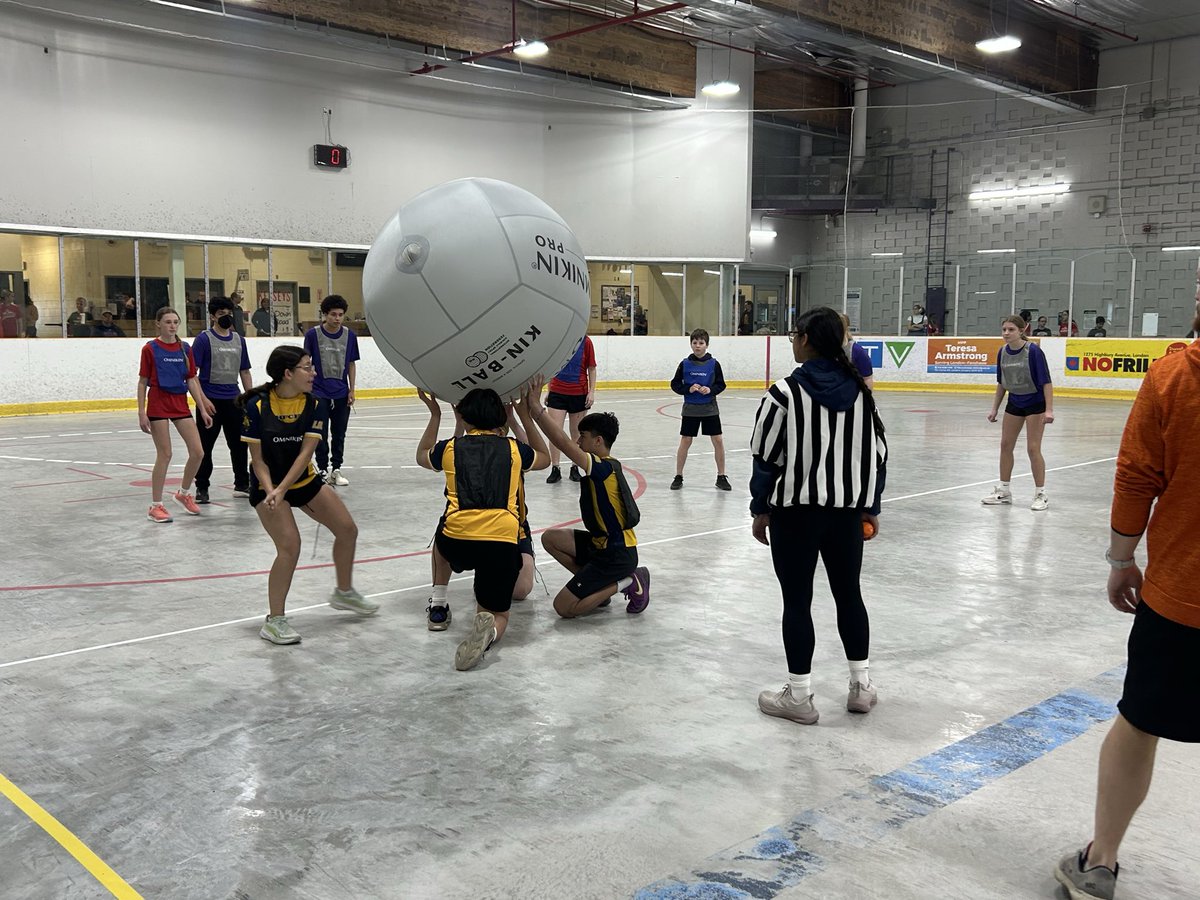
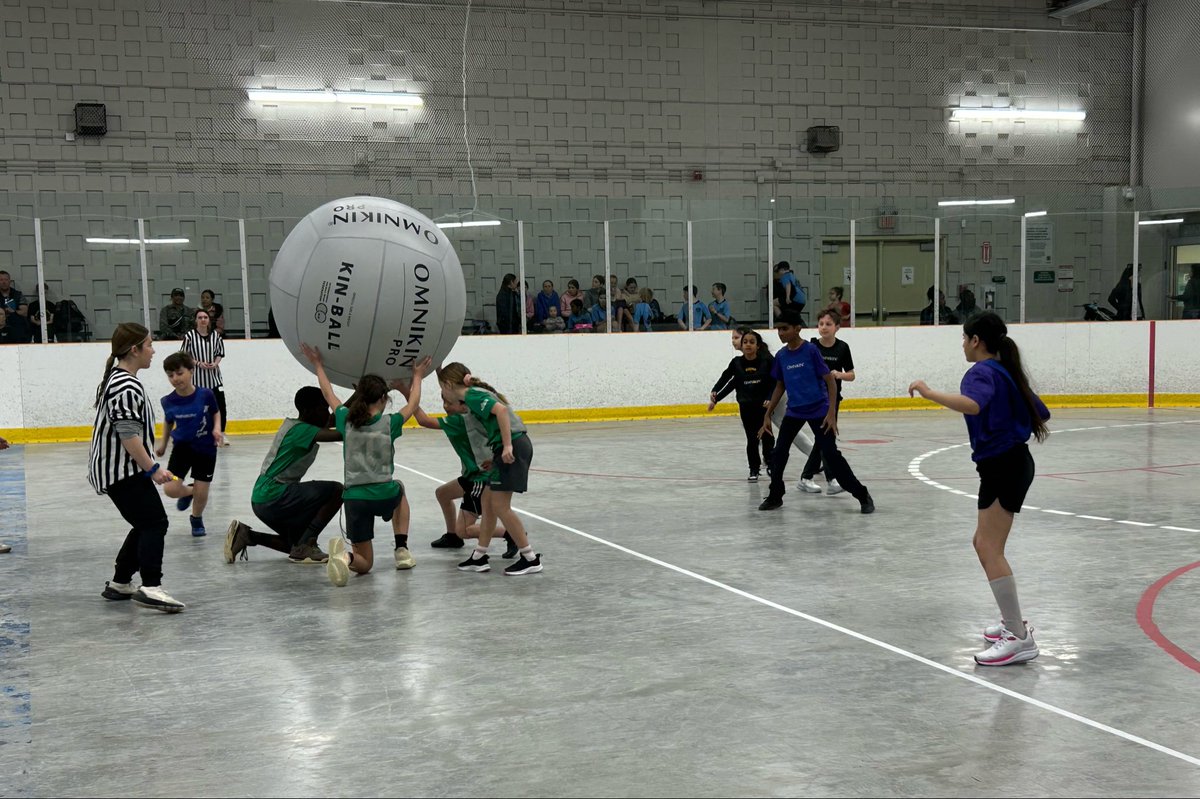
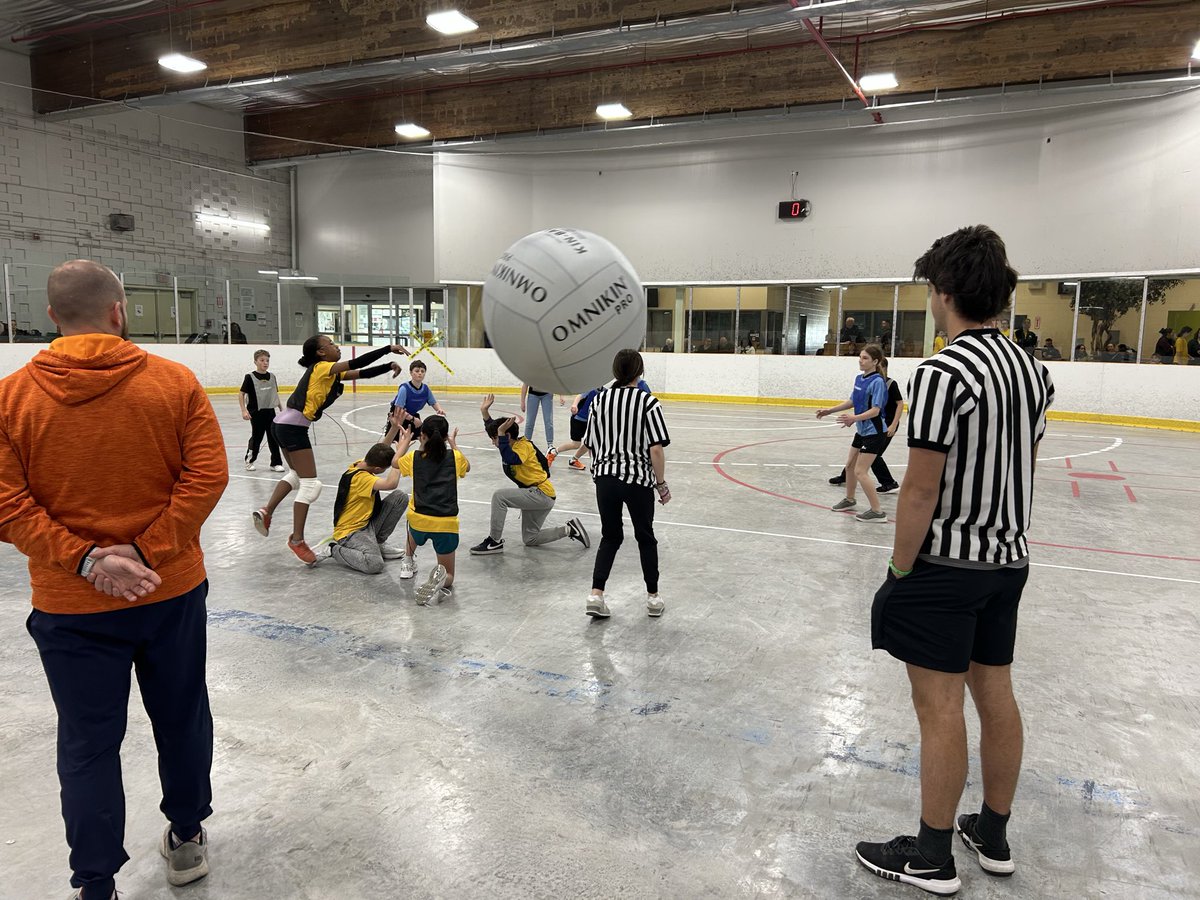
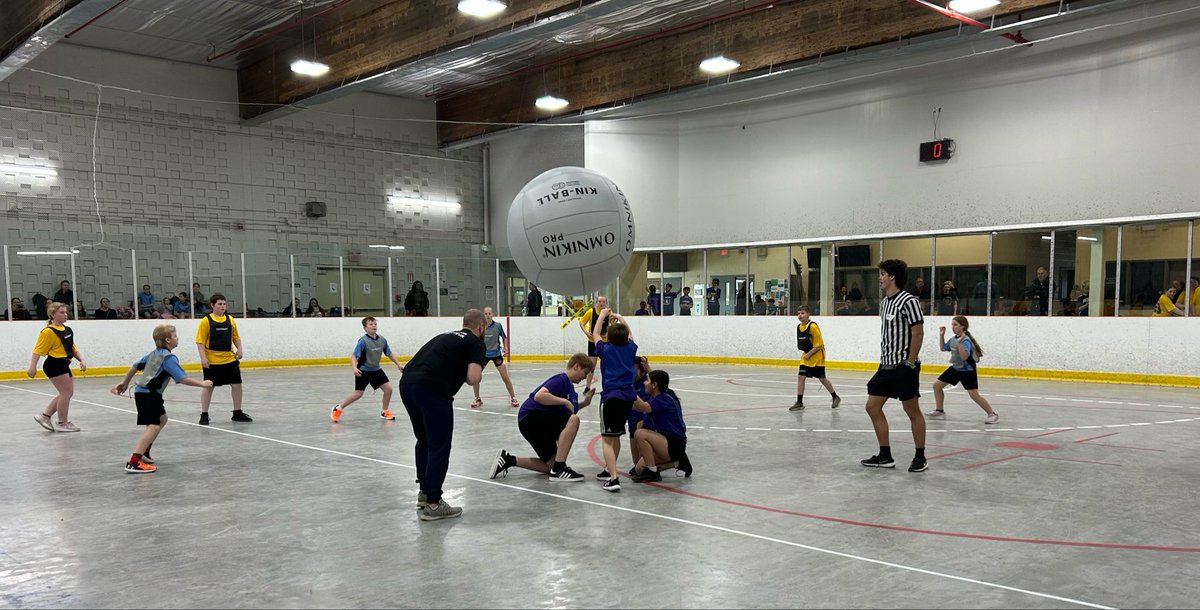
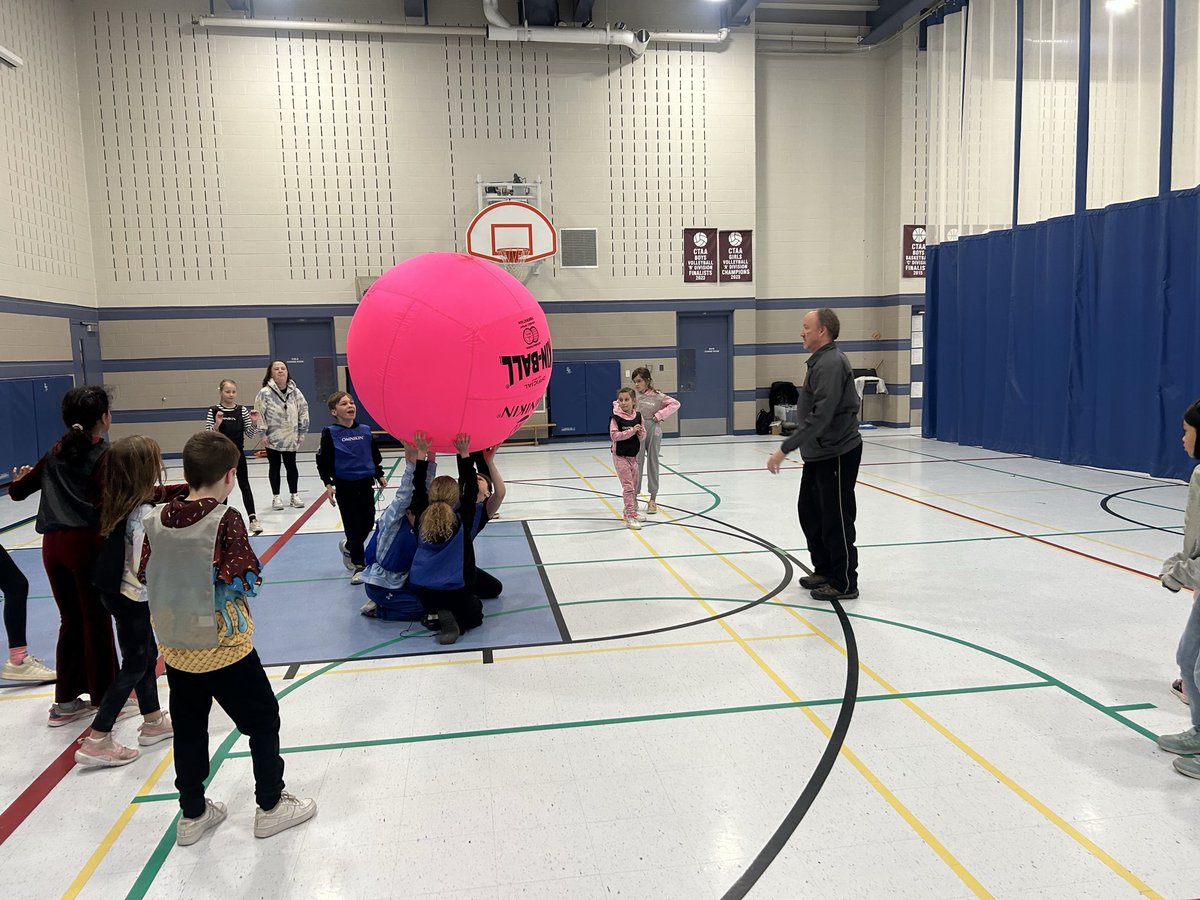
144 Grades 7-8 students took part in our @LDCSB Intermediate Mixed KinBall tournament on Wednesday, showcasing their learning from their Intramural and Phys-Ed programs. Big thanks to all the educators who provided the students with the chance to learn and play!

1
1
89
Apr 24
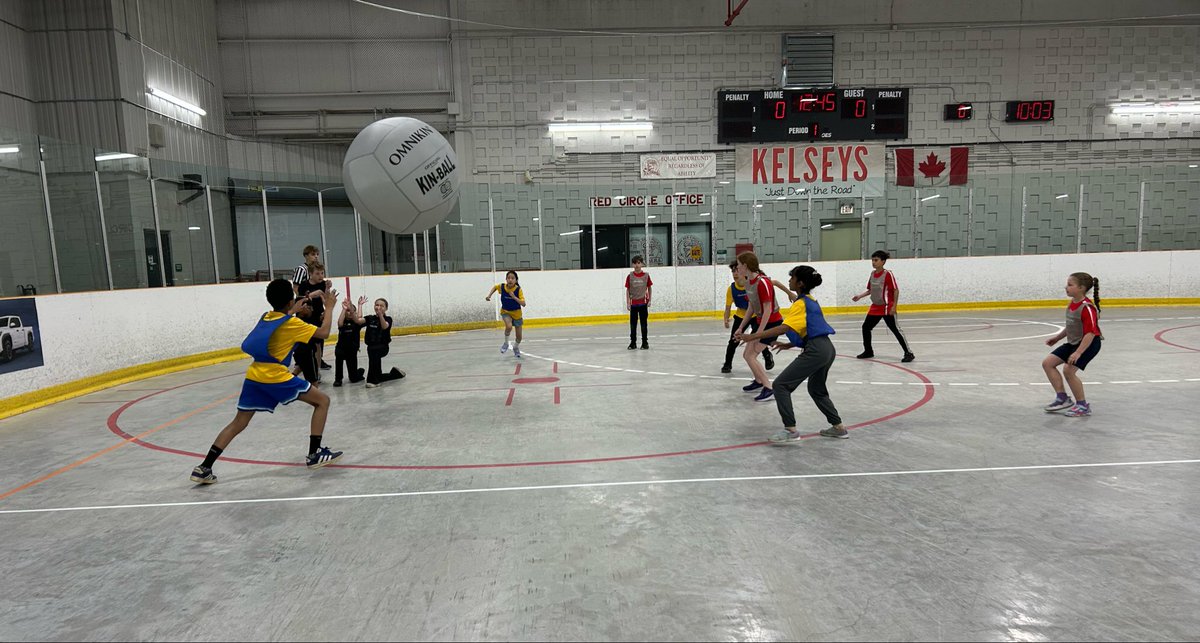
160 Grades 4-6 students took part in our 3rd annual @LDCSB Junior Mixed KinBall tournament on Tuesday! @KinBallCanada
4
70
Apr 24
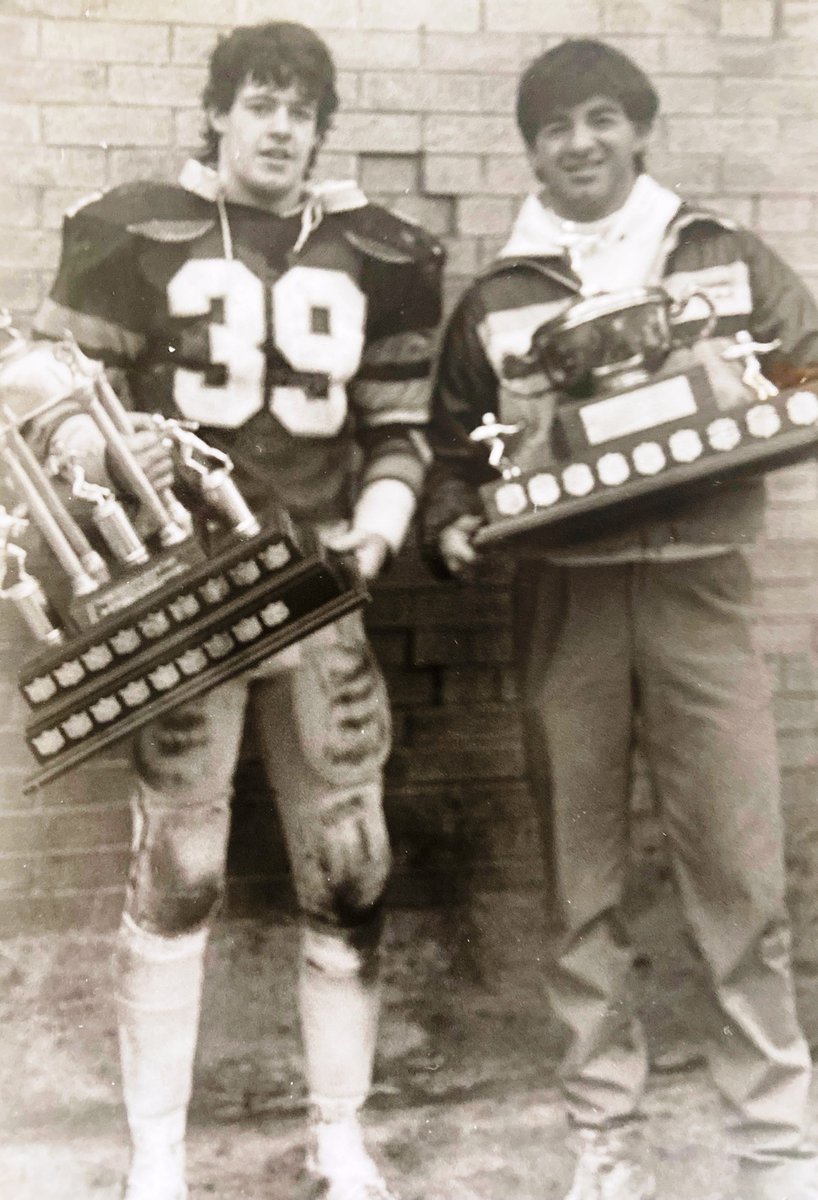
Players and coaches, past and present, will mark 75 years of CCH football on May 9. Here are a few family stories that illustrate the program’s history: tinyurl.com/bde28swb
#ldnont @crusaderBLUE @CCHCrusaders @LDCSB


1
1,048
Apr 17
BREAKING NEWS: TRUSTEES PREPARE TO DEFY BILL 101.
The Bill hasn’t even passed third reading yet. 👇
“Chair Gabe Pizzuti said its current education director, Vince Romeo, holds a contract with the board of trustees but does not have a business background, raising questions about how the board will navigate the new legislation.
“When asked, Pizzuti said Romeo “is our leader.”
“I fully support him as the new chief executive officer and our number one person in charge of the LDCSB,” he said. “My position on this matter will not change.”
@PaulCalandra, it looks like you might need to revise the Bill to professionalize the hiring of the CEO position as well.
@Educhatter, over to you.
#onted #onpoli
lfpress.com/news/local-news/…
5
1
6
1,334
Apr 16
PHOTOS: St. Joe's played Medway in TVRA boys high school rugby action at City Wide field in London on Wednesday. tinyurl.com/ykae388n
#sttont #ldnont @TVRAthletics @TVDSB @LDCSB
681

Apr 14
LDCSB trustee speaks out as Ontario’s education minister seeks to overhaul role of school board trustees ctvnews.ca/london/article/ld…
1
1,324
Apr 9
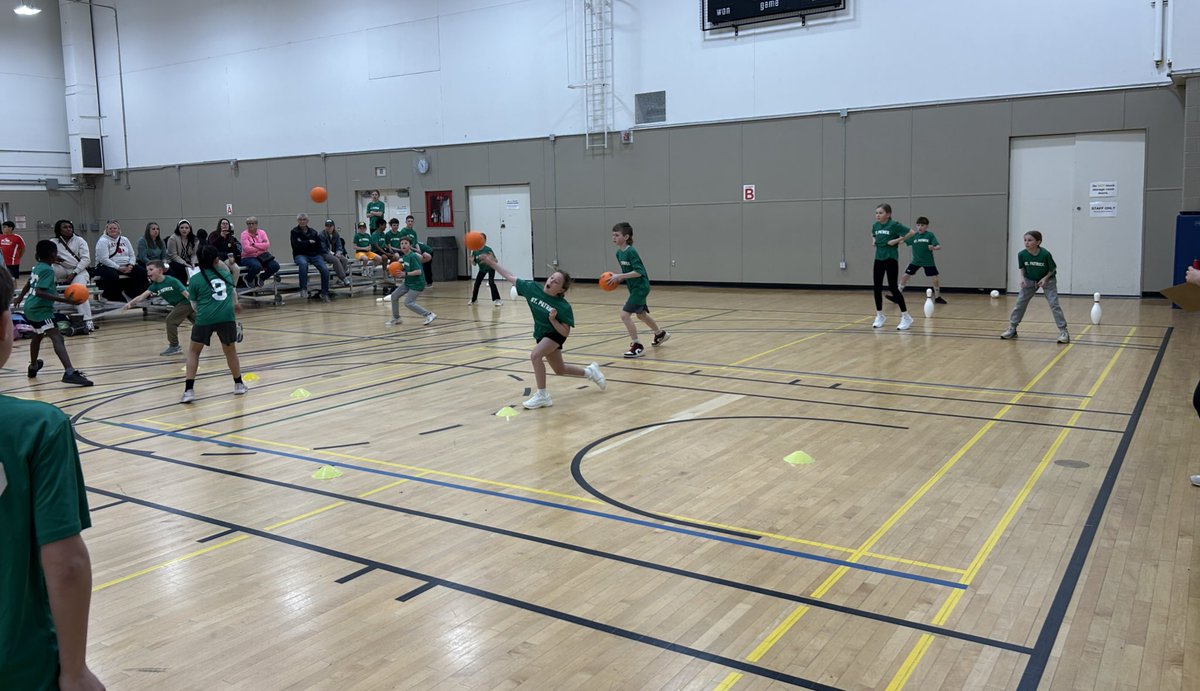
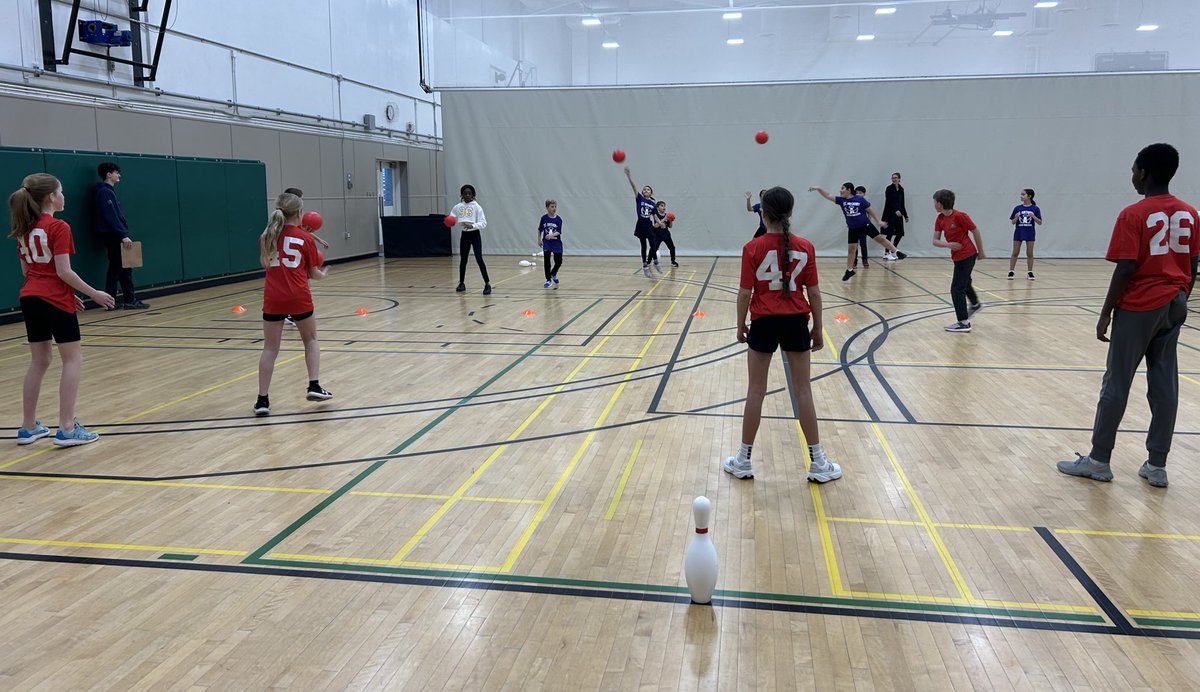
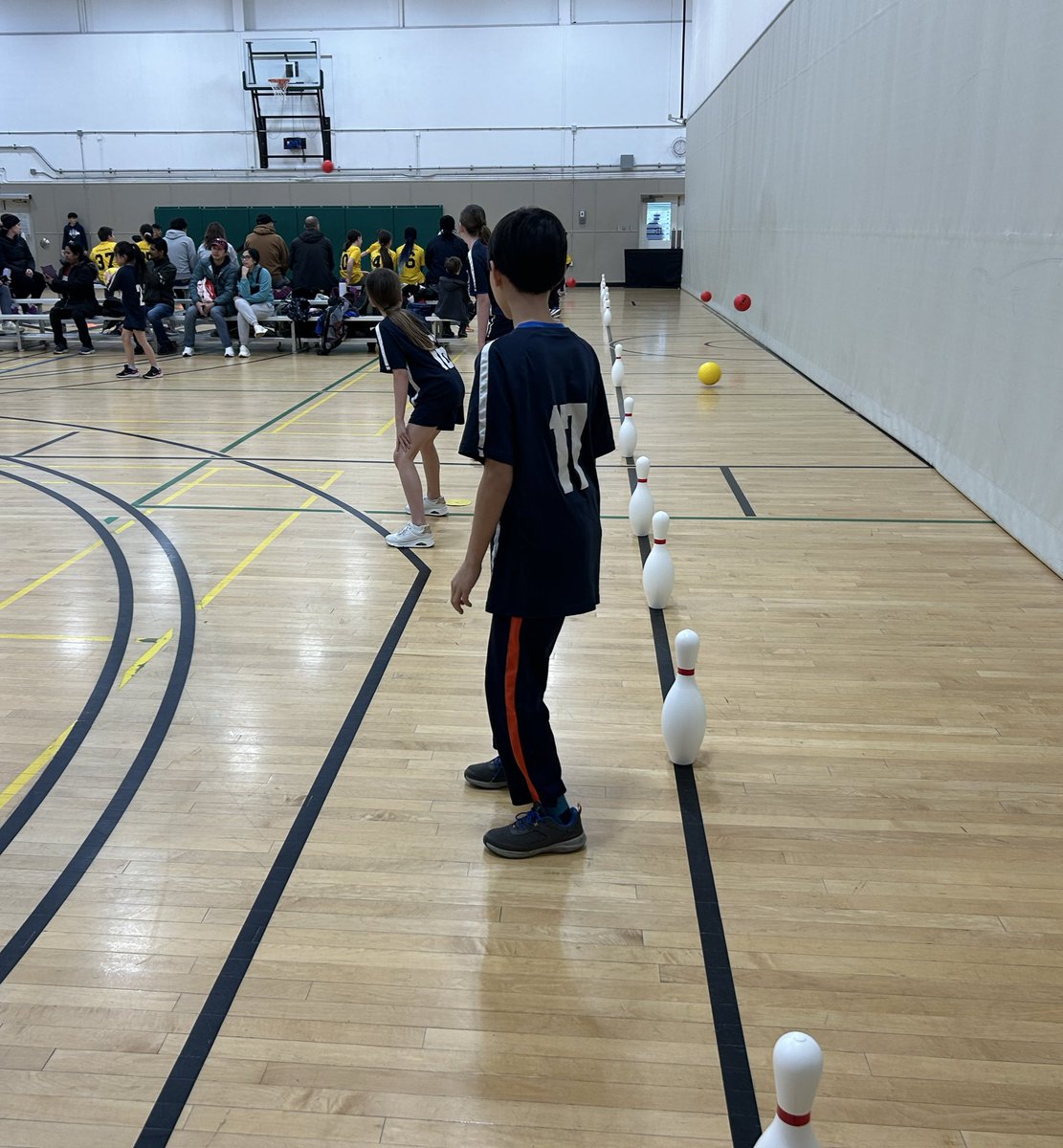
168 Grades 4-6 students took part in our @LDCSB Junior Mixed Pins Tournament yesterday. Pins is a cooperative target game, used as an alternative to dodgeball, where the pins are the targets, not the students.
2
88
Apr 3
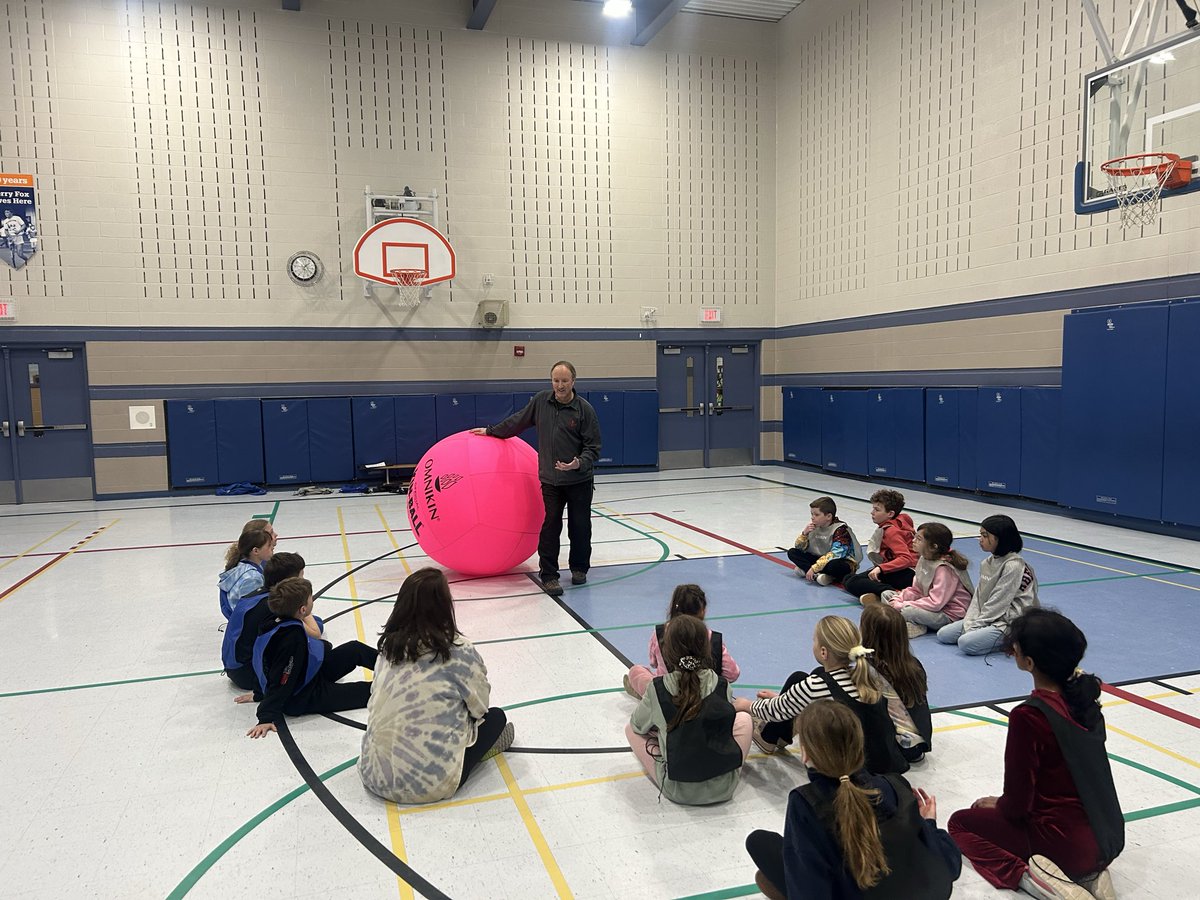
It’s April, which means LDCSB Omnikin/Kin-Ball Week is almost here! We are out and about supporting classes learning more about this awesome cooperative game! @KinBallCanada


3
64

Mar 17
CONGRATULATIONS to this year's winners!
We are proud to have you as our Catholic partners.
@LDCSB
#cpcoawards2026 #catholiceducation #ontarioeducation #leadership #awardwinning



2
8
351
Mar 13
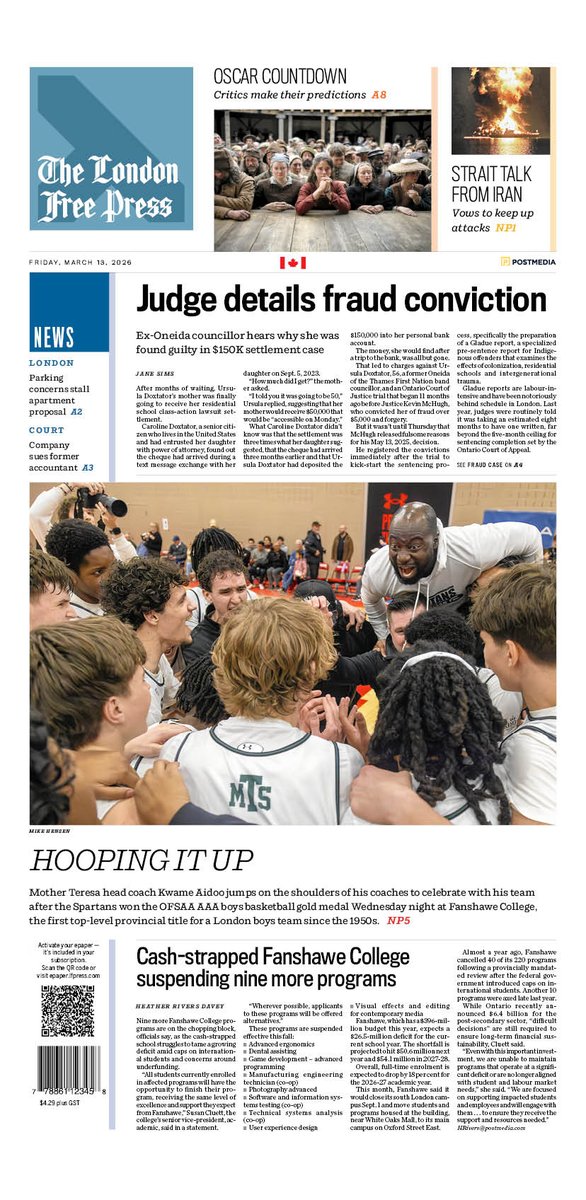
ALT The front page of The London Free Press newspaper
1
1
986