

May 13
🙏🏽❤️ #committed #agtg
I’m blessed to announce my commitment to Florida Southern College. I’m truly thankful to God, my family, and all the coaches and trainers who have supported and helped me through every step of this journey.
Thanks to Coach Donnelly, Coach Mak and the Florida Southern staff for believing in the competitor I am and giving me this opportunity.#llar #lljr #gomocs 🐍
The Job is not done yet…John 13:7 ✝️❤️
@FSC_MBB @CoachCpRobbie @PSBTampaBay @Jesuit_Tigers @OTRHoops

2
12
49
6,226

May 10
DUDE💥 Super proud of JI, one of the best hitters that I’ve coached. Unreal work ethic and an elite teammate. Wingate is getting a stud on and off the field!! #LLJR
May 10

Senior year ✅Thank you to all coaches and teammates that helped me through out my high school career. My Senior year stats:
GP 26 season end injury
PA 105
AB 86
AVG .430
OBP .519
OPS 1.182
SLG .663
37 H
9 2B
2 3B
2HR
15 RBI
31 runs
14/6 BB/SO
19/20 SB
7 E 64 TC
3
261


The intellectual superior of our time has passed judgement.
LLJR 🕊️
@lukemaverick123 @pdhoosier1972 @CLESportHater @N15Jackson @ToddHardwick737 @warren_stu33174 @Buckholster10 @DaquanTreesha @thatbadboyray
6
1
8
1,105

Feb 27
Unbelievable win. #LLJR🕊️❤️
Feb 27

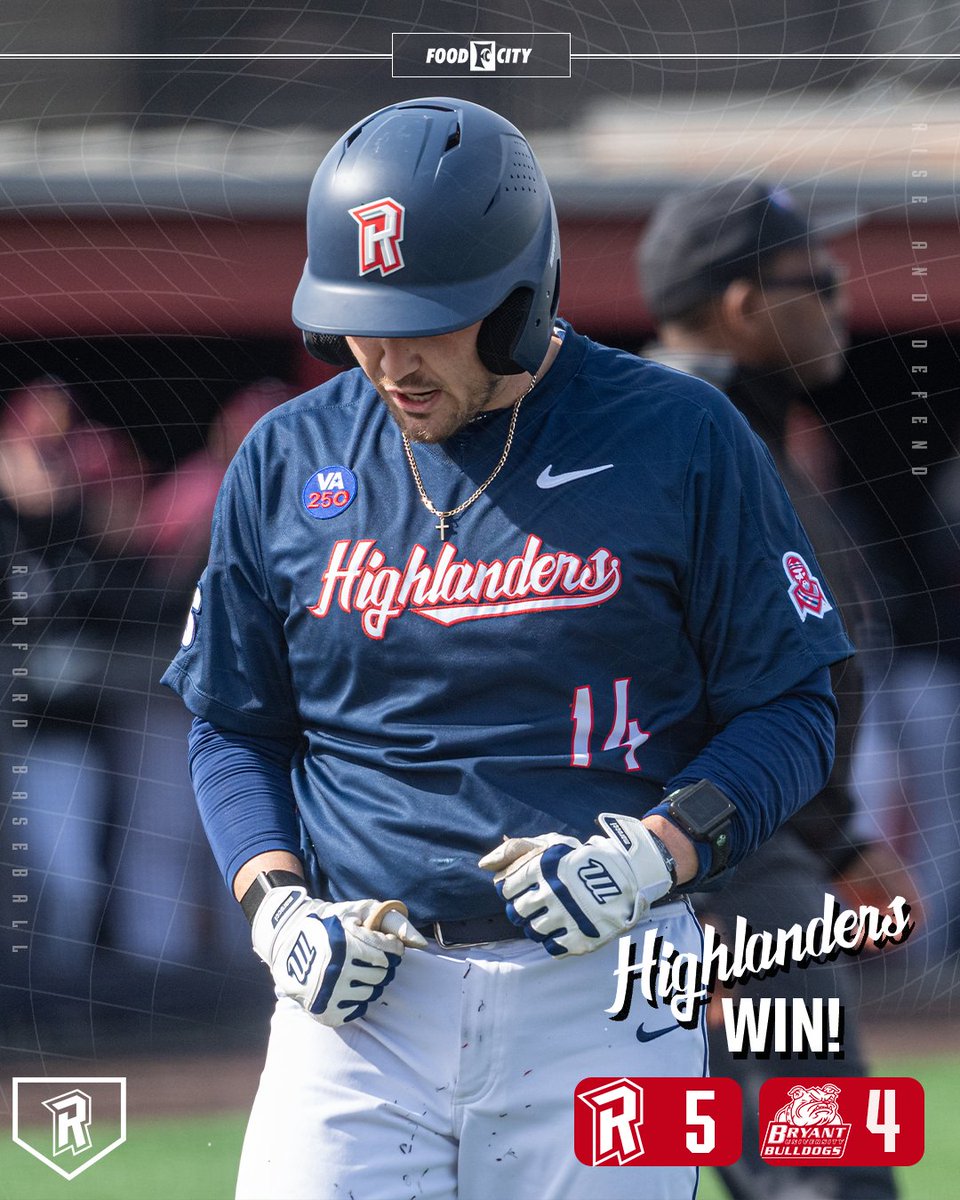
Brady Whitacre delivers the walk-off hit to win it for the Highlanders!
#RiseAndDefend x #RWay
2
19
1,310

Feb 15
her günü enerji ve neşeyle yaşa lljr
#DoktorBaşkaHayatta DoktorBaşkaHayatta
#SılaTürkoğlu SılaTürkoğlu
2
2
40





25 Dec 2025
Day 1: Gifts for OGs
If you played this year and have been here since 2023, we picked 50 of you at random.
ELYN…fc12
6v29…9h7b
GuxC…Y58C
BEnH…LLjr
CxSG…w48S
7ao3…QDN4
NKo8…5cuY
32mK…mCYB
AGB4…tXP4
H5rK…utkn
J79u…CDao
Hkdv…9FPD
3SR2…7Wpt
FvB6…1Bb5
CtQd…9Vof
H62m…5rVi
Hope…vXph
HLsv…WrB1
6HGH…7t8T
9Tg5…5xWo
5E5Y…poKS
4PFL…A2x7
AiS3…7r1i
HnrJ…h8kX
Eomo…Xbpu
AKCh…pAsA
244T…dmg8
Awut…dgfW
CkSj…3Mro
FvWa…giTv
FaUC…J4GG
ByY3…qwAR
Q3oA…Tfcr
3Ymc…2FfP
Bnyi…2kZh
Bcrp…McCz
Hvku…QMTy
D99f…Qwx4
AbBE…15mN
5KAw…mmED
9jfU…ENXL
DA8h…jYRq
CJ29…kHeS
3zzU…GnRr
APHf…xFZJ
4dZJ…e1S1
Eeqe…v6Dm
5Yaq…CXEZ
3WRp…RHN9
36G7…ebnt
Check your wallets or come in discord to claim!
24 Dec 2025

Santa's been watching.
Every flip, every crash, every 3 am session.
This Christmas we're giving back, thousands every day through Dec 30, starting right now.
$500 in replies
$500 in Discord
drop your wallet if you played in 2025
bookmark this thread for daily updates

39
20
68
11,369

23 Nov 2025
22 Nov 2025

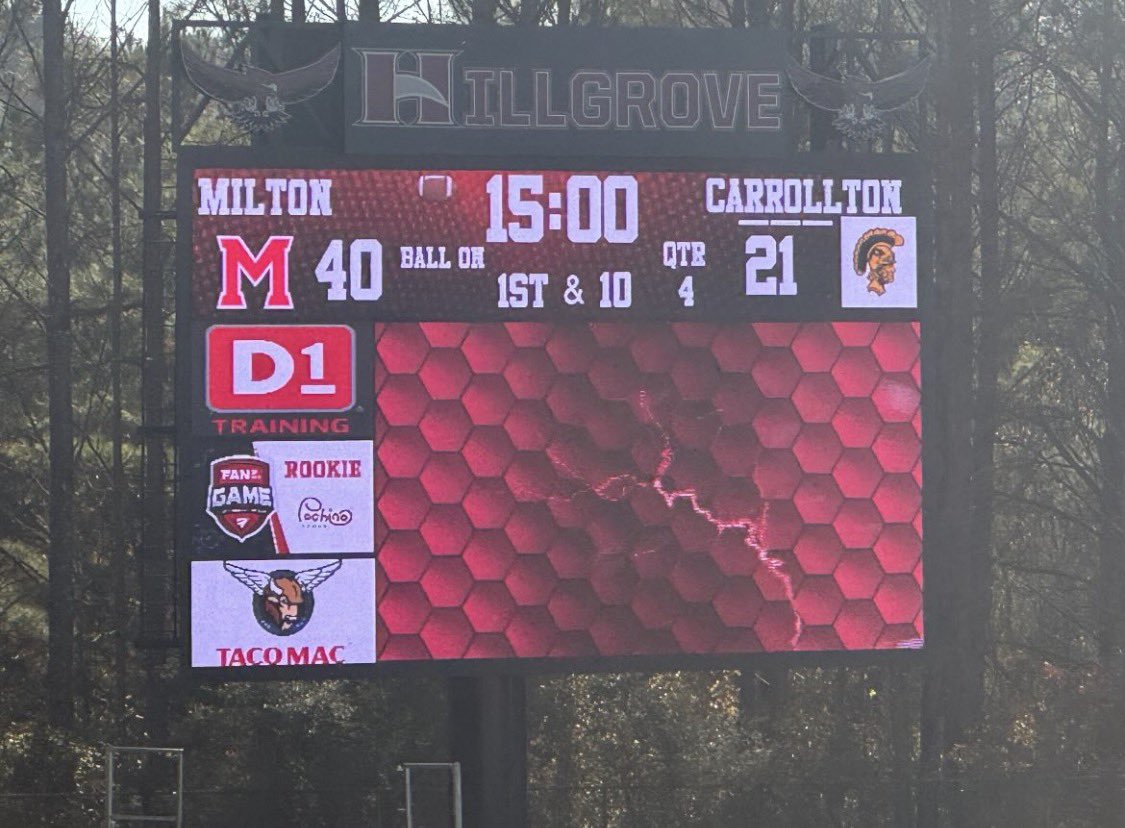
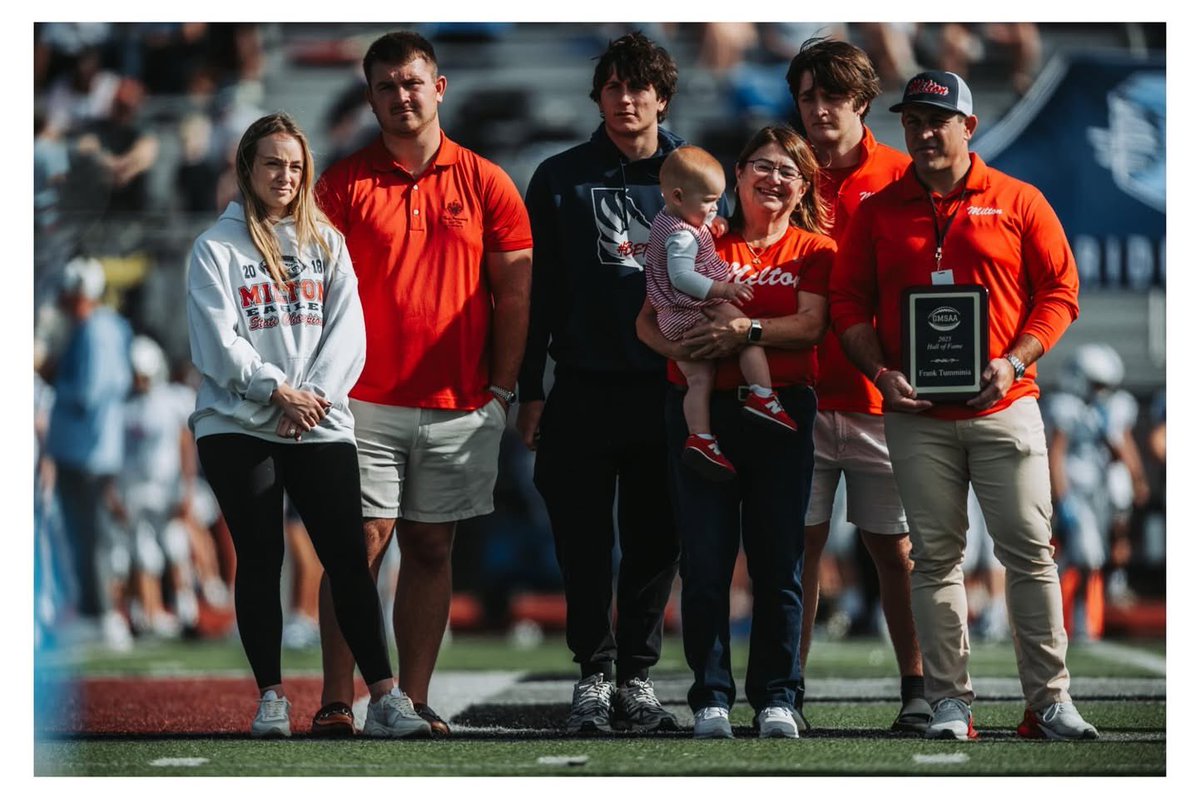
ʙɪɢ ᴄᴏɴɢʀᴀᴛᴜʟᴀᴛɪᴏɴs 🎉 ᴛᴏ ᴏᴜʀ 𝟾ᴛʜ ɢʀᴀᴅᴇ @MpireFeeder ᴏɴ ᴡɪɴɴɪɴɢ ᴛʜᴇ sᴛᴀᴛᴇ 🏆 ᴄʜᴀᴍᴘɪᴏɴsʜɪᴘ ɢᴀᴍᴇ (𝟸ɴᴅ ᴛɪᴍᴇ ɪɴ 𝟹 sᴇᴀsᴏɴs) & ғᴏʀ @FTumminia 👏 ᴏɴ ʙᴇɪɴɢ ɪɴᴅᴜᴄᴛᴇᴅ ɪɴᴛᴏ ᴛʜᴇ ɢᴍsᴀᴀ ʜᴀʟʟ ᴏғ ғᴀᴍᴇ‼️ #𝙏𝙝𝙚𝙎𝙩𝙖𝙣𝙙𝙖𝙧𝙙
#𝙈𝙥𝙞𝙧𝙚25 | #𝙏𝙝𝙚𝙈𝙫𝙨𝙏𝙝𝙚𝙢
4
5
15
3,704

17 Oct 2025

1
11
1,033




23 Sep 2025
Reste à y ajouter la LLJR maintenant.
Ca me fait penser aux calculs perturbatifs en physique (LO NLO NNLO ...)
4
93

6 Aug 2025
DOUBLE JEOPARDY:
THE LEGAL CONDITION OF MAZI NNAMDI KANU RIGHT NOW IN NIGERIAN LEGAL FRAMEWORK
By Barrister Ikechukwu Onuoha
In Nigerian law, the principle of double jeopardy is a constitutional safeguard rooted in **Section 36(9)** of the **1999 Constitution of the Federal Republic of Nigeria (as amended)**. It protects individuals from being tried or punished twice for the same criminal offense or for an offense with substantially the same ingredients, following a valid conviction or acquittal by a court or tribunal of competent jurisdiction. The principle derives from the common law maxim *non bis in idem* ("not twice against the same") and is designed to prevent state abuse, ensure finality in criminal proceedings, and protect individuals from repeated prosecution for the same act.
Key Provisions and Conditions
Section 36(9) states:
"No person who shows that he has been tried by any court of competent jurisdiction or tribunal for a criminal offence and either convicted or acquitted shall again be tried for that offence or for a criminal offence having the same ingredients as that offence save upon the order of a superior court."
For the double jeopardy defense to apply in Nigeria, the following conditions must be met, as established in cases like *Nigerian Army v. Brig. Gen. Maude Aminun-Kano* (2010) LLJR-SC:
Prior Trial by a Competent Court
The accused must have been previously tried by a court or tribunal with proper jurisdiction.
Same Facts and Offense
The facts and offense in the new trial must be identical or substantially similar to those in the earlier trial.
Valid Outcome
The prior trial must have resulted in a conviction, acquittal, or another form of final punishment or discharge.
The defense can be raised through pleas of **autrefois acquit** (previously acquitted) or **autrefois convict** (previously convicted), which bar further prosecution for the same offense
Jurisdictional Distinction
The defense applies only within the same jurisdiction. For instance, separate trials in different states for distinct offenses (e.g., armed robbery in Lagos and Ibadan) do not trigger double jeopardy
Application in Practice
Criminal Cases Only**: Double jeopardy applies exclusively to criminal proceedings, not civil cases, which are governed by the similar but distinct principle of *res judicata*.
Judicial Interpretation
In *Nigerian Army v. Aminun-Kano* (2010), the Supreme Court emphasized that punishing a person twice for the same offense violates Section 36(9) and (10), reinforcing the principle’s role in upholding fairness. However, the court in *PML (Nig) Ltd v. FRN* (2017) clarified that if a prior conviction is overturned (e.g., by the Supreme Court) without an acquittal, double jeopardy may not apply, as seen in the case of Orji Kalu, where retrial was permitted after a conviction was invalidated
Abuse by Authorities
Some sources note that agencies like the Economic and Financial Crimes Commission (EFCC) have been criticized for filing similar charges in different courts, attempting to circumvent double jeopardy. Such practices have been deemed unlawful when the charges are substantially the same.
International Context
While double jeopardy is not a universal principle of international law, Nigeria’s adherence aligns with global standards like Article 14(7) of the International Covenant on Civil and Political Rights, which prohibits retrial after a final conviction or acquittal. However, it does not apply across different sovereign jurisdictions unless specified in treaties (e.g., EU’s Schengen
Conclusion
The double jeopardy principle in Nigerian law, enshrined in Section 36(9) of the 1999 Constitution, is a critical safeguard for ensuring fairness and finality in criminal justice. It prevents repeated trials for the same offense, except under specific conditions like a superior court’s order or distinct charges. Its application extends to labour law but is limited to criminal proceedings.

2
2
291

31 Jul 2025
FYTB LLJR🖤


2
189


29 Apr 2025
LETS LEARN @iBattlePromo @ibattletv
5/31
Corduroy vs Iceolated
174 Shrewsbury St, Worcester MA
#EVERYLINE
#GAWDTAWK
#KOT5
#508
#TBL
#WOLFDEN
#HQB
#BGM
#LLJR
#NINOSTRONG
2
6
219

21 Apr 2025
20 Apr 2025

doubt this will get traction but
tweet like you're in final fantasy 16
1
2
294