
🇬🇧 MODUS OPERANDI 🇬🇧
🔥 💀 🔥 LONDON WILL FALL 🔥 💀 🔥
🇬🇧 BLOODY REVOLUTION 🇬🇧

ADMIN POST
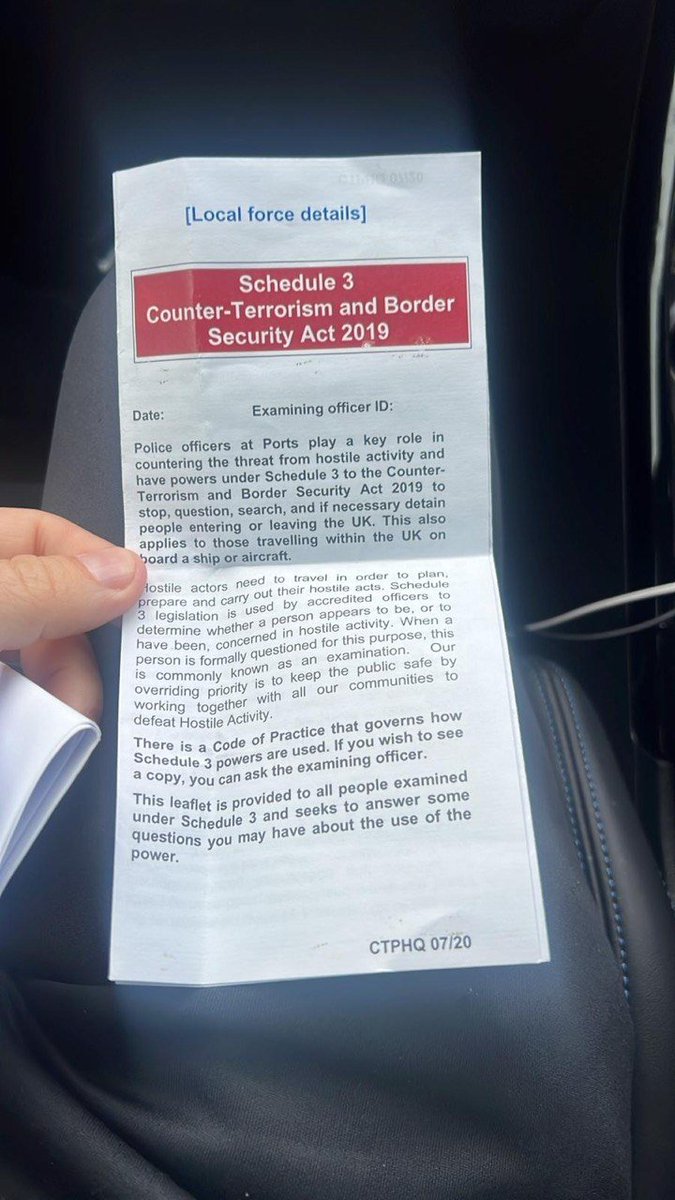
Whilst our borders are open, whilst terrorist are coming in, Sudanese migrants are coming in trying to hack peoples heads off and rape our women and daughters, Tommy has been detained under the Counter-Terrorism and Border Security Act 2019 and had his personal possessions seized in order for the UK government to get intelligence.
They likely want to see who he is talking to, and maybe find out who his sources are, sources who will expose politicians for their part in the rape of a generation of British girls.
This is an attack on free speech, this is an attack on investigative journalism, nothing more nothing less.
The Counter-Terrorism and Border Security Act 2019 is there to stop and investigate people who are travelling to plan, prepare and carry out hostile acts.
So the UK government must think he's actually a terrorist planning to hurt British people, OR they don't want to be exposed for the child raping facilitators they are.
What do you think?
Stan Dixon retweeted

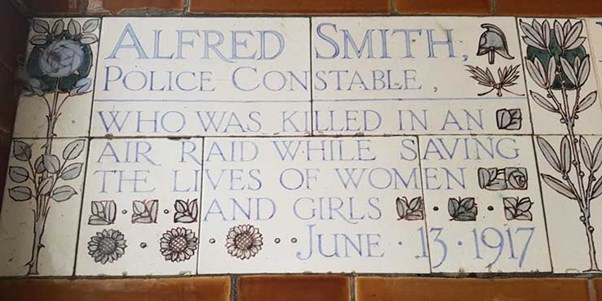
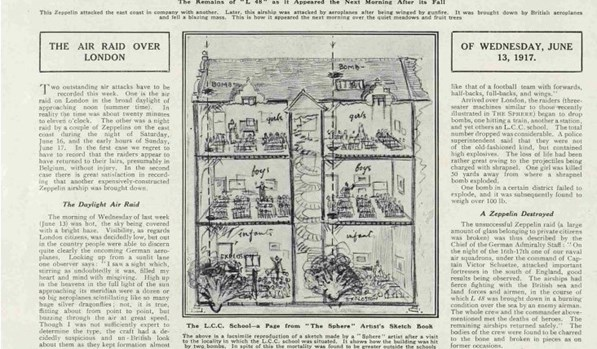
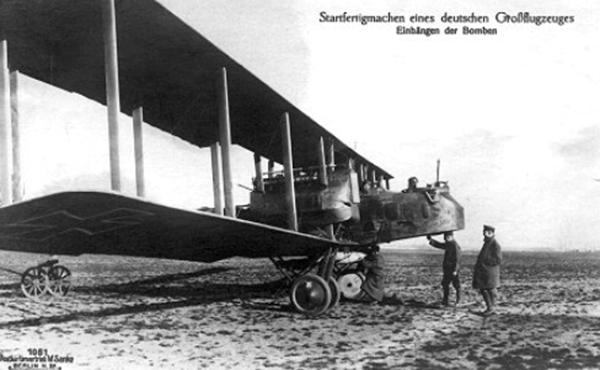
On June 13th, 1917: The deadliest German air raid on London during World War I.
A formation of German Gotha G.IV heavy bombers (part of Kagohl 3, the "England Squadron") carried out the first major daylight raid by aircraft on the British capital. Around 20 Gothas took off from bases in occupied Belgium; 14–18 reached the London area after some turned back due to mechanical issues. Flying at around 8,000–12,000 feet in clear daylight conditions, they faced minimal effective opposition from British air defences or fighters, which struggled to reach altitude in time.
Bombs began falling around 11:25–11:40 a.m., primarily high-explosive and shrapnel types, concentrated in the East End and near Liverpool Street Station in the City of London. Approximately 72 bombs fell in a tight area. The raid caused 162 civilian deaths and 432 injuries; the highest casualties from any single air raid on Britain in the entire war.
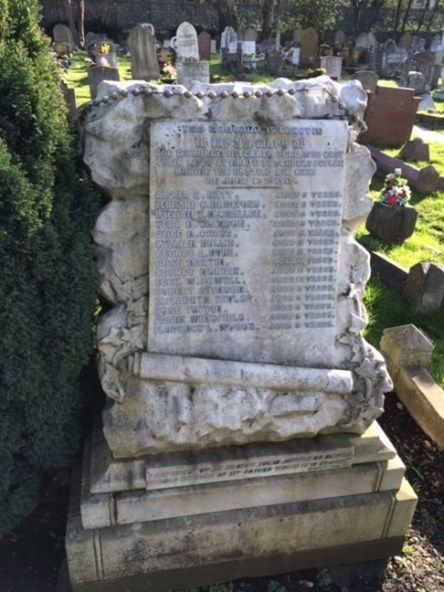
A particularly horrific incident occurred when a 50 kg bomb struck Upper North Street School in Poplar. It passed through upper floors (killing at least one older child) before detonating in the infants' classroom on the ground floor, where dozens of young children (mostly aged 4–6) were present. 18 children died (16 instantly or soon after, with two more later; most victims were 5–6 years old), and around 37 were seriously injured. This was the single deadliest incident of the raid.
This was not the first Gotha raid on Britain (an earlier one targeted Folkestone on May 25th), but it was the first major one on London itself. It highlighted the vulnerability of cities to strategic bombing and led to public outrage, improved air defences, and later raids.
The raid underscored the shift from Zeppelin to heavier-than-air bomber warfare and the emerging reality of total war on civilian populations. A memorial to the 18 schoolchildren was later unveiled in Poplar Recreation Ground.
2
9
17
330


I’ve got 3x SUMMER WITH SIKA: ROUTE 2 CROATIA tickets
HERE at Outernet
Sun, Jun 28th at 4:00 PM
London. Hmu if looking #Ticketforsale
inga herman retweeted

Hundreds of activists gathered outside the Israeli embassy in London on Saturday as part of the international Red Ribbons Campaign, demanding the release of Palestinians held in Israeli prisons and condemning Israel's genocide in Gaza.
Demonstrators also called for the immediate release of Palestinian doctor Hussam Abu Safiya, who has spent six months in solitary confinement following his kidnapping from Gaza by Israeli forces.
3
91
127
2,435
angel 123 retweeted

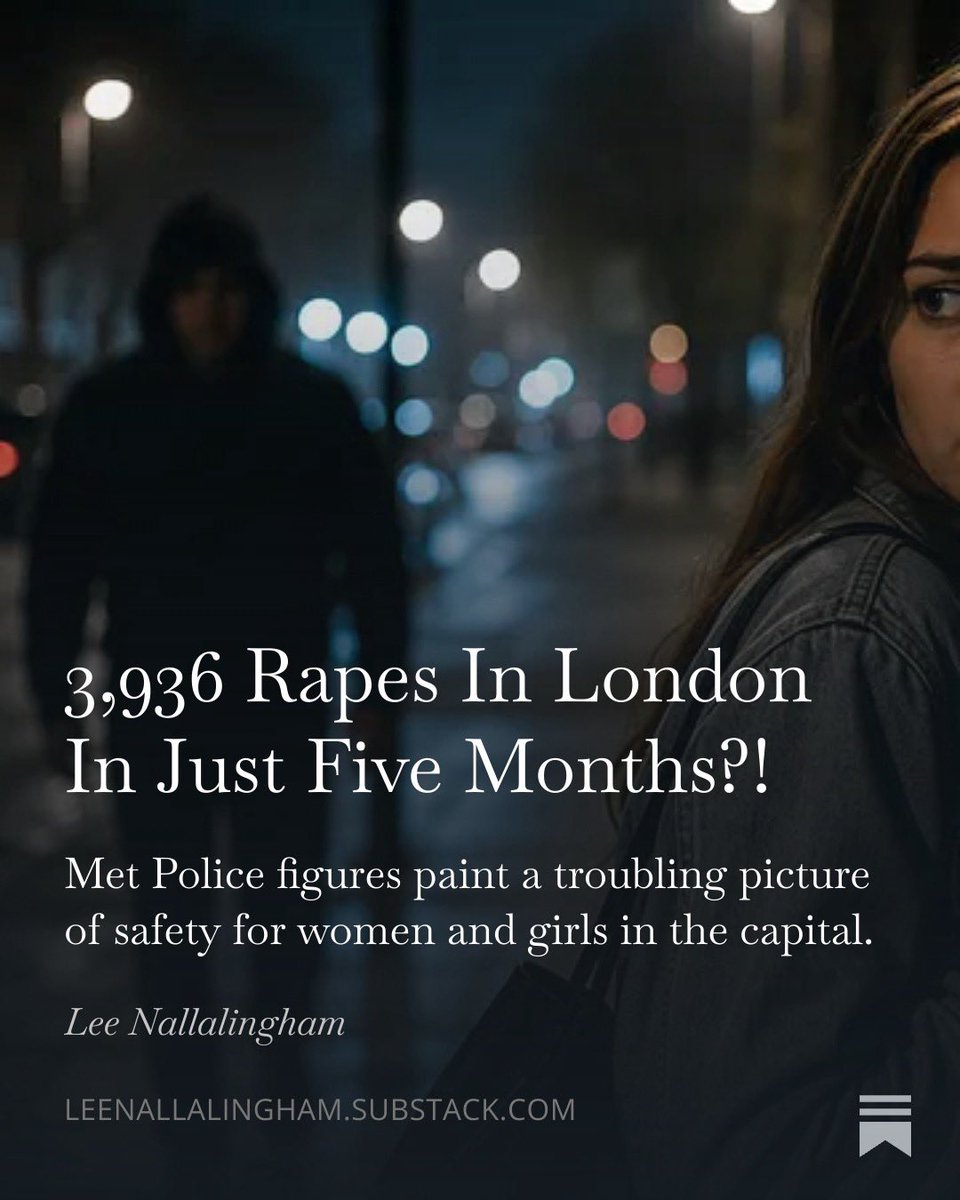
🚨 Sadiq Khan says London is safer than ever.
But are women and girls actually safer?
I’ve broken down the latest Met Police figures for every borough in London.
Read and subscribe here:
open.substack.com/pub/leenal…
2
4
81
Sandra Meier retweeted

Soli London Dry Gin – Mediterraner Genuss aus Zypern!
Ein Gin für alle, die das Besondere lieben!
Entdecke den Geschmack Zyperns in seiner schönsten Form!
Jetzt im Shop erhältlich. exclusive-food.com/c0he8k

2
1
3

The show me a slum in london as decrepit and destitute as those slums in Jackson.
1

London news: ભારતીય યુવકની જાહેરમાં હત્યાથી ચકચાર, 7 લોકોની અટકાયત, cctvની તપાસ
#LondonCrime #IndianDiaspora #SouthallStabbing #CrimeNews #GurbhejSingh #UKPolice #LondonNews
tv13gujarati.com/news/london…
1
mechazilla.eth retweeted

London UK , Disabled man dressed as Charlie Chaplin in the Great Dictator arrested, removed from his wheelchair and taken away in a van.
He has a Palestinian Version of Gernika, a Basque town, was bombed in 1937 like Gaza by the Spanish and German Nazis.
16
200
470
5,574

Looks like a meat mincer to me. I'm sure my lovely late Mum used to have one for making shepherd's pies when we lived in London. #happydays

Biddie Paterson retweeted

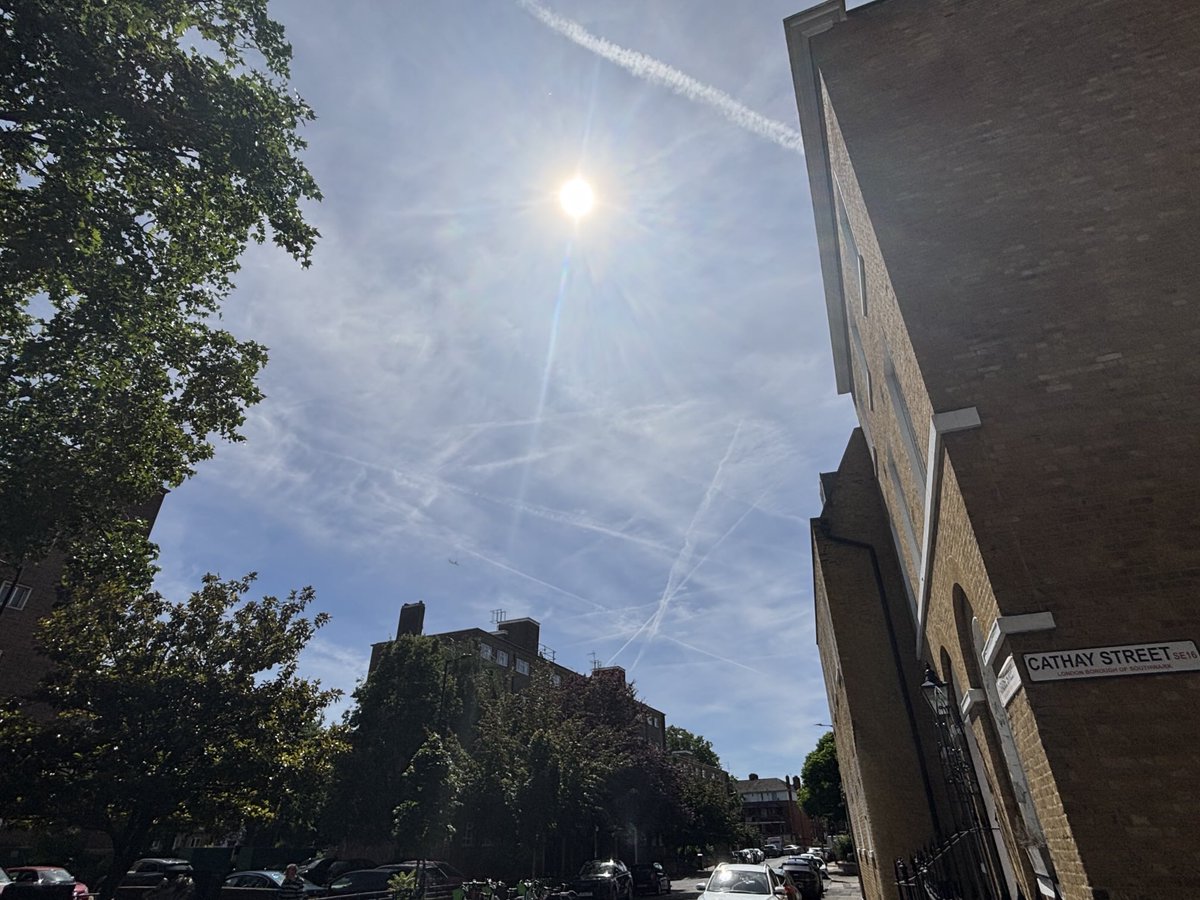
Government fumigation in London today, pure evil.
3
14
44
296
Harry retweeted

It's disgraceful that a ‘Great Israeli Real Estate’ event is planned to take place in London this weekend, involving the sale of land stolen from Palestinians.
Write to your MP to demand they join the growing number calling for the event to be cancelled: palestinecampaign.eaction.or…

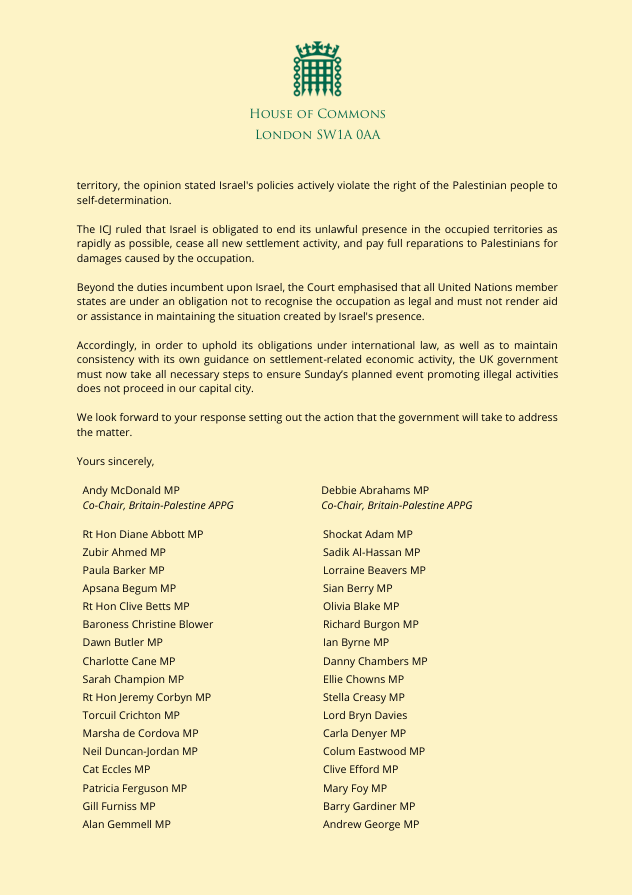
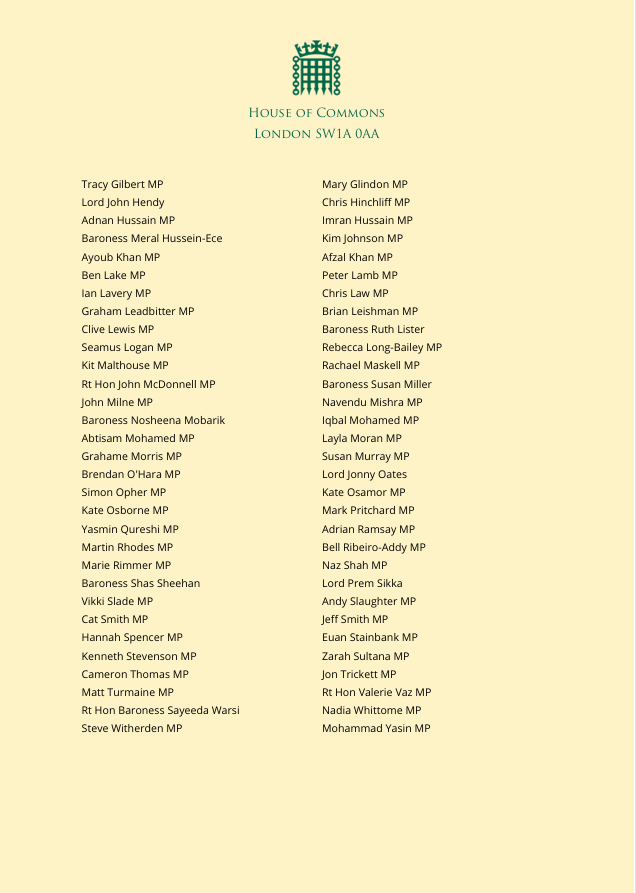
Almost 100 MPs and Peers are urging Ministers to prevent the 'Great Israeli Real Estate Event' taking place in London this weekend.
The govt has an opportunity to uphold obligations under international law and take action against Israel’s illegal occupation of Palestine.
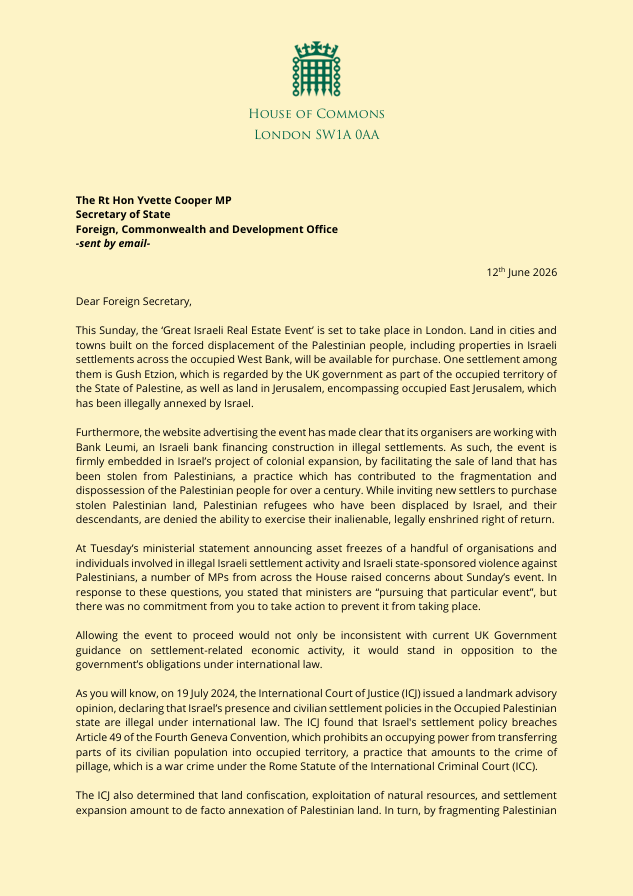
ALT Screengrab 1 of letter by MPs and Peers to Foreign Secretary Yvette Cooper regarding Great Israeli Real Estate Event in London.
10
139
173
4,984
𝑀𝒶𝓉𝓏 ¯\_(ツ)_/¯ 𝒞𝑜𝒽𝑒𝓃 retweeted

Jun 12
They stab and murder British Jews
Some British Jews then want to leave
An event is held in London to help them move to Israel.
Activists are now protesting that event.
They do not want Jews to live here.
They do not want Jews to live in Israel.
We know exactly what they are.
128
692
3,126
28,903
Adina Petrescu retweeted

17h
London — Muslim public workers paid by taxpayers for @harrow_council make violent threats to severely injure a man. They turn off their body cameras as they make the threats & say they can leverage their relationship with @metpoliceuk to injure him.
 Concerned Citizen
891
5,599
17,493
315,140

24s
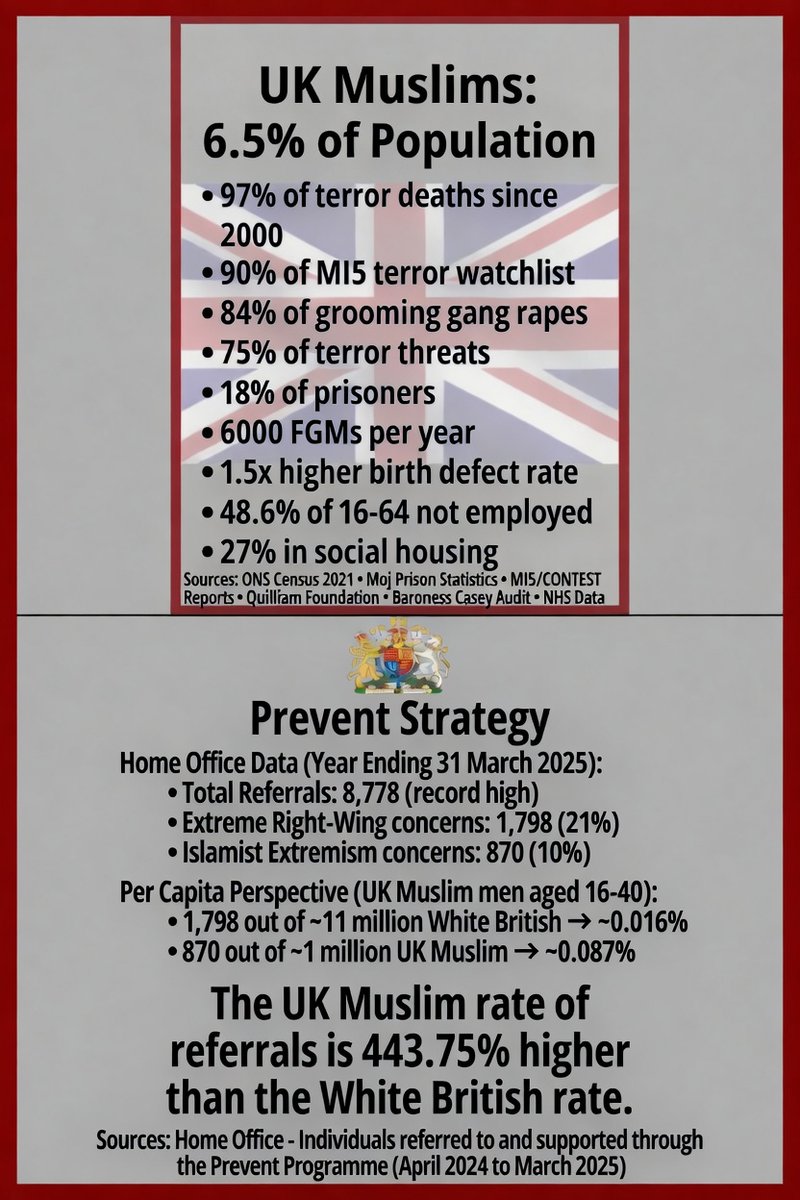
London and other cities have been infiltrated by the Muslim Brotherhood and other Islamic networks. This is how they operate, through fear and provocation to make outsiders feel unwelcome.
They were never going to integrate.
They are here to take over.
Statistics do not lie.
1
I am selling 3x SUMMER WITH SIKA: ROUTE 2 CROATIA tickets
HERE at Outernet
Sun, Jun 28 at 4:00 PM
London. Hmu if looking #Ticketforsale

RT @MayorofLondon: I condemn any attempt to sell property in the settlements in the West Bank, be that in London or anywhere else in the wo…
3,659

Not correct. I certainly watched the Bulgaria Italy match live at the time ( from London). Bulgaria were excellent that tournament but Baggio had the better of them that night.
1