
Jun 10
Breaking: Google's Gemini 3.5 Live Translate is revolutionizing language barriers with REAL-TIME speech-to-speech audio in 70 languages! Say goodbye to laggy translations and hello to seamless global communication! #TechForGood #LanguageRevolution
marktechpost.com/2026/06/09/…
9

A huge win for India's linguistic heritage! 🇮🇳 By classifying English as a foreign language and making two Indian languages mandatory, CBSE is reclaiming our roots. It’s time our children are as fluent in their mother tongues as they are in global languages. #NariShakti #LanguageRevolution #NEP2020
13
5
25
6,009

21 Jul 2025
Beast Mode on 😂
Conflict over Marathi language 😐😐😐 #LanguageRevolution #marathilanguage #Conflict #Fights #MaharashtraNews
2
2
7
565

🔥 Uncover the magic of linguistic diversity in English education with Ng Chi Wui's captivating blog post! Let's challenge traditional views of 'native speakers' and empower students for a global future! 📚🌐 #LanguageRevolution #EmpowerStudents
scape.edu.hku.hk/native-spea…
1
1
3
393

27 Mar 2025
Embracing AI can be a game-changer, but let's not forget the power of learning and human connection. As the world shifts, let's ensure we're using tech to enhance, not replace, our communication. 🌟 What are your thoughts on AI in language learning? #AI #LanguageRevolution
2
7

15 Feb 2025
𝗜𝘀 𝘁𝗵𝗲 𝗔𝗿𝗮𝗯 𝘄𝗼𝗿𝗹𝗱 𝘀𝘁𝘂𝗰𝗸 𝗶𝗻 𝗮 𝗹𝗶𝗻𝗴𝘂𝗶𝘀𝘁𝗶𝗰 𝘀𝗹𝘂𝗺𝗯𝗲𝗿? In 'Classical Arabic and the Hibernation of the Arab Mind,' Walid Khalil awakens a bold conversation about how reviving everyday spoken languages could unleash a new era of innovation and progress.
𝗕𝗼𝗼𝗸 𝗥𝗲𝘃𝗶𝗲𝘄:
Making the compelling case for revolutionizing language practices across the Arab world, Classical Arabic and the Hibernation of the Arab Mind by Walid Khalil is a well-argued proposal for a necessary paradigm shift. Drawing on history, philosophy, linguistics, and raw logic, the author outlines the increasing limitations of Classical Arabic, and argues that adopting written forms of everyday spoken languages would propel the Arab world into a modern renaissance. With the aim of greater sophistication, nuance, and competitiveness that such practices would bring, while also acknowledging key cultural traditions surrounding language, this is a measured and thought-provoking plea for progress." 𝗦𝗲𝗹𝗳-𝗣𝘂𝗯𝗹𝗶𝘀𝗵𝗶𝗻𝗴 𝗿𝗲𝘃𝗶𝗲𝘄, ★★★★𝟭⁄𝟮
𝗦𝘆𝗻𝗼𝗽𝘀𝗶𝘀:
In Classical Arabic and the Hibernation of the Arab Mind, Walid Khalil embarks on a provocative exploration of the Arab world’s linguistic landscape, arguing that the continued reliance on Classical Arabic—a language no longer spoken natively—has stunted intellectual and socio-economic progress across the region. Drawing from history, linguistics, and sociology, Khalil connects the stagnation of Arab societies to the disconnect between the spoken dialects of daily life and the ancient, formal language used in education, literature, and governance.
The book highlights how modern, script-native societies—where the language of daily communication is also the language of education and intellectual discourse—have thrived, fostering innovation, creativity, and cohesive national identities. By contrast, Khalil explains how the Arab world’s fragmented linguistic reality hampers self-expression, social connectivity, and collective action, leaving its people unable to fully participate in modernity.
Through compelling historical parallels, such as the transition from Latin to vernacular languages in Europe, Khalil proposes a bold solution: developing grammars and written systems for spoken Arabic dialects. This, he argues, would bridge the gap between language and thought, empowering Arabs to write, create, and innovate in their native tongues while preserving their cultural identity.
Khalil’s vision is not merely to critique but to spark a renaissance in Arab societies, where freedom of language leads to freedom of thought and, ultimately, to freedom itself. This work invites readers to rethink the relationship between language, identity, and societal evolution, making a compelling case for linguistic reform as a path to progress.
𝗔𝘃𝗮𝗶𝗹𝗮𝗯𝗹𝗲 𝗼𝗻 𝗔𝗺𝗮𝘇𝗼𝗻 𝗞𝗶𝗻𝗱𝗹𝗲: a.co/d/18yZXMV
#LanguageRevolution #MiddleEasternStudies #LinguisticReform #ModernLanguages
2
2
112

5 Feb 2025
🚨 SNEAK PEEK ALERT! 🚨
A new season. A bold beginning. 🎙️✨
Season 3 kicks off with an episode that will challenge EVERYTHING you thought you knew about language learning. Are you ready to break the rules and rethink the process? 🔥
Stay tuned—Episode 81 drops soon! 🎧 #LanguageRevolution #PodcastSeason3 #StayTuned #LanguagesPedagogyPodcast #BroadClub #TEACHers

2
2,378

21 Jan 2025
Experience the Maha Kumbh like never before!
With Bhashini, language is no longer a barrier. Access information and immerse yourself in the grandest religious gathering in your own language!
#Bhashini #MahaKumbh #LanguageRevolution
1
11
22
2,005

21 Jan 2025
Experience the Maha Kumbh like never before!
With Bhashini, language is no longer a barrier. Access information and immerse yourself in the grandest religious gathering in your own language!
#Bhashini #MahaKumbh #LanguageRevolution
1
1
80

21 Jan 2025
महाकुंभ का अनुभव अब और भी अनोखा!
भाषिणी की मदद से भाषा अब कोई बाधा नहीं। अपनी मातृभाषा में जानकारी और अनुभव करें सबसे बड़ा धार्मिक आयोजन!
Experience the Maha Kumbh like never before!
With Bhashini, language is no longer a barrier. Access information and immerse yourself in the grandest religious gathering in your own language!
#Bhashini #MahaKumbh #LanguageRevolution
@GoI_MeitY @MIB_India @uptourismgov @UPGovt @MahaKumbh_2025 @AshwiniVaishnaw @PIB_India @airnewsalerts @DDNewslive
1
2
11
1,846

7 Jan 2025
🚀 Thrilled to share that Agent 2025 is breaking language barriers! With AI solutions in 50 languages, we're revolutionizing global communication. Join us in shaping the future of AI! 🌍 #Innovation #LanguageRevolution #AI #GlobalCommunication
1
2
9
352

21 Dec 2024
The Slavs, originally from Eastern Europe, were highly influential in medieval times. They developed the Cyrillic alphabet to support Slavic languages, credited to Saints Cyril and Methodius in the 9th century. #SlavicHeritage #LanguageRevolution #DidYouKnow

1
2
7

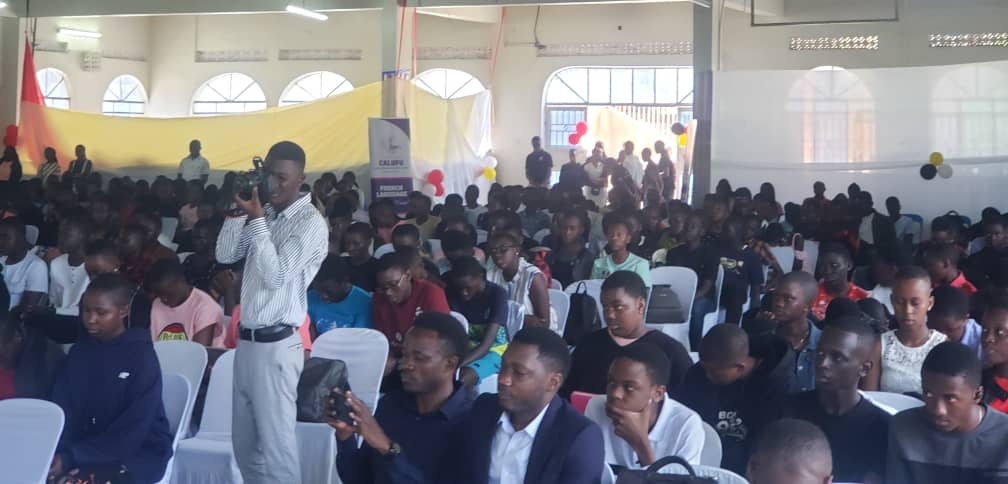
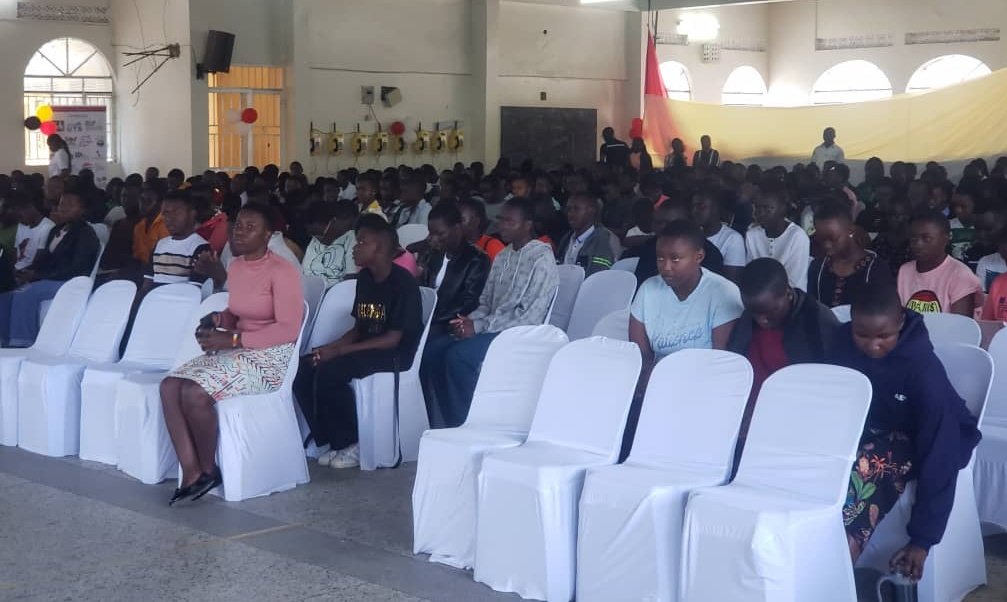
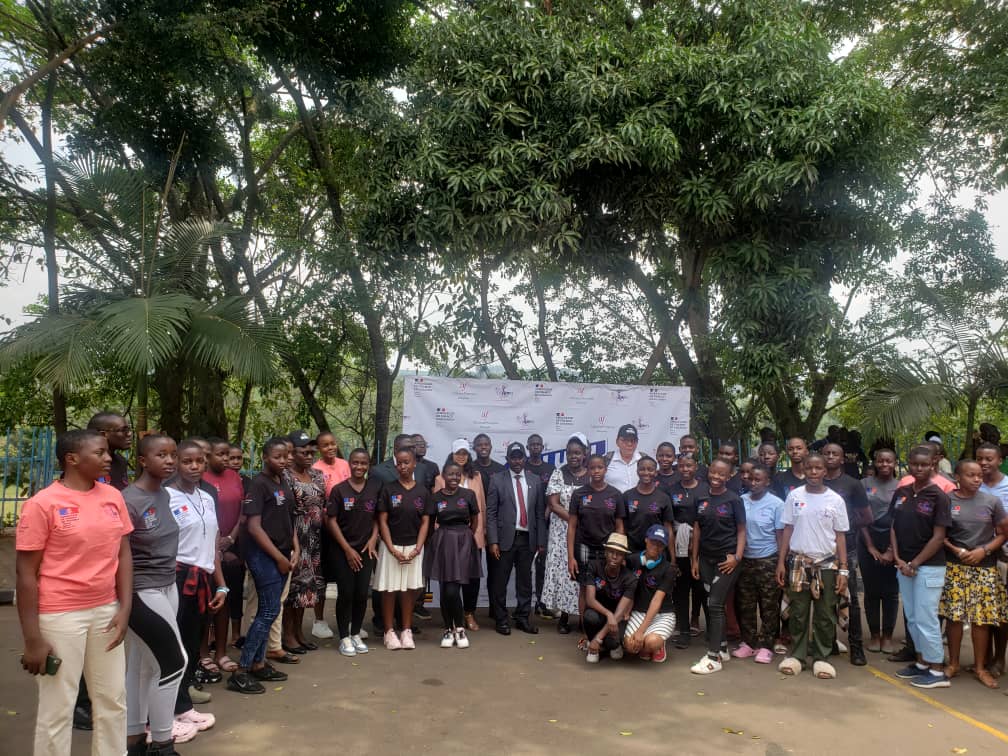
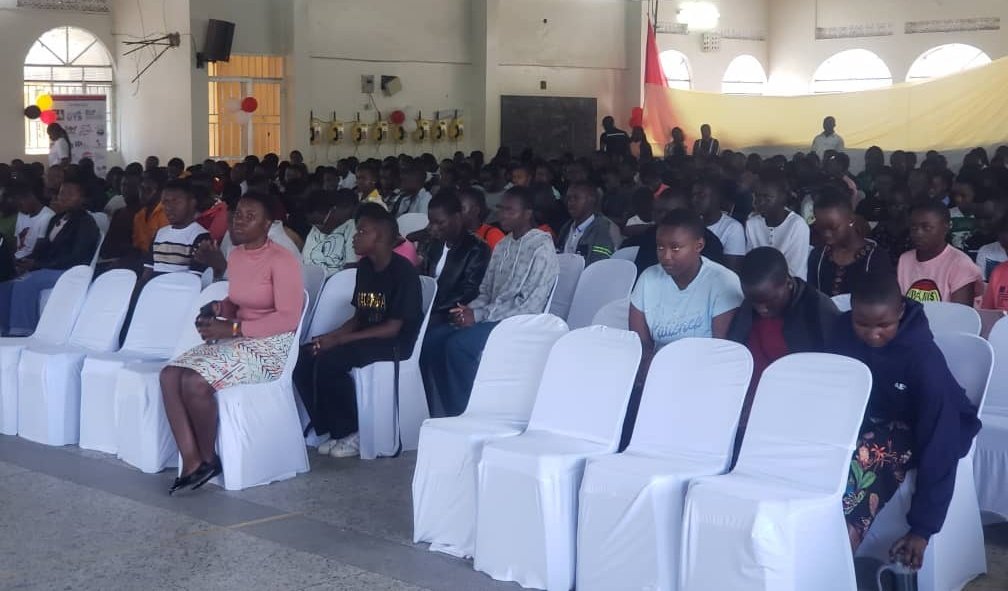
Jogging, interviews, testimonies—today’s activities perfectly captured the spirit of CALUFU! 🏅🎙️ We’re more than just a camp; here to reimagine how language education is done in Uganda. And this is just the beginning! 🌟 #CALUFU2024 #LanguageRevolution
2
8
108
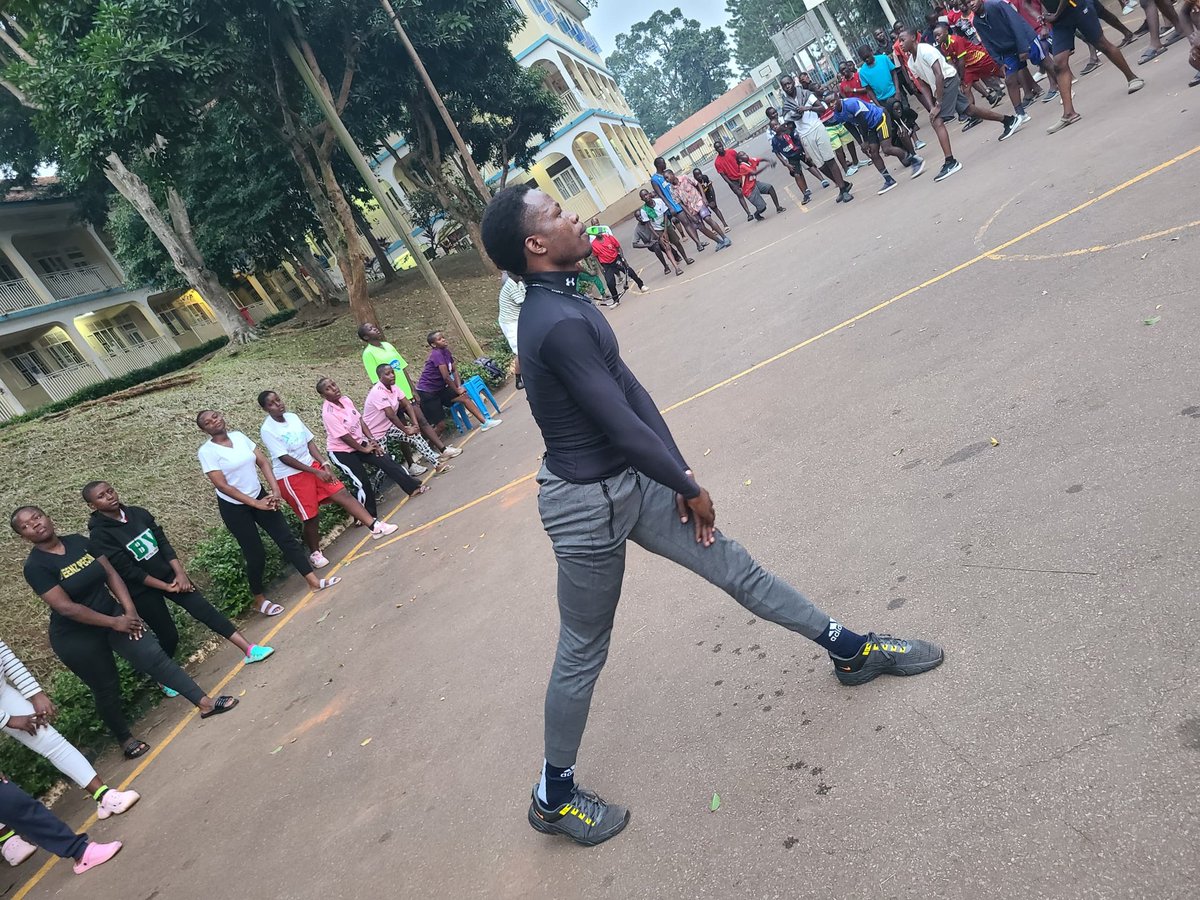
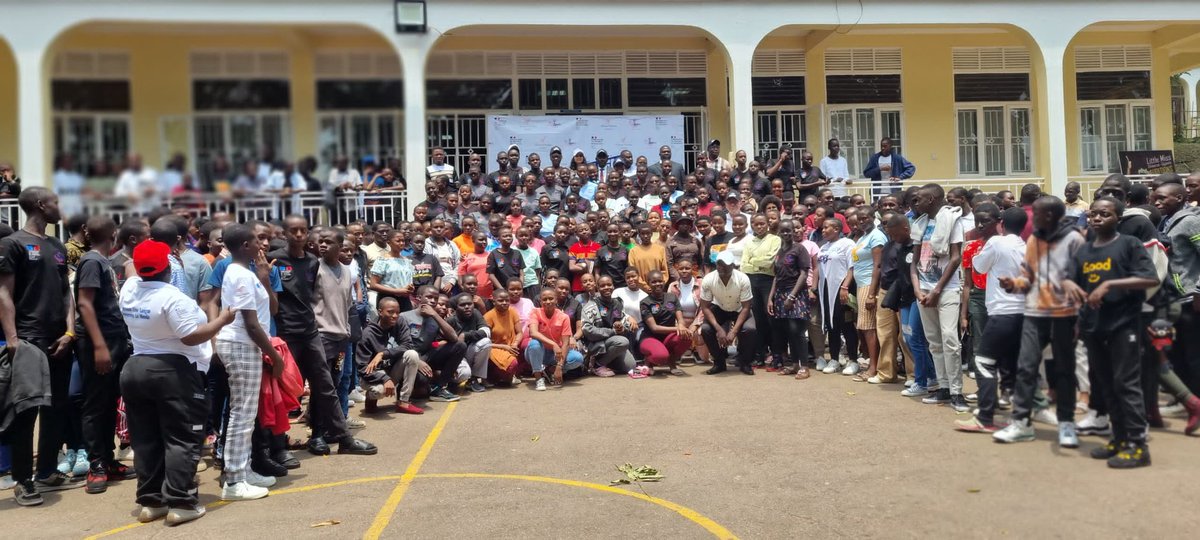
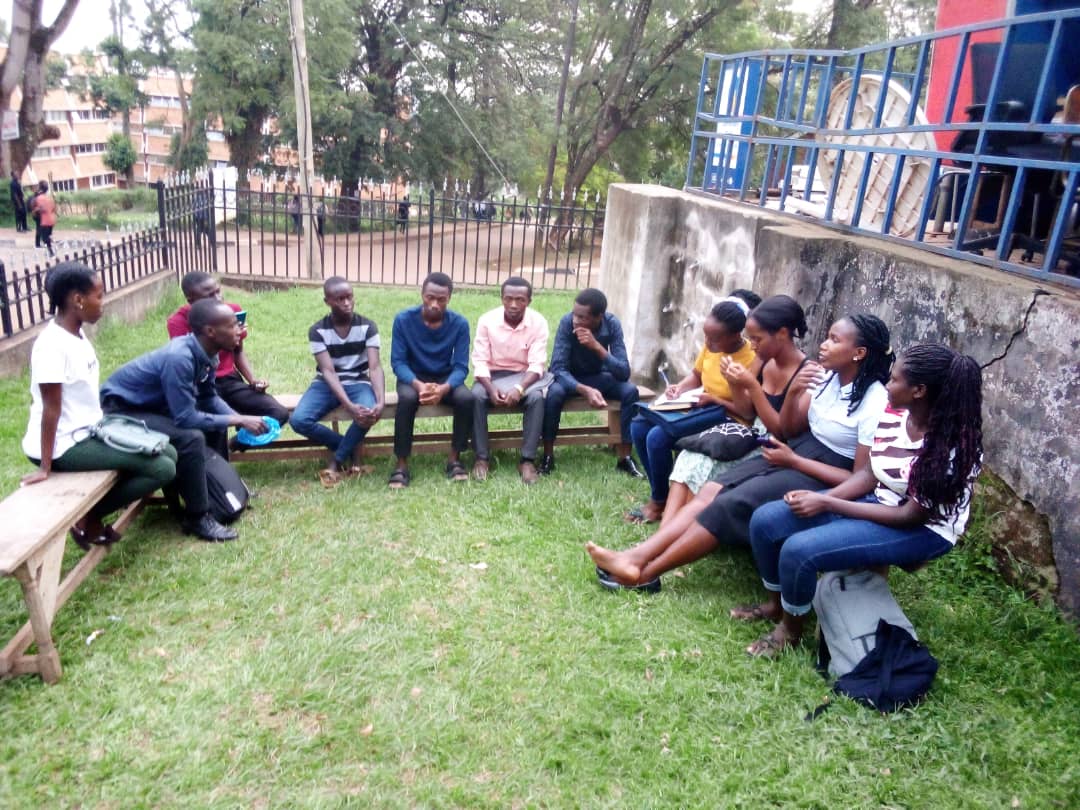
Jogging, interviews, testimonies—today’s activities perfectly captured the spirit of CALUFU! 🏅🎙️ We’re more than just a camp; here to reimagine how language education is done in Uganda. And this is just the beginning! 🌟 #CALUFU2024 #LanguageRevolution
6
118

16 Jul 2024
Break the Language Barrier: The Perfect Tool for Instant Translation
#LanguageTranslation #CommunicationTool #InstantTranslation #LanguageBarrier #EducationTechnology #SchoolsOfTheFuture #LanguageLearning #BreakingBarriers #LanguageRevolution #TranslationTool
1
3
191

22 Jun 2024
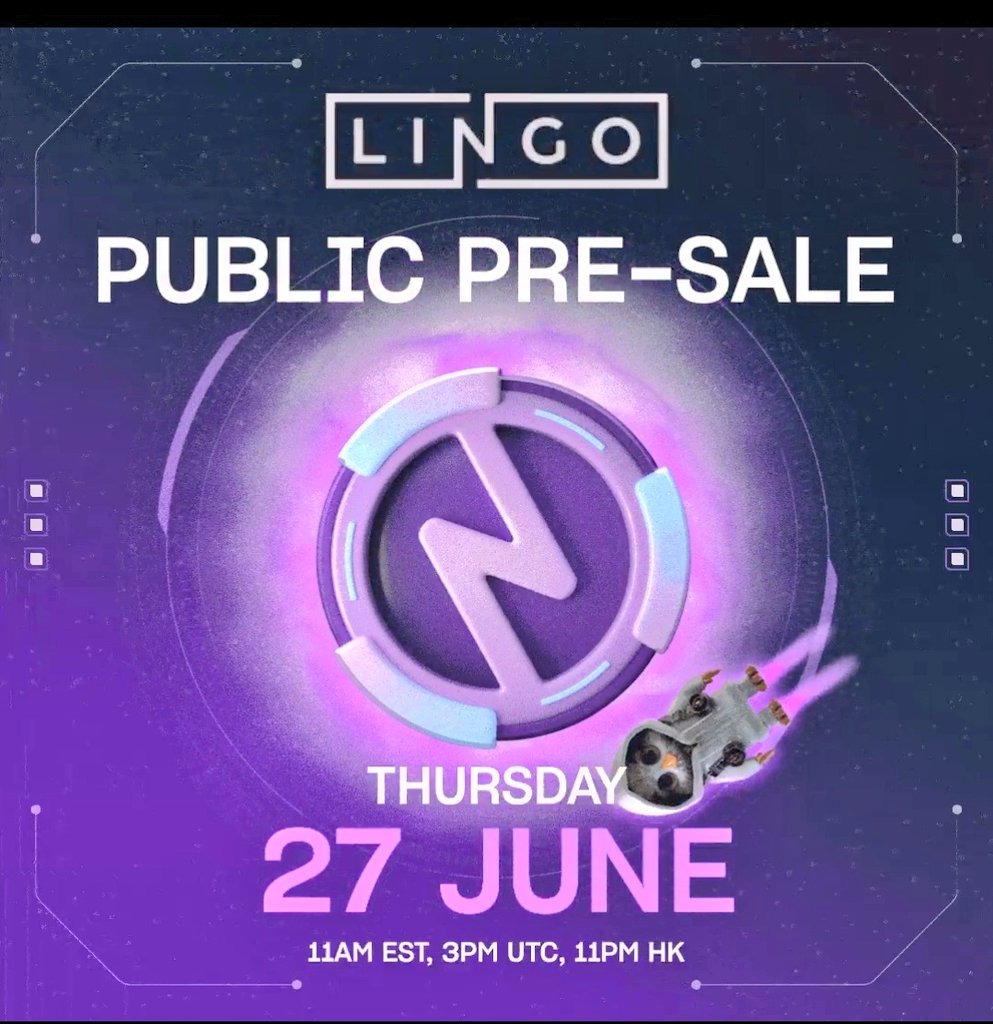
🗣️ Hey there! Are you ready to dive into the world of @Lingocoins? Let me give you a sneak peek of what's in store for the upcoming public presale🌟
$LINGO
#LingoPreSale #LanguageRevolution #BreakingBarriers
#lingopresale
18
22
25
379

18 Jun 2024
6. RNNs, LSTMs, and GRUs are revolutionizing how AI interacts with language. They power features like chatbots (having conversations with AI assistants) and machine translation (breaking down language barriers). #AIforGood #LanguageRevolution #DeepLearning #DataScience
1
2
21

5 Jun 2024
🚀Calling all crypto enthusiasts!
Get ready to embark on an exciting journey with #Lingo's groundbreaking airdrop
With #Lingo,This isn't just about making money – it's about making a difference. 💪this airdrop is for you! #Airdrop #Crypto #LanguageRevolution
@Lingocoins @rawat_hm
1
1
2
27

29 May 2024
Currently Farming $LINGO airdrop! Who Else Is On This? Comment Below If You Are Farming Lingocoin too!
@Lingocoins
#LingoAirdrop #Crypto #Blockchain #LanguageRevolution #FreeTokens #GlobalCommunity
9
7
8
91

11 May 2024
😎LangChain v0.2は、進化し続ける超革新的な言語学習ツールです!最高の自習体験 #LanguageRevolution 🚀🎉 note.com/npaka/n/na9e629ebbd… #npaka
2
111