
Data centers and other large loads are reshaping electricity demand—but the key question isn’t whether the grid can serve them. It’s how intelligently they’re integrated.
EPRI's Headroom Framework will be helping to determine how flexible data centers can help unlock capacity using existing infrastructure, without compromising reliability or affordability. The benefits are many:
✅ For power systems: better use of existing assets and stronger reliability under fast‑changing conditions
✅ For data centers: faster interconnections and clearer pathways to power
✅ For electric customers: lower costs, avoided system overbuilding, and a more resilient and affordable grid
The Headroom Framework applies to more than just data centers. It's also applicable to other large loads, like electric vehicle charging or manufacturing. The steps are designed with the electric industry system planner in mind, allowing results to be used for real-world decision support.
Link to video: youtu.be/y8ARRuMECtA
#AI #DataCenters #DCFlex #capacityheadroom #largeloads
1
1
269

Jun 6
Me on instagram vs X
#dickgamestrong #facecardvalid #largeloads #pittsburgh #texas #california #florida #atlanta #freaksaroundtheworld
4
149

May 15
Inverter-Based Resources (IBRs) vs Inverter-Based Loads (IBLs): The Next Major Challenge for the Power Grid
For years, the power industry has focused heavily on Inverter-Based Resources (IBRs) such as solar PV, wind plants, battery energy storage systems (BESS), and developing intelligent inverter control. These systems inject power into the grid through power electronic converters and have fundamentally changed transmission planning, stability analysis, interconnection requirements, and reliability standards.
However, a second transformation is now emerging on the load side of the grid particularly driven by the emergence of AI (ChatGPT, Claude and Co); Inverter-Based Loads (IBLs). IBLs include:
• Hyperscale AI data centers
• Electrified industrial processes
• Converter-dominated industrial loads
• Cryptocurrency mining facilities
Unlike traditional passive loads, inverter-based loads are governed by fast power electronic controls and highly dynamic converter behavior. This changes the traditional assumptions of power system behavior. Historically, loads naturally reduced power consumption as voltage declined. Many inverter-based loads, however, behave approximately as constant power loads.
Mathematically: P = VI
If voltage decreases, the load attempts to draw more current to maintain constant power demand. This can further depress voltage and contribute to instability issues.
The result can include:
• Weak-grid oscillations
• PLL instability
• Voltage instability
• Harmonic amplification
• Fast transient interactions
• Converter-driven resonance
• EMT-sensitive behavior
Right now, emerging reliability standards such as PRC-028, PRC-029, along with established standards like IEEE 2800 and 1547 are accelerating the industry’s transition toward more detailed disturbance-performance assessment, model validation, and inverter-focused reliability analysis.
The future power system will no longer be defined primarily by rotating machine physics.
It will increasingly be defined by:
• Converter controls
• Control interactions and coordination
• EMT interactions
• Weak-grid dynamics
The industry spent the last decade learning how IBR affects the grid.
The next decade may be defined by understanding how IBLs interact with IBRs inside converter-dominated power systems.
#powersystem #invertercontrols #LargeLoads
2
2
68

May 13
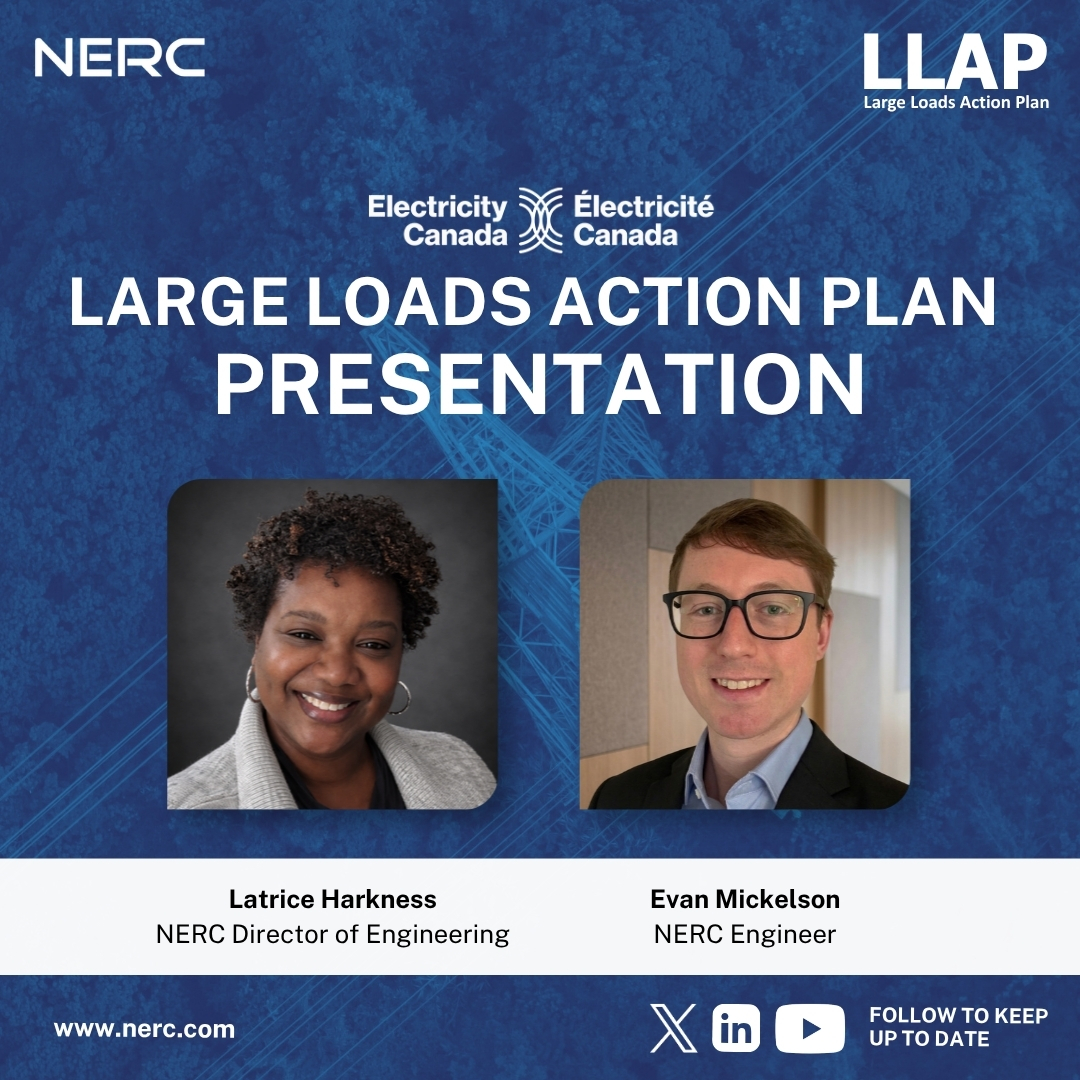
Latrice Harkness, NERC Director of Engineering, and Evan Mickelson, NERC Engineer, will present an update on the Large Loads Action Plan to our Canadian partners, @Electricity_CA, on May 14.
#LargeLoads #Partnership #Canada
1
2
153

In Episode 4 of Tom Talks, “Growth Should Pay for Growth: #LargeLoads & #Affordability,” LPPC President @EnergyFalcone explains why rate pressure driven by large load growth is inevitable when new infrastructure must be built to serve large retail customers.
“Growth should pay for growth,” said Falcone. LPPC members are committed to the homes and businesses they serve. They are advancing fair cost allocation, long-term financial commitments, and private use reform so #publicpower utilities can implement rate designs that protect existing customers, mitigate risk, and support affordability.
Thank you to the White House Chronicle and @LlewellynKing2 for having Tom on the show.
Watch the full episode here: vimeo.com/1188085945
Or tune in on @PBS on Monday evenings.
1
2
77
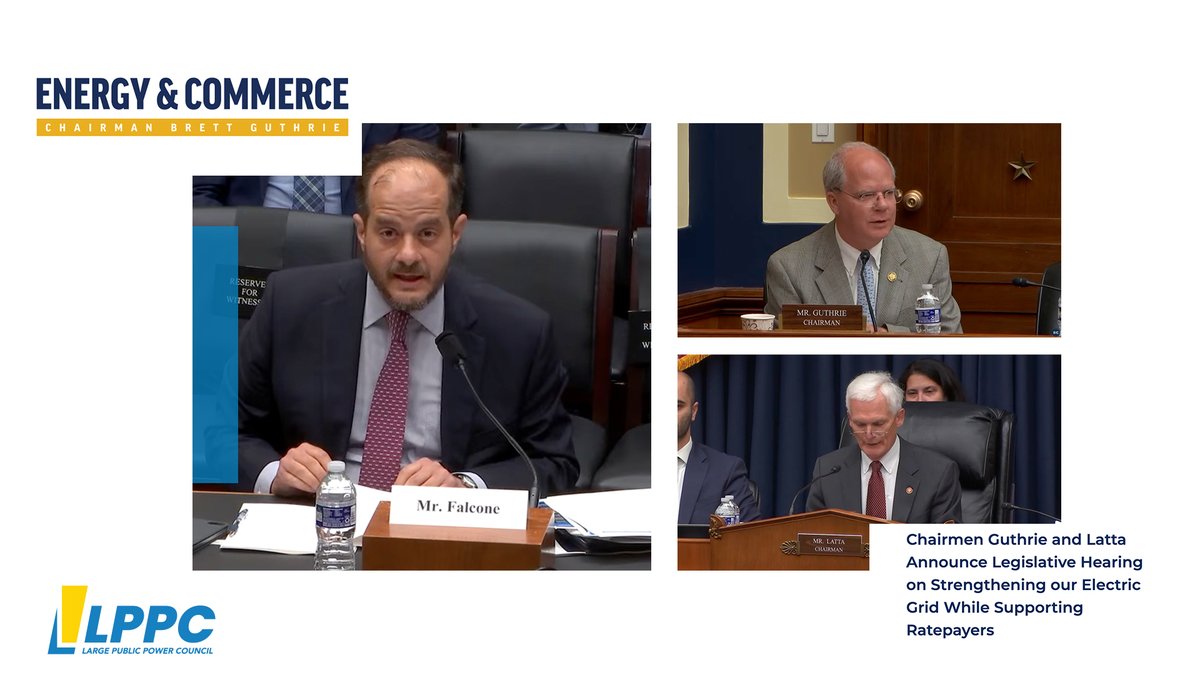
LPPC President @EnergyFalcone testified before @HouseCommerce Chair @RepGuthrie and @boblatta and members of the Subcommittee on Energy at its hearing, “AI and the Grid: Meeting Growing Power Demand While Protecting Ratepayers.”
LPPC’s message: build the infrastructure needed to support AI leadership and economic growth, while protecting existing customers from higher energy costs.
Read the testimony: d1dth6e84htgma.cloudfront.ne…
Watch the hearing: youtube.com/watch?v=bUXDIvEg…
#publicpower #publicpoweron #largeloads #AI #DataCenters #resourceadequacy
2
2
79

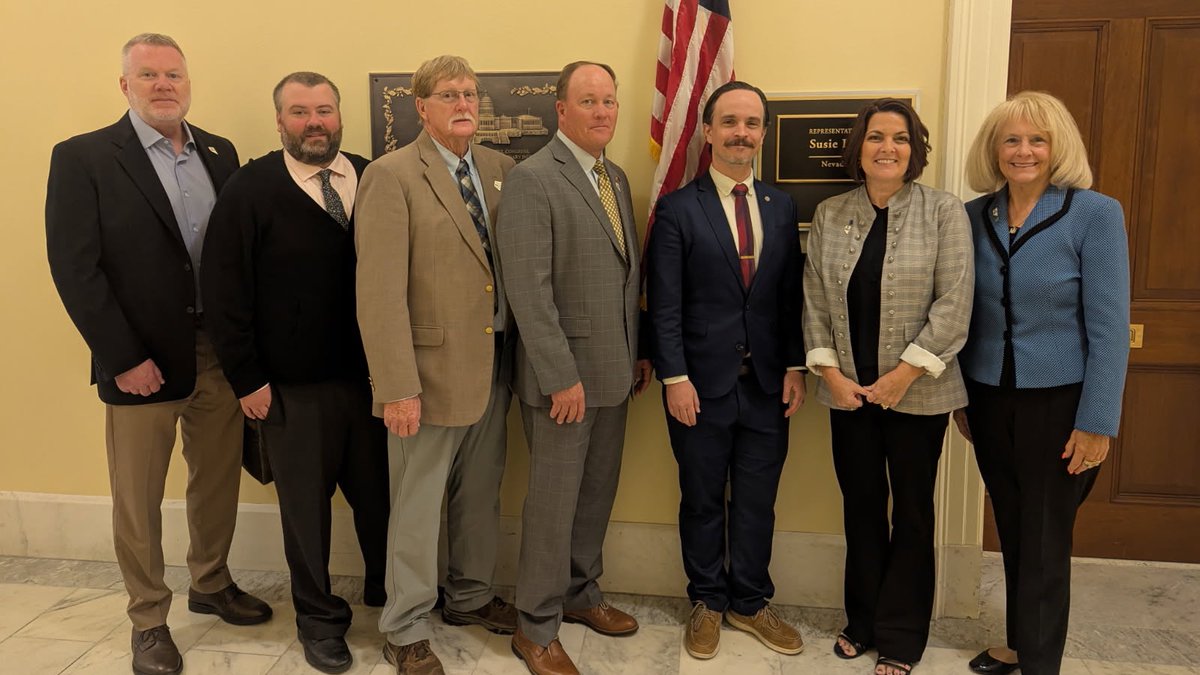
#NREAinDC met w/Mark in
@RepSusieLee’s office on all things public power #HelpHooverDamAct #Broadband #LargeLoads
#CoopsOnTheHill
#PoweringToday #PoweringTomorrow #CommunityPowered
2
35
Mar 5
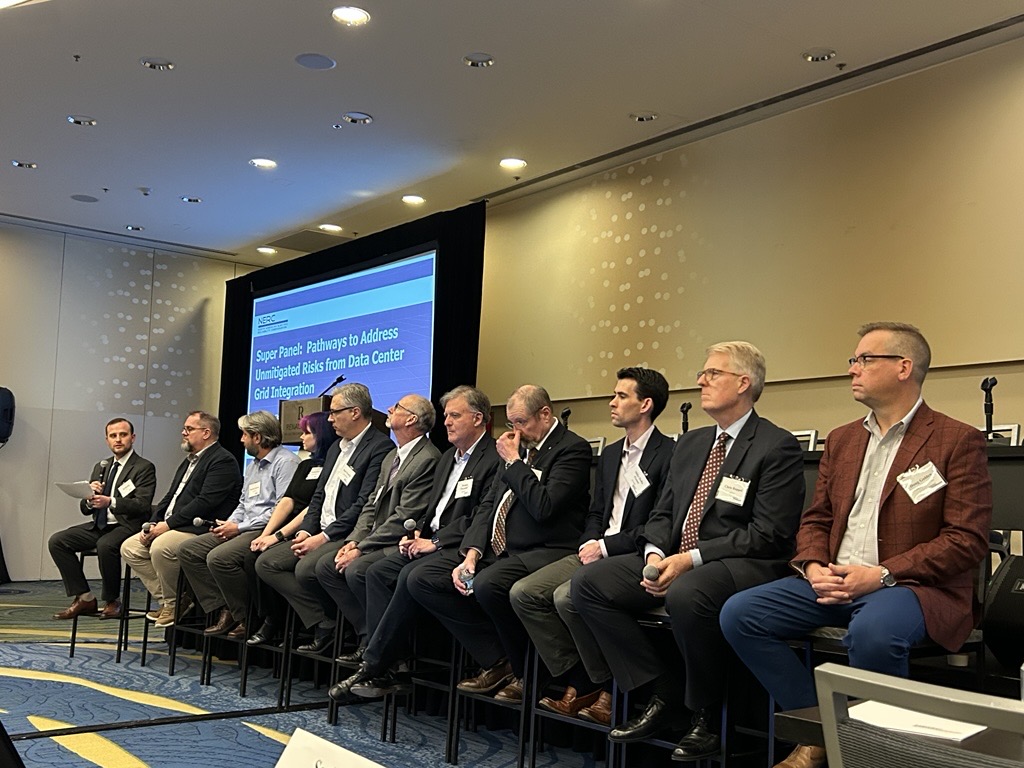
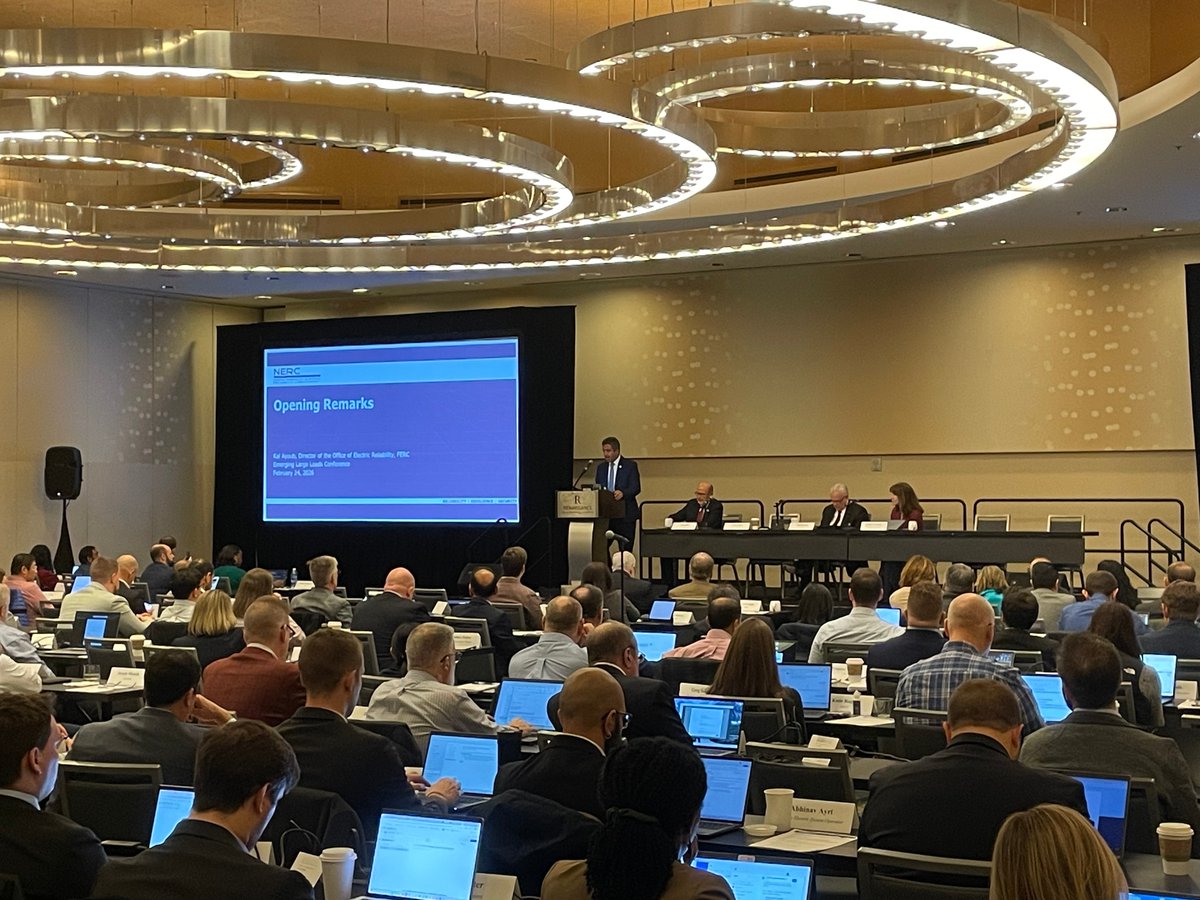
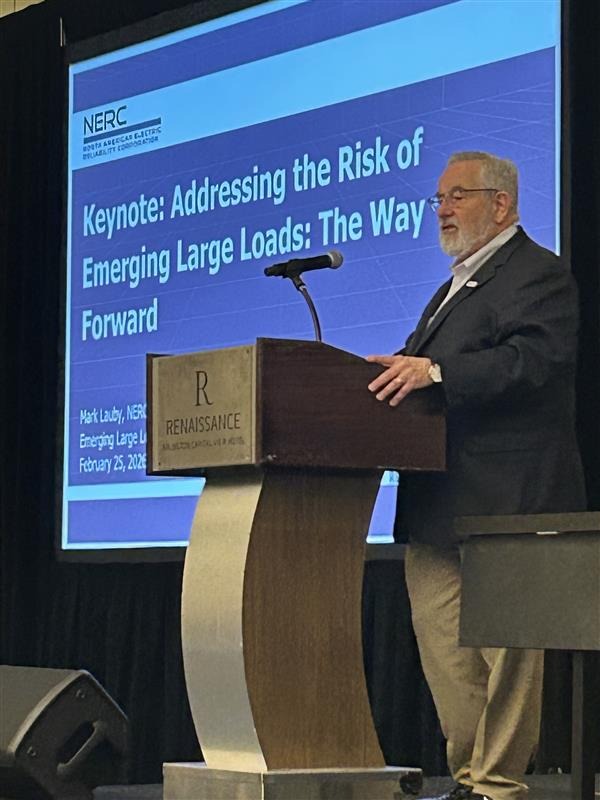
NERC's Large Loads Technical Conference last week outlined next steps for integrating large loads through new NERC Standards and registration efforts. Accurate modeling to ensure reliable grid operations amidst the rise of computational demands is also needed.
#LargeLoads

2
2
190

Jan 12
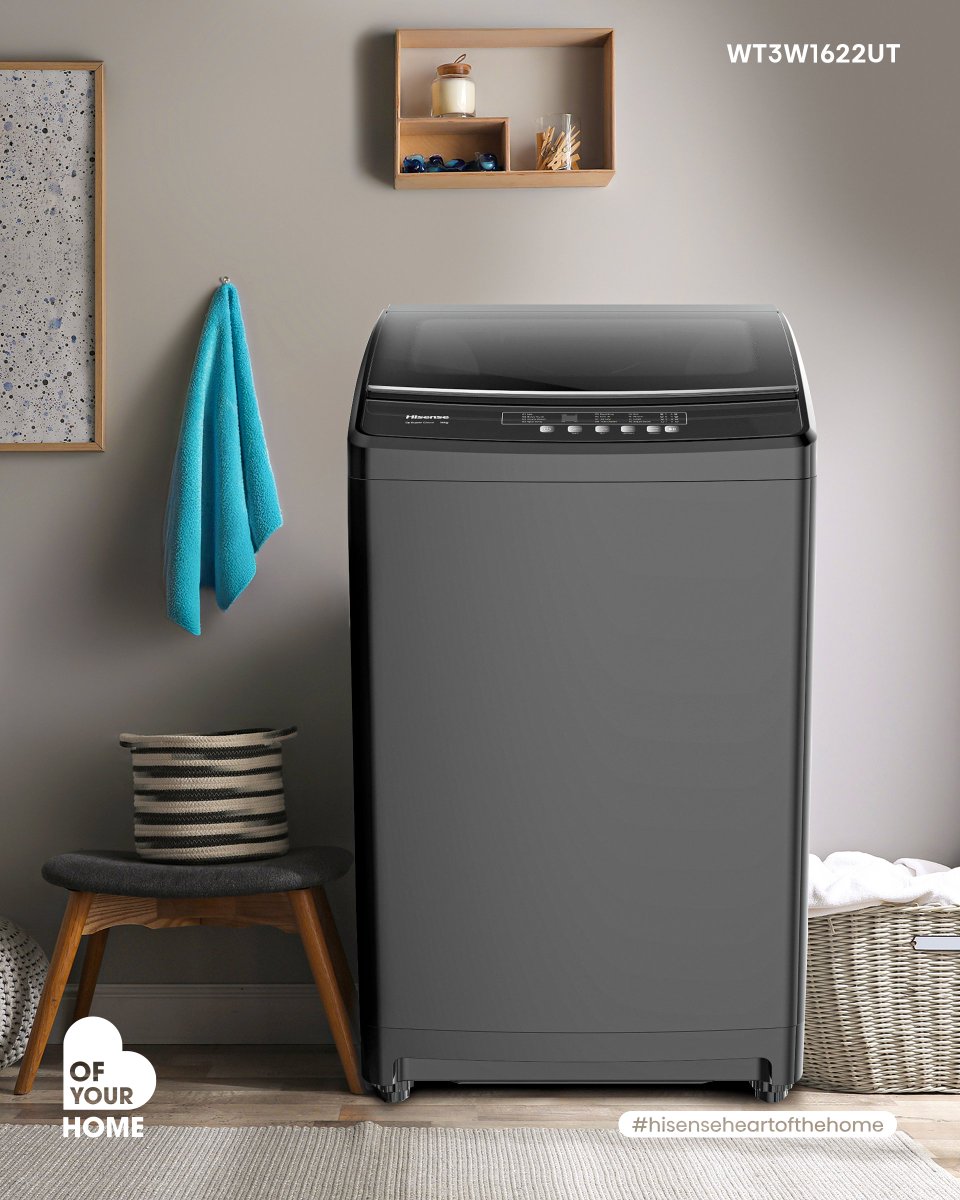
Big loads? No problem.
The Hisense WT3W1622UT 16kg Top Loader delivers Power Jet Wash cleaning family-sized capacity. 💚🧺
#HisenseZA #TopLoader #HisenseSA #Quality #LargeLoads #Tech
1
1
7
304

19 Dec 2025
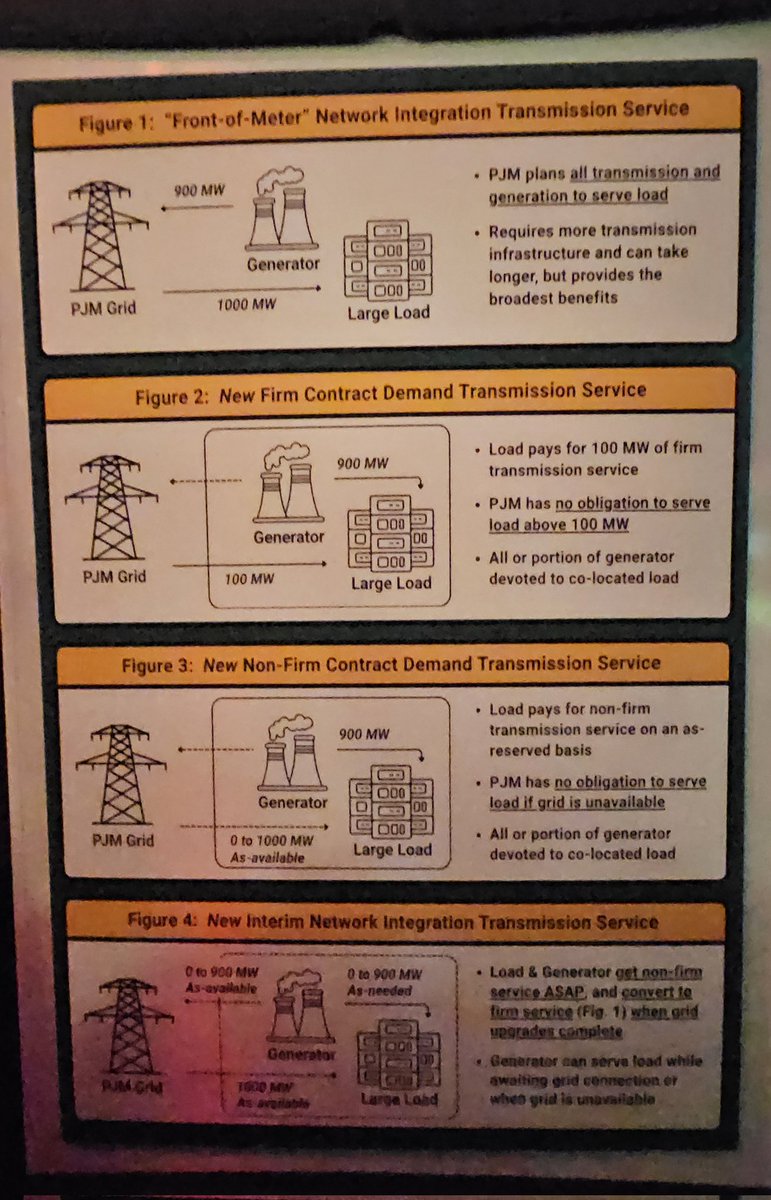
FERC #Colo order for #largeloads in a full size poster, here on display at 888 holiday circuit thanks to @RosnerFERC's creative side. If you're working in #gridflex #AIfactory #loadconnection #AI #speedtopower world, this one's for you.

5
508
12 Dec 2025
ERCOT and @McKinsey will work with Large Load customers, incl. data centers, utilities to develop framework expected to ID short- & mid-term solutions to IX queue issues in early '26 — goal of providing streamlined process for reliably connecting #LargeLoads later in the year.
3
892

23 Aug 2024
Who wants to be a guinea pig for this? The Electricity Demand Growth Resource Hub just announced by @ENERGY covers #cleanenergy #datacenter #AI #largeloads electrification. Huge resource library for all things Load Growth Meets Clean Energy businesshub@hq.doe.gov
#energytwitter
23 Aug 2024

This is a big topic. About as big as the loads themselves. #hyperscalers are learning about interconnection at a hurtling pace, and probably aren't happy to hear that we have all been grappling with its complexities and trappings for quite some time.
3
3
551

4 Jan 2024
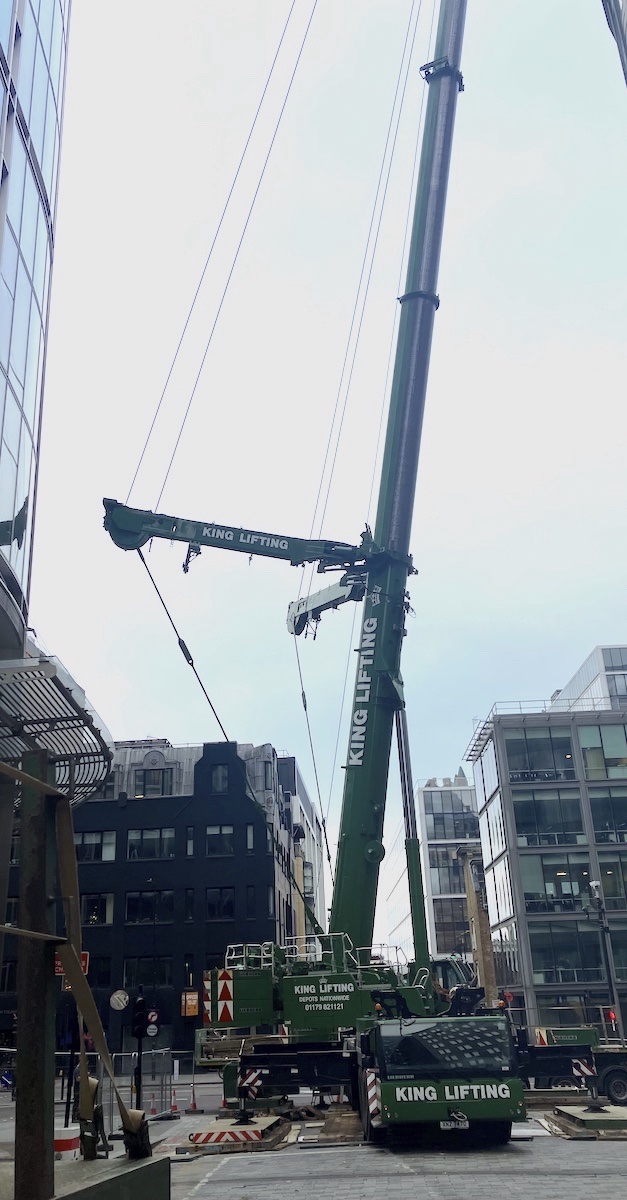
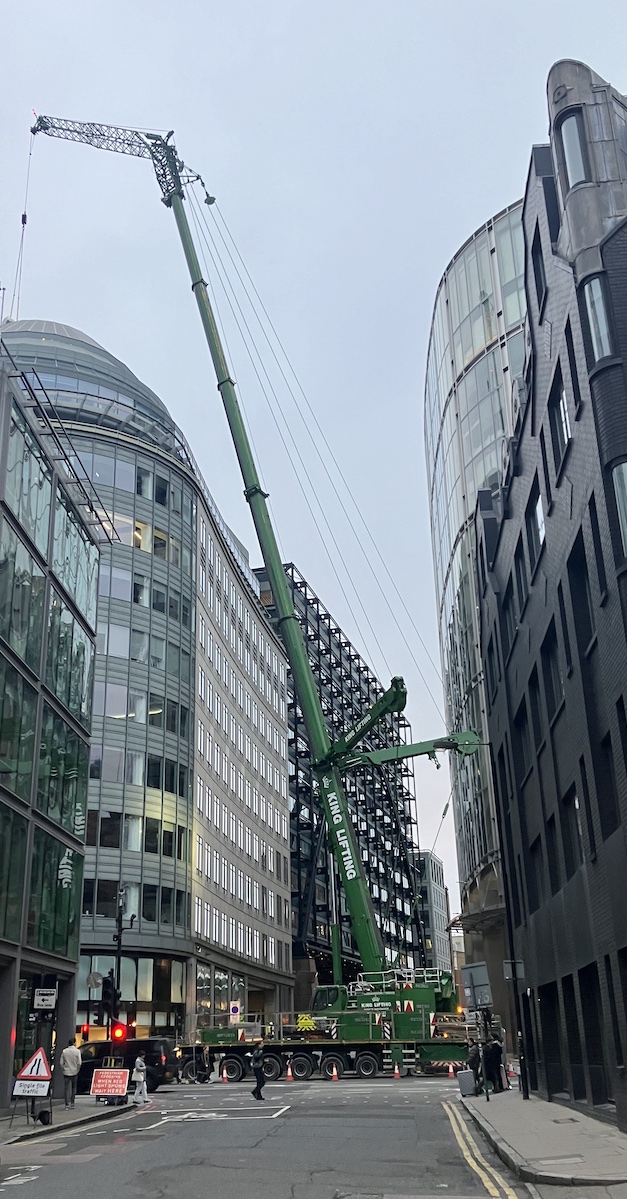
Here is our mighty Liebherr LTM1350-6.1 in the heart of the City of London! 🏗️
Task at hand? A precision operation to lift out the old mechanical plant nestled on a rooftop and replaced with new.
#cranehire #heavylifting #heavymoving #craneoperator #logistics #largeloads
1
3
265

12 Sep 2023
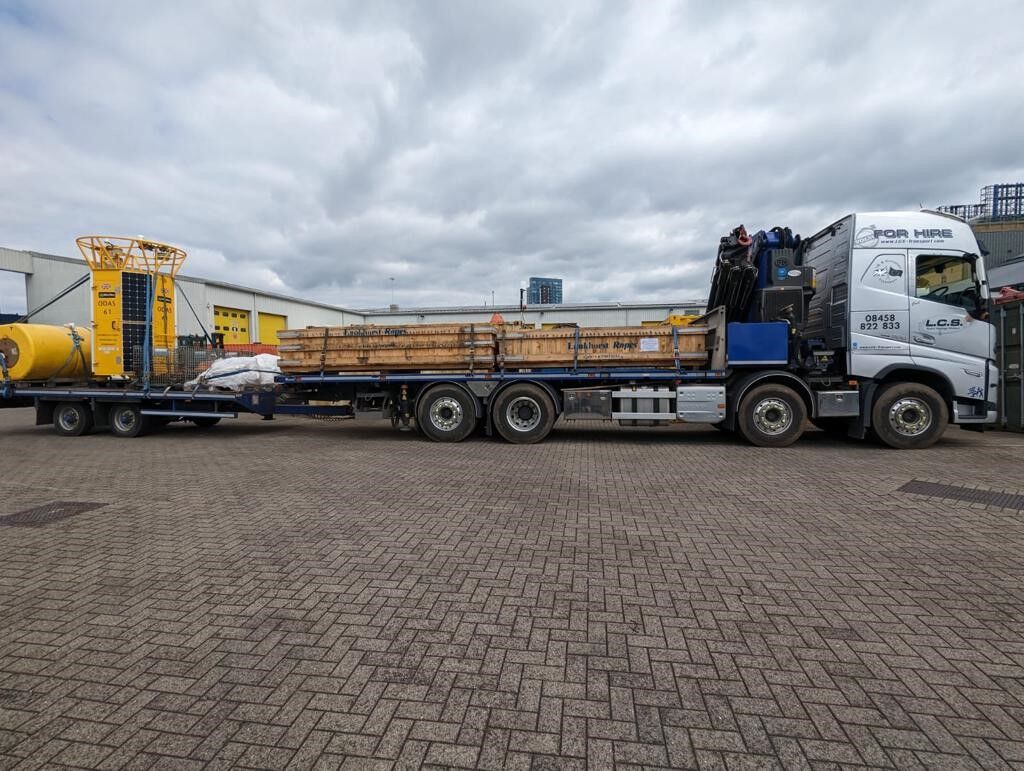
One of our Hiab trucks with a drawbar trailer🚚
These are great for double loads to reduce delivery cost!
#transport #expresstransport #largeloads #hiabtruck
5
188


3 Feb 2023
Look at all that Precuk you should see how I exploded gotta subscribe to the OF its lit 🔥 content on their fr onlyfans.com/dldeezy25 good frot good head content anything you wanna see request it #BlackonBlack #Ebony #LargeLoads #SwordFight #Frottage #BaterBros #Frot
1
8
85
18,471
10 Aug 2022
I Was Too Horny At Work Had To Let This Large Load Go 💦🍆💯 Who Wants To Catch it #LargeLoads #Cum #Stream #BaterBros
1
4
30
25 Jul 2022
Fuck I was so horny just had to let this load go and again this is like the third nut of the day and it’s still a large load #cum #Loadsofcum #largeloads 🍆💦
3
29
21 Jul 2022
Got So Horny thinking about Frotting I Just Had to Let this Huge Load Go Follow & Retweet if your catching this Healthy Sauce 💦💪🏾 That’s the third 🥜 Today Imagine How large the First💦 Is #RockHard #LargeLoads #Jerking #Cum #batorbrother
2
4
28