LayerOne is out! 🔥
A teleprompter that floats on your screen while you record—but your screen recorder can’t pick it up.
Only you see your script and notes. Zoom, OBS, Loom... nothing captures it.
Sales reps, YouTubers, presenters: here is your new unfair advantage.
3
27


Jun 11
I used to fumble sales calls and record 10 takes for videos because I kept forgetting my script.
So I built LayerOne.
It’s a floating teleprompter that only you can see. Zoom, OBS, Loom, Google Meet... screen recorders can't pick it up.
Presenters & creators, enjoy. 👇
1
2
38
Jun 11
LayerOne is out! 🔥
A teleprompter that floats on your screen while you record—but your screen recorder can’t pick it up.
Only you see your script and notes. Zoom, OBS, Loom... nothing captures it.
Sales reps, YouTubers, presenters: here is your new unfair advantage. 👇
3
4
56

Jun 10
Finally after Months of waiting launching LayerOne.
Speak Naturally. Remain Invisible.
1
13

Real talk… I stare at the XYO Layer One Explorer way too much. But I can’t lie — this is the first time I’ve ever seen a non-XYO schema show up in a transaction.
Look at this beauty:
network.xyo.geohackers.faucet.claim.v1
I’ve seen the usual network.xyo.transfer and network.xyo.hash a million times..
Anyone else catching weird/new schemas lately or am I just chronically online on the explorer?
Transaction: explore.xyo.network/xl1/sequ…
#XYO #LayerOne #Geohackers #BuildingInPublic

One Day AT A Time #LewCREW
2
98

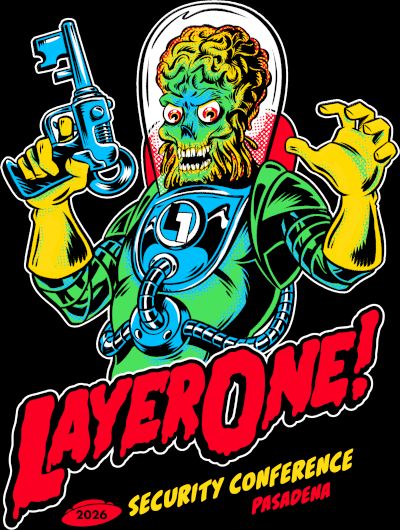
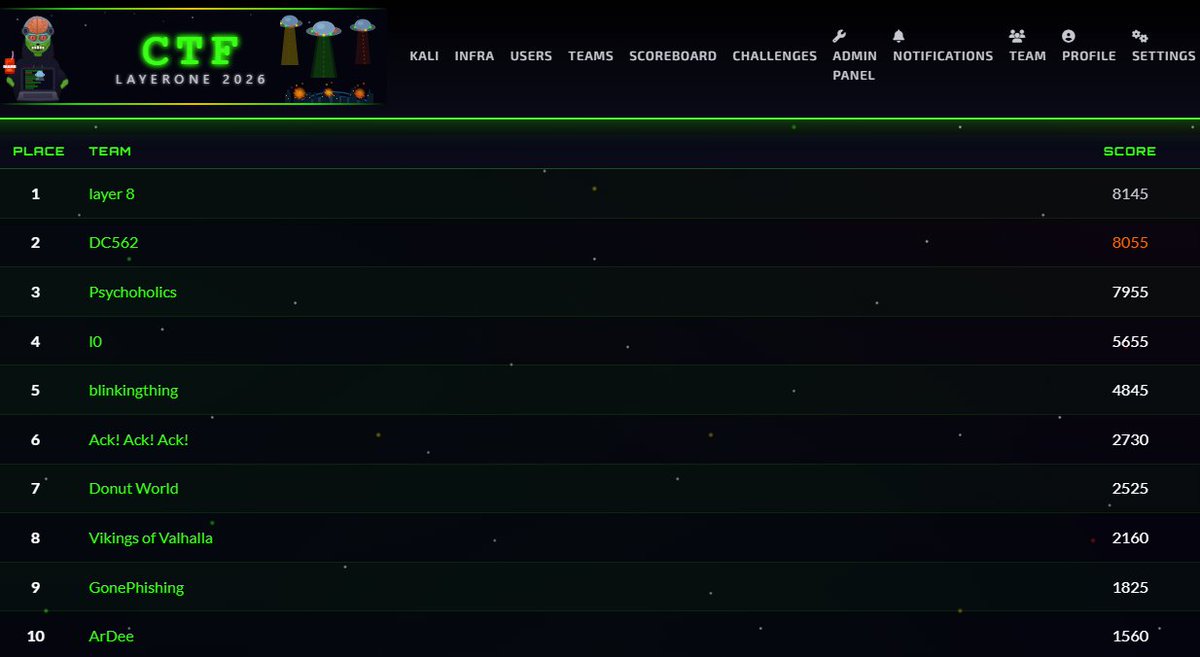
Thanks to everyone who came out to participate and support LayerOne 2026! We hope you had a great time learning new things and making new friends. A full break-down of contests and events available at layerone.org/layerone-2026-w… If you have photos, please share and tag us!
3
6
114

May 27
In 2026 a dApp might be written by a React dev, a Vue/Angular team, or an AI coding agent generating against whatever framework the project already uses. Often all three touch the same codebase.
The old sdk-dapp assumed one framework and one kind of human author. That no longer works.
So we rebuilt it from the ground up — framework-agnostic, runtime-agnostic, author-agnostic.
Meet sdk-dapp v5: the same library now serves React, Vue, Angular, Solid, Next.js, React Native, vanilla JS, and AI agents with zero changes.
How we did it — three cleanly decoupled layers:
State layerZustand stores split into 8 slices (account, network, txs, toasts…). React devs get hooks (useGetAccount(), useGetNetworkConfig()). Everyone else gets plain functions (getAccount(), getStore().subscribe()). Persists anywhere via custom storage callback. No framework lock-in.
UI layer (@ multiversx/sdk-dapp-ui) Built with Stencil → real Web Components. Unlock panel, transaction modals, toasts work identically in any framework because they’re not tied to any.
Integration layerOne ProviderFactory initApp() replaces the old <DappProvider>. Supports 7 wallets out of the box (DeFi Wallet, xPortal, Ledger, Web Wallet via cross-tab, MetaMask, Passkey, mobile webview). Drop in a custom provider in one line. Switching wallets requires zero code change.
No Redux anywhere (Zustand only — but Redux DevTools still works perfectly).
Result? An AI coding agent can now generate correct sdk-dapp code for any framework the project uses. One set of skills, one set of patterns, everywhere.
This isn’t just a SDK update. It’s the top layer of the full agent-native stack we’re building: sub-second settlement → value movement → onchain trust → agent tooling → and now a developer surface that doesn’t care who (or what) is writing the code.
All five layers assume each other. That’s what lets autonomous agents move value and read reputation inside a single decision cycle.

2
31
131
3,444

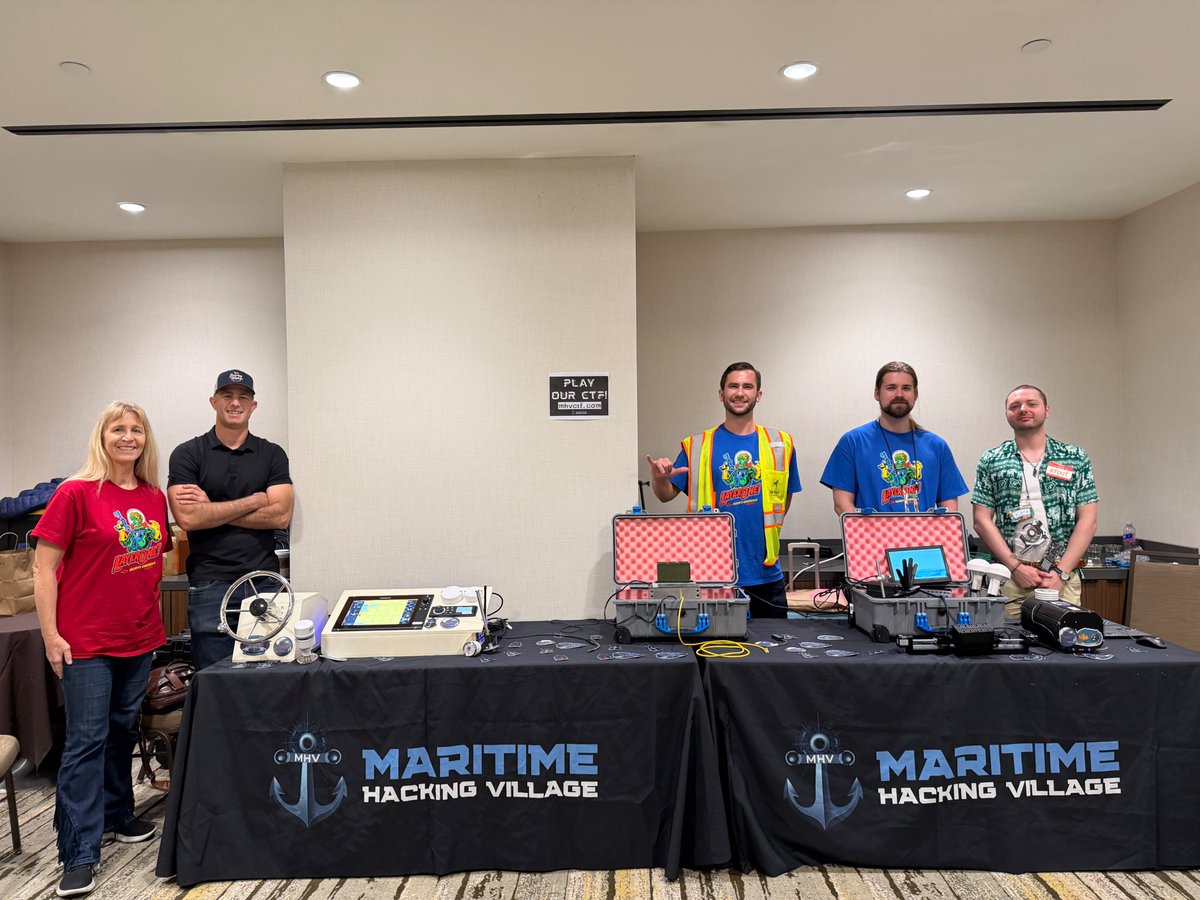
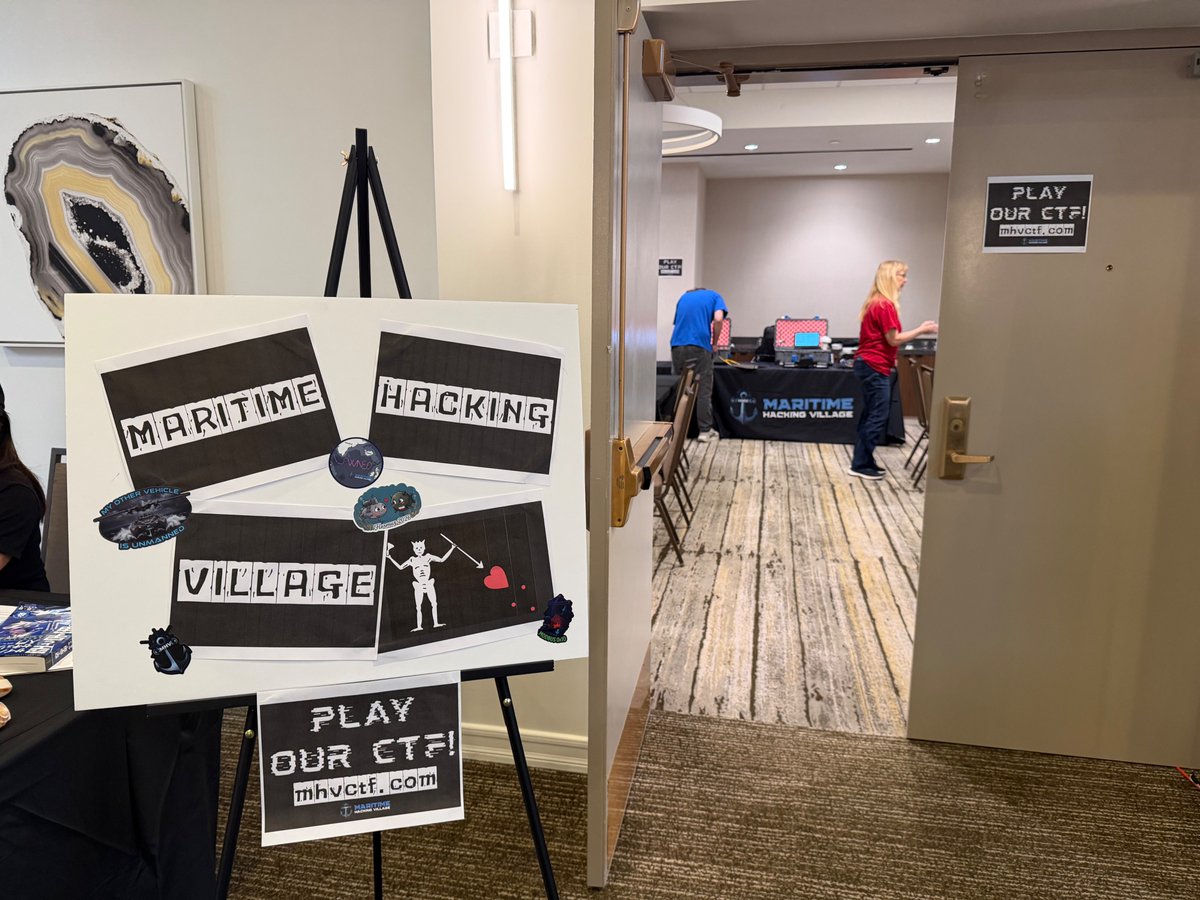
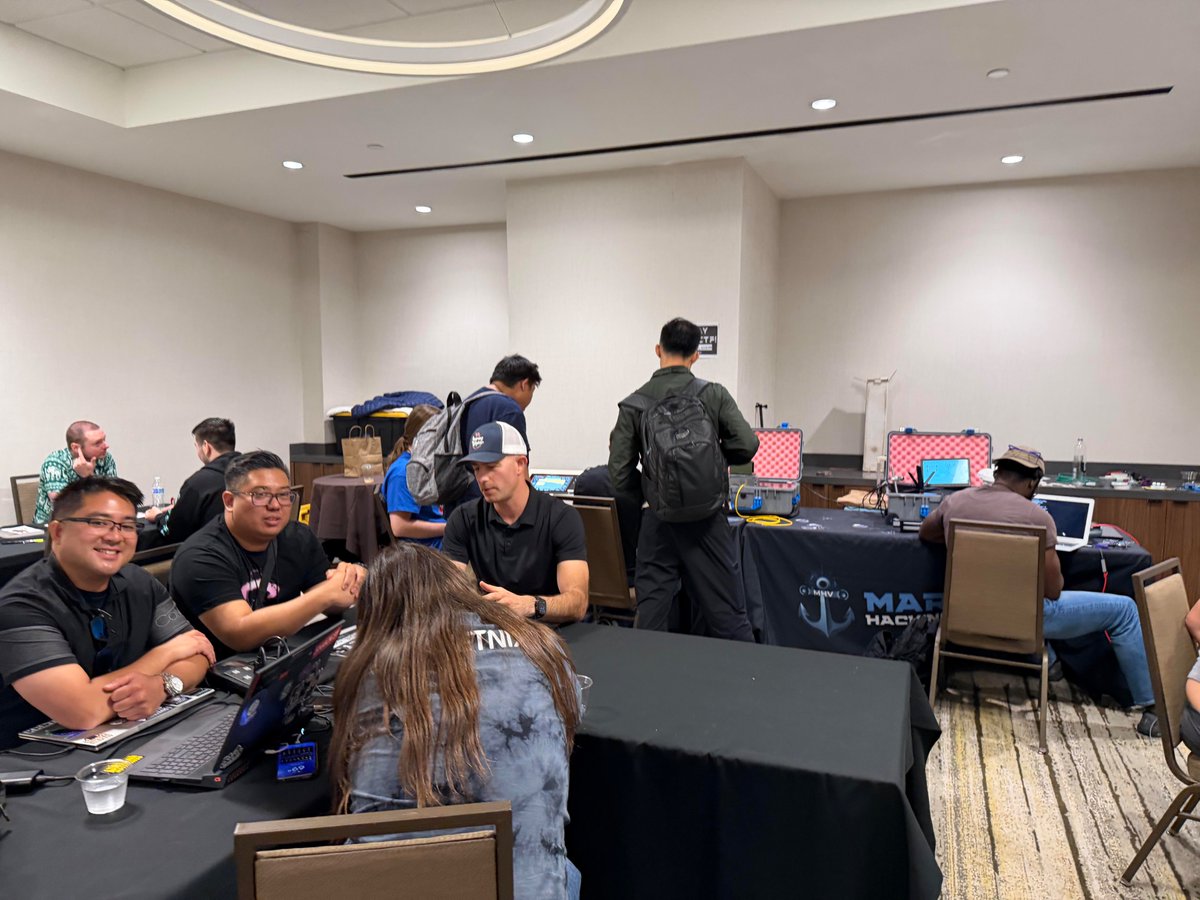
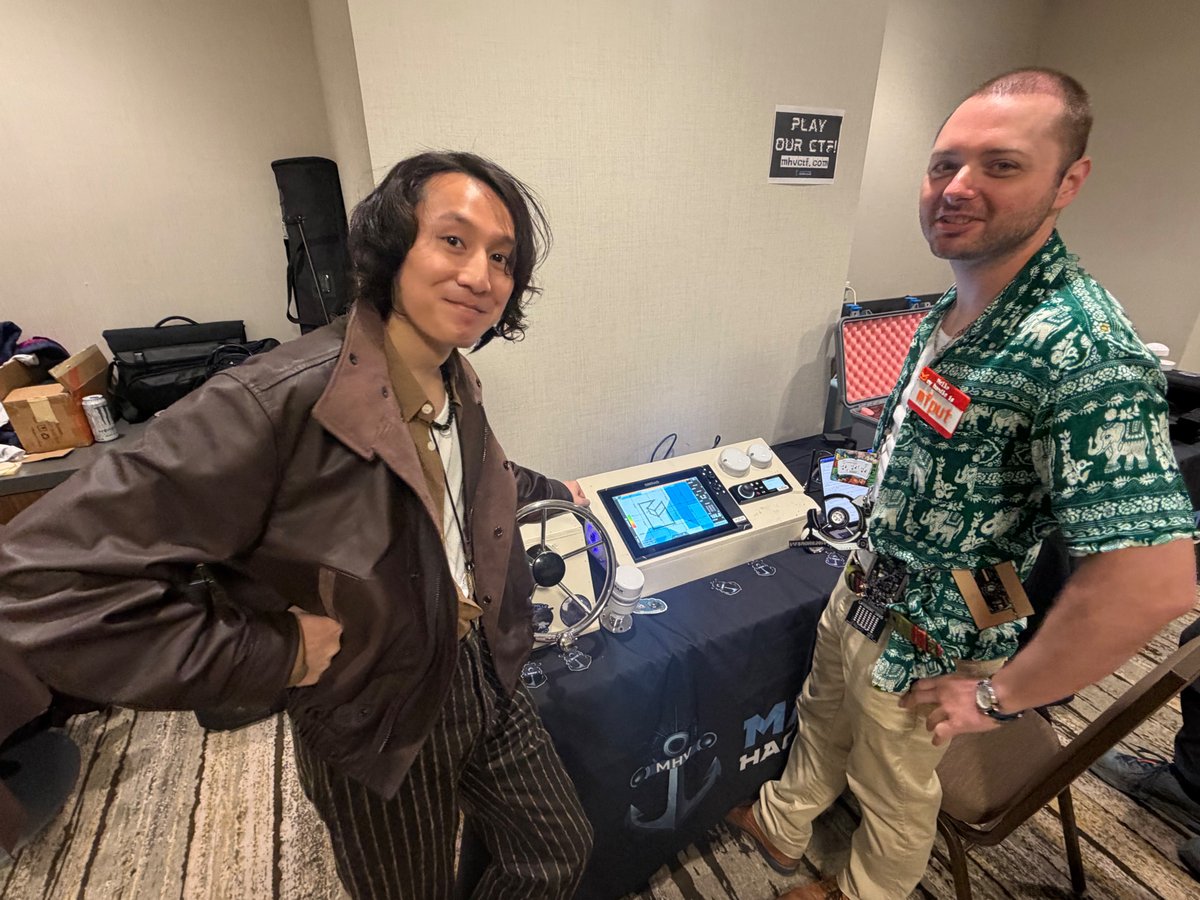
⚓️ We had an incredible time this past weekend at
@layer_one! We are beyond grateful to DG and friends for welcoming us into this community. We can’t wait to come back next year!
Next up, see you at @defcon 34!! 🏴☠️
@SecureAerospace @DCLPV @hardhatbrigade @nullspacelabs @Cannibal
#LayerOne #LayerOne2026 #L1 #MaritimeVillage #MHV #HackerCon #MaritimeSecurity #Hacking #CTF
1
5
10
279
🌌 Data Lakes: The Future I’ve Been Waiting For 🌌
I’ve been deep in the #XYO ecosystem for a long time, and I genuinely believe **Data Lakes are about to become the new standard** for how the world stores and trusts data.
#XL1 might not end up being the only player down the road… but let’s be real — XYO started this whole thing. They didn’t copy anyone. They built it from the ground up.
These aren’t just storage buckets. They’re built around data, for data, with data in mind. Engineered from day one to handle petabytes of real-world information — sensor feeds, AI decisions, robotic telemetry — without ever compromising speed, security, or truth.
Here’s what hits me hardest:
The heavy raw data stays safely off-chain in your own private lake (no more clogging up the blockchain).
But every critical detail — hashes, timestamps, origins, locations — gets permanently anchored on the XYO Layer 1 blockchain as unbreakable cryptographic proof.
That means true independence. Auditors, partners, and customers can verify exactly what happened, where, and when… without having to blindly trust anyone.
This is the infrastructure the real world has been missing:
- Auditable AI that actually leaves a receipt you can prove later
- Ironclad Proof of Origin & Location for robotics and sensors
- Real-World Assets (RWA) that are backed by verified, immutable data instead of promises
And the token side? Clean and purposeful:
$XYO — the deflationary heart you stake to secure everything and earn rewards.
$XL1 — the gas that powers every proof, every transaction, every piece of this new data economy.
This isn’t hype. This is the quiet revolution that makes decentralized data actually usable at scale.
XYO didn’t chase trends.
They built the lane everyone else is about to drive on.
If you’re in data, AI, robotics, or RWA… your future just got a whole lot more trustworthy.
Who else feels this shift coming?
#DataLakes #RealWorldData #Web3 #RWA #DePIN #EverywhereIGoXYO #Crypto #LayerOne

May 26

XYO Data Lakes are going live. Your data stays in your stack. The proof lives on XYO Layer One, verifiable by anyone, forever. If you're building anything where the data has to hold up, this is worth looking at.
Early access is still open ➡️ xyo.network/build/early-acce…
1
8
20
708


May 24
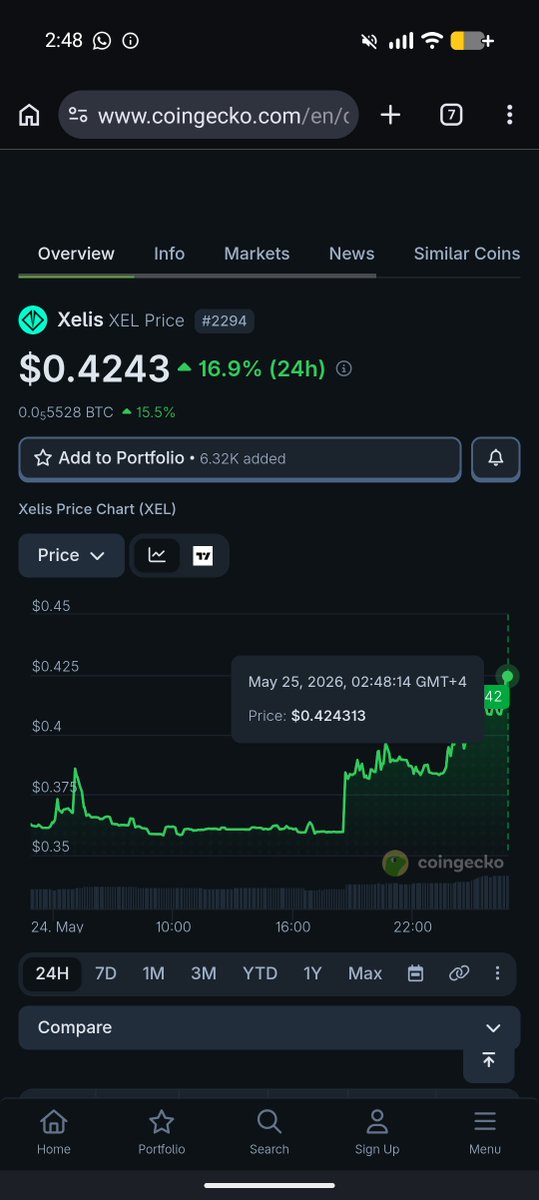
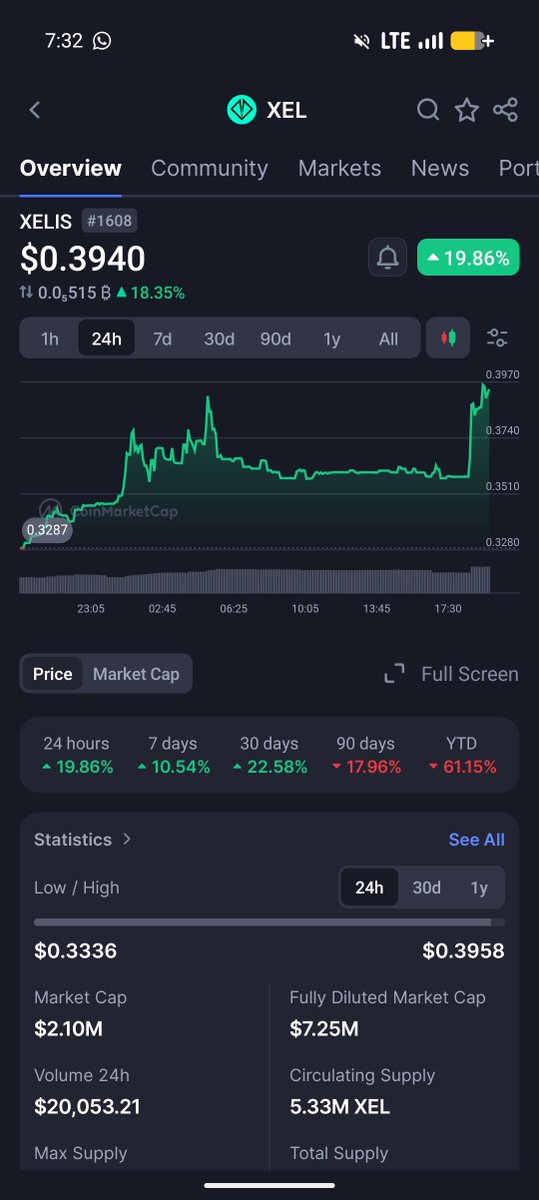
Greeny days for @xelis_project 🔥👁
$xel #xelis #kaspa #bitcoin #cryptocurrency #xmr #privacy #monero #smartcontract #ethereum #blockdag #pow #layerone #zcash #dash #privacycoins
1
2
21
246
May 24
Lets go @xelis_project Army 👁🔥
$xel #xelis #kaspa #bitcoin #cryptocurrency #xmr #privacy #monero #smartcontract #ethereum #blockdag #pow #layerone #zcash #dash #privacycoins
1
10
29
420

The ideas people dismissed years ago are becoming possible. The conversations we had about "one day" are turning into reality.
I've been waiting a long time to see this moment arrive.
🚀 $XYO | $XL1
#XYO #LayerOne #Web3 #AI #Blockchain #BuildTheFuture #AdventureAhead
1
4
204
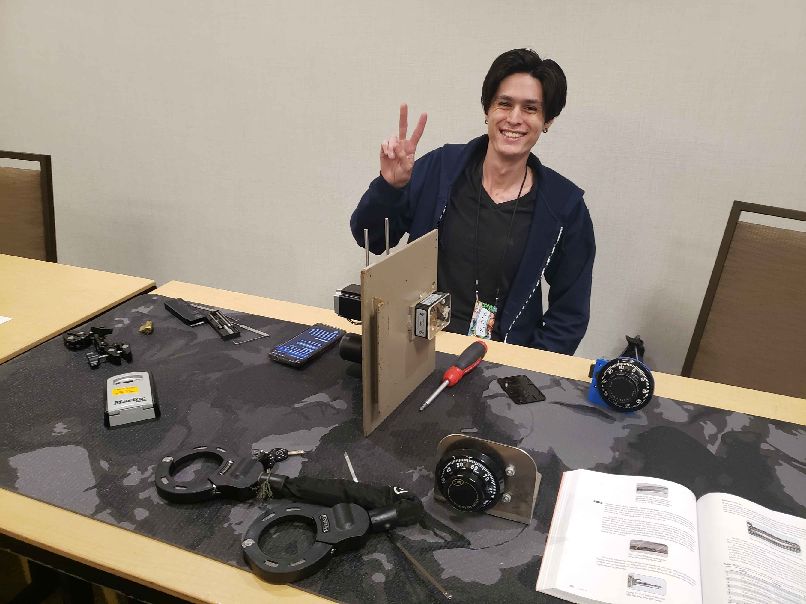
A fun safecracking robot lives in the Lockpicking Village, showing off how to crack safes with ease. Check it out! #lockpicking #layerone #safecracking
3
5
296
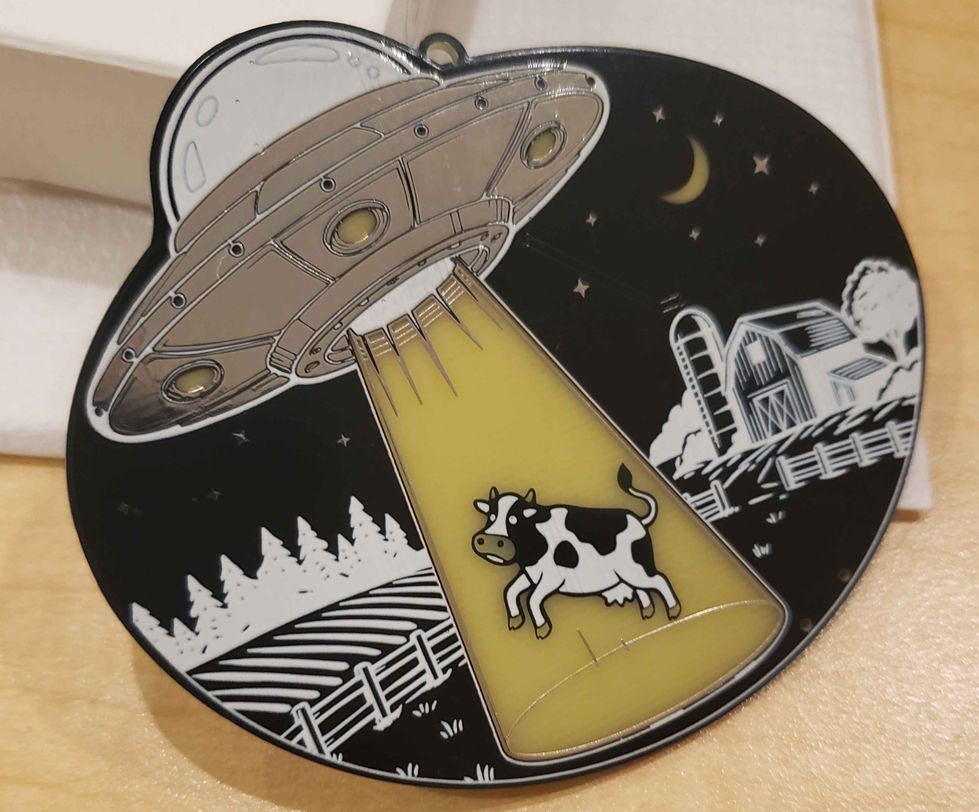
Soldering Olympics Round 1 is underway! You have until 3 PM to submit your level 1 board for judging to qualify for Round 2. Look at this gorgeous board, make it light up in the HHV! #electronics #badge #layerone layerone.org/schedule/
1
2
8
188

Seems LayerOne Information Security Conference 2026 is happening today, have fun people! And if you feel like being a speaker, check out cfptime.org cc @layer_one #layer_one
1
2
169
LayerOne 2026 starts tomorrow! We hope you're all ready for a full weekend of fun, friends, and hacks! For those onsite later this afternoon, come by the bar in the lobby to see old friends and make some new ones.
1
3
112
