
26 Aug 2024
Day 71 of 100 Days of AI - Top 7 Emerging AI Technologies for Business according to Perplexity AI
Top 7 Emerging AI Technologies
Generative AI and Large Language Models (LLMs)Definition: AI systems capable of generating new content, including text, images, and audio.
Impact: Revolutionizes content creation, marketing, and customer engagement by enabling the production of unique and personalized materials.
Natural Language Processing (NLP) and Conversational AIDefinition: Technologies that allow machines to understand, interpret, and respond to human language.
Impact: Enhances customer service through advanced chatbots and virtual assistants, improving user experiences and operational efficiency.
Machine Learning and Deep LearningDefinition: Algorithms that learn from data to make predictions and decisions.
Impact: Drives innovations in various fields, including predictive analytics, image recognition, and personalized recommendations, leading to improved decision-making.
AI for CybersecurityDefinition: The application of AI to enhance security measures by detecting anomalies and responding to threats.
Impact: Strengthens organizational defenses against cyber threats, ensuring data protection and compliance with regulations.
Edge AI and IoTDefinition: Deployment of AI on edge devices and IoT systems for real-time data processing.
Impact: Reduces latency and enhances privacy, enabling smarter analytics and decision-making in sectors like manufacturing and healthcare.
Explainable AI (XAI)Definition: AI systems designed to provide transparent explanations for their decisions and predictions.
Impact: Builds trust in AI technologies, especially in regulated industries, by making AI outputs more interpretable and accountable.
AI Ethics and Responsible AIDefinition: Frameworks and practices ensuring ethical and responsible use of AI technologies.
Impact: Addresses concerns like algorithmic bias and transparency, fostering public trust and compliance with ethical standards.
1
1
4
606

20 Jan 2020
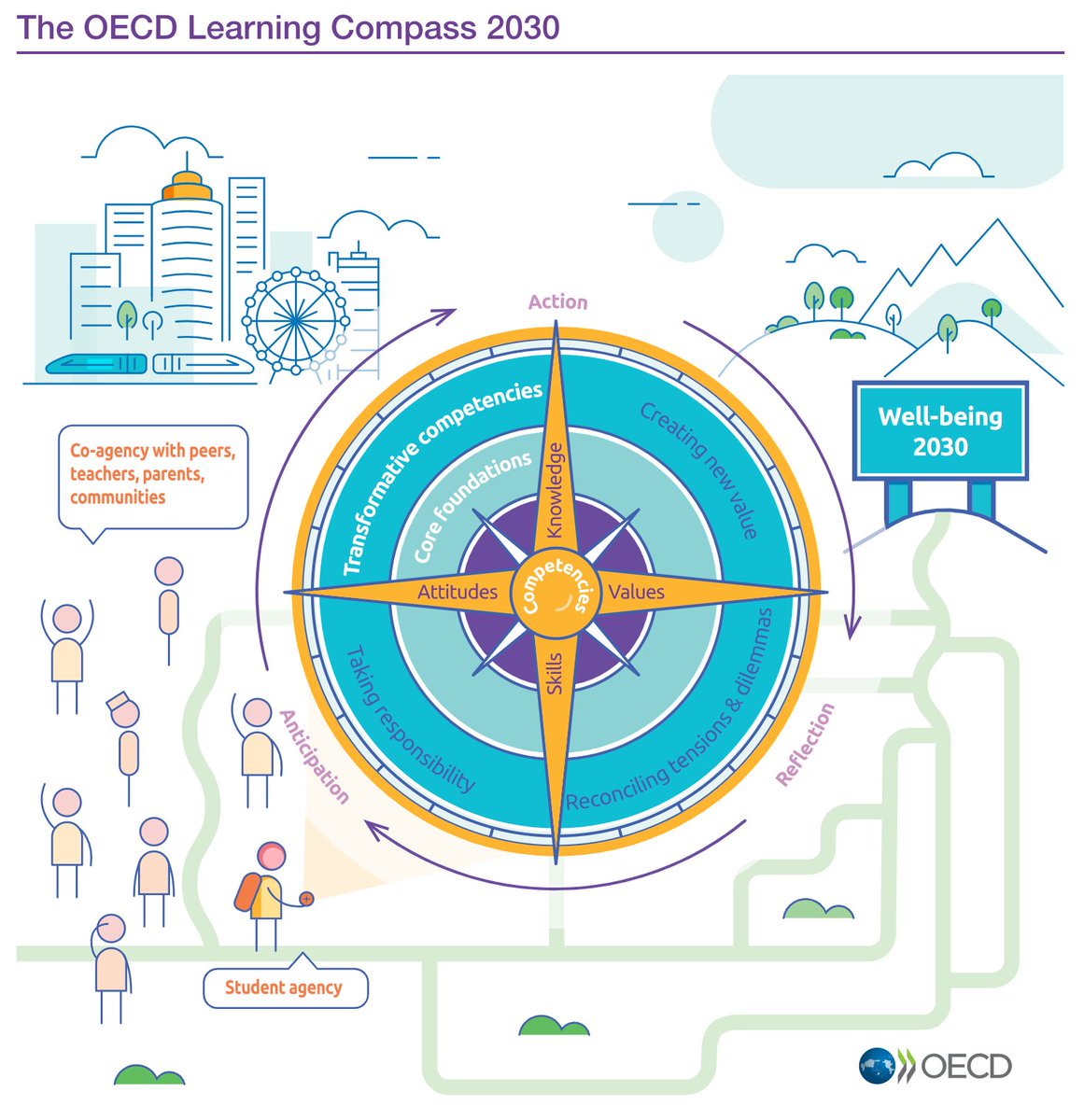
Learning - Organisation for Economic Co-operation and Development oecd.org/education/2030-proj… via @OECD #agency #LearningDefinition @SDGLabSchools #TransformativeEd @TeachSDGs @unescobangkok
1
1
3

28 Jul 2016
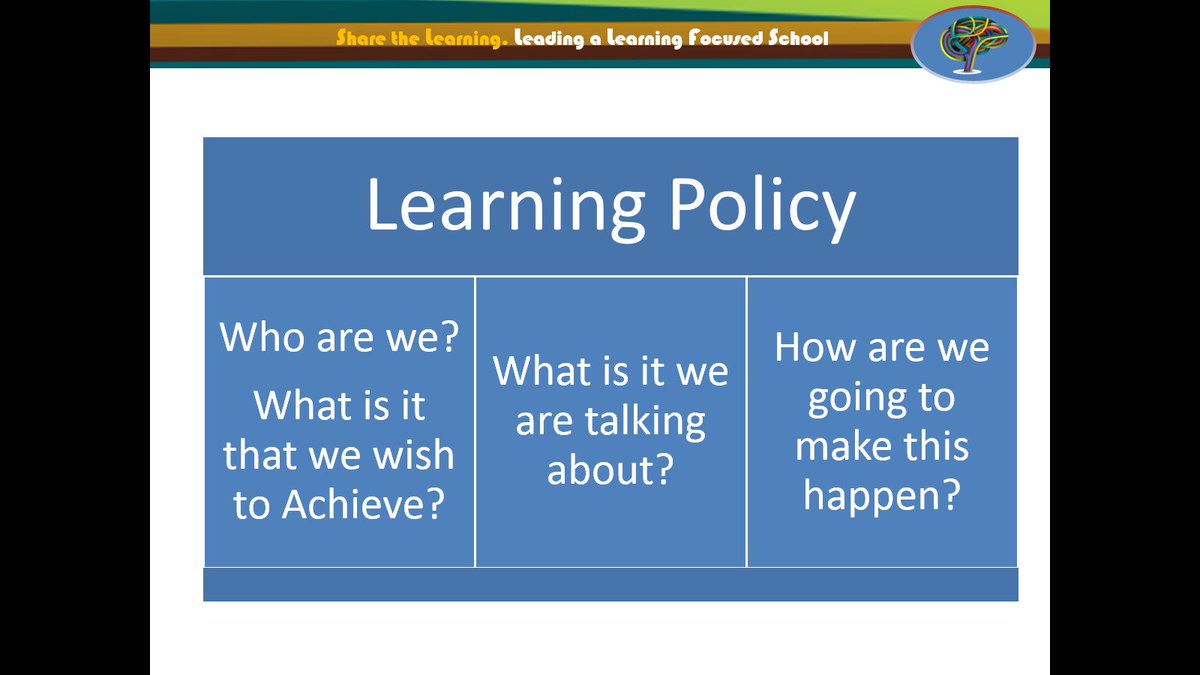
Talking to colleagues from international schools about the importance of a #learningdefinition & #learningpolicy
1
1
1