
14 Feb 2023
Happy Valentine's Day! ❤️❤️❤️❤️
#singleforvalentines #eatfossilfarms #steakheart #valentinesdinner #cute #lessmeatbettermeat
2
72

20 Jan 2023
This decision is indeed shortsighted. Animals are essential in regenerative farming 🌱 #lessmeatbettermeat
547

3 Apr 2022
Sunday Farmers market stall - find us at @Londonfarmers #queenspark & @allypallyfm Shop for ethical, slow grown high quality, highly recommended freerange chicken. #lessmeatbettermeat #soyfree Grown 2 weeks longer than organic standard. @guildoffinefood #greattasteaward ❤️🐓⭐️✅
1
4

25 Jan 2022
Regenuary, Dry January, Veganuary, Thingamajiganuary… Why focus on sustainable, long-term changes rather than a single month of extremes bit.ly/3rR5wb8 #regenuary #Flexitarian #lessmeatbettermeat
1

18 Jan 2022
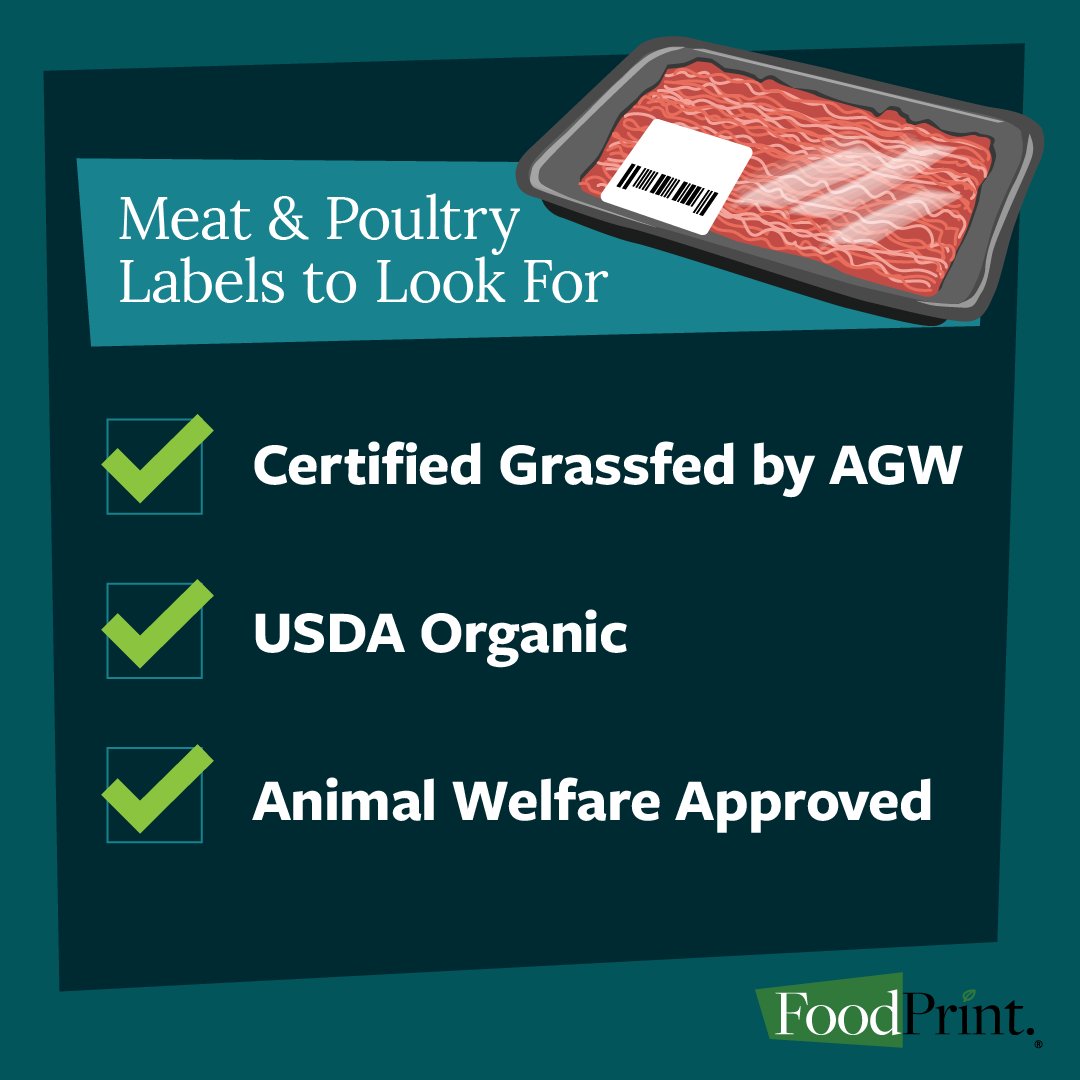
Americans eat an average of 274 pounds of meat per year. For Day 18 of the #ReduceYourFoodprint Challenge, eat much less meat, and when you do choose meat, buy #pastureraised rather than factory farm-raised animal products. #lessmeatbettermeat ow.ly/Fgfc50HxsjG
1
5 Dec 2021
It's World Soil Day today! Get involved and help protect our soils bit.ly/3GfbDvE #WorldSoilDay #regenerativeagriculture #endthecageage #lessmeatbettermeat @SoilAssociation
1


15 Feb 2021
#LessMeatBetterMeat can end factory farming.
Better meat happens when farmers can get their grass-fed and pasture-raised animals processed without going to Tyson, JBS, Cargill & National Beef.
Here's where better meat comes from...

A long-term strategic plan issued Monday by the state Department of Agriculture and Vermont Sustainable Jobs Fund aims to raise capacity at Vermont slaughterhouses and meat processing facilities 25% from 2021 to 2030.
vtdigger.org/2021/02/08/stat…
1
1
7
18 Jan 2021
Americans eat an average of 222 pounds of meat per year. For Day 18 of the #ReduceYourFoodprint Challenge, eat much less meat, and choose #pastureraised, rather than factory farm-raised, animal products, when you do choose them. #lessmeatbettermeat ow.ly/LKWf50D8Ikm
1
4
16 Jan 2021
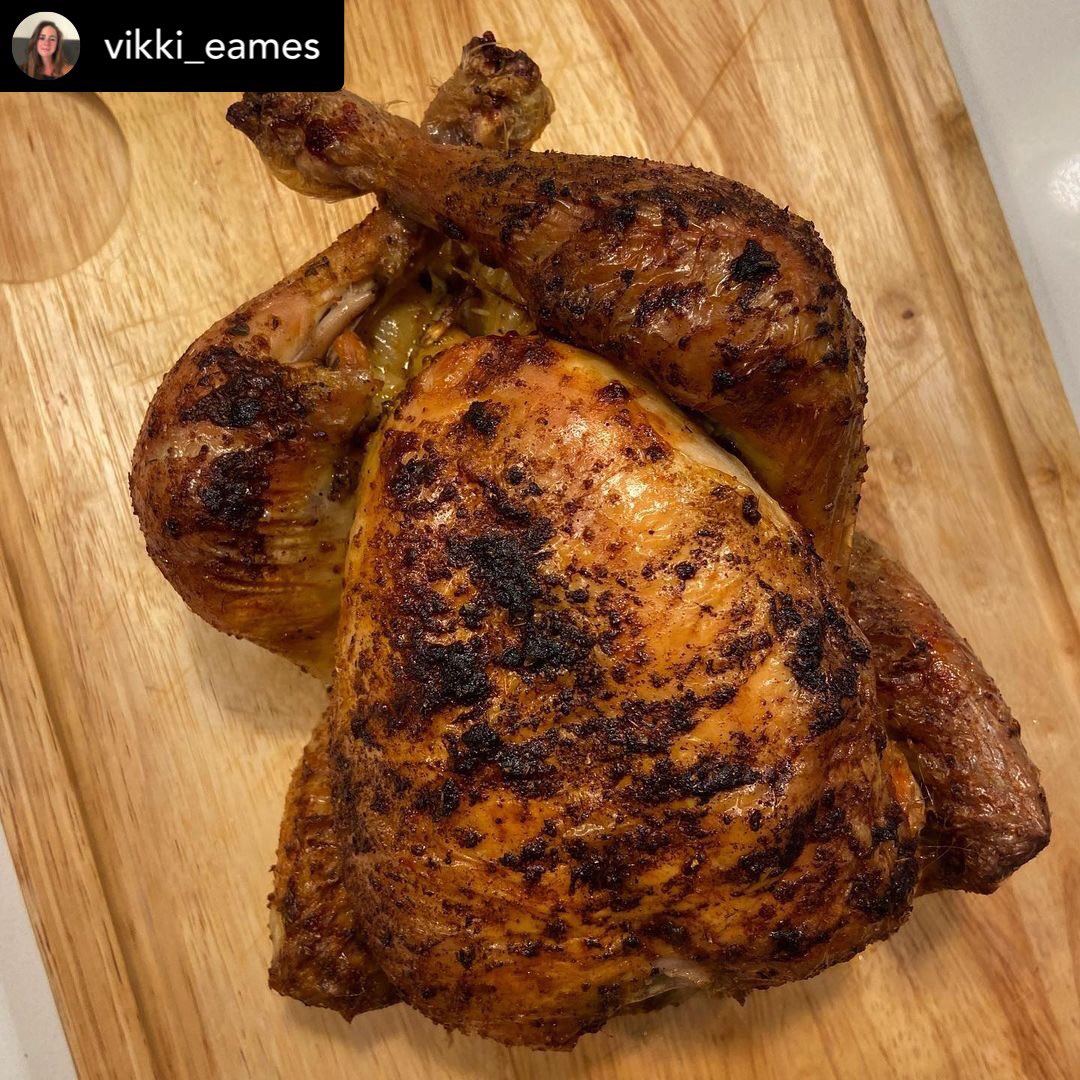
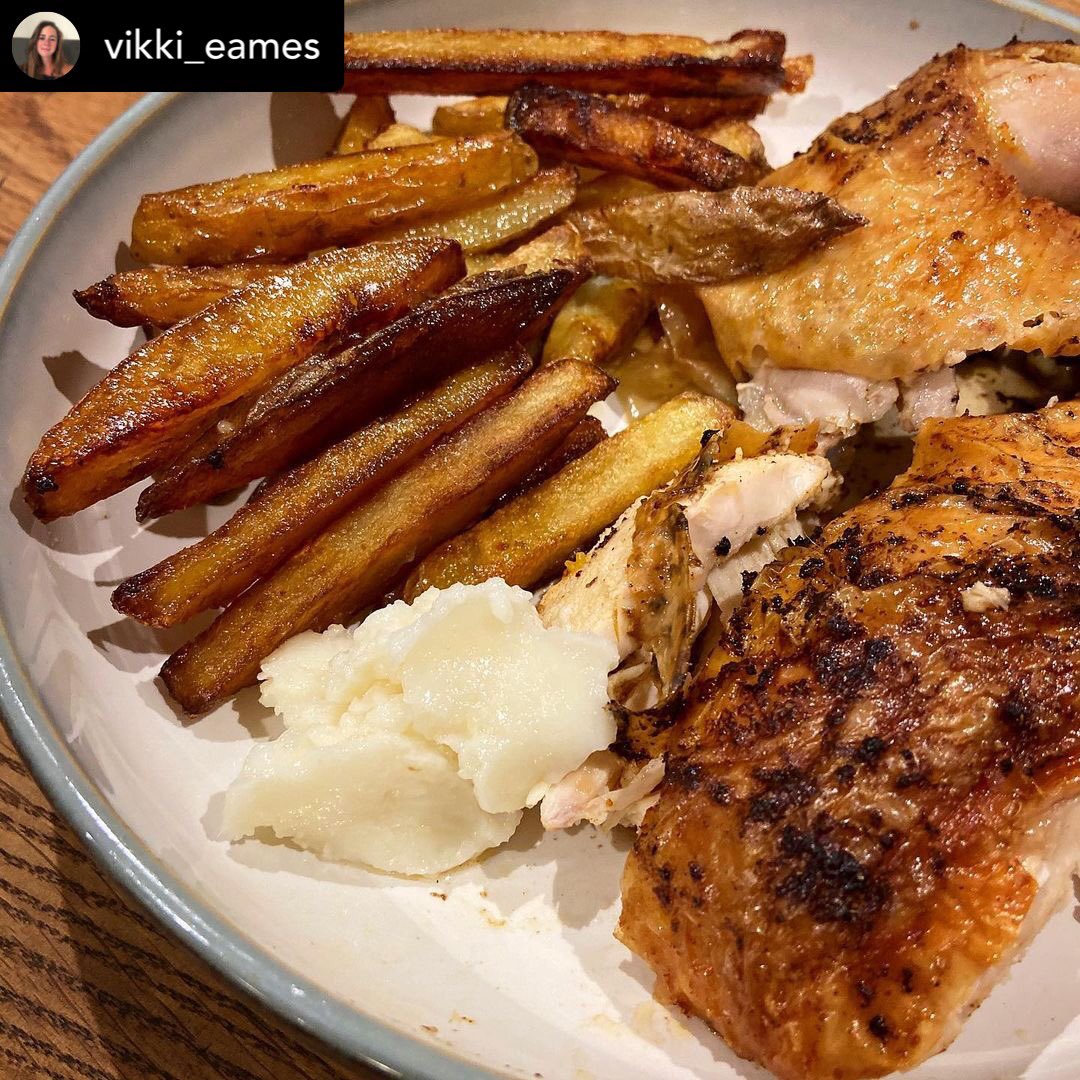
Chicken ‘n’ chips & aioli!👌🐓@vikki_eames cooked our #fossechicken with a fajita rub & seasoning, made fried chips and served with aioli! Crispy skin, tasty juicy chicken - #delicious!!
#homecooking #chickennchips #manymealsonechicken #lessmeatbettermeat
instagram.com/p/CKEzo3unWr6/…
4

29 Nov 2020
When something like bird flu comes along, factory farming creates the perfect conditions for it to spread: all packed in together. #LessMeatBetterMeat #regenerativefarming #birdflu
bbc.com/news/uk-england-york…
9
18
12 Jun 2020
Also larval foodplant for the #endangered Crescent #moth - sensitive grazing systems on Rhos Pasture / Culm Grassland help preserve all sorts of incredibly important #wildlife. As consumers we can help by buying #food produced this way. #lessmeatbettermeat @freshrange
12 Jun 2020

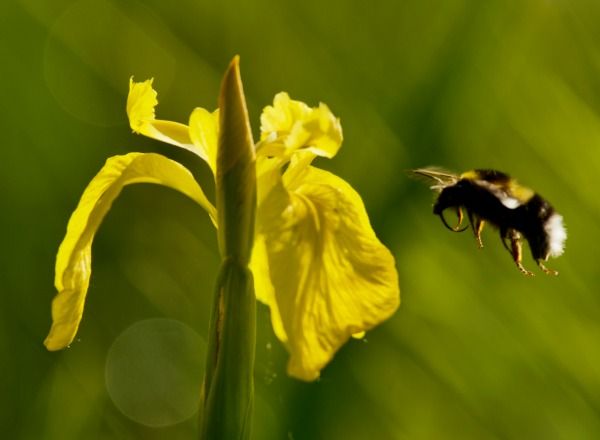
Our #Dartmoor Rhos Pastures are buzzing with life even after a long dry spring. This damp grassland is so valuable to wildlife, with flowers like this yellow flag iris providing nectar for bumblebees. The more diverse the farm landscape, the more resilient it is to #climatechange
2
22
77
5 Jun 2020
Worried about meat shortages during #COVID19 and what that means for your diet? Americans eat an average of 222 pounds of meat per person each year, but there are simple ways you can cut back: ow.ly/OHlO50zTGBR #lessmeatbettermeat
1
1
1 Jun 2020
Worried about meat shortages during #COVID19 & what that means for your diet? Don't worry, eating less meat but better meat is a great thing to do! Here are ways to reduce your meat consumption & still eat deliciously: ow.ly/znju50zVGae #lessmeatbettermeat #MeatlessMonday
1
4
20 May 2020
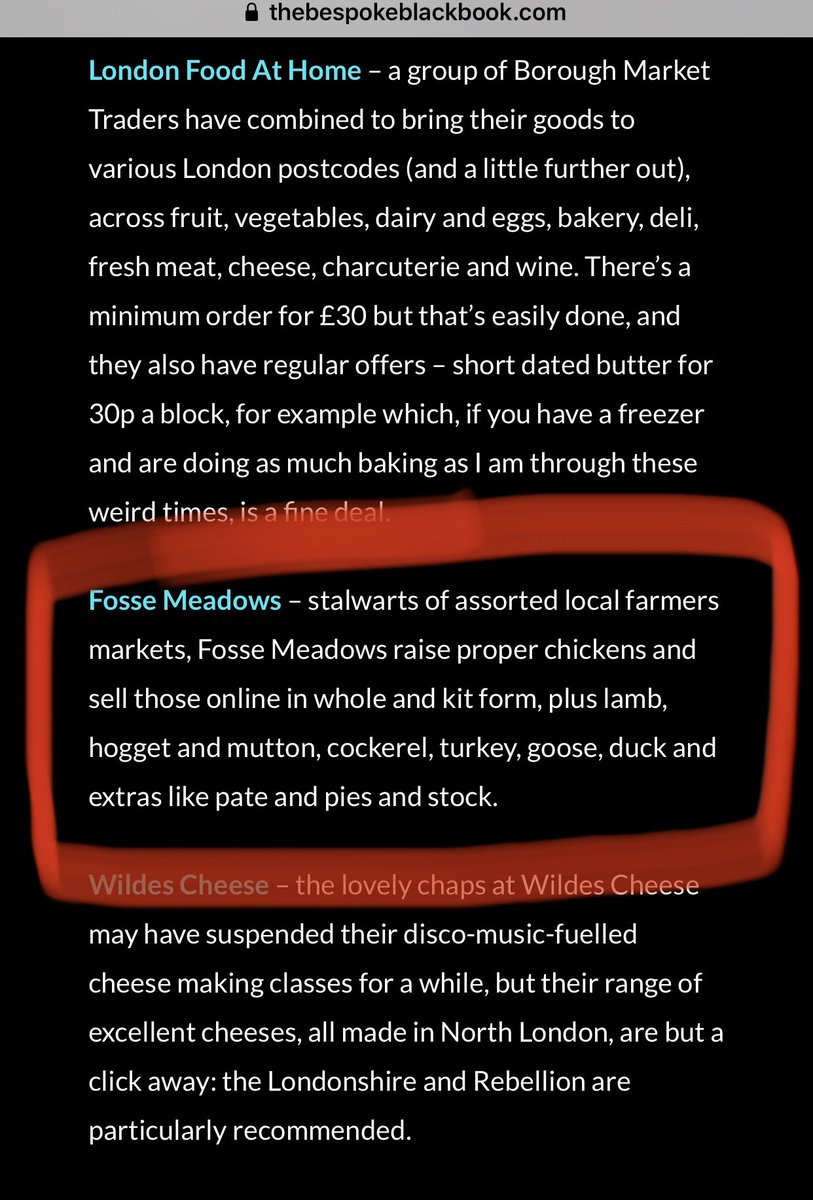
Looking for recommendations for best #qualitymeat for home #delivery?
Check the RT @TheBespokeBook by #London #foodie @DineHard (we’re also listed w @eatlikeagirl) @FosseMeadows #thankyou #directfromthefarm #weekly #lessmeatbettermeat
22 Apr 2020

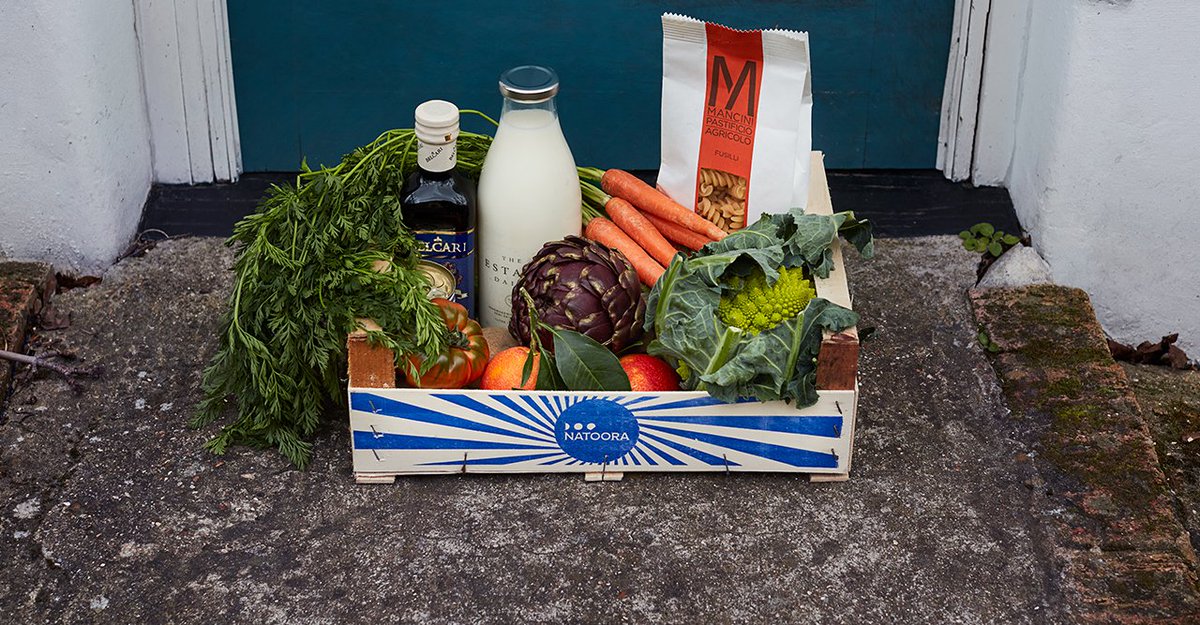
Our London based resident foodie @DineHard tries out some food delivery options available whilst in lockdown because of COVID-19 thebespokeblackbook.com/food… @eatlikeagirl @hotdinners #Homedelivery #cooking #lockdown #delivery #cuisine
1
2
2
16 Feb 2020
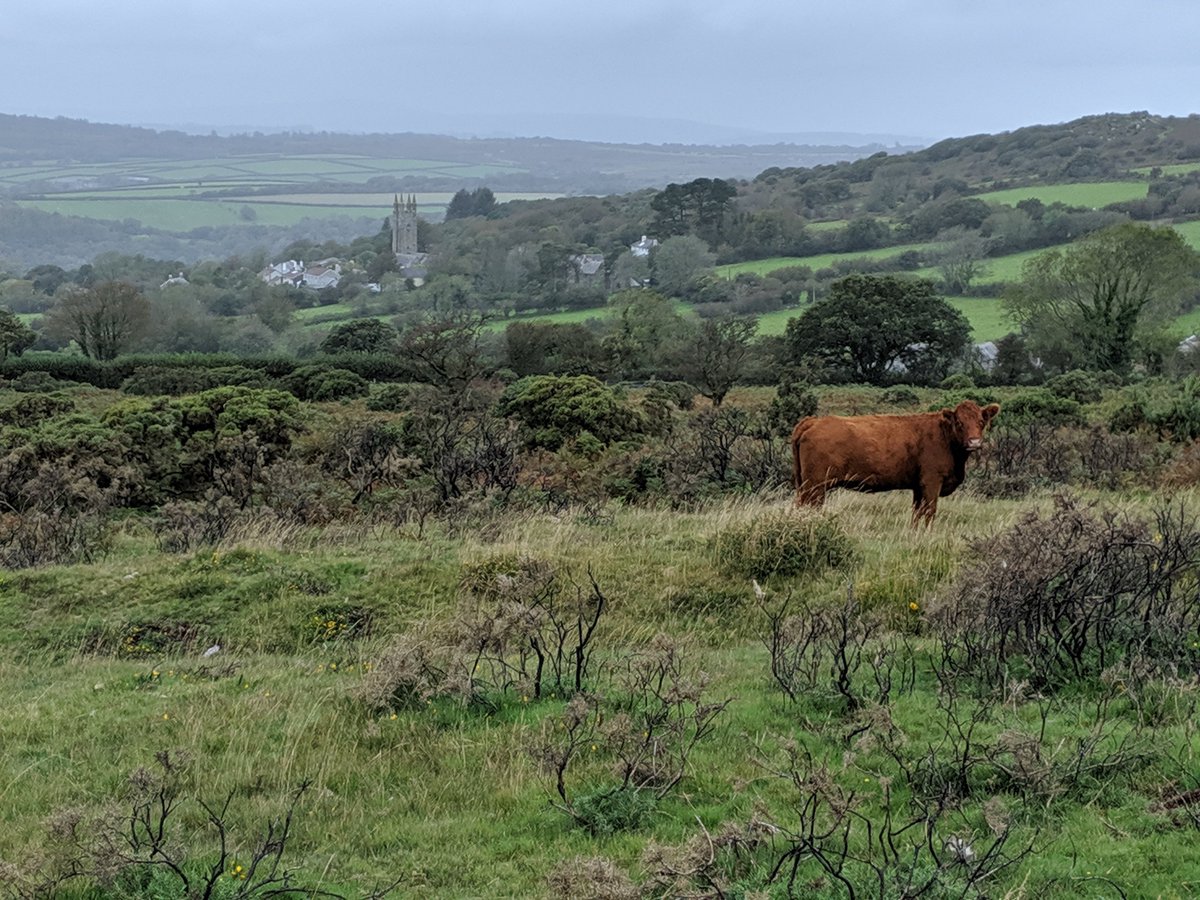
We need to keep pressure on politicians as the subsidies system is being completely revised at the moment. We also need to support #farmers like those in @farmwilder @PastureForLife who are preserving #wildlife by buying from shops like @freshrange @Riverford #lessmeatbettermeat
11
23

1 Feb 2020
The rise of the climate diet - veg with meat on the side. My story via @goodfoodAU @theage feat @Wilkinson_Matt @chefmattmoran @fablefoodco @MHadjikakou goodfood.com.au/eat-out/news… #ClimateChange #climatediet #lessmeatbettermeat
2
4
9

29 Jan 2020
Great piece on how #LessMeatBetterMeat can help improve #biodiversity
Like electricity generation, meat production can be harmful or, done well, #sustainable and #regenerative @FarmWilder
inews.co.uk/inews-lifestyle/…
6
14
18 Jan 2020
Americans eat an average of 222 pounds of meat per year. For day 18 of the #ReduceYourFoodprint Challenge, eat much less meat, and choose pasture-raised, rather than factory farm-raised, animal products when you do choose those them. #lessmeatbettermeat ow.ly/UC4850xXKBo
1
4
25 Aug 2019
See you @allypallyfm #CampsbourneSchool 10am for our @FosseMeadows delicious farm-fresh very #slowgrown #freerangechicken 🐓 & ☀️ #bbq ready #spatchcock & cuts. Also #picnic pies #sausage rolls #homemade on the farm. #awardwinning poultry 👌#highlyrecommended #lessmeatbettermeat
22 Aug 2019

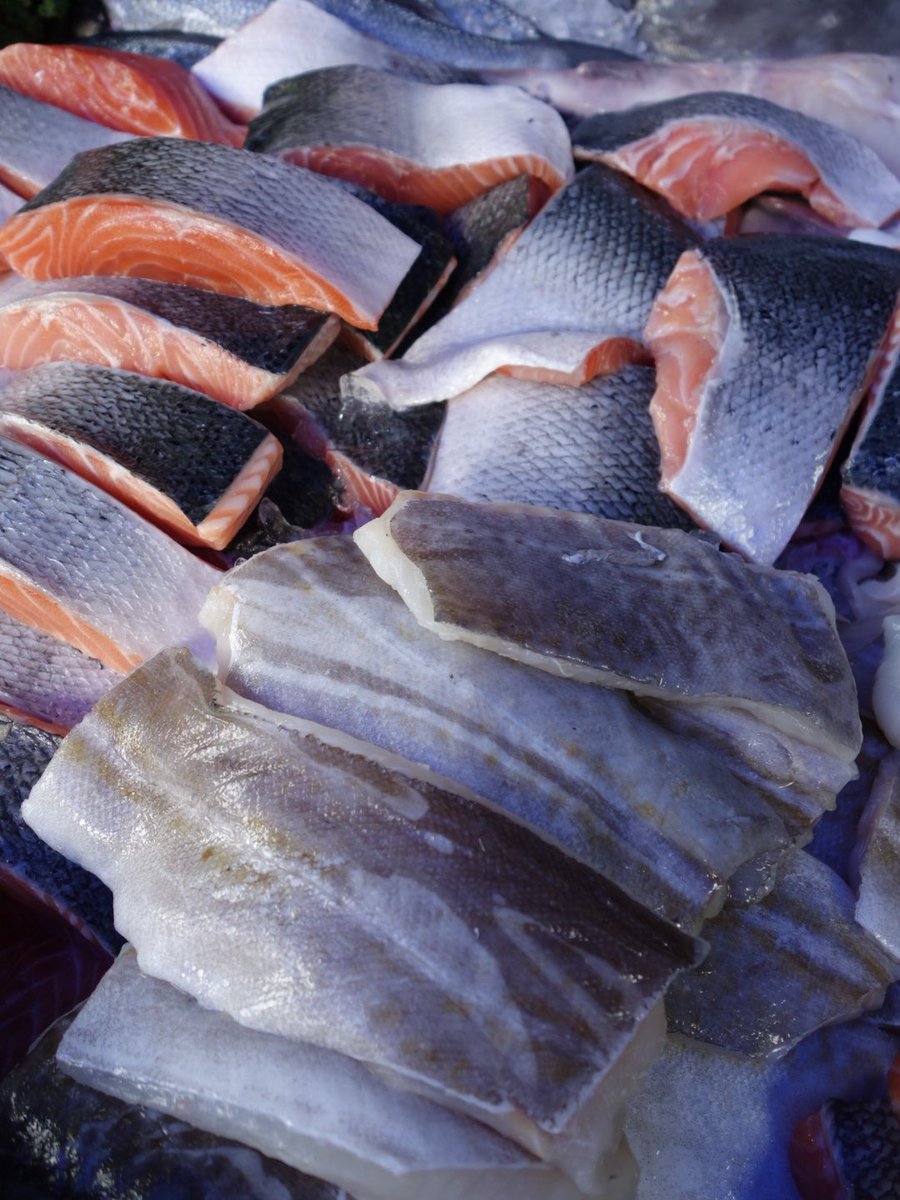
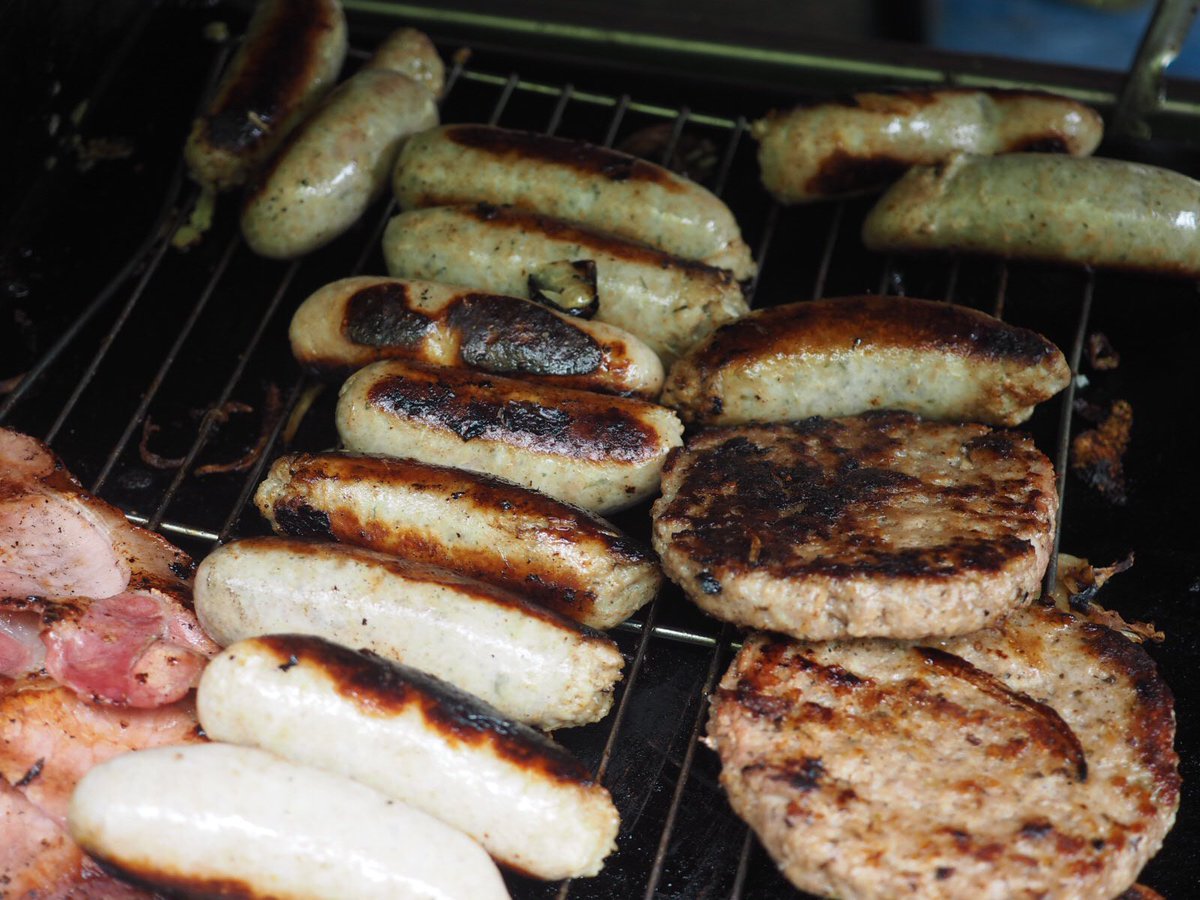
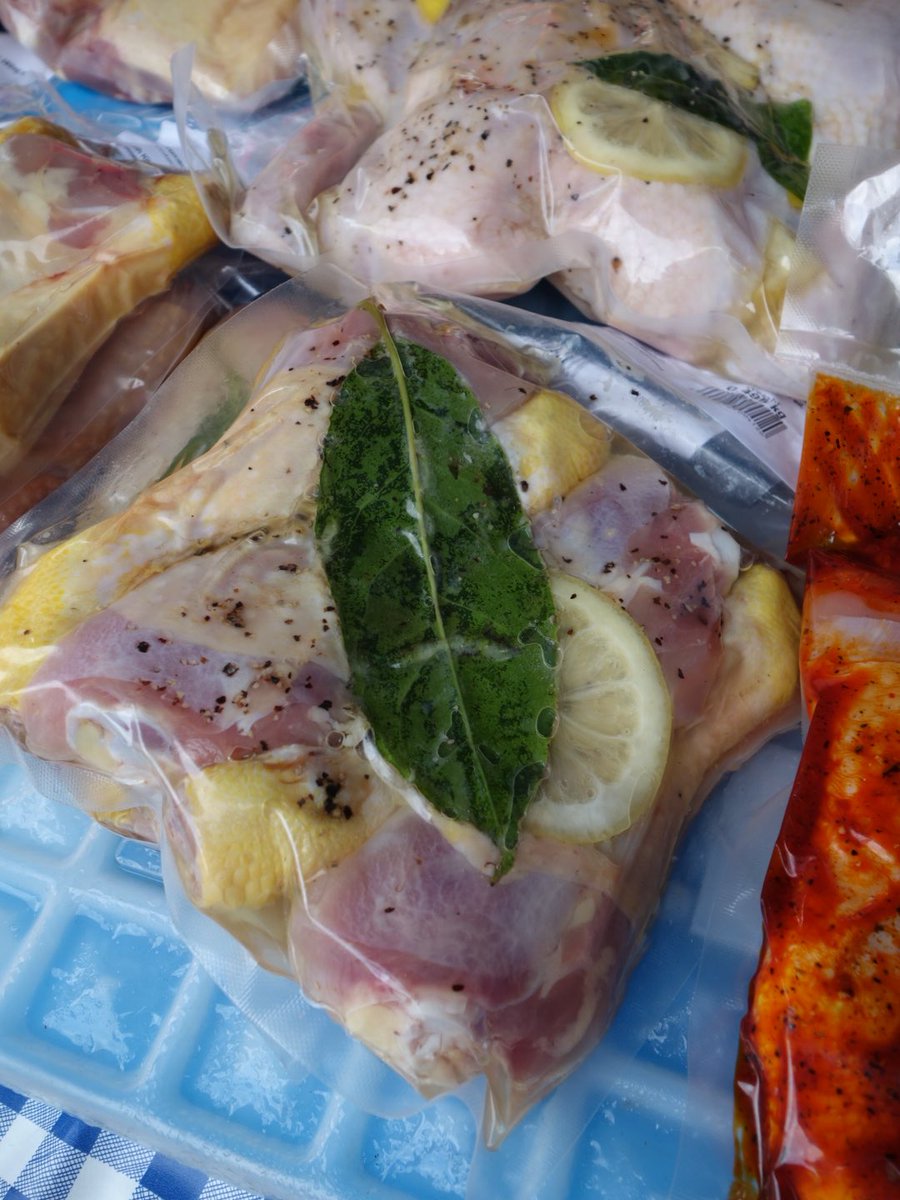
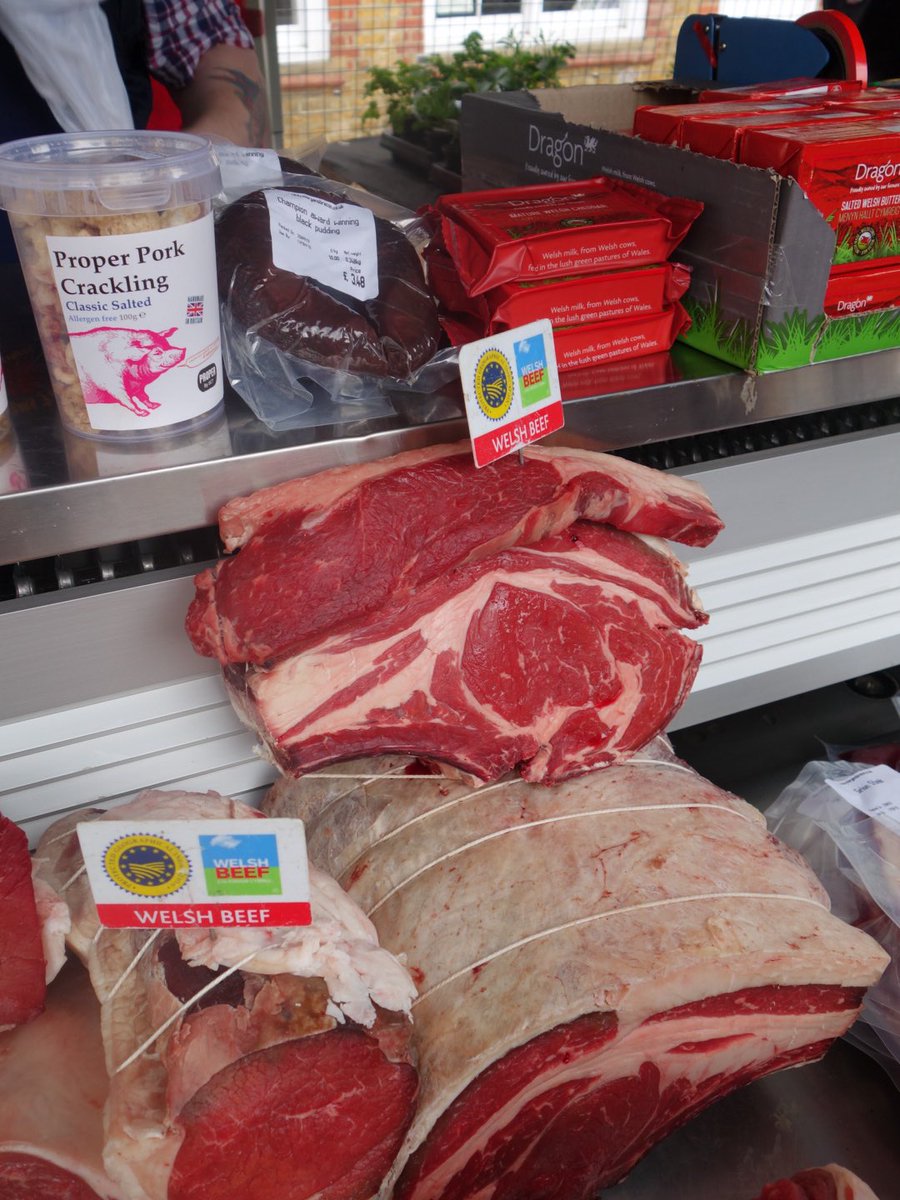
Are you BBQ ready for the bank holiday? Remember we are at Campsbourne School with everything you may need! #bbq #bankholiday #eatlocal
1